Booking
 Skyshop
 Hotel
Hotel
 E-Voucher
 E-Sim
E-Sim
 E-Visa
 Buy foreign currency
 Insurance
 SkyJoy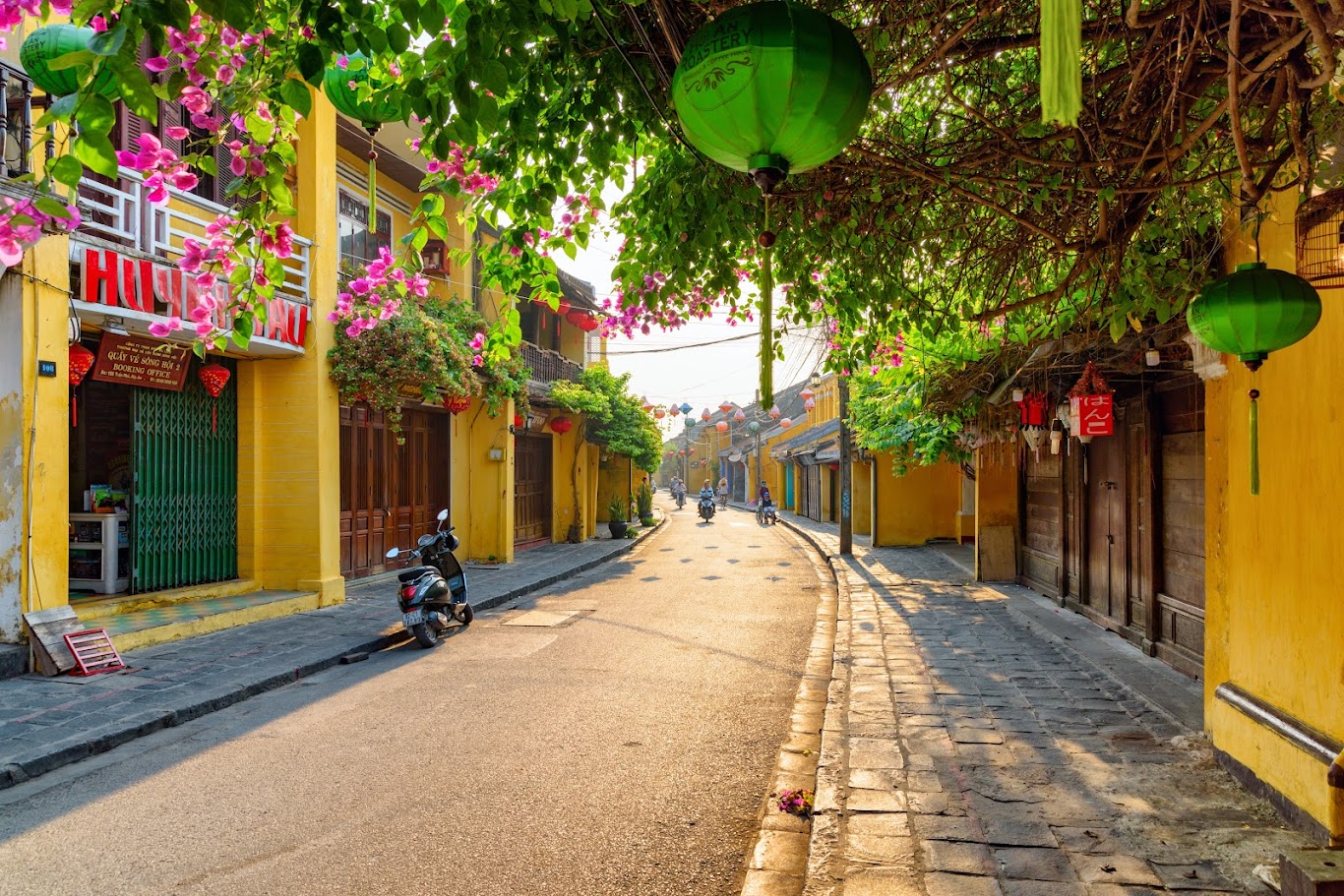
The ancient town of Hoi An, located on the poetic banks of the Hoai River, has long become a special destination on Vietnam’s travel map. The town is not only known for its moss-covered tiled roofs, colorful lantern-lined streets, and tranquil riverfront, but also recognized by UNESCO as a World Cultural Heritage Site for its historical significance and unique cultural fusion.
Amidst this nostalgic ambiance, Hoi An cuisine serves as a bridge connecting visitors to local culture. The town’s specialties embody the essence of Vietnamese flavors, harmoniously blended with the sophistication of Chinese cuisine and a hint of Western influence. This article will guide you through Hoi An’s must-try delicacies and unforgettable culinary experiences when visiting Hoi An, Quang Nam.
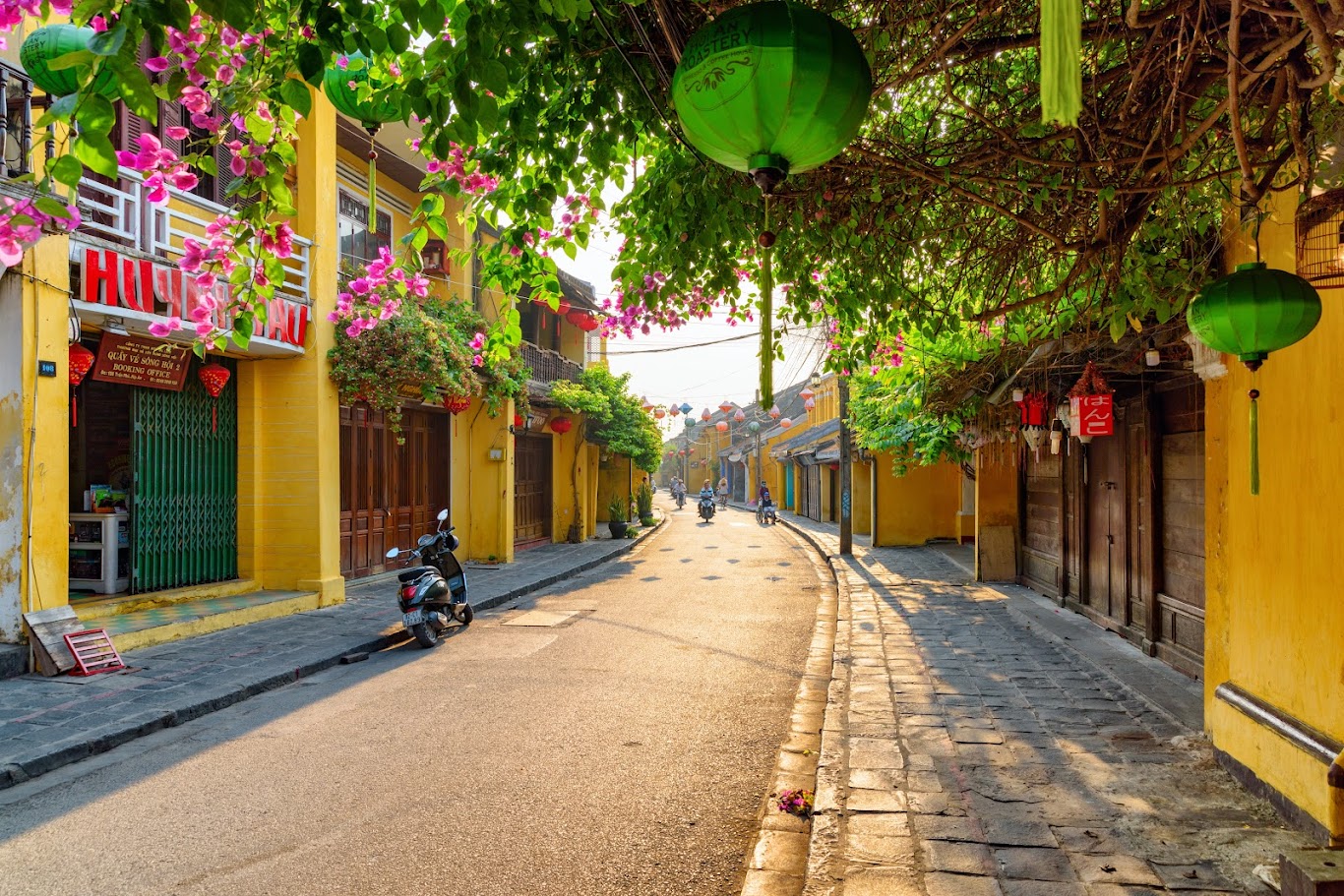
Hoi An captivates visitors not only with its ancient charm and friendly locals but also with its diverse and flavorful cuisine.
1. Overview of Hoi An Cuisine, Quang Nam
Once a bustling trading port in the 16th–17th centuries, Hoi An welcomed merchants from China, Japan, and Western countries. This cultural exchange not only shaped the town’s development but also left a profound influence on its food culture. Based on local ingredients from Cua Dai beach, Tra Que village, and traditional Vietnamese flavors, Hoi An’s cuisine showcases remarkable creativity and balance.
For example, cao lau, one of Hoi An’s most iconic dishes, features chewy Japanese-style noodles paired with rich Chinese-style broth. Street snacks like fried wontons or white rose dumplings (banh vac) reflect Chinese culinary influence, while the beloved Hoi An banh mi carries a Western touch of freedom and simplicity.
Abundant nature and cultural diversity have together shaped Hoi An’s one-of-a-kind gastronomy, making it a true culinary gem of Vietnam.
See also: Beautiful cafés in Hoi An to enjoy the charm of the ancient town.
2. What to Eat in Hoi An? Must-Try Local Delicacies
2.1 Cao Lau
When talking about Hoi An cuisine, cao lau is always the first name that comes to mind. This centuries-old dish is considered the “soul” of Hoi An, closely tied to the town’s trading port history. What makes cao lau special is its chewy, slightly crispy noodles—unlike pho or mi Quang. Locals say that authentic cao lau noodles must be made with water from Ba Le Well, an ancient well in the old town, to achieve the right texture and flavor.
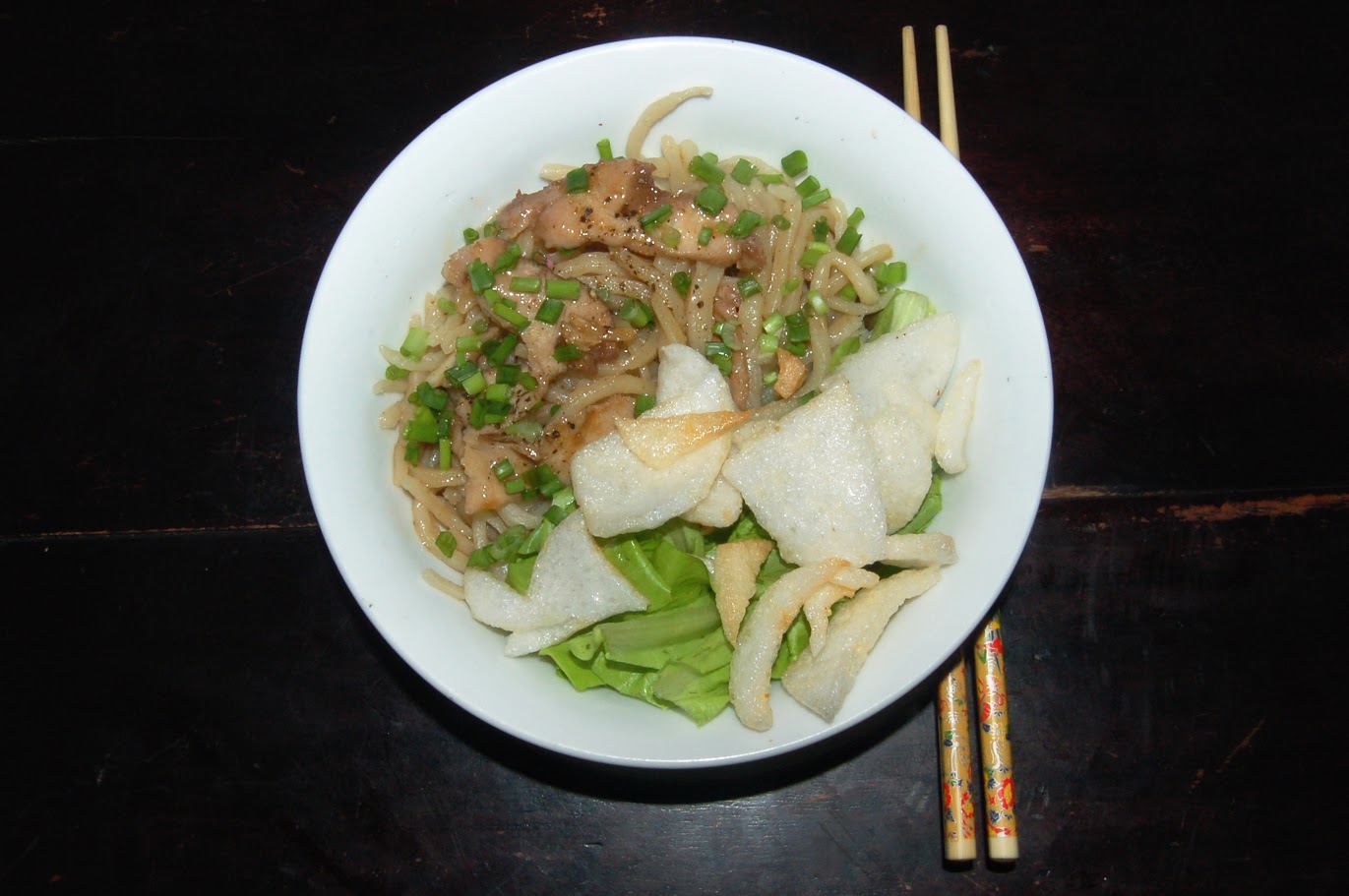
A full bowl of cao lau includes chewy noodles, tender char siu pork, crispy pork cracklings, rich sauce, and fresh herbs.
A complete bowl of cao lau typically includes firm noodles, tender roasted pork, crispy lard bits, and thick savory sauce, served with fresh Tra Que herbs. Unlike noodle soups, cao lau has no broth, offering a delicate combination of textures and flavors — the richness of pork, the freshness of herbs, and the elasticity of the noodles. This perfect harmony creates a unique yet familiar taste that leaves a lasting impression.
Where to Eat Authentic Cao Lau in Hoi An:
- Cao Lau Thanh (26 Thai Phien Street): One of the oldest and most famous cao lau spots in the old town.
- Cao Lau Ba Be (Hoi An Market): A humble local stall popular among residents.
- Trung Bac Restaurant (87 Tran Phu Street): A traditional-style restaurant ideal for tourists seeking an authentic heritage dining experience.
2.2 Mi Quang (Quang-style Noodles)
If cao lau is considered the “soul” of Hoi An, then mi Quang perfectly represents the culinary essence of Quang Nam. Though this dish can be found across Vietnam, the Hoi An version has its own distinctive charm — simple yet flavorful — and is deeply rooted in the daily meals of local residents.
What makes mi Quang special is its thick, wide, yet soft and elastic noodles, often dyed golden with turmeric. The broth is not filled to the brim but kept shallow, rich in flavor from simmered pork bones, shrimp, chicken, or pork. Each bowl is topped with an abundance of ingredients — tender chicken, fresh red shrimp, creamy quail eggs, roasted peanuts, crispy rice crackers, and especially fresh Tra Que herbs. When mixed together, the flavors harmonize beautifully, creating a taste that’s both rich and refreshing — one that lingers long after the meal.
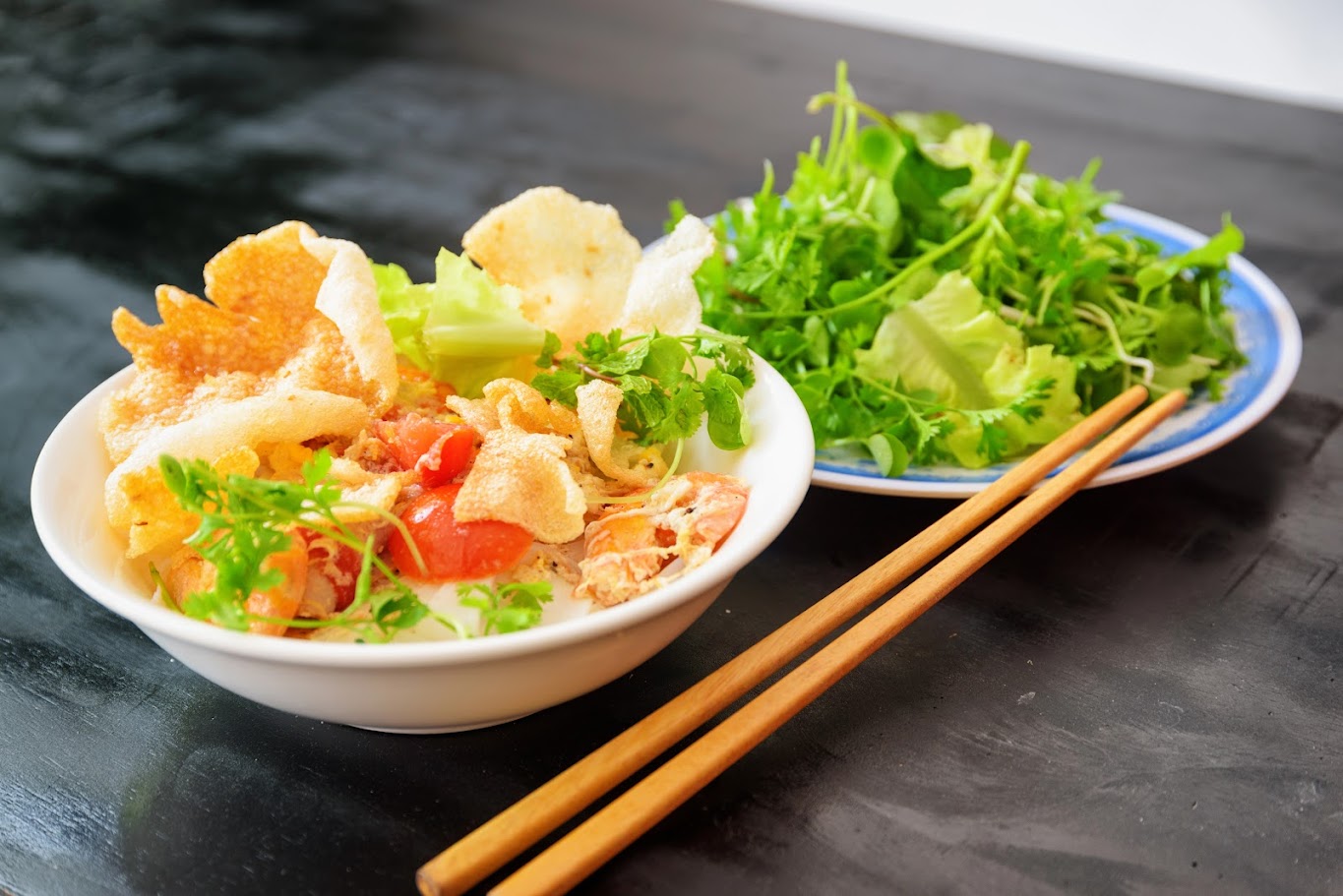
The charm of mi Quang lies in its diverse ingredients, meticulous preparation, and signature balance of flavors.
Recommended Hoi An eateries for Mi Quang:
- Mi Quang Ong Hai (6A Truong Minh Luong Street): Famous for traditional-style chicken mi Quang.
- Mi Quang Ba Minh (Cam Ha Village, Hoi An Outskirts): A rustic spot often visited by international travelers.
2.3 Hoi An Banh Mi
Not only famous in Vietnam, Hoi An banh mi has also earned global acclaim. Celebrity chef Anthony Bourdain once praised it as “the best sandwich in the world” after tasting it in the ancient town. The appeal of this humble dish lies in the perfect balance between the crispy crust and the rich, flavorful fillings.
A typical Hoi An banh mi is packed with ingredients such as creamy pâté, fragrant grilled pork or cold cuts, crisp cucumbers, pickled vegetables, and a signature house-made sauce. Each bite reveals an explosion of flavors — savory, sweet, tangy, spicy — perfectly blended to create an unforgettable culinary experience.
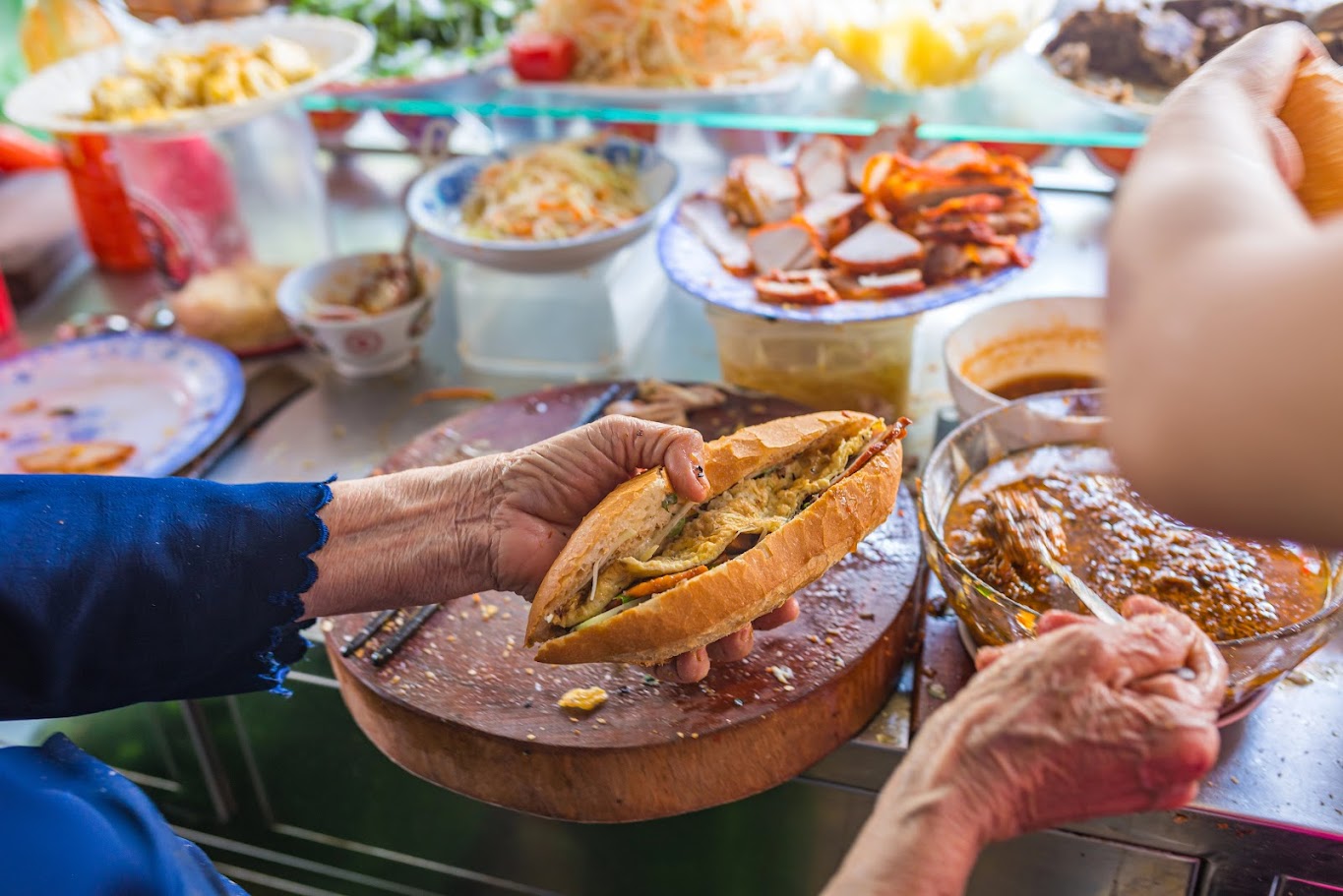
Hoi An banh mi is often drenched in a signature homemade sauce, giving it an irresistible flavor.
Recommended Banh Mi Spots in Hoi An:
- Banh Mi Phuong (2B Phan Chau Trinh): A world-famous shop loved by travelers from around the globe.
- Madam Khanh – The Banh Mi Queen (115 Tran Cao Van): Known for generous fillings and rich flavors, a favorite among Western tourists.
- Street banh mi stalls in the Old Town: Budget-friendly yet authentically delicious — a true taste of Hoi An.
2.4 Hoi An Chicken Rice
Among Hoi An’s must-try dishes, com ga (chicken rice) always earns a top spot. The first thing that captures attention is the golden, fragrant rice — cooked in chicken broth with a hint of turmeric or pandan leaves, giving it a beautiful color and subtle aroma. The chicken, often free-range hens, is boiled to tender perfection, then shredded and mixed with onions, Vietnamese coriander, and pepper for a light yet savory flavor.
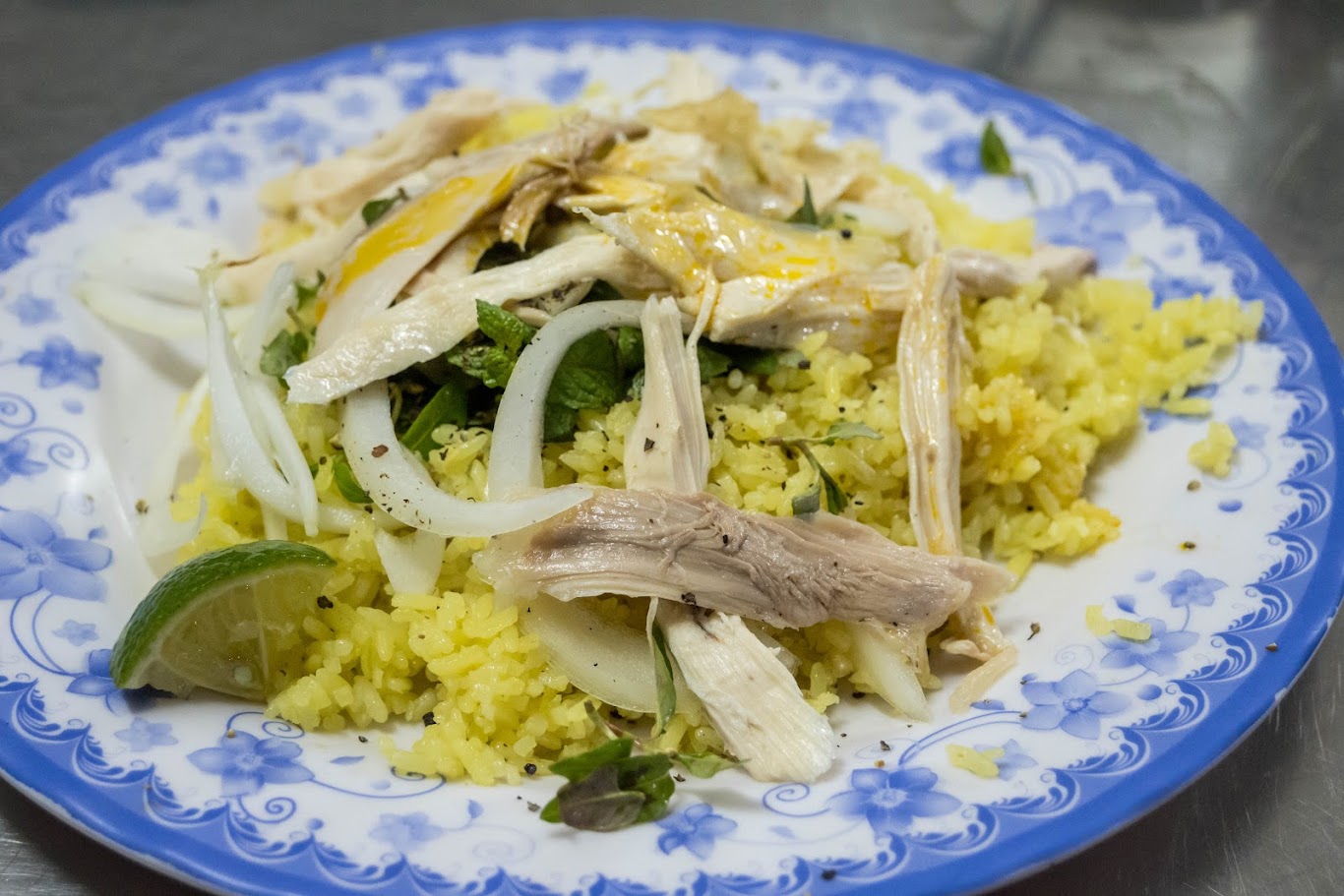
Hoi An chicken rice features golden grains, tender chicken, and sweet-and-sour pickled onions.
A complete serving includes stir-fried chicken giblets with turmeric, pickled vegetables, and a small bowl of hot broth. The combination creates a rich yet balanced dish — flavorful but never overwhelming.
Recommended Hoi An Chicken Rice Restaurants:
- Ba Buoi Chicken Rice (2 Phan Chau Trinh): Over 60 years of tradition.
- Nga Chicken Rice (8 Phan Chau Trinh): Rich flavor and generous portions.
- Hoi An Market stalls: Affordable and authentic, loved by both locals and visitors.
2.5 White Rose Dumplings (Banh Bao Banh Vac)
White Rose Dumplings (banh bao – banh vac) are considered Hoi An’s signature specialty — a dish you won’t find anywhere else. Locals affectionately call it “white rose” for its delicate, flower-like appearance.
The ingredients are simple — rice flour dough and a shrimp-pork filling — but the secret lies in the rice and soaking process. The rice must be the fragrant, glutinous variety from Quang Nam, soaked in Hoai River water before being ground, creating a translucent, smooth, and non-sticky wrapper. The minced shrimp filling is seasoned and wrapped delicately in thin dough. When steamed, the dumplings appear crystal white, slightly translucent, revealing a blush of pink inside.
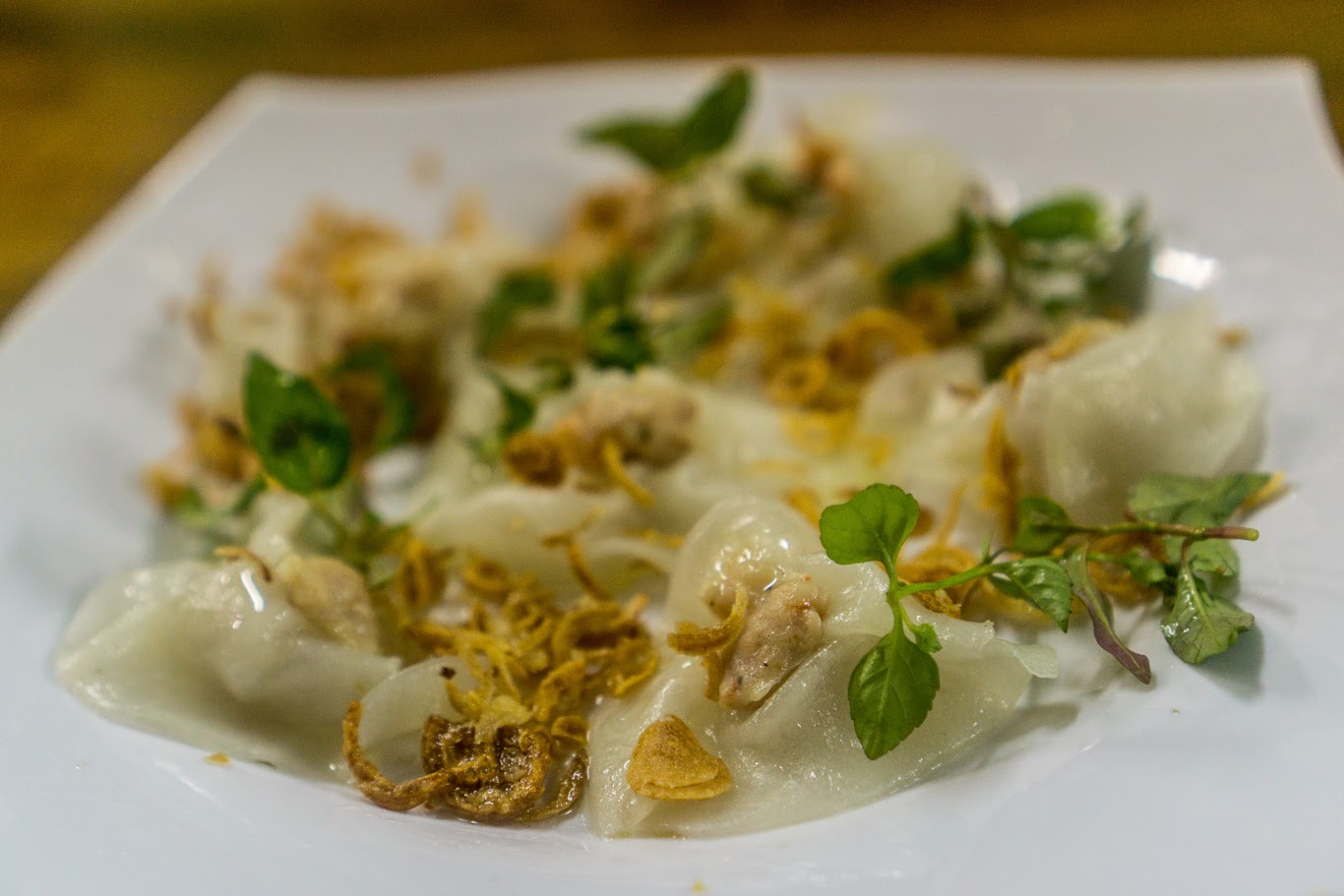
Hoi An’s white rose dumplings are named for their delicate, flower-like beauty — a symbol of the city’s culinary artistry.
The dumplings are usually served together on one plate, topped with crispy fried shallots, scallion oil, and drizzled with a sweet, spicy fish sauce. The soft wrapper, sweet shrimp filling, and aromatic sauce create a harmony of textures and flavors that embody Hoi An’s culinary essence.
Where to Try White Rose Dumplings in Hoi An:
- White Rose Restaurant (533 Hai Ba Trung): Famous for its authentic, traditional recipe.
- Local eateries and Hoi An Market stalls: Offer a more rustic version at affordable prices.
See also: Hoi An 3 Days 2 Nights Travel Guide – Best Attractions & Experiences.
3. Unique Culinary Experiences in Hoi An
Hoi An’s gastronomy is not just about delicious food — it’s a journey through the town’s culture, history, and lifestyle. From traditional eateries exuding ancient charm to hands-on experiences like cooking classes or riverside dining on the poetic Hoai River, every activity creates a lasting memory where taste and emotion blend seamlessly.
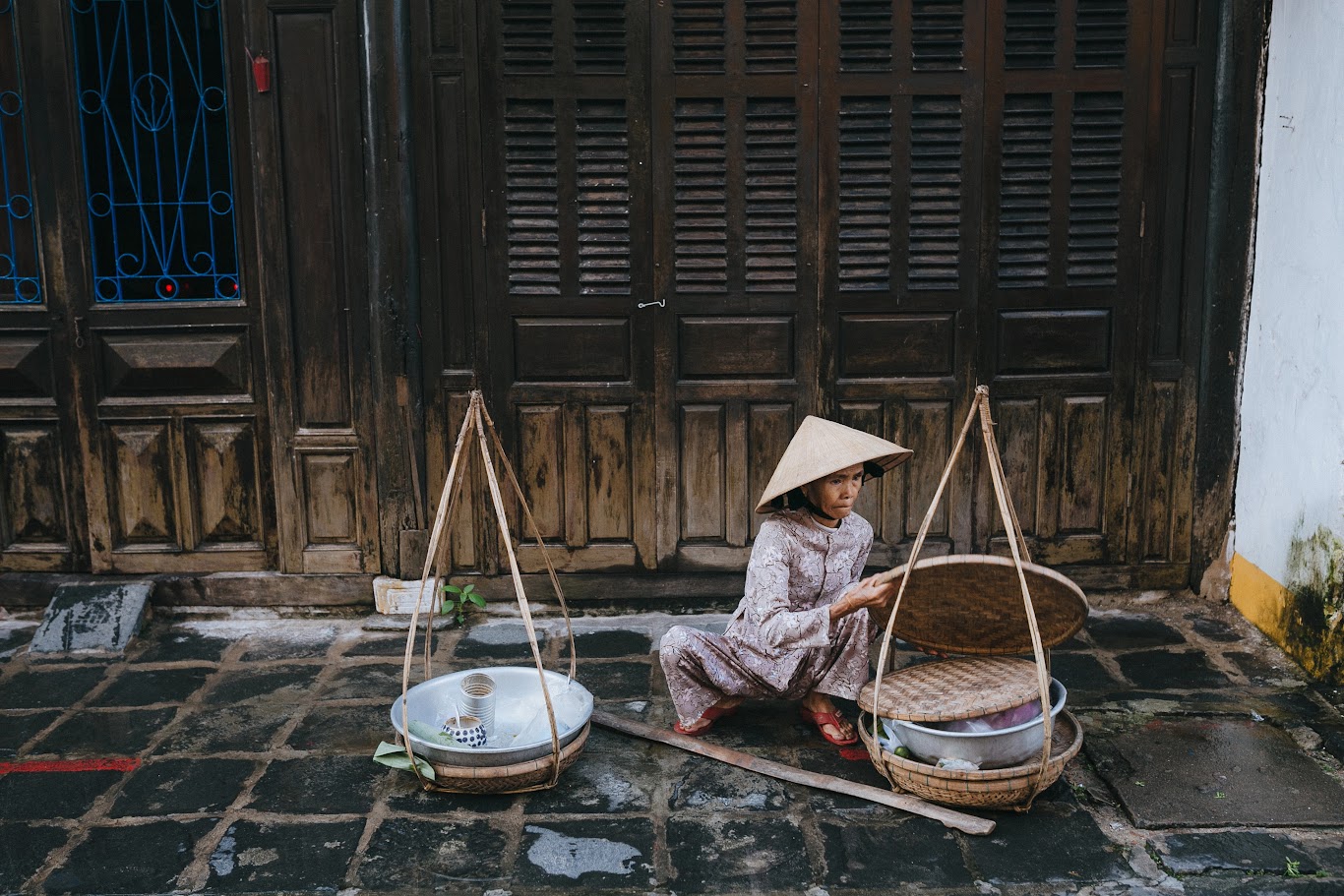
Even the humble street food vendors in Hoi An can surprise visitors with incredible flavors hidden in the simplest dishes.
Recommended Food Experiences in Hoi An:
- Dining in the Ancient Town: Walking through Hoi An’s narrow streets, you’ll be captivated by yellow-walled houses, mossy rooftops, and glowing lanterns at night. Restaurants along Tran Phu, Nguyen Hue, and Le Loi streets serve authentic dishes in nostalgic settings that perfectly reflect Hoi An’s charm.
- Tra Que Vegetable Village: Located about 3 km from the ancient town, Tra Que Village is a must-visit for those who want to understand the roots of Hoi An’s cuisine. Famous for its lush, aromatic herbs grown with traditional methods and watered with Thu Bon River water, the village allows visitors to plant, harvest, and even cook alongside locals — preparing fresh spring rolls or mi Quang with herbs straight from the garden.
- Cooking Classes: To truly immerse yourself in Hoi An’s food culture, join a local cooking class. Renowned spots like Morning Glory Restaurant (106 Nguyen Thai Hoc) or Red Bridge Cooking School (Tra Que Village) offer hands-on experiences where you’ll learn how to make cao lau, mi Quang, and white rose dumplings under the guidance of expert chefs. Some classes even include a local market tour to source fresh ingredients — from herbs to seafood — giving you a complete culinary experience from market to table.
- Hoi An Market: The ideal spot to explore fresh ingredients, enjoy local snacks, and buy specialties as souvenirs. Wandering through the market, you’ll feel the pulse of local life and the vibrant spirit of Hoi An cuisine.
See also: Thanh Ha Pottery Village – A Traditional Craft Village in Hoi An.
Traveling to Hoi An becomes even more fulfilling when you combine sightseeing with a deep dive into its rich, flavorful cuisine. The town is easily accessible via direct flights to Da Nang or Chu Lai airports. Don’t miss the chance to visit Hoi An on a budget with Vietjet’s 0 Dong tickets, available daily from 12 PM to 2 PM — the perfect way to start your culinary adventure!Discover it here
Stay updated on flight routes, promotions, and travel tips via Vietjet’s official channels.
- Website: https://www.vietjetair.com
- Facebook: https://www.facebook.com/vietjetvietnam
- Instagram: https://instagram.com/vietjet
- YouTube: https://www.youtube.com/VietjetOfficial
- TikTok: https://www.tiktok.com/@vietjetvietnam
- Zalo: https://oa.zalo.me/vietjet