Booking
 Skyshop
 Hotel
Hotel
 E-Voucher
 E-Sim
E-Sim
 E-Visa
 Buy foreign currency
 Insurance
 SkyJoy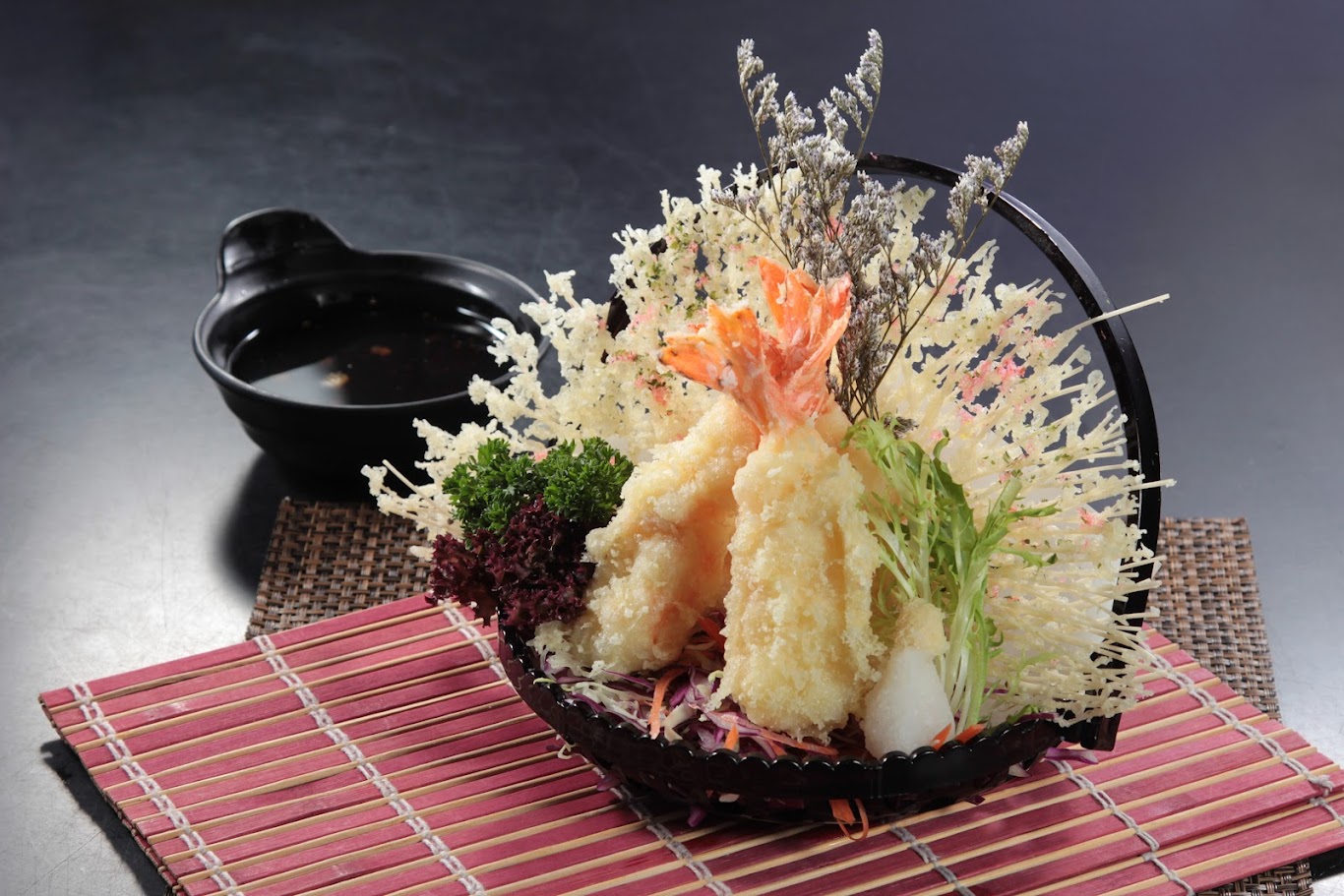
Crispy, golden, and refined – that’s what people remember about the legendary Japanese dish, tempura. More than just fried food, tempura is a symbol of the meticulousness, delicacy, and elegance in the Japanese way of enjoying cuisine.
From casual eateries to fine dining restaurants, tempura is always present as an indispensable part of Japan’s food culture. So, what makes tempura so special that it has conquered the world? Let’s join Vietjet in exploring this beloved “national” crispy fried dish!
Tempura is one of Japan’s most iconic fried foods.
1. Introduction to Tempura – Japan’s Famous Crispy Fried Dish
1.1 What is Tempura?
Tempura is a renowned Japanese deep-fried dish made from vegetables or seafood coated in batter and fried in hot oil. Unlike ordinary fried foods, tempura offers a light flavor, with a thin, crispy coating that is not overly greasy, preserving the natural freshness of the ingredients inside.
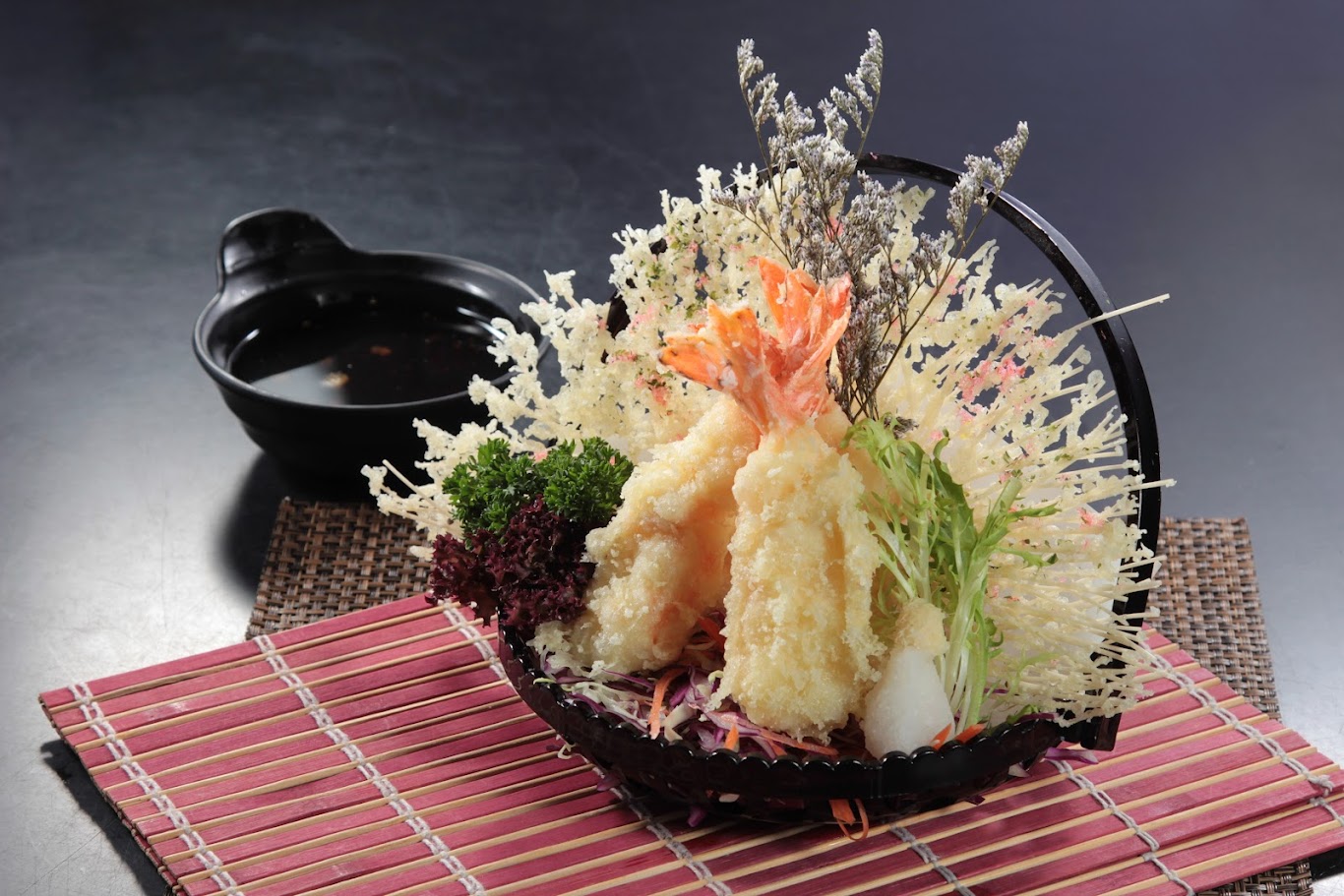
Common tempura ingredients include:
- Shrimp (ebi) – the “classic” tempura, crispy on the outside, sweet and juicy inside
- Sweet potato (satsumaimo) – soft, nutty, with a mild sweetness
- Pumpkin (kabocha) – naturally sweet with a golden, appetizing color
- Eggplant (nasu), okra, shiitake mushrooms – tasty and healthy optionsOther creative variations include shiso leaves, white fish, squid, crab, or even maple leaves (momiji), transformed into unique tempura dishes.
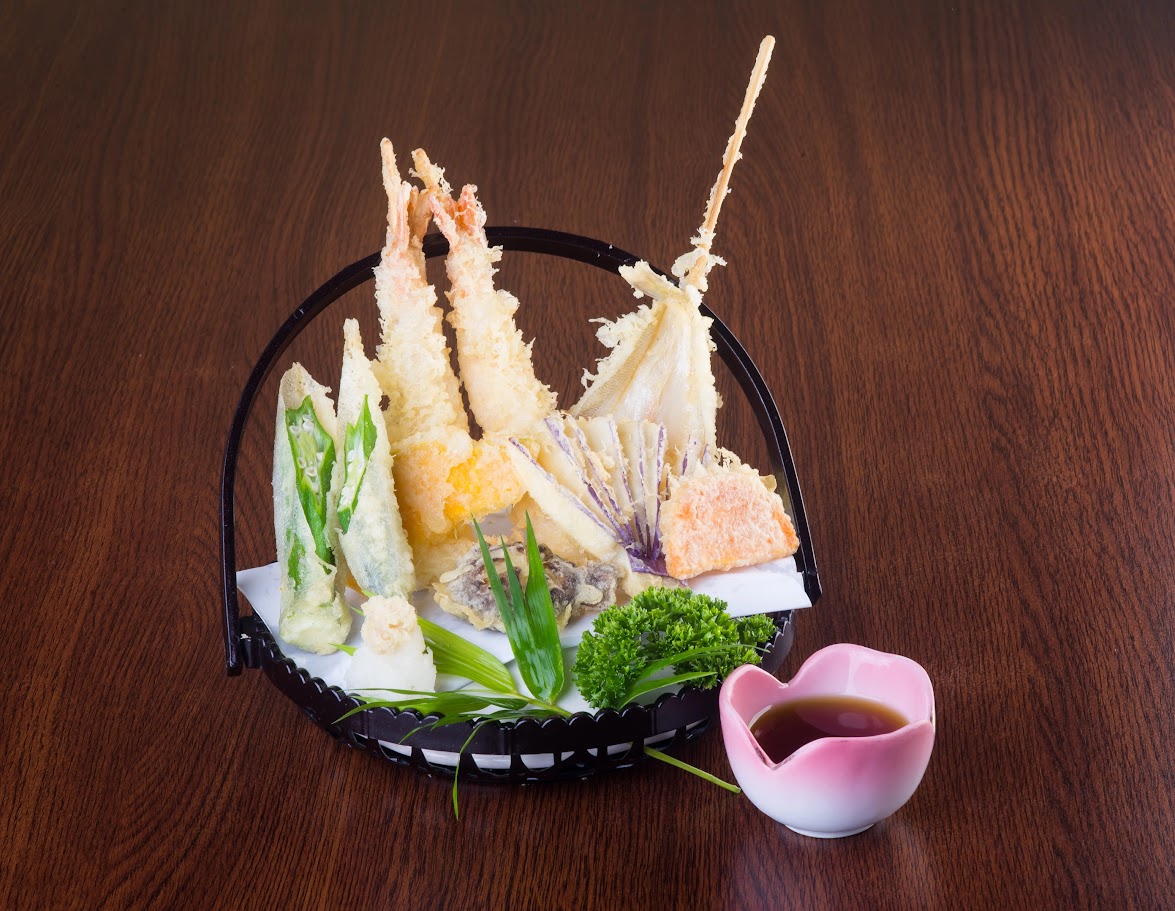
Tempura features diverse ingredients and refined flavors, captivating food lovers worldwide.
1.2 The Origins of Tempura
Few people know that tempura – now a symbol of Japanese cuisine – actually originated from Portugal. In the 16th century, Portuguese missionaries and traders introduced the frying technique to Japan, particularly for preparing dishes during fasting periods. The word tempura derives from the Latin phrase Quatuor tempora, meaning “Ember Days” or times of fasting.
Over time, the Japanese adapted the recipe, elevating it into a culinary art that spread across the country. Today, tempura is not only a staple in Japan but also a global ambassador of Japanese cuisine, solidifying its place on the world’s culinary map.
2. The Flavor of Tempura – A Crispy Crust Encasing Japan’s Culinary Essence
Though it may look simple, truly delicious tempura requires elaborate and precise techniques. The ingredients – such as prawns, white fish, squid, or seasonal vegetables – must be exceptionally fresh and carefully prepared to preserve their natural taste when fried at high temperatures.
The batter is the key to achieving the perfect crispiness without being greasy. Traditional tempura batter is made from low-gluten flour, egg, and ice-cold water. The consistency of the batter, the coldness of the water, and the mixing technique must be finely controlled to create a light coating that adheres evenly without being thick or doughy. The frying oil is also crucial – typically sesame or pure canola oil – heated to the ideal 160–180°C. Chefs constantly adjust the temperature to ensure each ingredient cooks perfectly, locking in moisture while leaving the exterior golden and crispy.
Tempura is often served with Tentsuyu dipping sauce – a blend of soy sauce, mirin, and dashi (made from bonito flakes and seaweed) – offering a harmonious balance of savory and sweet. Grated daikon radish, fresh ginger, or matcha salt may also accompany the dish, while some restaurants add a touch of yuzu citrus for a refreshing aroma.
The hallmark of authentic Japanese tempura lies in the harmony between the natural sweetness of the ingredients, the delicate crisp of the batter, and the subtle aroma of the oil and dipping sauce.
3. Where to Eat the Best Tempura?
Tempura can be found everywhere in Japan – from convenience stores to high-end restaurants. But if you want to savor the authentic flavor of tempura, certain renowned eateries and specialty restaurants are must-visits, ensuring a truly memorable culinary experience.
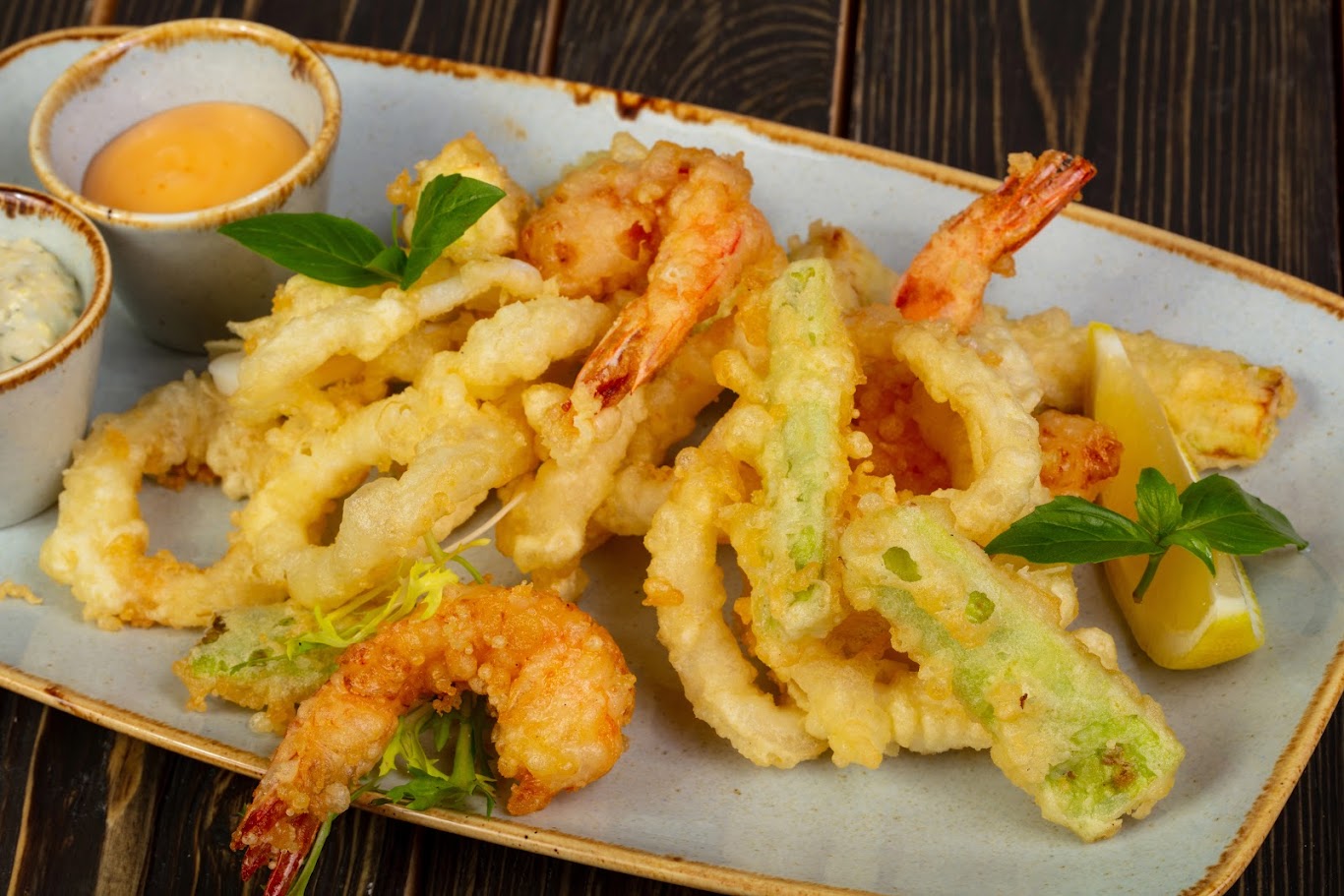
In Japan, travelers can enjoy tempura anywhere, from humble street stalls to fine dining establishments.
3.1 Tempura Kondo – Michelin-Starred Tempura in the Heart of Tokyo
Located in the bustling Ginza district, Tempura Kondo is one of the few restaurants recognized by Michelin for its traditional tempura. Chef Fumio Kondo, the founder, has dedicated over 50 years to the art of tempura frying. Here, diners can watch the frying process right before their eyes – from the gentle sizzling sound to the moment the golden tempura is placed delicately on a pristine white porcelain plate.
The ingredients at Tempura Kondo are exceptionally diverse, ranging from tiger prawns to seasonal vegetables such as asparagus, lotus root, and even sweet potatoes fried in the chef’s signature style – his specialty dish. Each course feels like a symphony of flavors, guiding you from one delightful surprise to another.
- Address: 9F Sakaguchi Building, 5-5-13 Ginza, Chuo-ku, Tokyo
- Opening Hours: 12:00 – 15:00 & 17:00 – 20:00 (Closed on Sundays)
- Price Range: ¥9,900 – ¥27,000 (~1,700,000 – 4,800,000 VND)
3.2 Tsunahachi – Traditional Tempura Since the Taisho Era
Founded in 1923, Tsunahachi is a historic tempura restaurant chain with over 100 years of tradition. The main branch near Shinjuku boasts an authentic old-Japan atmosphere, with wooden counters, noren fabric curtains, and elegant porcelain dishware.
The tempura here is prepared strictly in the traditional style – light sesame oil, thin batter, and always served piping hot straight from the fryer. Crowd favorites include ebi shrimp tempura and seasonal vegetables such as zucchini, Japanese peppers, and shiitake mushrooms.
- Address: 3-31-8 Shinjuku, Shinjuku-ku, Tokyo
- Opening Hours: 11:00 – 22:00
- Price Range: ¥2,900 – ¥5,500 (~525,000 – 1,000,000 VND)
3.3 Tendon Tenya – Delicious, Affordable Tempura for Street Food Lovers
For those who want to enjoy tasty tempura without breaking the bank, Tendon Tenya is the perfect choice. This popular chain specializes in tendon – rice bowls topped with assorted tempura – at incredibly reasonable prices. A hearty bowl with shrimp, squid, green beans, and pumpkin tempura costs just a few hundred yen, leaving you both full and satisfied.
With branches across major Japanese cities like Tokyo, Osaka, and Nagoya, Tenya is a convenient option whenever you need a quick, comforting, and delicious meal after a day of exploring.
- Address: Nationwide branches
- Opening Hours: 10:00 – 22:00 (varies by location)
- Price Range: from ¥510 (~90,000 VND)
4. Tips for Eating Tempura
4.1 How to Eat Tempura
Japanese cuisine is not only about refined preparation but also about the way food is enjoyed. Even with tempura, there are multiple ways to savor its flavor:
- Teishoku style (set meal): The most traditional way. A typical teishoku set follows the “one soup, three dishes” principle – tempura (shrimp and vegetables), steamed rice, miso soup, and pickles. Eating them alternately with a sip of warm green tea makes for a satisfying yet elegant meal.
- Tendon style: Tendon stands for tempura donburi – a rice bowl topped with tempura. Tendon is usually served with a richer, more flavorful dipping sauce compared to other donburi varieties.
- With Udon or Soba: Tempura paired with noodles is another favorite. A crispy shrimp tempura placed on hot udon or served separately with cold soba, dipped into tsuyu broth, is especially refreshing in the summer.
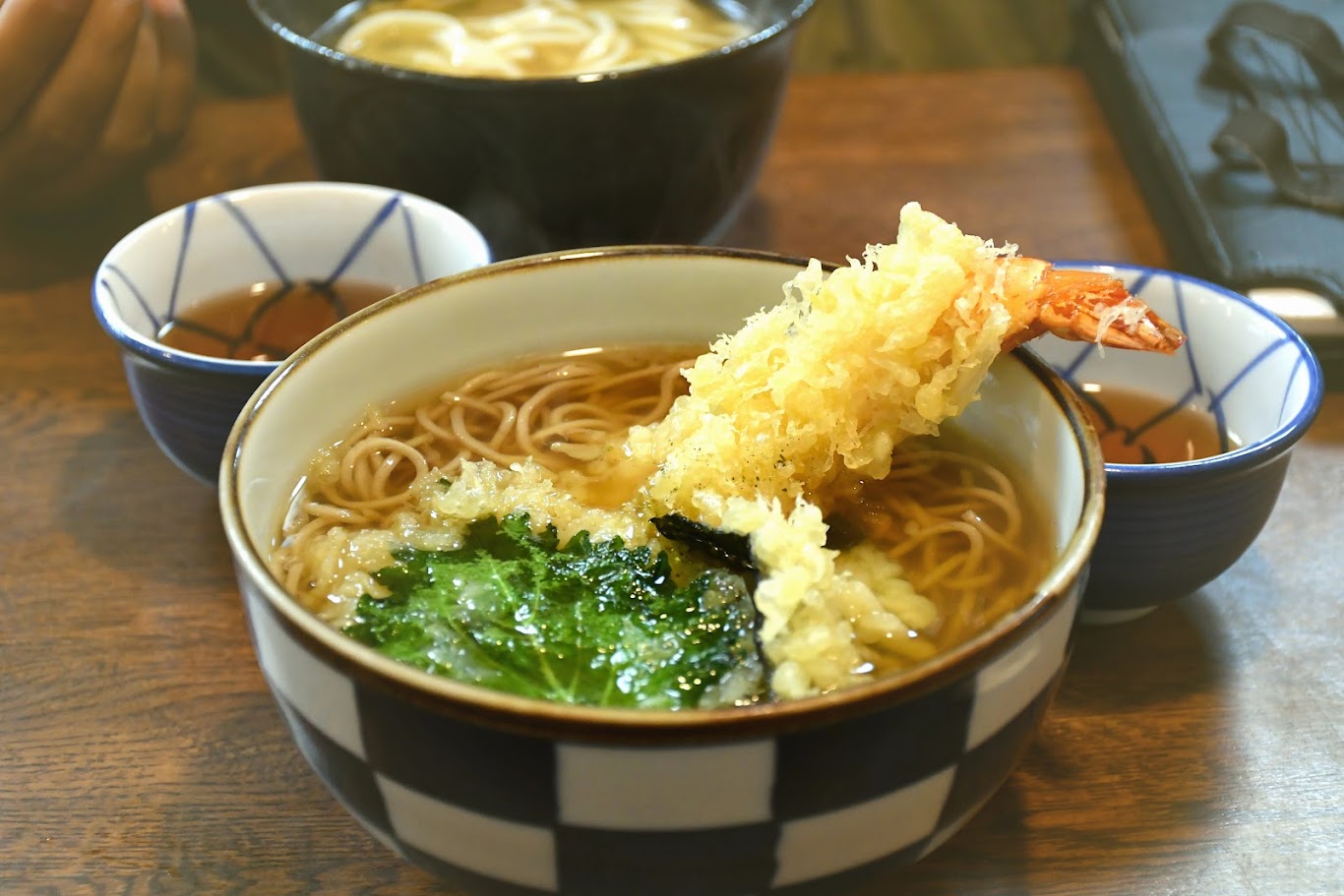
Tempura with udon noodles is a beloved comfort food for many Japanese people.
- Course-style dining (like omakase): For a more elevated experience, try a tempura course meal at specialty restaurants. Each piece is fried and served individually, from vegetables to seafood, with the chef often sharing stories about the ingredients or the frying techniques. This transforms tempura into an art form, not just a dish.
- Izakaya style (as bar food): In Japanese pubs, tempura is a popular snack. A plate of tofu tempura or crispy fried squid with a cold beer makes for the perfect night out.
4.2 Can You Buy Tempura as a Souvenir?
Tempura is best enjoyed fresh, right after it comes out of the fryer – when the batter is crispy and the inside is still juicy. For this reason, it’s usually recommended to eat tempura on the spot rather than taking it away. However, if you’d like to bring the taste of tempura home, you have some options:
- Pre-packaged tempura (frozen or vacuum-sealed): Just reheat or deep-fry as instructed to enjoy tempura conveniently at home.
- Tempura batter mix and sauces: For an authentic experience, buy Japanese tempura flour and dipping sauces to recreate the dish yourself.
- Tempura snacks: Crunchy tempura-flavored snacks are popular at airports and duty-free shops.
If you want to taste authentic Japanese tempura in its traditional atmosphere, why not book a flight to Japan with Vietjet? Don’t miss the chance to grab 0 VND tickets during the golden hours from 12 PM – 2 PM every day to make your trip even more rewarding! Check out the details HERE.
Stay tuned to Vietjet’s official channels for the latest travel updates and exclusive promotions.
- Facebook: https://www.facebook.com/vietjetvietnam
- Instagram: https://instagram.com/vietjet
- YouTube: https://www.youtube.com/VietjetOfficial
- TikTok: https://www.tiktok.com/@vietjetvietnam
- Zalo: https://oa.zalo.me/vietjet