Booking
 Skyshop
 Hotel
Hotel
 E-Voucher
 E-Sim
E-Sim
 E-Visa
 Buy foreign currency
 Insurance
 SkyJoy
Philippine cuisine is a blend of local ingredients and various cultural influences throughout history. Therefore, alongside flavorful dishes like Adobo, lechon, or sisig, travelers can also find many desserts and packaged specialties suitable for souvenirs. If you're wondering what specialties the Philippines has, here are 15 recommendations worth trying on your trip.
1. 10 Philippine specialties to try
If you want to explore the distinct local cuisine, travelers can start with popular dishes in Manila, Cebu, and major tourist spots. Some dishes have many regional versions, so the actual flavor may vary depending on where you enjoy them.
1.1 Adobo
When it comes to Philippine specialties, Adobo is almost one of the first names mentioned. In fact, "Adobo" is not just a specific ingredient but a method of braising food with vinegar, pepper, and bay leaves. Modern versions often include soy sauce.
The most popular are chicken and pork Adobo, but there are also versions with squid or vegetables. The meat is cooked until tender and absorbs the characteristic sour and salty sauce, usually served hot with white rice. Depending on the region, the dish may also include coconut milk, turmeric, or pineapple.
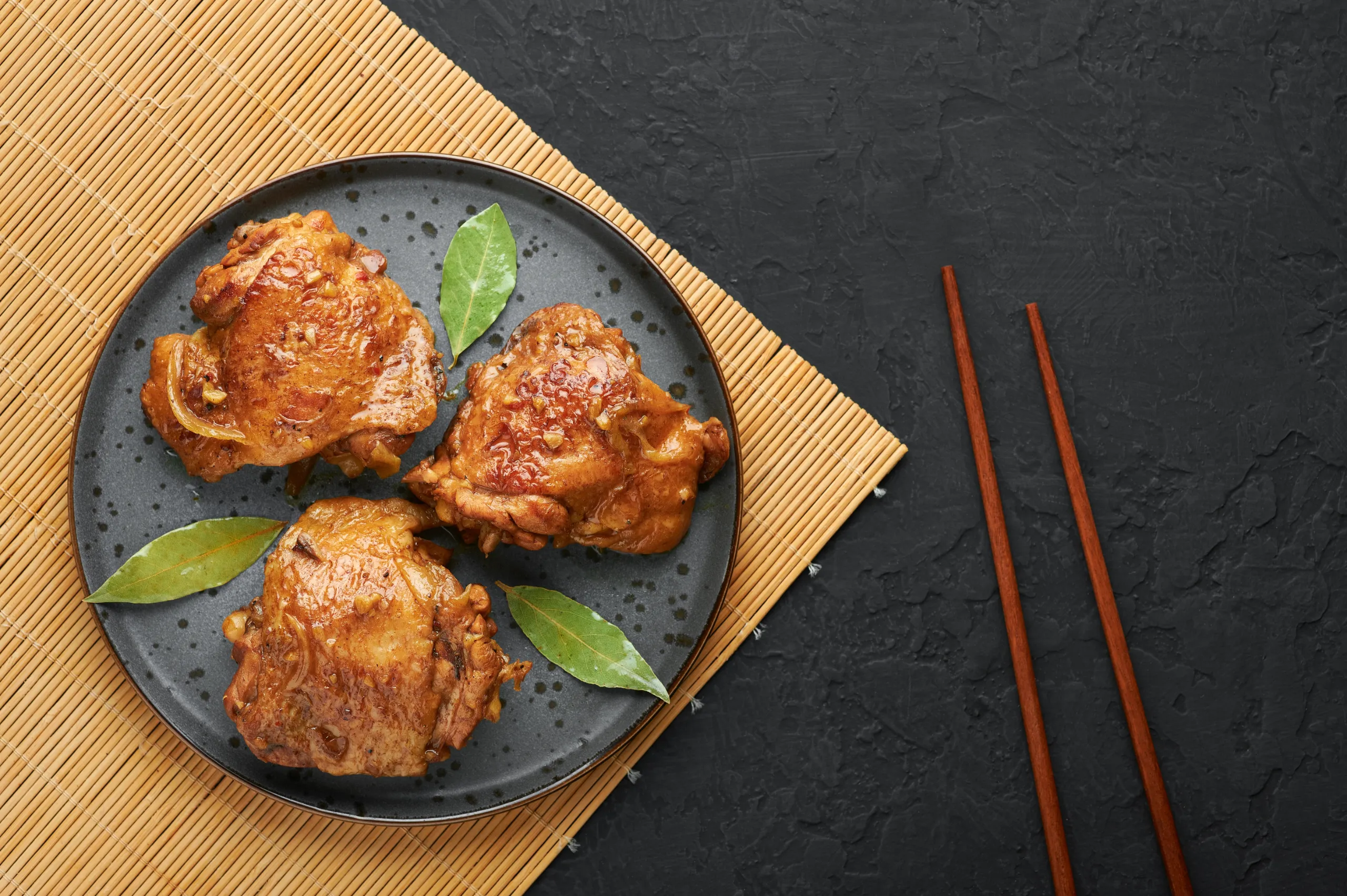
Adobo impresses with tender meat braised with vinegar, soy sauce, and distinctive spices.
1.2 Lechon
Lechon is a whole roasted pig often featured at festivals, parties, and large gatherings of Filipinos. Among them, Cebu lechon is a particularly famous version for tourists.
The pig is stuffed with spices like lemongrass, onion, and garlic, then slowly roasted over charcoal. The result has a golden-brown, crispy skin while the meat inside remains tender and juicy. When in Cebu, travelers can easily find restaurants specializing in this dish.
1.3 Sinigang
If Adobo impresses with its rich salty and sour flavor, sinigang is a soup with a distinctly sour taste. The broth can be flavored with tamarind, kamias, or various other sour fruits and leaves depending on the region.
The main ingredients of sinigang are quite diverse, ranging from pork, beef, shrimp, to salmon, combined with water spinach, radish, green beans, tomatoes, and onions. The dish is often served hot with rice, especially easy to eat during family meals.
1.4 Sisig
Sisig originates from Pampanga and has become one of the popular Philippine specialties today. The familiar version uses boiled, grilled pork parts that are chopped, then mixed with onions, chili, and calamansi.
The interesting point of sisig lies in the combination of tender meat, some crispy bits, and the light sourness of calamansi. The dish is often served on a hot cast-iron skillet and can be eaten alone or with rice.
1.5 Kare-kare
Kare-kare is a stew distinguished by its thick, rich sauce flavored with peanuts. The traditional dish usually uses oxtail or other beef cuts, cooked with vegetables like eggplant, green beans, and bok choy.
Due to the relatively mild flavor of the sauce, kare-kare is often served with bagoong to enhance the salty and umami taste. The contrast between the rich peanut sauce and fermented shrimp paste creates a flavor quite different from many familiar Southeast Asian dishes.
1.6 Pancit
"Pancit" is a general term for various noodle dishes in the Philippines and clearly reflects the influence of Chinese cuisine. Depending on the locality, the type of noodles and preparation methods may vary.
Pancit Canton uses egg noodles stir-fried with meat and vegetables, while Pancit Bihon uses rice vermicelli. Other versions like Pancit Malabon or Palabok are served with sauce and seafood. Filipinos often add a bit of calamansi juice (pressed from calamondin) before eating to create a refreshing sour taste.
1.7 Chicken Inasal
Chicken inasal is a grilled chicken dish characteristic of the Bacolod area and the Western Visayas region. The chicken is usually marinated with vinegar, calamansi, and various spices before being grilled over charcoal.
During grilling, the meat is brushed with marinade multiple times, resulting in an attractive golden color and distinctive aroma. Chicken inasal is often served with rice and dipping sauce, suitable for travelers wanting to try a relatively easy-to-eat Philippine dish.
1.8 La Paz Batchoy
La Paz Batchoy is a famous noodle soup from Iloilo City. A traditional bowl of batchoy usually includes egg noodles, pork, beef, liver, and some offal, served with broth simmered from meat.
On top, there are fried garlic and chicharrón - crispy pork skin to add aroma and crunch. If you have the chance to visit Iloilo, La Paz market is one of the places associated with this dish.
1.9 Halo-halo
Halo-halo is a very popular dessert in the Philippines, especially suitable for hot days. The name "halo-halo" means close to "mix, mix," which is also how this dish is enjoyed.
A serving of halo-halo usually includes shaved ice, condensed milk or evaporated milk, along with many toppings like saba bananas, sweet potatoes, beans, coconut jelly, tapioca pearls, and purple yam (ube). Some places even add ube ice cream or leche flan on top. When eating, travelers mix all the ingredients so that the ice, milk, and toppings blend together.
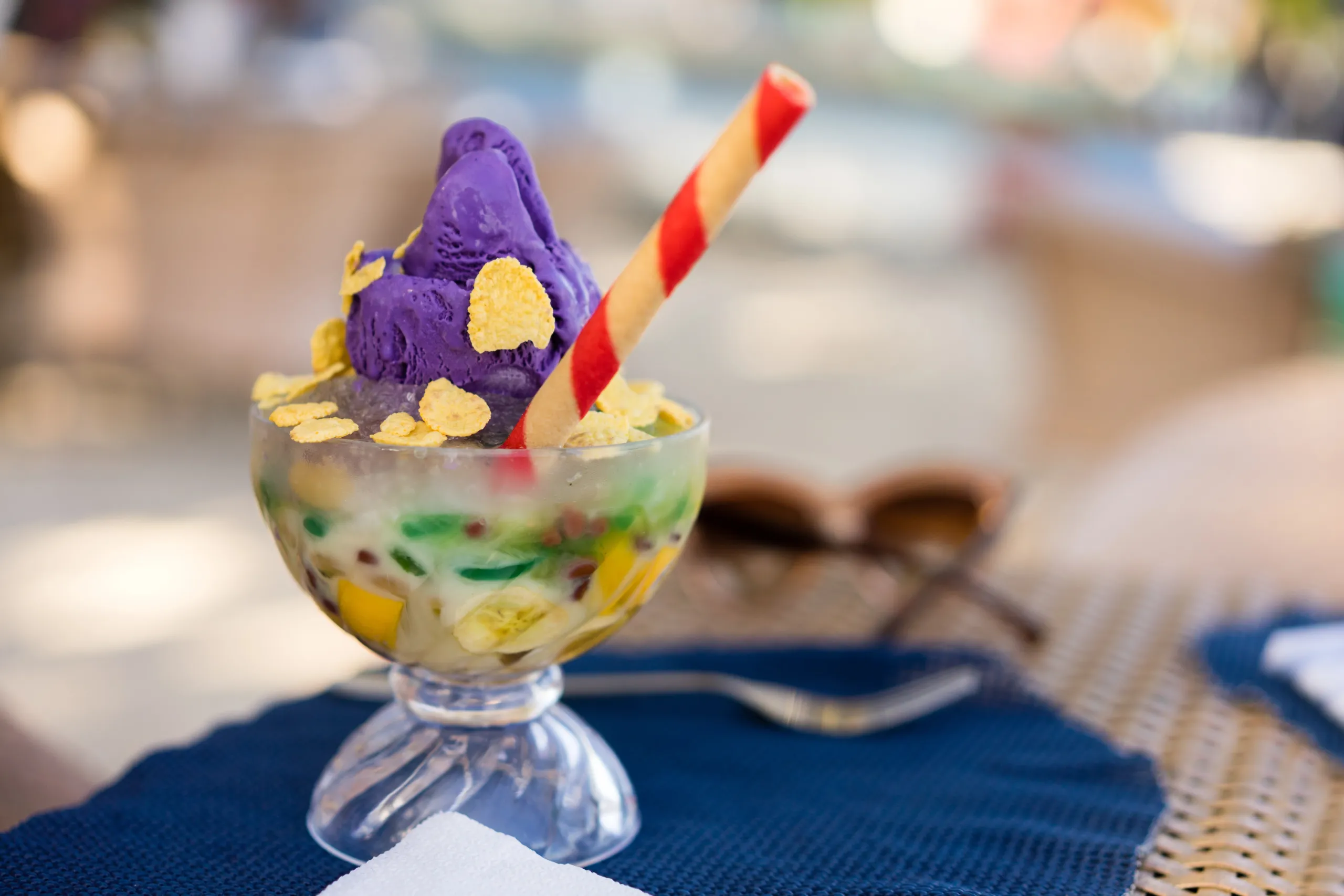
Halo-halo combines shaved ice, milk, and various colorful toppings, making it a popular dessert in the Philippines.
1.10 Banana Cue
Banana cue is a simple yet quite popular street food in the Philippines. Saba bananas are fried with sugar until a golden brown caramel layer forms on the outside and then skewered.
The crispy sugar layer outside combined with the soft banana inside creates a quite distinctive sweetness. Thanks to the skewer serving method, banana cue is also convenient to enjoy while strolling through markets or exploring neighborhoods.
2. What to buy as souvenirs in the Philippines? 5 easy-to-carry specialties
In addition to the dishes to enjoy on-site, the Philippines also has many types of candies, processed fruits, and canned specialties that are convenient to bring back to Vietnam. When choosing Philippine specialties as souvenirs, travelers should prioritize products that are still in their original packaging, have a long shelf life, and are easy to store in luggage.
2.1 Dried Mango
If you're unsure what to buy as souvenirs in the Philippines, dried mango is a fairly easy option to purchase. The Philippines has many regions that grow mangoes, with Cebu and Guimaras Island being well-known for this fruit.
Ripe mangoes are sliced and then dried, retaining their sweet and slightly sour flavor, making them easier to store than fresh fruit. Dried mango packages come in various sizes and are often sold in supermarkets, specialty stores, or duty-free areas, suitable for buying in bulk as souvenirs.
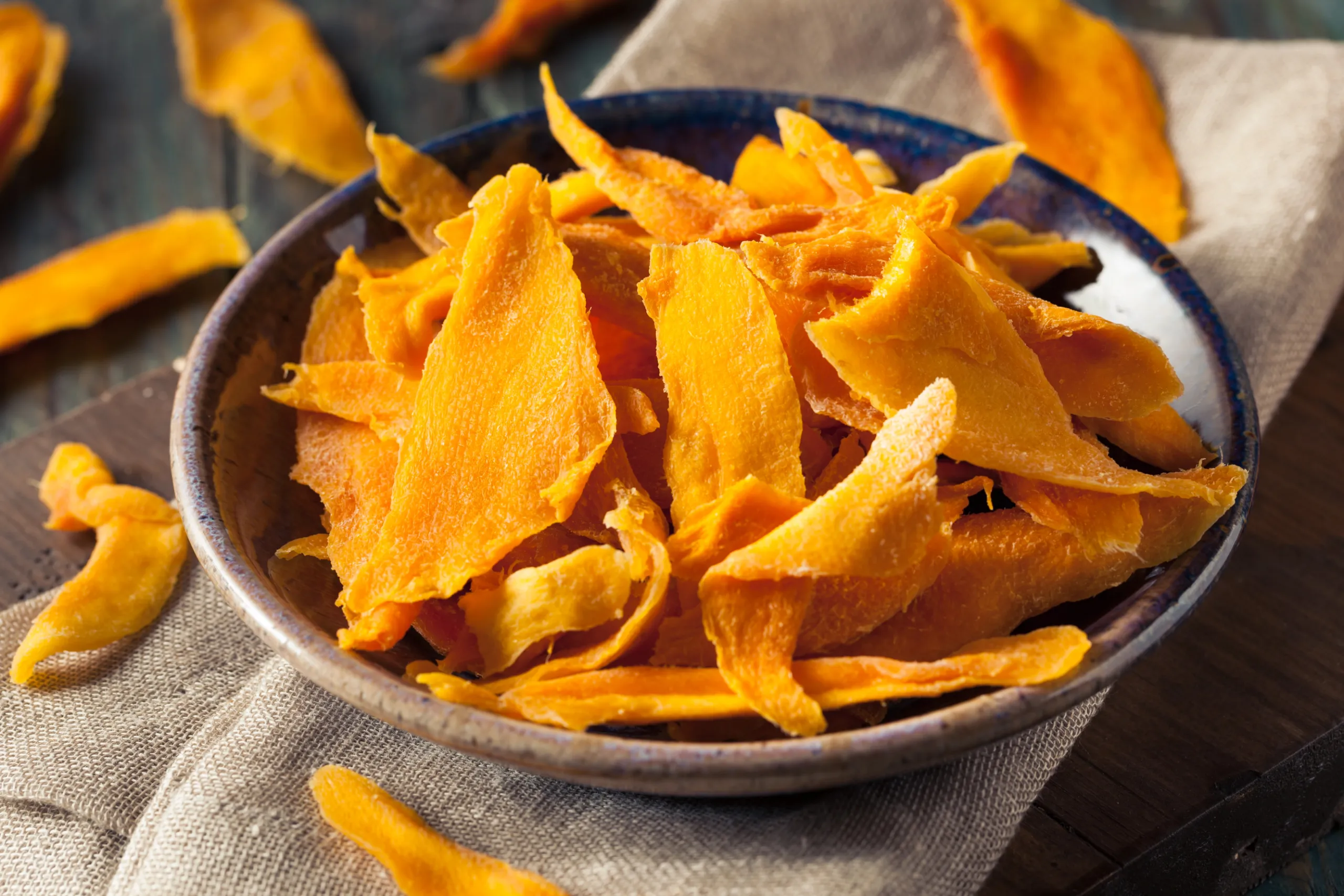
Dried mango has a sweet and sour taste that is easy to eat, and its compact packaging makes it a popular choice for many travelers to buy as souvenirs after their trip to the Philippines.
2.2 Ube Jam
Ube is purple yam, an ingredient found in many Philippine desserts. Ube jam or ube halaya is made by cooking the yam with milk and sugar until it forms a thick, smooth mixture.
The product has a distinctive purple color, a sweet and creamy taste, and can be eaten directly, spread on bread, or used as an ingredient for desserts. Baguio is one of the famous destinations for ube jam products.
2.3 Polvoron
Polvoron is a type of sweet pastry with a soft, crumbly texture, usually made from toasted flour, powdered milk, sugar, and butter. In addition to the traditional flavor, there are now many versions combining ube, cashew nuts, cookies & cream, or various nuts.
Each piece is usually individually wrapped, making it convenient to divide into smaller gift portions. This is also a good option if you want to find a lightweight Philippine specialty as a souvenir that doesn't require refrigeration.
2.4 Dried Banana
In addition to mangoes, bananas are also processed into various snacks in the Philippines. Bananas are usually sliced thin, fried or dried until crispy, then coated with sugar or honey depending on the product.
The advantage of this dish is that it is compact, easy to carry, and can be stored for a relatively long time. Travelers can find them in supermarkets and specialty stores in Manila, Cebu, and many tourist cities.
2.5 Philippine Coffee
The Philippines is one of the few countries that grow four popular coffee varieties: Arabica, Robusta, Liberica, and Excelsa. Among them, Barako - often associated with the Liberica variety - is a familiar name when it comes to local coffee.
If you want to find a gift for coffee lovers, you can choose packaged coffee beans or ground coffee. In Baguio and the northern highlands of Luzon, many shops also sell coffee from Benguet and Sagada.
3. Frequently Asked Questions about Philippine Specialties
What famous specialties does the Philippines have?
Some famous Philippine specialties include Adobo, lechon, sinigang, sisig, kare-kare, pancit, and halo-halo. For souvenirs, dried mangoes, ube jam, polvoron, dried bananas, and coffee are relatively convenient options.
Which Philippine specialties are easy for Vietnamese people to eat?
Adobo, chicken inasal, pancit, and lechon are relatively easy to get used to due to the use of ingredients like chicken, pork, noodles, and rice. However, the seasoning in the Philippines tends to lean towards a more pronounced sour, salty, or sweet flavor, so the taste still has some differences.
What should you buy in the Philippines as a gift for your family?
Dried mangoes and dried bananas are suitable if you need gifts that are easy to share and store. Polvoron is great for those who enjoy sweets, while Philippine coffee can be for beverage lovers. Ube jam is also a distinctive choice but requires attention to packaging and storage.
From the rich Adobo, crispy and fragrant lechon to the refreshing halo-halo, Philippine cuisine offers many different experiences across regions. After enjoying local dishes, travelers can also buy dried mangoes, polvoron, ube jam, or coffee as gifts for loved ones and friends.
If you are planning a trip to the Philippines, don't forget to book a flight to the Philippines starting from 90,000 VND with Vietjet. The "hunt" for 0 VND flight tickets from 12 PM to 2 PM offers an opportunity to save on travel costs like never before here.
Follow flight information, promotional programs, and travel guides on Vietjet's official information channels: