Booking
 Skyshop
 Hotel
Hotel
 E-Voucher
 E-Sim
E-Sim
 E-Visa
 Buy foreign currency
 Insurance
 SkyJoy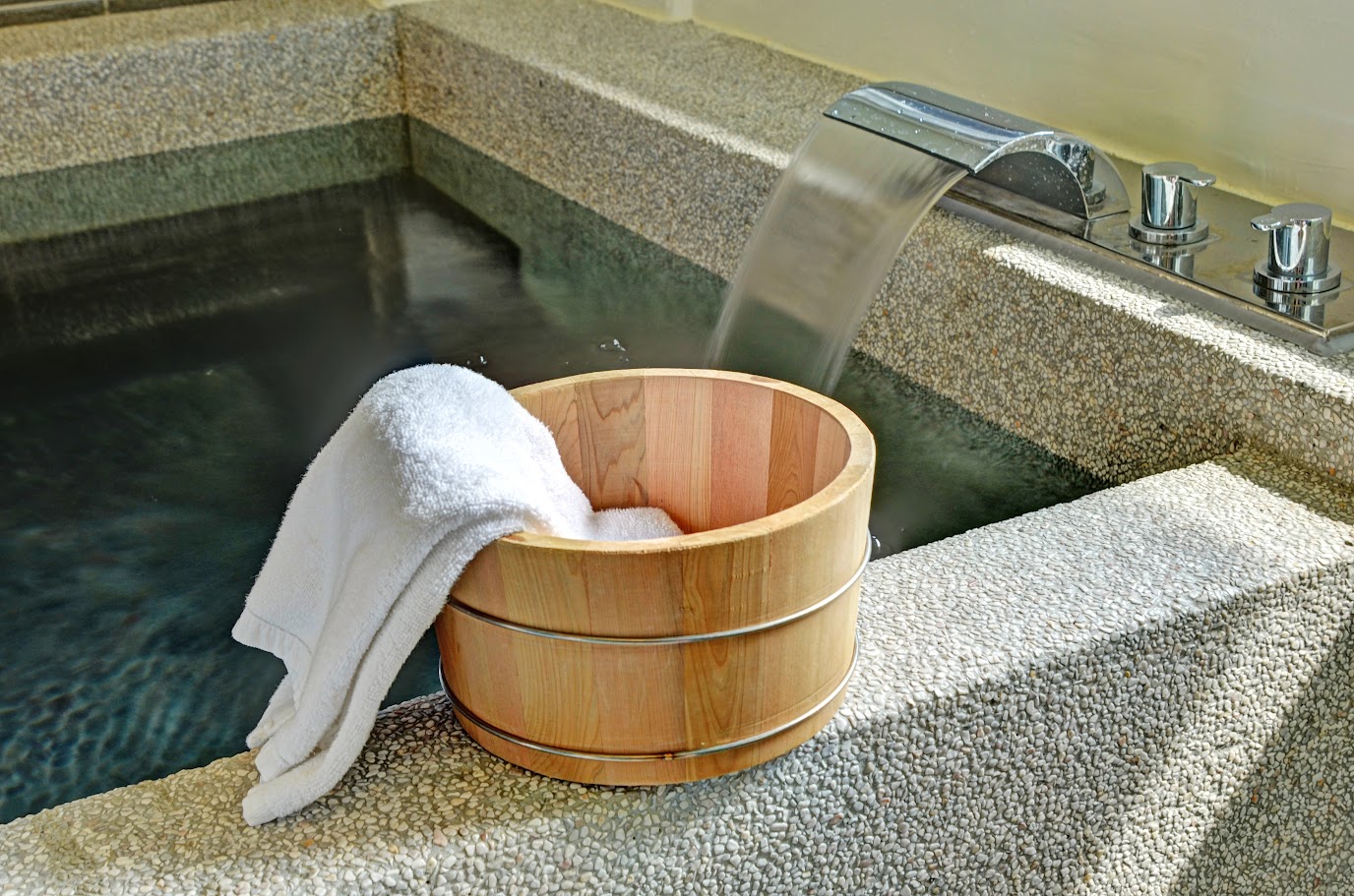
As a country located on the volcanic belt, Japan is home to thousands of natural hot springs spread across the nation. That’s why bathing in hot springs—known as Japanese onsen bathing—is not only a traditional cultural practice but also a beloved form of relaxation for locals. International visitors also often seek out onsen bathhouses to experience this at least once. If you are planning a trip to Japan, don’t forget to visit famous onsen destinations such as Hakone or Beppu.
To enjoy a truly fulfilling onsen experience in Japan, let’s join Vietjet to explore what Japanese onsen bathing is and discover detailed tips for the best experience.
1. Introduction to Japanese Onsen Bathing
1.1 What is Japanese Onsen Bathing?
So, what exactly is Japanese onsen bathing? The word “Onsen” (温泉) in Japanese literally means natural hot spring. These are pools formed from underground water rich in minerals, heated by geothermal activity from volcanoes.
The tradition of onsen bathing in Japan dates back hundreds of years and is considered an inseparable part of Japanese culture. Locals often go to onsen bathhouses after work to relax, chat, or simply relieve stress.
1.2 Why Should You Experience Onsen in Japan?
Onsen bathing in Japan is not just about relaxation—it is also a holistic health therapy that has been valued for centuries. Immersing yourself in natural mineral-rich hot spring water offers many real benefits:
- Improves blood circulation, relieves muscle tension and joint pain – especially useful after long trips or exhausting workdays.
- Beautifies and heals the skin, supporting recovery from conditions like inflammation, dryness, or irritation, thanks to the high mineral content.
- Reduces stress and calms the mind, helping you feel refreshed and promoting deeper sleep—a perfect antidote to modern-day lifestyles.
- Most importantly, onsen bathing is a unique cultural practice where people put aside differences, converse, and connect in a peaceful, respectful environment.
Onsen bathing in Japan is an activity that nearly every visitor wants to try at least once.
2. Hakone and Beppu – Two Ideal Onsen Destinations
2.1 Hakone
Located less than 2 hours from Tokyo, Hakone is one of Japan’s most famous onsen resort areas. Thanks to its unique geological setting, Hakone features a wide variety of hot springs. At higher elevations, the waters are milky white, mineral-rich, and beneficial for the skin, while at the foot of the mountains the springs are alkaline-rich, known for supporting skin recovery.
Beyond its therapeutic waters, Hakone is also renowned for its majestic natural scenery, especially the breathtaking views of Mount Fuji. The region is dotted with traditional ryokan (Japanese inns) offering private onsen baths and luxury services. Guests can soak in forest-surrounded baths or unwind in open-air pools with mountain views. A further appeal is that many Hakone onsen facilities welcome tattooed visitors, making it especially popular with international travelers.
Recommended Onsen in Hakone:
- Tenzan Onsen – Traditional design with multiple outdoor baths.
- Yunessun Spa Resort – A unique onsen + water park featuring wine baths, coffee baths, and more.
- Gora Kadan – A luxury ryokan with all-inclusive premium onsen experiences.
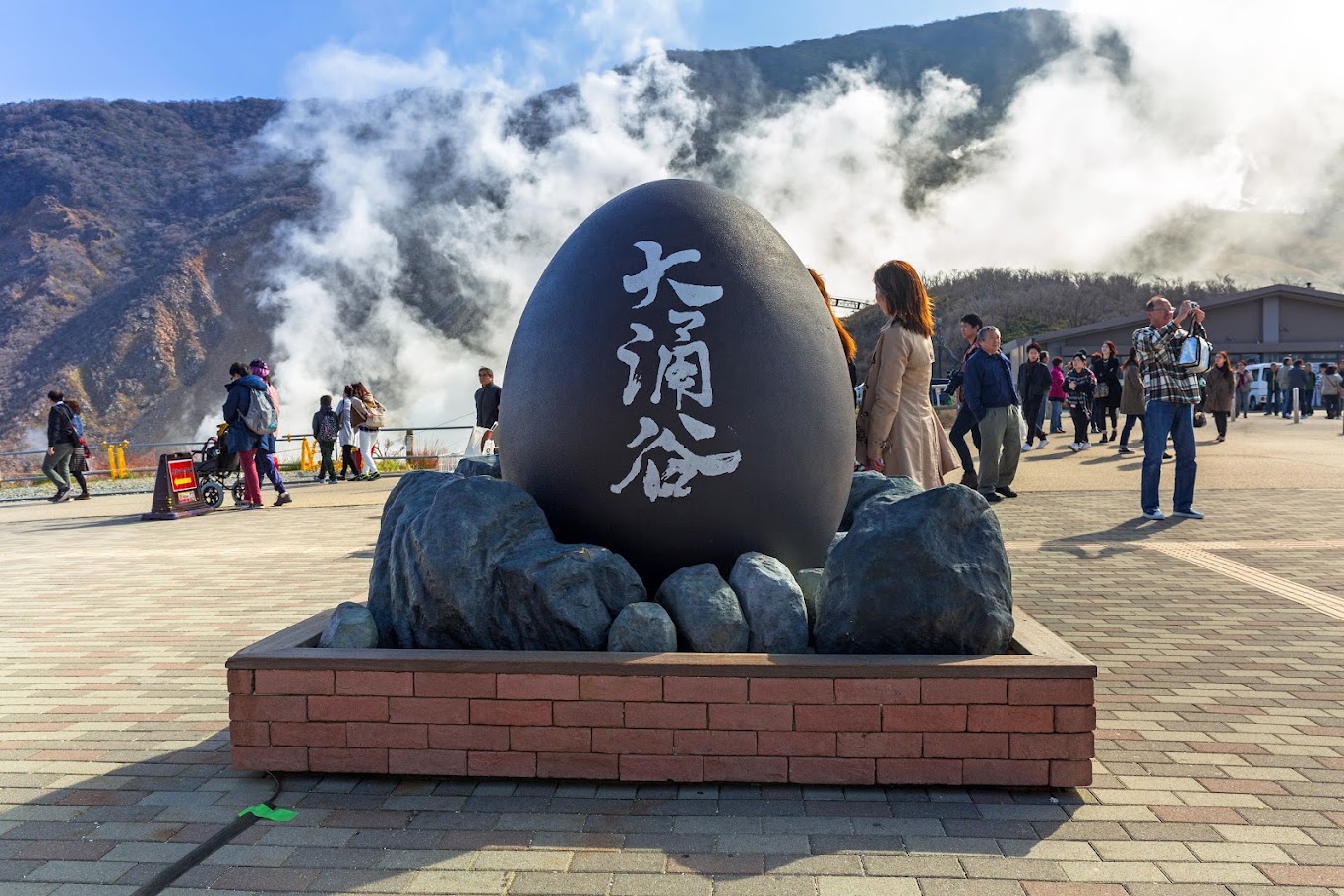
The unique geography of Hakone offers visitors one-of-a-kind Japanese onsen experiences.
2.2 Beppu
Located on the southern island of Kyushu, Beppu is known as the “onsen capital” of Japan, with thousands of steaming hot springs active year-round. The city is blessed with eight distinct hot spring areas: Beppu Onsen, Kannawa Onsen, Myoban Onsen, Kankaiji Onsen, Hamawaki Onsen, Kamegawa Onsen, Horita Onsen, and Shibaseki Onsen. Each spring area offers public bathhouses and ryokan (traditional inns) equipped with various facilities.
What sets Beppu apart from other hot spring resorts is not only its abundant geothermal resources but also the wide variety of bathing styles available. In addition to standard hot spring baths, Beppu offers sand baths, where bathers are buried in naturally heated sand; steam baths, heated directly by geothermal steam; and mud baths, a unique form of mineral-rich hot spring bathing.
Recommended Onsen in Beppu:
- Takegawara Onsen – the oldest bathhouse in Beppu.
- Hyotan Onsen – offers every type of onsen experience, from mud and hot water baths to steam rooms.
- Tanayu – a top ryokan in town, famous for its outdoor pools with spectacular views.
- Hoyo Onsen – a public complex offering mud baths and steam baths in addition to regular hot spring baths.
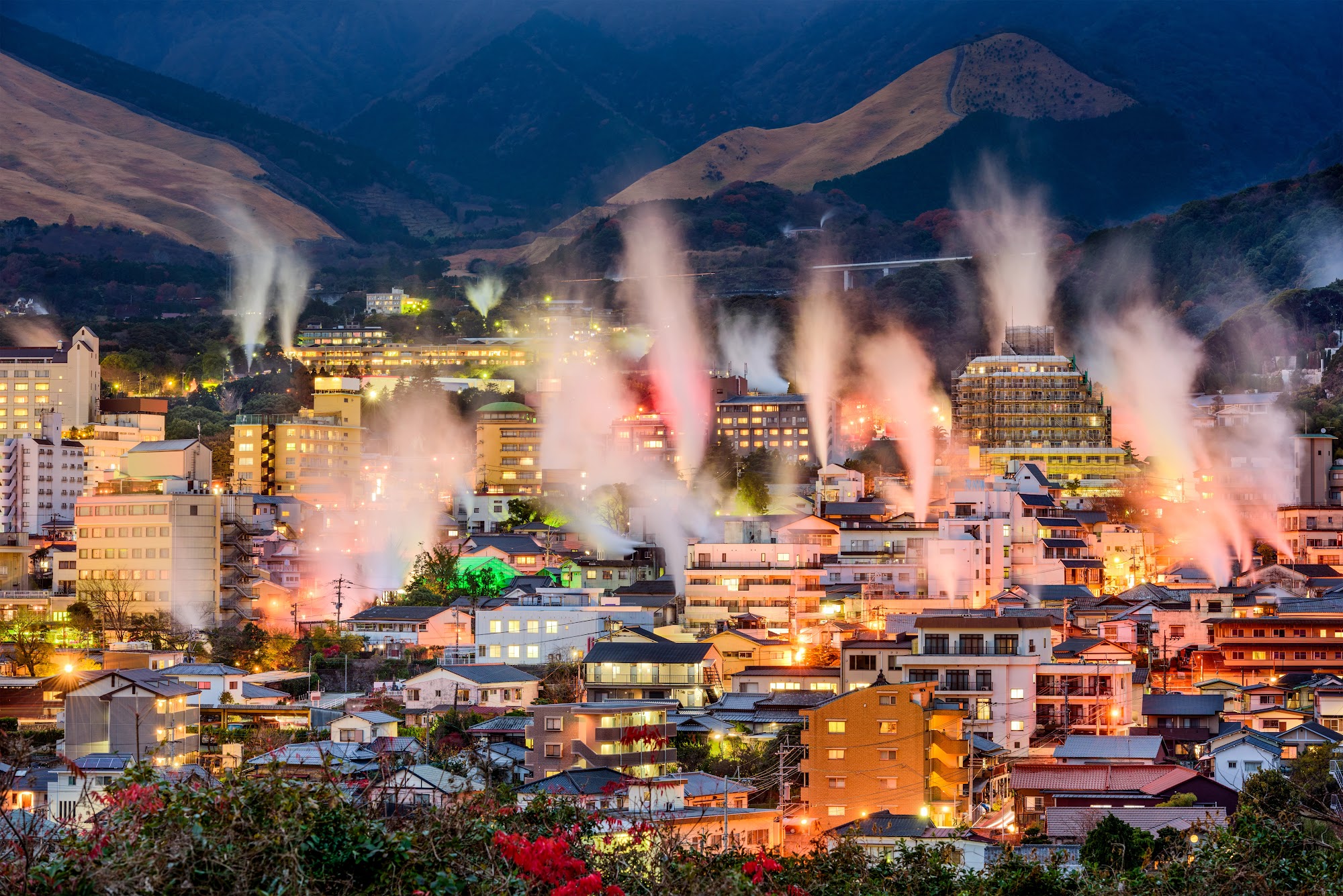
Beppu is hailed as Japan’s onsen capital, with thousands of hot springs steaming year-round.
3. Guide to Onsen Etiquette in Japan
Onsen bathing is a treasured cultural tradition and one of the most relaxing experiences in Japan. To fully respect the practice and blend in properly—especially if it’s your first time—it’s important to follow the etiquette. Here’s a step-by-step guide:
- Before entering: In the changing room (datsuijo), remove all clothing and belongings and store them in a locker. Bring only a small towel (often provided) into the bathing area.
- Clean your body: This is the most important rule. Before entering the communal bath, go to the washing area (araiba), sit on a small stool, and wash thoroughly using the shower, soap, and shampoo.
- Soak and relax: Once clean, slowly ease yourself into the bath. Avoid jumping in or splashing water, as it disturbs others. Enjoy the soothing hot spring waters.
- Towel etiquette: Never dip your small towel into the communal bath. Instead, fold it neatly and place it on your head (a common sight in Japan) or on the dry edge of the bath. Large towels should remain in the changing area.
- After bathing: Exit the bath calmly. Before returning to the changing room, lightly dry yourself off with your small towel to avoid dripping water on the floor.
4. Onsen Prices in Japan
The cost of an onsen visit in Japan varies by region, services, and type of bath:
- Average range: ¥800 (≈146,000 VND) – ¥1,300 (≈238,000 VND)
- Public onsen: ¥500 – ¥800 per visit (≈91,000 – 146,000 VND)
- Ryokan with private onsen: ¥2,000 – ¥5,000 per person (often includes meals)
- Specialty onsen (mud, sand, etc.): ¥1,000 – ¥3,000 per visit (≈183,000 – 550,000 VND)
Premium/central locations (e.g., near Tokyo or top resort towns): ¥2,000 – ¥4,000 (≈366,000 – 733,000 VND). Bathing time also varies some facilities rent slots as short as 30 minutes, most allow 45 minutes, and others permit up to 1 hour. Important note many local onsen facilities do not accept international credit cards, so always carry cash.
5. Onsen Bathing Tips in Japan for Vietnamese Travelers
5.1 What to Bring to a Japanese Onsen
Unlike bathing at home, visiting an onsen requires some preparation. While many facilities provide the basics, it’s best to bring a few essentials:
- Small towel: This is a must-have in the bathing area. It’s used to cover your body while moving around, to wipe off sweat, or folded neatly and placed on your head while soaking. A key rule: never dip this towel into the communal hot spring water.
- Clean underwear/clothes to change into: After bathing, you’ll need a fresh set of clothes.
- Drinking water: Soaking in hot water can cause dehydration. Keep a bottle in the changing room and stay hydrated before and after bathing.
- Personal toiletries: Shampoo and body wash are often provided, but if you have sensitive skin or a preferred brand, bring your own travel-size bottles. Don’t forget a hair tie if you have long hair.
- Cash/coins: Some facilities have lockers or vending machines that require coins.
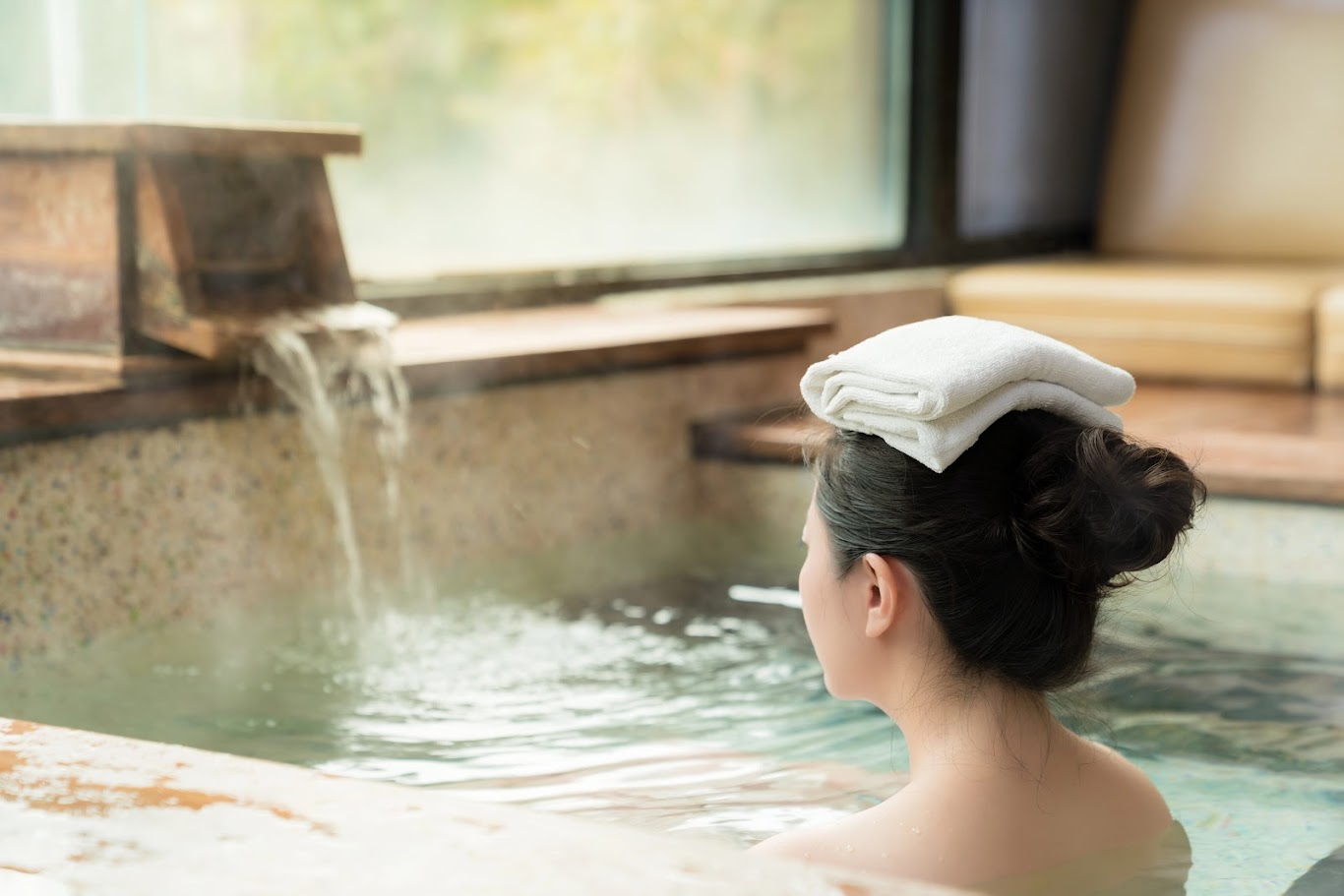
When bathing at an onsen in Japan, locals always keep a small towel dry, folded, and placed on their head to absorb sweat.
5.2 Private or Family Onsen Options
For many Vietnamese travelers, the idea of being completely naked in public can be intimidating. If you’re not comfortable, don’t skip the onsen experience altogether—look for private or family-friendly options:
- Private Onsen (Kashikiri-buro): Rooms with private hot spring baths that can be rented by the hour. Perfect for couples, families, or groups of friends seeking privacy.
- Family Onsen (Kazoku-buro): Similar to private onsen but designed specifically for families.
- Hotels/Ryokan with private onsen rooms: Many traditional inns (ryokan) and luxury hotels feature private hot spring baths either in the guest room or on the balcony.
5.3 Tattoo Restrictions at Some Onsen
Many public onsen in Japan still prohibit entry to guests with visible tattoos. If you have one, check the facility’s rules in advance. You can look it up on their website, call ahead, or ask your hotel staff to confirm.
For small tattoos, some facilities may allow entry if you cover them with a tattoo cover sticker (widely available in Japan).
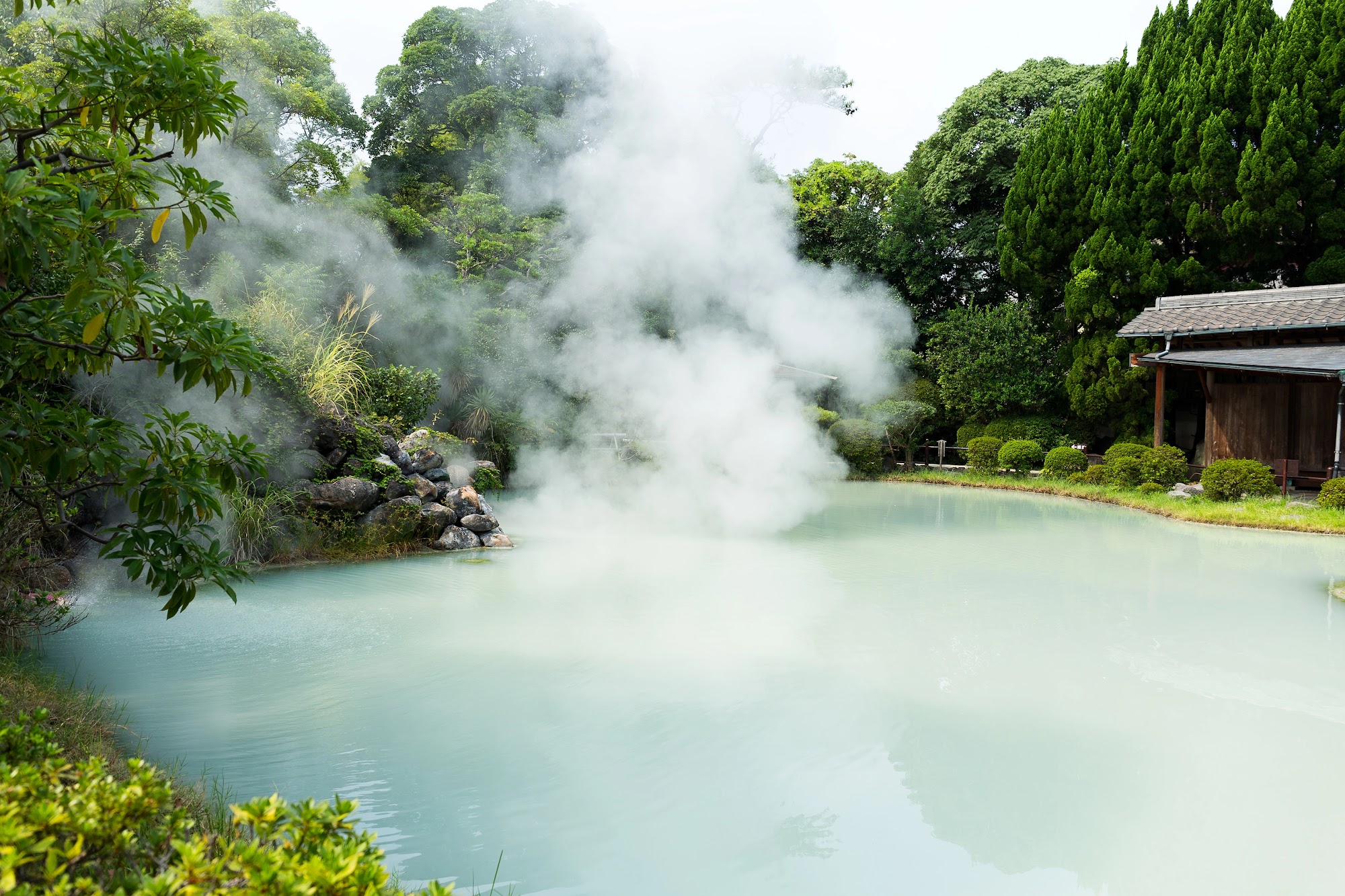
One important tip: always check the onsen’s tattoo policy before visiting.
5.4 Timing and Health: Bathing Safely in an Onsen
To ensure a safe and pleasant experience, keep these health and timing tips in mind:
- Wait at least 1 hour after eating. Avoid bathing immediately after a heavy meal (it can affect digestion) or when hungry (it may cause dizziness).
- Don’t soak too long. Onsen water is very hot. Beginners should soak for only 5–10 minutes at a time, take breaks, and repeat if desired. Staying too long may cause overheating, dizziness, or dehydration.
- Avoid alcohol. Drinking before bathing increases the risk of cardiovascular issues when combined with hot water.
See also: Autumn Travel in Japan – Where to Go, What to Eat, and Things to Do
Onsen bathing in Japan is a unique blend of culture and wellness, and an experience you shouldn’t miss. Whether you choose Hakone near Tokyo or Beppu in Kyushu, each destination offers a different yet equally rewarding adventure.

To begin your journey smoothly, don’t forget to book your flight to Japan with Vietjet.
To start your journey smoothly, don’t forget to book your flight to Japan with Vietjet. Vietjet is currently the airline operating many direct routes from Vietnam to Tokyo, Osaka, Nagoya, Fukuoka, and more, with extremely attractive fares starting from only VND 890,000.
Especially during the golden promotion hour “12 o’clock – It’s time for Vietjet!”, you also have the chance to hunt for 0 VND tickets (excluding taxes and fees) to Japan and many other exciting international destinations. See details here!
Stay updated on flight schedules and flights to Japan, as well as travel guides from Vietjet through the following official information channels:
- Website: https://www.vietjetair.com
- Facebook: https://www.facebook.com/vietjetvietnam
- Instagram: https://instagram.com/vietjet
- YouTube: https://www.youtube.com/VietjetOfficial
- TikTok: https://www.tiktok.com/@vietjetvietnam
- Zalo: https://oa.zalo.me/vietjet