
- My booking
- Online Check-in
- Flight extras
- Financial services


 Booking
 Skyshop
 Hotel
Hotel
 E-Voucher
 E-Sim
E-Sim
 E-Visa
 Buy foreign currency
 Insurance
 SkyJoy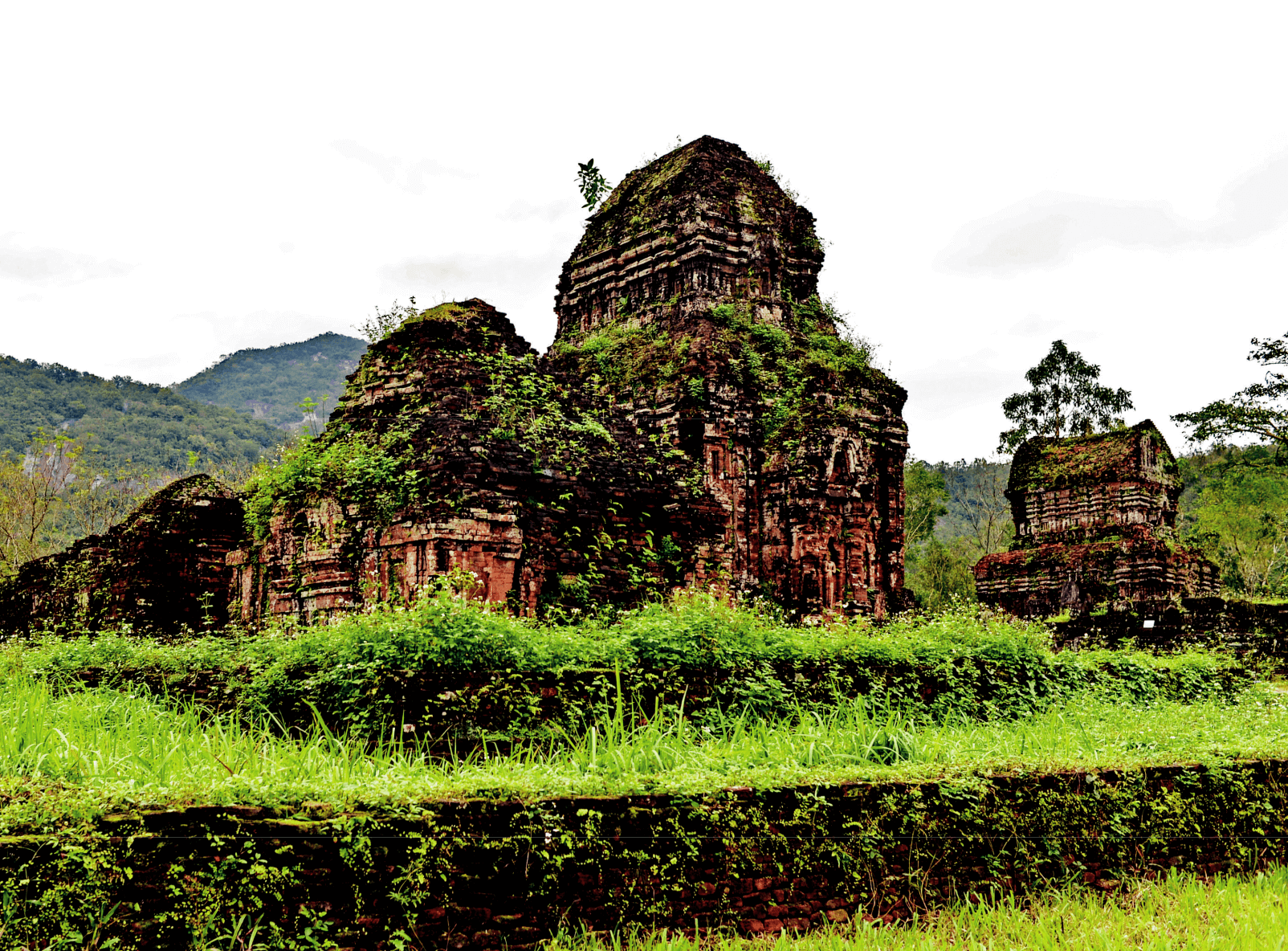




Departure date

Return Date

Quang Nam
THE MYSTERIOUS AND ANCIENT WONDER OF MY SON SANCTUARY
Dac Loc is a photographer, graphic designer, and print designer, who has traveled to many places and captured beautiful photos about his homeland and people. His latest trip took him to My Son Sanctuary, the ancient spiritual complex built from the 4th to 13th century by the Cham people. Here he shares his knowledge and experiences.
As a famous historical relic in Quang Nam province, and as a unique tourist destination along Vietnam's "Central Heritage Road”, My Son Sanctuary always leaves a long-lasting impression on professionals and visitors because of its singular cultural and architectural significance. People are always amazed by the innovative construction techniques that the Cham employed to build their sanctuary, which served as the religious and political capital of the ancient Champa dynasties.

According to published research by scholars, some of the towers and tombs in My Son Sanctuary date back to the 7th and 8th centuries. But excavations have revealed that the Cham kings may have been buried here as far back as the 4th century. Over the centuries, this sacred land gradually added clusters of large and small towers and became holy land for the Cham rulers and their people. In addition to its function as a burial place grounds for powerful kings and monks, My Son Sanctuary was also the center of culture, belief, and divine worship. Ceremonies to help the kingdom approach the Gods would have been held here. My Son also served as a shelter if the capital of Tra Kieu was invaded.
My Son was greatly influenced by Hinduism in terms of its architecture, culture, and religious beliefs. Among the oldest relics to have been found marked the era of King Bhadravarman I (Pham Ho Dat, who reigned from 381 to 413). He built a cathedral to worship Linga and Shiva. Based on other ancient Sanskrit inscriptions, it is known that this place was where a temple made of wood was constructed in the 4th century. More than two centuries later, the temple was burned in a fire.
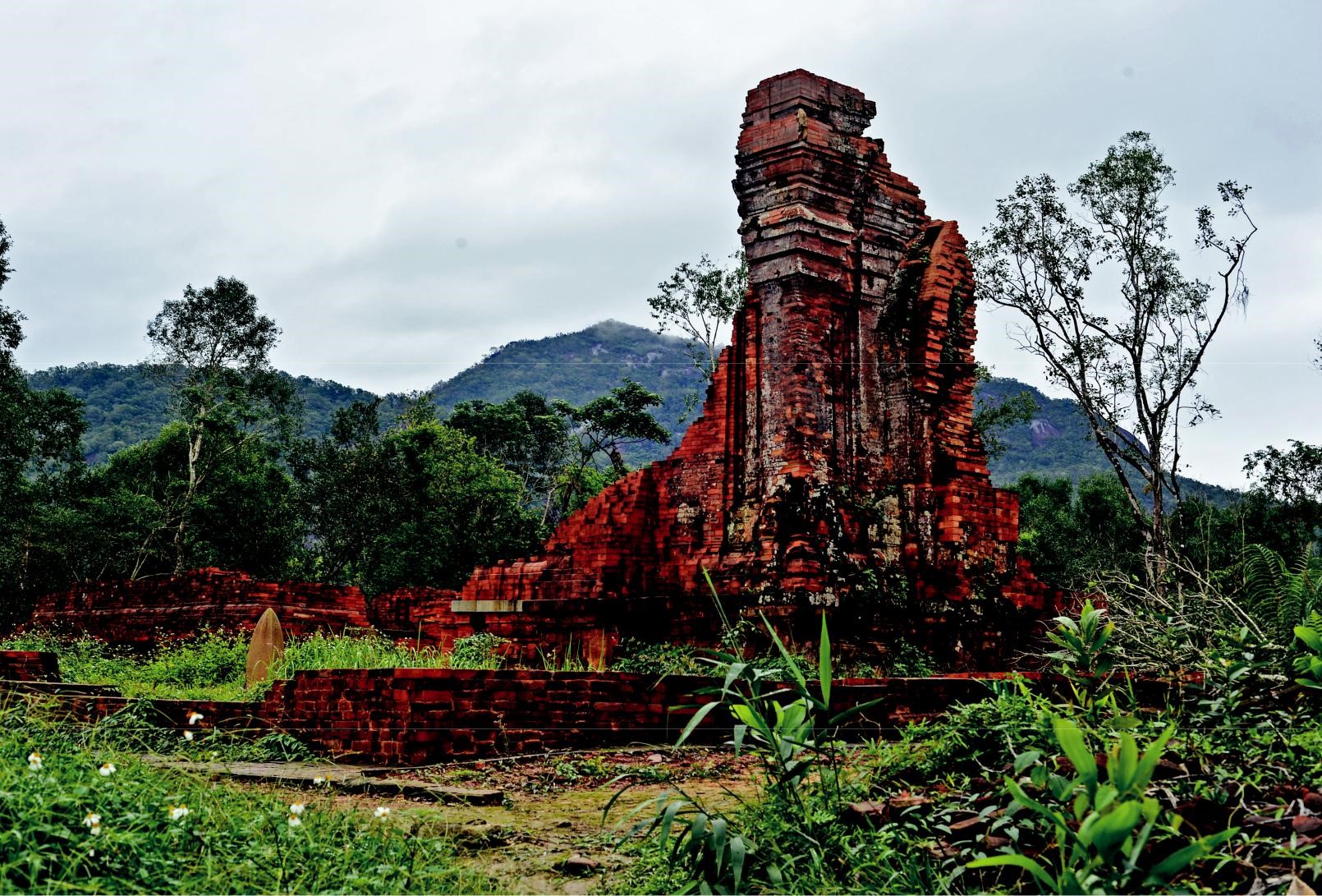
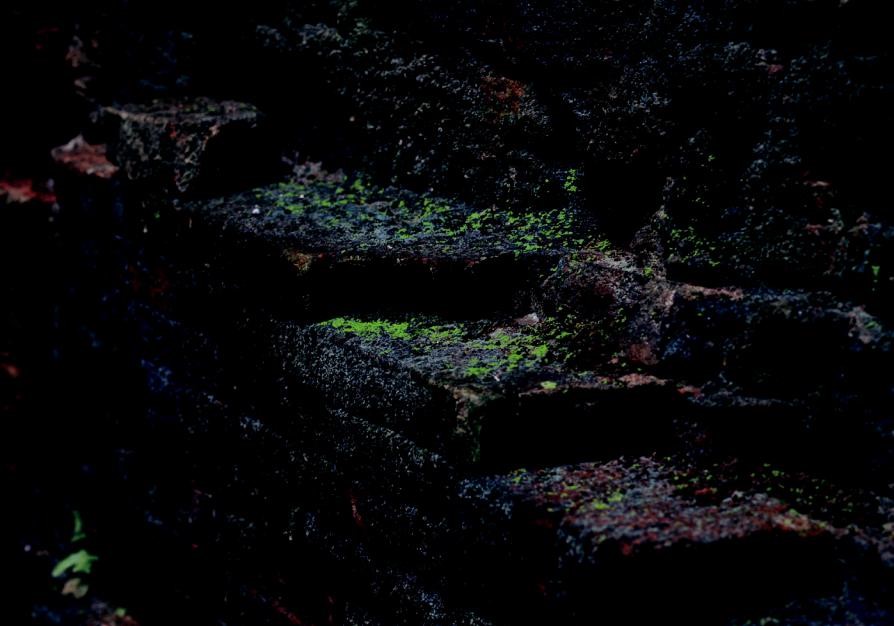
At the beginning of the 7th century, King Sambhuvarman (Pham Phan Chi - reigned from 577 to 629) used bricks to re-build the temple and it still partially exists today. After that, the kings continued to renovate the old temples and towers and build new ones. The total number of towers and temples that can be counted up to now is more than 70. Another special feature of My Son Sanctuary is that the temples and towers were built by the ancient Cham people with baked bricks. The hewn and deftly stacked bricks did not require a binder. They have existed for many centuries and only parts have cracked or been invaded by moss.
Timeless ruins
After falling into oblivion for hundreds of years, in 1898, a French scholar traveled to Vietnam and stumbled upon My Son.
Today if you visit, you will see My Son Sanctuary is located on two hills, facing each other in two directions (east to west and west to east), and separated by a small stream. The streams form a boundary that divides this place into clusters of small temples, which have been named (for modern purposes) after the Latin letters A, B, C, D...
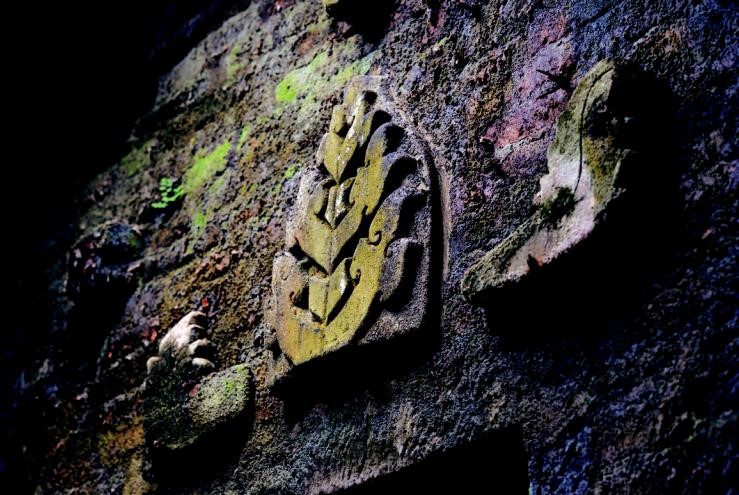
Each relic cluster has a main tower at its center and in the surrounding area, there are more towers or auxiliary structures of smaller and lower dimensions. At each main tower, there are two doors to the east and west, each door has steps leading up to an intricately carved arch.
Each cluster of towers has a separate function, worshiping Gods of the Cham people’s belief. Of which the main temple represents Mount Meru, and the auxiliary temples will worship the gods who manage the universe.
The main Kalan tower located in the center of My Son Sanctuary is the highest tower at a height of 24 meters. The base of the tower is square; each side is 10 meters long. Inside the tower, a huge Linga - Yoni set is worshiped, but currently, only the Yoni stone pedestal remains.
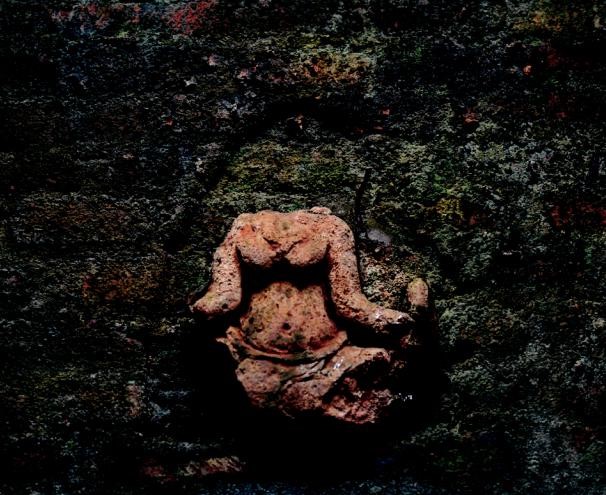
Stone statues were engraved with the image of Gods, as well as architectural shapes, specific motifs, cultural activities, and beliefs of the ancient Cham people. Although there are only a few remaining tower clusters, archaeologists have given us a full sense of the great treasure of culture and architecture that stood here for many centuries.
The techniques of construction, sculpture, and carving of the Cham people have apparently surprised many archaeologists. The works are meticulously created with shapes, deities, mascots, patterns, expressing both the infinite reverence of man towards the divine but also praising mankind and the harmonious link between man, nature, and the universe.
Unique cultural values
As one of the main Hindu Monuments Centers in Southeast Asia and the only heritage of its kind in Vietnam, the My Son Sanctuary is often compared to other major temple complexes in Southeast Asia such as Borobudur (Java, Indonesia), Pagan (Myanmar), Angkor Wat (Cambodia) and Ayutthaya (Thailand).
At the 23rd session of the World Heritage Committee in 1999, My Son Sanctuary was selected by UNESCO as one of the modern world heritages according to C (II) standard: As a typical example of cultural exchange and C (III) standard: As the only evidence of Asian civilization has disappeared. My Son Sanctuary has also been ranked on a list of 23 particularly important national monuments in Vietnam.
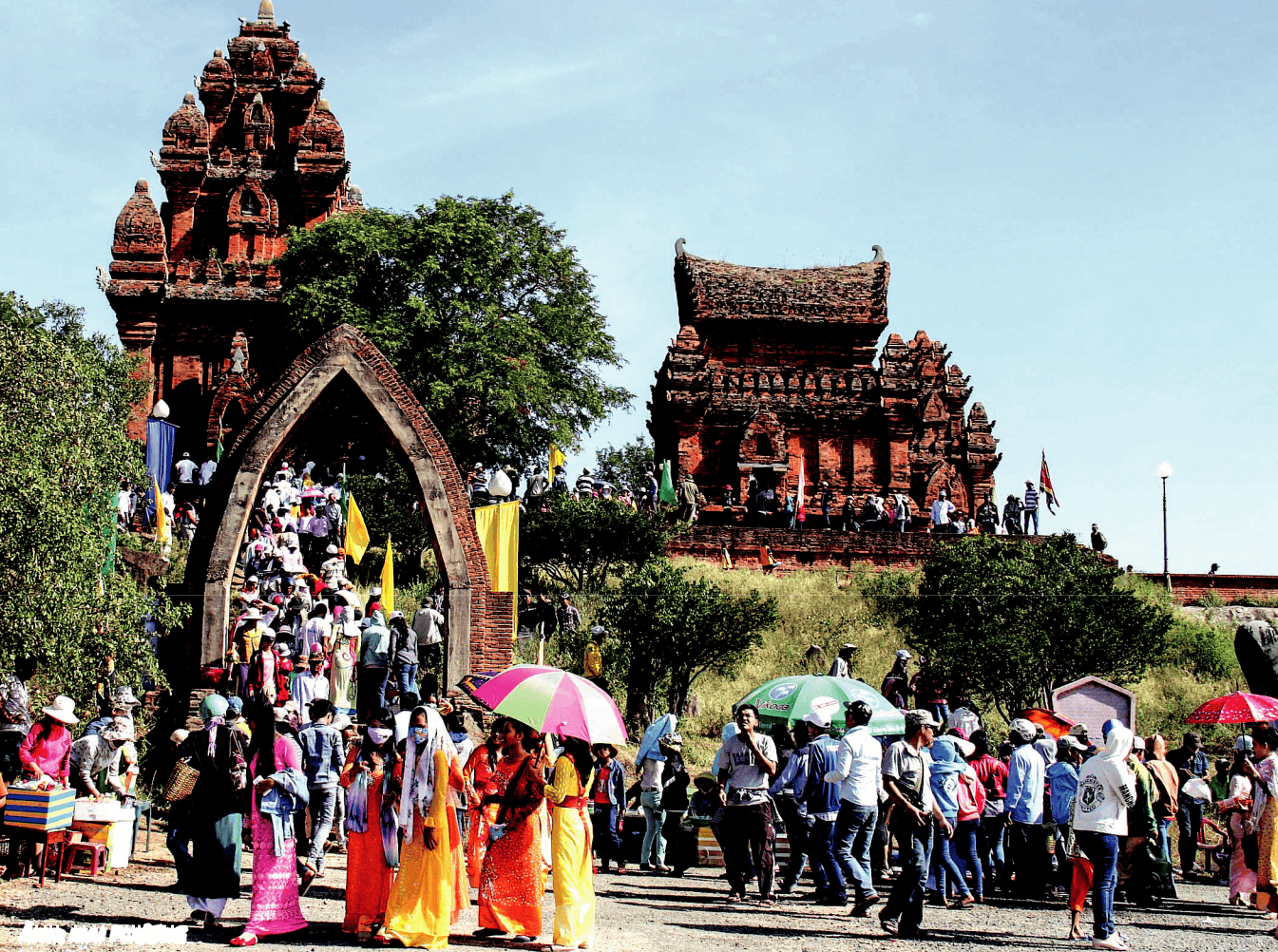
If you are lucky enough to visit My Son Sanctuary on the occasion of the Katé Festival, which takes place on the 1st of July of the lunar calendar every year, you will have a chance to experience one of the biggest traditional festivals of the Cham people. The festival is aimed to commemorate the gods and ancestors who bless perseverance and bring good luck as well as favorable weather.
Opening the festival is a ritual of praying for peace that takes place right at the relic. Then there is the procession, with many ancient Cham dances being performed, as well as traditional folk songs, featuring, musical instruments of the Cham people including the paranung, drum, saranai trumpet, rattle, horn, and erhu…
Cham, dances, and ancient Cham dances are the most brilliant cultural and spiritual heritage of My Son Sanctuary. Today, these dances are used to entertain and educate tourists, but in the past, the dances were performed as part of traditional festivals as a ritual ceremony or worship.,
Cham, female, dancers, wear magnificent clothes, with sparkling jewelry, and they know for their graceful moves in traditional dances such as the fan dance, Apsara dance, and fire dance.
In 2017, “The Katé Festival of the Cham people in Ninh Thuan province” was also recognized as the National Intangible Cultural Heritage of Vietnam.
Nguyen Binh - Dac Loc



Hot news





Buy Baggage, meals, choose seats and more…
Luxury service
About Vietjet
Contact Center
Where to buy ticket?
Cargo
Privacy policy
Cookie Policy


