Booking
 Skyshop
 Hotel
Hotel
 E-Voucher
 E-Sim
E-Sim
 E-Visa
 Buy foreign currency
 Insurance
 SkyJoy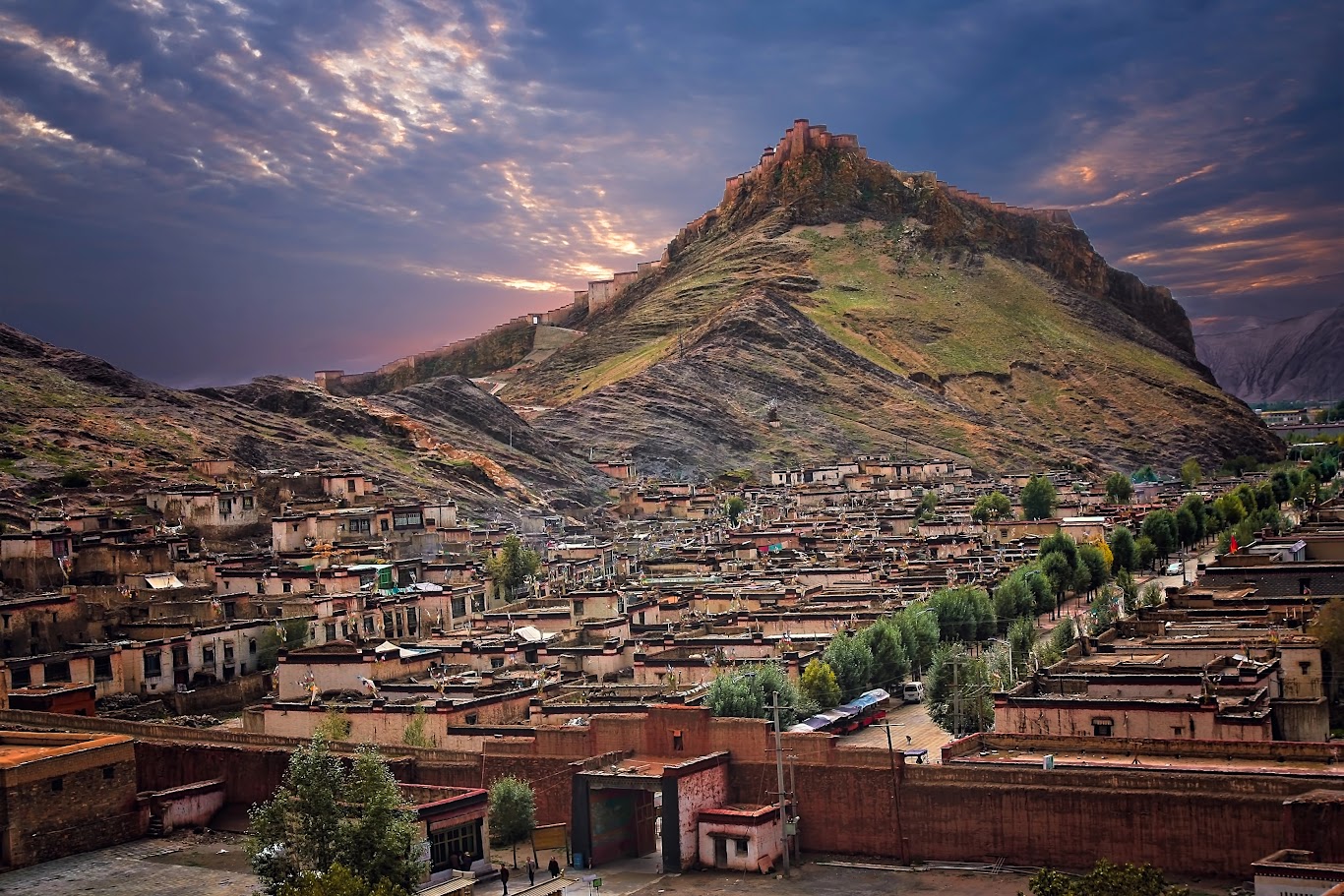
Tibet, a land nestled high in the Himalayas, has long been a dream destination for those who crave exploration and long to immerse themselves in tranquility. This mystical region captivates not only with its majestic landscapes, sacred monasteries, and emerald lakes nestled among mountains, but also with one of the most distinctive Buddhist cultures in Asia.
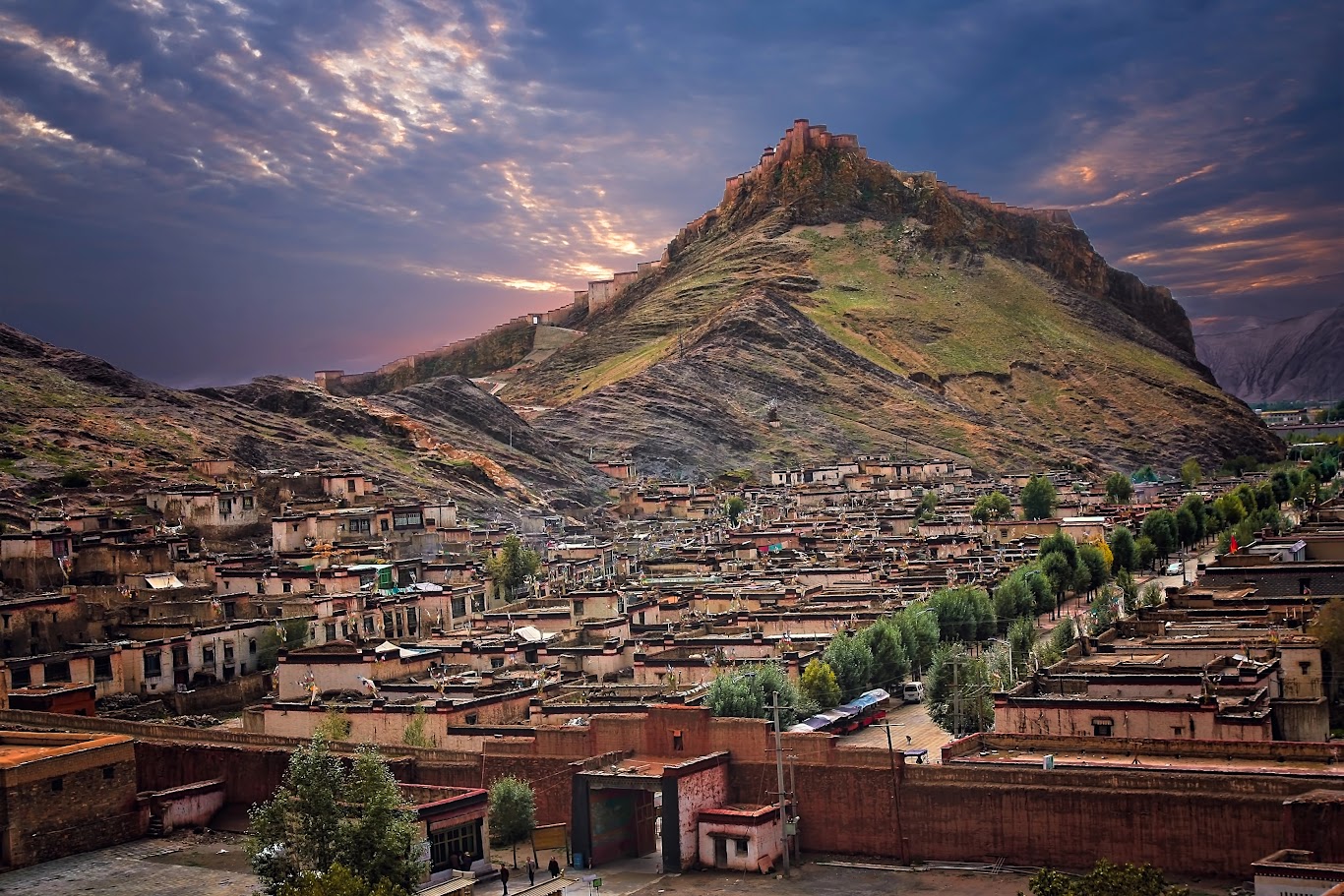
Tibet is known as the “Roof of the World,” blessed with breathtaking natural scenery and a unique indigenous culture.
If you're yearning for a truly special journey — a place where you can connect with raw nature and explore fascinating spiritual traditions — then Tibet is a destination not to be missed. This article will provide all the essential information to help you plan your adventure to this extraordinary land: from the best time to visit and top attractions to estimated costs and practical travel tips.
1. Where is Tibet? – Unveiling the Mystery of the “Roof of the World”
It’s no coincidence that Tibet is called the “Roof of the World.” This land sits at an average elevation of over 4,500 meters above sea level, located on the vast and highest plateau on Earth — the Tibetan Plateau. Surrounded by towering mountain ranges, most notably the mighty Himalayas where Mount Everest — the world’s tallest peak — stands as a natural border between Tibet and Nepal.
Geographically, Tibet borders several diverse regions including Nepal, India, Bhutan, Myanmar, and Chinese provinces like Sichuan, Qinghai, Yunnan, and the Xinjiang Autonomous Region. Thanks to its unique topography, Tibet features a harsh yet fascinating climate, where intense sunshine and freezing cold coexist amidst pristine wilderness.
2. When is the Best Time to Visit Tibet?
Tibet’s climate can pose a challenge for even the most seasoned travelers. Due to the high altitude and thin air, the region experiences extreme weather year-round. Winters (November to March) can be bitterly cold with temperatures dropping below -20°C, while summers (June to August) are sunny but feature stark temperature differences between day and night.
Here are the ideal times to consider for a fulfilling trip:
- February or March: A great time to immerse in local culture, as this is when the Losar Festival (Tibetan New Year) takes place. Visitors can experience traditional rituals and vibrant festive atmospheres.
- April to October: This period offers relatively stable weather, clear skies, and vibrant natural scenery. Particularly in April–May and September–October, you can marvel at the turquoise Namtso Lake, endless green grasslands, and even join the Everest Base Camp trek under favorable conditions.
3. Must-Visit Destinations in Tibet
Once you set foot on the “Roof of the World,” you'll be overwhelmed by the majestic and sacred beauty that this land has to offer. From ancient monasteries clinging to mountainsides to serene holy lakes stretching beneath vast skies, Tibet welcomes not only adventurous souls but also those seeking peace and cultural depth.
Here are some unmissable spots for your Tibet journey:
- Potala Palace (Lhasa): The most iconic symbol of Tibet, once the residence of the Dalai Lamas. Built atop Marpo Ri Hill, this grand structure combines religious architecture with fortress-like design and is the top pilgrimage and sightseeing destination in Lhasa. From this “world’s highest palace,” you can admire panoramic views of ancient Lhasa and the majestic Tibetan Plateau.
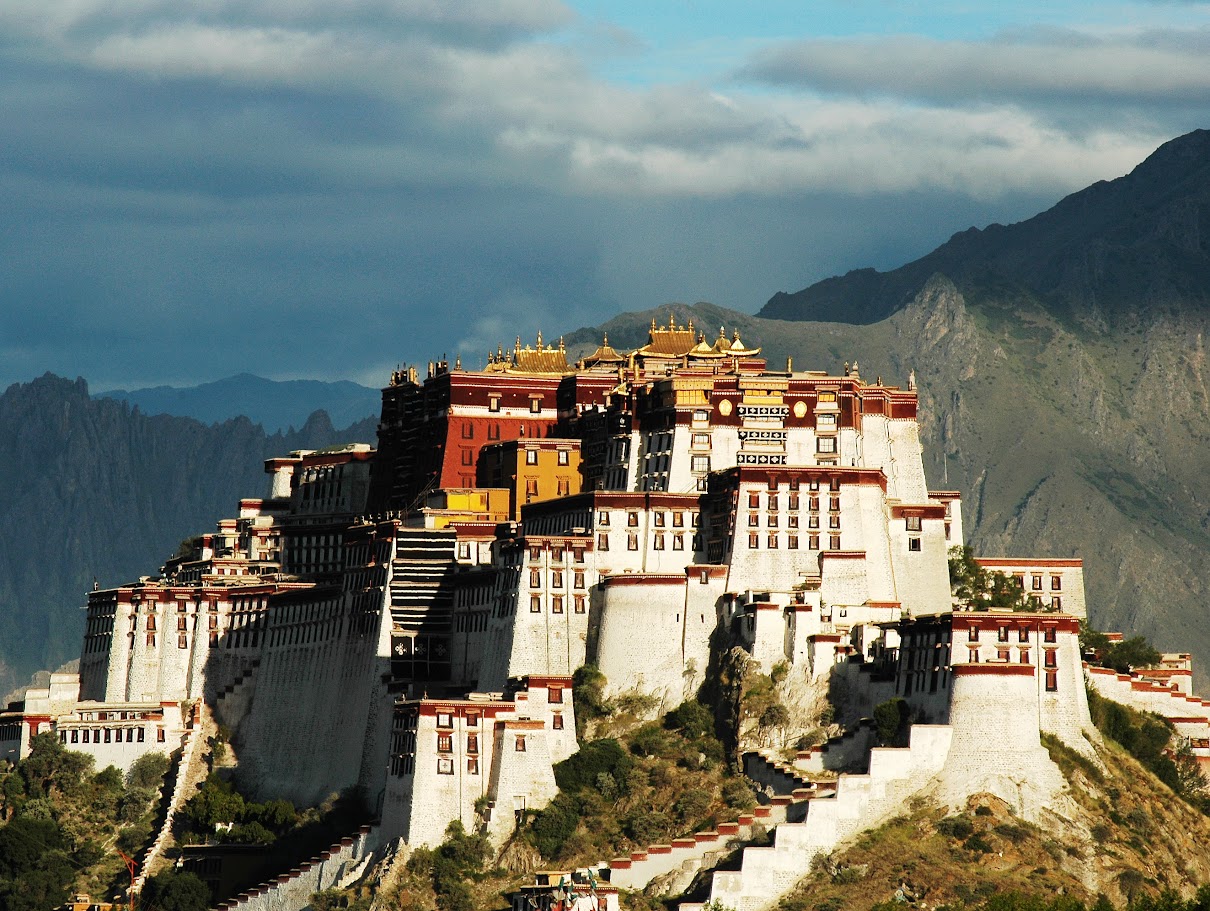
With its unique architecture and deep cultural significance, Potala Palace has been recognized by UNESCO as a World Heritage Site.
- Jokhang Monastery: Located in the heart of Lhasa, Jokhang is the holiest site of Tibetan Buddhism and a UNESCO World Heritage Site. It is also where you can witness devoted pilgrims performing thousands of prostrations each day on the incense-filled Barkhor Street.
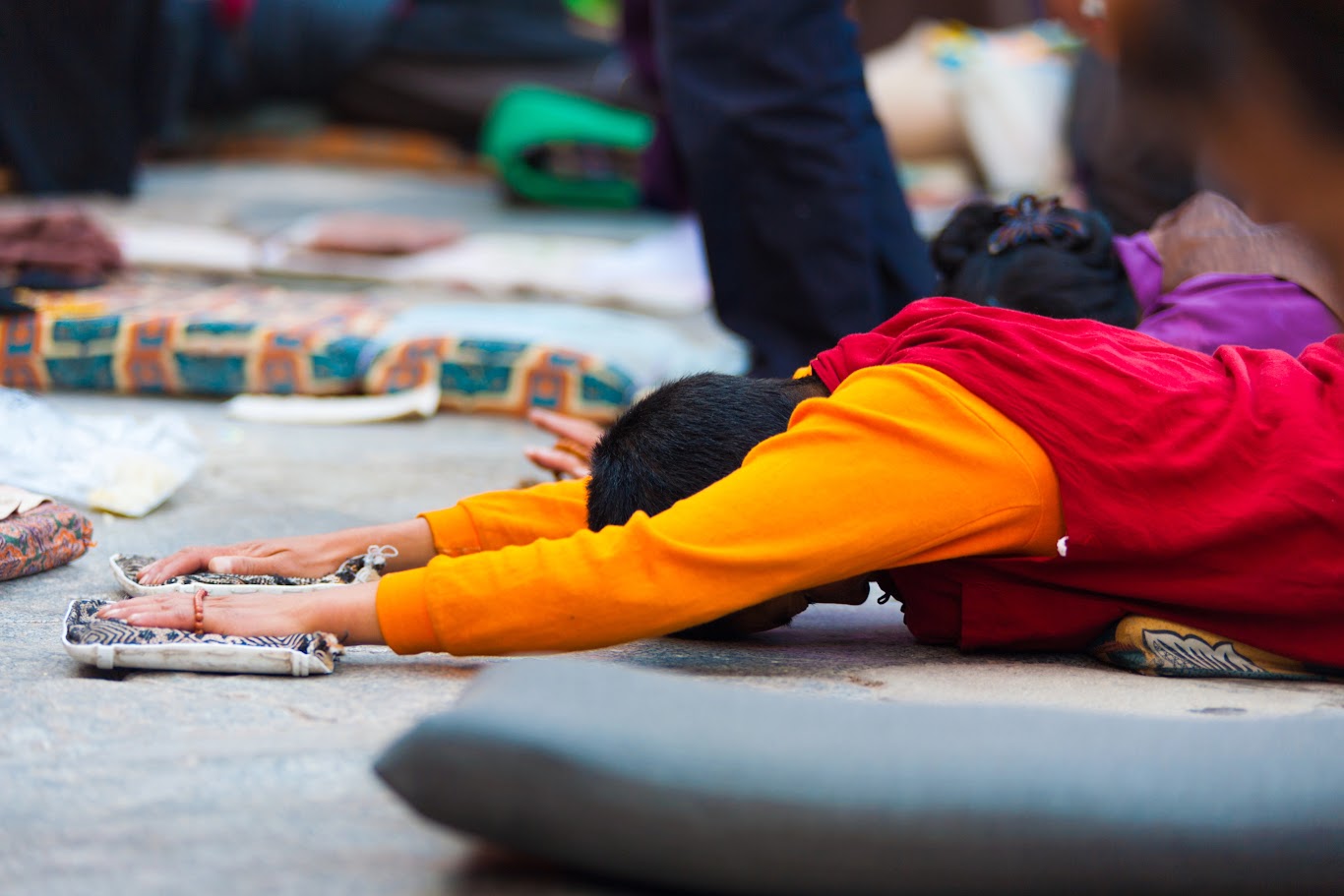
Jokhang Monastery is a sacred destination for pilgrims from around the world.
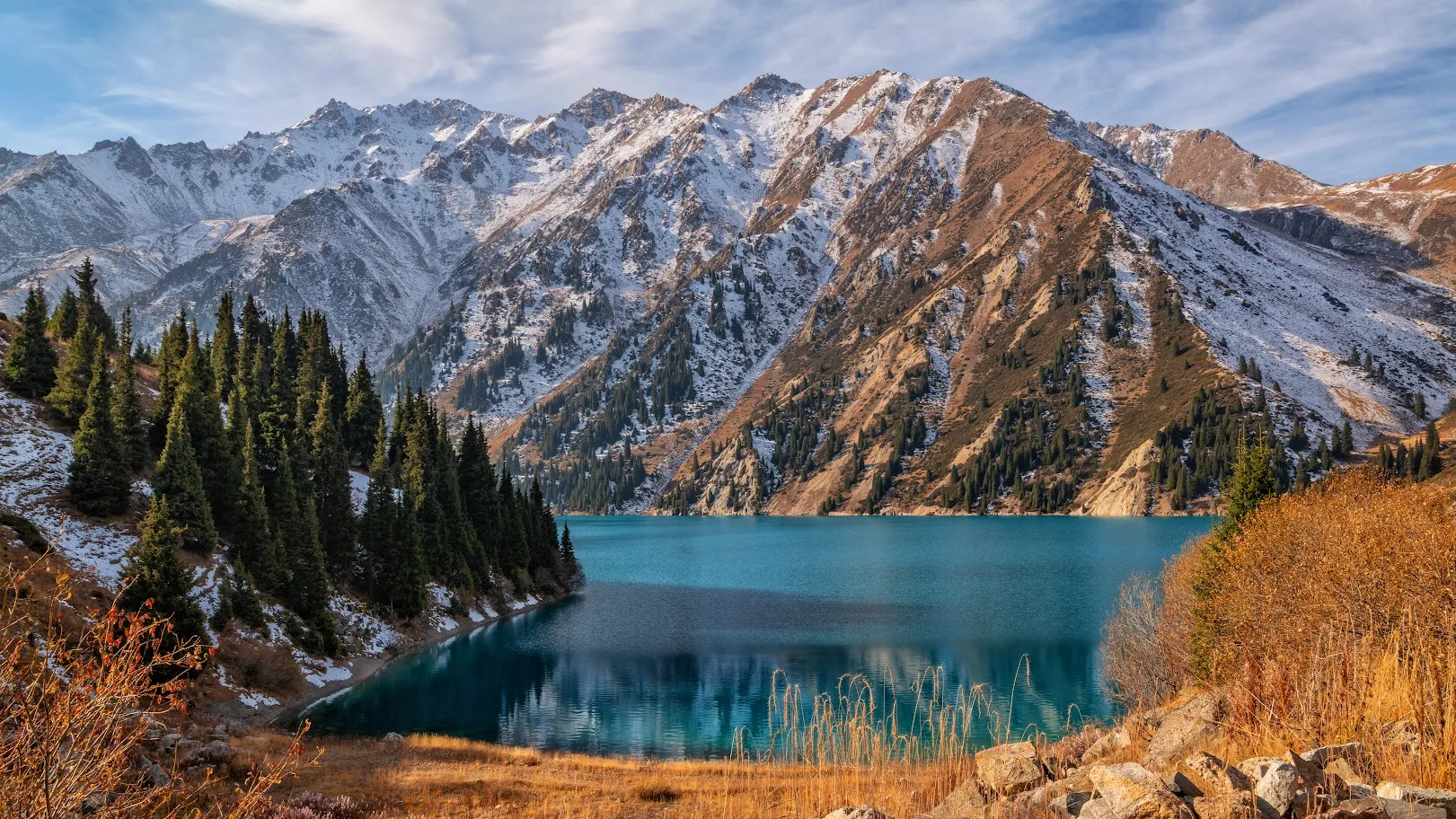
- Namtso Lake: One of the three holy lakes of Tibet, Namtso boasts a surreal beauty with its crystal-clear blue waters, surrounded by snow-capped mountains and vast grasslands. It is an ideal spot for camping, watching the sunrise, or simply finding inner peace amidst boundless nature.
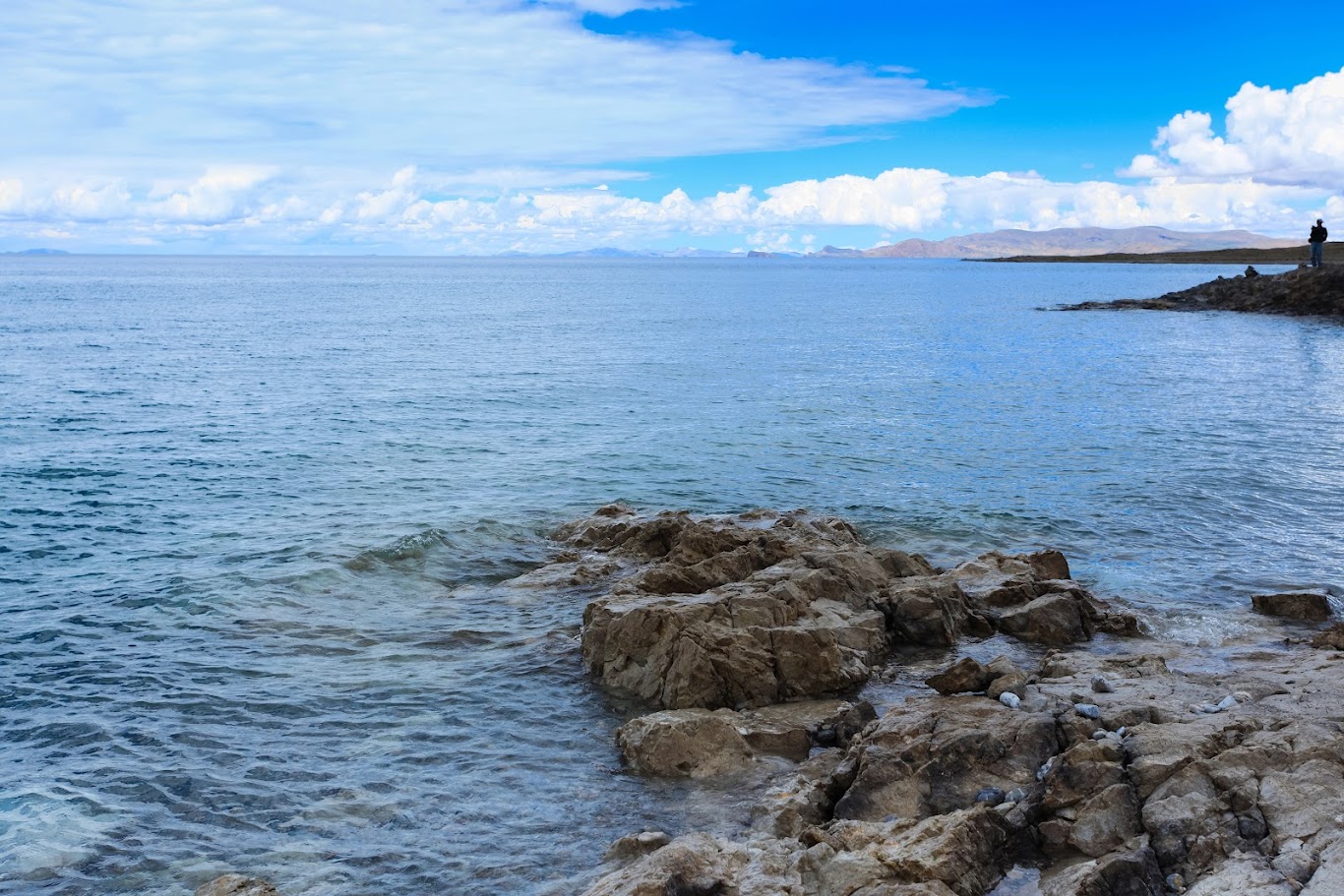
Beyond its vast expanse and stunning scenery, Namtso Lake holds deep spiritual meaning for the Tibetan people.
- Everest Base Camp: If you dream of getting close to the “roof of the world,” the Everest Base Camp in Tibet is the first stop on your journey to conquer Mount Everest. From here, you can gaze upon the towering peak in the cold wind and bright sunlight, acclimate to the thin air at over 5,000 meters, and experience one of the most beautiful trekking routes on Earth.
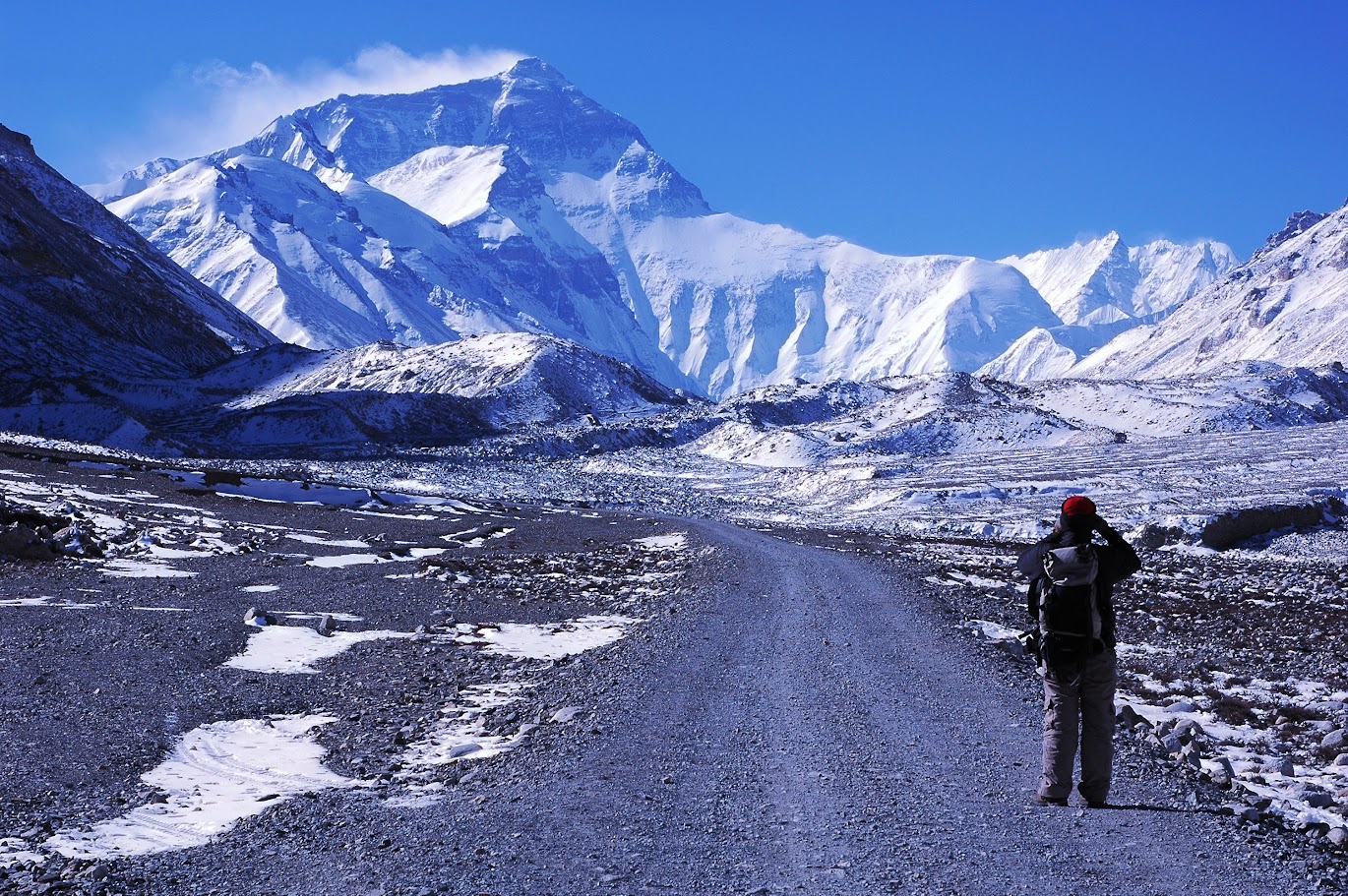
The awe-inspiring majesty of Mount Everest leaves visitors breathless.
- Sera and Drepung Monasteries: Two of the largest and oldest monasteries in Tibet, where visitors can gain deeper insights into Tibetan Buddhist teachings and witness captivating philosophical debates between monks.
See also: The Ancient City of Lhasa in Tibet & What You Need to Know
4. Tibetan Cuisine That Delights Visitors
Tibetan cuisine is simple, shaped by the region’s harsh terrain and the nomadic lifestyle of its people. Ingredients mainly include yak meat, butter, milk, barley, and potatoes—resulting in dishes with uniquely appealing flavors.
- Tsampa (roasted barley flour): The most traditional and widely consumed Tibetan food, made by mixing roasted barley flour with yak butter tea. Tsampa is not only a staple source of nutrition but also an essential element in religious rituals.
- Thukpa (Tibetan noodle soup): A warm, hearty noodle soup made with yak meat, radish, carrots, onions, and signature spices. Thukpa is especially popular during colder seasons, offering comfort and warmth in the frigid highlands.
- Momo (Tibetan dumplings): A common street food that can be steamed or fried. The filling typically includes yak meat or vegetables, served with a spicy dipping sauce that appeals to many visitors.
- Dried yak meat: A popular “souvenir food.” Yaks — a symbolic animal of Tibet — produce tender, flavorful meat due to their harsh environment. The dried meat is well-seasoned, long-lasting, and makes a convenient gift.
- Butter tea (Po Cha): A traditional beverage that is indispensable in daily Tibetan life. Made by boiling black tea leaves and blending with yak butter and salt, it has a rich, salty taste and helps warm the body and combat the thin air of the plateau.
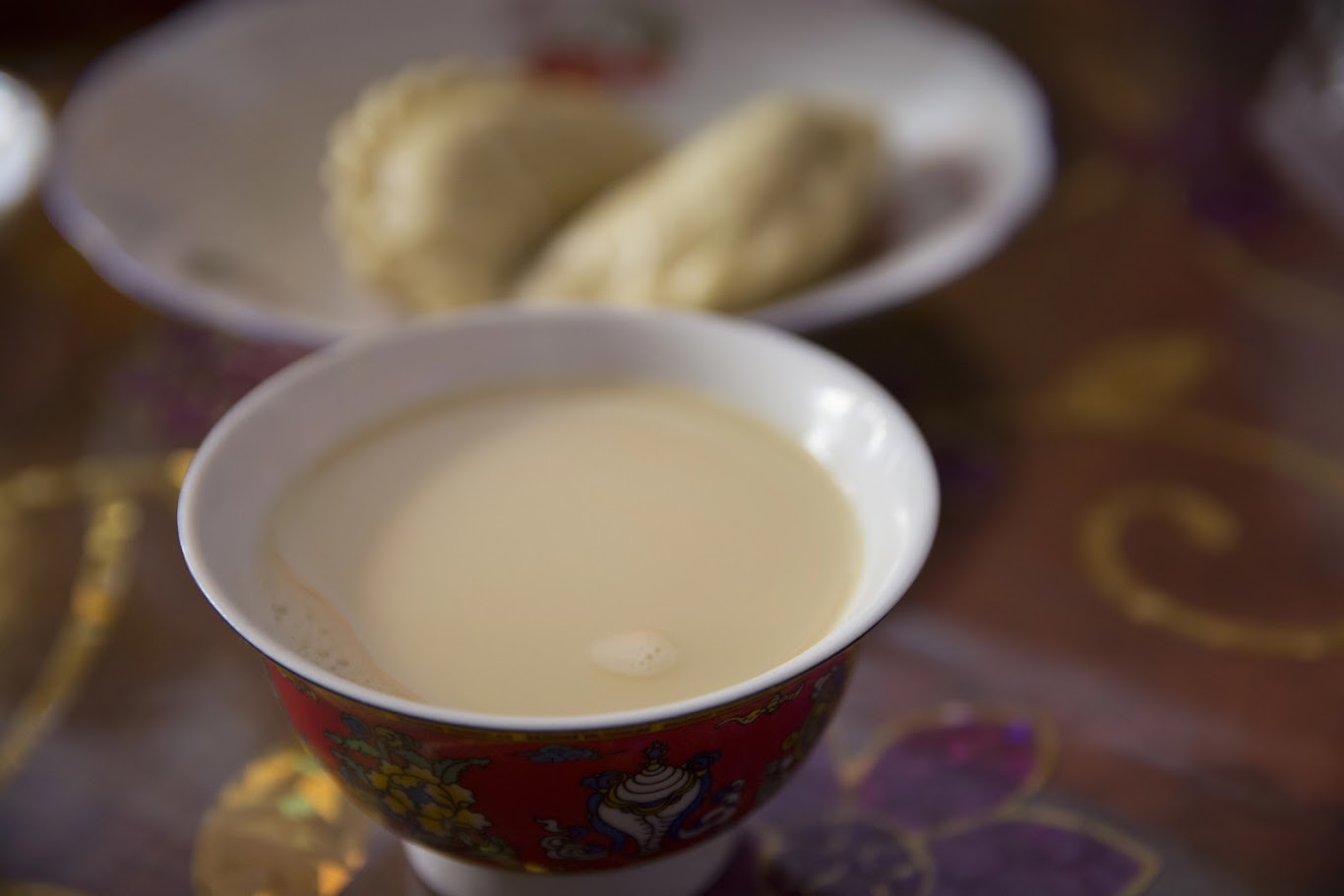
Butter tea paired with Tsampa is considered a “national dish” in Tibet.
5. Cost of Traveling to Tibet
Traveling to Tibet is not cheap, but with good planning, it can be manageable. A basic 7–10 day trip usually costs around 30–60 million VND (approx. $1,200–2,400 USD) per person. Here's a breakdown of estimated expenses:
- Visa and Tibet Travel Permit: 3–5 million VND
- International flights (Vietnam – Chengdu): 6–10 million VND round-trip
- Domestic travel to Lhasa (flight/train): 2–5 million VND per trip
- Mandatory tour package (includes permits, guide, transportation, hotels, meals): 18–35 million VND
- Additional accommodations (if self-booked): 400,000–700,000 VND/night for 2–3 star hotels
- Personal meals: 300,000–500,000 VND/day
- Extra sightseeing, shopping, tips, miscellaneous expenses: 2–5 million VND
6. Tibet Travel Tips
6.1 Can you travel independently in Tibet?
Foreign tourists are not allowed to travel independently in Tibet. You must book either a group or private tour operated by a travel agency licensed by the Tibetan government. However, you can still customize your itinerary, choose your tour provider, and select the services you prefer — this is often called “guided independent travel.”
6.2 Required Documents and Procedures
- Passport valid for at least 6 months
- Chinese visa (if entering via Chengdu or Beijing)
- Tibet Travel Permit (obtained through your tour agency)
- For restricted areas like Mount Kailash or Everest Base Camp, you'll need an additional Military Permit issued by the army
6.3 Important Notes When Traveling to Tibet
- Altitude Acclimatization: Many people may experience altitude sickness due to the thin air. Rest on the first day in Lhasa, drink plenty of water, and avoid strenuous activity.
- Bring Medication: Bring altitude sickness medicine (Diamox), cold medicine, pain relievers, digestive aids, and sunscreen.
- Dress Appropriately: Even in summer, nighttime temperatures in Tibet can be very low. Bring warm clothes, hiking shoes, and sunglasses.
- Carry Cash: In Tibet, cash is still widely used. Travelers should prepare Chinese Yuan in advance and exchange money in Vietnam to avoid high exchange rates. If you have already booked a round-trip ticket with Vietjet, simply enter your booking code (PNR) on the website or Vietjet app to use the online currency exchange service with a simple process, competitive rate, and safety.
- Respect Local Culture: Do not take photos or videos freely in monasteries, do not point at Buddha statues, and avoid loud talking in sacred places.
See also: Lijiang – Shangrila Travel: Tips & Costs
Whether you're looking for an adventurous journey across the world's highest plateau or a spiritual path to the roots of Buddhism, Tibet has something for you. From Vietnam, travelers can fly to Chengdu (China), then continue to Lhasa by train or plane. Don't forget to hunt for Vietjet's 0 VND tickets from 12 PM – 2 PM daily to optimize your budget for this special journey.
Follow flight routes, promotions, and travel guides on Vietjet’s official channels:
- Website: https://www.vietjetair.com
- Facebook: https://www.facebook.com/vietjetvietnam
- Instagram: https://instagram.com/vietjet
- YouTube: https://www.youtube.com/VietjetOfficial
- TikTok: https://www.tiktok.com/@vietjetvietnam
- Zalo: https://oa.zalo.me/vietjet