Booking
 Skyshop
 Hotel
Hotel
 E-Voucher
 E-Sim
E-Sim
 E-Visa
 Buy foreign currency
 Insurance
 SkyJoy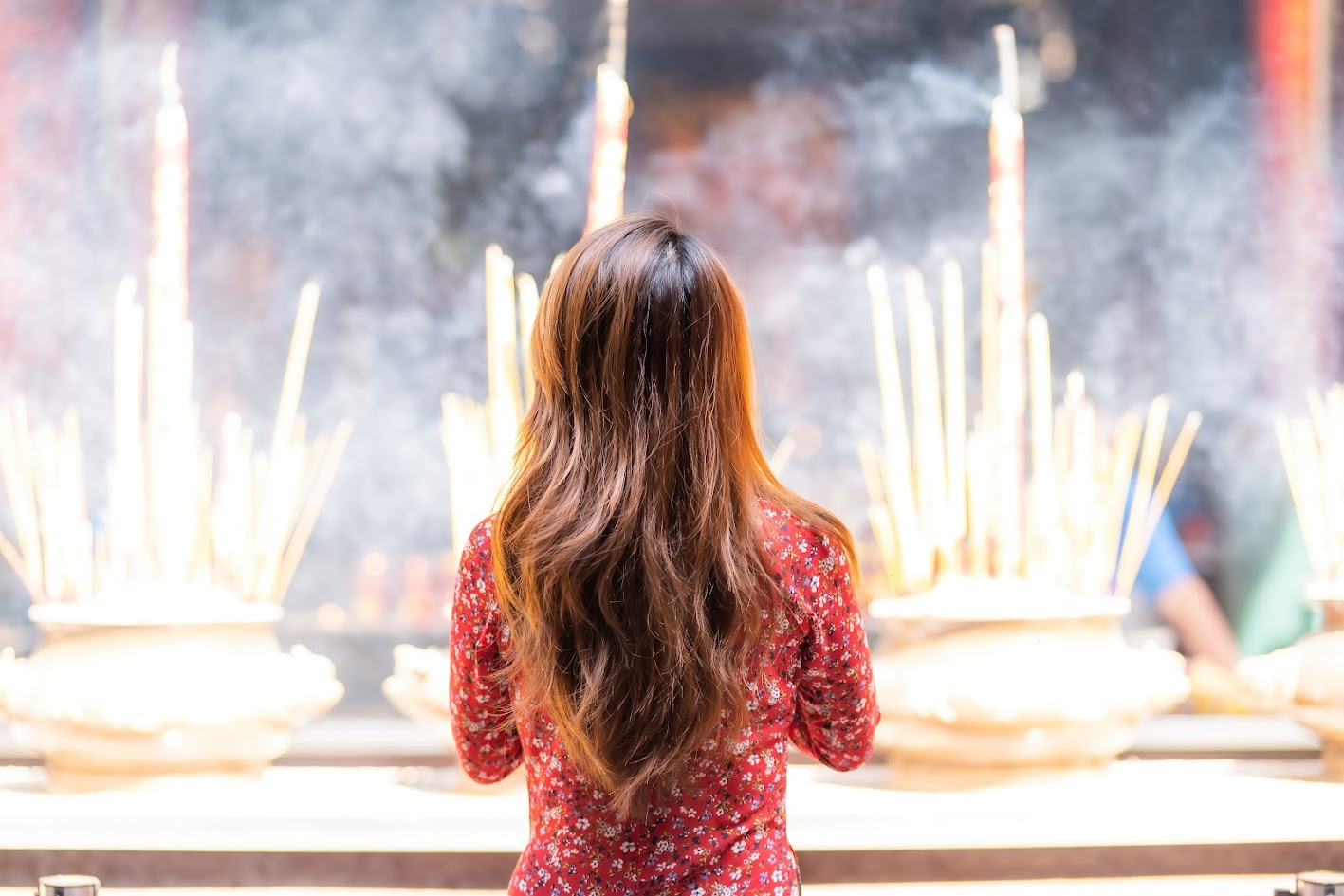
If you ever have the chance to visit Ha Nam, don’t miss the opportunity to admire the ancient Dia Tang Phi Lai Temple. This sacred site not only boasts a unique architecture imbued with the passage of time but is also surrounded by vast pine forests, making it an ideal sanctuary for those seeking peace and serenity.
Let Vietjet guide you through the location and history of Dia Tang Phi Lai Temple!
1. Where is Dia Tang Phi Lai Temple?
Located in Ninh Trung Hamlet, Liem Son Commune, Thanh Liem District, Ha Nam Province, Dia Tang Phi Lai Temple is just about 70km from Hanoi. Though not far from the bustling city, the atmosphere of this ancient temple is strikingly different. It is surrounded by lush pine forests, white sand grounds, and features architecture from the Ly–Tran dynasties — all exuding a timeless and serene presence.
Also known as Chua Dung, the temple was originally built in the 10th century with more than 100 compartments. It was renamed in 2015, with “Phi Lai” meaning "may return or may not." This name reflects the spiritual notion that the Bodhisattva Ksitigarbha (Đức Địa Tạng Vương Bồ Tát) may dwell or may never return — and wherever he doesn’t return becomes the land of Buddha.
The temple is located on auspicious terrain: backed by mountains and flanked by the Blue Dragon to the left and the White Tiger to the right, in accordance with feng shui. The scenery is serene and beautiful, tucked gently amidst the emerald pine woods.
See also:Ha Nam Self-Guided Travel: Attractions, Food, and Flights
2. History of Dia Tang Phi Lai Temple
With a history spanning over 1,000 years, Dia Tang Phi Lai Temple is a true cultural relic. At its peak, it was chosen by King Tran Nghe Tong as a place of retreat and by King Tu Duc for prayer. Over time, however, the temple fell into disrepair and was eventually forgotten.
In 2015, Venerable Thich Minh Quang became the temple’s first abbot. Since then, through years of restoration, the temple has regained its ancient charm. Today, it offers a harmonious meditative space immersed in nature, drawing in all who seek tranquility and spiritual awakening.
3. Review of Dia Tang Phi Lai Temple
3.1 What’s special about the temple?
As a thousand-year-old sanctuary, Dia Tang Phi Lai Temple preserves many timeless treasures, making it a spiritual and cultural gem for history lovers and those in search of inner peace:
- Ancient architecture: The temple reflects traditional Vietnamese design, featuring tiled roofs, wooden pillars, subtle brown-and-yellow tones, and intricately carved dragon and phoenix motifs, along with delicate Buddhist symbols. Notable structures include the main shrine (Tam Bao), the Ancestral Hall, and Pho Dong Tower — the resting place of 40 generations of abbots.
- Buddha statues and antiques: The temple houses many valuable artifacts, including statues, worship items, and wall paintings. There are around 100 ancient objects, mostly from the Tran dynasty, with some from the Ly and Le periods. Visiting the temple nestled in the pine forest feels like stepping into the past, immersed in historical flow.
- Impressive meditative space: A unique highlight of Dia Tang Phi Lai is its deep meditative ambiance. Upon entering the temple gates, visitors will encounter the Sea of Suffering courtyard, covered with white pebbles and featuring 12 concentric circles representing the twelve links of dependent origination in Buddhist philosophy. Around the grounds are wind chimes, harmonizing with the sounds of nature and creating a peaceful symphony of earth and sky.
3.2 When is the Best Time to Visit Dia Tang Phi Lai Temple?
Dia Tang Phi Lai Temple is located in Ha Nam, a province blessed with mild weather and beautiful natural landscapes. Visitors can explore this ancient temple throughout the year.
However, the most vibrant time is during the first lunar month, when spring arrives with the Lunar New Year. The temple is filled with blooming flowers and streams of pilgrims coming to pay their respects. Particularly on the 9th and 10th days of the first lunar month, the temple hosts booths that recreate traditional northern Vietnamese countryside scenes. During major festivals such as Vu Lan (Ghost Festival) and Mid-Autumn Festival, the temple also organizes celebratory and spiritual activities.
Additionally, the temple offers summer retreats every June and July for devoted Buddhists to volunteer, listen to dharma talks, and join in community activities with the monks and nuns.
3.3 Tips for Visiting Dia Tang Phi Lai Temple
As Dia Tang Phi Lai Temple is a sacred place, visitors are advised to keep the following in mind:
- Dress modestly: Wear sleeved tops and pants or skirts that go past the knees. Avoid outfits with provocative designs or tight-fitting clothes.
- Maintain peace and respect: The temple is a space for meditation and spiritual practice. Visitors should walk quietly, speak softly, and smile gently. Avoid disturbing the monks and fellow worshippers.
- Protect the temple environment: The temple is home to both natural beauty and valuable ancient artifacts. Dispose of waste properly, avoid damaging trees or vegetation, and do not touch or harm Buddha statues.
- Opening hours: The temple welcomes visitors daily from 6:30 AM to 6:30 PM, and admission is completely free. If you wish to make offerings, please place your donation for incense and candles in the designated donation boxes. Do not insert money into statues or place it directly on altars.
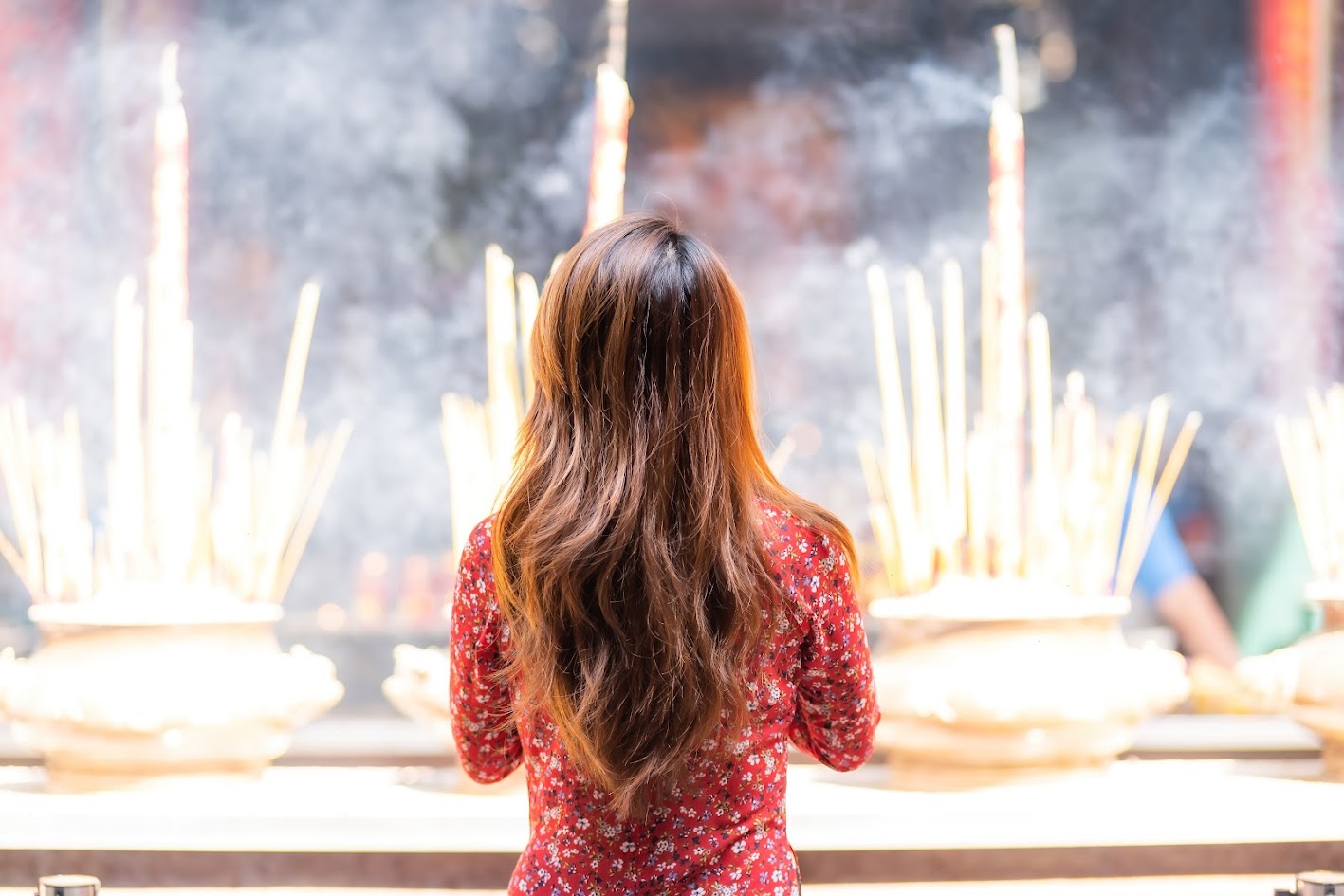
When visiting such a sacred site, it is important to dress appropriately and be mindful of maintaining a respectful, peaceful atmosphere.
4. Directions to Dia Tang Phi Lai Temple
Dia Tang Phi Lai Temple is only about 70km from Hanoi, making it easy for travelers from all regions to reach. You can fly into Hanoi and then continue your journey to the temple in approximately 1 hour and 30 minutes via the following methods:
- By car: Take the Cau Gie – Ninh Binh Expressway and continue to Phu Ly City, Ha Nam via National Highway 1A. From Phu Ly City, simply go straight for about 12km to reach the temple.
- By motorbike: Follow the old National Highway 1A towards Van Dien, continue to Thuong Tin, turn at Van Diem Station, and then head to Phu Xuyen. From there, take the route toward Cau Gie to reach Phu Ly City. Continue along Provincial Road 495 to arrive at the temple.

Don’t miss the chance to visit Dia Tang Phi Lai Temple with super-saver flight tickets from Vietjet!
Every year, Dia Tang Phi Lai Temple welcomes numerous groups of visitors from all over the country for pilgrimage and sightseeing. If you’re planning a trip to this spiritual destination, be sure to hunt for Vietjet’s discounted flight tickets available daily from 12 PM to 2 PM HERE
And don’t forget to stay updated on Vietjet’s latest promotions through the channels listed below!
- Fanpage: https://www.facebook.com/vietjetvietnam
- YouTube: https://youtube.com/c/VietjetOfficial
- TikTok: https://www.tiktok.com/@vietjetvietnam
- Instagram: https://instagram.com/vietjet
- Zalo: https://oa.zalo.me/vietjet