Booking
 Skyshop
 Hotel
Hotel
 E-Voucher
 E-Sim
E-Sim
 E-Visa
 Buy foreign currency
 Insurance
 SkyJoy
Which season is beautiful for traveling to Japan is a question that many travelers are interested in when planning to explore the land of cherry blossoms. With its characteristic temperate climate and distinct four seasons, each time of the year Japan wears a completely different beauty: the vibrant cherry blossoms in spring, the lively summer festivals, the romantic autumn leaves, or the snowy winter.
Not only does the scenery change, but each season also brings unique cultural, culinary, and activity experiences. So, what is the best time for you to set foot in the land of the rising sun? Let's explore the details right below.
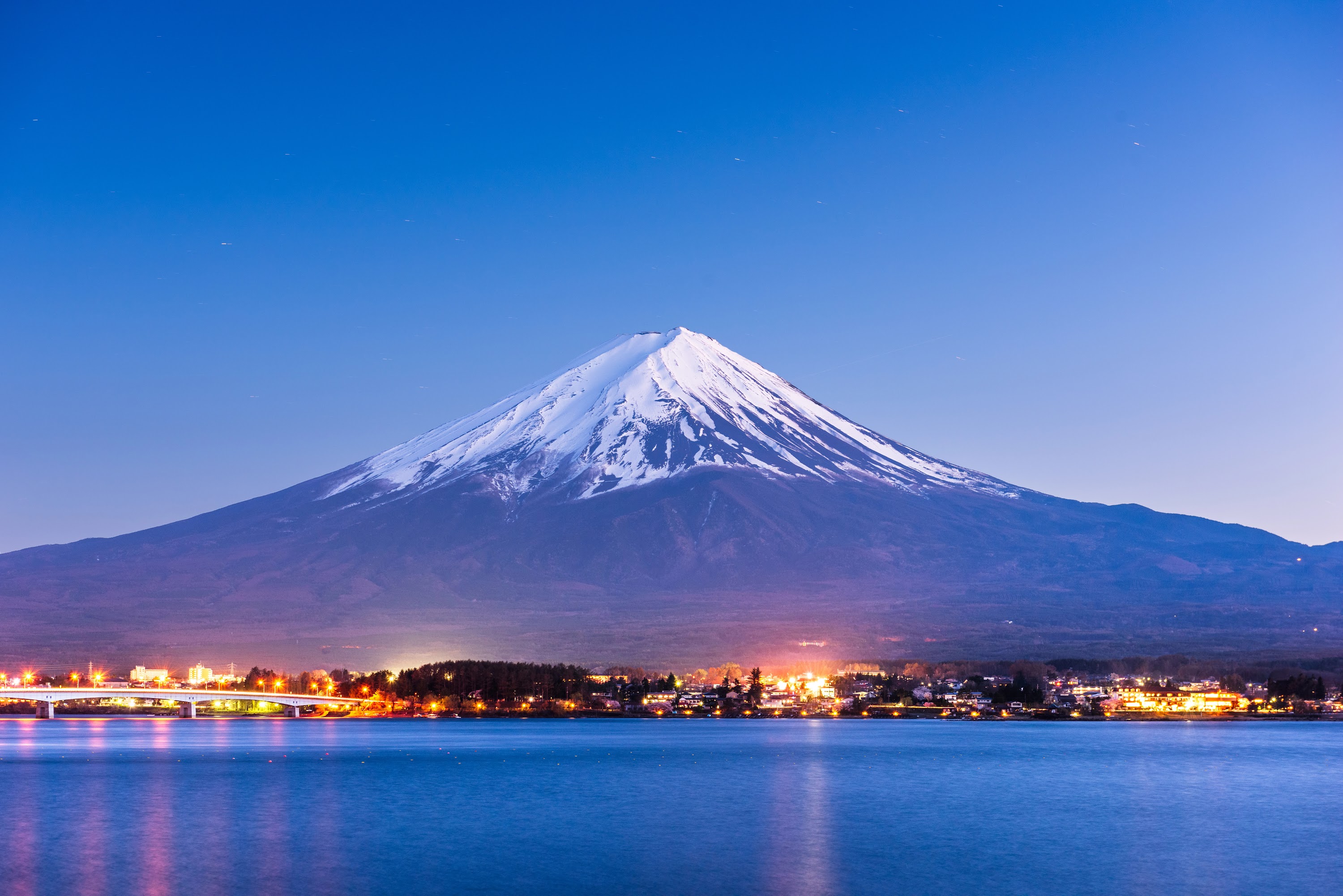
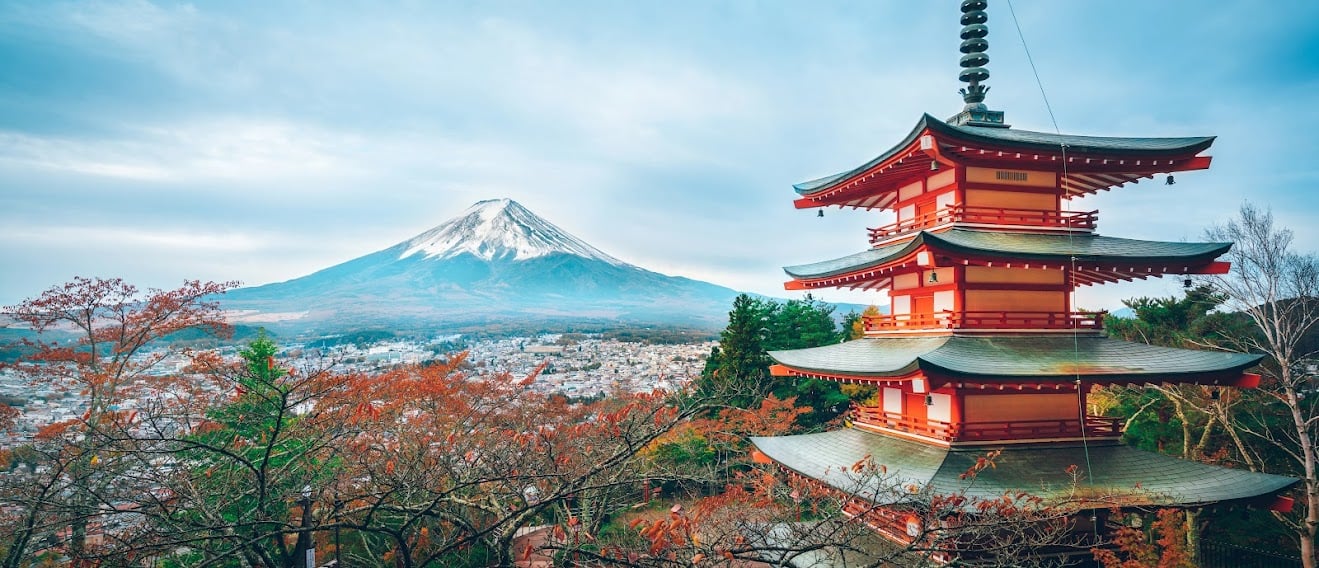
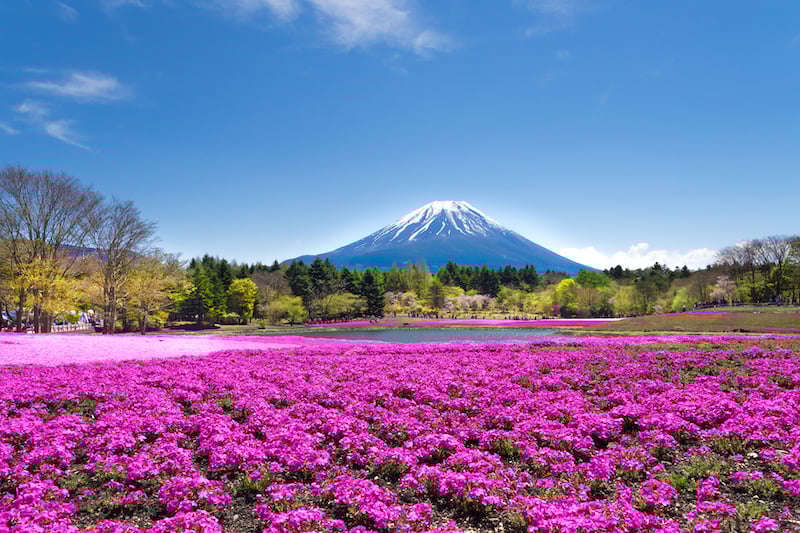
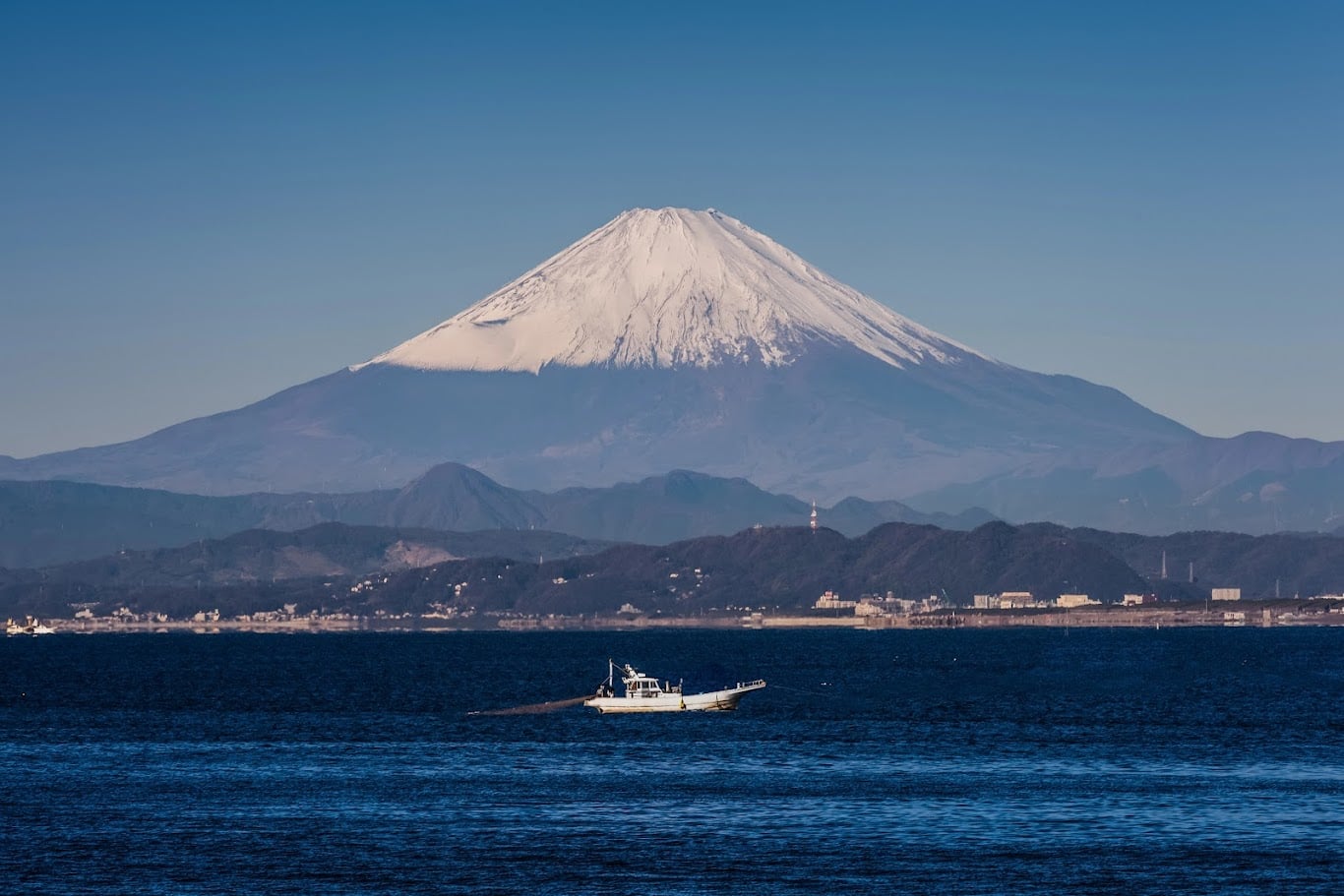
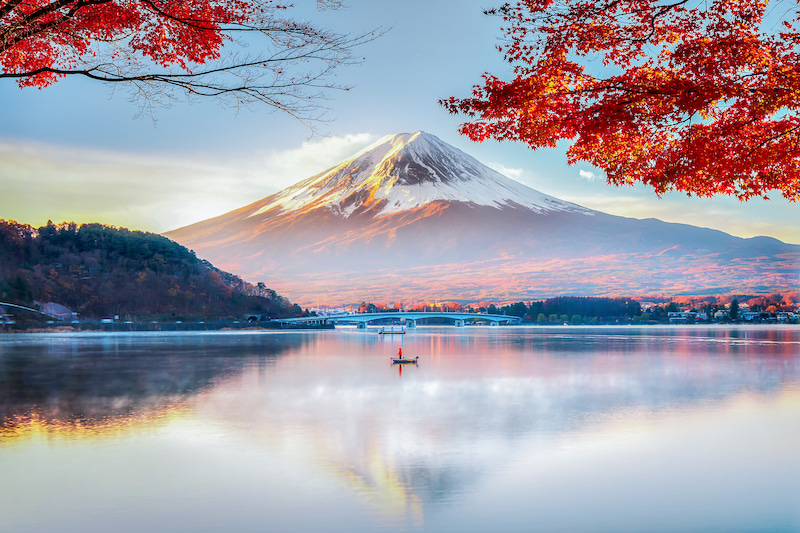
Mount Fuji - the symbol of Japan, beautiful all year round and a highlight not to be missed on any journey.
1. What month is best to visit Japan? Weather in Japan by season
Before deciding which season is beautiful for traveling to Japan, you need to understand the climatic characteristics of this country. Japan stretches from North to South with diverse terrain, so the weather varies between regions. However, in general, the land of the rising sun has four distinct seasons: spring - summer - autumn - winter.
1.1 Overview of Japan's weather by season
Japan is located in a temperate zone, influenced by monsoons and ocean currents, so there are significant temperature changes by season. The northern region, such as Sapporo (Hokkaido), experiences very cold winters with heavy snowfall, while the southern region, like Okinawa, has a warm subtropical climate year-round.
From June to early July is the rainy season (tsuyu), while August - September may see typhoons, especially in the central and southern regions. Therefore, choosing the time to travel not only depends on the scenery but also relates to weather conditions and your experience plans.
1.2 Characteristics of Japan's weather by season
If you are planning to travel to Japan by season, don't forget to refer to the characteristics below:
- Spring (March - May): Average temperatures range from 10 - 20°C, with cool, dry, and pleasant weather. This is the season when cherry blossoms bloom throughout major cities like Tokyo and Kyoto, attracting a large number of international tourists. However, since it is peak season, the prices of flight tickets and hotels often rise sharply, especially during the Golden Week at the end of April to early May.
- Summer (June - August): Temperatures can reach 30 - 35°C, with high humidity, quite hot and muggy. June is the rainy season lasting about 3 - 4 weeks, followed by a peak heat period. Nevertheless, summer is famous for traditional festivals, fireworks, and is the official climbing season for Mount Fuji (usually from July to September).
- Autumn (September - November): Temperatures range from 15 - 25°C, with dry and pleasant air similar to spring. Typhoons may appear at the end of September, but from October onwards, the weather is very stable. This is the season of vibrant autumn leaves (momiji), particularly beautiful in ancient cities like Kyoto, considered one of the ideal times to travel to Japan.
- Winter (December - February): Average temperatures are around 0 - 10°C in central areas like Tokyo, while the northern regions can drop below 0°C with heavy snowfall. The weather is usually dry with many cold sunny days. This is the ideal season to experience skiing, hot springs, and admire ancient villages covered in white snow like in Shirakawa-go.
It can be seen that the most beautiful season to visit Japan also depends on individual preferences, as each season has its own unique beauty.
2. Traveling to Japan in spring (March - May)
Which season is the best for traveling to Japan? For most international travelers, spring is the 'golden time'. When the cherry blossoms begin to bloom, the whole country seems to don a gentle pink dress. The weather is cool, with gentle sunshine and little rain, very favorable for sightseeing, strolling, and taking photos.
However, this is also the peak travel season, so you should book flight tickets, hotels, and services early, 2 - 3 months in advance.
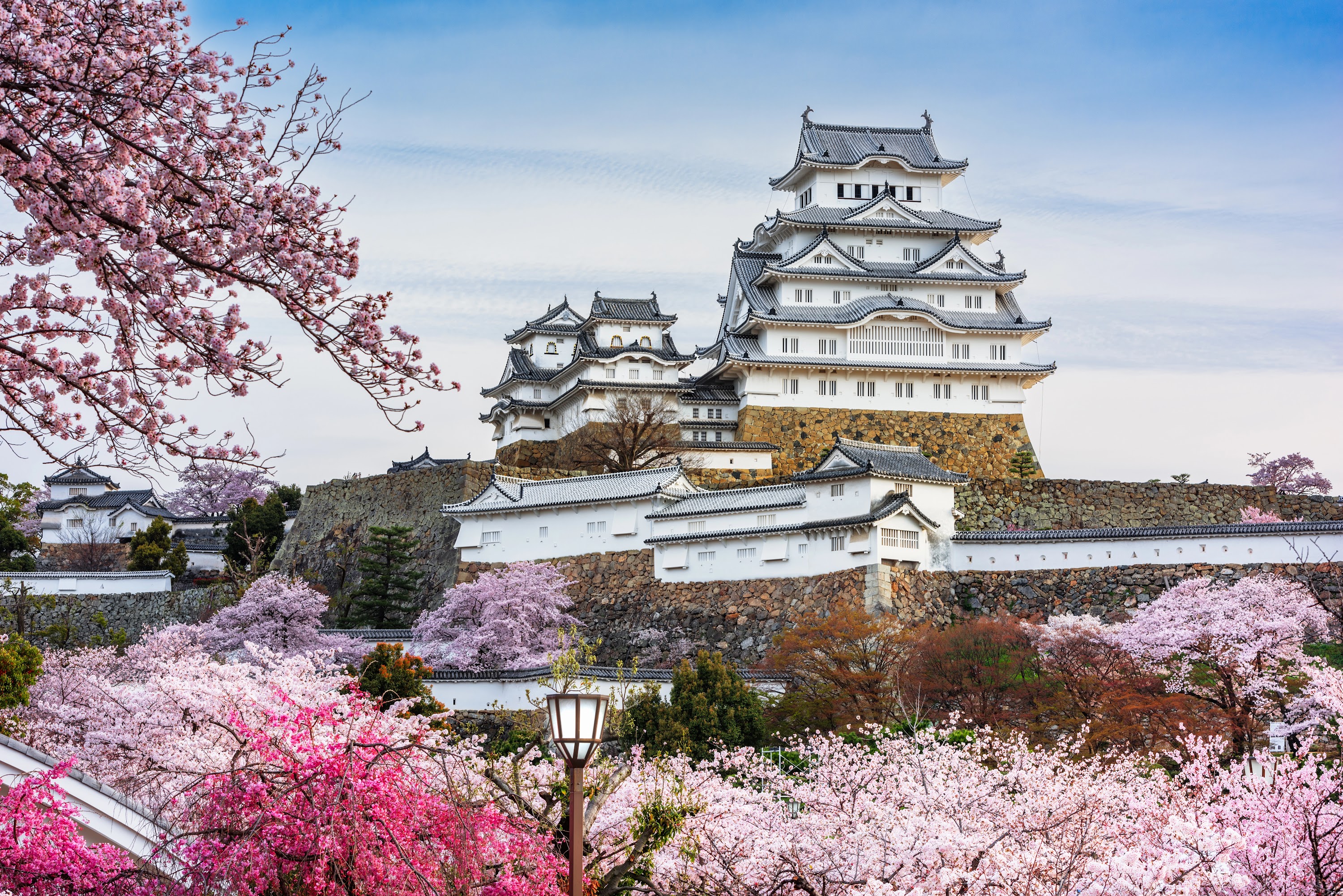
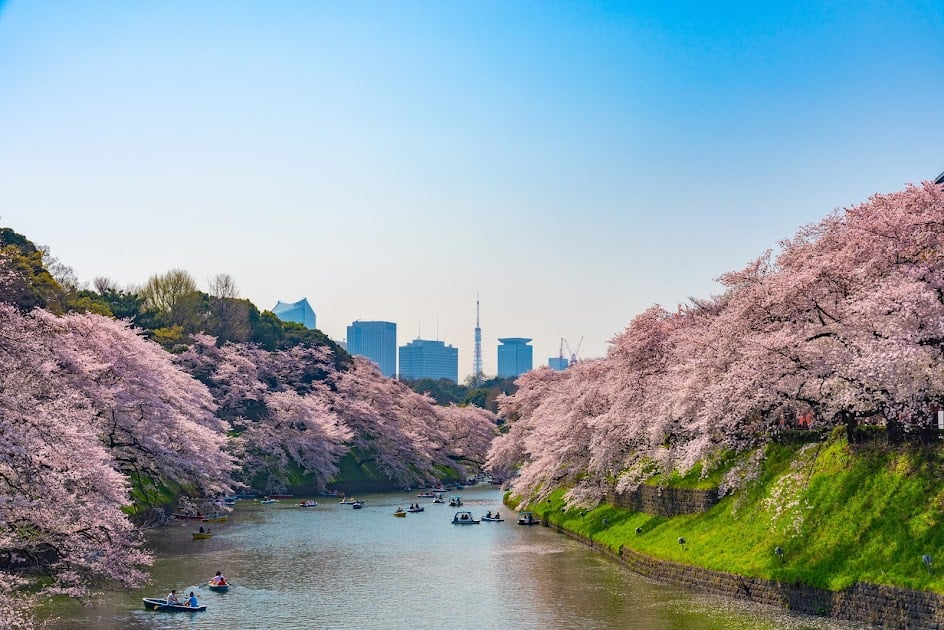
Spring in Japan shines with the pink of cherry blossoms, the best time to stroll and enjoy the hanami atmosphere.
2.1 Ideal sightseeing spots in spring in Japan
Spring is the season of cherry blossoms (sakura). Depending on the area, the flowers will bloom from late March to mid-April.
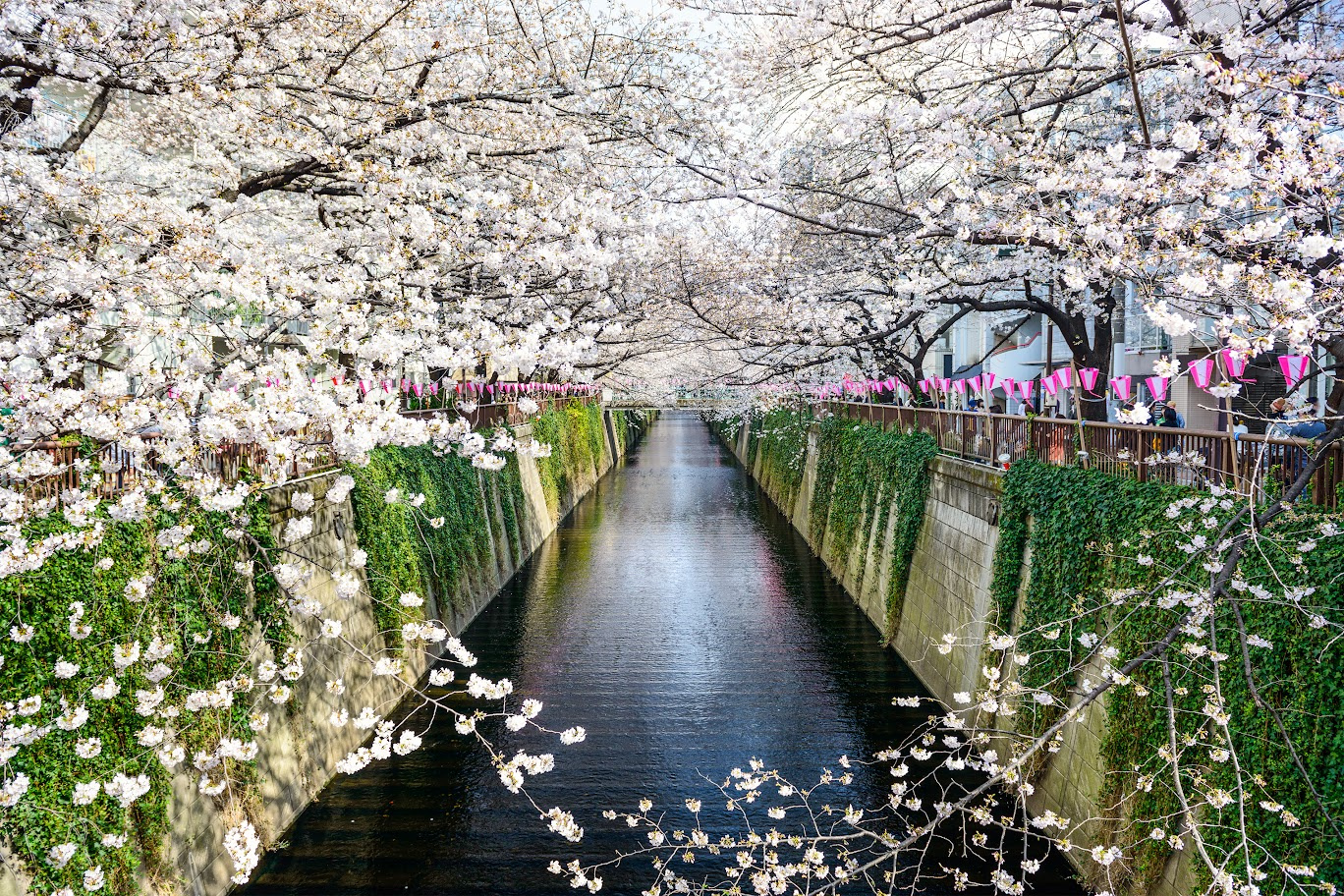
- Tokyo: Ueno Park and the Meguro River are the two most famous cherry blossom viewing spots in the capital. During the sakura season, the banks of the river are covered in pink, creating a romantic scene characteristic of Japan.
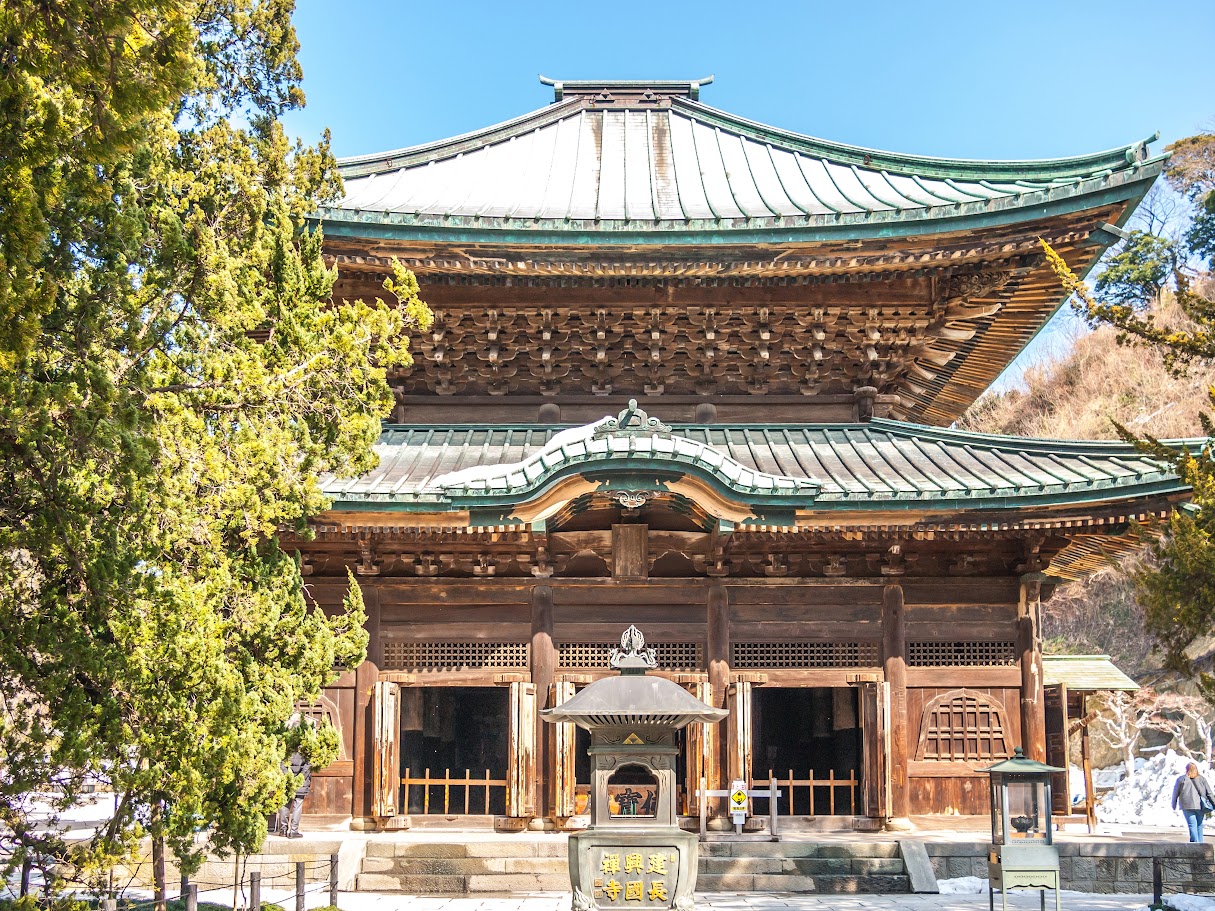
- Kyoto: The ancient capital becomes even more charming when temples like Kiyomizu-dera or the Gion district are covered in blossoms. The combination of traditional architecture and sakura creates 'very Japanese' frames.
- Hiroshima: The Peace Memorial Park and the Motoyasu River area become more peaceful and poetic when spring arrives.
2.2 Notable festivals and events in spring
In spring, visitors can experience the New Year festivals, in a bustling atmosphere with many traditional rituals.
- Hanami (cherry blossom viewing): This is a long-standing tradition of the Japanese. People often spread mats under the cherry trees, organize picnics, enjoy sake, and chat with family and friends.
- Takayama Spring Festival: Held in the ancient city of Takayama in April with intricately decorated floats and spectacular traditional performances.
- Golden Week (end of April - early May): A long holiday period in the year increases domestic travel demand. If you travel during this time, you need to prepare in advance as service prices often rise and attractions are very crowded.
2.3 Delicious dishes to try in spring in Japan
Spring cuisine carries light flavors and delicate presentations, reflecting the Japanese philosophy of 'seasonal enjoyment'.
- Sakura mochi: Rice cake filled with red bean paste, wrapped in salted cherry leaves, has a gentle fragrance characteristic of spring.
- Bento hanami: A meticulously prepared picnic box to take when viewing flowers, including rice balls, tempura, grilled fish, and seasonal vegetables.
- Japanese strawberries: Spring is the time when strawberries reach their sweetest and highest quality, often used as desserts or in pastries.
3. Traveling to Japan in summer (June - August)
If you love the lively festival atmosphere, dazzling fireworks, and unique outdoor experiences, then summer is a very worthwhile time to consider when traveling to Japan. Although the weather is quite hot and humid, this is the season of traditional culture, vibrant yukata, and a series of special events taking place across the country.
However, you should note that June is the rainy season (tsuyu), while in August, temperatures can reach 35°C in major cities like Tokyo or Osaka.
3.1 Ideal sightseeing spots in summer in Japan
Summer is suitable for natural destinations, highlands, or islands to escape the heat.
- Mount Fuji: From July to early September is the official climbing season of the year. This is the only time when visitors can conquer the peak of Fuji with the safest weather conditions.
- Okinawa: A paradise of islands with clear waters, suitable for diving, SUP boarding, and relaxation.
- Universal Studios Japan: The famous amusement park in Osaka attracts a large number of young visitors during the summer, especially during school holidays.
3.2 Notable festivals and events in summer
Summer is considered the largest traditional festival (matsuri) season of the year in Japan.
- Gion Matsuri (Kyoto): One of the oldest and most famous festivals in Japan, taking place throughout July with giant floats parading through the old streets.
- Sumida Fireworks Festival (Tokyo): Held at the end of July, attracting hundreds of thousands of locals and tourists to admire the brilliant fireworks by the Sumida River.
- Nebuta Matsuri (Aomori): A prominent festival in early August featuring giant lantern floats shaped like warriors and legendary characters parading to the sound of lively drums.
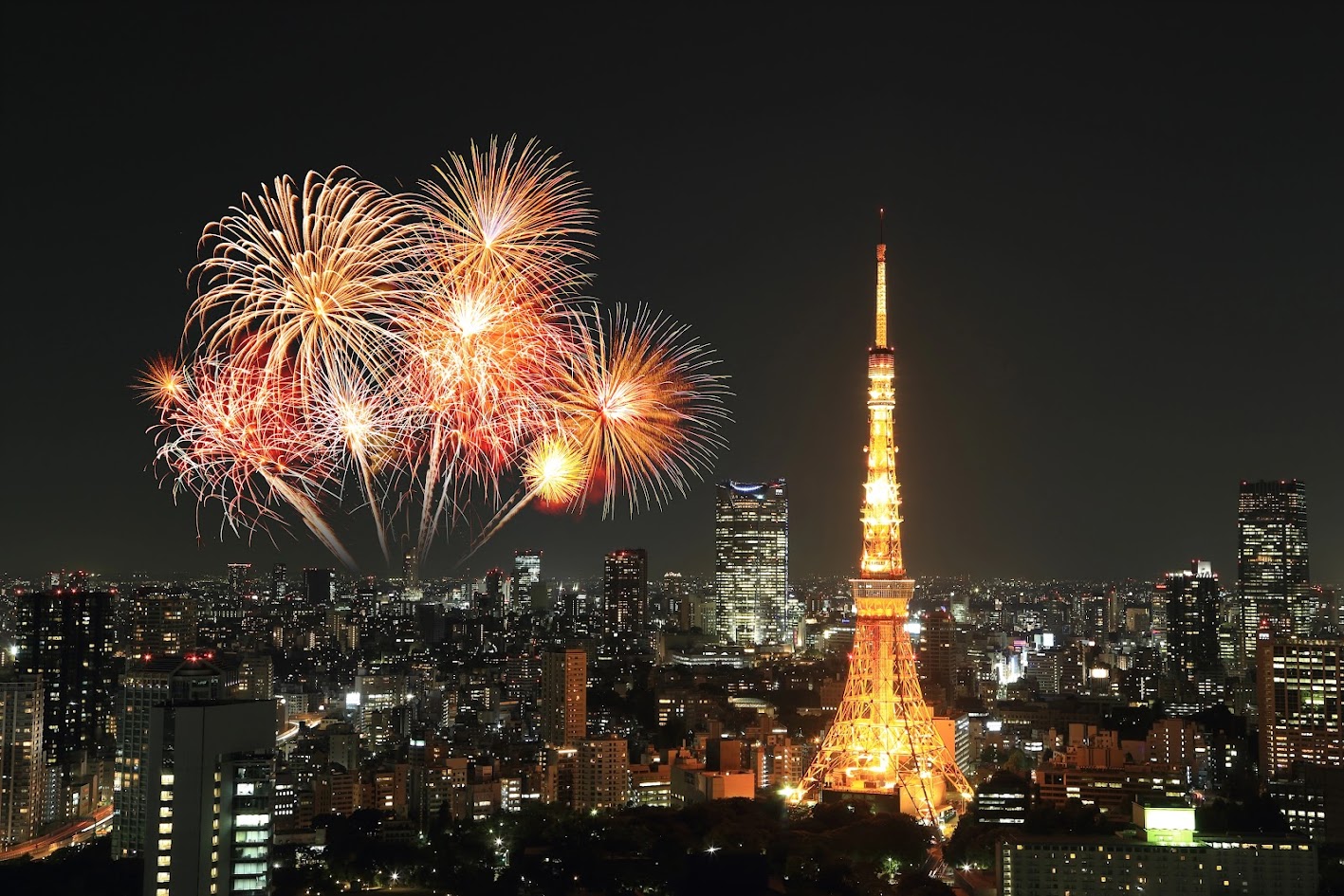
Japan's summer is vibrant with traditional festivals and dazzling fireworks.
3.3 Must-try dishes in Japan during summer
Japanese summer cuisine prioritizes freshness, lightness, and digestibility to adapt to the hot and humid weather. This is also the time when many seasonal dishes appear, embodying the spirit of “shun” - enjoying food at its best time of the year.
- Somen (cold noodles): Somen is a type of thin noodle, boiled and then chilled with ice water, served with a light dipping sauce called tsuyu. In summer, somen is often served in family meals or even floated down bamboo tubes (nagashi somen) - a fun experience in rural Japan.
- Unagi (grilled eel): The Japanese believe that eating eel on “Doyo no Ushi” day in mid-summer helps boost health and combat fatigue from the heat. Eel is grilled with a rich tare sauce, served with white rice, making it both nutritious and energy-rich.
- Kakigori (shaved ice with syrup): The iconic dessert of summer in Japan. The ice is finely shaved like snow, topped with fruit syrup, matcha, or condensed milk. In many traditional cafes in Kyoto, kakigori is also elaborately transformed with red beans, mochi, or whipped cream.
4. Traveling to Japan in autumn (September - November)
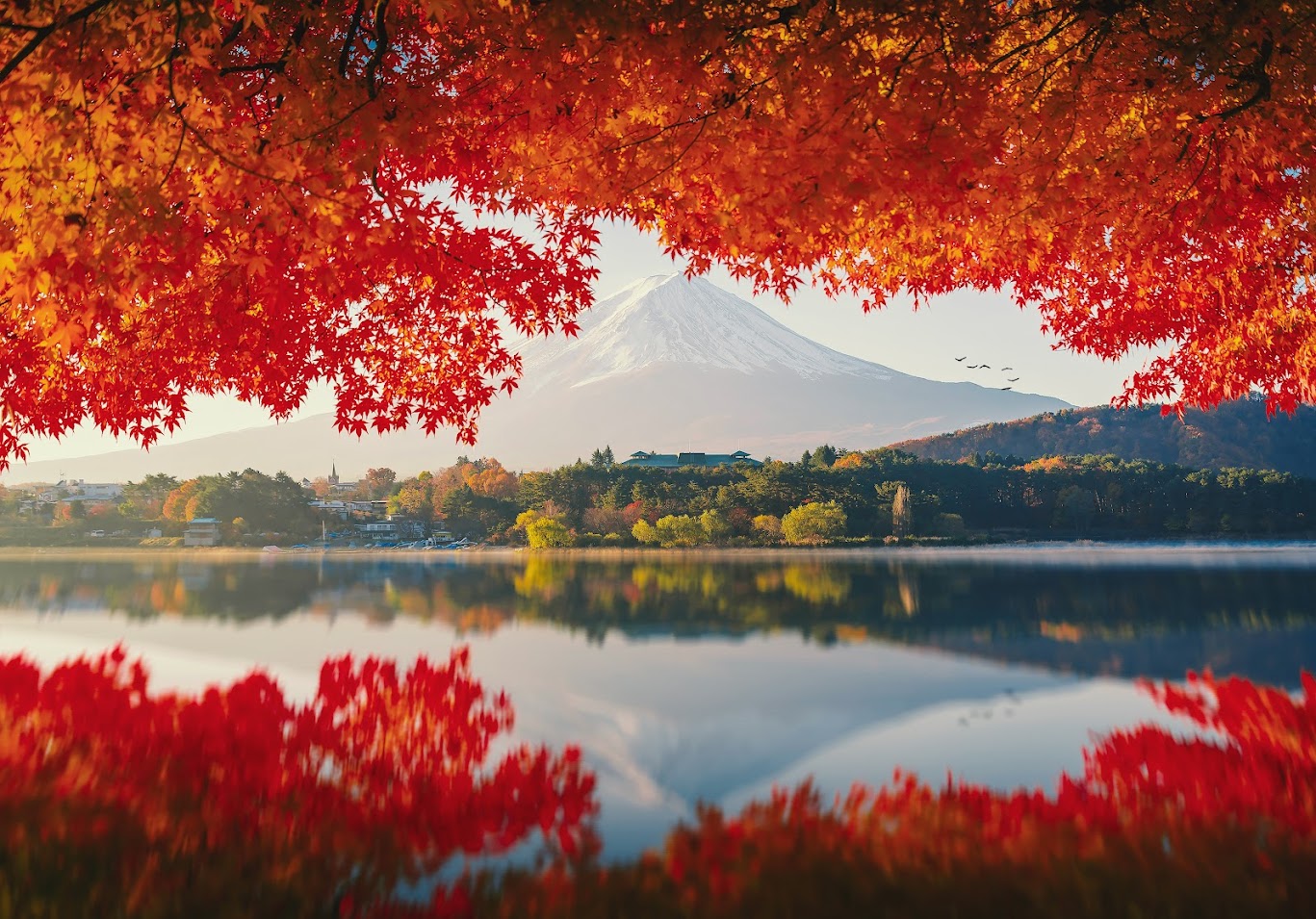
While spring is famous for cherry blossoms, autumn captivates travelers with the vibrant red and yellow of maple leaves (momiji). The cool, dry weather, clear blue skies, and temperatures ranging from 15 - 25°C create ideal conditions for sightseeing, strolling, and exploring nature. This is also considered one of the most beautiful times to travel to Japan, especially for those who love photography and romantic settings.
4.1 Notable spots for viewing red leaves in autumn
When visiting Japan in autumn, travelers cannot miss the experience of viewing red leaves, enjoying the fresh and romantic atmosphere:
- Kyoto: Kyoto is the “capital” for viewing red leaves in Japan. Temples like Kiyomizu-dera, Tofuku-ji, and the Arashiyama bamboo grove become radiant as the maple leaves change color, creating an ancient and meditative scene.
- Tokyo: Shinjuku Gyoen Park and Meiji Jingu Gaien Avenue are ideal locations to admire the golden ginkgo trees (icho) in the heart of the modern capital.
- Nikko: The mountainous area north of Tokyo is famous for Lake Chuzenji and Kegon Falls, where the red and orange of the maple forest reflects on the water, creating a spectacular view.
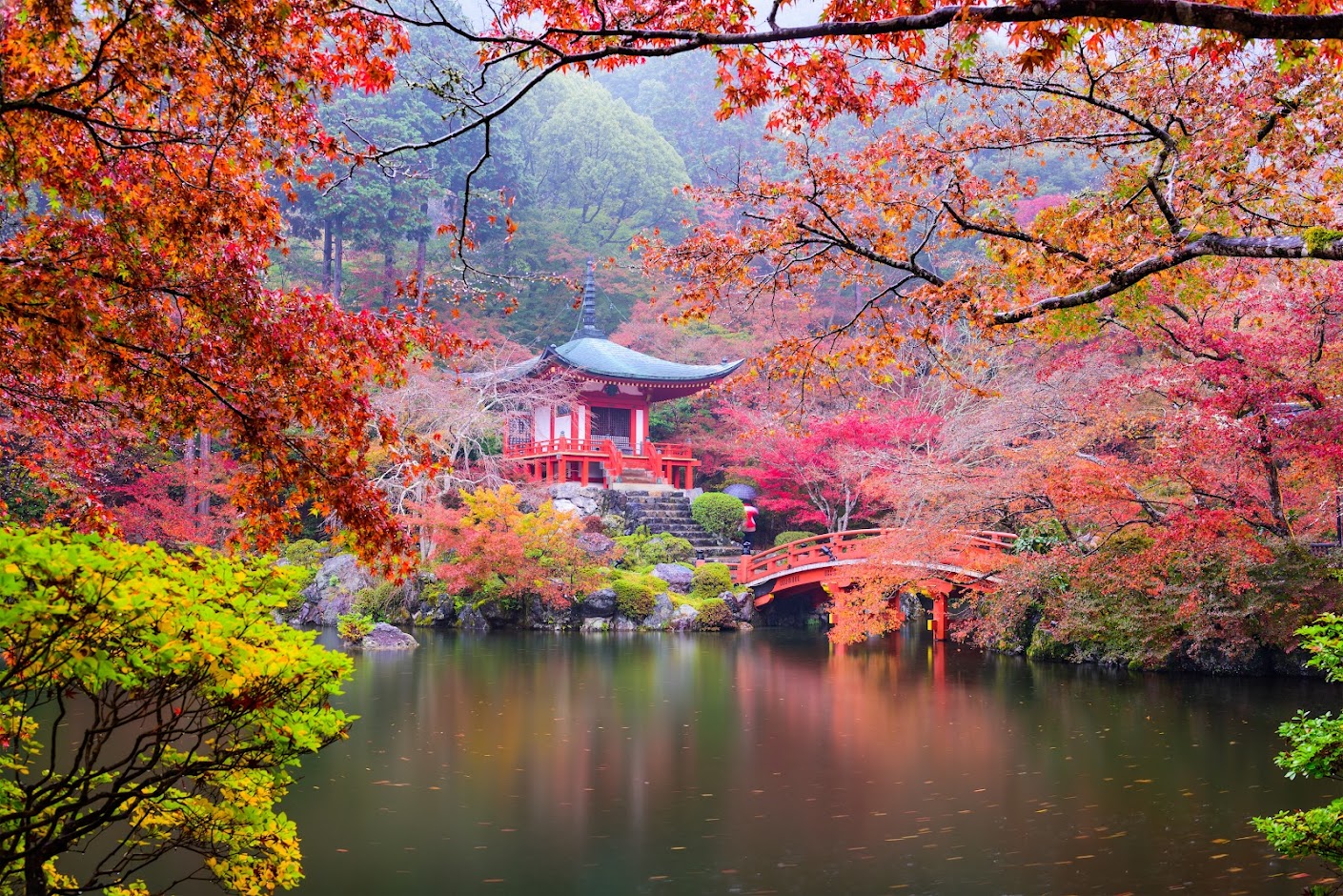
The red and yellow of autumn dye the entire space, creating a romantic and poetic scene.
4.2 Autumn festivals and events
Autumn is not only the time for the brilliant colors of maple leaves but also the season of unique traditional festivals across Japan.
- Jidai Matsuri Festival (Kyoto): Held in October, this festival reenacts Japanese history through parades in traditional costumes from various periods.
- Autumn festival at Nikko Toshogu: A special event featuring a portable shrine procession and reenactment of samurai warriors, rich in historical significance.
See more: Autumn travel in Japan: Where to go, what to eat, and what to do?
4.3 Delicious dishes to try in autumn
Japanese autumn cuisine is richer and more flavorful than in summer, reflecting the bountiful harvest season.
- Matsutake: A premium mushroom with a distinctive aroma, often used in rice or soup.
- Roasted sweet potatoes (yaki imo): A simple yet extremely popular street food during the cool weather.
- Pacific saury (sanma): A fatty fish that is best in autumn, often grilled whole.
5. Traveling to Japan in winter (December - February)
Winter in Japan brings a completely different beauty: quiet, pristine, and cinematic. Temperatures in major cities like Tokyo or Osaka usually range from 5 - 12°C, while northern areas like Sapporo can drop below 0°C with heavy snowfall. The dry weather and clear skies for many days make sightseeing quite convenient, especially for viewing Mount Fuji on clear days.
This is also the low season (except during Christmas and New Year's), so the cost of flights and hotels is often “softer” compared to spring and autumn.
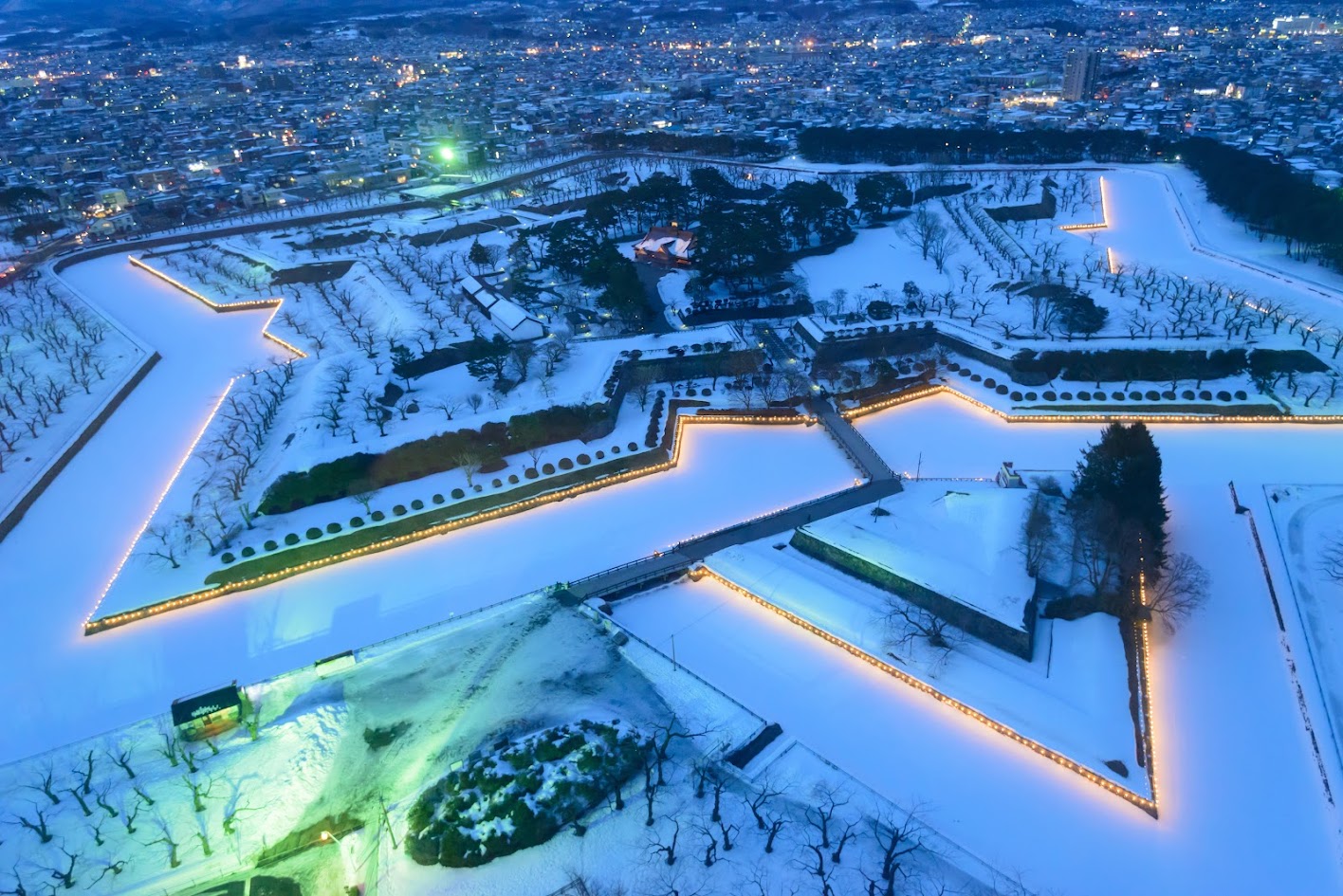
Japan in winter showcases pristine beauty with white snow, ideal for skiing and onsen experiences.
5.1 Ideal attractions in winter
Winter opens up a completely different Japan, where destinations are covered in white snow and the serene natural scenery creates a captivating experience for travelers.
- Hokkaido: Japan's white snow paradise. Visitors can ski, enjoy the frozen scenery, or participate in the famous Sapporo Snow Festival with its giant ice sculptures.
- Shirakawa-go: An ancient village with gassho-zukuri houses covered in white snow, creating a fairy-tale-like scene, especially enchanting when illuminated at night.
- Nagano: Famous for its hot springs and Jigokudani snow monkey park, where macaque monkeys soak in warm water amidst the cold winter.
5.2 Unmissable winter experiences
Some unique experiences that help you fully appreciate the culture and lifestyle of the cold region.
- Onsen bathing (hot springs): A distinctive cultural aspect that helps relax and keep the body warm in the cold weather.
- Skiing and snowboarding: Resorts in Hokkaido and Nagano attract many international tourists.
- Visiting Christmas markets and illuminations: Major cities like Tokyo and Osaka are adorned with bright decorative lights during the year-end.
5.3 Delicious dishes to try in winter
Winter cuisine leans towards hot, hearty, and energy-rich dishes.
- Nabe: Traditional hot pot with meat, seafood, and vegetables, very popular during family gatherings.
- Oden: A convenient dish sold at convenience stores, consisting of radish, eggs, and fish cakes simmered in hot broth.
- Hot ramen: Rich flavor that helps warm the body quickly.
No matter which month you choose to visit, the land of the rising sun will always captivate travelers with its elegance in nature, culture, and lifestyle. Choose the season you love and start your journey to explore Japan with Vietjet.
Learn about the program 0 VND flight tickets at 12 PM - 2 PM every day and mini livestream on Mondays, Wednesdays, and Fridays to “hunt” for the best deals for your trip.
Theo dõi thông tin đường bay, chương trình ưu đãi và cẩm nang du lịch tại các kênh thông tin chính thức của Vietjet: