Booking
 Skyshop
 Hotel
Hotel
 E-Voucher
 E-Sim
E-Sim
 E-Visa
 Buy foreign currency
 Insurance
 SkyJoy
Located along the Kanagawa coast, the ancient capital of Kamakura boasts a timeless and serene beauty, distinct from the bustling urban life. From Tokyo, travelers can easily combine a one-day visit to Kamakura or a short getaway to enjoy the peaceful atmosphere. Each season of the year, this 'land of temples' dons its unique appearance. If you're wondering which season is the best to visit Kamakura, let's explore the four seasons of Kamakura with Vietjet in the article below.
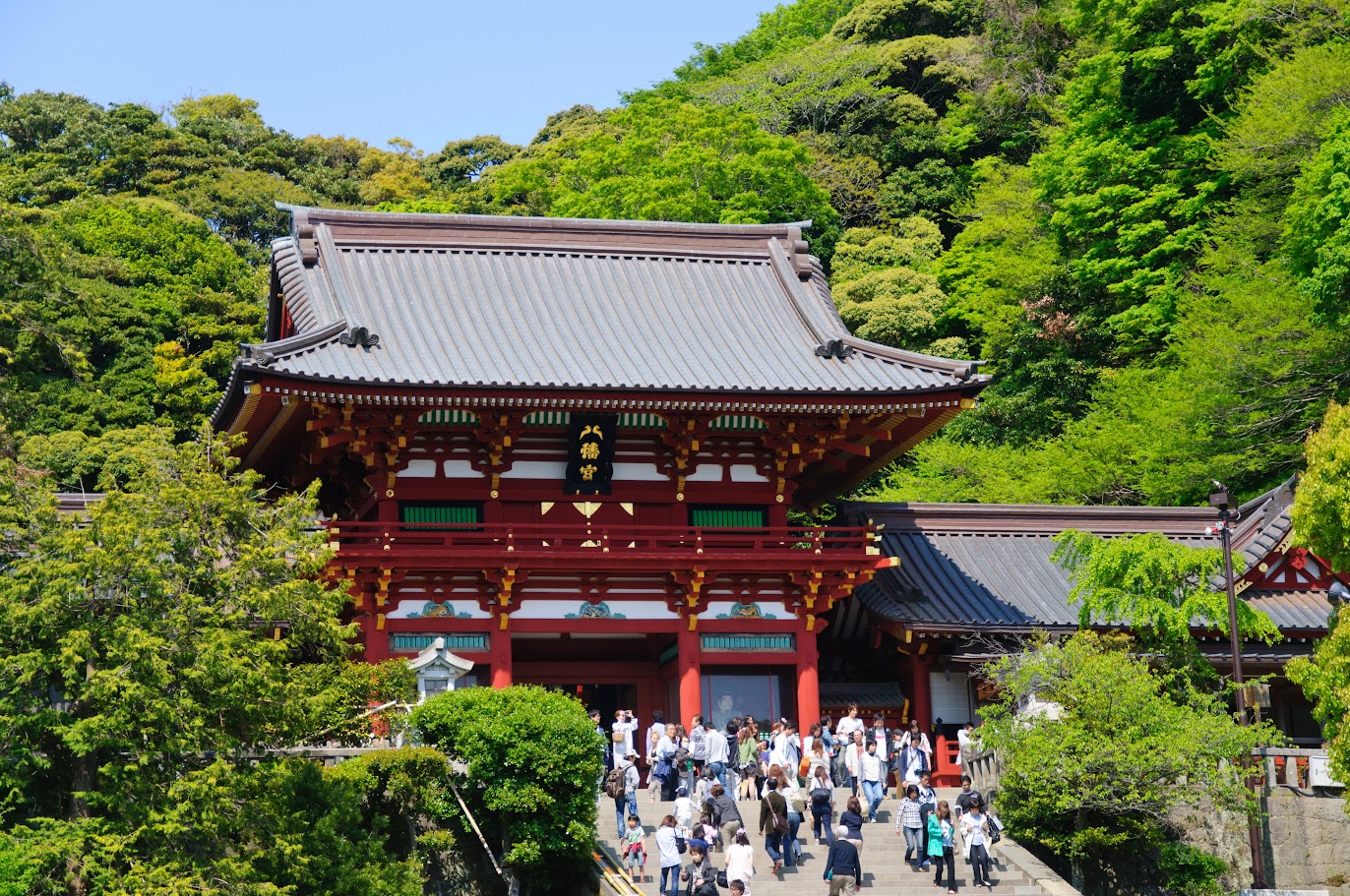
Seasonal travel in Kamakura offers distinct experiences as each time of the year has its own unique beauty.
1. Spring Travel in Kamakura (March - May)
1.1 Weather in Kamakura during Spring
Spring in Kamakura lasts from March to May, with average temperatures ranging from 13°C to 19°C. The weather is generally pleasant, cool at the beginning of spring (March) and gradually warming as May approaches. This is considered the ideal time to travel to Kamakura, suitable for outdoor sightseeing and flower viewing.
However, when planning a trip to Kamakura in spring, travelers should note the Golden Week - a major holiday in Japan, occurring from late April to early May. During this time, Kamakura sees a high influx of visitors, traffic can become congested, and accommodation prices often rise.
1.2 What Makes Spring in Kamakura Attractive?
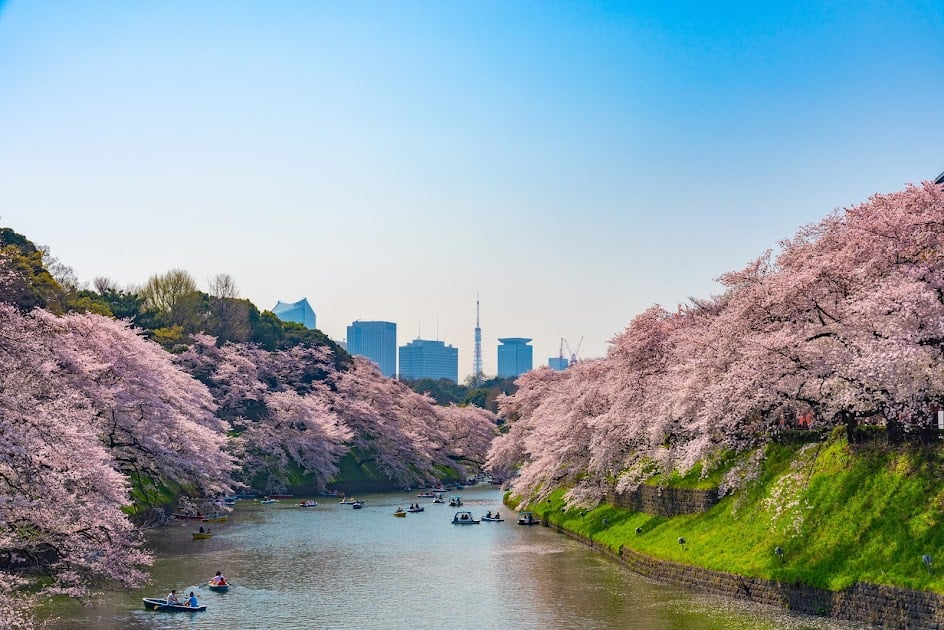
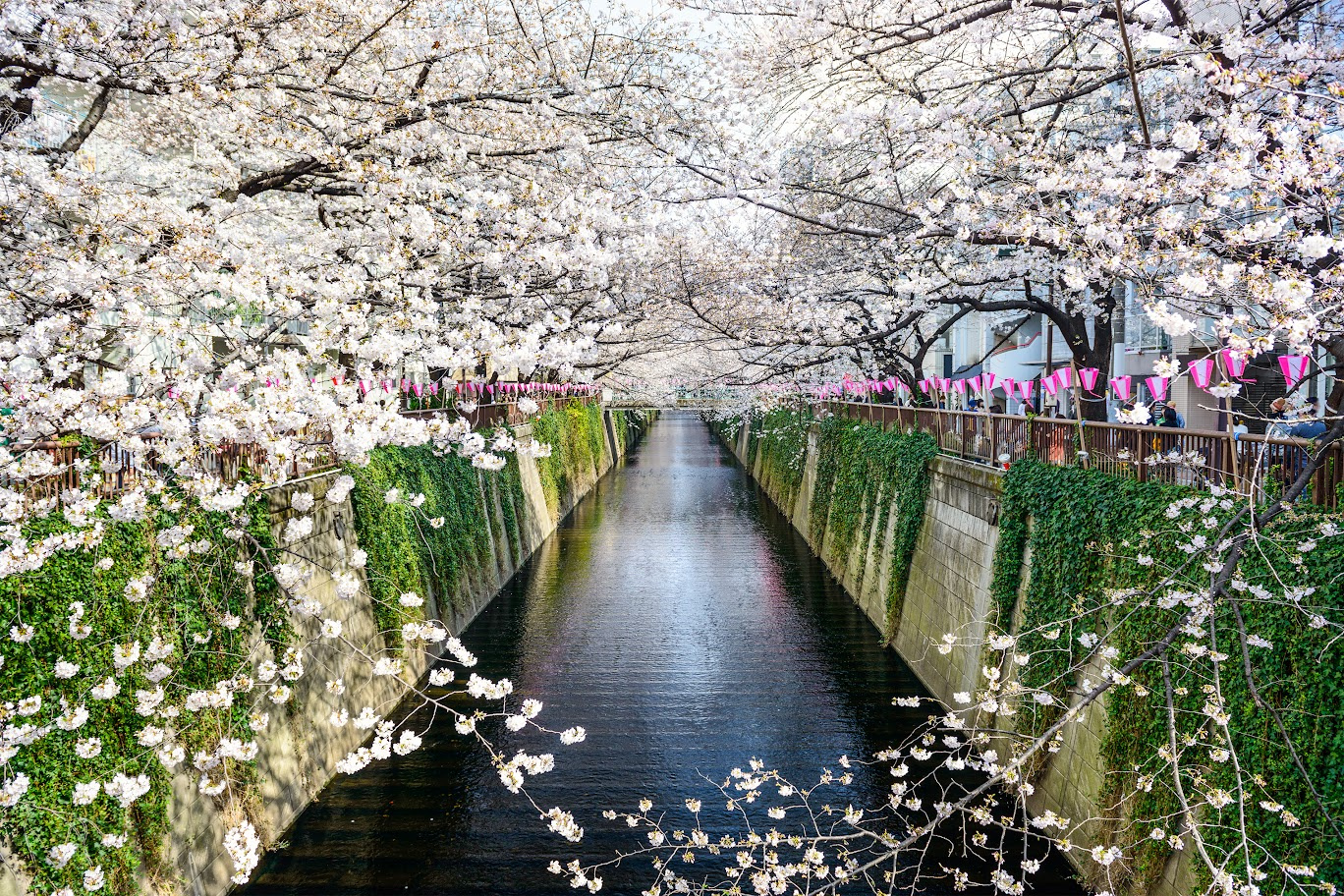
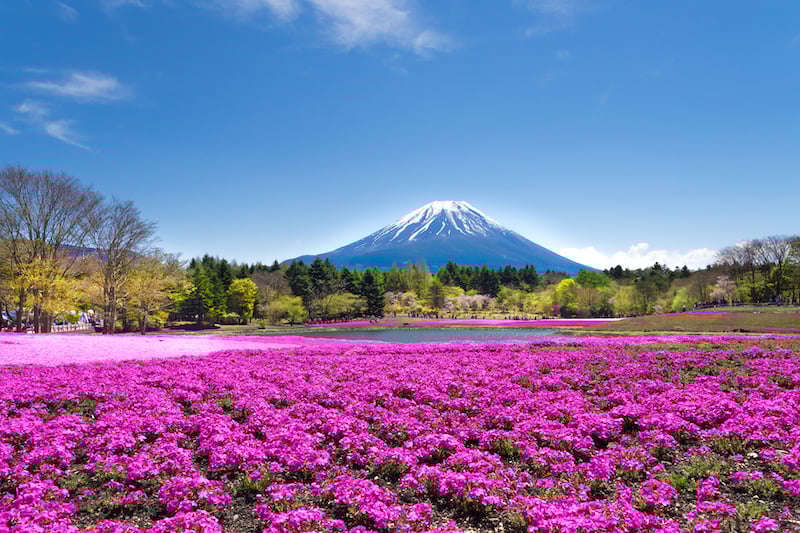
Spring in Kamakura is associated with the image of blooming cherry blossom fields, painting the ancient temples in shades of pink under a clear blue sky. Not only cherry blossoms, but Kamakura in spring also attracts visitors with traditional cultural festivals, flower-lined streets, and lush green forests, perfect for leisurely strolls.
- Admiring the blooming cherry blossoms: The best time to see cherry blossoms in full bloom typically falls between late March and early April. Some famous cherry blossom viewing spots in Kamakura include Tsurugaoka Hachimangu Shrine, Hasedera Temple, the Great Buddha (Daibutsu) area, and Genjiyama Park.
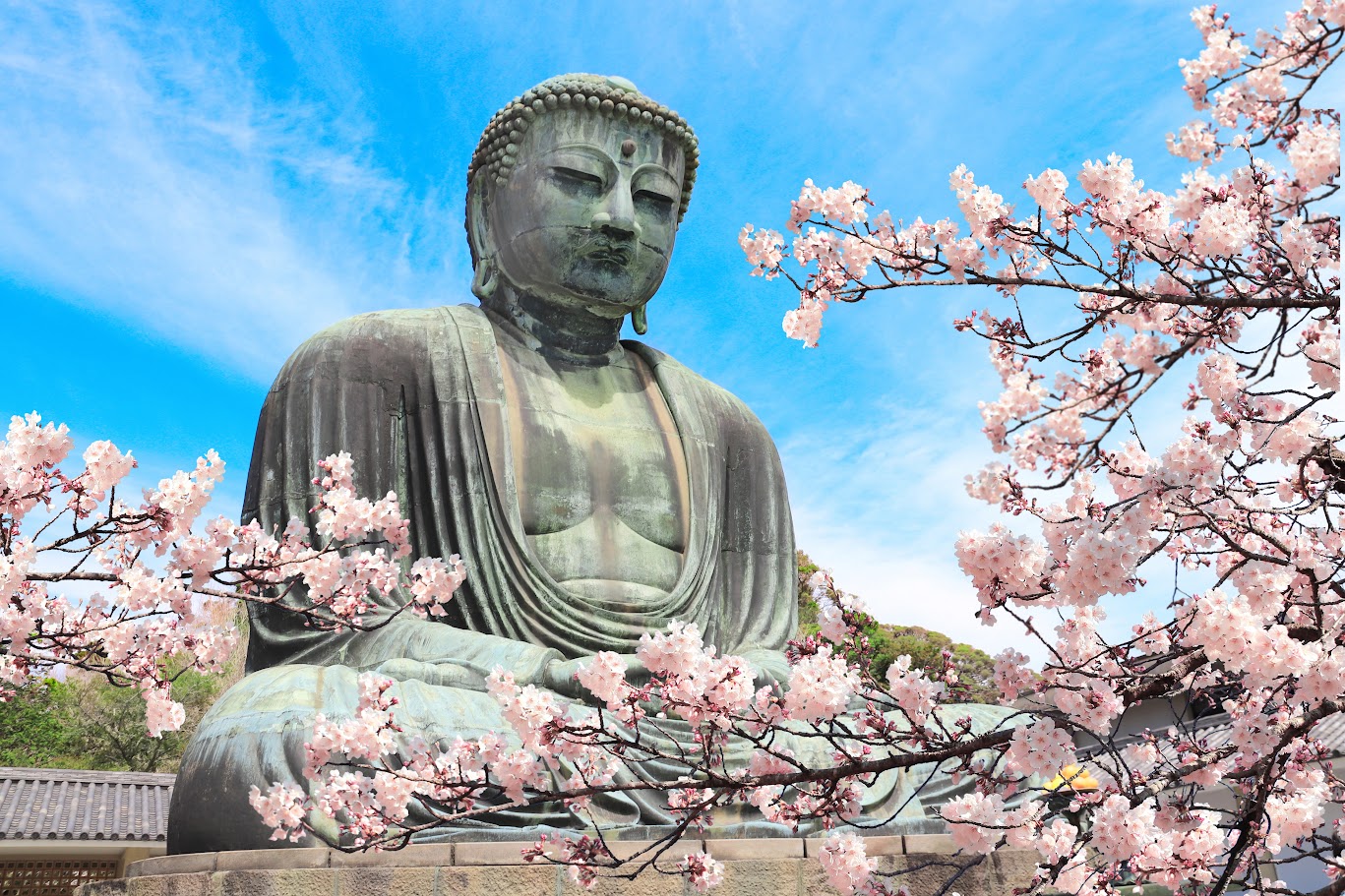
The blooming cherry blossoms in Kamakura create a stunning spring scene.
- Enjoying various flowers: In addition to cherry blossoms, Kamakura is also famous for other flower seasons such as plum blossoms (February - March), magnolias (late March), peonies, and irises (April - May).
- Participating in the Kamakura Festival: This is the largest cultural event in spring, usually held for about two weeks in April (from the second Sunday to the third or fourth Sunday). Some highlights of the festival include horseback archery (Yabusame), reenacting the famous quiet dance (Shizuka no Mai) of Shizuka Gozen, and parades in traditional costumes.
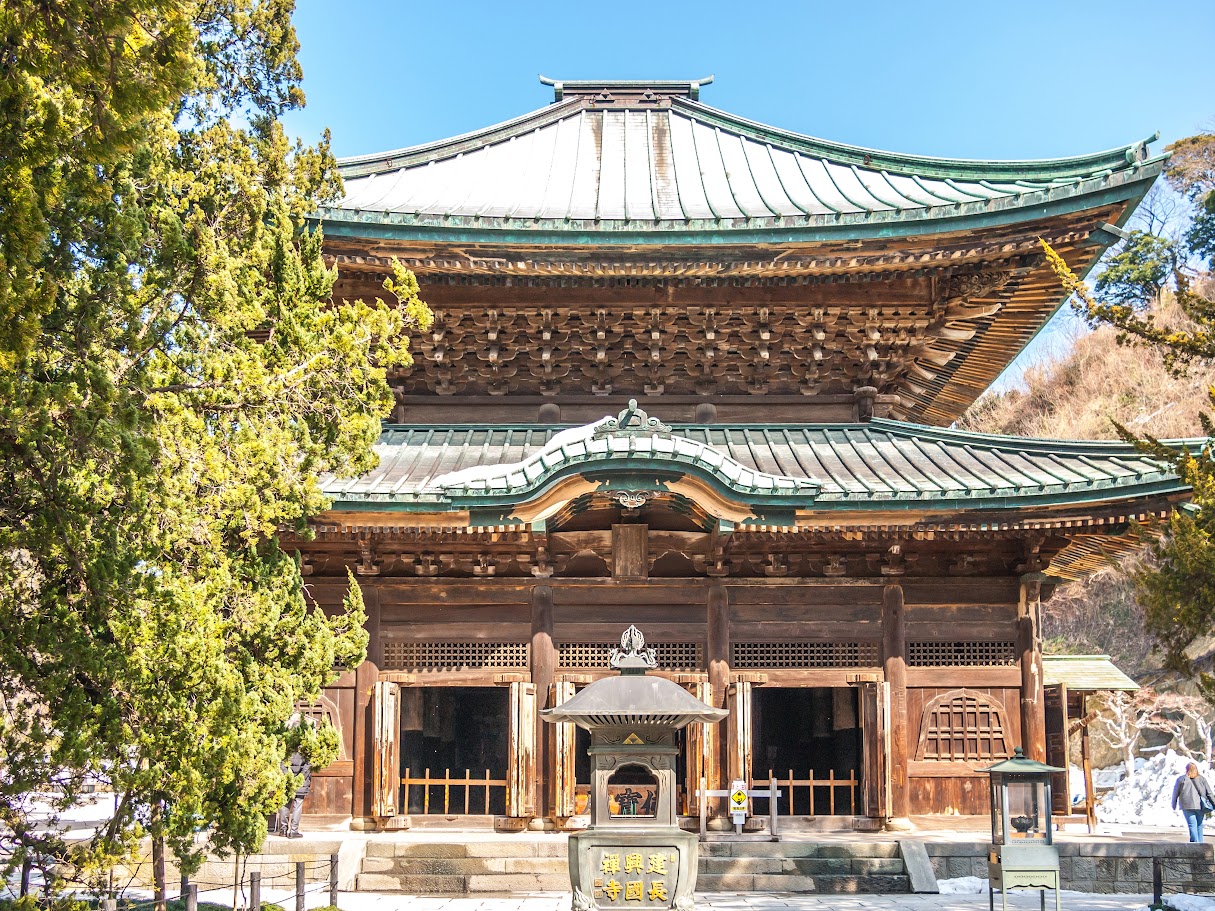
- Hiking to explore nature: With pleasant temperatures (averaging 16°C in April and 19°C in May), spring is a great time for forest walks. Some beautiful trails for visitors to experience include the Daibutsu Trail - a 2.2km route connecting the Kita-Kamakura area with the Great Buddha; and the Tenen Trail - about 5km long, located in the northern part of the city, connecting Kencho-ji Temple and Zuisen-ji Temple.
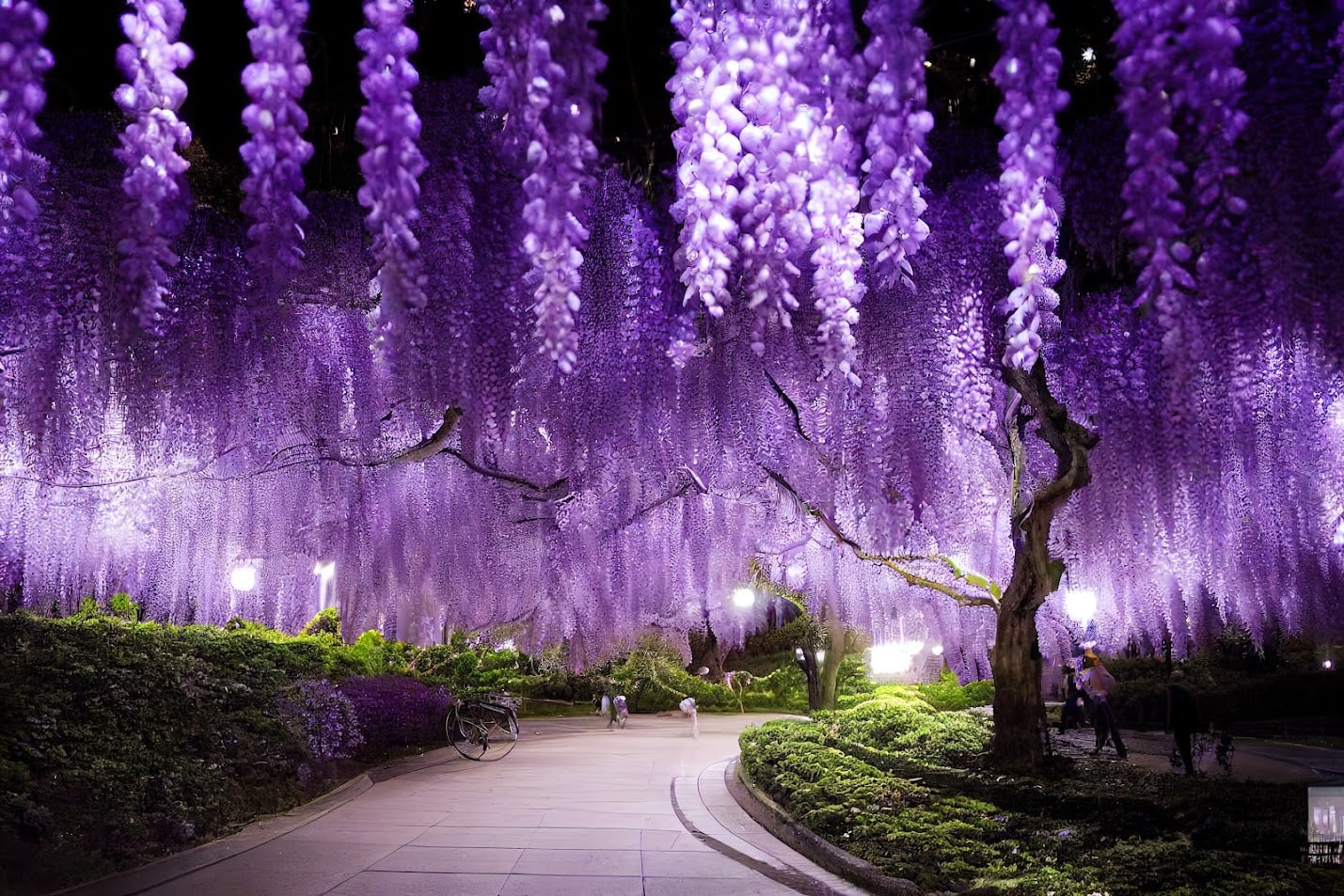
See more: Travel to Japan in May – Wisteria season & ideal weather
2. Summer Travel in Kamakura (June - August)
2.1 Weather in Kamakura during Summer
Summer in Kamakura has two distinct phases. June is the rainy season (Tsuyu) with an average temperature of around 25°C, high humidity, and frequent rain, but this creates excellent conditions for summer flowers to bloom.
As July and August arrive, the weather becomes much hotter and more humid. Average temperatures range from 29°C to 30°C, but in reality, daytime temperatures often exceed 35°C. This is the peak season for beach activities.
Travelers should remember to bring umbrellas in June and prepare measures against heat exhaustion and sunstroke when visiting in July and August. Additionally, August may also see the beginning of typhoons, so it's advisable to check the weather forecast before your trip.
See more: Beautiful self-guided summer travel spots in Tokyo
2.2 Must-try Experiences in Kamakura during Summer
If spring brings a gentle romance, summer in Kamakura bursts with vibrant colors of flowers in the rain and the lively atmosphere of beach festivals.
- Admiring blooming hydrangeas (Ajisai): The hydrangeas of Kamakura are considered a 'specialty' of Japanese tourism in June. The early summer rains accentuate the blue, purple, and pink hues of the flowers, covering the ancient temples. Famous hydrangea viewing spots include Meigetsu-in Temple, Hasedera Temple, and Genjiyama Park.
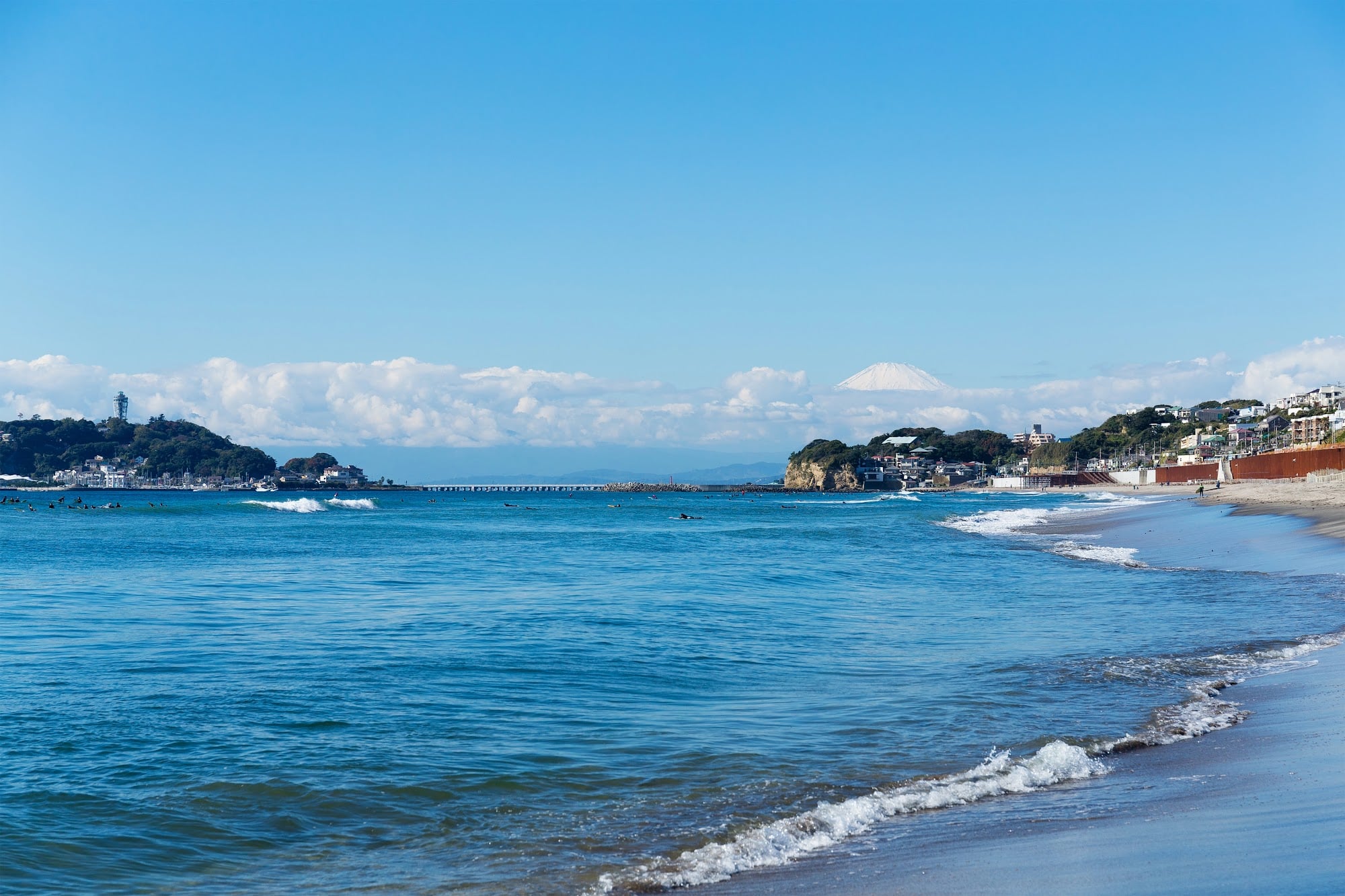
- Beach swimming and experiencing 'Umi no ie' culture: The official swimming season in Kamakura lasts from July 1 to August 31. Beaches like Yuigahama and Zaimokuza attract many visitors for swimming and surfing. Notably, this is the only time of the year when Umi no ie (temporary beach houses) operate. Visitors can enjoy food, drinks, and relax right on the sand.
- Kamakura Fireworks Festival: One of the most anticipated summer events in Kamakura is the fireworks festival on Sagami Bay. The event usually takes place on the Tuesday of the second week in August, attracting many locals and tourists who gather along the beach to watch.
- Exploring Enoshima Island: Located a short train ride from central Kamakura, Enoshima Island is an ideal summer destination with a refreshing sea breeze. You can visit Enoshima Shrine, enjoy local seafood, or experience water sports.
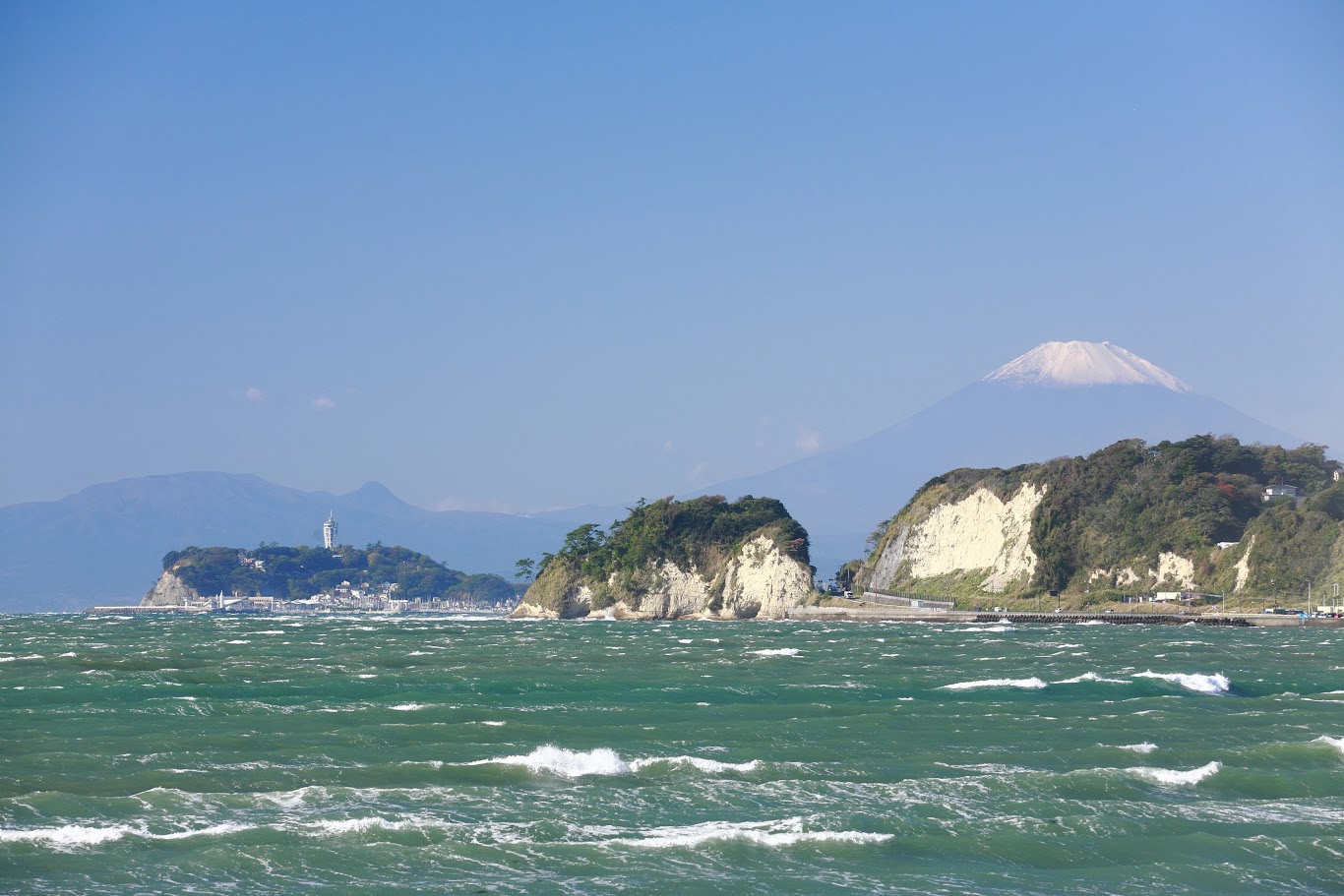
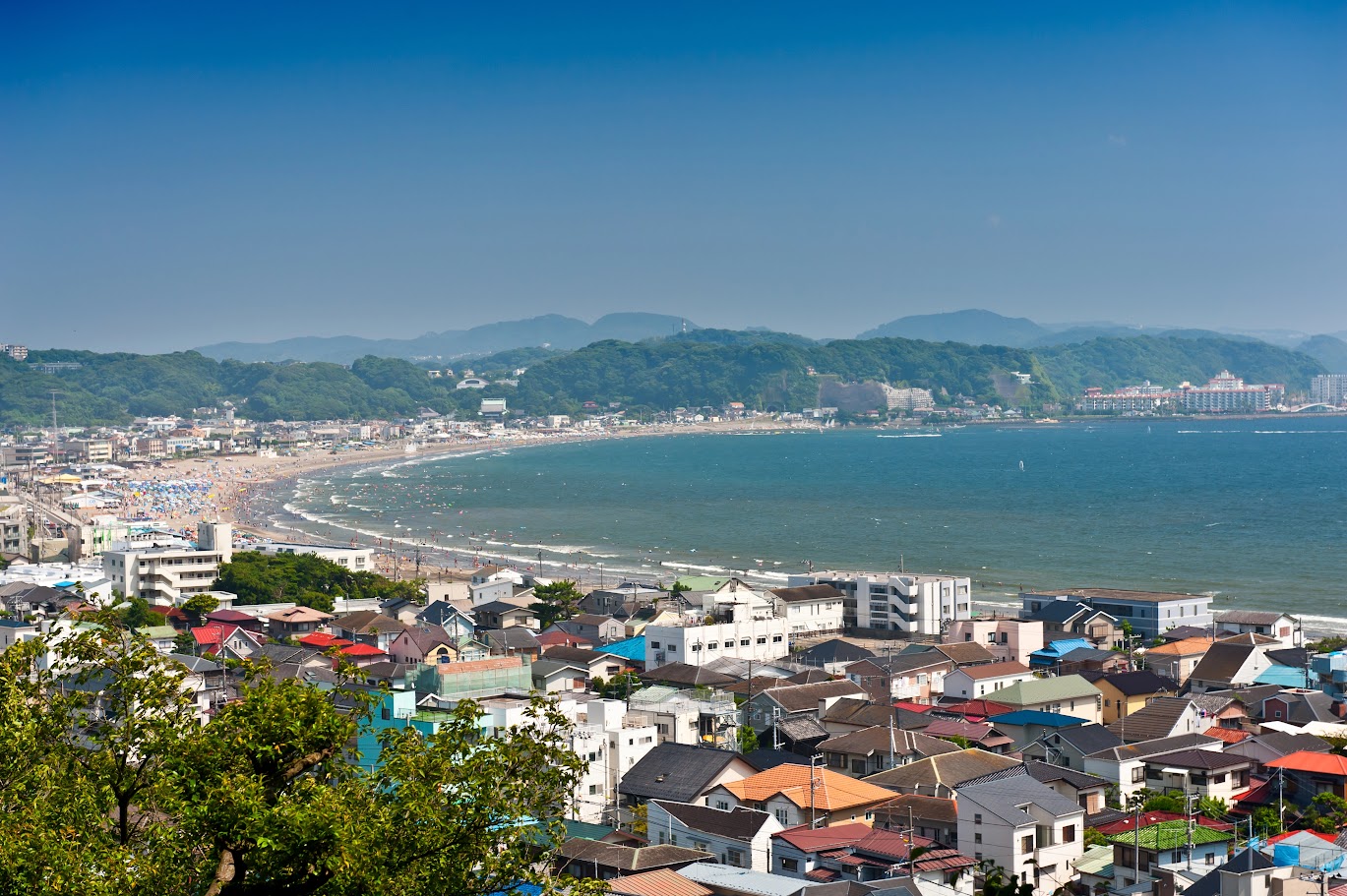
Beach tourism in Kamakura during summer offers many fresh experiences.
3. Autumn Travel in Kamakura (September - November)
3.1 Weather in Kamakura during Autumn
As autumn arrives, the weather gradually becomes cooler and more pleasant. While September still carries some of the summer heat, by October, temperatures drop to around 21°C, embodying the autumn atmosphere. The weather turns noticeably cooler in November, with average temperatures around 15°C and potentially dropping to 10°C on the coldest days.
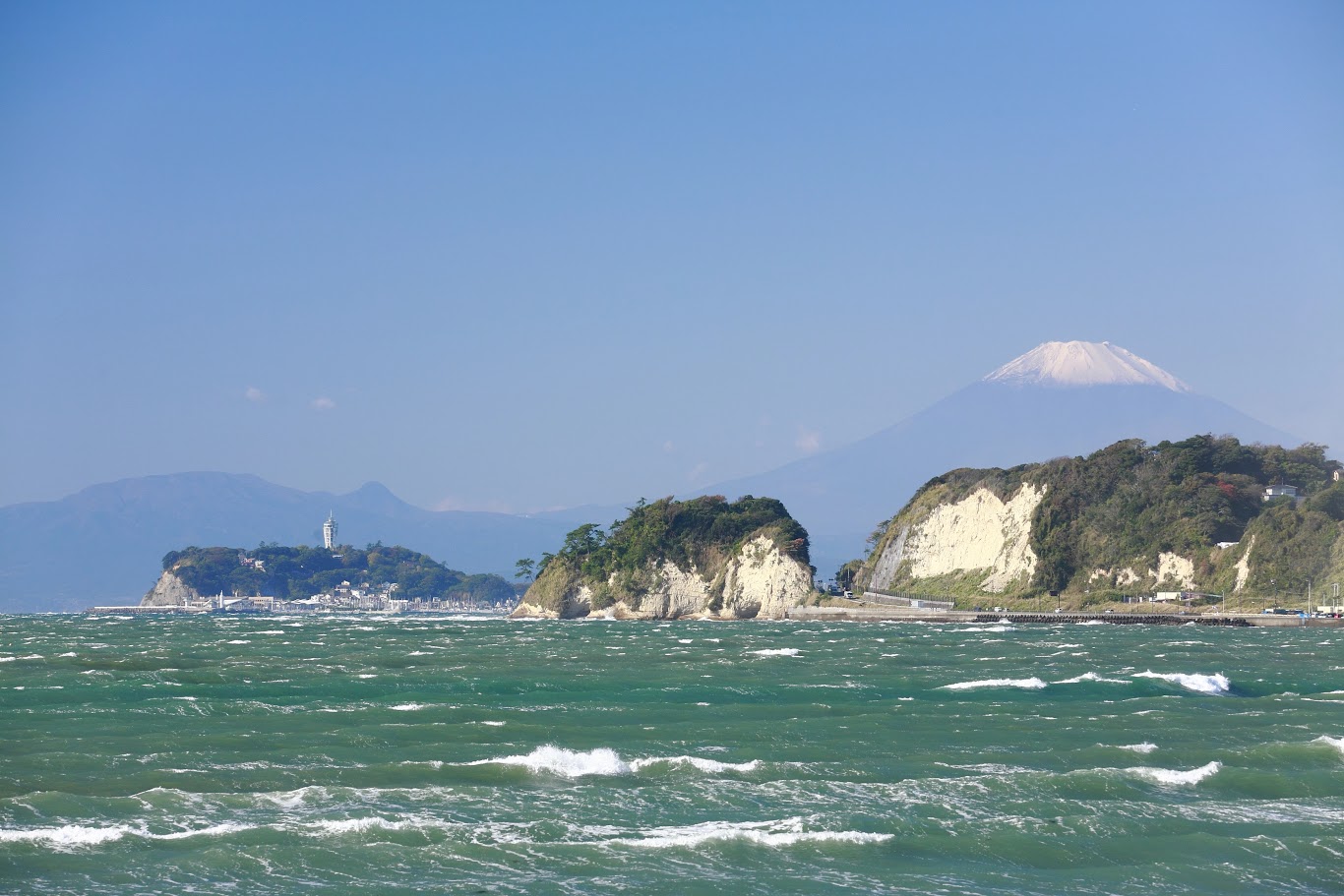
Notably, from November onward, thanks to the dry and clear air, the chances of seeing Mount Fuji from beaches or high points in Kamakura are very high, especially in the mornings before noon.
3.2 Suggested Autumn Activities in Kamakura
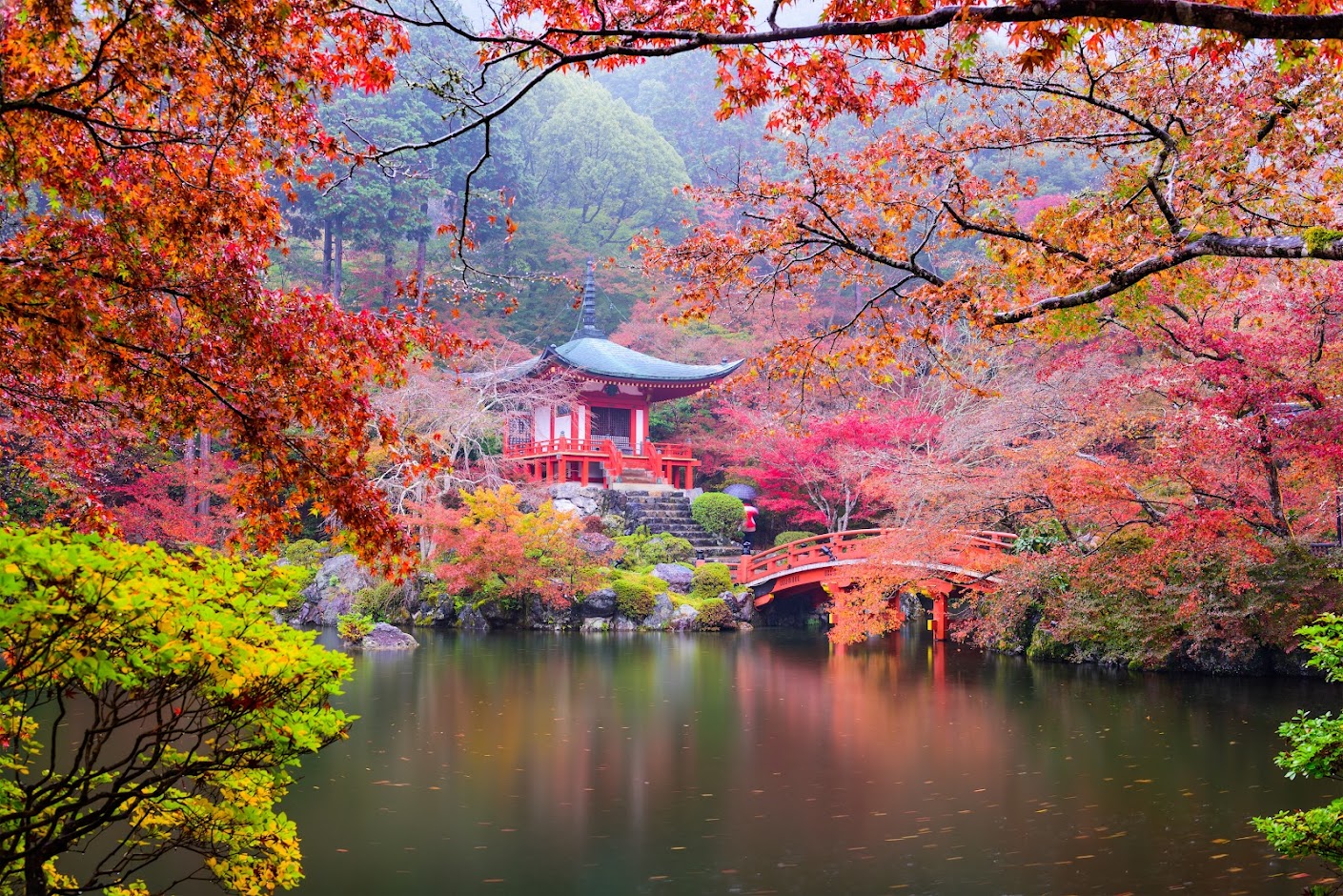
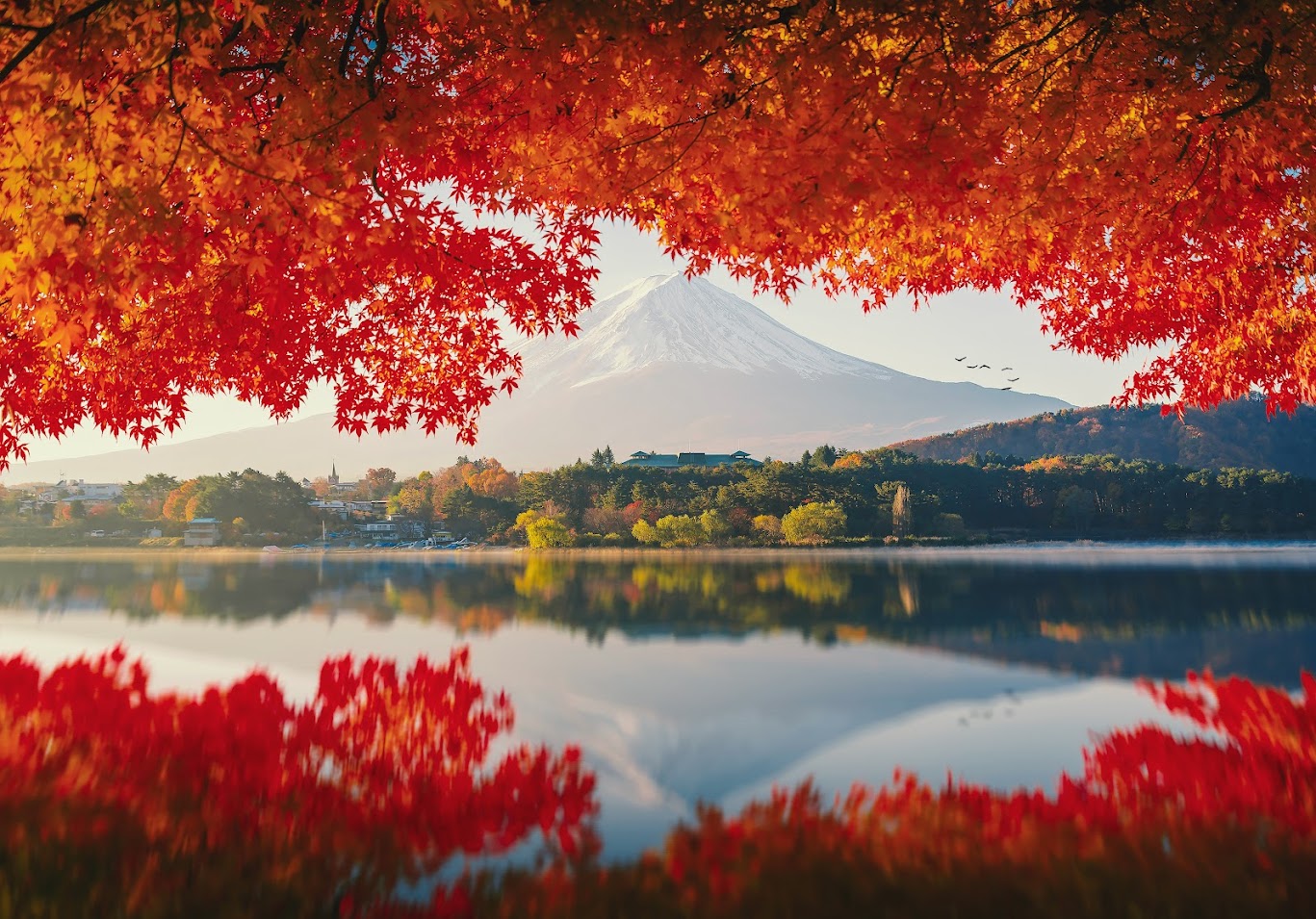
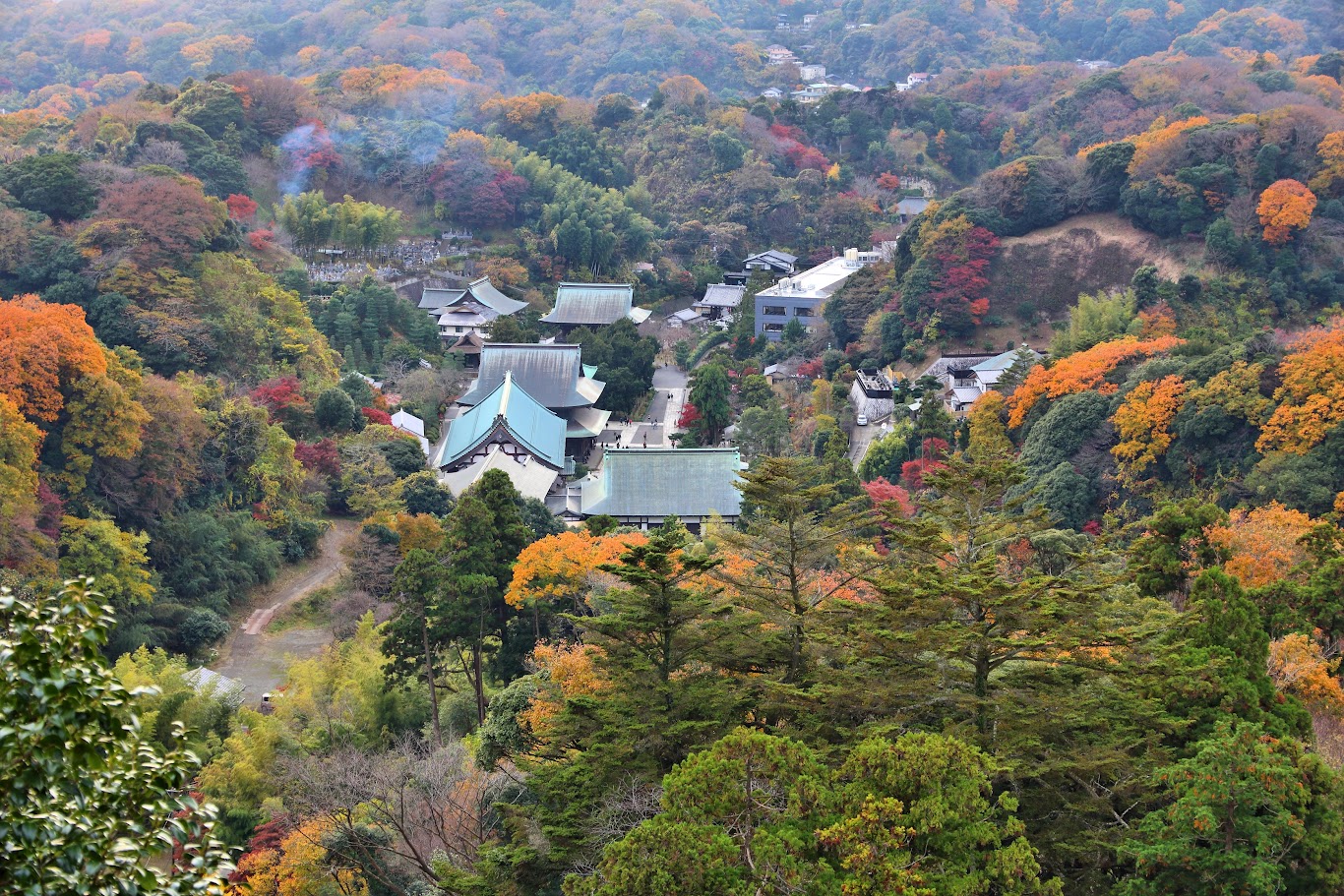
Autumn paints Kamakura in shades of red, making the ancient capital even more romantic and serene amidst the temple spaces and traditional festivals.
- Maple leaf hunting (Momiji): The maple leaf season in Kamakura typically arrives later than in higher mountainous regions, with the best time falling between late November and early December. Visitors can visit famous spots like Hasedera Temple, Hokoku-ji Temple (Bamboo Temple), or Shishimai Valley to admire the vibrant momiji colors.
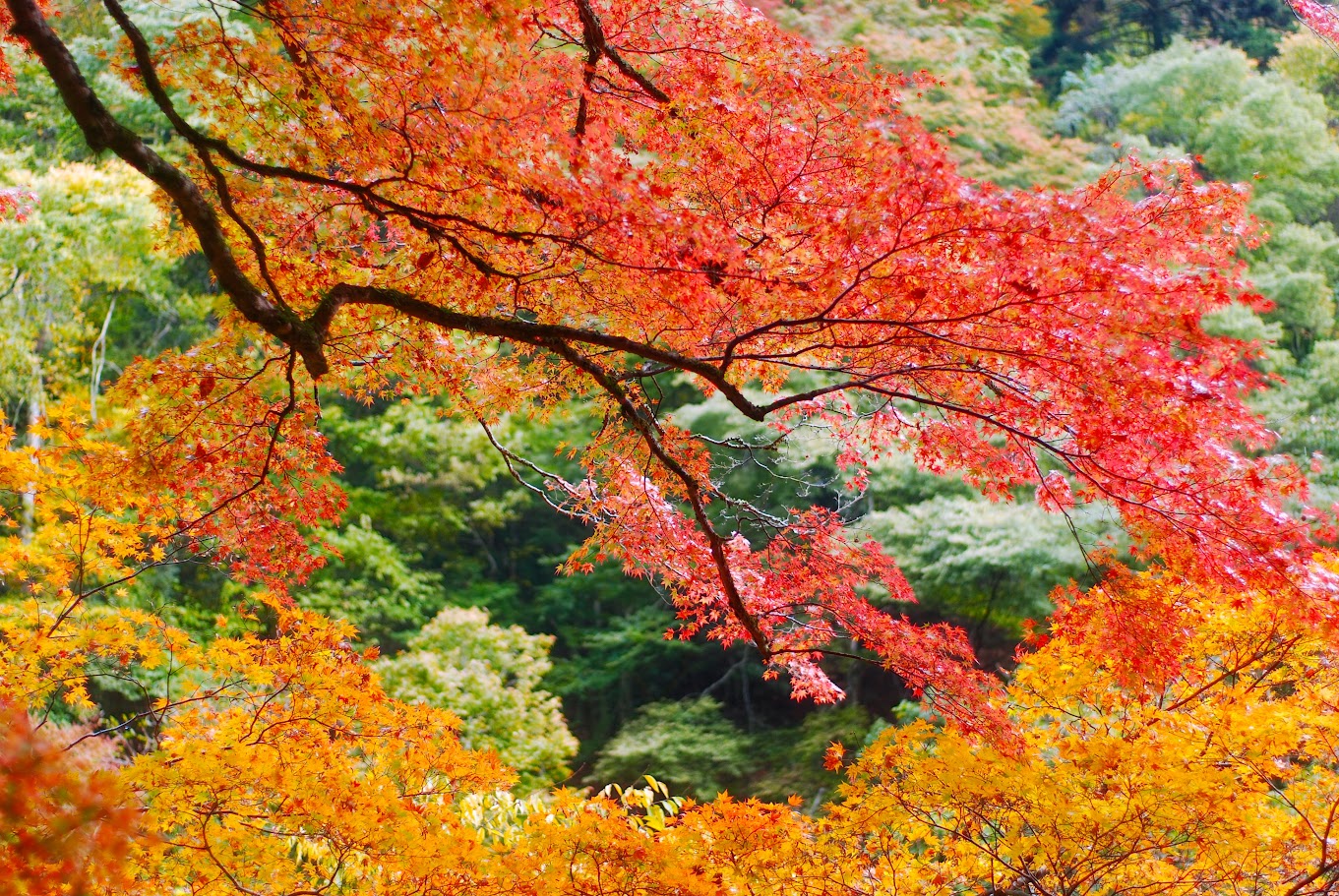
Visiting Kamakura in autumn, travelers will witness the most beautiful maple leaf season of the year.
- Participating in the Yabusame Festival (Horseback Archery): The festival takes place in September as part of the annual event at Tsurugaoka Hachimangu Shrine. This is a rare opportunity for visitors to witness archers in traditional samurai attire demonstrating their archery skills on horseback, embodying the spirit of Japanese warriors.
- Watching Noh theater by torchlight (Kamakura Takigi Noh): This distinctive art event is usually held in October at Kamakura-gu Shrine. The traditional Noh theater stage is illuminated by torches, creating a mystical, ancient atmosphere rich in Japanese artistic culture.
See more: Autumn travel in Japan: Where to go, what to eat, and what to do?
4. Winter travel in Kamakura (December - February)
4.1 Weather in Kamakura during winter
Winter in Kamakura starts from December and lasts until February of the following year. Although the weather becomes colder, the climate is generally relatively mild compared to many other regions of Japan, and temperatures rarely drop below freezing.
The average temperature in winter ranges from about 7°C to 10°C. The weather is usually dry with many sunny days, but the temperature difference between day and night is quite large. Therefore, travelers should prepare suitable warm clothing, especially when visiting in the early morning or late evening.
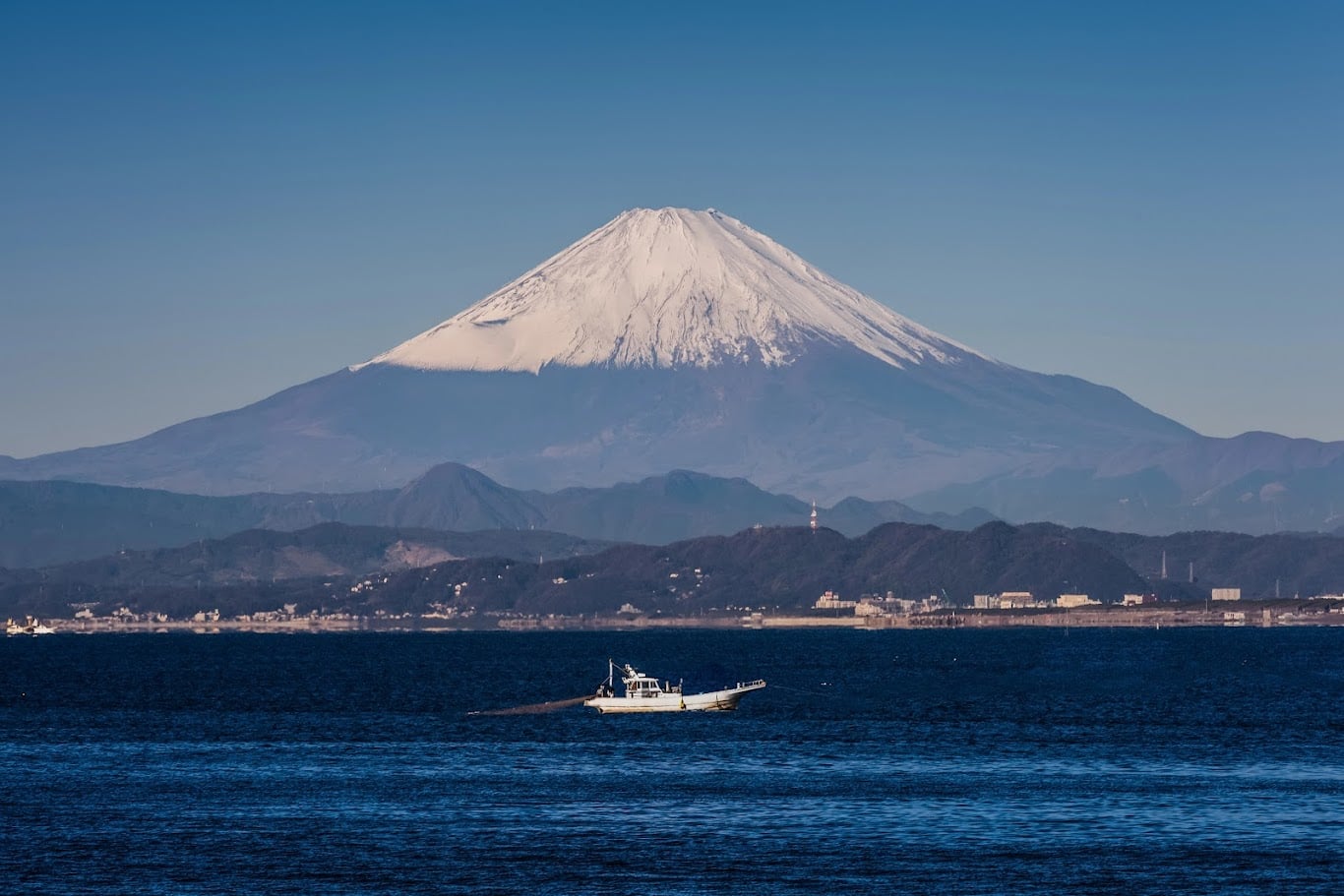
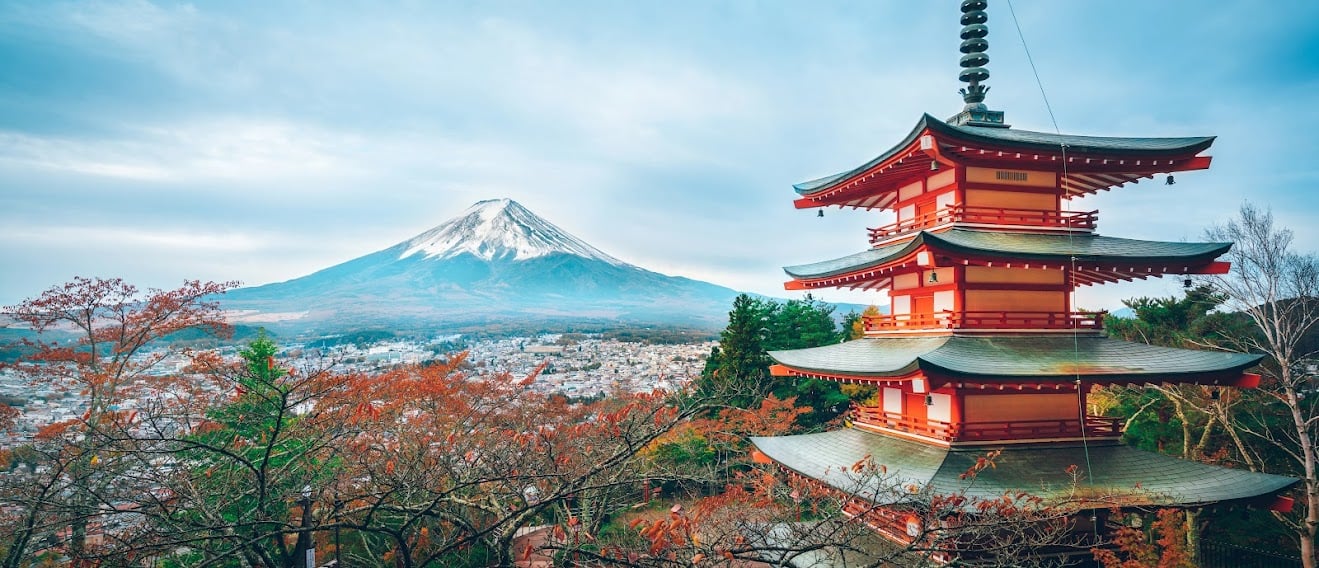
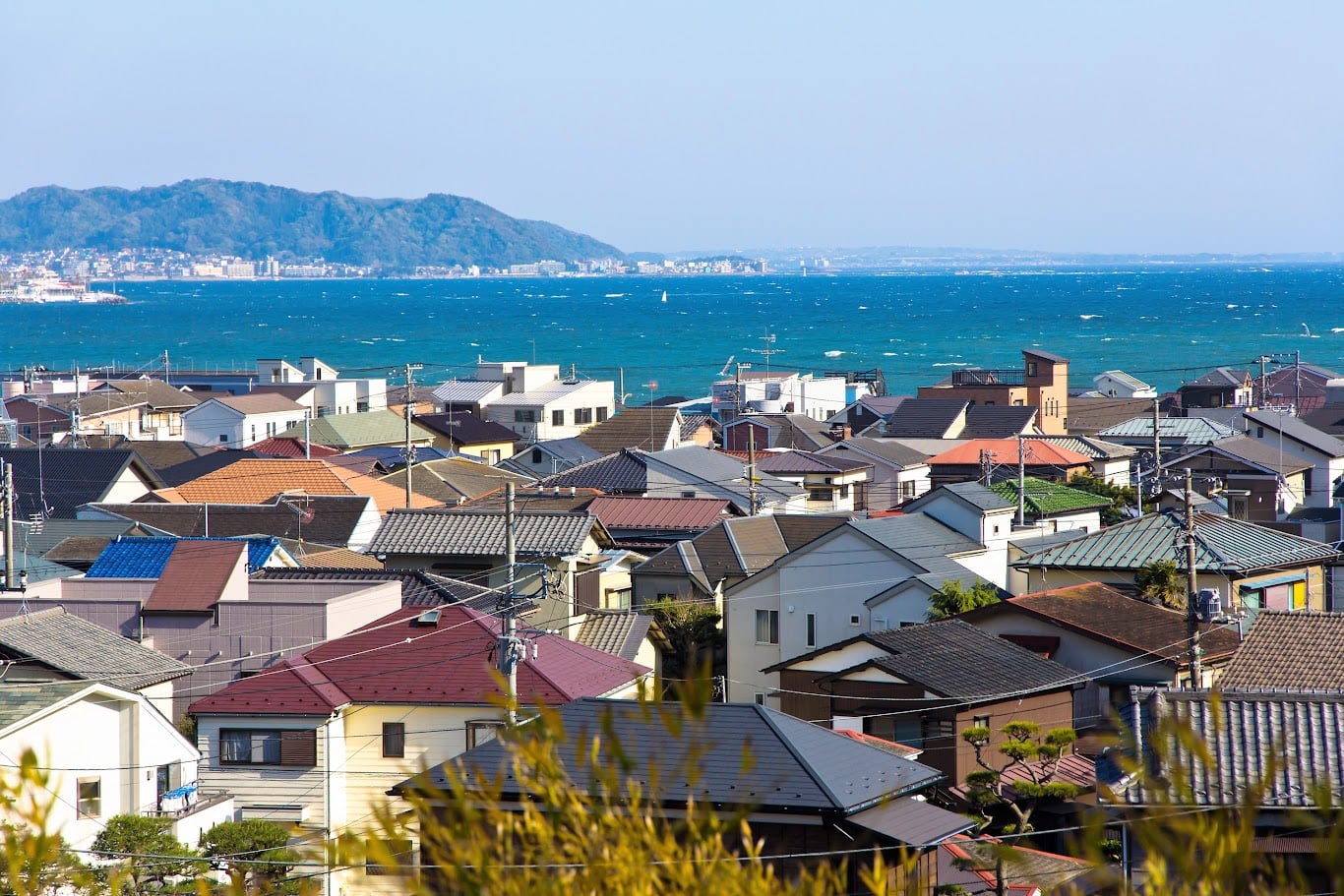
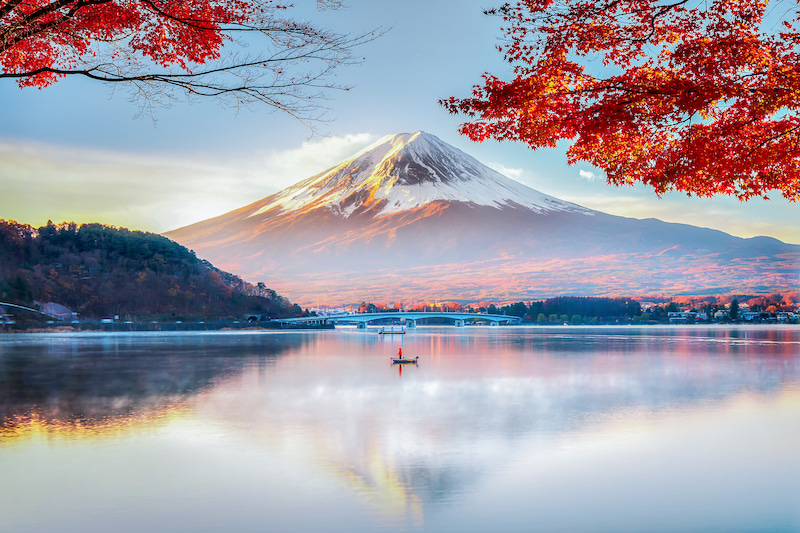
Kamakura in winter is quiet and ideal for viewing Mount Fuji.
4.2 What to do in Kamakura in winter?
Winter is considered the "hidden gem" of Kamakura tourism. Except for the New Year's holiday, this is the quietest time of the year in the city, travel costs are more affordable, and the atmosphere is fresh, making it perfect for sightseeing and visiting temples.
- Admire the beautiful Mount Fuji:Winter (from November to February) is the best time of the year to view Mount Fuji from Kamakura. Thanks to the dry air and clear skies, visibility becomes clear, allowing visitors to admire the snow-capped peak standing out against the blue sky. Some beautiful spots to view Fuji include Shichirigahama beach, the Kencho-ji temple observatory, or from Enoshima island.
- Experience Hatsumode (First shrine visit of the year):Winter (from November to February) is the best time of the year to view Mount Fuji from Kamakura. Thanks to the dry air and clear skies, visibility becomes clear, allowing visitors to admire the snow-capped peak standing out against the blue sky. Some beautiful spots to view Fuji include Shichirigahama beach, the Kencho-ji temple observatory, or from Enoshima island.
- Enjoy early blooming Ume flowers:If visiting Kamakura in February, travelers have the opportunity to see Ume flowers, which signal the arrival of spring. Zuisen-ji temple and Tokei-ji temple are famous spots for enjoying Ume flowers during this time.
See more: Japan travel during Christmas: Light festivals & winter atmosphere
No matter what season you visit, Kamakura offers unique experiences. Depending on your preferences for flower viewing, relaxation, or cultural exploration, travelers can easily choose the right time to visit Kamakura. With its convenient location from Tokyo and beauty that changes with the seasons, Kamakura is a must-visit destination in your journey to explore Japan.
To make your trip more complete, travelers can book Vietjet flights to Japan, combining a flexible itinerary between Tokyo and Kamakura. Especially, the 0 VND flight program (excluding taxes and fees) during the hours of 12 PM - 2 PM every day is a suggestion to help you optimize costs and easily plan your upcoming journey.
Follow flight information, promotional programs, and travel guides on Vietjet's official information channels: