Booking
 Skyshop
 Hotel
Hotel
 E-Voucher
 E-Sim
E-Sim
 E-Visa
 Buy foreign currency
 Insurance
 SkyJoy
Located less than an hour from Tokyo, Kamakura is the ideal destination for those who want to take a break from the fast-paced urban life to find a space that is ancient, slow-paced, and rich in cultural depth. With the convenience of traveling from Tokyo to Kamakura, it is often chosen for day trips or relaxing weekend getaways.
Once the capital of the Kamakura Shogunate in the 12th century, the ancient capital of Kamakura, Japan, preserves hundreds of temples, shrines, peaceful beaches, and narrow streets that exude the essence of ancient Japan. If you are looking for a gentle, easy-to-navigate journey that suits many travelers, Kamakura is a very worthwhile choice.
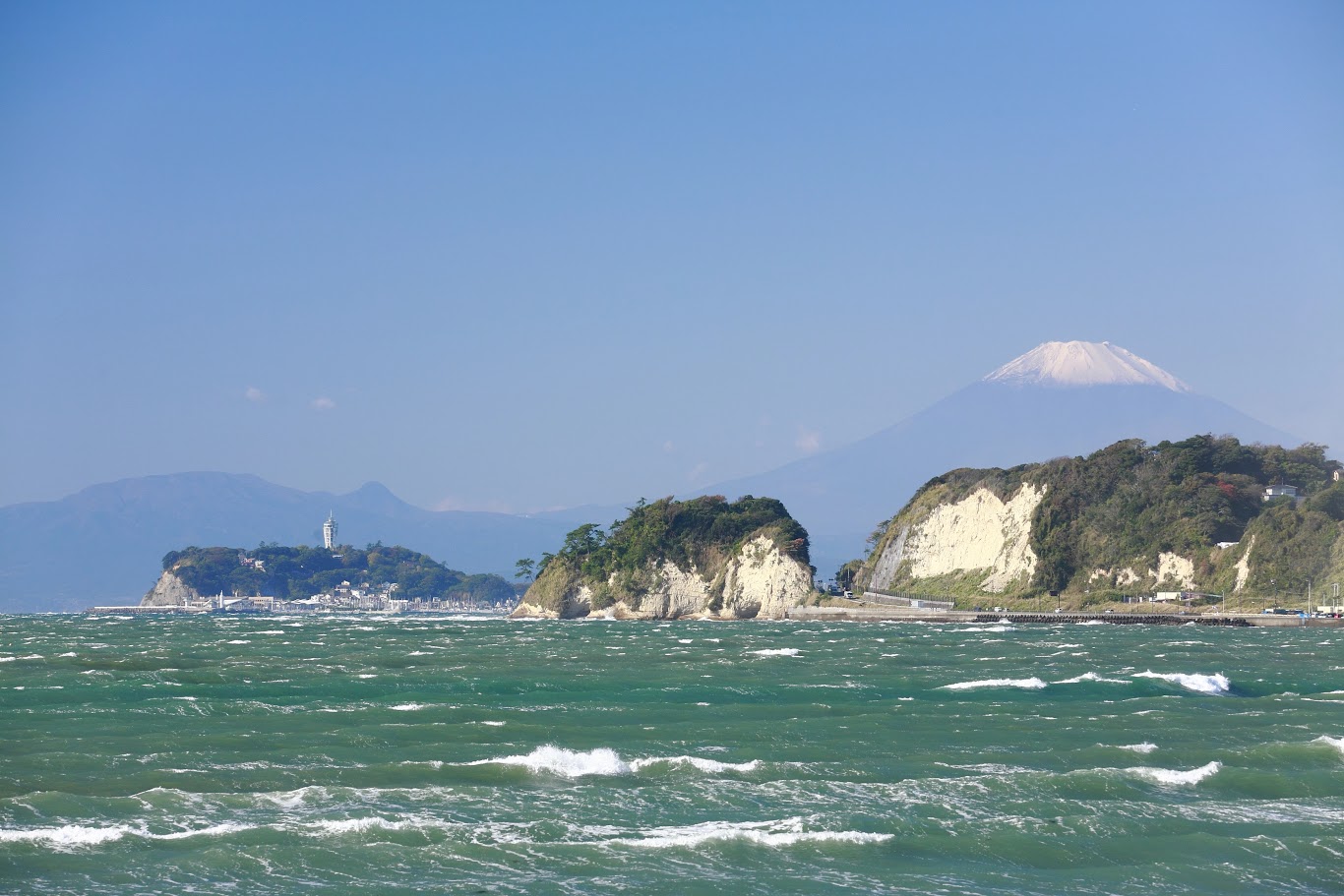
Kamakura possesses a serene beauty with the harmony of mountains, sea, and ancient structures.
See more: Beautiful self-guided summer travel destinations in Tokyo
1. Where is Kamakura?
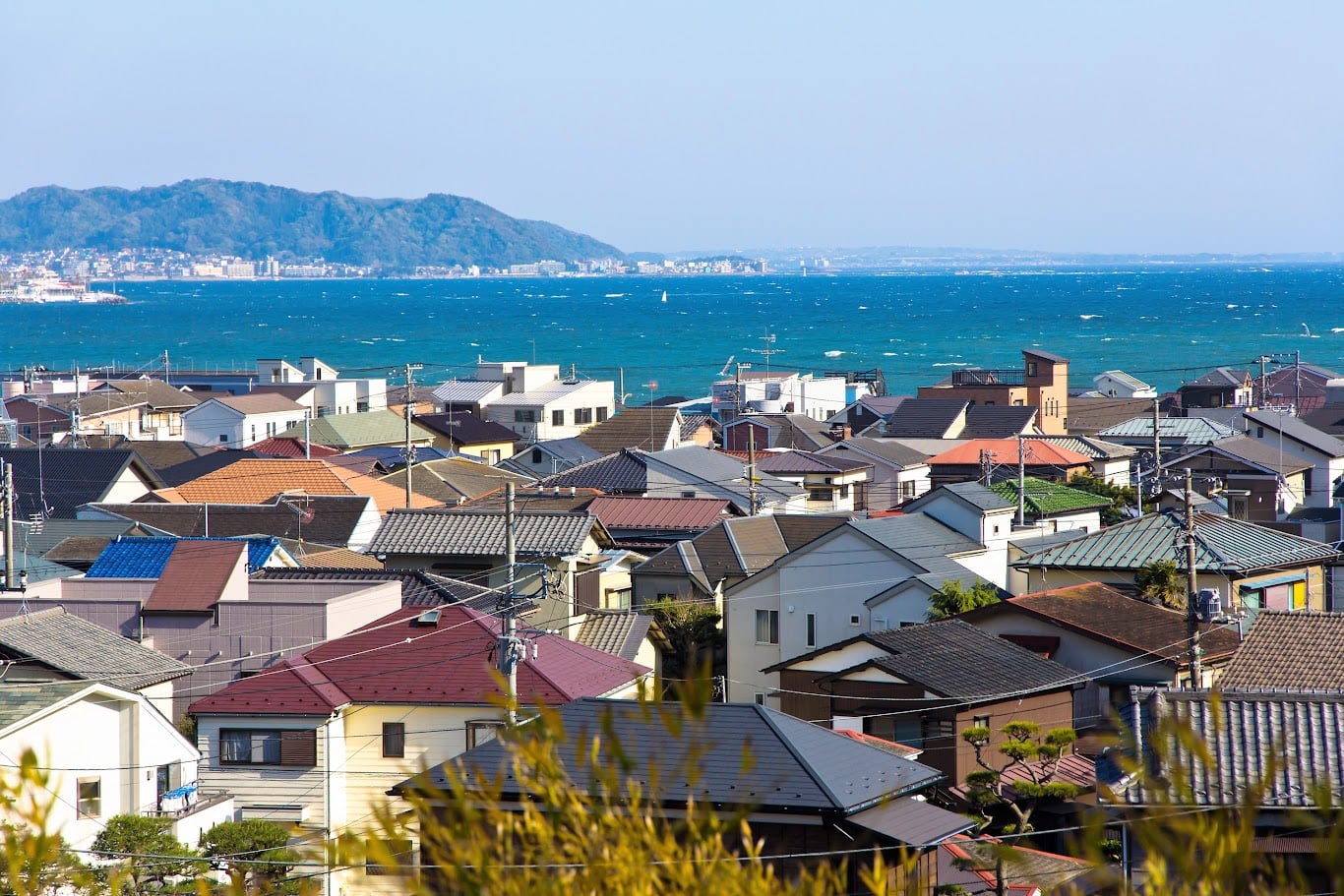
Kamakura is a coastal city in Kanagawa Prefecture, located south of Tokyo, about 50–60 km from the center. Thanks to its unique geographical position – with Sagami Bay in front and low hills behind – Kamakura once played a significant strategic role and was chosen as the capital of the Kamakura Shogunate from the late 12th century. This laid the foundation for the historical, cultural, and religious value of the ancient capital of Kamakura, Japan, as we know it today.
In terms of distance, Kamakura is close enough for a day trip from Tokyo but also sufficiently separated to provide a sense of escape from the bustling urban life. After less than an hour on the train, travelers can step into a more peaceful environment, where narrow streets, plenty of greenery, and a slow pace of life await.
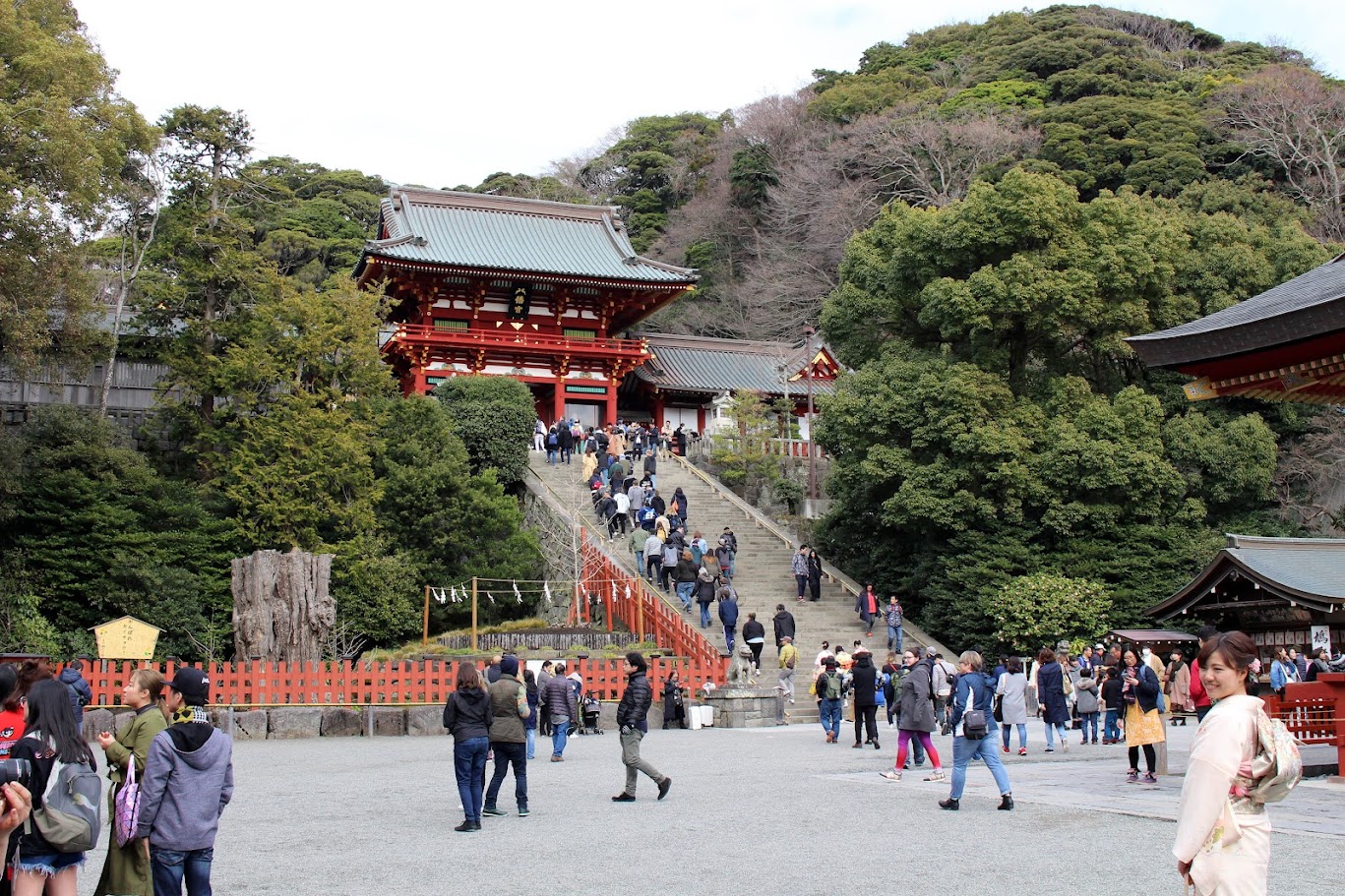
Not too vast or crowded like Tokyo, Kamakura is still a place worth exploring for Vietnamese tourists.
Especially, thanks to its location on important transport routes connecting Tokyo – Yokohama – Shonan, Kamakura has long been a familiar weekend retreat for the Japanese. For foreign tourists, this location makes Kamakura an ideal choice for those wanting to experience the depth of Japanese culture without having to travel too far or complicate their itinerary.
Planning to explore Kamakura from Tokyo? Book your Vietjet flight to Japan now to take control of your schedule and save costs. Details HERE.
2. What to do in Kamakura?
Not overly vibrant or glamorous, but when asked what to do in Kamakura, the answer lies in the harmonious intersection of nature, ancient architecture, and traditional cultural life. The attractions in Kamakura are diverse enough for you to spend a whole day exploring without feeling bored.
2.1 Kamakura Great Buddha (Kamakura Daibutsu)
The most famous symbol of Kamakura is the Great Buddha statue made of bronze, standing over 13 meters tall, built in the 13th century. The statue is placed outdoors, towering in the open space, exuding a solemn and majestic presence. Despite enduring many earthquakes and natural disasters, the Kamakura Daibutsu remains a testament to the enduring spirit of the Japanese people.
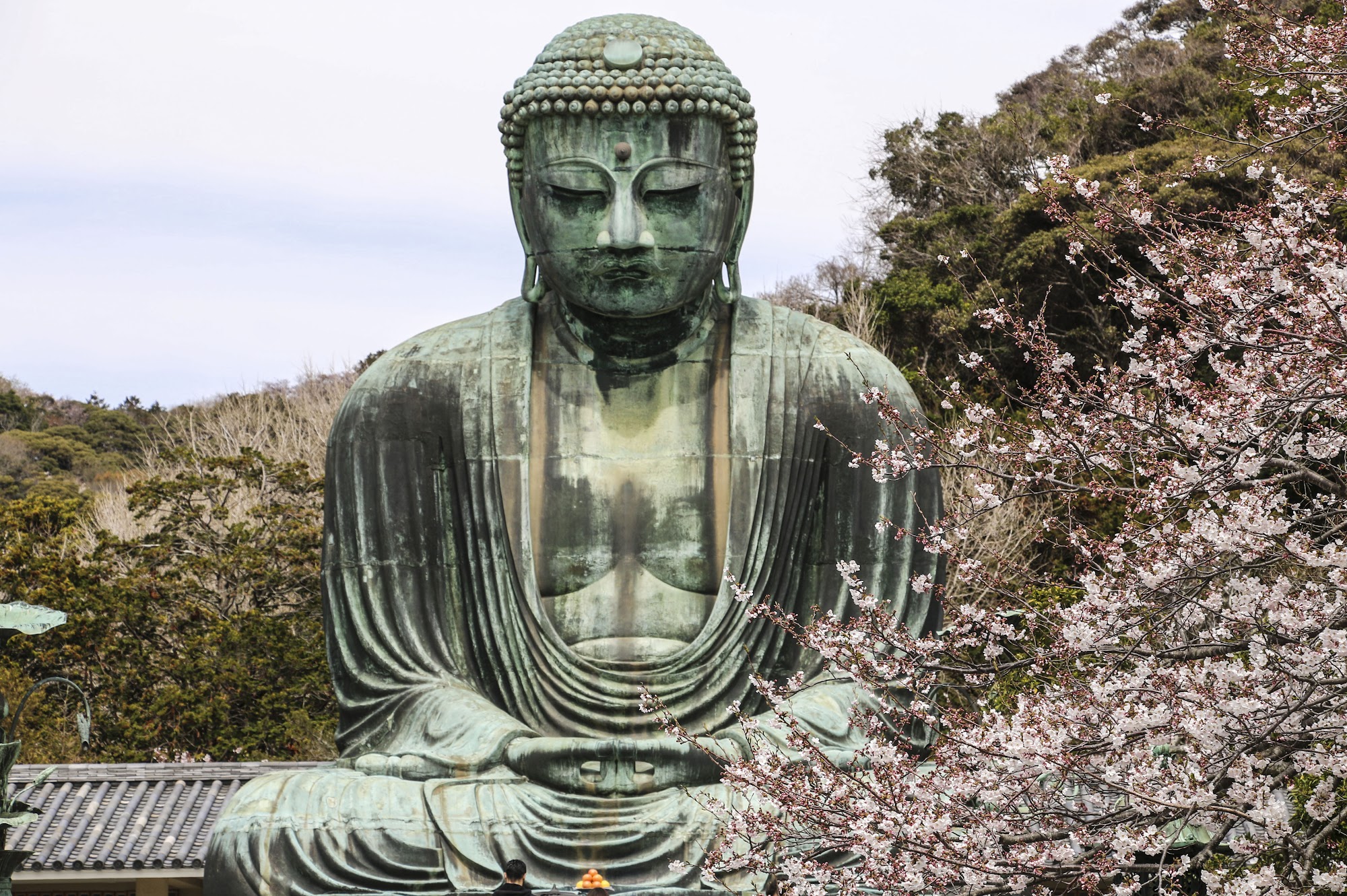
Standing before the statue, you will clearly feel the unique tranquility of Kamakura.
2.2 Hasedera Temple
Not far from the Great Buddha, Hasedera Temple is a popular stop due to its spacious grounds, many levels, and views overlooking the sea. The temple is famous for its 11-faced Kannon statue, considered one of the largest wooden statues in Japan.
Hasedera is beautiful in its own unique way at different times of the year: in spring, cherry blossoms bloom; in summer, hydrangeas cover the paths; in autumn, red leaves dye the entire grounds yellow.
2.3 Tsurugaoka Hachimangu Shrine
As the most important Shinto shrine of the ancient capital Kamakura, Tsurugaoka Hachimangu is closely linked to the history of the Kamakura Shogunate. The path leading to the shrine is designed straight, flanked by ponds and rows of trees, creating a solemn atmosphere from the very first steps.
During traditional festivals, this place becomes very lively with Shinto rituals, kimono attire, and a festive atmosphere rich in Japanese culture.
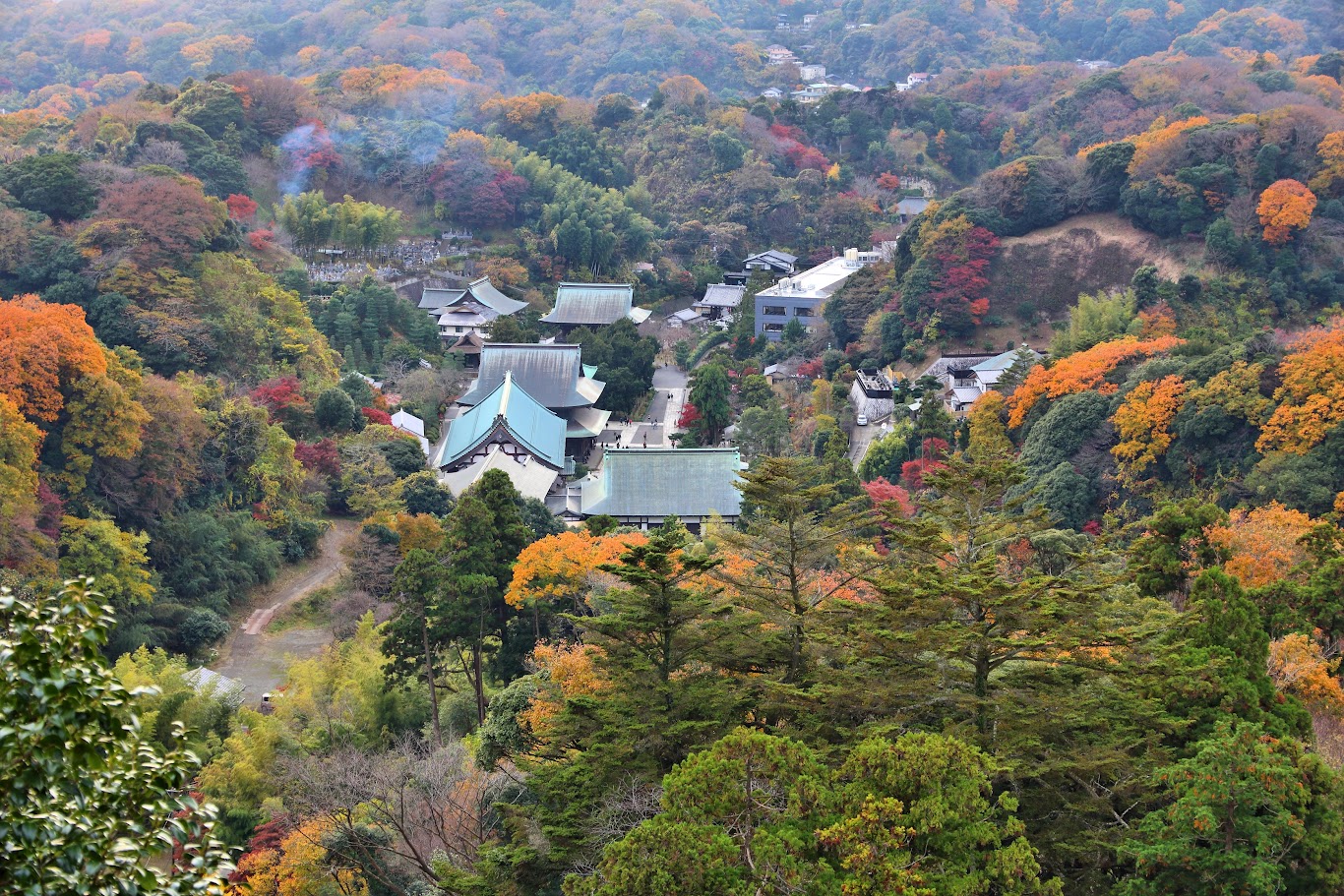
The temple space in Kamakura always provides a sense of peace, separated from the urban pace.
2.4 Komachi-dori Street
In contrast to the tranquil atmosphere of the temples, Komachi-dori Street offers a more youthful vibe with souvenir shops, eateries, and Japanese-style cafes. This is an essential stop when exploring what to do in Kamakura from the perspective of local life experiences.
This is the perfect place to stroll while enjoying local cuisine and picking up a few small gifts that bear the mark of Kamakura.
See more: When is the best time to see cherry blossoms in Tokyo, Japan?
2.5 Yuigahama Beach
Not many people think that Kamakura has a beach, but Yuigahama is indeed an interesting highlight of this city. The beach stretches long, with fine sand and fresh air, especially beautiful in the summer.
After a day of temple visits, spending time on the beach, watching the sunset, and feeling the salty breeze from the ocean will make your trip to Kamakura memorable.
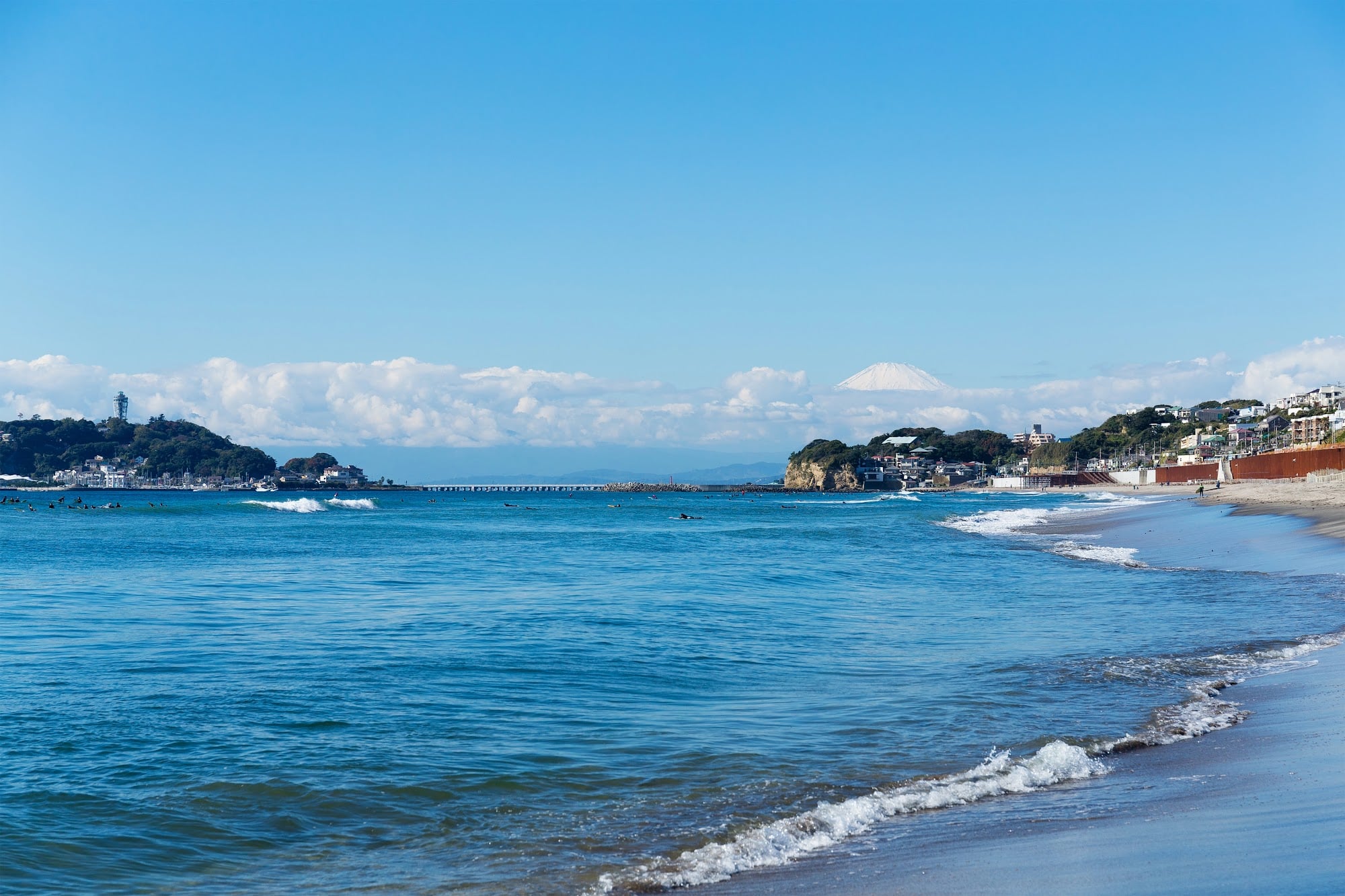
Yuigahama Beach offers a sense of tranquility with its picturesque scenery.
2.6 Engakuji / Kenchoji Temples
These two Zen temples are located near Kita-Kamakura Station and are often visited together in one trip. While Engakuji exudes an ancient, tranquil beauty, Kenchoji – the oldest Zen temple in Japan – is known for its spacious grounds and grand architecture.
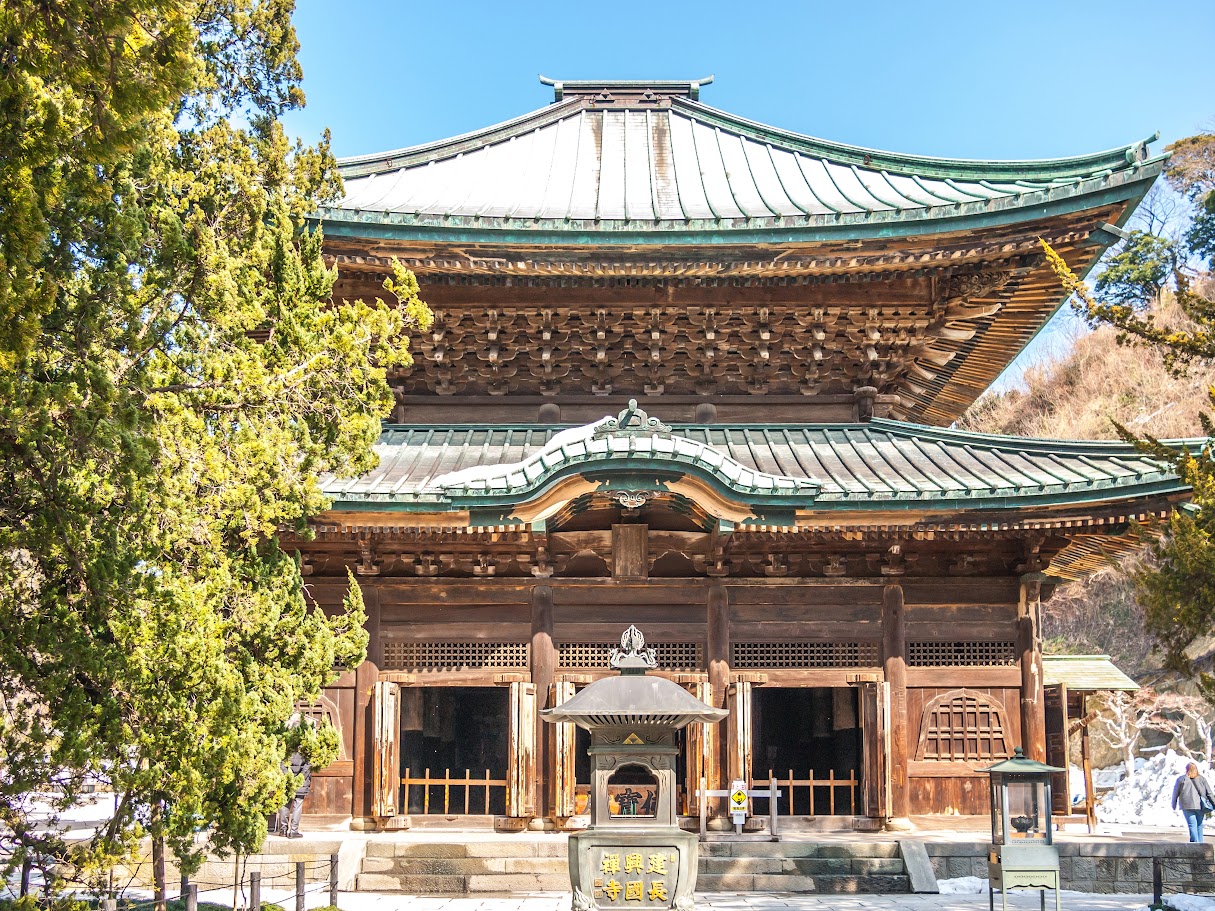
Engakuji is very suitable for visitors who love meditation, ancient architecture, and serene spaces.
Fly directly to Tokyo with Vietjet, starting your gentle exploration of Kamakura in just one day. See details HERE.
3. What is notable about Kamakura's cuisine?
Kamakura's cuisine is not complicated or extravagant but focuses on freshness and delicacy – true to the spirit of a coastal ancient capital.
3.1 Shirasu (fresh baby sardines)
Shirasu is a famous specialty of Kamakura, often served fresh, steamed, or dried, accompanied by white rice. The natural sweetness and light softness of the baby sardines combined with hot rice create a simple yet delightful dish.
3.2 Matcha – traditional wagashi
Throughout Kamakura, there are many tea houses serving matcha along with wagashi – traditional Japanese sweets. The slight bitterness of green tea blends with the delicate sweetness of the sweets, making it an essential experience, especially after long walks.
3.3 Traditional restaurants & cafes along Komachi-dori
In addition to traditional dishes, Komachi-dori also features many cafes converted from old houses, exuding a nostalgic style. Sitting by the wooden window, sipping coffee or sweets, and watching the passersby is a very relaxing way to enjoy Kamakura.
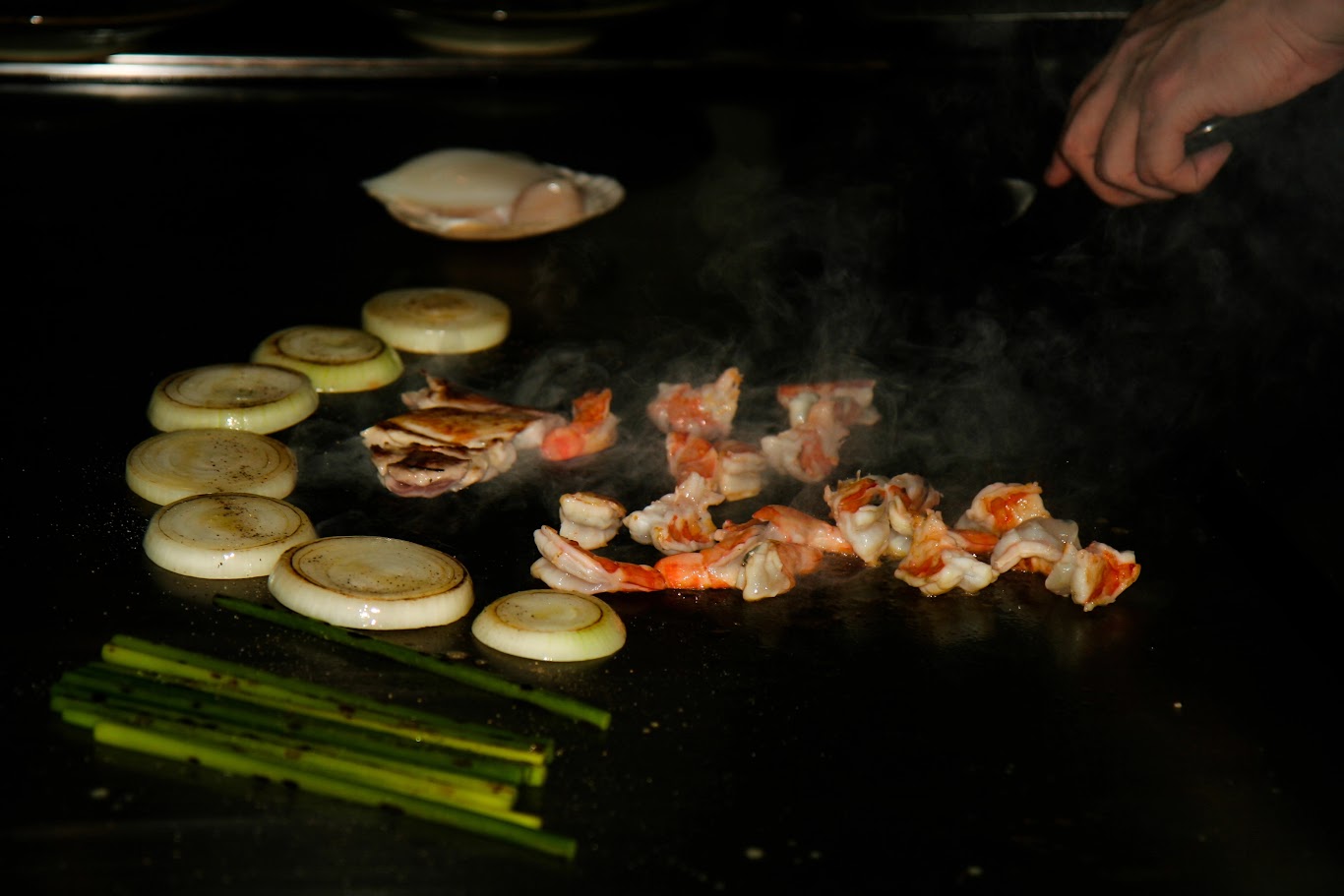
Kamakura's cuisine is marked by simplicity, freshness, and strong local flavor.
4. What should you pay attention to when traveling to Kamakura independently?
4.1 Should you go for a day or stay overnight?
With the short distance, many people choose to travel to Kamakura independently for a day from Tokyo. From major stations like Tokyo, Shinjuku, or Shibuya, you can take the JR Yokosuka Line or JR Shonan-Shinjuku Line to Kamakura Station.
If you want to experience a slower pace, staying overnight will help you feel Kamakura in the early morning or late afternoon. This is when the city is peaceful and has the least tourists.
Book your Vietjet flight to Tokyo early to easily combine Kamakura into your Japan travel itinerary. See details HERE.
4.2 The ideal time to travel to Kamakura
Spring (March–April) and autumn (October–November) are the best times to visit Kamakura independently, with pleasant weather and distinctly changing scenery. Summer is suitable for those who want to combine sightseeing with beach activities, while winter offers a unique tranquility, perfect for relaxation trips.
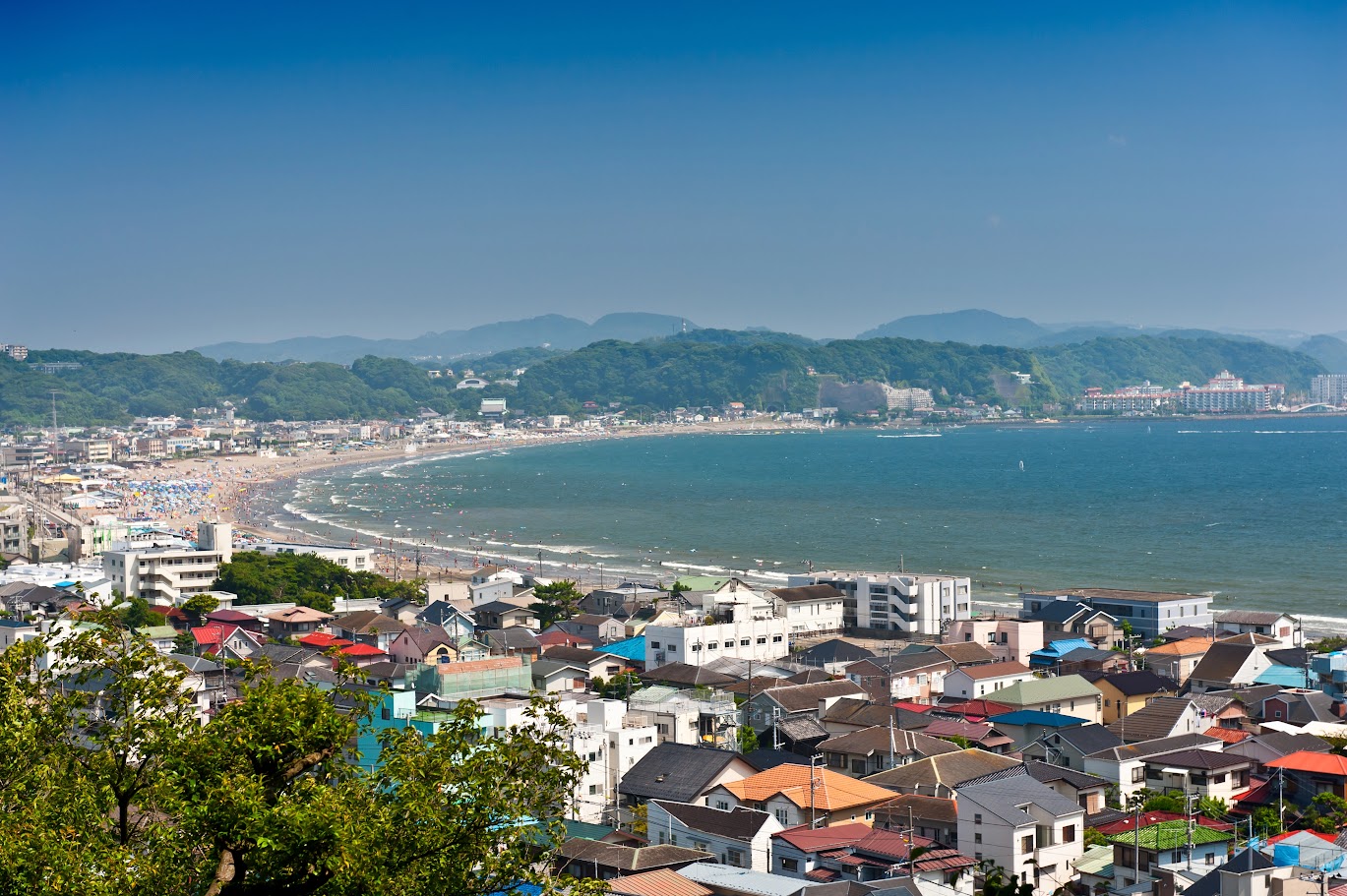
Yuigahama Beach is the ideal stop to relax after a tour of the ancient capital.
4.3 Who is Kamakura suitable for?
Kamakura is suitable for almost everyone: first-time visitors to Japan, families with elderly members, couples looking for a romantic space, or those who love history and culture. The gentle journey, convenient transportation, and lack of crowds make Kamakura a worthwhile destination for anyone.
Exploring the ancient capital of Kamakura has never been easier when you fly to Japan with Vietjet. See details HERE.
Overall, Kamakura is not an overwhelming destination at first glance, but the more you explore, the more you can feel the depth of culture and the characteristic tranquility of Japan's ancient capital. This trip is just enough for relaxation, just enough for exploration, and enough to create beautiful memories – especially suitable for those who want to visit Kamakura independently at their own pace.
If you are planning a trip to Japan, don't forget to add Kamakura to your itinerary.Hunt for Vietjet flight tickets to Tokyo today to take control of your schedule, save costs, and start exploring the land of cherry blossoms in the easiest way. Don't forget to check the domestic and international flight promotion program of 0 Dong (excluding taxes and fees) every day from 12 PM to 2 PM to enjoy discounted ticket prices. See details HERE.
Follow flight information, promotional programs, and travel guides on Vietjet's official information channels: