Booking
 Skyshop
 Hotel
Hotel
 E-Voucher
 E-Sim
E-Sim
 E-Visa
 Buy foreign currency
 Insurance
 SkyJoy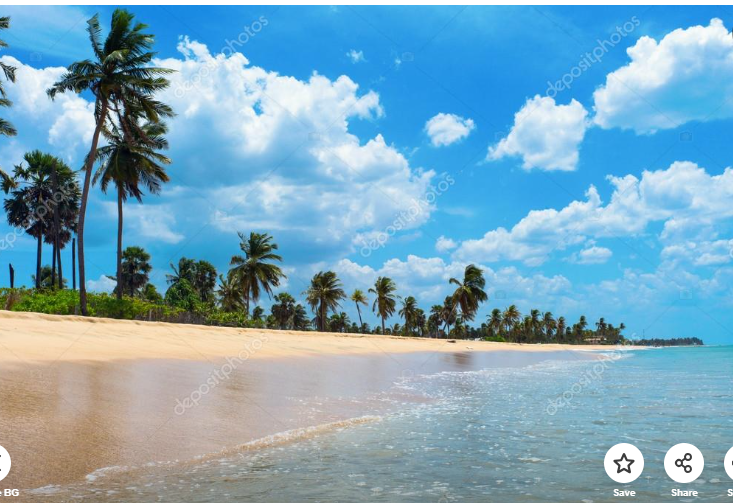
Note: The weather information in this article is based on average meteorological data; travelers should monitor accurate weather forecasts about a week before departure for the best preparation.
Sri Lanka attracts visitors with its tropical beaches, ancient cities, lush tea hills, and unique cultural heritage. The climate of this island nation is influenced by two monsoon systems, so the weather between the Southwest and the East Coast can differ significantly at the same time.
Therefore, the question of when is the best time to travel to Sri Lanka depends not only on the month of departure but also on the area and the experiences you want to prioritize. Let's explore the weather characteristics of Sri Lanka and how to choose the right time for your journey.
Sri Lanka can be explored year-round if the right area is chosen for each time.
1. Overview of Sri Lanka's Weather. How many seasons does Sri Lanka have?
Sri Lanka is in the tropical zone, with warm temperatures year-round averaging around 27°C, cooler in the central highlands. The weather on the island is strongly influenced by the terrain and two monsoon systems: Southwest and Northeast.
Region | Dry Season (Best Months) | Rainy Season (Should Consider) |
West & South Coast (Colombo, Galle, Mirissa) | December – March | May – September |
East & North Coast (Trincomalee, Arugam Bay) | May – September | November – January |
Highlands (Kandy, Ella, Nuwara Eliya) | January – April | May – September, October – November |
For many travelers, the weather in Sri Lanka is often summarized into two main states: dry season and rainy season. However, the dry and rainy seasons do not occur simultaneously across the island. The Sri Lanka Meteorological Department divides the year into four climatic phases: Southwest monsoon, Northeast monsoon, and two transitional phases. Therefore, when planning an itinerary, travelers should consider both time and region.
- Dry season on the West and South Coast: From around November or December to March, the weather is usually sunnier, and the sea is relatively calm; suitable for Colombo, Galle, Mirissa, Bentota, and Unawatuna.
- Dry season on the East Coast: From around May to September, the East Coast often has more favorable conditions for beach activities in Trincomalee, Nilaveli, Pasikudah, and Arugam Bay.
- Rainy season in the Southwest: The Southwest monsoon mainly occurs from May to September, increasing rainfall on the West, Southwest, and windward slopes of the highlands.
- Rainy season in the East and Northeast: The Northeast monsoon mainly occurs from late year to early year, concentrating more rain in the East and Northeast.
For first-time travelers combining Colombo, the Cultural Triangle, and the central highlands, January to March is often a relatively easy period to arrange. However, the inland areas can be hot during the day, while the highlands and transitional phases may still experience showers.
See more: Traveling to Colombo: A Guide to Exploring the Capital of Sri Lanka
2. Traveling to Sri Lanka in the Dry Season - The Best Time to Explore
The dry season is the period prioritized by many travelers due to more stable weather for outdoor activities. However, in Sri Lanka, "dry season" should be understood regionally: the West and South Coast are more favorable at the end of the year and the beginning of the year, while the East Coast enters a more beautiful phase in the middle of the year.
2.1 Weather in Sri Lanka during the Dry Season
On the Southwest Coast, from around November or December to March, there are usually many sunny days, reduced rainfall, and calmer seas, making it suitable for beach vacations in the Southwest. Coastal temperatures remain warm, while highland areas like Kandy, Ella, or Nuwara Eliya are cooler and can be chilly in the early morning or evening.
From around May to September, when the Southwest monsoon brings more rain to the West and South, the East Coast is often drier. Regions like Trincomalee, Nilaveli, and Arugam Bay thus become suitable choices for beach trips in the summer.
2.2 Must-Not-Miss Experiences in the Dry Season
The less rainy and sunnier weather creates favorable conditions to explore both the city, highlands, and the famous beaches of Sri Lanka. Depending on the time and region, travelers can combine heritage sightseeing, beach relaxation, and nature experiences in one journey.
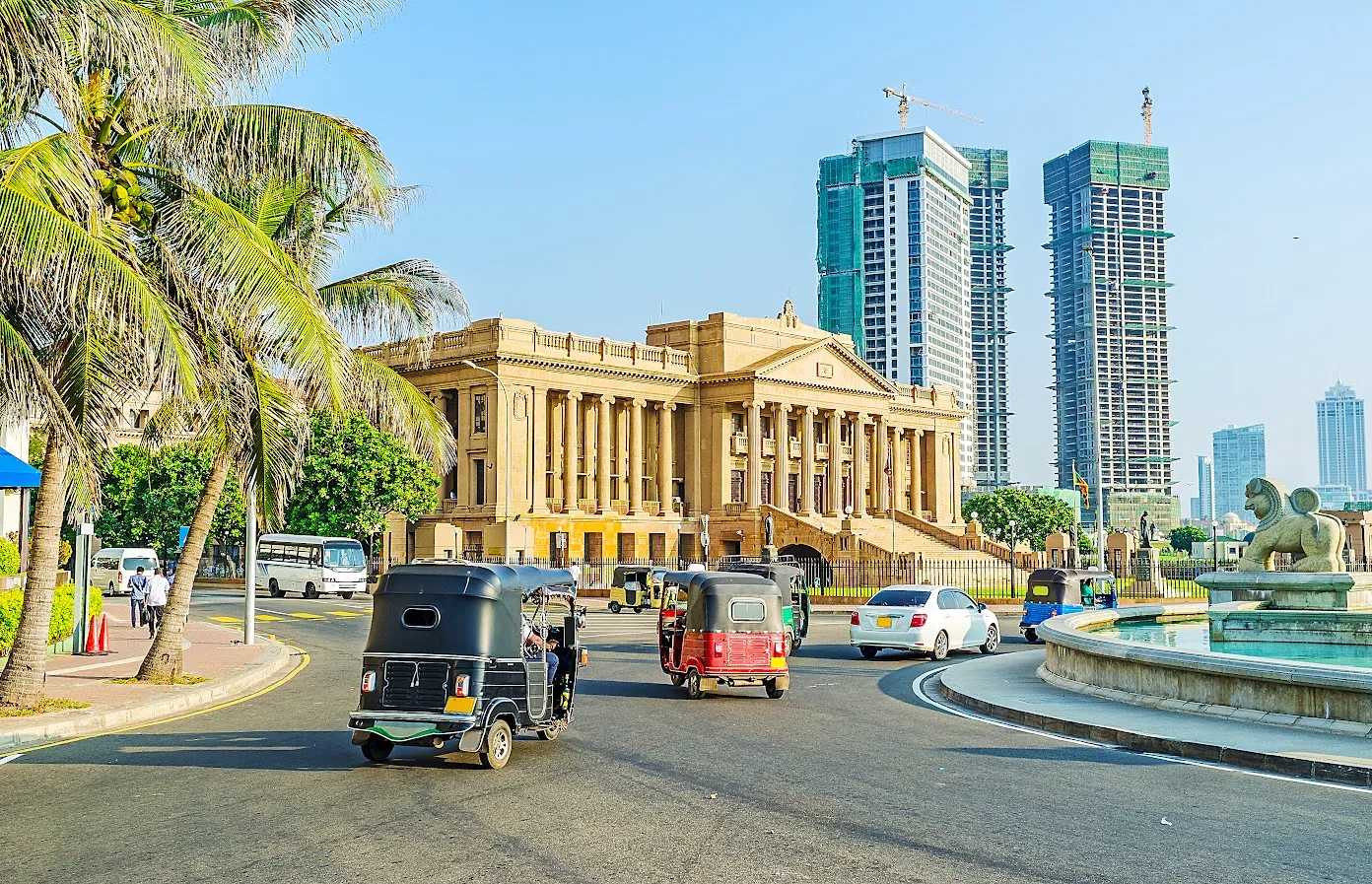
- Explore Colombo and Galle: Enjoy sunny days strolling through colorful streets, discovering the ancient and serene beauty of Galle Fort - a captivating World Heritage site.
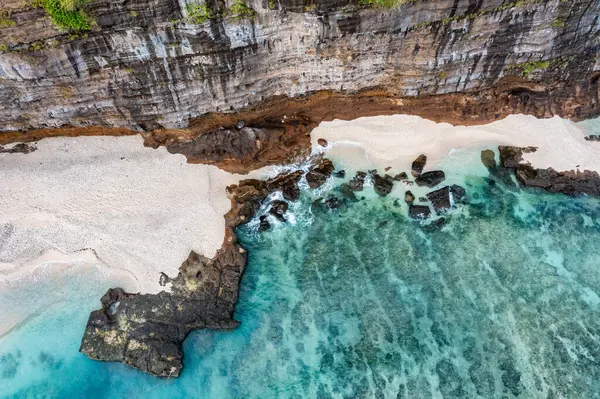
- Beach vacation in Mirissa, Bentota, or Unawatuna: Immerse yourself in the crystal-clear waters, lie on the fine white sand, or join an exciting cruise to spot giant whales in the ocean.
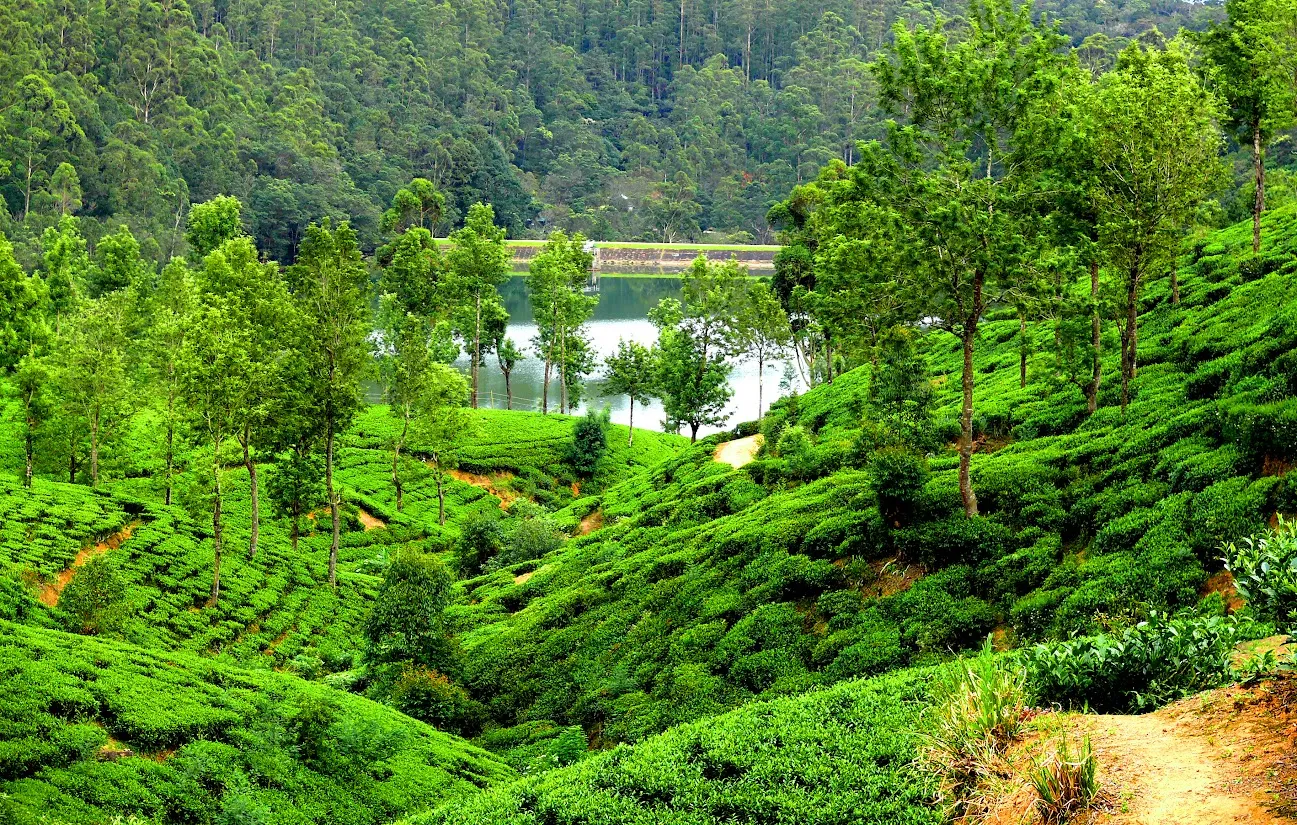
- Explore the highlands of Kandy - Ella - Nuwara Eliya: Be captivated by the majestic natural scenery with lush green tea hills stretching out, enjoy the fresh, cool air, and experience the picturesque train journey through the mountains.
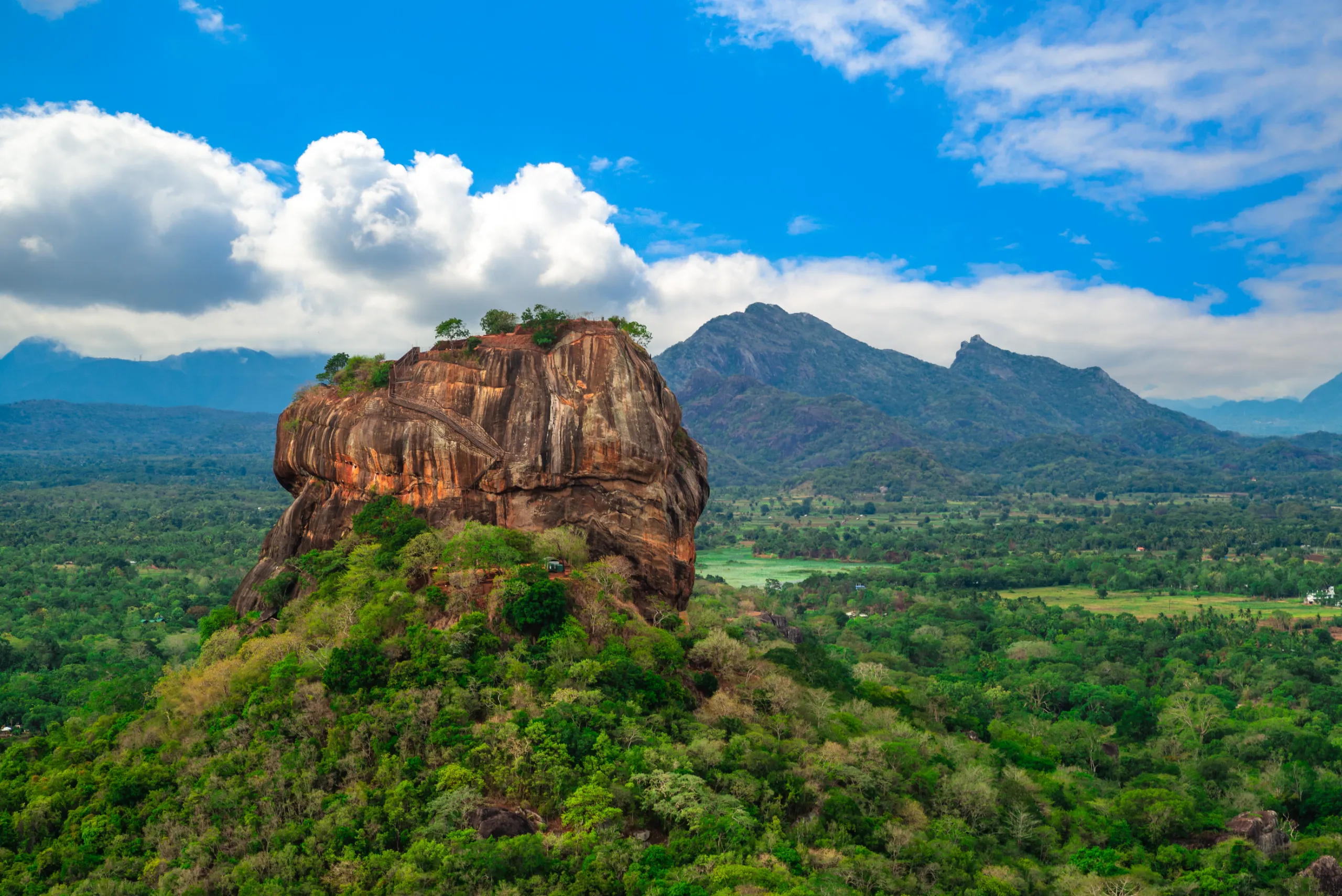
- Conquer Sigiriya and explore the Cultural Triangle: Challenge yourself to climb to the top of Sigiriya Rock Fortress to take in the vast view of the pristine forest, or wander among the ancient and serene relics of Dambulla and Polonnaruwa.
- Beach trips to the East Coast in mid-year: Head to the pristine East Coast, enjoy bright sunny days at Nilaveli beach, or indulge in the waves at Arugam Bay - a paradise for beach lovers.
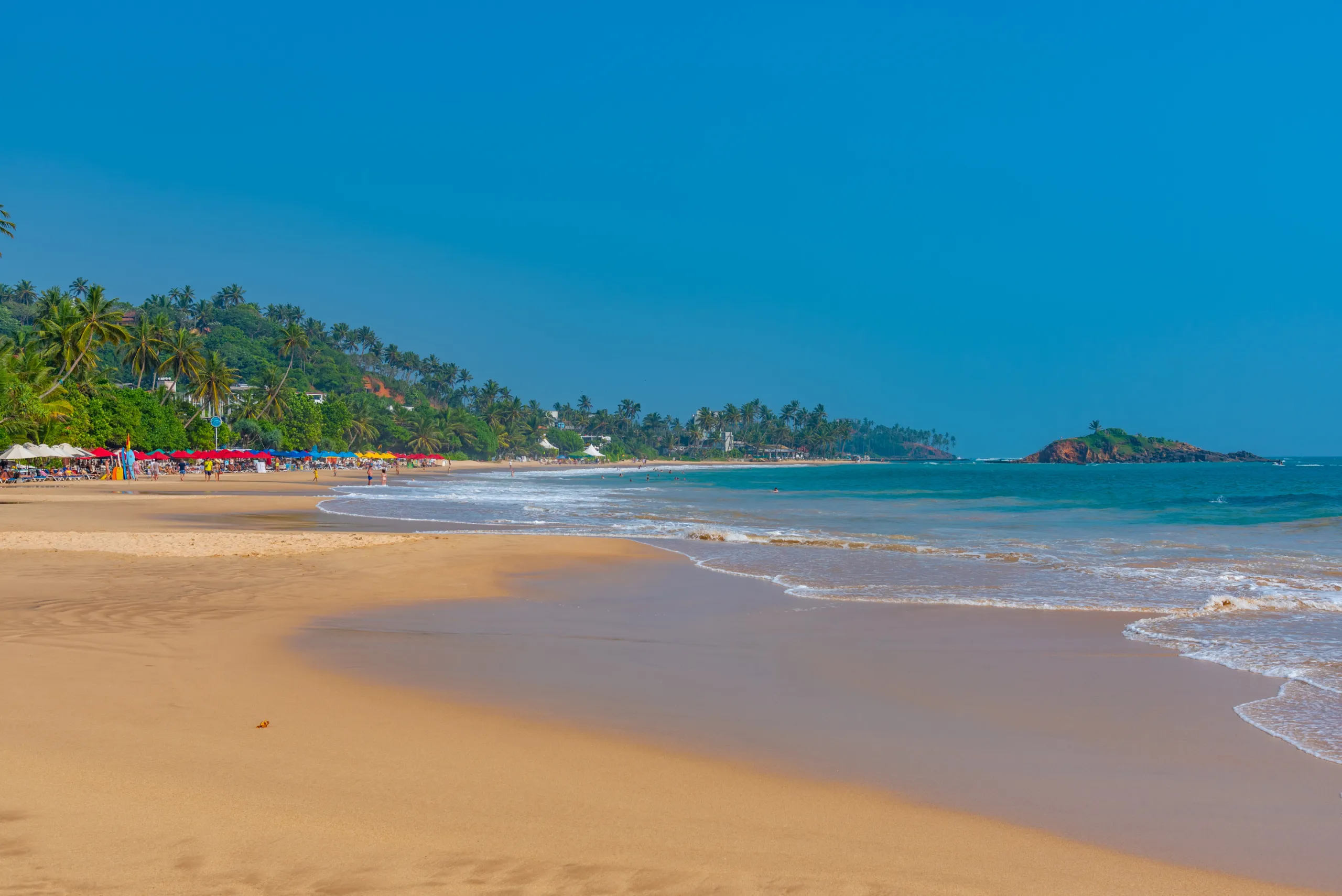
From the end of the year to the beginning of the year is a more favorable period for beach vacations in Mirissa and many points along the Southwest coast of Sri Lanka.
- Immerse yourself in the festive atmosphere: If traveling in August, don't miss the Esala Perahera festival in Kandy - the largest and most vibrant Buddhist festival in Sri Lanka, where you will witness magnificent elephant parades and mesmerizing fire dances.
3. Traveling to Sri Lanka in the Rainy Season - Is it Worth It?
The rainy season does not mean you should exclude Sri Lanka from your travel plans. Due to the influence of two monsoon systems on different areas, when one coast enters the rainy season, the other may have more favorable weather conditions. The important thing is to build a flexible itinerary and choose suitable destinations.
3.1 Weather in Sri Lanka during the Rainy Season
The Southwest monsoon mainly operates from May to September, bringing more rain to the West, Southwest, and part of the highlands. Meanwhile, the Northeast monsoon focuses around December to February and has a clearer impact on the East and Northeast. The two transitional phases from March to April and October to November may experience thunderstorms in the afternoon or evening over a wider area.
Tropical rain is often localized and varies from day to day. Therefore, travelers should not just look at the label "rainy season" to decide whether to go or not, but should monitor forecasts close to the date and prioritize itineraries with alternatives if participating in trekking, safari, or marine activities.
3.2 Suitable Experiences during the Rainy Season
Due to the differences in rainfall and timing across regions, if travelers actively monitor the weather and flexibly adjust their itineraries, there are still many experience options available.
- Explore cultural heritage: Kandy, Dambulla, Sigiriya, and city attractions can be arranged flexibly according to the weather. Days with brief rain can still be utilized during dry spells for sightseeing.
- Experience the tea hills: Rain helps enhance the greenery of the highland landscape. If visiting Ella or Nuwara Eliya, it is advisable to bring a lightweight raincoat, good grip shoes, and check road conditions before trekking.
- Prioritize indoor activities when needed: Museums, temples, tea houses, and cultural sites are flexible options during prolonged rainy days.
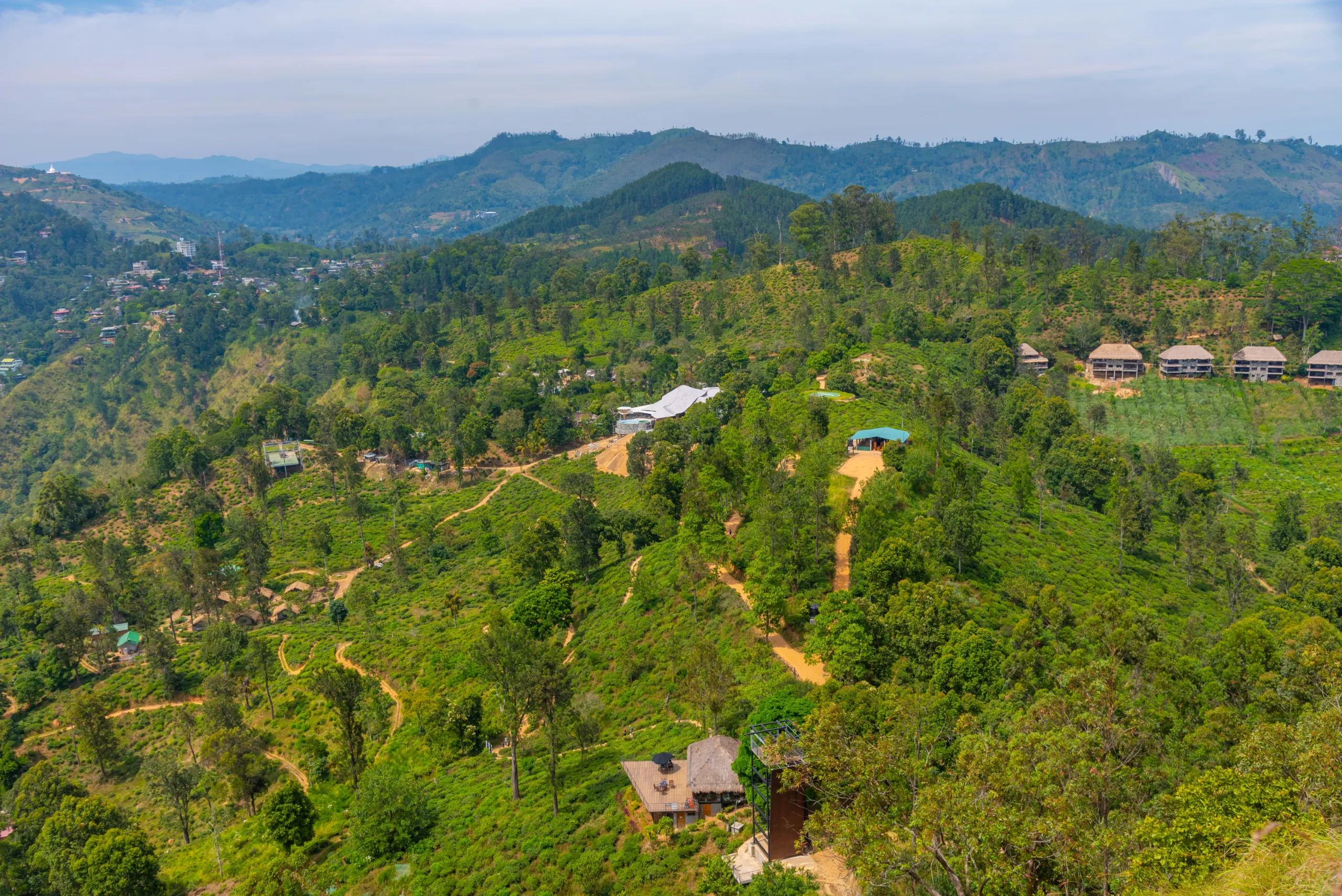
The highlands of Sri Lanka have lush landscapes year-round but require a flexible itinerary during heavy rain periods.
4. When is the best time to visit Sri Lanka by region and experience?
Instead of choosing a "best season" in Sri Lanka, travelers can base their plans on the region and type of experience they want to prioritize. The table below suggests ideal areas and highlighted experiences by month throughout the year:
Time Period | Suggested Area | Highlighted Experience |
December to March | Colombo, Galle, Mirissa, Bentota, Unawatuna | City tours, beach relaxation on the Southwest coast, water sports, combined with the Cultural Triangle. |
January to April | Kandy, Ella, Nuwara Eliya, and the central highlands | Train rides through the mountains, tea plantations, light trekking, exploring Kandy culture. |
March to April | Sigiriya, Dambulla, Polonnaruwa, Kandy | Explore heritage, culture, and highlands; be aware of afternoon thunderstorms during the transition period. |
May to September | Trincomalee, Nilaveli, Pasikudah, Arugam Bay | Beach relaxation on the East coast, diving, surfing, and coastal outdoor activities. |
October to November | Flexible itinerary, prioritize city/heritage and monitor forecasts | Cultural tours, gastronomy, museums; limit overly packed outdoor schedules as widespread rain may occur. |
If it's your first time in Sri Lanka and you want to experience various landscapes in one trip, the period from January to March is easy to arrange. For travelers focusing solely on the East coast, the summer from May to September is more suitable.
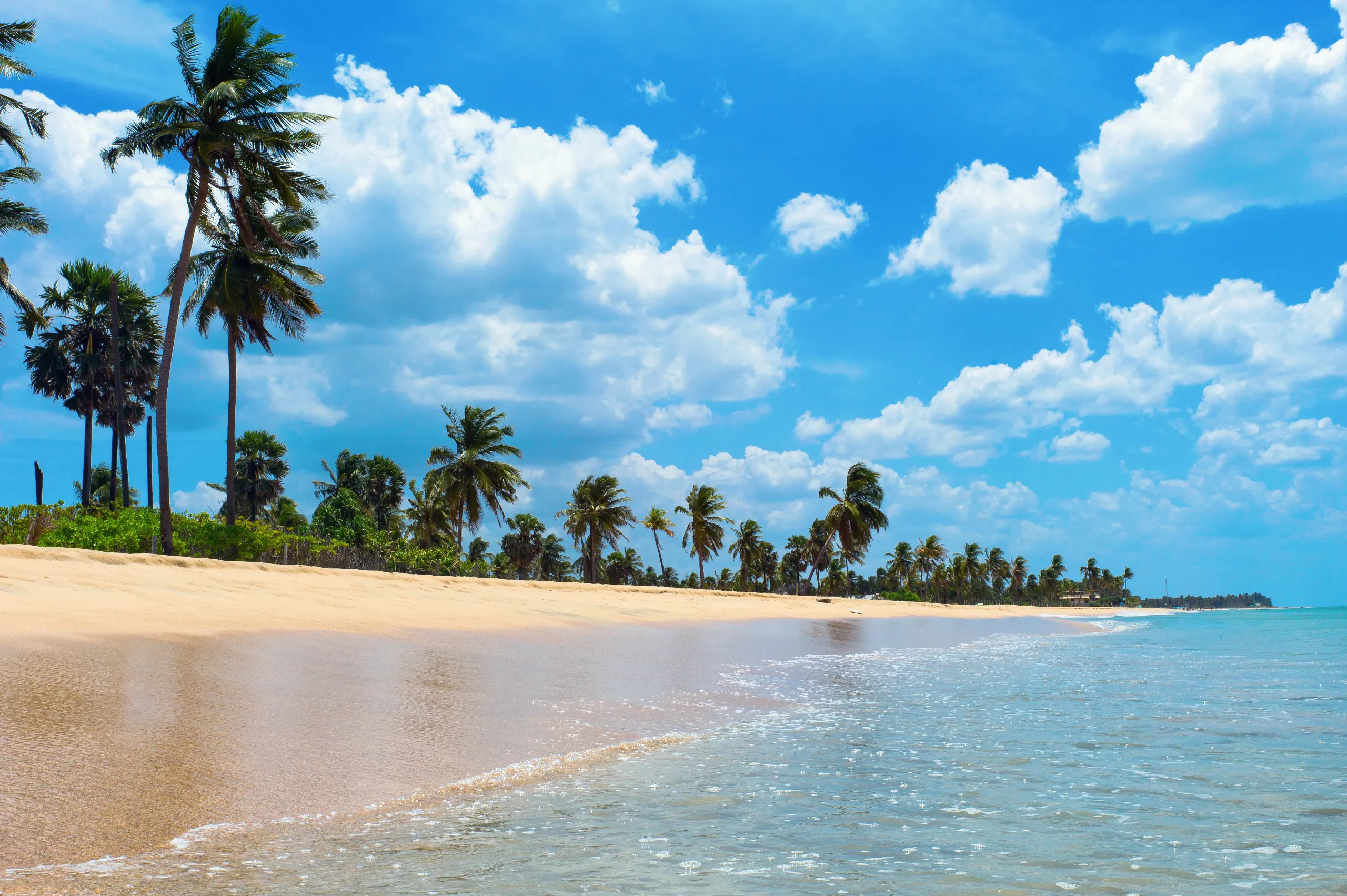
The period from May to September is worth considering for exploring East coast beaches like Nilaveli and Trincomalee.
Conclusion
There is no single answer to the question of when is the best time to visit Sri Lanka. The Southwest coast is generally more favorable from late year to early year, while the East coast is suitable around May to September. Determining your destination and main experiences in advance will help you choose the right time, reduce the impact of rain, and make the most of each region of the island nation.
Pocket checklist when visiting Sri Lanka
- Clothing: Dress modestly when entering temples (cover shoulders and knees). Bring a light jacket if visiting highland areas (Ella, Nuwara Eliya).
- Transportation: Download the PickMe ride-hailing app (more popular than Uber in Sri Lanka) to avoid being overcharged.
- Currency: Exchange some USD beforehand to convert to Rupees there, or withdraw cash at airport ATMs.
- Visa: Before departure, don't forget to check the regulations for Sri Lanka e-Visa.
FAQ - Frequently Asked Questions
Is Sri Lanka hot year-round?
Generally, yes. Sri Lanka has a tropical climate with an average temperature of around 27°C. However, highland areas like Nuwara Eliya and Ella are significantly cooler than coastal regions.
Does it rain all day during the rainy season in Sri Lanka?
Not necessarily. Tropical rain can occur in bursts and varies by region. The transition period often has thunderstorms in the afternoon or evening. Travelers should monitor forecasts closely rather than assume that the rainy season will be continuous rain.
Is it nice to visit Sri Lanka in June, July, August?
Yes, especially if prioritizing the East coast. From May to September, Trincomalee, Nilaveli, Pasikudah, and Arugam Bay usually have more favorable conditions compared to the Southwest coast, which is affected by the Southwest monsoon.
Is December a good time to visit Sri Lanka?
December is suitable for many locations on the West and South coasts such as Colombo, Galle, Bentota, and Mirissa. However, the East and Northeast may be affected by the Northeast monsoon, so it's essential to choose the right route.
How many days should I spend traveling in Sri Lanka?
About 7 to 10 days is suitable for an itinerary combining Colombo, Sigiriya/Dambulla, Kandy - Ella, and one beach destination. If you want to add Trincomalee, Yala, or more heritage cities, you can spend 10 to 14 days.
From August 18, 2026, Vietjet officially launches a direct flight connecting Ho Chi Minh City and Colombo, significantly shortening travel time. To plan the most convenient itinerary, you can check the flight schedule and promotional fares here. Additionally, don't miss out on the information about the 0 VND ticket program that usually takes place during the golden hours of 12 PM to 2 PM to optimize costs for your trip.
See more: Traveling to Sri Lanka: A guide to exploring the Indian Ocean island
Follow flight information, promotional programs, and travel guides on Vietjet's official information channels: