Booking
 Skyshop
 Hotel
Hotel
 E-Voucher
 E-Sim
E-Sim
 E-Visa
 Buy foreign currency
 Insurance
 SkyJoy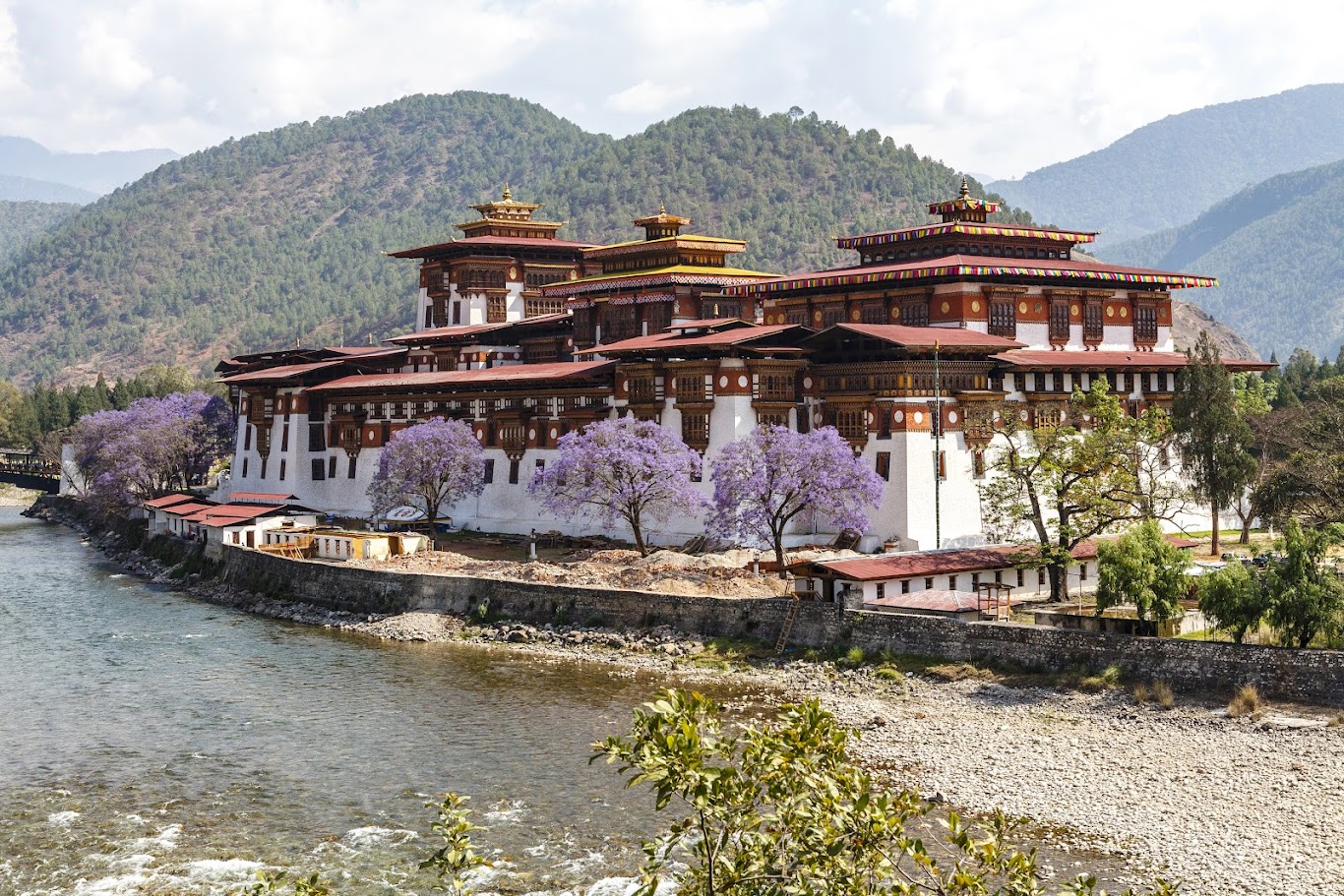
Nestled in the Himalayas, Bhutan is a dream destination for those who love untouched nature, authentic Buddhist culture, and a sustainable way of life. With its mountainous terrain and four distinct seasons, each time of year in Bhutan reveals a unique beauty. From valleys blanketed with spring flowers, autumn’s fiery foliage, to the tranquil snow-covered mountains of winter—Bhutan captivates travelers all year round.
So, when is the best time to visit Bhutan? Let’s explore the characteristics of each season to find the time that suits you best.
Bhutan is known as the happiest kingdom in the world.
1. Bhutan's Climate Overview
Bhutan experiences four distinct seasons throughout the year. Spring lasts from March to May, summer spans June to August, autumn runs from September to November, and winter covers the remaining months (December to February). In addition, the climate is heavily influenced by the country’s mountainous terrain, which creates variation by altitude:
- Lowlands (south): Tropical climate with hot, humid weather and heavy rainfall.
- Central valleys (e.g., Thimphu, Paro): Pleasant, temperate climate—home to many popular tourist attractions.
- Highlands (north): Alpine climate with cold weather year-round and snowfall in winter.
Thanks to this diverse terrain and climate, every season in Bhutan offers a distinct travel experience. Choosing the best time to visit depends on your personal preferences—whether you’re drawn to nature, festivals, or moments of quiet reflection.
2. Bhutan Through the Seasons
2.1 Spring (March – May): Blooming Flowers & Vibrant Festivals
Spring in Bhutan is mild and pleasant, with temperatures ranging from 10°C to 22°C. The weather is sunny, with low humidity and minimal rain—perfect for sightseeing and outdoor activities.
After a long cold winter, Bhutan awakens in spring with a burst of life. Rhododendrons, magnolias, and other wildflowers bloom across the mountainsides and valleys, draping the landscape in vibrant colors. Lush forests and fields come back to life, creating a scene of renewal and vitality.
Spring highlights in Bhutan:
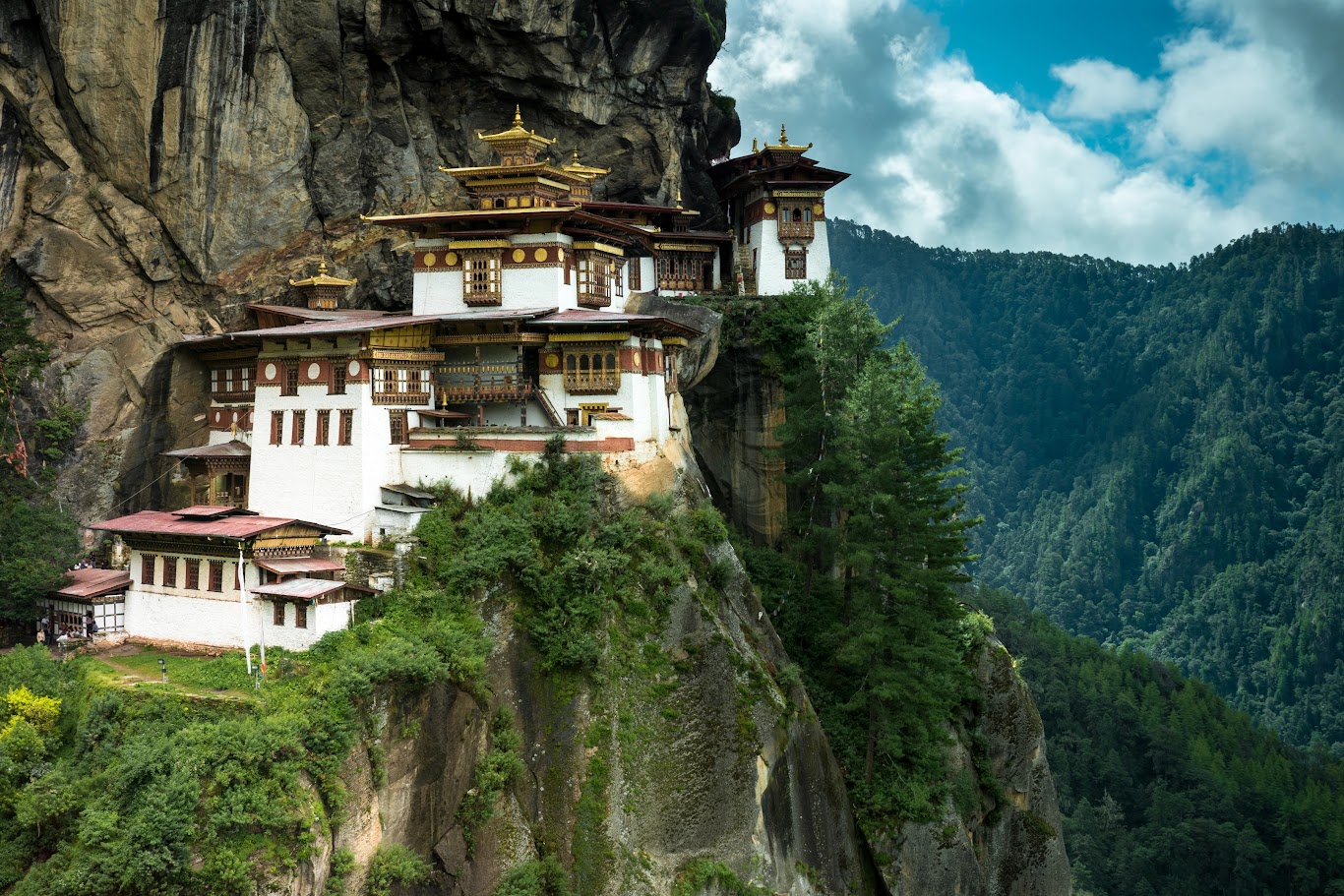
- Hike to Tiger’s Nest Monastery (Taktsang): A sacred icon of Bhutan perched dramatically on a cliffside, often shrouded in spring mist.
- Trekking in Paro or Thimphu forests: Trails lined with blooming rhododendrons, magnolias, and cherry blossoms. Breathe in the crisp mountain air as you walk through pine forests, gentle streams, and soft slopes.
- Attend the Paro Tsechu Festival: Held in late March or early April, this is one of Bhutan’s largest religious festivals, known for its vibrant mask dances and festive local atmosphere.
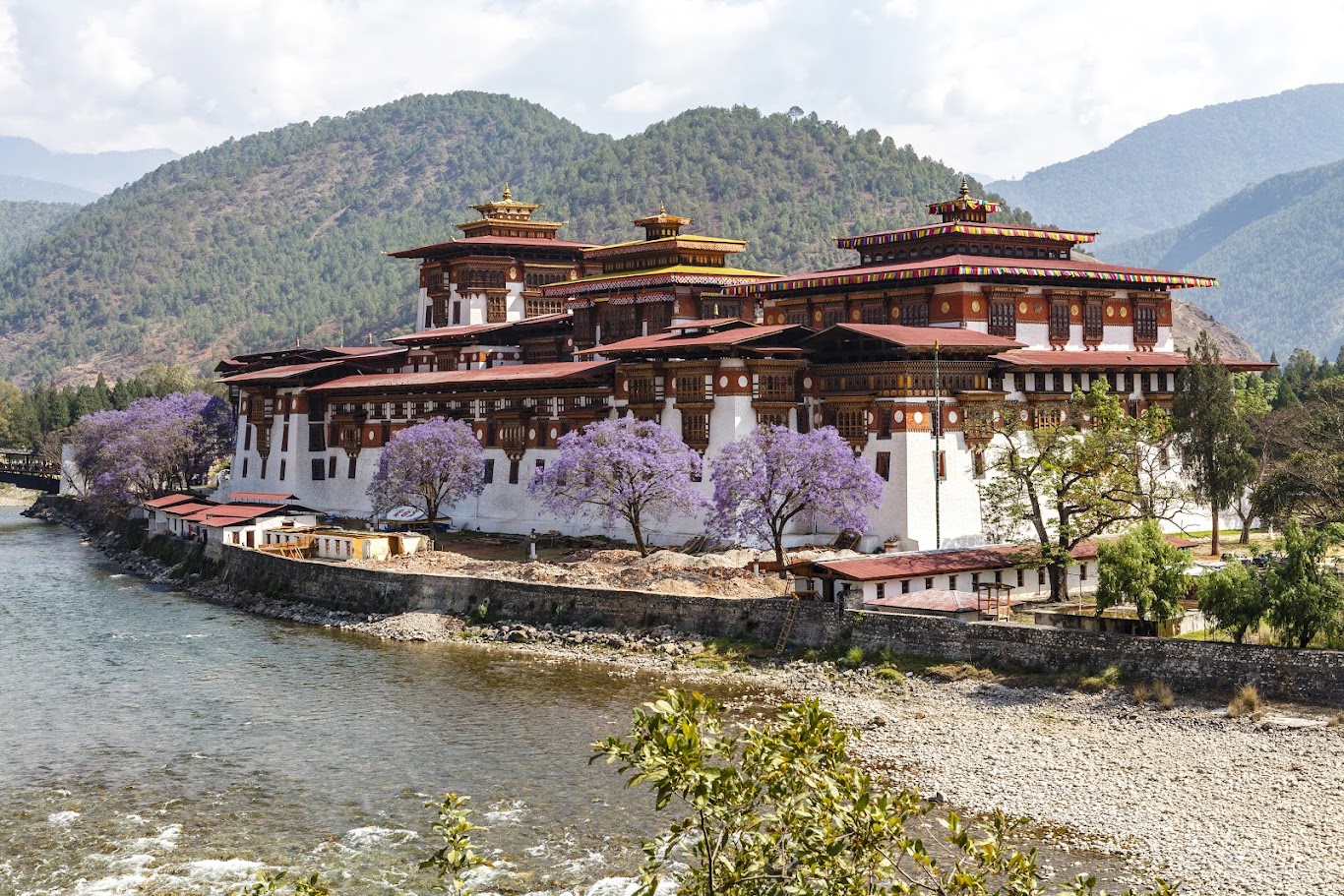
Spring in Bhutan bursts with colorful flowers and joyful festivals.
2.2 Summer (June – August): Refreshing Rains & Lush Scenery
Summer in Bhutan marks the beginning of the monsoon season, with heavy rainfall especially in the southern lowlands. However, higher-altitude regions like Paro, Thimphu, and Bumthang receive less rain and remain suitable for short visits. Summer temperatures range from 15°C to 25°C—warm but not overly hot.
Since this is Bhutan’s low tourist season, summer offers a quieter atmosphere and more affordable travel, perfect for those who want a peaceful and intimate experience.
The summer rains breathe new life into nature—forests turn emerald green, valleys become fertile, rivers swell with fresh water, and clouds drift lazily over misty mountain peaks, creating a dreamy, mystical setting.
Summer highlights in Bhutan:
- Visit traditional villages in Bumthang: Discover the tranquil rural lifestyle, admire the old wooden houses, and explore family farms surrounded by lush nature.
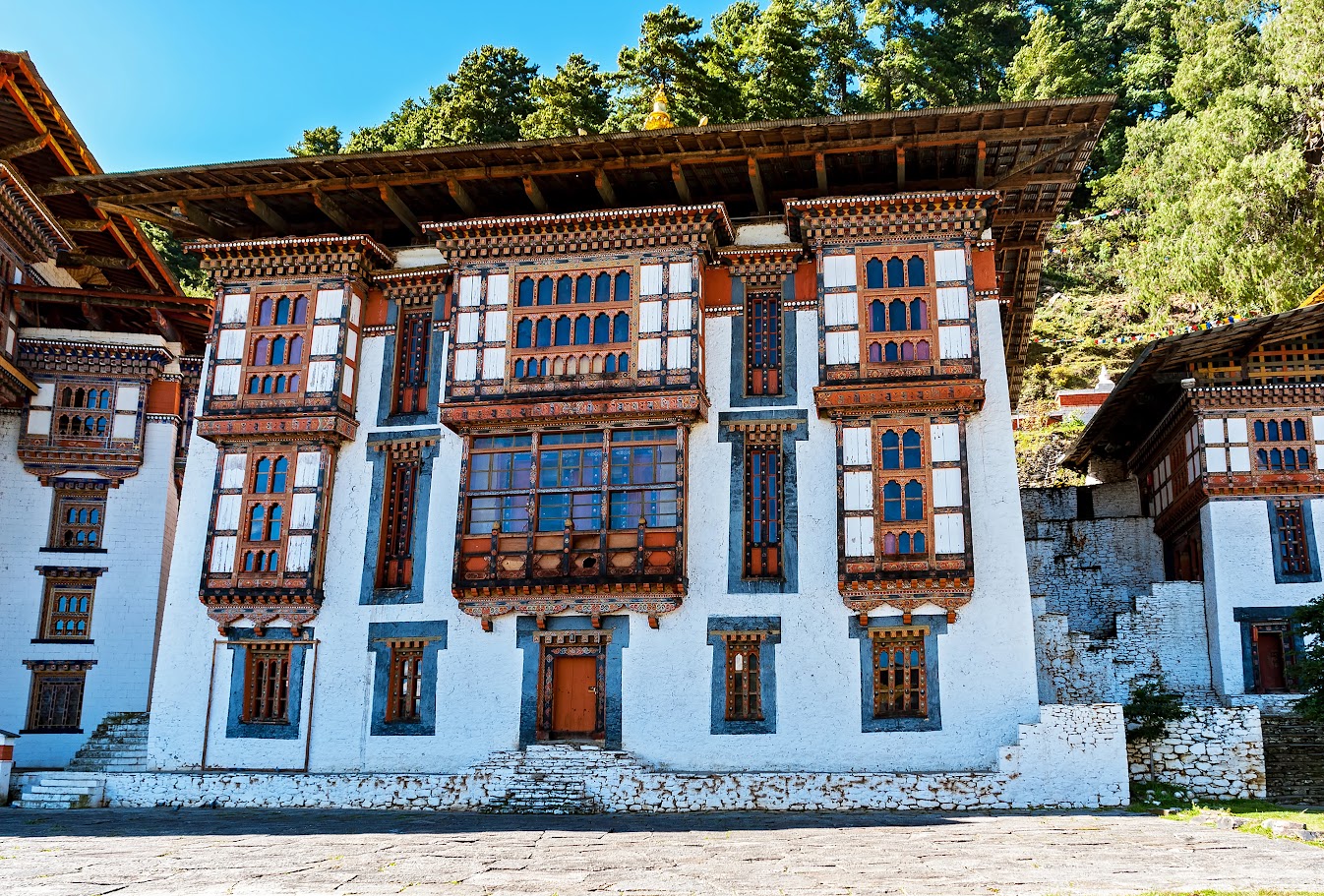
Traditional villages in Bumthang are ideal destinations for travelers to explore Bhutanese culture and local architecture.
- Learn about Bhutanese culture at the Folk Heritage Museum in Thimphu: A fascinating stop to better understand the daily life, customs, and traditional crafts of the Bhutanese people.
- Join the Haa Summer Festival (July): Held in the pristine Haa Valley, this festival celebrates the nomadic mountain culture with performances, dances, and unique local cuisine.
2.3 Autumn (September – November): Vivid Scenery & Ideal Weather
Autumn is considered the best time to travel to Bhutan. The weather is dry, the skies are clear, and the temperature is mild, ranging from 10°C to 23°C. Rainfall significantly decreases compared to summer, making it perfect for outdoor adventures and nature exploration.
Bhutan’s landscape in autumn is breathtaking, with forests and mountains turning golden and crimson. The crystal-clear skies offer stunning views of the snow-capped Himalayas in the distance—an unforgettable sight.
In addition to natural beauty, autumn is also Bhutan’s most festive season, attracting both local and international tourists.
Highlights of Bhutan in autumn:
- Attend the Thimphu Tshechu and Jambay Lhakhang Drup festivals: Two major religious events held in the capital and Bumthang Valley, featuring vibrant mask dances, traditional music, and sacred Buddhist rituals.
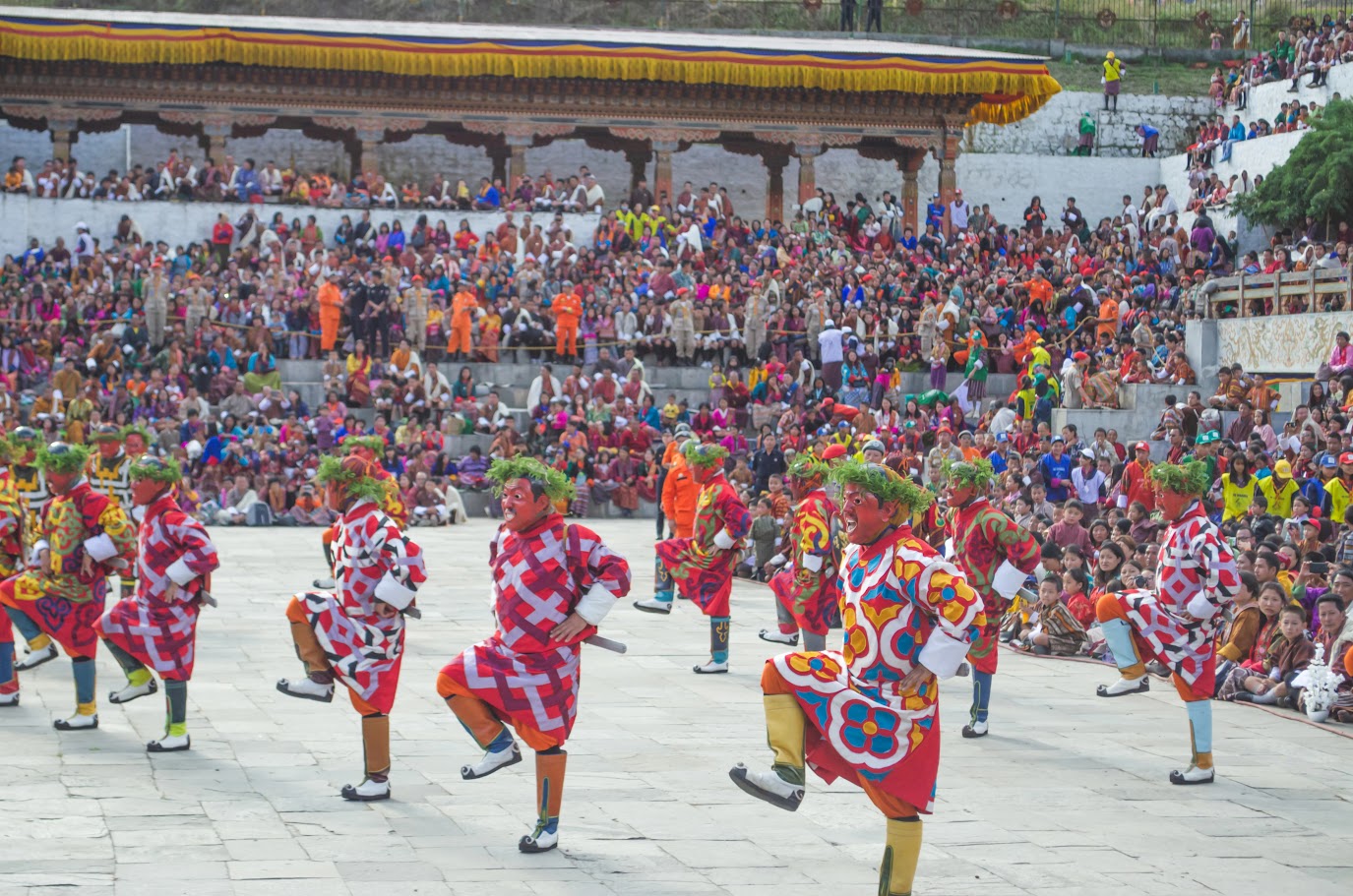
Thimphu Tshechu is one of the most iconic festivals in Bhutan during spring.
- Trek the Jomolhari Trail: Autumn offers the best trekking conditions with dry weather, clear views, and stunning mountainous landscapes.
- See autumn foliage in Bumthang Valley: This sacred and poetic region becomes ablaze with yellow-orange leaves covering rolling hills, valleys, and ancient villages.
2.4 Winter (December – February): Snowy Serenity & Quietude
Winter in Bhutan is serene and peaceful. The weather is cold, especially in the highlands, where temperatures can drop below 0°C. However, skies are typically clear with minimal rainfall—ideal for mountain viewing.
The Himalayan peaks appear sharp and majestic under the crisp winter sun, blanketed in white snow like a living ink painting. With fewer tourists, winter is perfect for those seeking tranquility, meditation, and a slower pace of life.
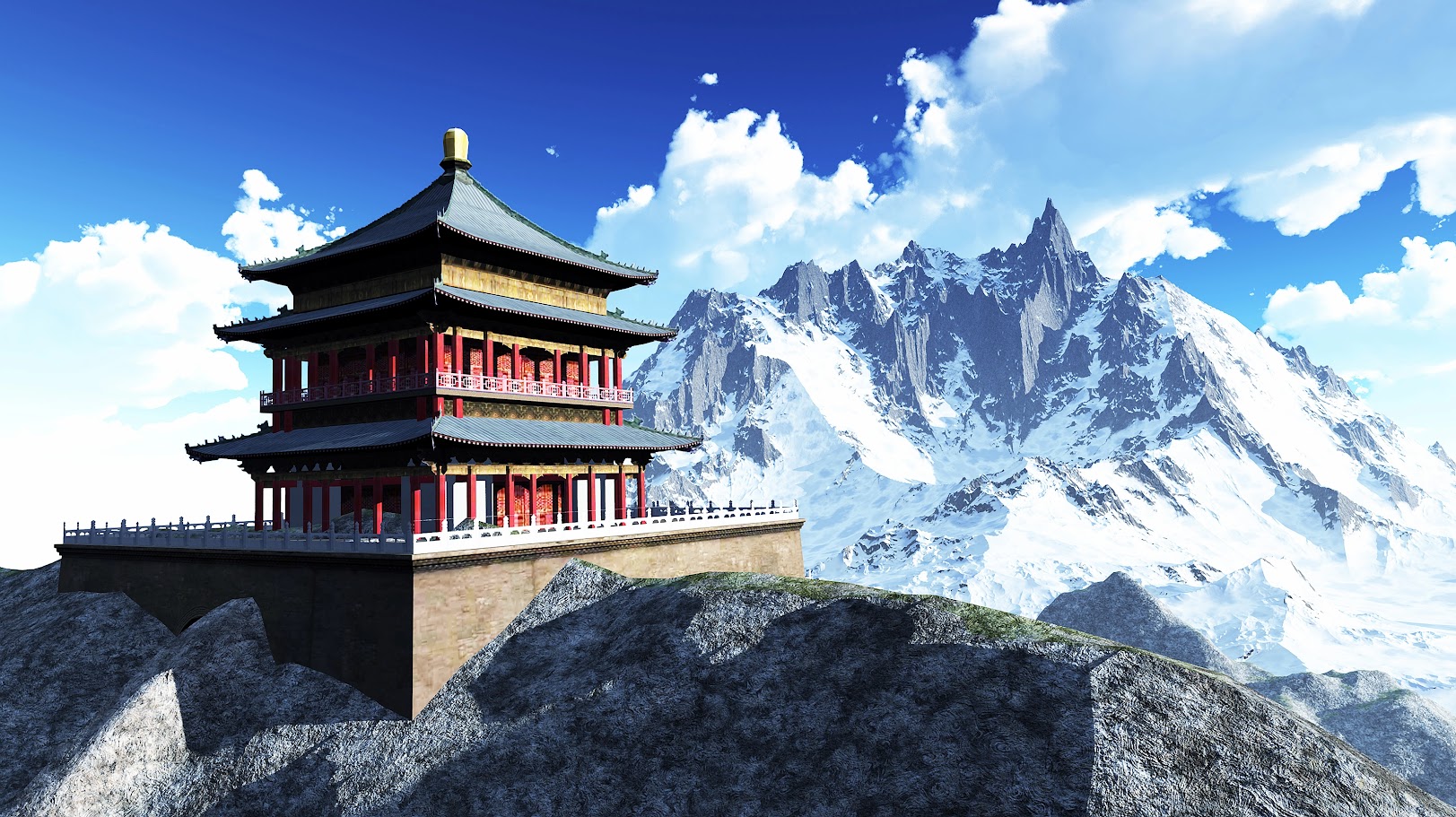
The quiet beauty of monasteries nestled in snowy mountains will leave you in awe.
Highlights of Bhutan in winter:
- Visit monasteries amidst snowy peaks: Ancient sites like Rinpung Dzong, Punakha Dzong, and Tango Monastery feel even more sacred and mystical in a snow-covered landscape.
- Observe rare black-necked cranes in Phobjikha Valley: From November to early February, hundreds of these revered birds migrate from Tibet to winter here—an extraordinary opportunity to witness Bhutan’s spiritual wildlife.
- Experience Bhutanese winter life: Stroll through peaceful villages, enjoy winter delicacies like yak meat hotpot, sip butter tea, and watch the snow fall slowly by a warm fire.
3. Tips for Traveling to Bhutan on Your Own
3.1 When is the best time to visit Bhutan?
Every season in Bhutan has its own unique charm, depending on individual preferences. For first-time visitors, spring (March–May) and autumn (September–November) are ideal for their stable weather, breathtaking scenery, and vibrant cultural festivals.
3.2 Do you need a visa to travel to Bhutan?
Yes, Vietnamese travelers must apply for a Bhutan visa before entering the country. However, Bhutan doesn’t issue visas directly. You must book a full-package tour through a government-authorized travel agency. After booking, the agency will submit your visa application and provide an electronic visa (E-Visa). Processing usually takes 5–7 working days.
3.3 How much does it cost to travel to Bhutan?
Travel costs to Bhutan are tightly regulated by the government to preserve the environment and local culture. As of 2025, the Sustainable Development Fee (SDF) is USD 100 per person per day for international visitors (excluding citizens of India, Bangladesh, and Maldives). Children aged 5–12 receive a 50% discount, and those under 5 are free.
The total cost for a trip to Bhutan generally ranges from USD 2,000 to 3,500 per person (approximately 50–85 million VND) for a 5–7 day itinerary, depending on the season and tour type.
We hope this article provided useful insights into traveling to Bhutan through the seasons. If you’re drawn to this happy kingdom with pristine nature and a vibrant native culture, start planning your journey to Bhutan today!
Stay updated on flight routes, promotions, and travel tips via Vietjet’s official channels.
- Website: https://www.vietjetair.com
- Facebook: https://www.facebook.com/vietjetvietnam
- Instagram: https://instagram.com/vietjet
- YouTube: https://www.youtube.com/VietjetOfficial
- TikTok: https://www.tiktok.com/@vietjetvietnam
- Zalo: https://oa.zalo.me/vietjet