Booking
 Skyshop
 Hotel
Hotel
 E-Voucher
 E-Sim
E-Sim
 E-Visa
 Buy foreign currency
 Insurance
 SkyJoy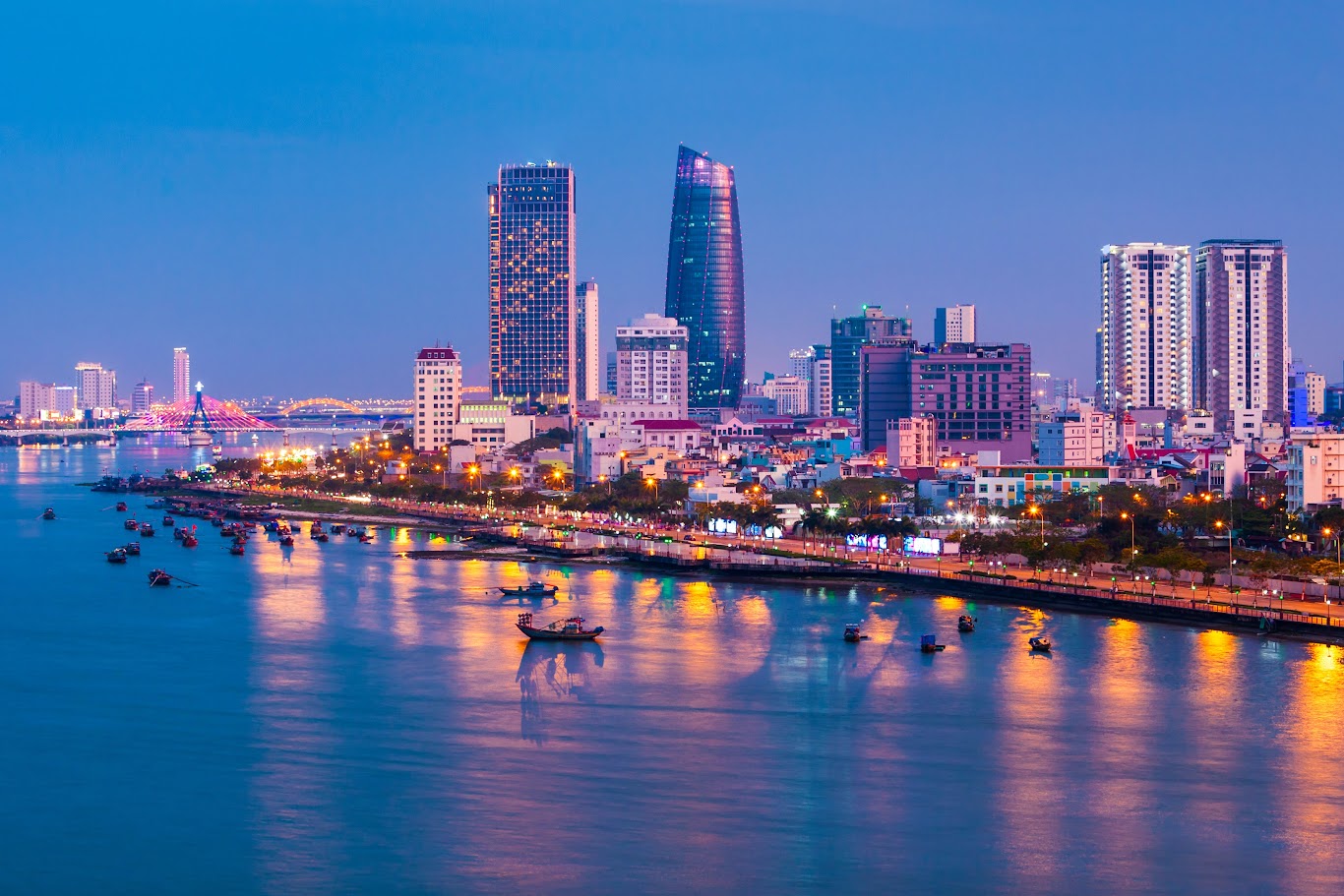
Da Nang has its own unique beauty in every season: the vibrant summer with golden sunshine and blue sea; the rainy season brings romantic and peaceful corners. Are you wondering which month to visit Da Nang? Let's explore with Vietjet the secrets to choosing the ideal time for a memorable trip.
1. Why is it important to choose the right season to visit Da Nang?
Dubbed the "most livable city in Vietnam," Da Nang has long left a mark in the hearts of tourists with its beauty that is both modern and dynamic, yet harmoniously intertwined with nature. From the alluring My Khe beach, repeatedly recognized by Vinh International Airport as one of the most beautiful beaches in the world, to the Golden Bridge at Ba Na Hills - an iconic structure that has caused a global sensation, or the lush Son Tra peninsula - home to the rare brown-legged macaque, all have created a tourist paradise that anyone yearns to set foot in at least once.
However, the question that always makes many people ponder before booking a flight is: "What season is the best to visit Da Nang?". Each season of the year here brings its own unique color with festivals and characteristic activities.
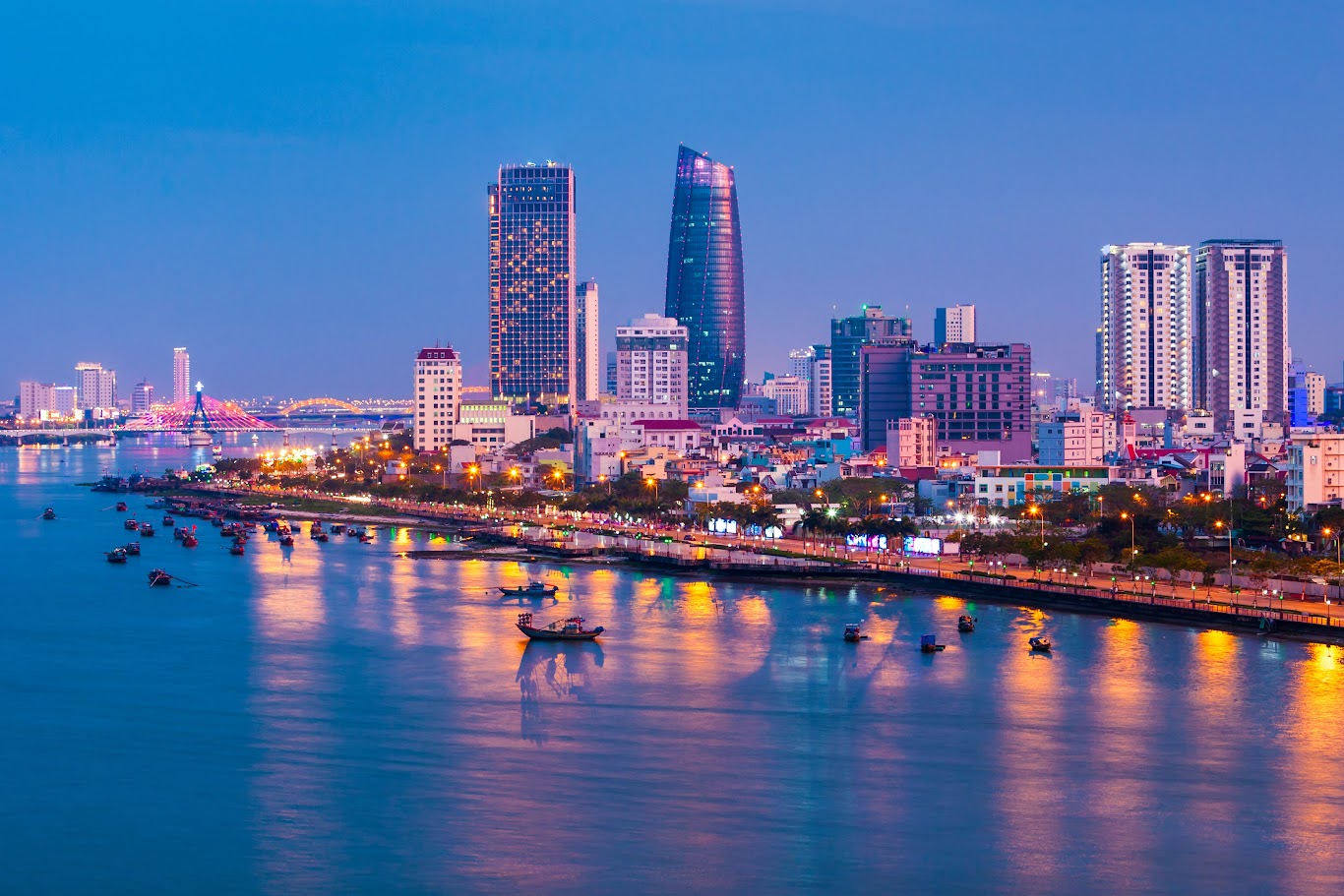
Da Nang is a tourist city with a special charm as each season has its own beauty.
Choosing the right time to visit Da Nang not only helps you fully enjoy the scenery and atmosphere according to your preferences but also directly affects costs, schedules, and comfort during the journey.
See more: An Thuong Street: The nightlife area in Da Nang
2. Da Nang's weather throughout the year
Located in the sunny and windy central region, Da Nang has a characteristic tropical monsoon climate with two distinct seasons: dry season and rainy season. This division creates different nuances for the journey to explore the "most livable city."
The dry season lasts from March to August, when the sky is clear, the sun is bright, and there is almost no rain. This is the "golden time" for tourists to fully enjoy My Khe beach - which has once been listed among the most beautiful beaches in the world, or to wander to outdoor attractions like Marble Mountains, Ba Na Hills, and Son Tra peninsula. The lively and youthful atmosphere of summer also makes Da Nang a paradise for those who love festivals, especially the vibrant international fireworks festival on the Han River.
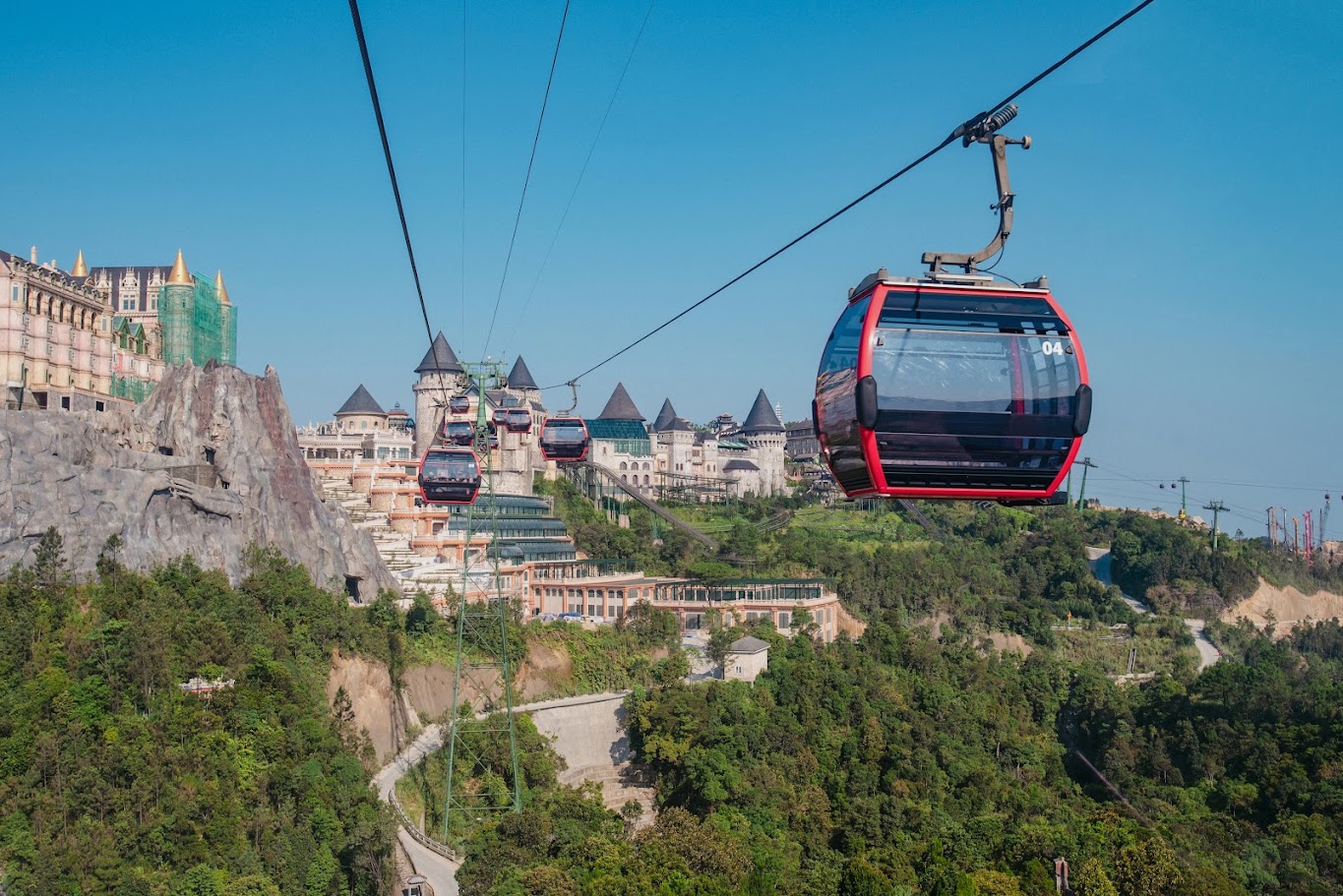
Ba Na Hill Cable Car - one of the famous landmarks where visitors can comfortably enjoy the whole day when coming to Da Nang in the dry season.
In contrast, the rainy season in Da Nang lasts from September to February of the following year, when the weather is cool, sometimes chilly. Sudden rain showers can interrupt plans for beach bathing or outdoor fun, but on the other hand, this is the ideal season for visitors to seek out slower experiences: relaxing in coastal resorts, enjoying local cuisine, or visiting the ancient town of Hoi An - a heritage site just about 30 minutes away from the center of Da Nang.
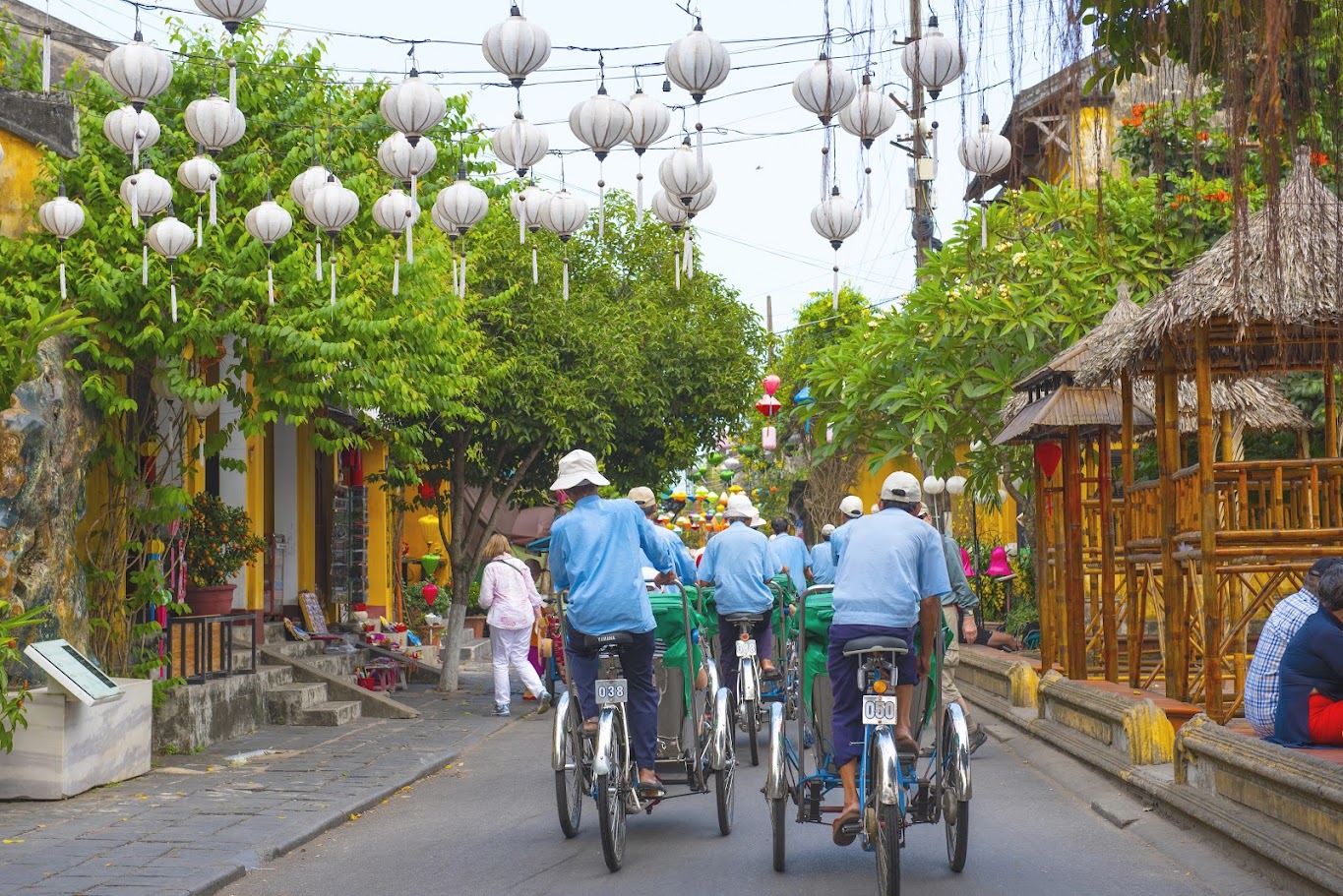
The ancient town of Hoi An with its poetic and peaceful beauty - a place where visitors often choose to relax when coming to Da Nang in the rainy season.
It can be said that the weather for tourism in Da Nang has never been too harsh. Each season has its own charm; as long as you know how to arrange a suitable itinerary, your journey will surely become complete and filled with memories.
3. When is the best season to visit Da Nang?
If you are wondering "which month should I visit Da Nang for the most memorable experience?", the answer depends on your preferred travel style. Da Nang has two distinct seasons: the dry season and the rainy season. Each season brings its own beauty, promising to offer you different emotional experiences.
3.1. Dry season (March - August): The golden time for tourism
The dry season is considered the ideal period for traveling to Da Nang. From March to May, the weather is pleasant, with moderate sunshine, clear skies, and calm seas. This is the "golden" time for those who want to enjoy the beauty of My Khe beach when it is not too crowded, or leisurely explore the Marble Mountains and Son Tra Peninsula in fresh air.
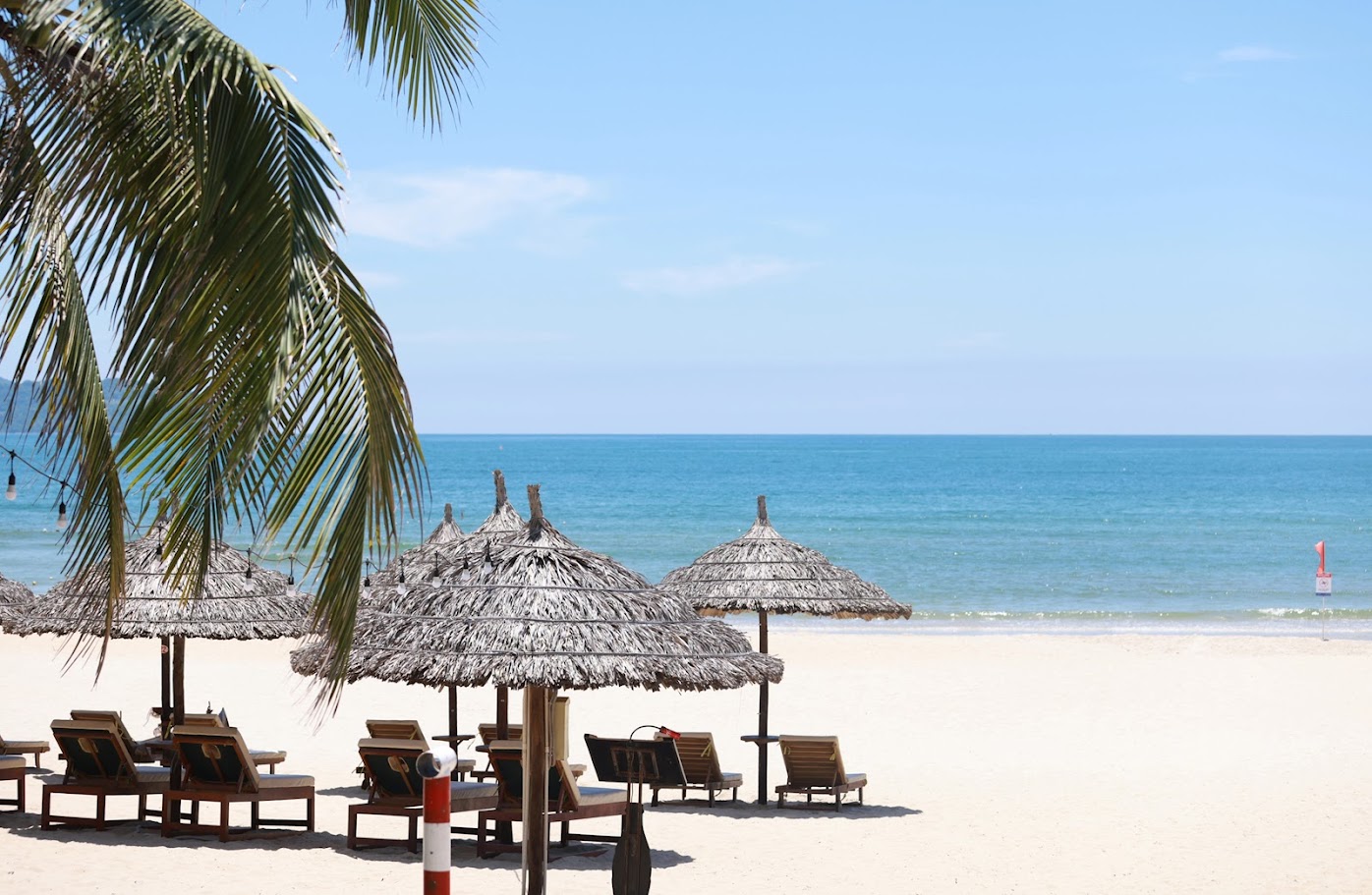
My Khe - a famous beach with a long stretch of sand and crystal-clear water is a familiar resort for many beach lovers when summer arrives.
Entering June - August, Da Nang enters the peak of summer tourism. The city becomes more vibrant than ever: My Khe beach shines with golden sunlight, bustling with crowds; entertainment areas like Asia Park or Ba Na Hills are packed with visitors. This is also the season for the Da Nang International Fireworks Festival (DIFF) - a world-class event with dazzling artistic fireworks on the Han River, attracting millions of visitors each year.
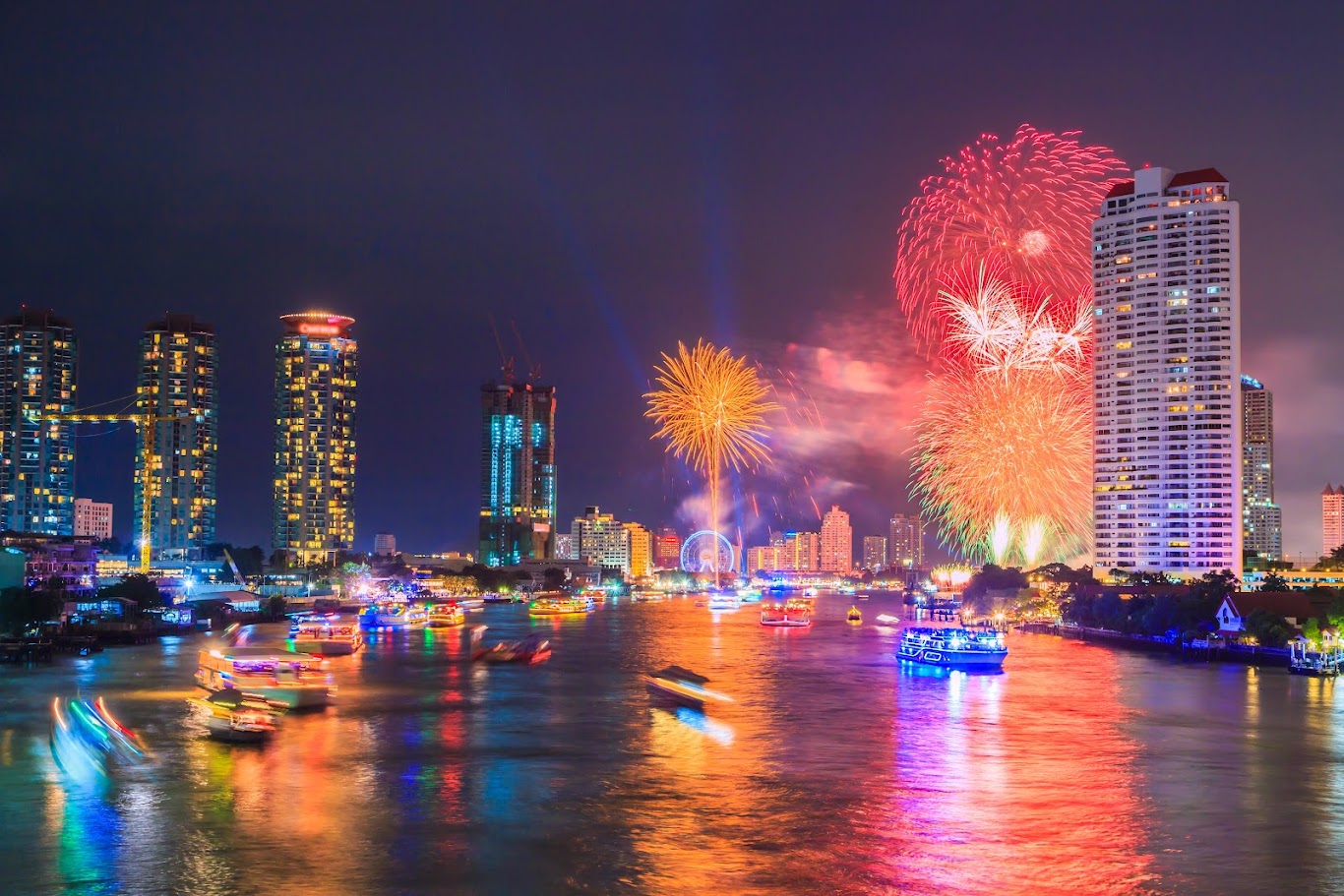
The sky of Da Nang is dazzling with hundreds of eye-catching fireworks displays during the annual international fireworks festival.
The summer in Da Nang also pleases tourists with a series of unique beach experiences: sunbathing, snorkeling, paddleboarding, or drifting on a cruise to admire the city illuminated by lights at night. Additionally, if you enjoy physical activities, climbing the Marble Mountains or trekking on the Son Tra Peninsula will definitely be worth trying.
Of course, visiting Da Nang in the dry season means you have to accept higher costs, from flight tickets to hotels. But in return, you will have the opportunity to fully enjoy all the beautiful aspects of this coastal city.
3.2. Rainy season (September - February): Unique experiences, cost savings
Many tourists often hesitate when thinking about going to Da Nang during the rainy season. But few know that this is the ideal time for those who love tranquility and a very different Da Nang.
From September to February of the following year, the city dons a chilly atmosphere, sometimes with sudden rain showers. Therefore, the number of tourists decreases significantly, leaving you with rare quiet spaces. The beaches become deserted, no longer crowded; famous attractions also take on a more serene and poetic beauty.
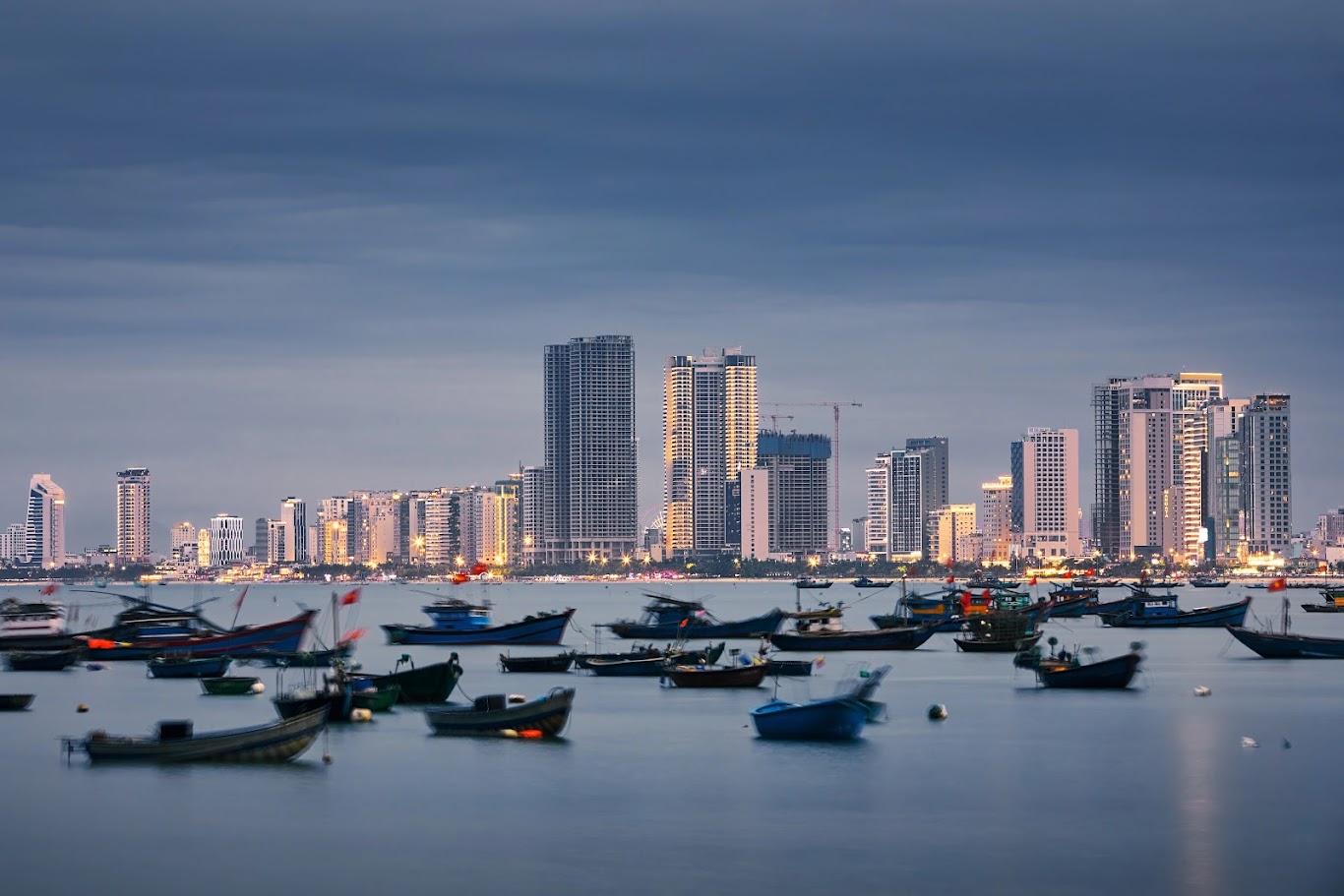
Unlike the vibrant beauty of the dry season, My Khe beach wears a calm demeanor when Da Nang enters the rainy season.
The biggest advantage of this season is the cost: flight tickets, hotels, and travel services all drop significantly. This is a great opportunity for you to hunt for attractive combos while still saving costs.
In terms of experience, the rainy season opens up a very different aspect of Da Nang. You can leisurely stroll along the Han River, find a quiet café to watch the rain, or enjoy hot signature dishes like Quang noodles, pork rice paper rolls, and fish cake noodles. A trip in the chilly weather is also a perfect occasion to visit the ancient town of Hoi An, admiring the brightly lit lanterns reflecting on the wet streets. If you want to learn about culture and history, you can visit the Cham Museum or the Chicken Church, indoor destinations that are not much affected by the weather.
However, there is an important note: the months of September to November often coincide with the rainy and stormy season in Central Vietnam. Therefore, before scheduling, you should closely monitor the weather forecast to avoid inconveniences. Additionally, some outdoor activities such as swimming or climbing may be restricted.
For those who value privacy, enjoy slow travel, or simply want to save costs while fully enjoying the flavors of a coastal city, then Da Nang in the rainy season is truly a great choice.
4. Tips for a budget-friendly self-guided trip to Da Nang that is still full of fun
A complete trip to Da Nang not only depends on choosing the right season but also on how you smartly arrange your itinerary. If you know a few self-guided travel tips for Da Nang, you can save costs while fully enjoying every memorable moment.
First, hunt for flight tickets and hotels early. During the peak summer season, you should book at least 1 - 2 months in advance to get reasonable prices. Additionally, many flight and hotel combo deals are often cheaper and more convenient than booking separately. Vietjet is always with you on every trip with a series of direct flights to Da Nang, super-saving ticket prices, and many flexible time slots. Just a click to book tickets on the Vietjet website or app, and you are ready to "take off" to this beautiful coastal city.
When you arrive in Da Nang, renting a motorbike is a great choice for your exploration journey. For only 120,000 - 150,000 VND/day, you can freely weave through every street, stop anywhere to enjoy local cuisine, or actively move to Hoi An, Hue without being constrained by a tour.
An interesting suggestion for first-timers is to try the 3-day, 2-night itinerary in Da Nang following the "Central Heritage Triangle" of Da Nang - Hoi An - Hue:
- Day 1: Swim at My Khe Beach, check-in at Dragon Bridge, have fun at Ba Na Hills.
- Day 2: Explore the ancient town of Hoi An shimmering with lantern lights, enjoy cao lau, and release lanterns on the Hoai River.
- Day 3: Visit the ancient capital of Hue - tour the Imperial City, Thien Mu Pagoda, and enjoy exquisite royal cuisine.
These self-guided tips for traveling to Da Nang not only help you save quite a bit of money but also make your 3D2N journey more complete and memorable than ever.
See more: What to eat in Da Nang? Must-try specialties
Da Nang not only captivates tourists with its blue sea, white sand, and golden sunshine but also with unforgettable cultural and culinary experiences. From the rich flavor of Quang noodles, rustic pork rice paper rolls, to the moment of releasing shimmering lanterns in Hoi An or watching the brilliant fireworks on the Han River - all create a journey that will leave you with lasting memories.
So why hesitate to “hunt” for flight tickets to Da Nang with Vietjet to enjoy this beautiful coastal city? Especially, currently Vietjet is offering a 0 VND ticket promotion during the golden hours of 12 PM - 2 PM every day. Discover the 0 VND ticket promotion here and quickly choose your journey.
Please update your travel guide for Vietjet through the following channels: