Booking
 Skyshop
 Hotel
Hotel
 E-Voucher
 E-Sim
E-Sim
 E-Visa
 Buy foreign currency
 Insurance
 SkyJoy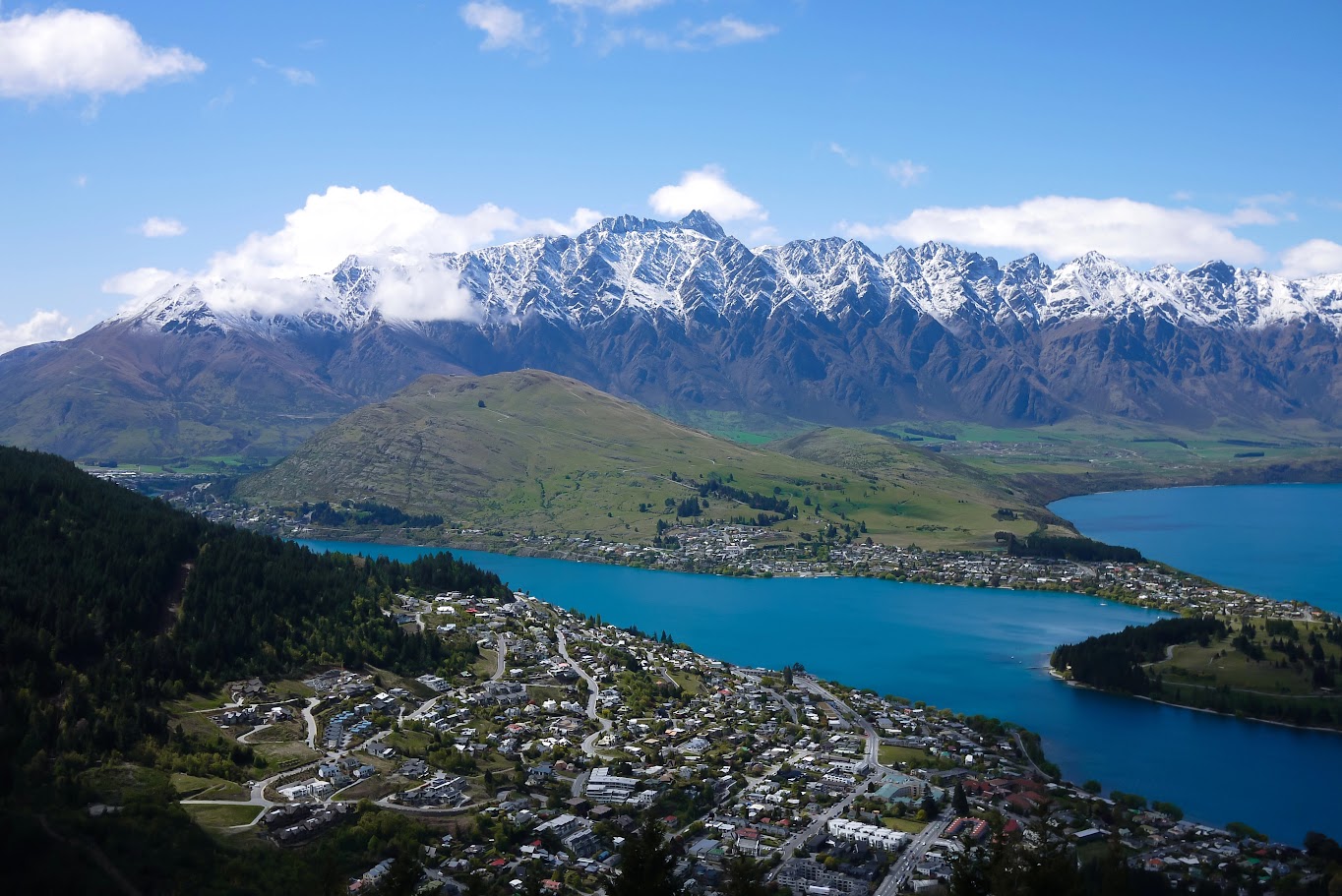
New Zealand is a beautiful island nation located in the South Pacific. With its majestic landscapes, unique culture, and enticing cuisine, this is a dream destination for many travel enthusiasts. However, to have a perfect trip, the question “When is the best season to visit New Zealand?” is always a top concern. This article will help you explore the weather, activities, festivals, and signature dishes of each season in New Zealand, from Spring, Summer, Autumn to Winter.
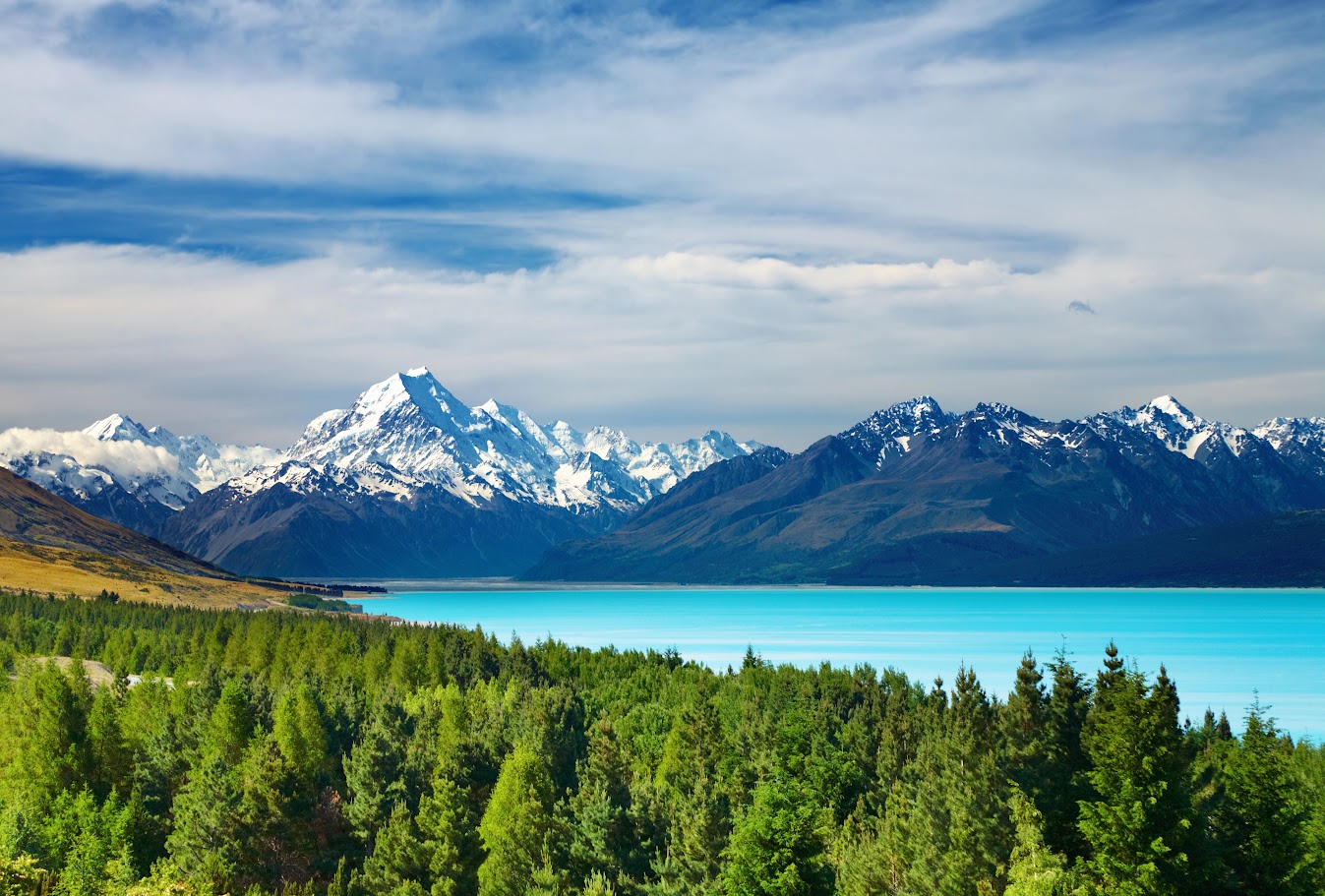
Each season in New Zealand offers its own beauty and unique experiences.
Book your Vietjet flight tickets to New Zealand today to experience the most beautiful seasons of this island nation.
1. Traveling to New Zealand in Spring
1.1 Spring Weather in New Zealand
Spring in New Zealand has an average temperature ranging from 15–20°C, with warm, fresh weather and occasional light showers. This is an ideal time for outdoor exploration, as the sunlight is gentle and the days are longer. The North Island is generally warmer, while the South Island — especially areas like Queenstown or Wanaka — can still be chilly in early spring. In particular, the Southern Alps can experience temperatures below 10°C at the start of the season.
1.2 What’s Special About Visiting New Zealand in Spring?
Spring is an ideal time to discover nature and join cultural events in New Zealand. It is also considered a low season, which helps you save costs and avoid crowds.
Activities to experience:
- Explore nature: Join famous hiking trails such as the Tongariro Alpine Crossing or the Abel Tasman Coast Track, where you’ll enjoy vibrant spring scenery with lush forests and cascading waterfalls.
- Visit gardens: Parks such as Hagley Park (Christchurch) or the Dunedin Botanic Garden burst into bloom, especially with cherry blossoms and rhododendrons — creating picture-perfect backdrops.
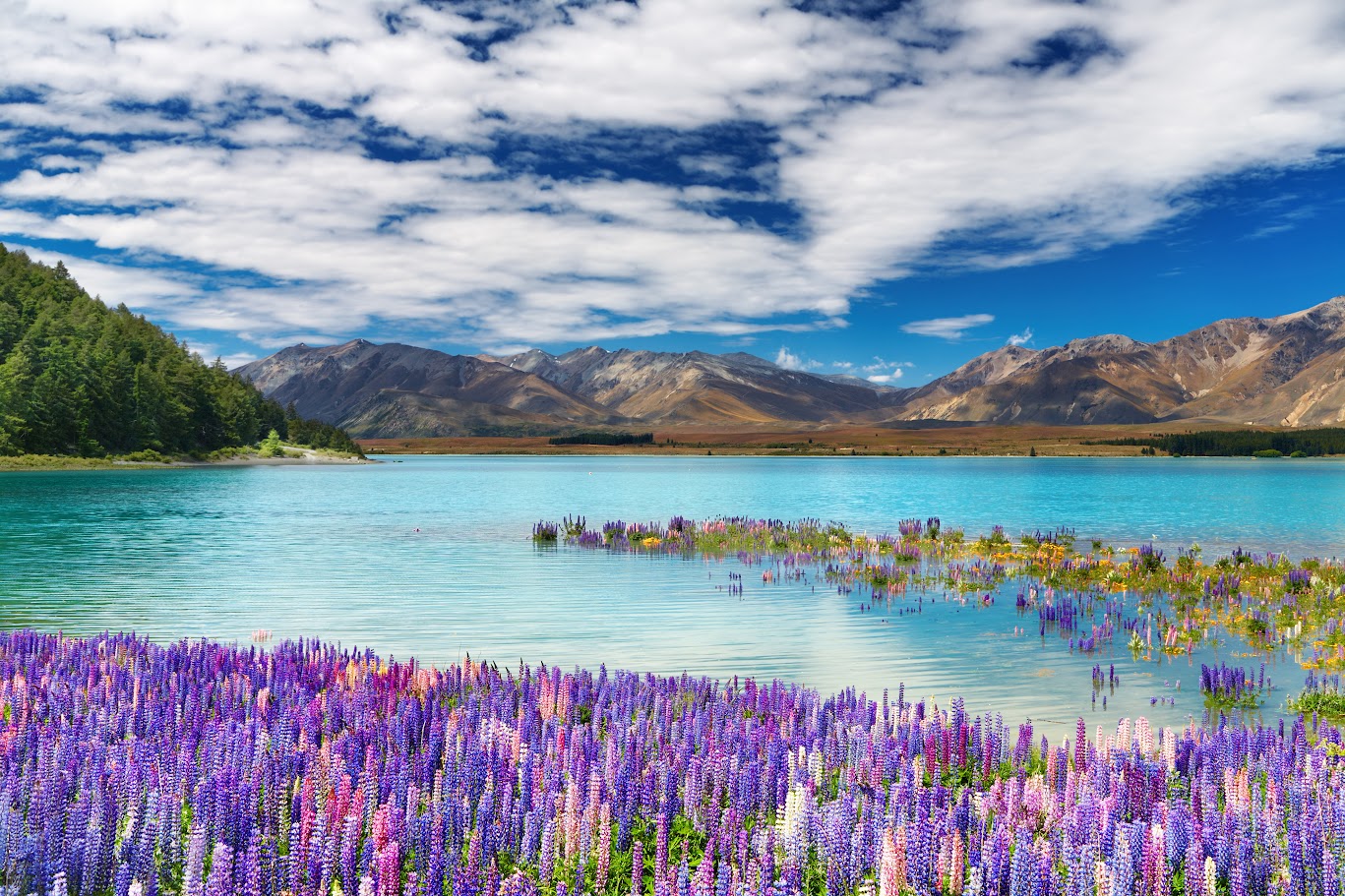
Spring in New Zealand is when nature awakens, trees sprout new leaves, and flowers bloom vibrantly.
- Enjoy wine tasting: Spring is a great time to visit vineyards in Marlborough or Hawke’s Bay, where you can savor the world-famous Sauvignon Blanc.
- Spot wildlife: This is the breeding season for many animals such as seals, penguins, and whales. Kaikoura is the perfect destination to see whales and seals in their natural habitat.
Highlight Festivals:
- Alexandra Blossom Festival: An annual event in Alexandra, Central Otago, held since 1957 to celebrate spring, agriculture, and community spirit. It lasts 17 days every September, making it the oldest community festival in New Zealand.
- Taranaki Garden Festival: Held every November, this event showcases New Zealand’s most beautiful gardens with tours and gardening workshops.
- Auckland Diwali Festival: The largest Indian cultural festival in New Zealand, celebrated every year at Aotea Square and Queen Street in central Auckland in late October or early November.
Spring Delicacies:
- Roast lamb with rosemary: A signature dish paired with freshly harvested vegetables for a delightful culinary experience.
- Seasonal fruits: Strawberries and cherries (late spring).
2. Traveling to New Zealand in Summer
2.1 Summer Weather in New Zealand
If you wonder which month marks the peak travel season in New Zealand, the answer is summer. Summer in New Zealand lasts from December to February, bringing warm, dry, and pleasant weather with average temperatures from 20–25°C. Showers may occur occasionally but generally don’t affect outdoor activities.
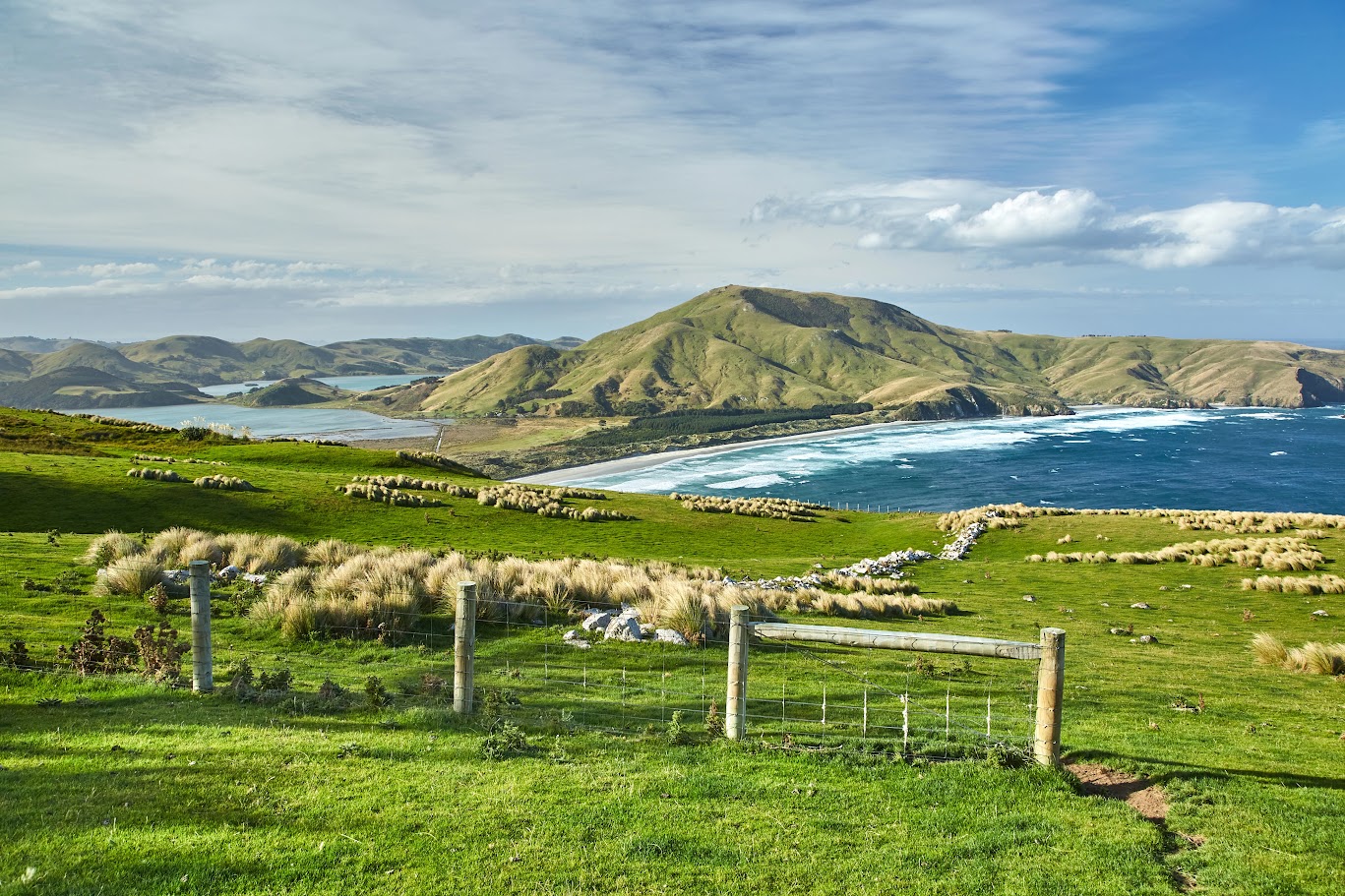
Summer is the perfect time to enjoy beaches, explore nature, and join vibrant festivals.
2.2 What’s Special About Visiting New Zealand in Summer?
Summer is the peak travel season in New Zealand, when the “Kiwi land” shows off its full beauty with warm sunny days, breathtaking landscapes, and countless outdoor activities.
Activities to Experience:
- Swimming and surfing: With 15,000 km of coastline, New Zealand is a paradise for water sports. Famous beaches such as Bay of Islands, Piha (Auckland), or Raglan are ideal for swimming, surfing, or spotting seals and dolphins.
- Camping: Try camping at spots like Lake Wanaka or coastal eco-resorts, where you can enjoy nature while staying comfortable. Renting a campervan is another popular option to explore “hidden paradises” like Great Barrier Island — fully powered by solar energy and recognized as a Dark Sky Reserve.
- Marine wildlife encounters: Join whale-watching tours in Kaikōura, swim with dolphins, or see little blue penguins in Oamaru. Guided tours will help you better understand New Zealand’s unique marine ecosystem.
Highlight Festivals:
- South Island Wine & Food Festival: A gourmet event with wine, craft beer, fine food, and live cooking shows from top chefs, held annually in Christchurch every December.
- Waitangi Day: Celebrated annually on February 6, this marks the signing of the Treaty of Waitangi, New Zealand’s founding document. Festivities include Māori cultural performances such as the haka dance, waka (canoe) races, and parades in the Bay of Islands.
- Rhythm and Vines: The biggest annual music festival in New Zealand, hosted at Waiohika Estate vineyard near Gisborne. Taking place at year’s end, it lets you welcome the New Year under the summer sun with electrifying music.
Summer Delicacies:
- Fresh seafood: Enjoy lobster, scallops, and fresh fish at seaside restaurants, especially in Kaikōura or Auckland.
- Hāngī: A traditional Māori dish cooked underground with lamb, chicken, and vegetables, rich in flavor and often served during cultural events.
- Fresh fruits: Summer is the best time to taste kiwi fruit, strawberries, cherries, and apricots.
3. Traveling to New Zealand in Autumn
3.1 Autumn Weather in New Zealand
Autumn in New Zealand lasts from March to May, with average temperatures ranging from 12–20°C, cool and comfortable. This is an ideal travel season with stable weather, less rainfall compared to spring and winter, clear sunny days, and crisp evenings. Regions like Central Otago, Hawke’s Bay, and Arrowtown stand out with brilliant golden and red foliage, while mountain areas such as the Southern Alps can get chilly toward the end of the season.
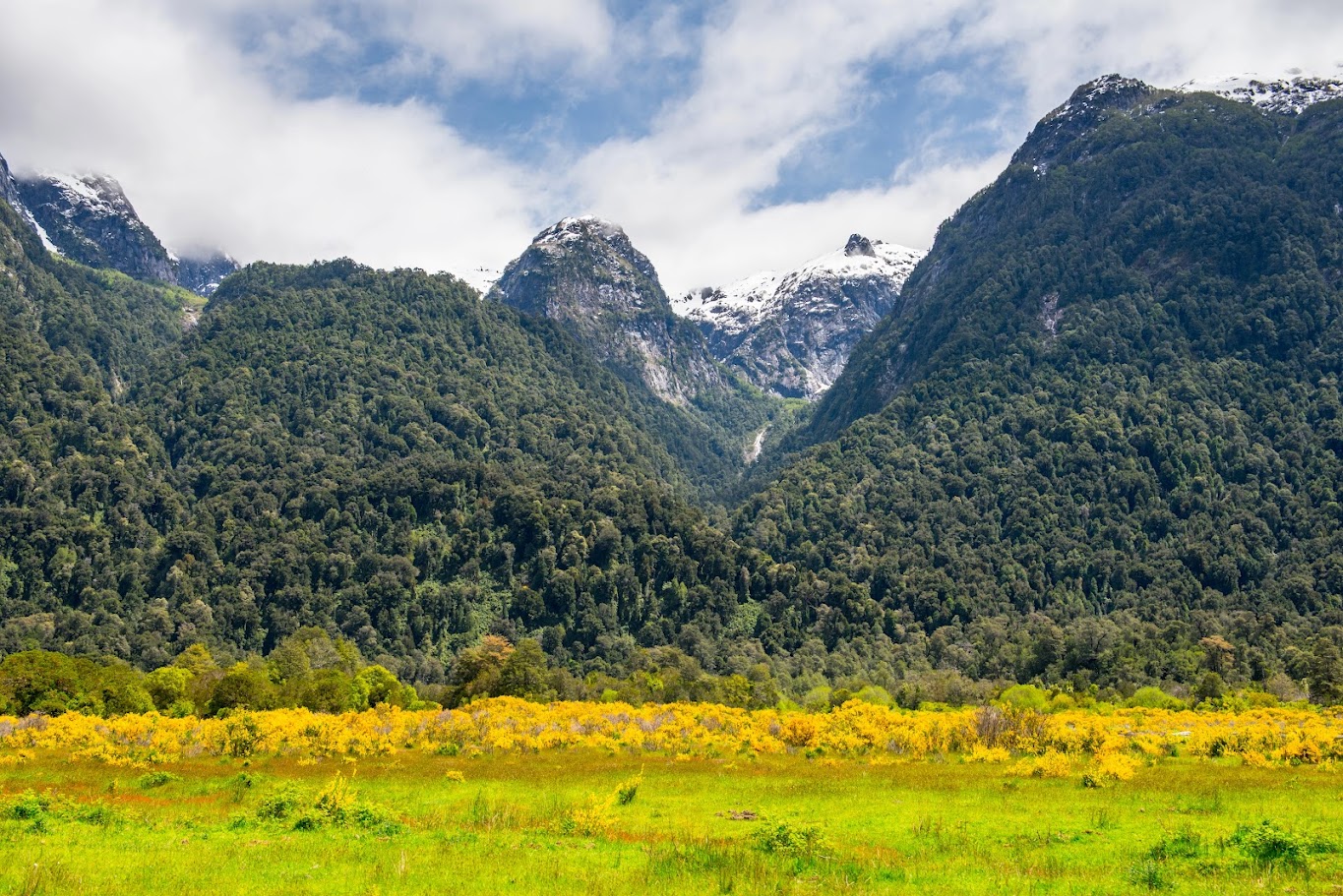
Autumn is considered one of the most beautiful seasons to visit New Zealand.
3.2 What’s Special About Visiting New Zealand in Autumn?
If you’re wondering which season in New Zealand has gentle sunshine and low humidity — perfect for outdoor activities — the answer is autumn. This is also the harvest season, filling farmers’ markets and restaurants with fresh produce.
Activities to Experience:
- Autumn foliage & hiking: Explore tracks like Routeburn Track, Lake Wānaka, or Arrowtown, where forests turn golden and crimson like a painting. Arrowtown, a historic gold-mining town, is a must-visit, with Buckingham Street glowing in autumn colors.
- Vineyard tours: Autumn is grape harvest season in Marlborough and Central Otago — ideal for savoring Pinot Noir and Sauvignon Blanc. Wine-tasting tours combined with romantic autumn landscapes make for an unforgettable experience.
- Photography with nature: Places like Lake Wakatipu (Queenstown) or Huka Falls (Taupō) become breathtaking as autumn leaves reflect on the water, offering spectacular photo opportunities.
Highlight Festival:
- Arrowtown Autumn Festival: Held in late April, this festival in Arrowtown celebrates the beauty of autumn foliage while honoring the town’s cultural heritage and community spirit. It is one of the most popular autumn events in New Zealand, drawing thousands of visitors for its vibrant atmosphere and romantic scenery.
Autumn Delicacies:
- Local pies: Hot pies with fillings like lamb, beef, or vegetables, often sold at local markets, are a seasonal specialty.
- Truffles: Autumn is truffle harvest season in certain regions like Canterbury and Waikato.
See also: Tips to Save Money on Your First Trip to New Zealand
4. Traveling to New Zealand in Winter
4.1 Winter Weather in New Zealand
Winter in New Zealand lasts from June to August, offering diverse landscapes and unique experiences. Average winter temperatures range from 10–16°C. However, in the South Island — particularly in Queenstown or Aoraki — temperatures can drop below 5°C, and even below freezing in mountain regions. Still, New Zealand’s winters are not as harsh as those in Europe or North America, and outdoor activities such as hiking or surfing remain popular among travelers.
4.2 What’s Special About Visiting New Zealand in Winter?
Winter in New Zealand has its own unique charm. It’s an ideal season for those seeking snowy adventures or a relaxing holiday.
Activities to Experience:
- Skiing and snowboarding: Both the South Island, with its majestic Southern Alps, and the North Island, with its impressive mountains, offer plenty of options for winter sports enthusiasts.
- Soaking in hot pools: Relaxing in the warm waters of natural hot springs is the perfect way to ward off the winter chill.
- Watching the Southern Lights: On clear nights, you may have the chance to witness this magical aurora phenomenon in the southern skies.
- Riding the TranzAlpine Train: This scenic train journey provides breathtaking views of the snow-covered Southern Alps.
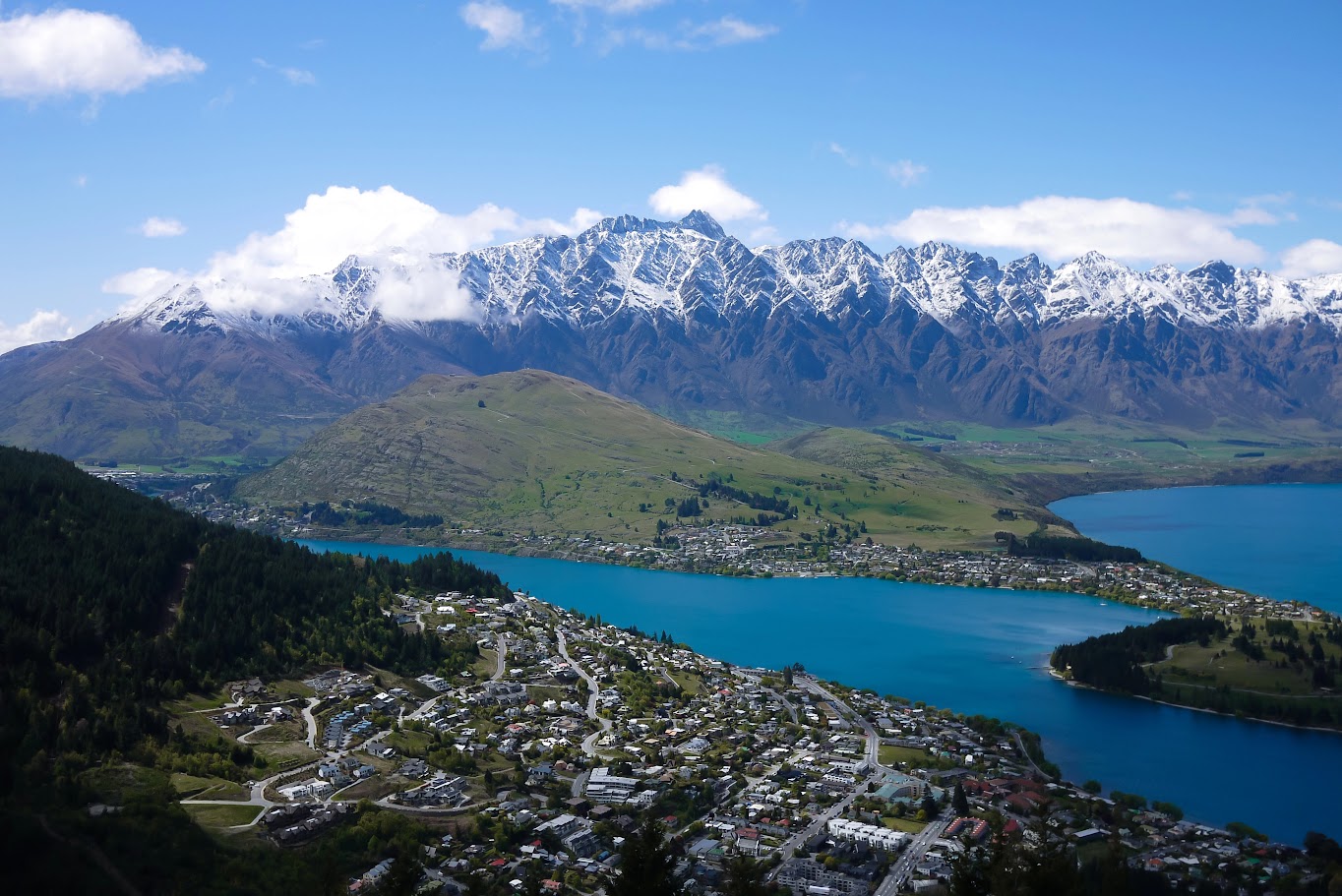
If you love winter sports and want to see snow, winter is the right season.
Highlight Festivals:
- Queenstown Winter Festival: Once known as the “biggest winter party in the Southern Hemisphere,” held annually since 1975, but canceled in 2023 due to unsustainable operating costs.
- Matariki Festival: The Māori New Year celebration, marked by the rising of the Matariki (Pleiades) star cluster. This significant cultural event features Māori performances, art exhibitions, workshops, kite flying, and stargazing. Many cities hold their own celebrations, such as Auckland, which includes haka competitions and Māori storytelling.
Winter Delicacies:
- Braised lamb shank: World-famous New Zealand lamb shanks slow-cooked with red wine, herbs (rosemary, thyme), garlic, and vegetables like potatoes, carrots, and celery. Served with crusty bread or mashed potatoes.
- Māori Hāngī: A traditional Māori dish prepared in an earth oven (umu) by placing meat (often lamb, chicken, or pork), kumara (sweet potato), pumpkin, and vegetables on hot stones underground, then covering and slow-cooking for hours.
- Pavlova – the winter meringue cake: New Zealand’s iconic dessert, with a crisp outer shell and soft inside, topped with fresh cream and seasonal fruits.
See also: South Island New Zealand Travel Guide – Itinerary & Costs
Overall, traveling in New Zealand during any season is an unforgettable journey, as each brings a different side of the country — from majestic nature and rich culture to lively festivals.To start your trip smoothly, don’t forget to check Vietjet’s flight routes to New Zealand. Plus, take advantage of the special 0 VND domestic and international tickets available daily between 12 PM – 2 PM for the best fares. See details HERE.
Follow Vietjet’s official channels for flight information, promotions, and travel guides.
- Website: https://www.vietjetair.com
- Facebook: https://www.facebook.com/vietjetvietnam
- Instagram: https://instagram.com/vietjet
- YouTube: https://www.youtube.com/VietjetOfficial
- TikTok: https://www.tiktok.com/@vietjetvietnam
- Zalo: https://oa.zalo.me/vietjet