Booking
 Skyshop
 Hotel
Hotel
 E-Voucher
 E-Sim
E-Sim
 E-Visa
 Buy foreign currency
 Insurance
 SkyJoy
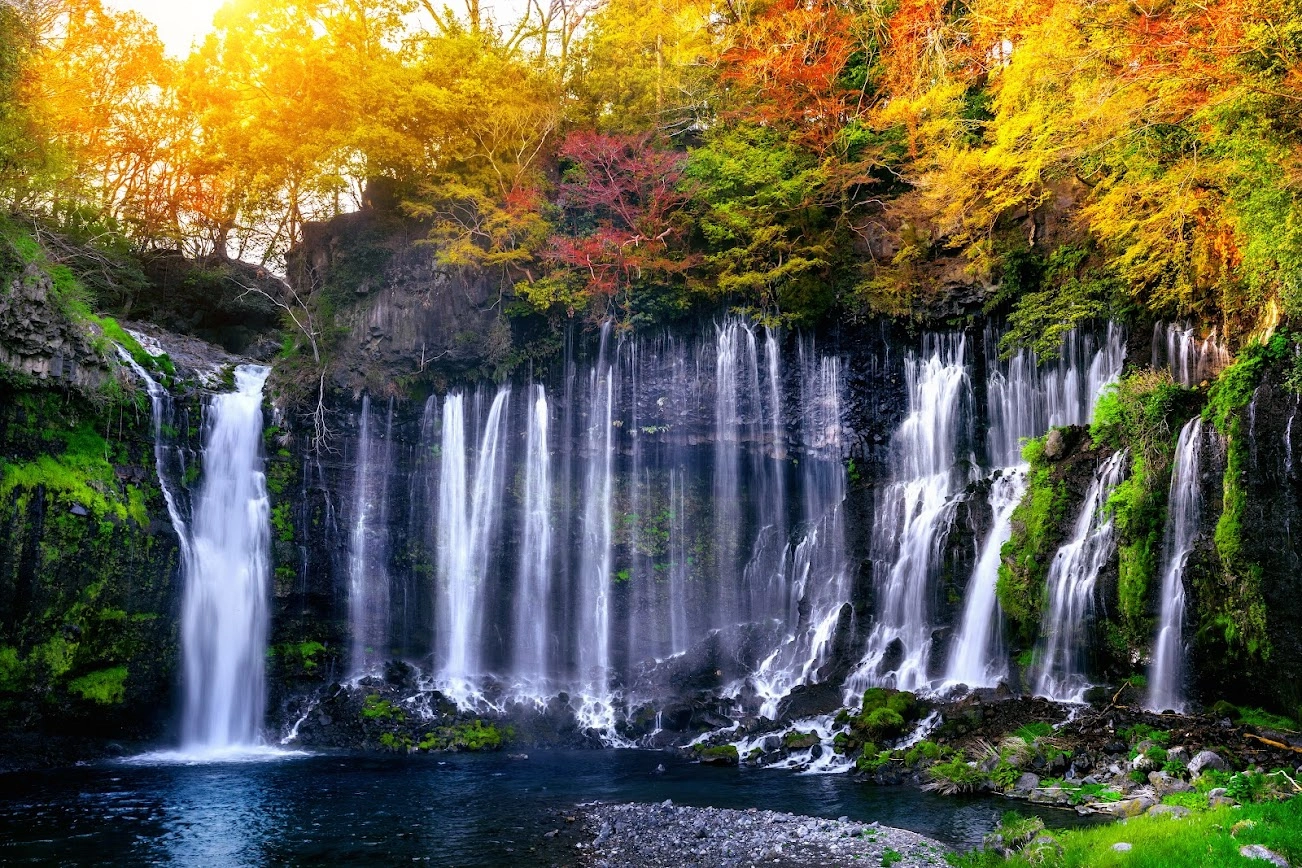
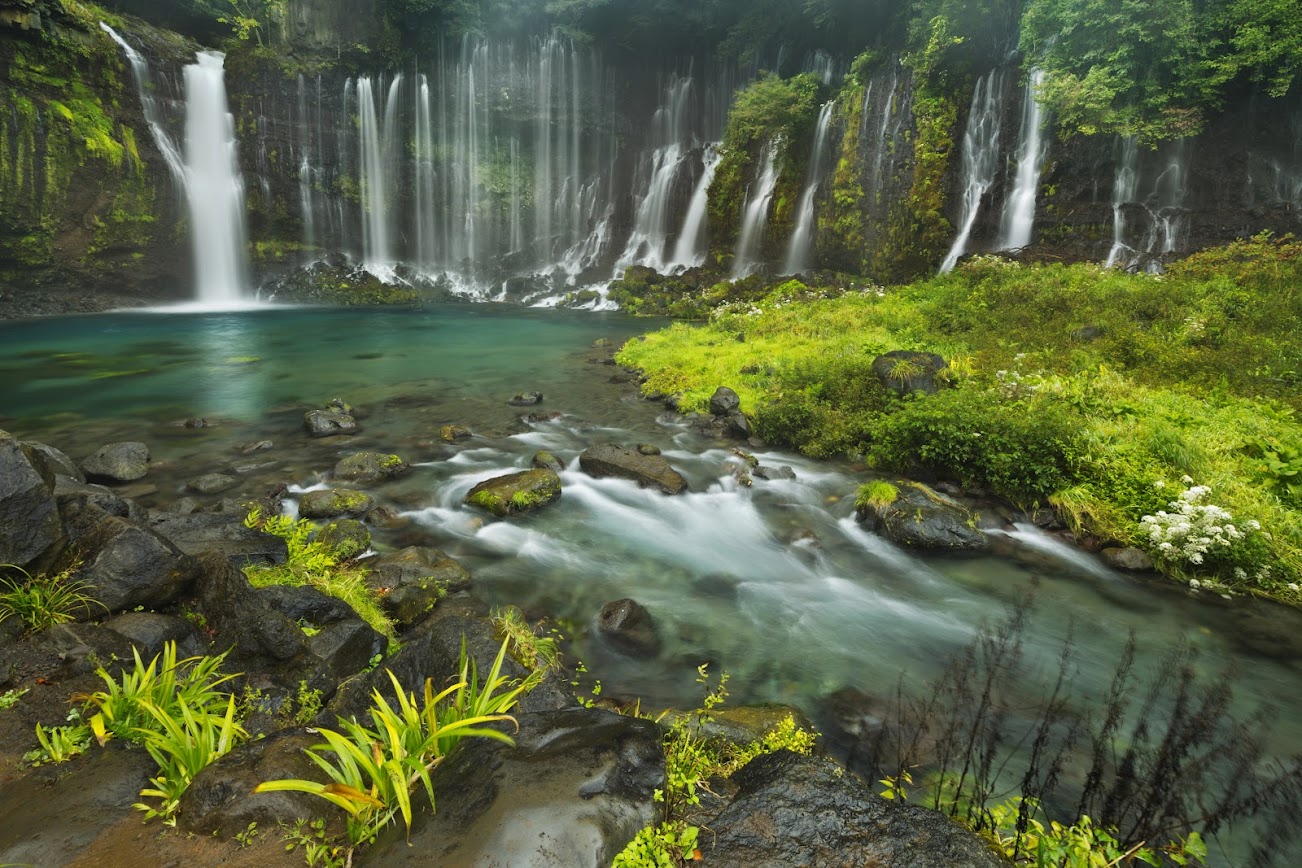
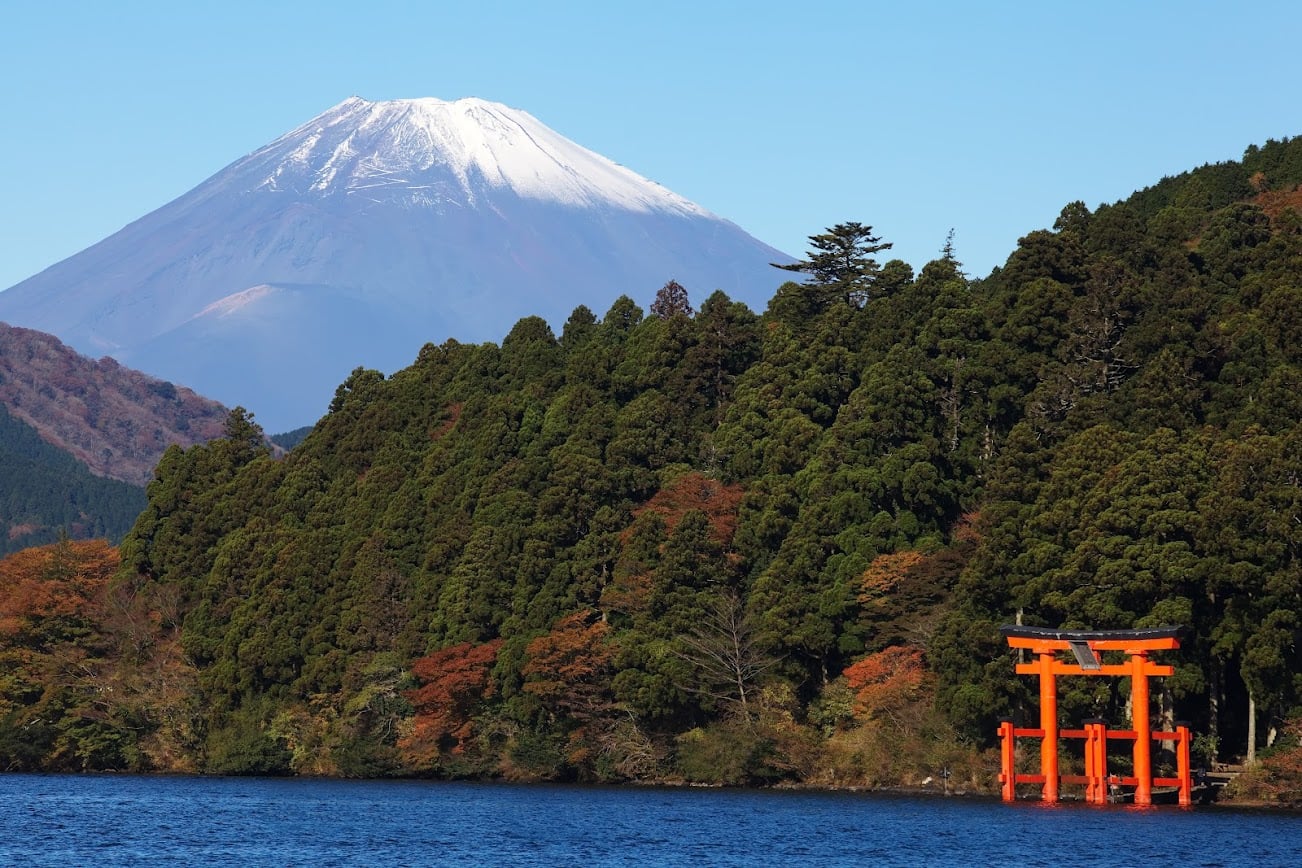
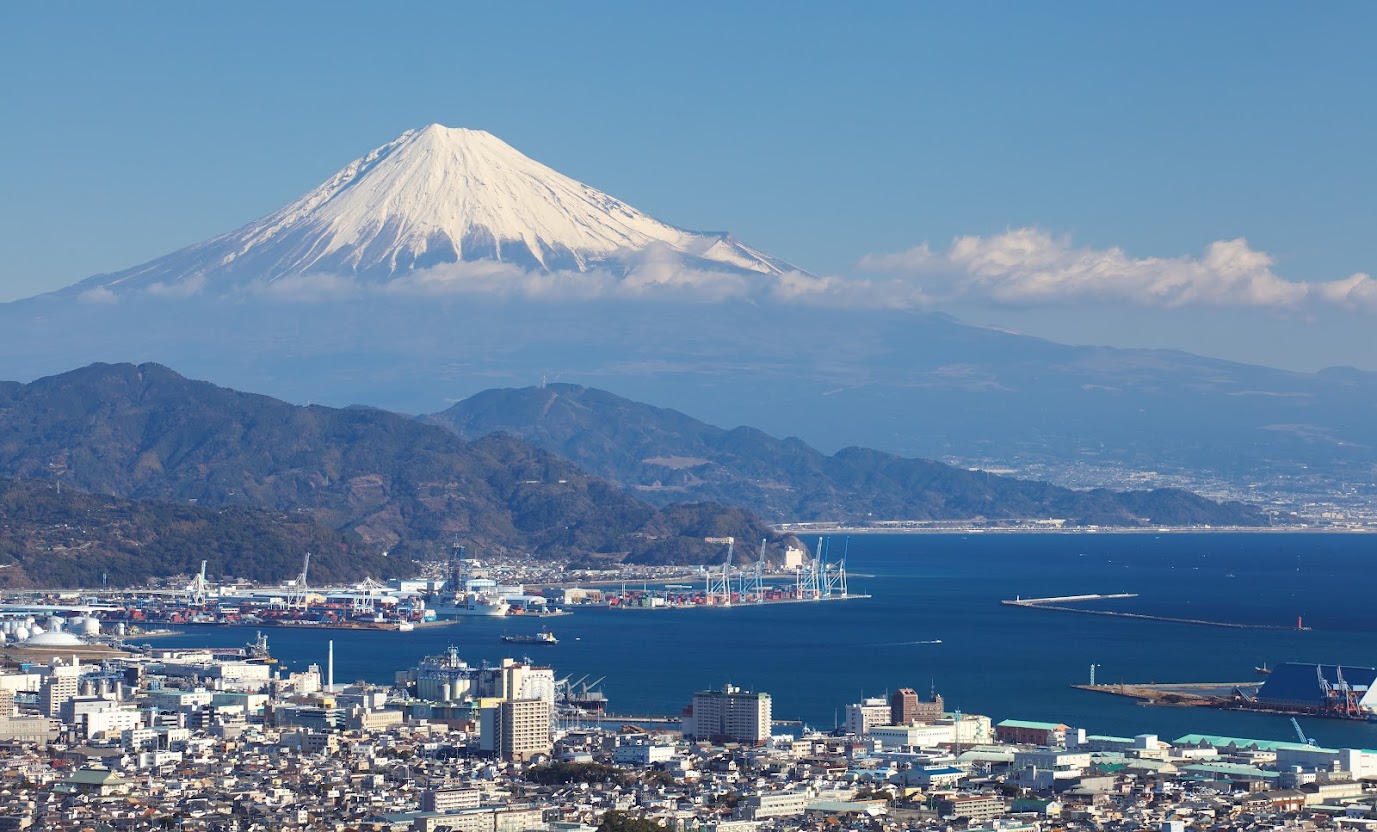
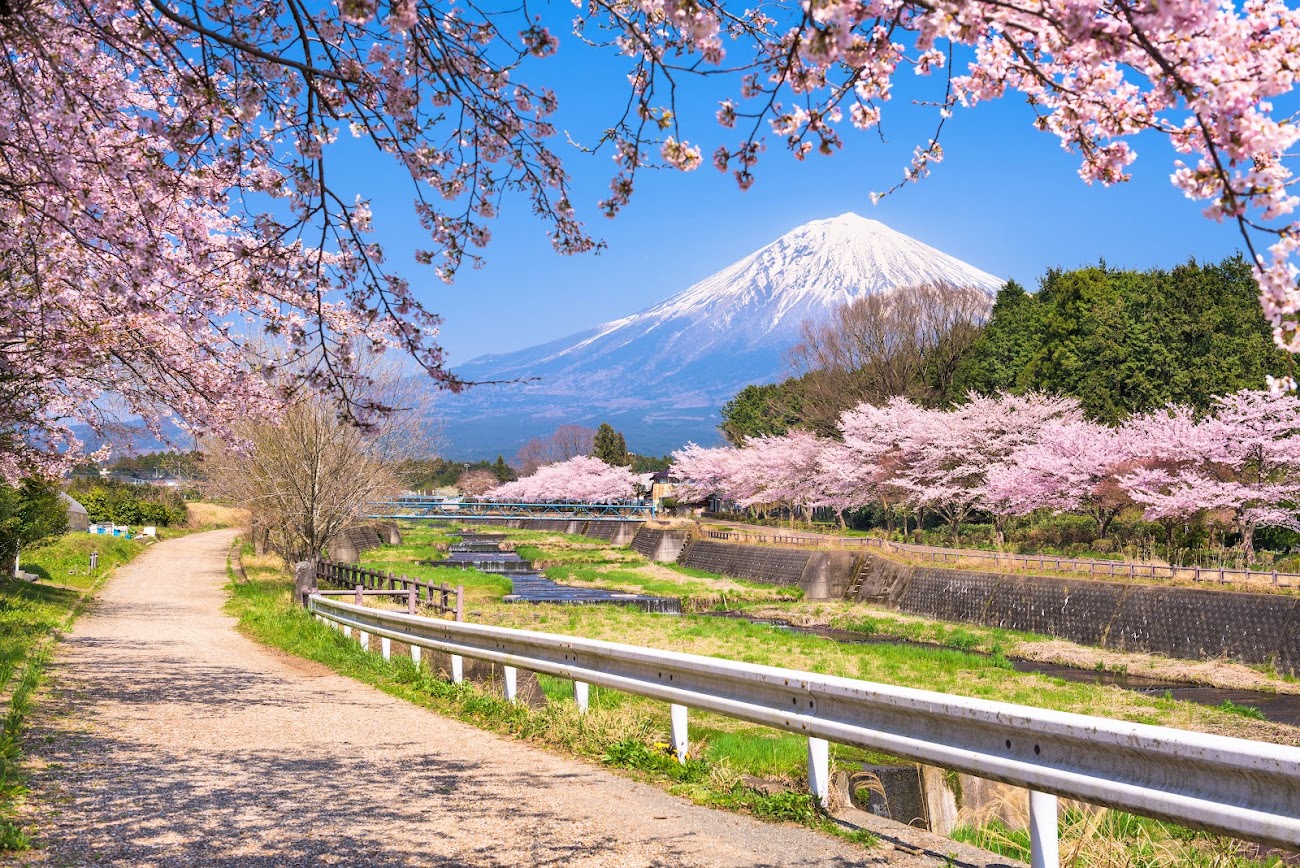
Located between Tokyo and Nagoya, Shizuoka is an ideal destination for those who love a peaceful lifestyle and closeness to nature. This region impresses with its lush forests, sprawling green tea plantations, and Mount Fuji - one of Japan's most famous symbols. Particularly, thanks to its natural conditions and mild climate, Shizuoka boasts a rich culinary scene that easily captivates even the most discerning foodies.
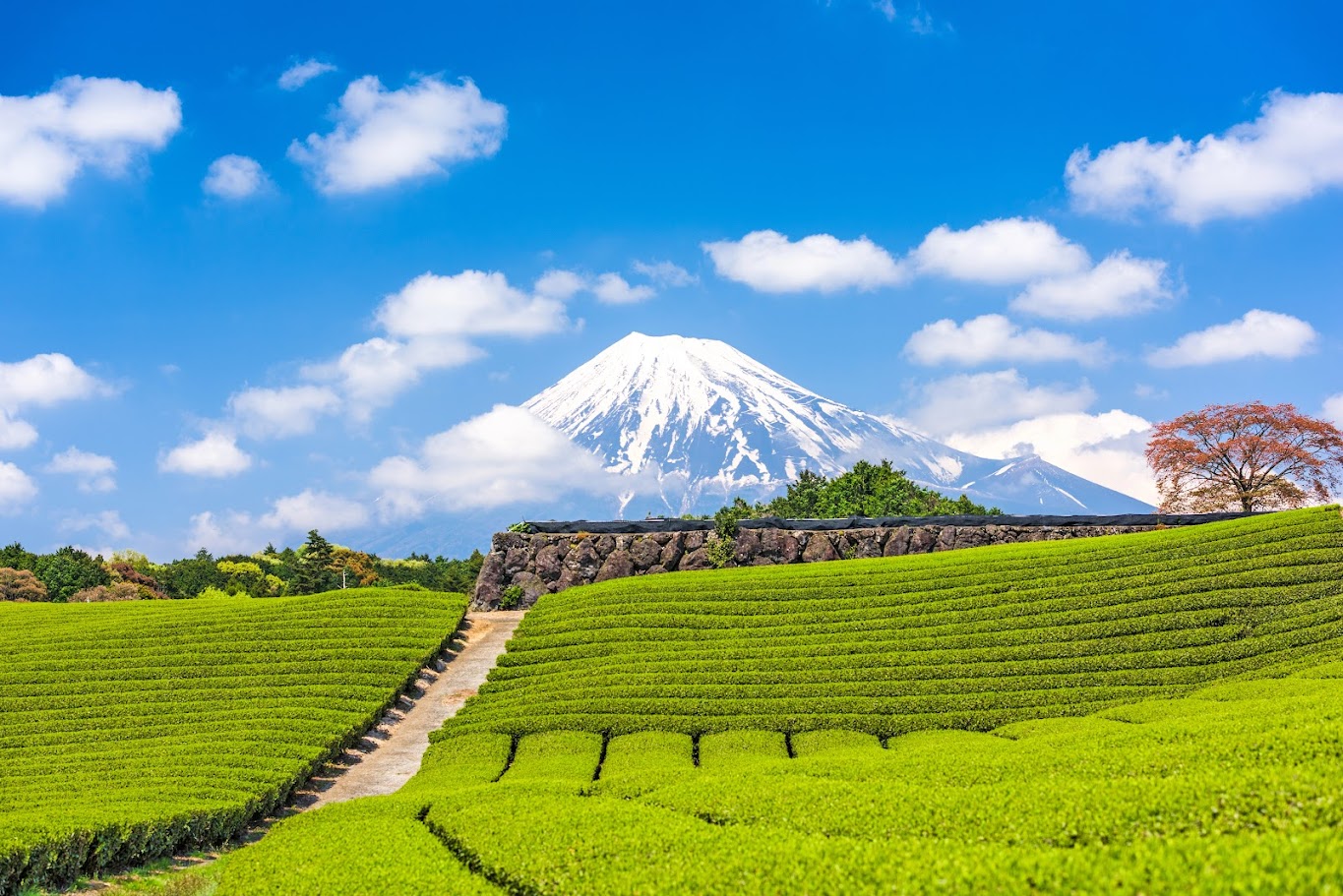
Nestled at the foot of Mount Fuji, Shizuoka is blessed with many fresh ingredients that form the basis of its diverse local cuisine.
1. Introduction to Shizuoka Cuisine - A Land of Abundant Agricultural Products
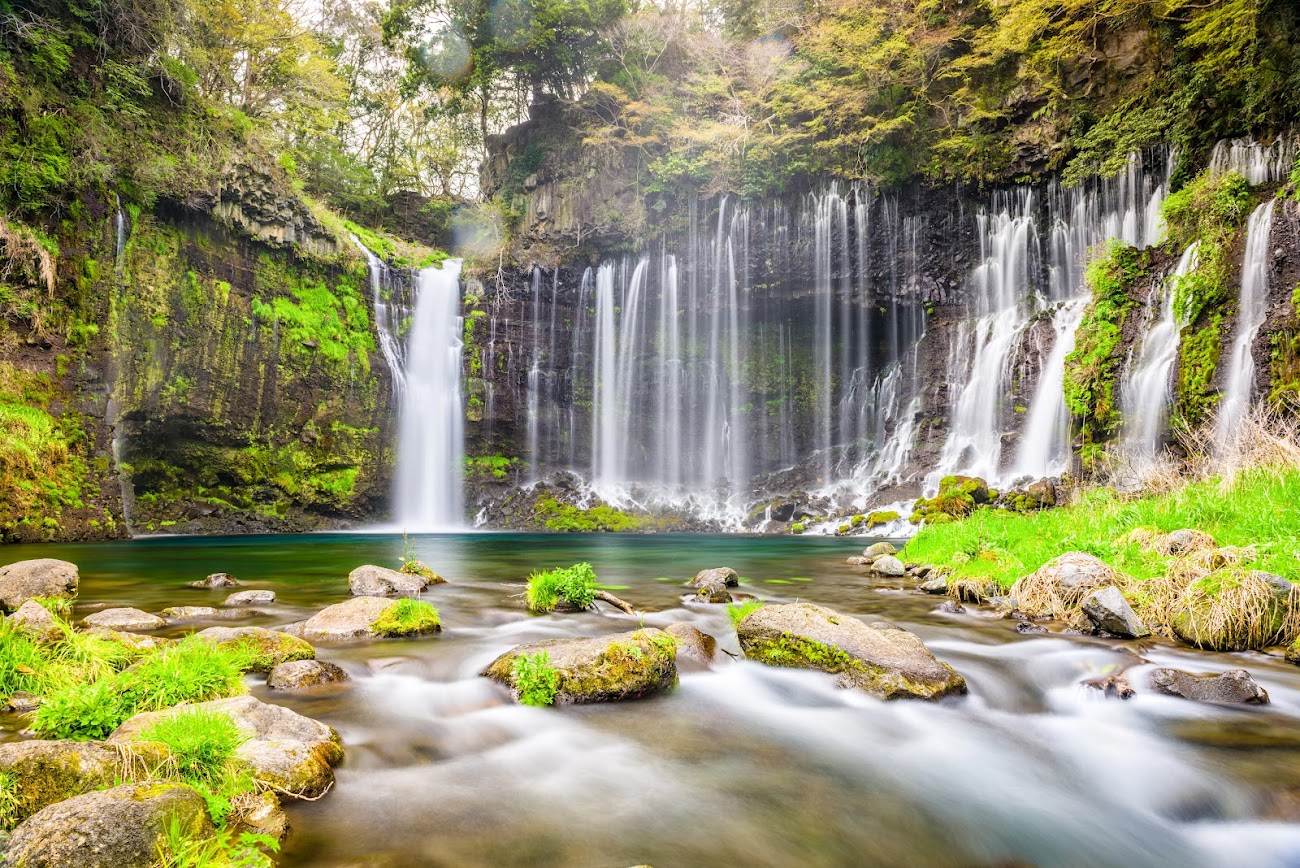
Shizuoka has a very favorable geographical position, bordering Suruga Bay - the deepest bay in Japan, and surrounded by many high mountains with pure spring water flowing from the slopes of Mount Fuji. As a result, this locality has developed both agriculture and fisheries, laying the foundation for a diverse and rich culinary landscape.
- Premium raw materials: Shizuoka is Japan's "capital" of green tea, famous for its large production and pure flavor. Additionally, this region is known for its fresh wasabi grown in cool spring environments, along with fresh seafood caught directly from Suruga Bay.
- Unforgettable original flavors: Shizuoka specialties carry strong regional characteristics, with many dishes that are both unique and familiar. The common thread among these dishes is their maximum utilization of abundant local agricultural products, featuring creative cooking methods while preserving the rustic flavors of each ingredient.
See more: Travel to Tokyo – Destinations, Activities & Experiences
2. Shizuoka Specialties - Must-Try Delicious Dishes
If you are visiting the "land of Mount Fuji" for the first time and are unsure what to eat in Shizuoka, don’t miss the 7 enticing specialties below to fully experience the culinary spirit of this region.
2.1 Shizuoka Green Tea - A Premium Product from Japan's "Green Tea Capital"
When it comes to Shizuoka cuisine, green tea is a must-try specialty. This region is considered Japan's green tea capital, with the largest production share in the country. Thanks to its mild climate, abundant rainfall, and suitable soil, Shizuoka green tea has a refreshing aroma, a light astringency, and a gentle sweet aftertaste, making it very easy to drink.
Popular types of tea in Shizuoka include sencha, matcha, and gyokuro, with sencha being the type of tea most commonly consumed by locals. Not only does it appear in traditional tea culture, but Shizuoka green tea is also creatively incorporated into modern cuisine, from green tea ice cream, matcha cakes, mochi, to delicate desserts.
Visitors to Shizuoka can experience touring tea plantations, learning about the tea growing and processing process, or visiting traditional tea houses to enjoy authentic local green tea. In addition to enjoying tea on-site, products like dried tea, matcha powder, or green tea-flavored sweets are also popular souvenirs to take home.
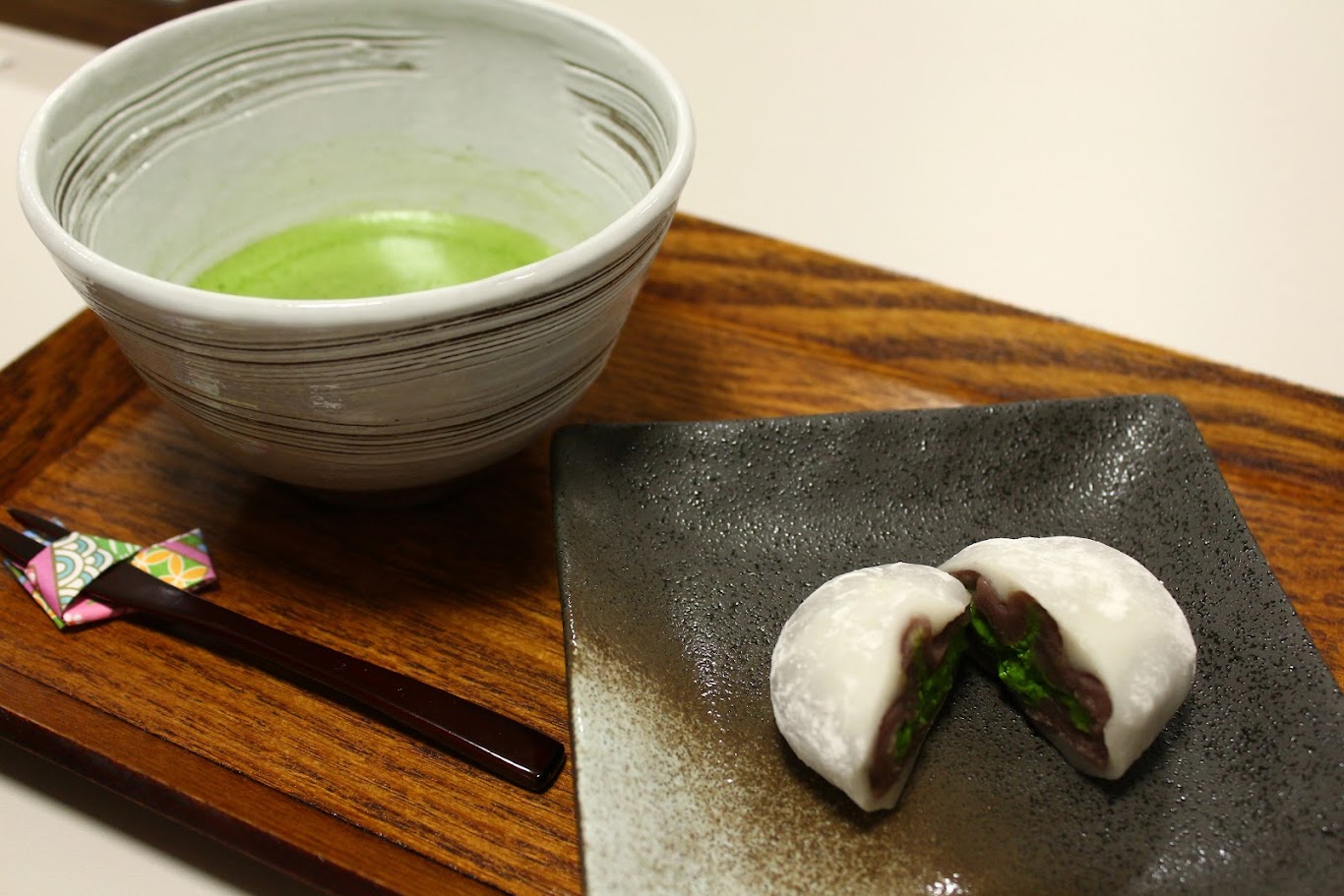
When in Shizuoka, visitors cannot miss sipping a cup of premium tea and enjoying delicious matcha-based dishes.
2.2 Fresh Wasabi - Shizuoka's Famous Specialty
In addition to green tea, fresh wasabi is also a pride of Shizuoka cuisine. Thanks to the high mountainous terrain and the clean spring water flowing from the slopes of Mount Fuji, Shizuoka has become one of the most famous wasabi-growing regions in Japan.
Unlike the industrial wasabi commonly found, Shizuoka wasabi is grown using traditional methods, developing naturally in a cool, clean water environment with a continuous flow. As a result, the wasabi here has a mild pungency that spreads quickly but is not harsh, with a refreshing and pleasant aftertaste that enhances the flavors of dishes.
In local cuisine, Shizuoka wasabi is often freshly grated at the table and served with sashimi, sushi, soba, or simply enjoyed with plain rice. Some restaurants even create signature dishes like wasabi soba, wasabi rice, or light wasabi ice cream, providing a fresh experience for diners.
2.3 Hamamatsu Gyoza - The "National Dish" of Shizuoka
Hamamatsu Gyoza is one of the most famous local dishes in Shizuoka, closely associated with the city of Hamamatsu. Unlike regular gyoza, Hamamatsu gyoza impresses with its beautiful circular presentation, with boiled bean sprouts in the center, balancing flavors and creating a light sensation when enjoyed.
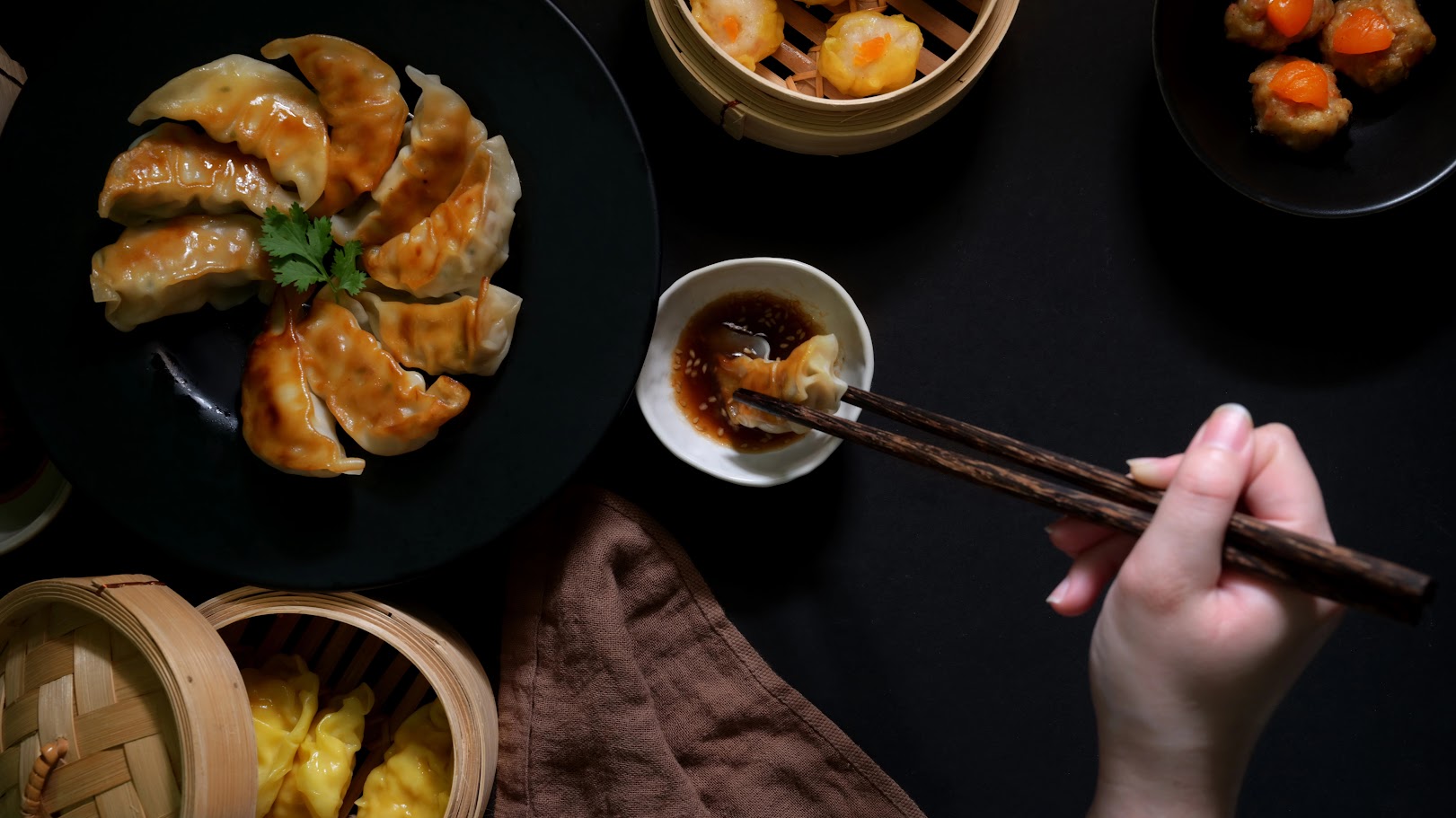
If you are unsure what to eat in Shizuoka, try Hamamatsu Gyoza - the famous local specialty.
The filling of Hamamatsu Gyoza mainly consists of minced pork, cabbage, and green onions, seasoned just right, leaning towards the natural sweetness of the vegetables. Thanks to the high vegetable ratio, this gyoza is not too fatty, easy to eat, and does not become overwhelming, even when enjoyed in large quantities.
When cooked, gyoza is pan-fried to achieve a golden crispy bottom while the top layer remains soft and juicy. The dish is usually served hot, dipped in a mixture of soy sauce, vinegar, and chili oil, accompanied by bean sprouts to enhance crunchiness and balance flavors.
2.4 Shizuoka Oden - Local Street Flavor
Oden is a familiar dish in Japanese cuisine, but when visiting Shizuoka, visitors will have the opportunity to enjoy a version of oden that carries its own unique identity. Shizuoka Oden impresses right from its color with a darker, richer broth compared to oden in other regions.
The biggest difference of Shizuoka Oden lies in the layer of dried fish powder (usually made from sardines) and aonori seaweed sprinkled on top before eating. This combination creates a savory, slightly rich flavor that highlights the natural sweetness of ingredients like boiled eggs, daikon radish, fish cakes, or konjac.
Shizuoka Oden is often simmered for a long time to allow the ingredients to absorb the broth evenly, providing a warm, rich flavor without being greasy. This dish is particularly favored by locals on chilly days and is also an ideal choice for visitors wanting to experience Shizuoka's street food.
2.5 Unagi Pie - A Famous Souvenir Specialty from Shizuoka
When it comes to Shizuoka specialties for souvenirs, Unagi Pie is a name that cannot be overlooked. This is a famous crispy cookie from Hamamatsu city, made from flour, butter, and eel extract - an ingredient closely associated with local cuisine.
Unagi Pie has a thin, crispy texture, a gentle sweetness, and a light richness, completely free of the fishy smell of eel, making it very easy to eat. Therefore, this pastry is suitable for many audiences, from adults to children, and is often enjoyed with Shizuoka green tea.
Not only appealing in flavor, Unagi Pie is also seen as a gift that nourishes health and provides energy, inspired by the traditional Japanese belief in the nutritional value of eel. As a result, Unagi Pie quickly became one of Shizuoka's "national" specialties.
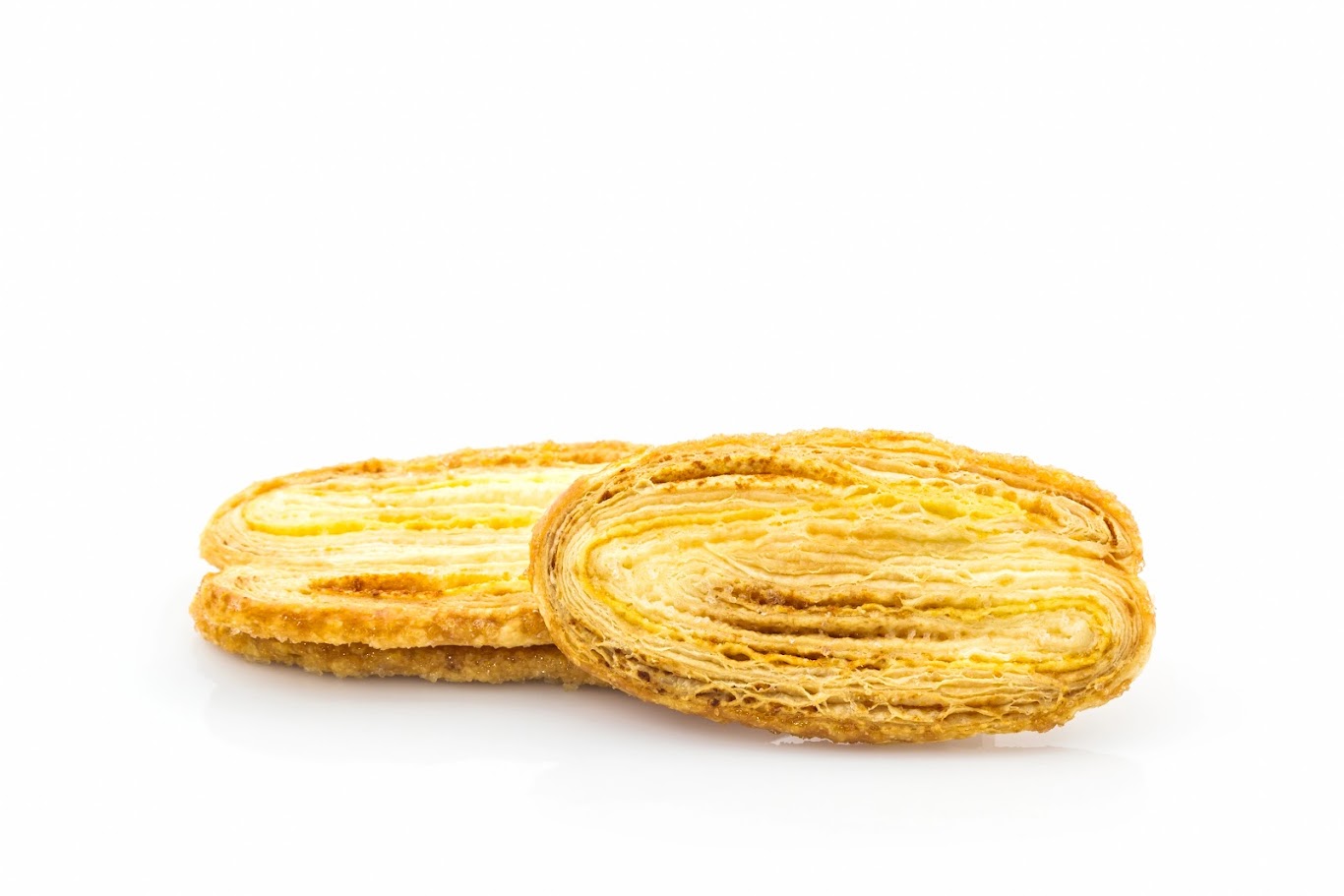
The eel pie has a crispy texture, sweet flavor, and is often purchased by visitors as a gift.
2.6 Delicious Fried Black Fish Cake (Kuro hanpen furai)
Kuro hanpen is a traditional fish cake characteristic of Shizuoka, usually made from tuna and mackerel, minced and then steamed. Thanks to the use of both the flesh and skin of the fish, the cake has a distinctive dark gray color, a soft and fluffy texture, and a rich natural flavor.
Among the various cooking methods, kuro hanpen furai - fried black fish cake, is a dish loved by many visitors. The outer layer is coated in batter and fried until golden and crispy, while the filling inside remains soft and sweet from the fish, creating an interesting contrast in texture.
This dish is often served with tonkatsu sauce, mayonnaise, or fresh lemon, making it suitable as a snack, appetizer, or light meal while strolling through the market. Thanks to its easy-to-eat flavor and affordable price, kuro hanpen furai is commonly found at fish markets, street stalls, and local eateries in Shizuoka.
2.7 Fresh Shizuoka Seafood - The Essence of Cuisine from Suruga Bay
Thanks to its proximity to Suruga Bay - the deepest bay in Japan, Shizuoka boasts a rich supply of fresh seafood year-round, becoming an important foundation in local cuisine. Seafood here is famous for its freshness, natural sweetness, and high quality, often caught on the same day and delivered straight to fish markets and restaurants.
Among the characteristic seafood of Shizuoka, tuna (maguro) is the most commonly used ingredient, especially in sashimi and donburi dishes. Additionally, shirasu (young fish) and sakura ebi (cherry shrimp) are also seasonal specialties, often prepared simply to retain their original flavors.
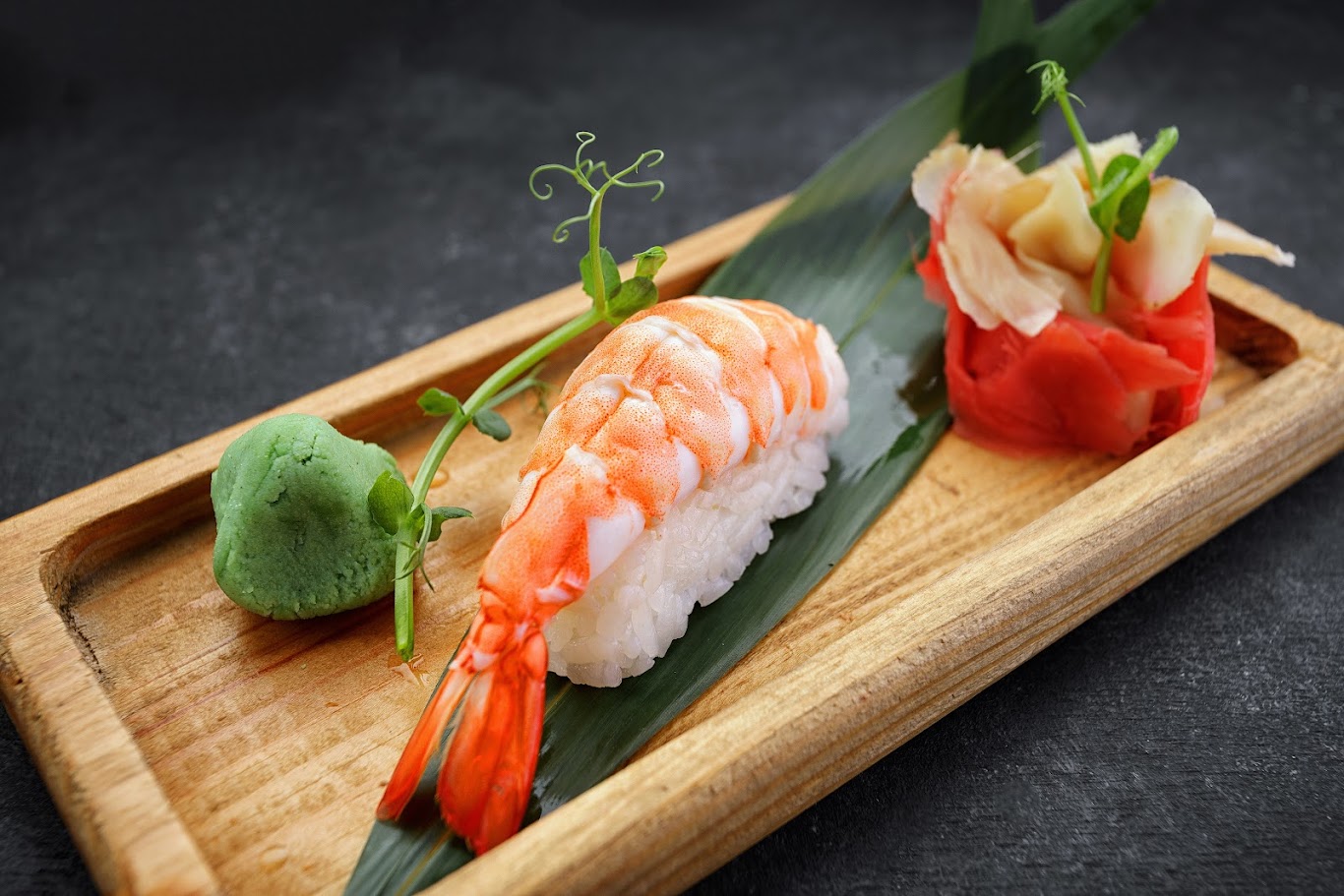
Shizuoka is a paradise for fresh seafood, where visitors can easily enjoy high-quality sashimi, seafood rice bowls, and tempura.
Shizuoka seafood does not focus on elaborate cooking methods but prioritizes highlighting the freshness of the ingredients. Visitors can easily enjoy dishes like sashimi, seafood rice, grilled fish, or tempura at Shimizu fish market, local eateries, or seaside restaurants.
3. Recommended Dining Spots in Shizuoka
3.1 Shimizu Fish Market - A Paradise for Fresh Seafood.
If you want to fully explore the seafood cuisine of Shizuoka, Shimizu Fish Market is a must-visit destination. Located near Shimizu Port, this market is considered the largest seafood center in the province, where fresh seafood is caught directly from Suruga Bay every day.
Shimizu Fish Market is famous for its fresh tuna, along with many characteristic seafood like shirasu, sakura ebi, squid, and seasonal fish. Inside the market, there are many stalls and restaurants serving on-site, allowing visitors to enjoy sashimi, seafood rice (kaisendon), grilled fish, or tempura right after selecting the ingredients.
- Address: 149 Shimazaki-cho, Shimizu-ku, Shizuoka-shi, Shizuoka
3.2 Hamamatsu District - A Gyoza Paradise
When it comes to gyoza in Shizuoka, Hamamatsu district is always the first name mentioned. This is the birthplace of Hamamatsu Gyoza - a famous dumpling known for its crispy skin, abundant filling, and distinctive circular presentation. As a result, Hamamatsu has gradually become a "holy land of gyoza" for both locals and tourists.
In Hamamatsu district, visitors can easily find numerous long-established gyoza shops, from small family-run places to busy gyoza restaurants in the evening. Each shop has its own recipe, creating differences in the crispiness of the skin, the ratio of meat to vegetables, or the accompanying dipping sauce.
Address: West Shizuoka, from Tokyo or Osaka, you can take the Tokaido Shinkansen and stop at Hamamatsu Station.
3.3 Tea Houses & Specialty Shops
Shizuoka is the green tea capital of Japan, so tea houses and specialty shops here are not only places to enjoy local cuisine but also ideal shopping spots for visitors wanting to bring home high-quality products. Popular items include loose leaf tea, matcha powder, fresh wasabi, Unagi Pie, and various sweets made from green tea.
Most tea houses and specialty shops are concentrated around JR Shizuoka Station, easily accessible by walking or bus, making them very suitable for visitors with short itineraries who still want to fully experience local cuisine.
- Address: JR Shizuoka Station, 50 Kurogane-chō, Aoi Ward, Shizuoka City
Shizuoka cuisine captivates diners with its rusticity and sophistication, where each dish clearly reflects the abundant natural advantages of the land at the foot of Mount Fuji. If you have the chance to visit Shizuoka, in addition to sightseeing or relaxing in onsen, you can take time to enjoy local cuisine to fully appreciate the beauty of Japan's famous "green tea kingdom.
"If you are planning to explore Shizuoka, don’t miss the chance to “hunt” for flight tickets to Shizuoka at Vietjet. The 0 VND flight ticket program from 12 PM to 2 PM every day will help you have a more economical trip than ever! See details here.
Follow flight information, promotional programs, and travel guides on Vietjet's official channels: