Booking
 Skyshop
 Hotel
Hotel
 E-Voucher
 E-Sim
E-Sim
 E-Visa
 Buy foreign currency
 Insurance
 SkyJoy
Not everyone visiting Japan seeks vibrant cities or packed itineraries filled with check-in spots. For many travelers, especially outdoor enthusiasts, nature travel in Japan is the way to truly connect with the deep and genuine beauty of this land. If you're looking for a place that is close enough to Tokyo, yet offers mountains, forests, serene beaches, and peaceful countryside for hiking, then Shizuoka is a name worth considering. Not too focused on conquering peaks or overly crowded, hiking in Shizuoka opens up a slow pace, where each step is a connection with nature and oneself.
1. Why is Shizuoka an ideal destination for hiking enthusiasts?
Shizuoka is located between Tokyo and Nagoya, stretching from the slopes of Mount Fuji to the Pacific coastline. This rare 'intersection' position has created a unique identity for this region, especially suitable for those who enjoy gentle hiking and trekking.
- Close to Tokyo but less crowded:Shizuoka is only about 1 - 2 hours away from Tokyo by train, making it one of the most convenient hiking spots near Tokyo. However, unlike Hakone or Kawaguchiko, the hiking trails in Shizuoka maintain a sense of tranquility, with fewer mass tourists. This is perfect for those who want to hike in a true natural setting, free from the pressure of crowds or tight schedules.
- Ideal for moderate trekking in Japan:Not everyone seeks challenging trekking routes that require high physical fitness. Shizuoka stands out with trails of medium difficulty, moderate slopes, easily accessible even for those new to trekking in Japan. You can do a day hike, or combine a half-day hike with rest and local village sightseeing without needing complex preparations.
- Diverse hiking terrain: mountains, forests, tea hills, and coastal areas: A major plus of hiking in Shizuoka is the diversity of landscapes. In just one trip, you can traverse dense forests, follow lush green tea hills, and end with a breezy coastal path. This constant change keeps the journey fresh and never boring.
- Combine movement and enjoy nature travel in Japan:Hiking in Shizuoka is not just walking; it is a complete experience of nature travel in Japan: listening to the wind through the trees, admiring Mount Fuji from afar on clear days, and feeling the slow pace of suburban life.
- Connected to local life and relaxation experiences:After a day of trekking, you can visit small towns, soak in onsen, and enjoy local cuisine from seafood to green tea. This combination of movement, rest, and local culture makes Shizuoka a very 'complete' hiking destination, not overly adventurous but also not superficial.
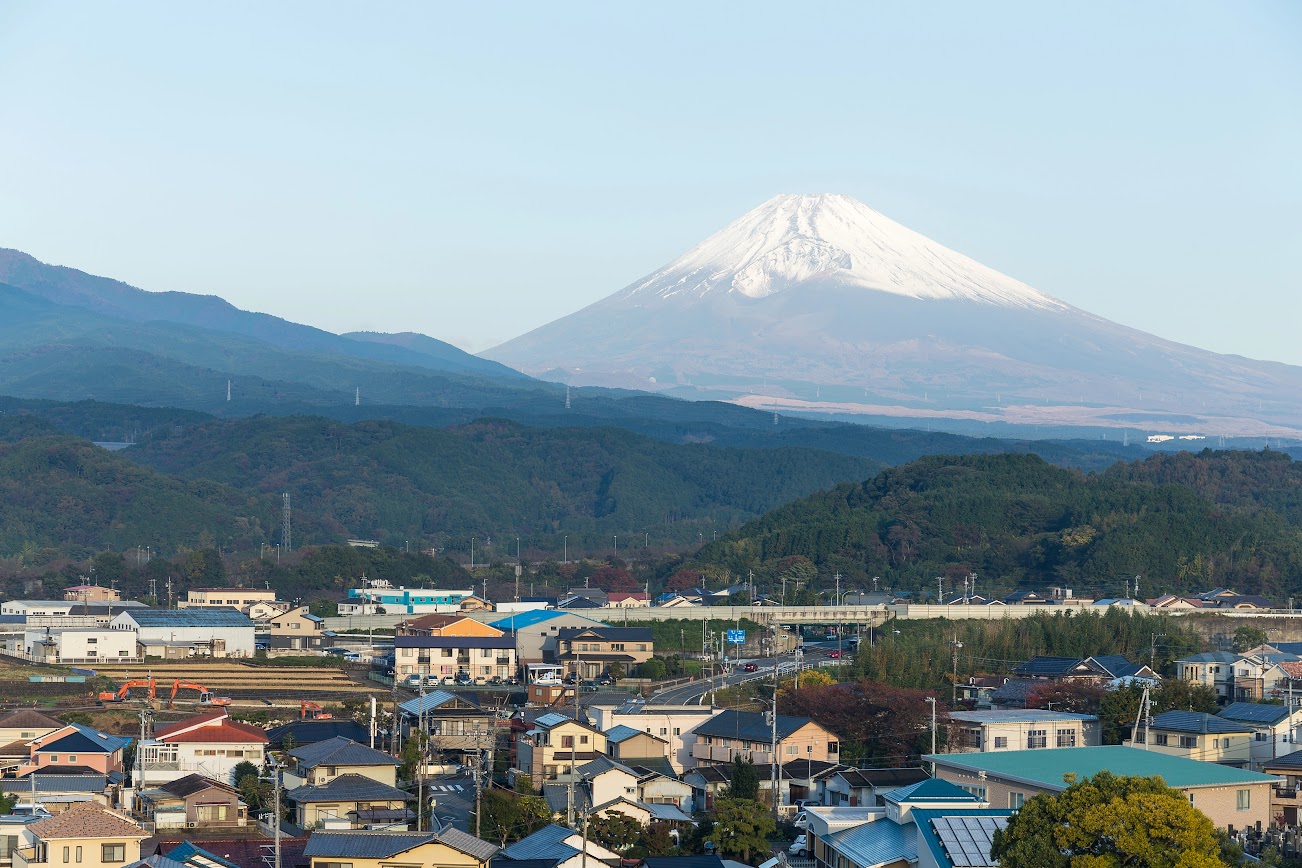
The hiking experience in Shizuoka offers travelers a comprehensive view of nature travel in Japan.
If you're looking for a gentle, profound trekking journey in Japan that brings you closer to nature, Shizuoka is definitely a worthwhile choice to start.
See more: Travel to Shizuoka – Destinations, Activities & Experiences
2. Notable hiking spots in Shizuoka for nature lovers
If the previous section helped you understand why Shizuoka is suitable for hiking, then in this section, the journey will become clearer through specific areas. The interesting thing about Shizuoka is that just by changing your direction, the hiking experience can be completely different, from the majestic Mount Fuji, the quiet northern mountains to the expansive coastal trails. Each place has its own pace, gentle enough to enjoy yet deep enough to remember.
2.1 The area around Mount Fuji (Shizuoka side)
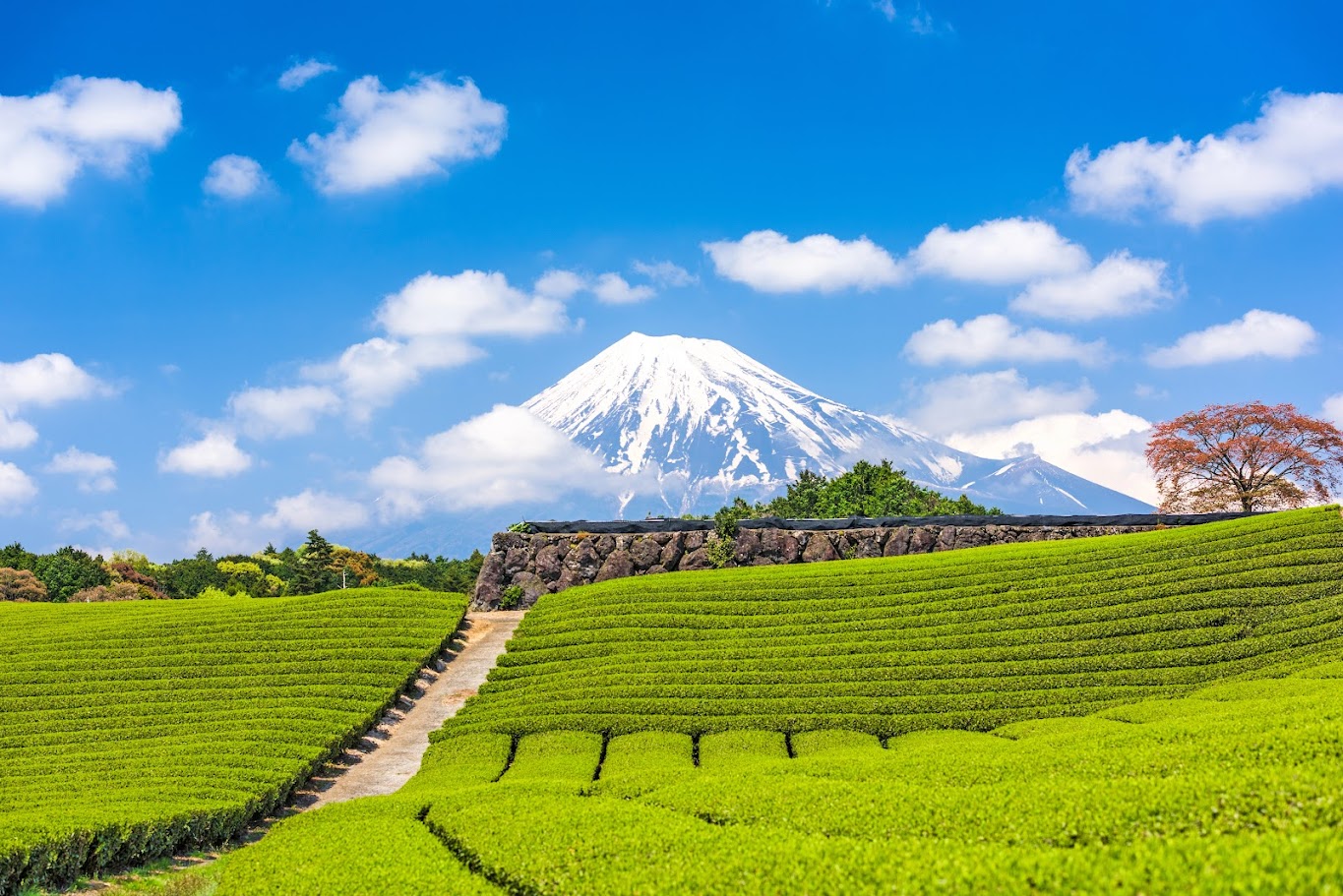
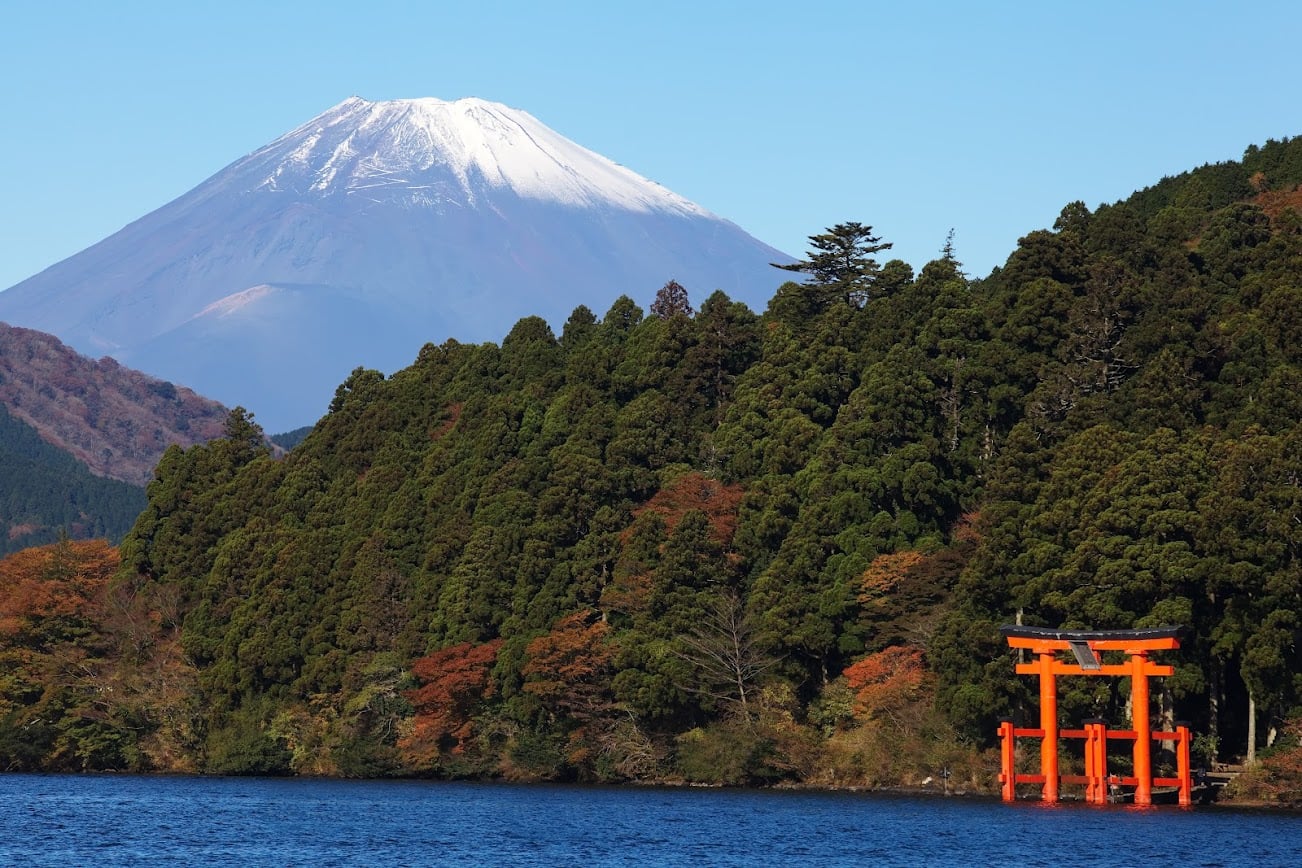
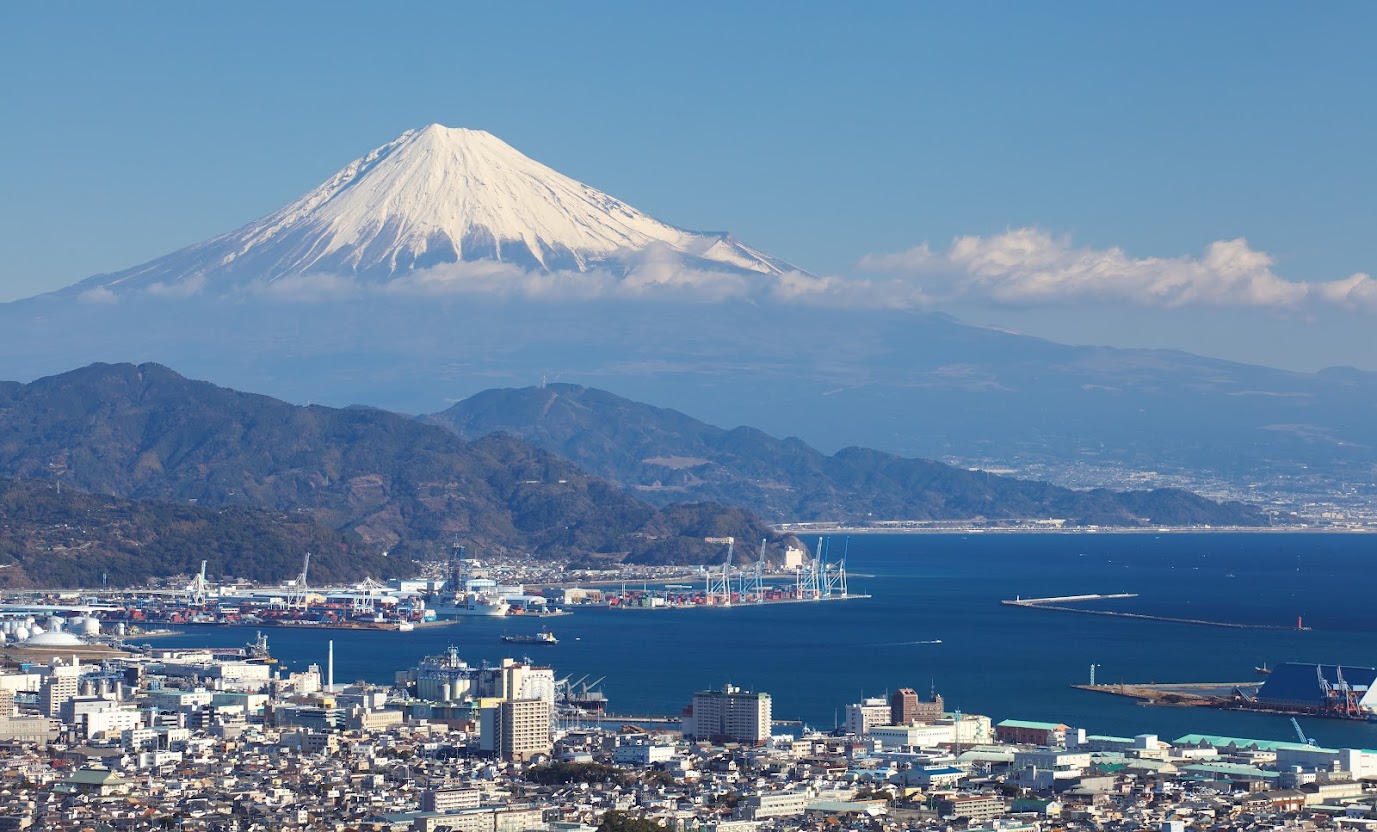
When mentioning Shizuoka, one cannot forget Mount Fuji - the sacred symbol of Japan. The Shizuoka side of Mount Fuji has a calm and 'approachable' beauty, especially suitable for those who want to combine gentle hiking with sightseeing.
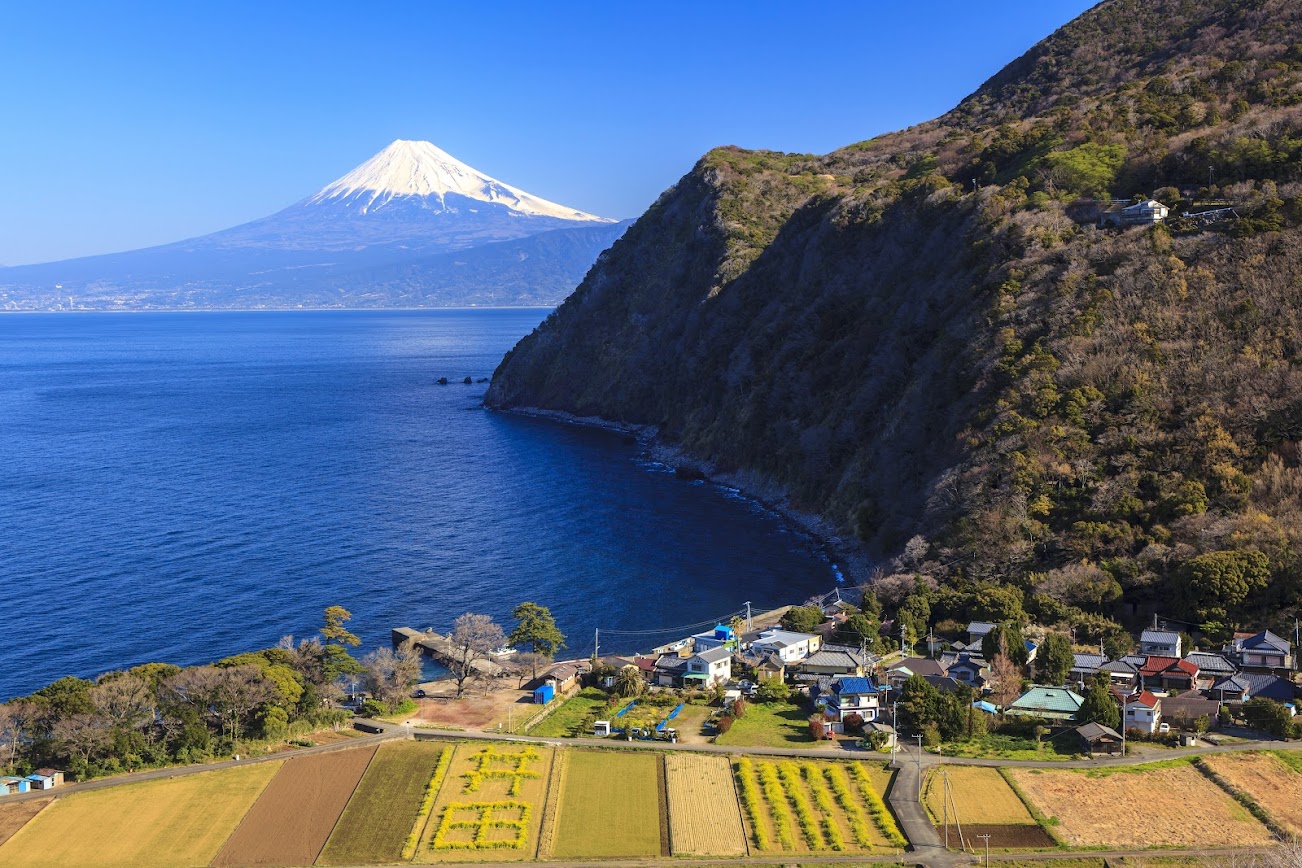
Around Mount Fuji is a famous hiking area in Shizuoka - a destination for travelers who want to combine gentle hiking with scenic views.
The trails around Mount Fuji on the Shizuoka side usually have moderate elevation, not as steep as the main summit routes. The terrain mainly consists of forests, meadows, and compacted dirt paths, easy to walk and safe. The open landscape allows for many spots to gaze far and admire Fuji in its rare tranquility.
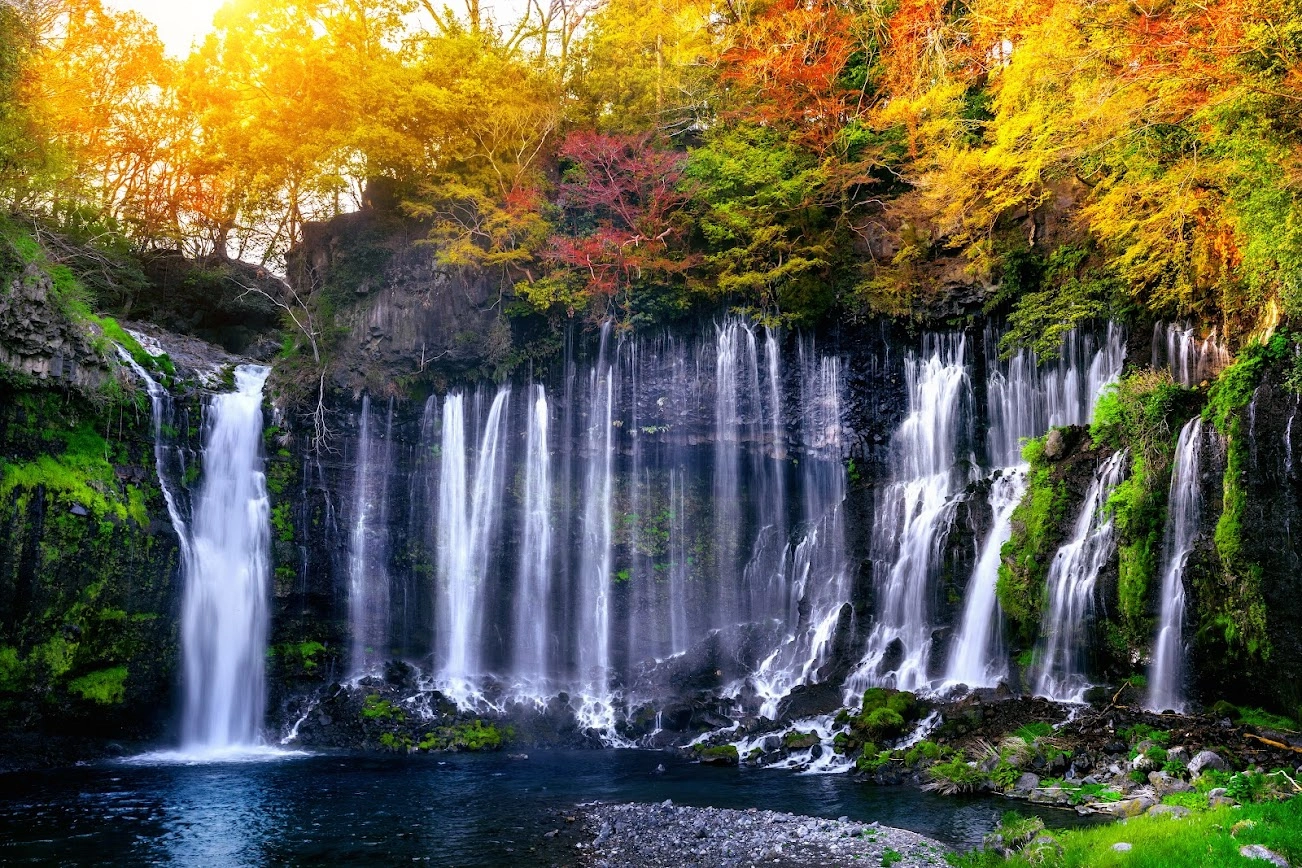
- The scenery changes distinctly with the seasons: In spring, cherry blossoms bloom sporadically along the trail, summer is lush with dense forests and pleasant air, autumn stands out with red and yellow leaves covering the mountainside, and winter has light snow in the distance, creating a scene that is both majestic and peaceful.
- Many sections of the trail are ideal for nature photography, requiring no advanced climbing skills.
Getting there: From Shizuoka or Mishima station, you can take a local train or bus to the trailheads around Fuji. The convenient transportation system makes the journey easy, requiring little preparation time.
2.2 The northern mountains and plateaus of Shizuoka
If the area around Mount Fuji has a 'symbolic' beauty, then the northern part of Shizuoka attracts in a very different way: pristine, tranquil, and almost detached from the common tourist rhythm.
This is a low mountain and plateau region with primeval forests, small sparsely populated villages, and fresh air, suitable for those who enjoy half-day or full-day trekking. Compared to other famous spots, this area has very few international visitors, preserving its original wilderness.
- The feeling of exploring an 'original Japan', where nature is still the main character.
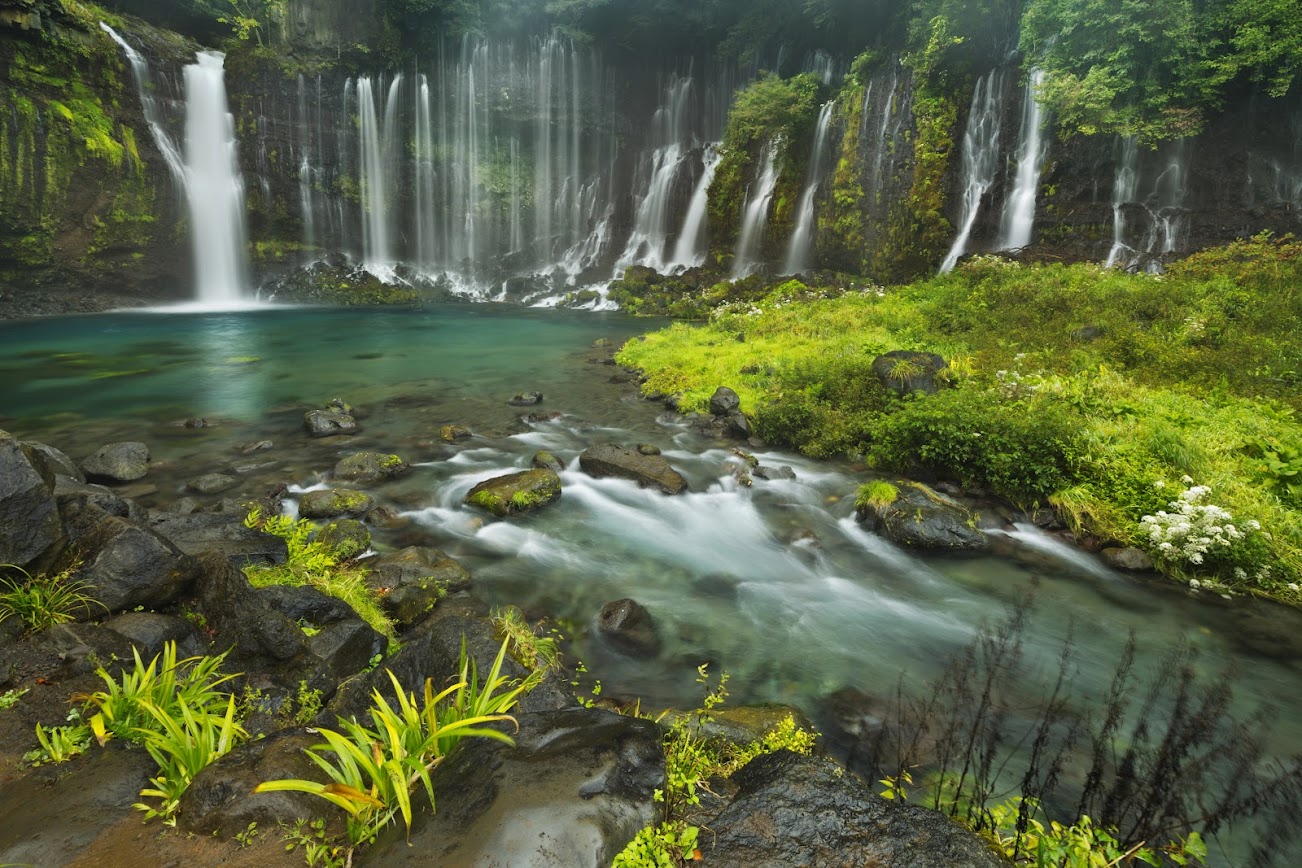
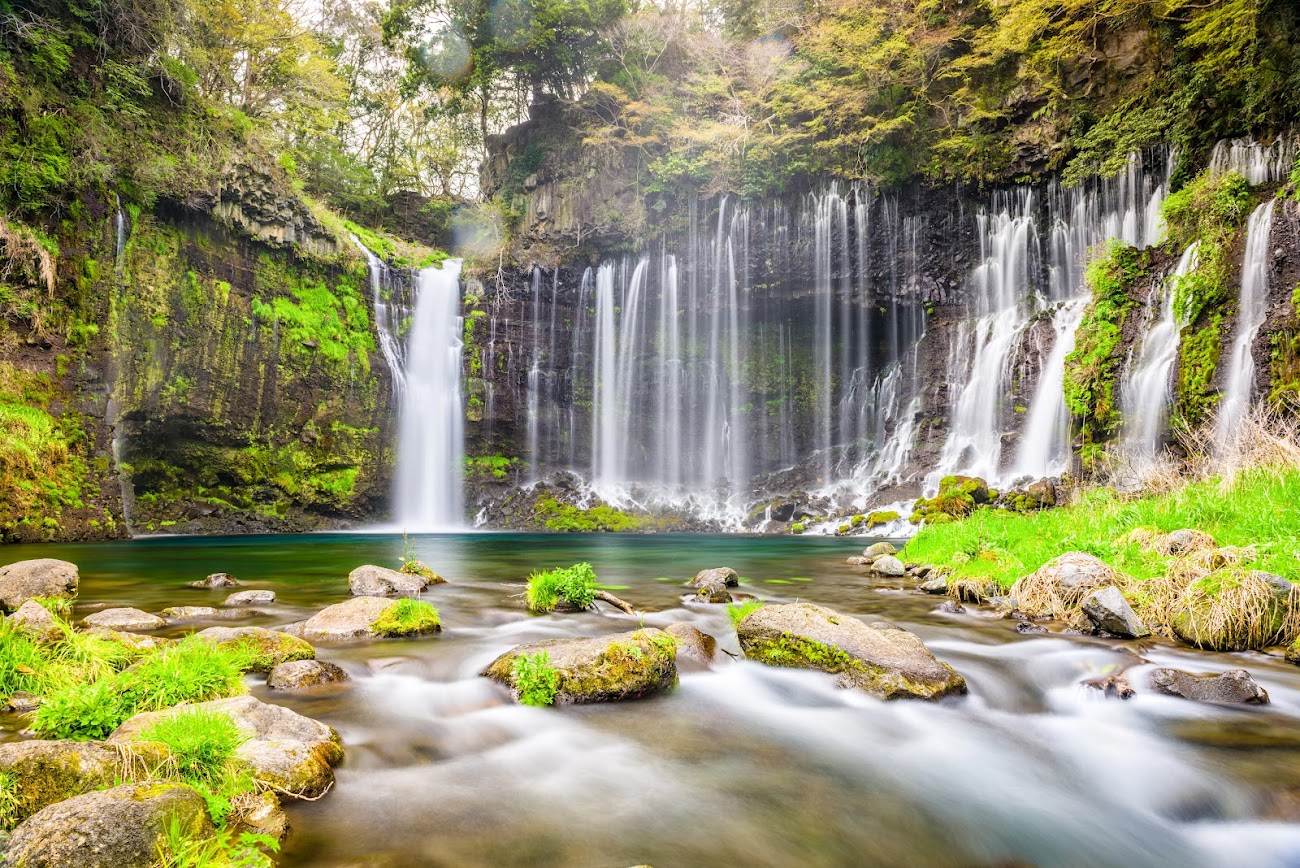
- The trail often goes through forests, following small streams, occasionally encountering old wooden houses or terraced fields.
- An absolutely quiet space, very suitable for slow walking, listening to the wind and the sound of falling leaves.
Getting there: From central Shizuoka, take a train or local bus to the northern mountain villages, then continue walking into the trail. Although it requires a bit more initiative in checking bus schedules, the experience is very 'worth it'.
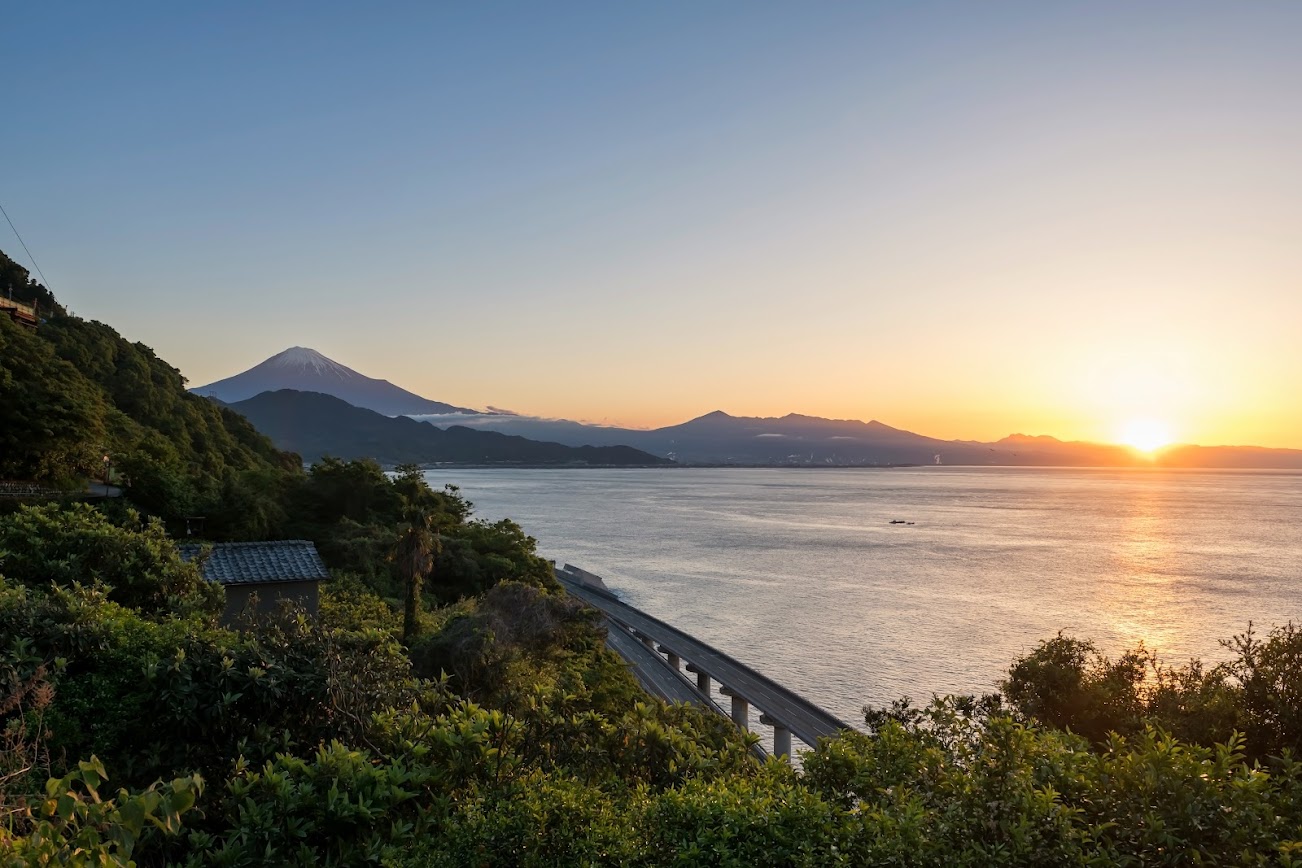
The northern part of Shizuoka, with its tranquil and wild beauty, is suitable for slow walking, listening to the wind and the sound of falling leaves.
2.3 Coastal hiking trails of Suruga
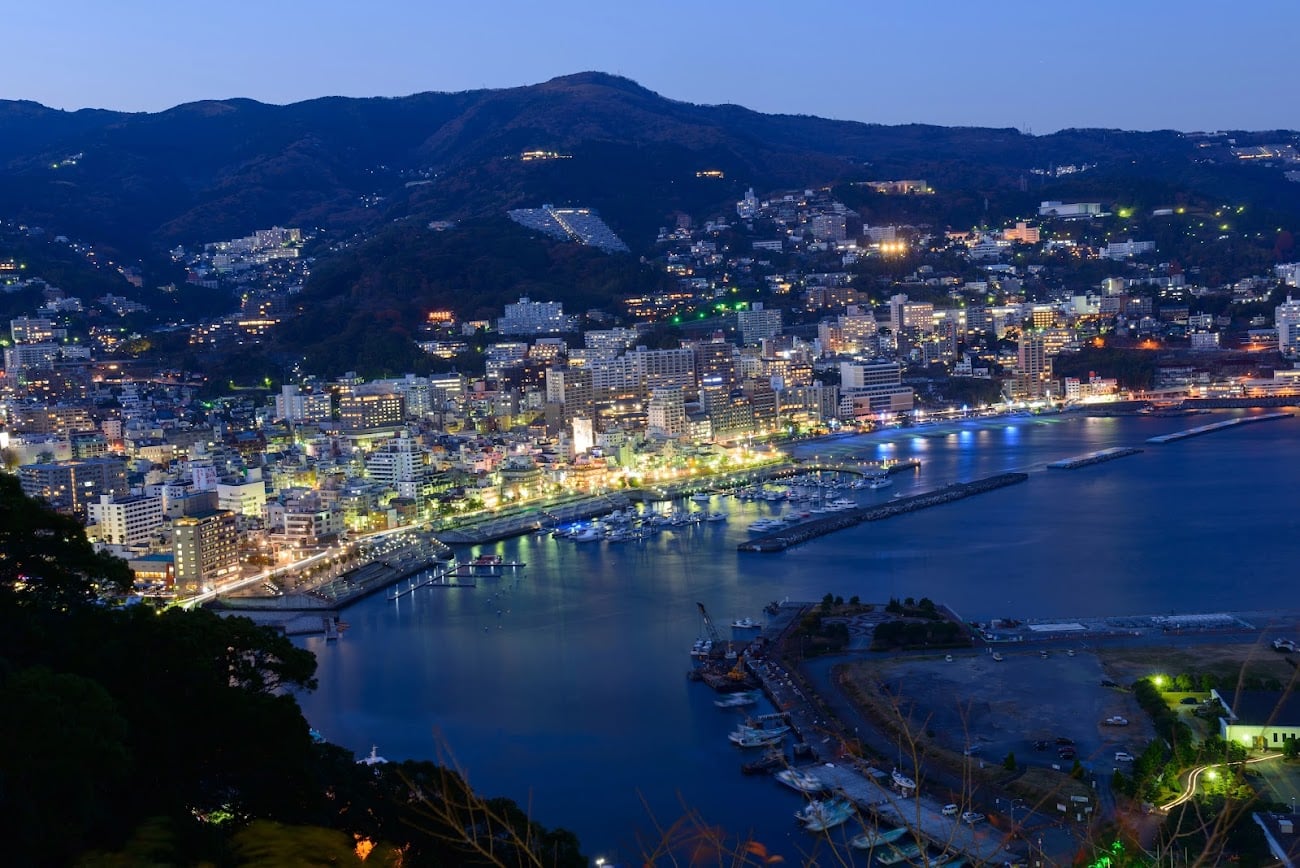
One of the most unique aspects of hiking in Shizuoka is the ability to combine mountains and the sea in one trip. Suruga Bay - the deepest bay in Japan offers gentle coastal hiking trails that are easy to access.
The coastal trails of Suruga have relatively flat terrain, not steep, suitable for all fitness levels. The paths mainly consist of coastal trails, some paved with stones, others are dirt paths close to the water.
- Hiking while admiring the deep blue Suruga Sea, feeling the refreshing sea breeze.
- An open, airy space, very different from the feeling of walking in the forest.
- Easy to combine hiking with scenic stops, picnics, or photography.
Getting there: From Shizuoka station, take a local train along Suruga Bay, get off at the nearest station to the trail, and begin your journey. The simple transportation makes your schedule flexible and free from pressure.
See more: What to eat in Shizuoka? Must-try specialties
3. Trekking tips for Shizuoka for independent travelers
You don't need to be a professional trekker to fully enjoy hiking in Shizuoka if you prepare properly and approach with the right mindset. Compared to many other mountain regions, Shizuoka is much more 'comfortable' for independent travelers: convenient transportation, clear trails, beautiful nature but not too harsh. Here are some important tips to help your trip be both safe and rich in experiences, true to the spirit of nature travel in Japan.
3.1 The Ideal Time for Hiking in Shizuoka
Choosing the right time will greatly influence the quality of your trekking experience. Spring and autumn are considered the two most ideal times for trekking in Japan, especially in Shizuoka.
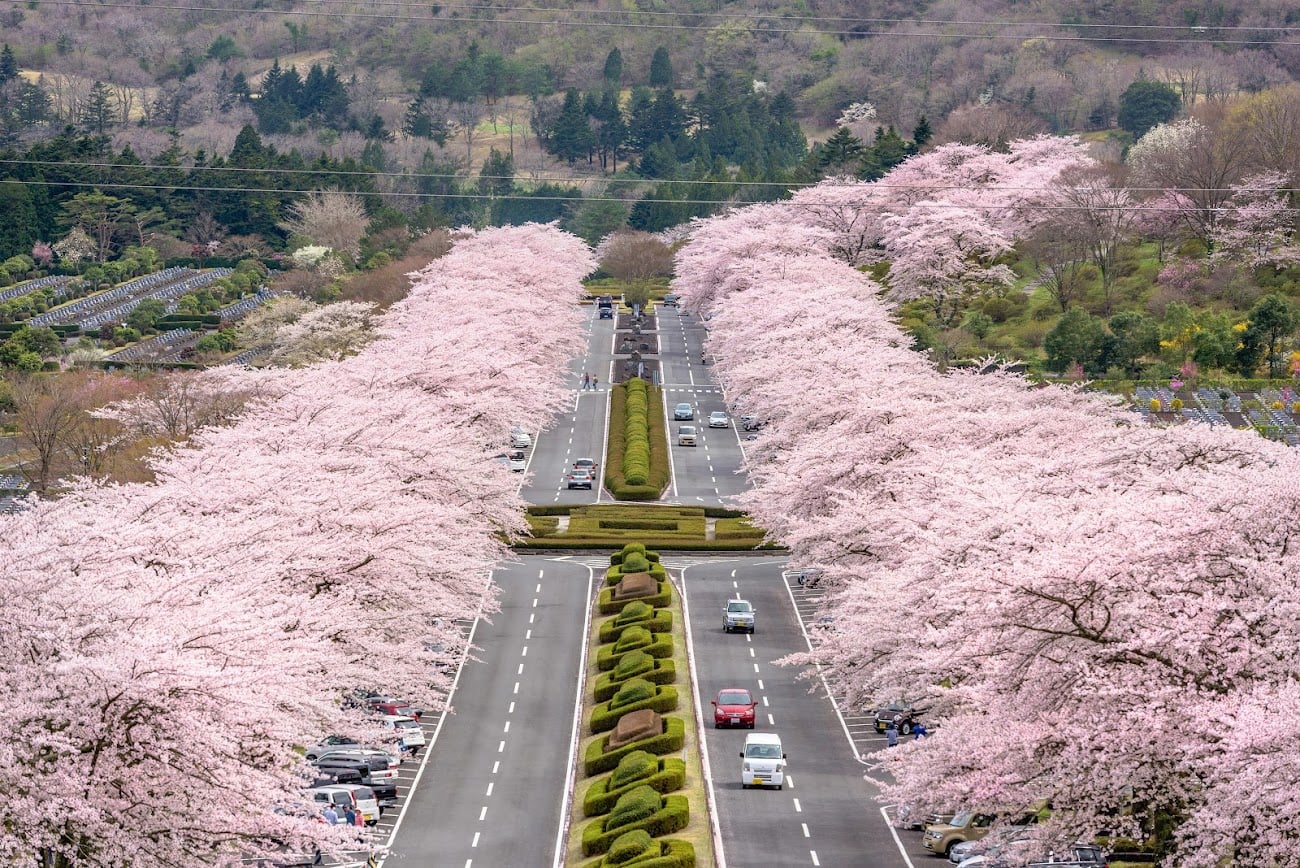
- Spring (March - May): The weather is cool, temperatures are pleasant, and nature begins to awaken after winter. The trails around Mount Fuji and the northern forests of Shizuoka have cherry blossoms blooming here and there, not as crowded as the famous spots near Tokyo. Hiking during this season provides a light feeling, making it very suitable for beginners.
- Autumn (September - November): This is the season highly rated by many hiking enthusiasts. Red and yellow leaves cover the mountains, the air is dry, and visibility is clear. For those seeking hiking spots near Tokyo but still wanting impressive scenery, Shizuoka in autumn is an extremely reasonable choice.
- Summer: Hiking is possible, but it is advisable to choose forest trails or higher areas to avoid the heat. In return, the greenery of nature is very vibrant.
- Winter: Suitable for coastal hiking in Suruga or lower trails. Areas near Mount Fuji can be cold and slippery, not recommended for beginners.
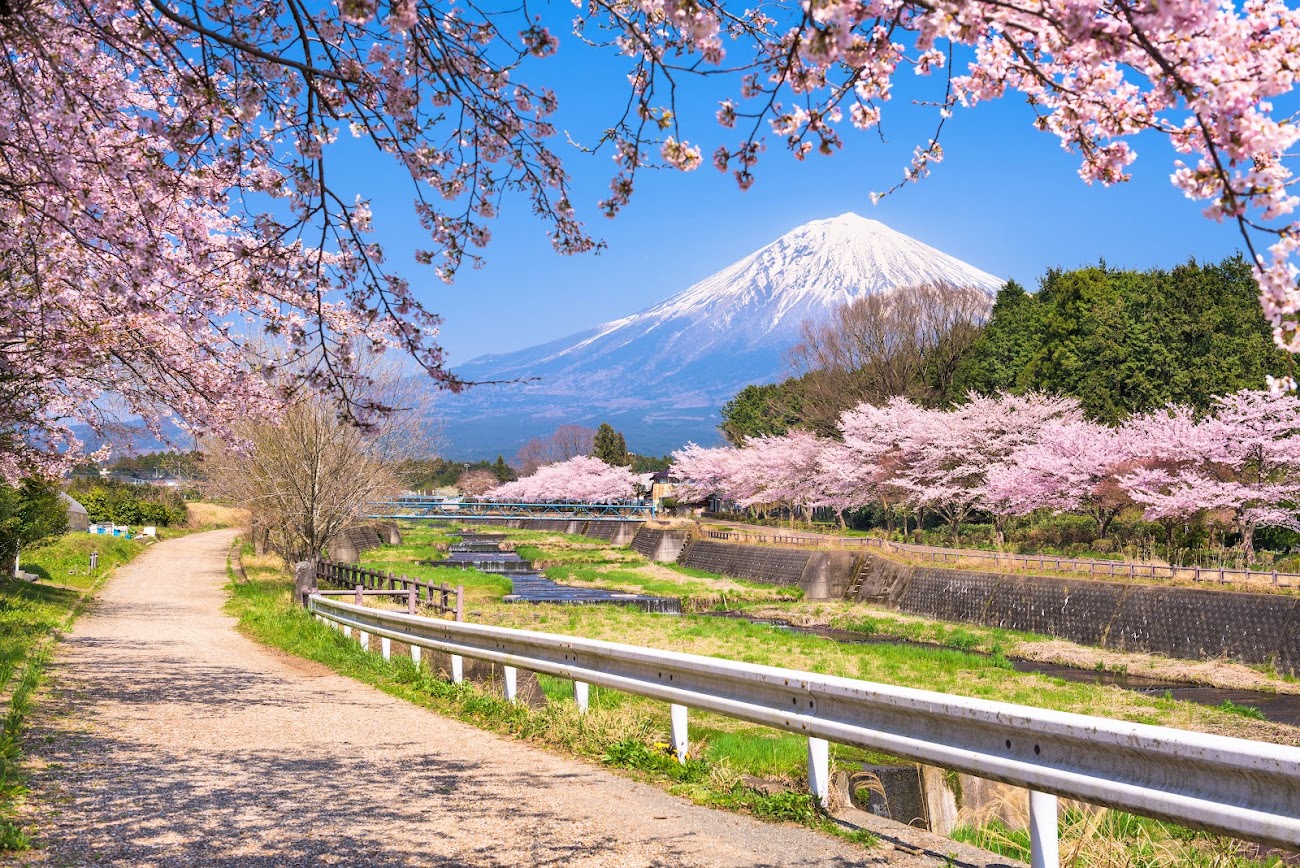
The two most ideal times for trekking tourists in Shizuoka are in spring and autumn.
3.2 Basic Preparation for Trekking in Shizuoka
One of the reasons why hiking in Shizuoka is popular is that it does not require too much specialized equipment. However, proper preparation is still a must.
- Suitable trekking shoes: Prioritize shoes with good grip, non-slip soles, and moderate ankle support. Specialized climbing shoes are not necessary, but definitely avoid fashionable shoes or smooth-soled sneakers.
- Water and snacks: Bring at least 1 - 1.5 liters of water per person for a half-day journey. Some trails do not have vending machines. Snacks like energy bars, chocolate, or onigiri are very convenient.
- Trail maps & route information: Many trails in Shizuoka have clear signboards, but you should still download offline maps or save information on your phone. This is especially important if you are trekking in the northern mountainous areas, where signal may be weak.
- Weather-appropriate clothing: Breathable, quick-drying shirts; thin windproof jackets; hats and sunscreen if hiking along the coast. Follow the layering principle for easy adjustment.
Preparing lightly but adequately will help you focus on enjoying nature rather than fussing with luggage.
3.3 Safety Tips for Self-Guided Trekking
Although the trekking routes in Shizuoka are quite easy, safety should always be the top priority.
- Choose a trail suitable for your fitness level: Don't be too ambitious to visit many points in one day. Hiking is not a race, especially when you want to truly experience the essence of nature tourism in Japan, slowly and connectively.
- Check the weather before going: Rain can make trails slippery, especially in the forest. If bad weather is forecasted, be flexible to switch to coastal hiking or take a break.
- Do not separate from the group if hiking in a group: For solo hikers, choose popular, easy trails and return early before dark.
- Stay in touch and report your itinerary: If trekking for a long time or in remote areas, you should inform someone about your itinerary or the place you are staying.
3.4 Suggestions for Combining Hiking - Relaxation - Local Exploration
The strength of hiking in Shizuoka is the ability to flexibly combine many experiences in one trip.
- Morning hiking - afternoon onsen: After completing the trail, soaking in an onsen helps relax muscles and recharge energy. This is the "spiritual specialty" of trekking in Japan.
- Combine visiting local villages: Spend time visiting small towns, drinking tea, and chatting with locals to feel the slow pace of life outside the urban area.
- Extend your journey from Tokyo: Thanks to its convenient location, Shizuoka is very suitable for those looking for hiking spots near Tokyo but do not want to go too far or too crowded.
The balance between movement - rest - cultural exploration is the factor that makes many tourists return to Shizuoka more than once.
With adequate preparation, a spirit of respect for nature, and a reasonable itinerary, trekking in Shizuoka will not just be a walk in the mountains or along the coast. It is a slow journey for you to truly touch the pristine beauty of nature tourism in Japan, where each step brings a feeling of lightness and memorability.
After the refreshing and peaceful hiking journey in Shizuoka, planning convenient transportation will make your Japan trekking experience more complete. From Vietnam, you can easily fly to Shizuoka with Vietjet, and then continue to travel to popular hiking spots known for their diverse landscapes and slow-paced life. What are you waiting for to "hunt" for a plane ticket to Japan to start your inspiring nature tourism journey? Currently, Vietjet is implementing a 0 VND flight ticket program (excluding taxes and fees) during the golden hour from 12 PM to 2 PM every day. Find out and book tickets now to not miss this attractive offer.
Please update more travel guides from Vietjet through the following methods: