Booking
 Skyshop
 Hotel
Hotel
 E-Voucher
 E-Sim
E-Sim
 E-Visa
 Buy foreign currency
 Insurance
 SkyJoy
Unlike the hustle and bustle of Tokyo, Kamakura captivates visitors with its slow-paced life by the sea and local culinary experiences. Just under an hour by train from Tokyo, this ancient city is an ideal destination for those looking to 'change the air' with fresh seafood, seasonal dishes, and small streets where food is intertwined with local life. So what to eat in Kamakura to fully feel the spirit of this coastal land? The exploration begins with simple dishes rich in cultural stories.
1. General introduction to Kamakura cuisine
Kamakura is a coastal city along Sagami Bay, where fresh seafood is almost present in every daily meal. Thanks to this geographical advantage, Kamakura's cuisine develops based on the freshness of ingredients, especially small fish, seaweed, clams, shrimp, and seafood caught on the same day. For locals, delicious food is not about complicated techniques but about preserving the natural flavors of the sea.
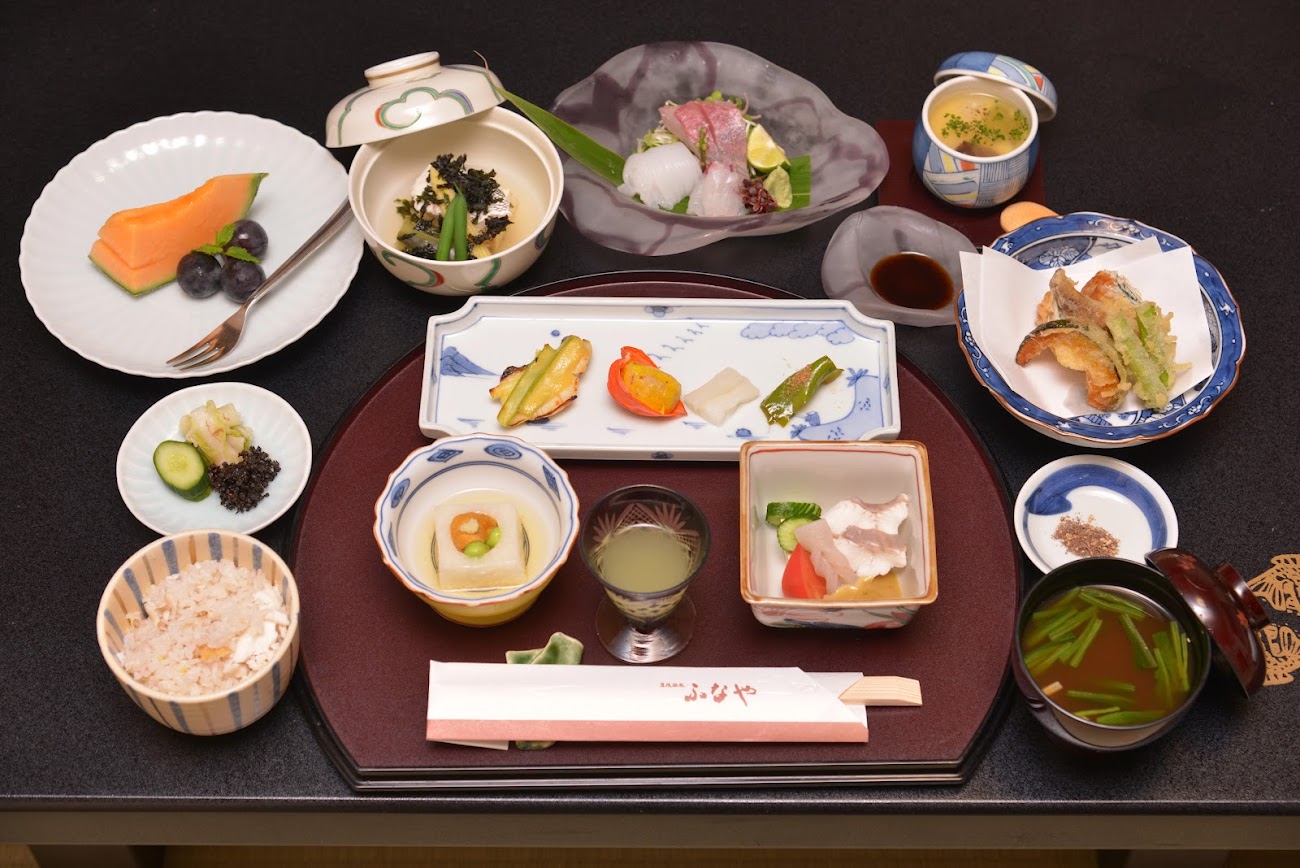
Kamakura cuisine is famous for the fresh flavors of ingredients that retain the natural taste of the sea.
- The spirit of washoku: Kamakura cuisine embodies the spirit of washoku - the traditional Japanese culinary philosophy, where ingredients are always placed at the center. Dishes often have a minimalist preparation style, with few seasonings, to preserve the natural sweetness of the fish and seafood caught on the same day. The menu changes with the seasons, reflecting the rhythm of nature along Sagami Bay. This restraint makes each meal in Kamakura not just about enjoying delicious food, but also about experiencing the subtlety, balance, and slowness in Kamakura's culinary culture.
- Cuisine intertwined with the lives of Kamakura's coastal residents: Many Kamakura specialties originate directly from the daily lives of local fishermen. Grilled salted fish, fresh sashimi, or shirasu-don all reflect a lifestyle reliant on the sea, eating according to the seasonal catch. Not elaborate in presentation, these dishes carry a rustic and familiar charm. When enjoying Kamakura cuisine, visitors do not just eat a seafood dish, but also touch upon the story of the fishing profession, the slow pace of life, and the enduring bond between humans and nature.
- Suitable for slow travel and deep exploration journeys: Kamakura cuisine is particularly suitable for those who love slow travel and deep experiences. After strolling through ancient streets, visiting temples, or walking along the beach, visitors can stop at a small eatery, ordering a simple yet quality meal. Savoring each piece of fresh fish, each bowl of hot rice in a quiet space makes the trip more complete. In Kamakura, the question of what to eat is not just about choosing a dish, but about choosing how to feel the local culture.
2. Shirasu-don - A must-try specialty when visiting Kamakura
When it comes to what to eat in Kamakura, Shirasu-don is almost the first answer from both locals and food-loving tourists. This is not just a famous dish, but also a symbol of Kamakura's specialty closely tied to the lives of fishermen along Sagami Bay - where this city is located.
Shirasu is young anchovy, small in size, caught on the same day and prepared almost immediately to retain its freshness. A traditional Kamakura Shirasu-don bowl usually consists of steaming hot Japanese white rice, topped with fresh shirasu (nama-shirasu) or lightly boiled shirasu (kamaage-shirasu) depending on the season and the restaurant. When eaten, this dish is often combined with raw egg, shredded seaweed, grated ginger, and Japanese soy sauce to create a balanced, delicate flavor.
The special feature of Kamakura Shirasu-don lies in the sensory experience: the fish is soft, naturally sweet, and not fishy, melting lightly on the tongue. When mixed with raw egg and hot rice, the dish offers a light yet deep sensation - true to the spirit of Kamakura cuisine: simple, fresh, and respectful of the ingredients.
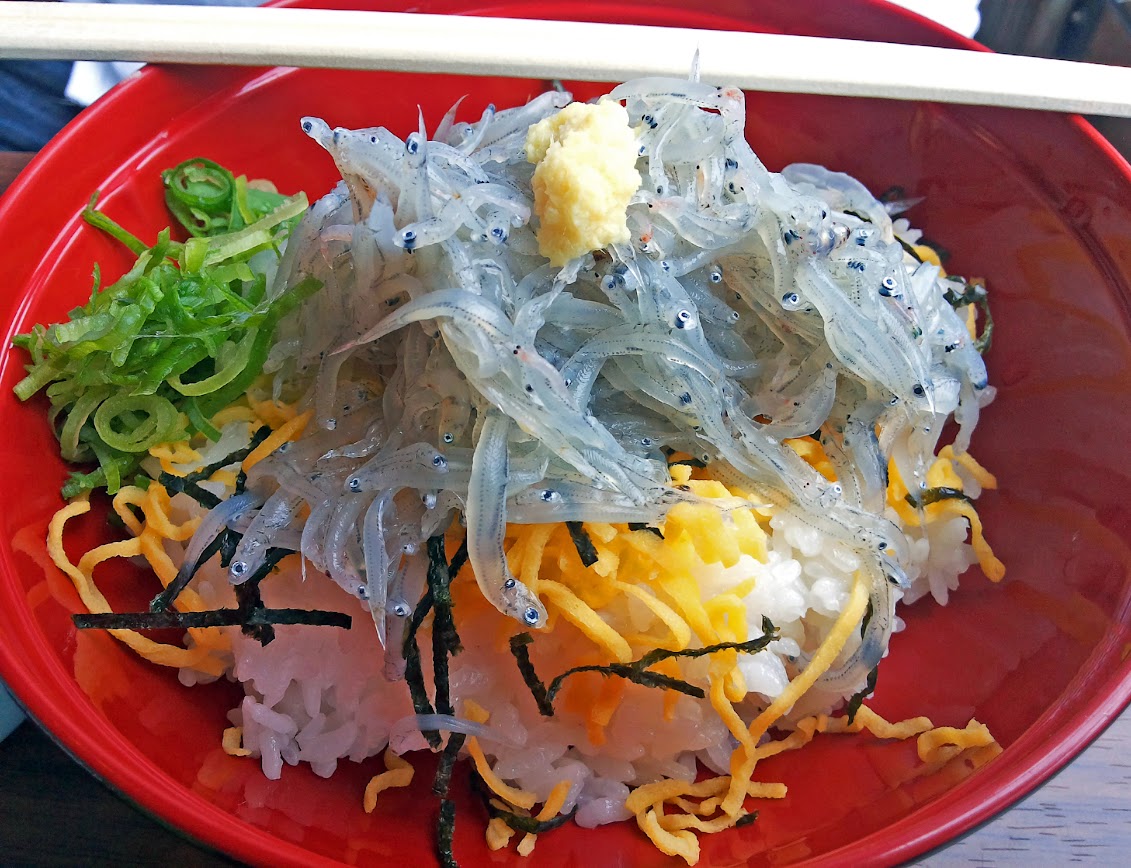
Traditional Shirasu-don is a combination of steaming hot Japanese white rice, shirasu, raw egg, shredded seaweed, grated ginger, and Japanese soy sauce.
Shirasu-don also has a distinct seasonal nature. Nama-shirasu is usually only available during certain fishing seasons (typically from spring to early autumn), so if you are lucky enough to visit Kamakura at the right time, this will be a very valuable culinary experience. Off-season, the lightly boiled shirasu version still retains its characteristic flavor and is more palatable for many tourists.
Here are some famous places to eat Shirasu-don in Kamakura:
- Kamakura Shirasuya (鎌倉しらすや), 3-17-18 Yuigahama, Kamakura: A restaurant specializing in Shirasu-don with freshly caught ingredients, rustic space, very popular among locals.
- Tobiccho (とびっちょ), 1-6-7 Koshigoe, Kamakura: One of the most famous Shirasu restaurants in the area, near Enoshima, often crowded but with stable quality.
- Wadatsumi no Miya (わだつみの宮), 2-2-35 Yuigahama, Kamakura: Suitable for visitors who want to experience Shirasu-don in a quiet, local atmosphere.
If you could only choose one dish to start your culinary journey in Kamakura, Shirasu-don is definitely a choice not to be missed.
3. Kamakura Seafood: Fresh, Rustic, and Full of Ocean Flavor
Kamakura cuisine does not flaunt techniques or elaborate presentations. What makes visitors remember is the freshness of the seafood, the minimalist preparation, and the down-to-earth feeling in each meal. As a coastal city facing Sagami Bay, Kamakura boasts a rich supply of seafood, caught daily and brought straight to the kitchens of local eateries. If Shirasu-don is the 'must-eat' dish, then the seafood dishes below are the soul that makes the culinary exploration of Kamakura complete.
3.1 Sashimi & Seasonal Fresh Seafood
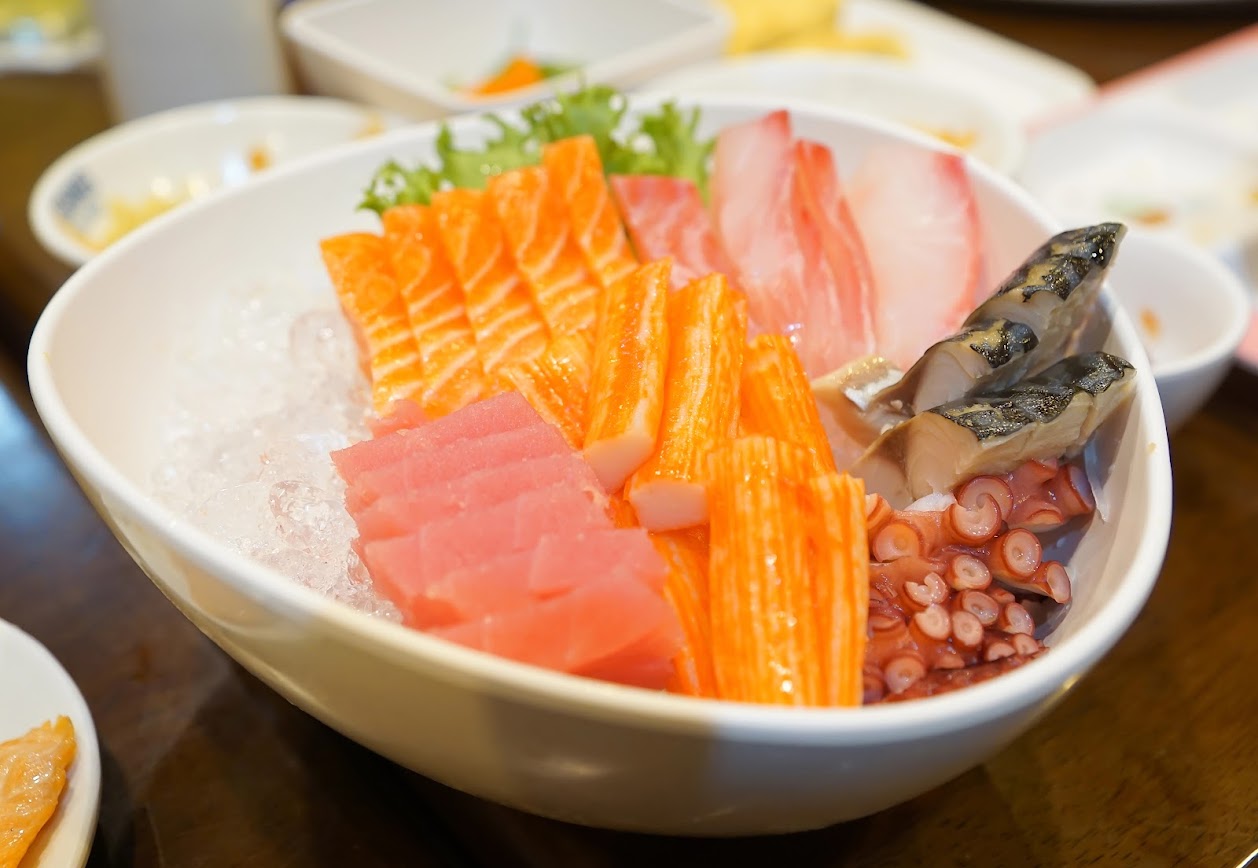
Kamakura sashimi uses seafood caught on the same day from Sagami Bay, without elaborate decorations, served with freshly grated wasabi and just the right amount of soy sauce.
In Kamakura, sashimi is not merely a dish but a way for locals to express their respect for the sea. Fish caught early in the morning from Sagami Bay, with short transportation, retains ideal freshness. When served, each sashimi slice is often cut thicker than in many other places, allowing diners to clearly feel the firm texture of the fish and the natural sweetness gradually spreading on the tongue.
Interestingly, Kamakura sashimi is rarely 'interfered' with too many seasonings. No complicated sauces, no elaborate decorations, just fresh fish, freshly grated wasabi, and just the right amount of soy sauce. This simplicity makes the culinary experience in Kamakura feel authentic and very local.
If you enjoy the feeling of sitting in a small restaurant, watching the chef handle the fish right before your eyes and chatting with locals, Kamakura sashimi is definitely an experience worth spending time on.
3.2 Tempura & Japanese-style Fried Seafood
Unlike many tourists' thoughts that fried food is usually heavy in flavor, tempura in Kamakura brings a very 'pleasant' feeling. The secret lies in the thin batter, quickly fried at the right temperature, enough to create crispiness without absorbing oil. When bitten into, the outer layer breaks lightly, revealing the seafood inside that still retains its sweetness and tenderness.
Kamakura seafood tempura is often served with salt, tentsuyu dipping sauce, or white rice. This is a suitable choice for those who want to change flavors during their culinary exploration of what to eat in Kamakura, especially after visiting temples.
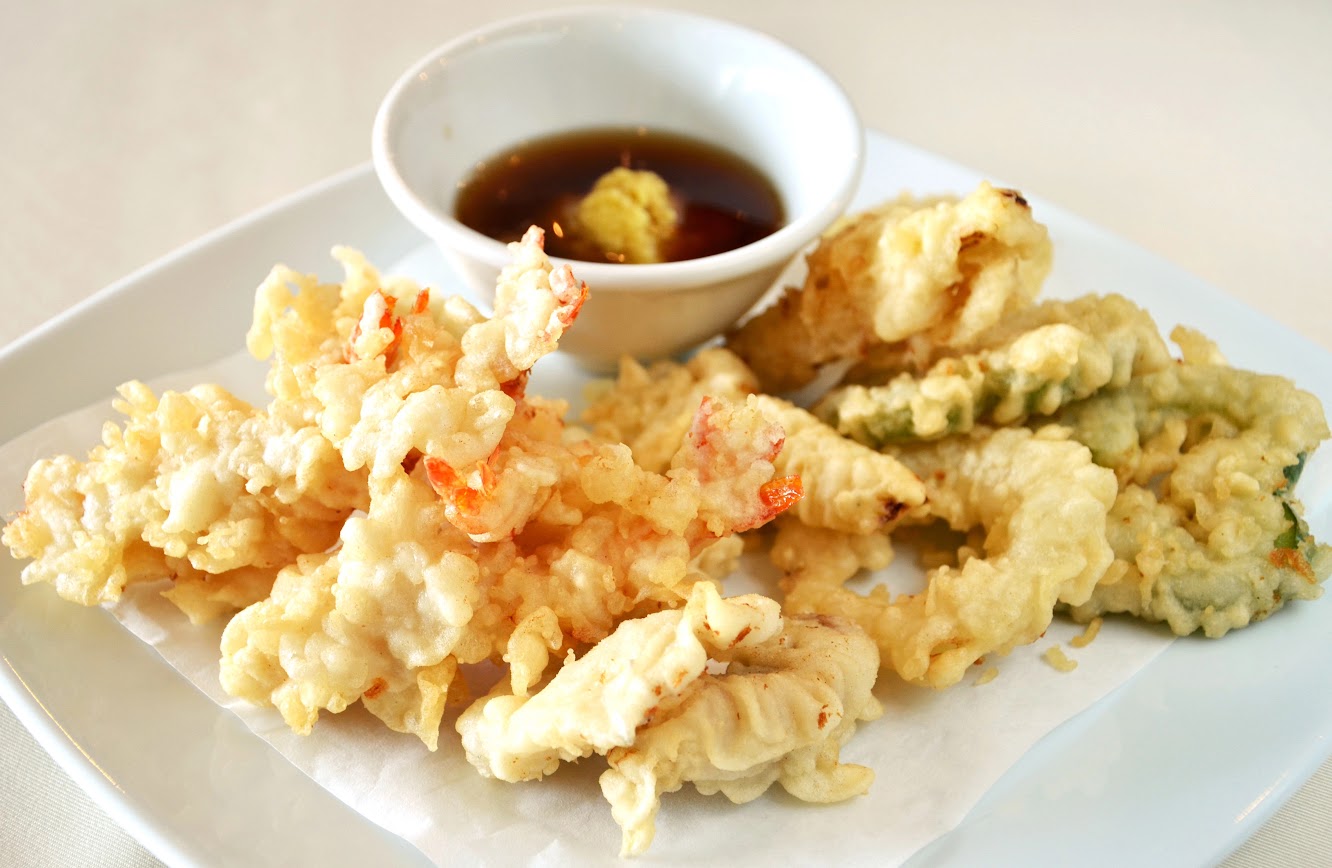
Tempura in Kamakura with shrimp, squid, and white fish covered in a thin batter, quickly fried at the right temperature, enough to create crispiness without absorbing oil.
Many tempura restaurants in Kamakura are family-run, passed down through generations. They don't need large signs or flashy advertisements, but they offer a warm and inviting atmosphere. For travelers who love to experience local life, Kamakura tempura is a dish not to be missed.
3.3 Grilled Salted Fish
If sashimi represents delicacy and tempura showcases skill, then grilled salted fish is the embodiment of everyday cuisine. After being cleaned, the fish is sprinkled with just the right amount of sea salt and grilled directly over charcoal until the skin is lightly charred, while the flesh inside is cooked just right, retaining its natural sweetness.
This dish usually doesn't require additional sauces. When eating, people squeeze a little lemon or enjoy it with grated daikon to balance the flavors. A platter of grilled salted fish, a bowl of hot white rice, miso soup, and a few pieces of pickled vegetables - simple yet fulfilling. This is a familiar meal for many families in Kamakura after a day of work.
For travelers, the experience of grilled salted fish offers a very different feeling: it's not just about 'eating for the experience,' but about slowing down, eating like a local, and clearly feeling the connection between people, the sea, and daily meals. In the journey to explore Kamakura's cuisine, this dish helps you gain a deeper understanding of the local culture.
From seasonal fresh sashimi, delicate tempura to rustic grilled salted fish, Kamakura seafood doesn't need to be elaborate to impress. It is the simplicity, freshness, and connection to everyday life that make the cuisine here an unforgettable highlight in the journey of exploring Kamakura.
4. Komachi-dori Street: A Must-Visit Snack Paradise
4.1 Komachi-dori Street - The Culinary Heart of Kamakura
Komachi-dori is one of the most famous shopping and dining streets in Kamakura, located along the route connecting Kamakura Station to Tsurugaoka Hachimangu Shrine. This area is also sought after by many travelers when mentioning Komachi-dori - a place densely packed with snack stalls, traditional shops, and small bakeries that exude local charm.
From the very first steps on Komachi-dori, visitors can feel a unique bustling atmosphere: not too noisy like large shopping areas, but lively enough to make everyone want to stop, slow down, and explore. Traditional shops coexist with modern eateries, creating a distinctive identity for this culinary street.
Today, Komachi-dori is considered a snack paradise in Kamakura. The small stalls are closely packed, focusing on easy-to-hold, easy-to-eat foods, perfect for a day of sightseeing. You can stroll while sampling each dish, without needing to sit for long in a restaurant, embodying the spirit of 'slow eating amidst a walking journey.'
- Address: Komachi-dori Street, Kamakura, Kanagawa Prefecture
- How to get there: Take the JR or Enoden train to Kamakura Station, then walk about 2-3 minutes from the East Gate
- Operating hours: Approximately 10:00 AM - 6:00 PM (some shops close earlier on weekdays)
- Busiest times: Weekends, spring, and autumn
4.2 Must-Try Snacks in Komachi-dori
From grilled senbei, handmade mochi to croquettes and matcha ice cream, the snacks on Komachi-dori are not only for filling up but also a way for travelers to feel the rhythm of Kamakura - where cuisine, history, and local life blend together naturally, slowly, and attractively.
- Senbei - Traditional Grilled Rice Crackers: Senbei is the most familiar and commonly found snack on Komachi-dori. The crackers are grilled right at the stall, releasing an enticing aroma as soon as they come out. The crackers are lightly crispy, with a harmonious salty-sweet flavor from soy sauce, seaweed, or toasted sesame. This dish is very 'Japanese,' simple yet addictive, perfect for enjoying while walking.
- Traditional Rice Cake (Mochi & Local Variations): In addition to senbei, Komachi-dori also has many shops selling handmade mochi. The cakes are soft and chewy, filled with red bean paste, matcha, or creative versions inspired by Kamakura. The sweetness is mild, not overpowering, making it suitable for all ages. Mochi is often sold in small portions, making it convenient to try various types in one outing.
- Lightly Fried Croquettes: Croquettes filled with potato, crab, or seafood are a fast food favorite among many travelers. Crispy on the outside and soft inside, with just the right amount of richness. This dish is usually sold hot, in small pieces for immediate eating, especially great when you need to recharge during your sightseeing journey.
- Matcha Ice Cream & Japanese Sweets: After trying enough savory dishes, matcha ice cream and desserts are the perfect choice to 'wrap up' your food tour on Komachi-dori. The green tea ice cream has a slight bitterness and a gentle sweetness, balancing well with the previous dishes. On sunny days in Kamakura, holding a matcha ice cream while strolling is a very memorable experience.
Komachi-dori is not just a place to fill up; it is also a space to feel the rhythm of Kamakura - where cuisine, history, and local life blend together naturally, slowly, and attractively.
If dishes like Shirasu-don, fresh seafood, or snacks on Komachi-dori have set the mood for your travel journey in Kamakura, planning your flight is also simple with Vietjet. You can book Vietjet flights to Tokyo (Narita) - the most convenient airport to continue your short journey to Kamakura by JR or Enoden train. Don't forget to hunt for 0đ flight tickets (excluding taxes and fees) during the golden hours from 12 PM to 2 PM each day to optimize costs, allowing you to spend more on local culinary experiences and explore unique cultural aspects. An economical flight opens up a light and memorable journey in Japan waiting for you!
Don't forget to follow and update travel guides from Vietjet through the official channels below to plan your itinerary perfectly at: