Booking
 Skyshop
 Hotel
Hotel
 E-Voucher
 E-Sim
E-Sim
 E-Visa
 Buy foreign currency
 Insurance
 SkyJoy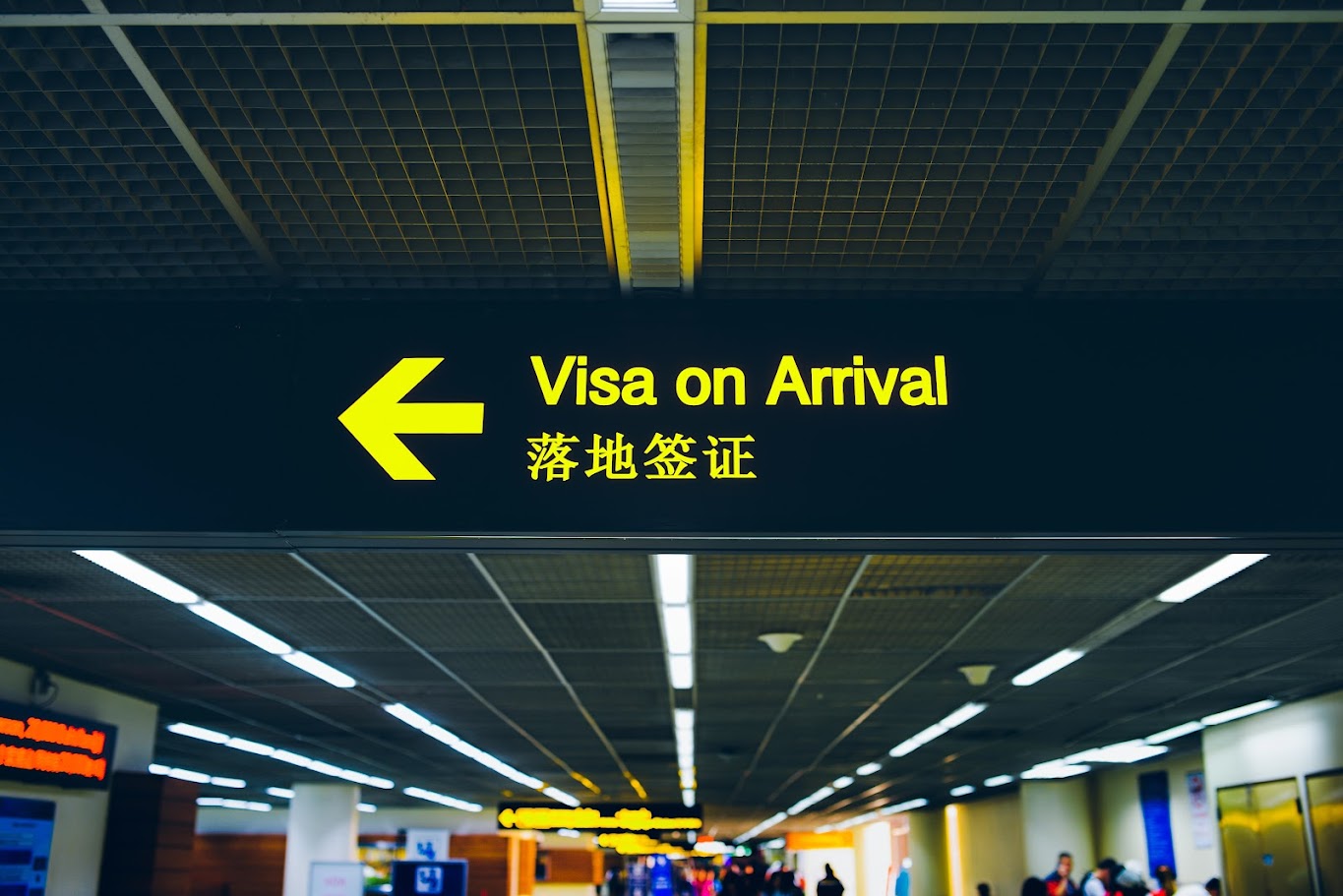
In the age of rapidly growing global tourism, the visa on arrival system – also known as arrival visa – is becoming a flexible and convenient option for many international travelers, including Vietnamese citizens. So, what exactly is a visa-on-arrival, in what cases is it applicable, and what are the specific procedures?
For frequent travelers or business people, the term visa on arrival may be familiar. However, for many first-time travelers abroad, this concept is still quite new and may cause confusion. So, what is a visa on arrival, what are the procedures for applying for it, and what should you keep in mind when you arrive to apply for the visa?
Let’s explore the details in this article from Vietjet so that you can prepare thoroughly for your trip and avoid any hassles at the airport!
1. What is an Arrival Visa?
1.1 Introduction to Visa on Arrival
A visa on arrival (VOA) or arrival visa is a type of entry visa granted at the airport or border entry point of the destination country, immediately after you land or enter. This type of visa offers convenience for those traveling or on short business trips, as it eliminates the need for complicated visa procedures before departure.
This visa is typically only available for citizens of countries that are exempt or allowed to use the visa-on-arrival service. It’s also one of the ways countries encourage tourism development and promote trade relations. However, not all countries offer visa on arrival, and the requirements vary depending on the policies of each country.
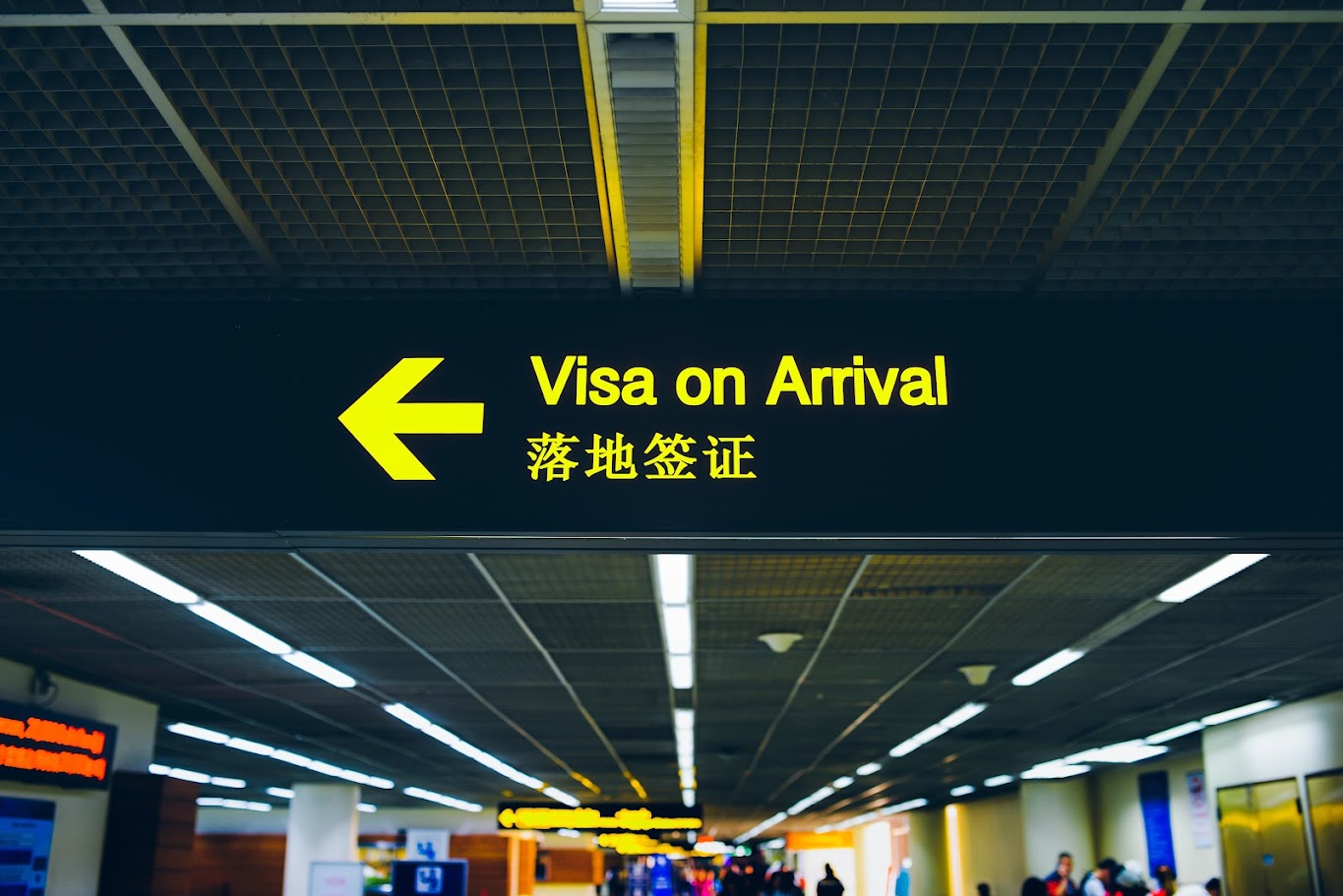
Visa on arrival is a convenient choice for those who wish to enter without having to apply for a visa beforehand.
1.2 Types of Visa on Arrival
Different countries offer different types of visa on arrival. In Vietnam, there are four basic types of visa on arrival:
- 1-month, single-entry visa: This is for those who plan to visit Vietnam for a short period and do not need to return within the same visa period. Holders of this visa can stay for up to 30 days, and the visa becomes invalid once you leave Vietnam.
- 1-month, multiple-entry visa: This type allows multiple entries and exits from Vietnam within 30 days. It’s suitable for business people, experts, or travelers who frequently move between Vietnam and other countries in the region.
- 3-month, single-entry visa: This visa allows foreigners to stay in Vietnam for a continuous 90-day period but only allows one entry. Once you exit, the visa will no longer be valid, even if there is still time remaining.
- 3-month, multiple-entry visa: This is the most flexible option for those planning to stay for a longer period and regularly travel in and out of Vietnam. This visa allows a stay of 3 months and multiple entries during its validity period.
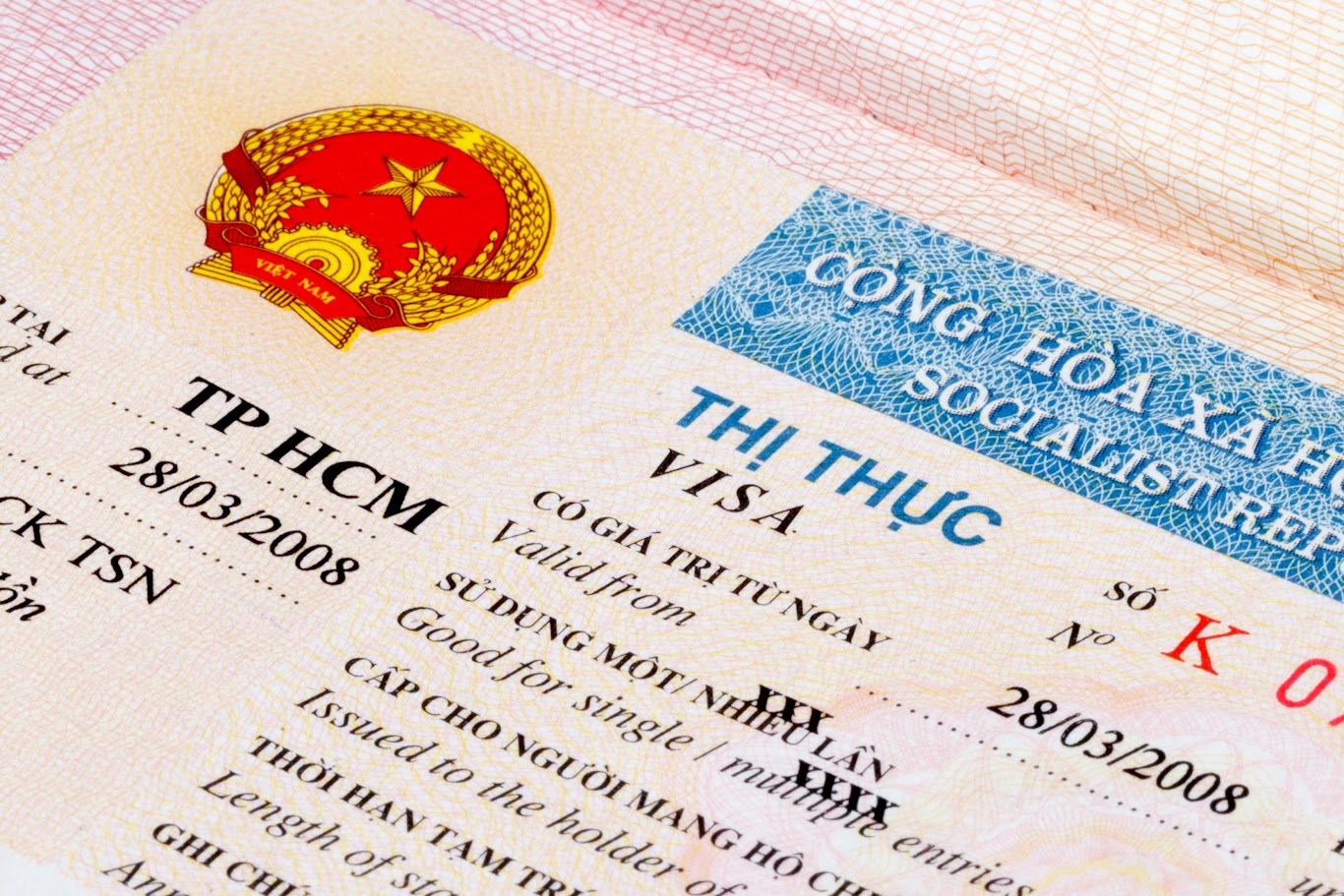
There are 4 basic types of visa-on-arrival applied in Vietnam.
2. Countries Allowing Vietnamese Citizens to Use Visa on Arrival
Currently, many countries around the world have implemented the visa on arrival policy to facilitate Vietnamese citizens traveling for tourism, business, or visiting family. Here are some countries that allow Vietnamese citizens to apply for a visa directly at the airport or border entry point.
Countries Allowing Vietnamese Citizens to Use Visa on Arrival | Visa Fee | Stay Duration |
Nepal | 20 USD | 15 days |
Sri Lanka | 45 USD | 30 days |
United Arab Emirates | 55 - 475 USD | 90 days |
Maldives | No fee | 30 days |
East Timor | 30 USD | 30 days |
India | 60 USD | 30 days |
Iran | 50 USD | 17 days |
Senegal (Africa) | 50 Euro | 30-90 days |
Nicaragua | No fee | Up to 90 days |
Romania | No fee | 90 - 180 days |
Cuba | No fee | 30 days |
3. Procedures for Applying for Visa on Arrival
3.1 Conditions for Applying for a Visa on Arrival
Each country has different regulations and procedures for applying for a visa on arrival. Not everyone is eligible for this visa. Below are the common conditions:
- Eligible Nationalities: Generally, travelers must come from countries that are permitted to use this type of visa and are not on the blacklist of the destination country.
- Passport validity: The passport must be valid for at least 6 months from the date of entry.
- Round-trip ticket or ticket to a third country: This is to prove that you have plans to leave the country within the allowed duration.
- Additionally, applicants may need to show proof of sufficient financial means to cover accommodation and other expenses during their stay.
- Some countries may require prior registration and approval letters from the authorities before applying for the visa at the airport.
3.2 Visa on Arrival Application Procedure
The visa on arrival application procedure is generally not very complicated, but it still requires thorough preparation and adherence to the correct steps. The basic process includes:
- Prepare all required documents:
- Passport valid for at least 6 months from the planned entry date.
- Passport-sized photo: You need to provide a photo that meets the specific size requirements of the issuing country. Typically, the photo must be taken within the last 6 months.
- Visa application form: Some countries require you to print and fill out a visa application form in advance. Others allow you to complete it directly at the airport.
- Round-trip ticket or ticket to the next destination country: This is to prove that you have plans to leave within the stipulated time.
- Visa fee: The fee varies depending on the country’s policy and can typically be paid in cash (USD) or via an international card at the airport.
- Visa approval letter (if required): Some countries require an approval letter before you arrive, usually sent via email from the immigration department. You need to print it out and present it during the application process.
- Apply for the visa on arrival at the counter:
- Submit all the documents as instructed at the reception desk.
- The airport staff will check the information, process your application, and collect any applicable fees.
- After the review process is complete, the visa will be stamped into your passport. The waiting time may range from 15 minutes to over an hour, depending on the number of passengers at that time.
- Immigration procedures and checks at the border:
- After receiving your visa, you can proceed with the usual immigration procedures.
- Customs officers may check some documents such as the round-trip ticket, hotel information, financial proof, or invitation letter (if applicable).
- If everything is in order, you will have your passport stamped and officially be allowed to stay for the duration indicated on your visa.
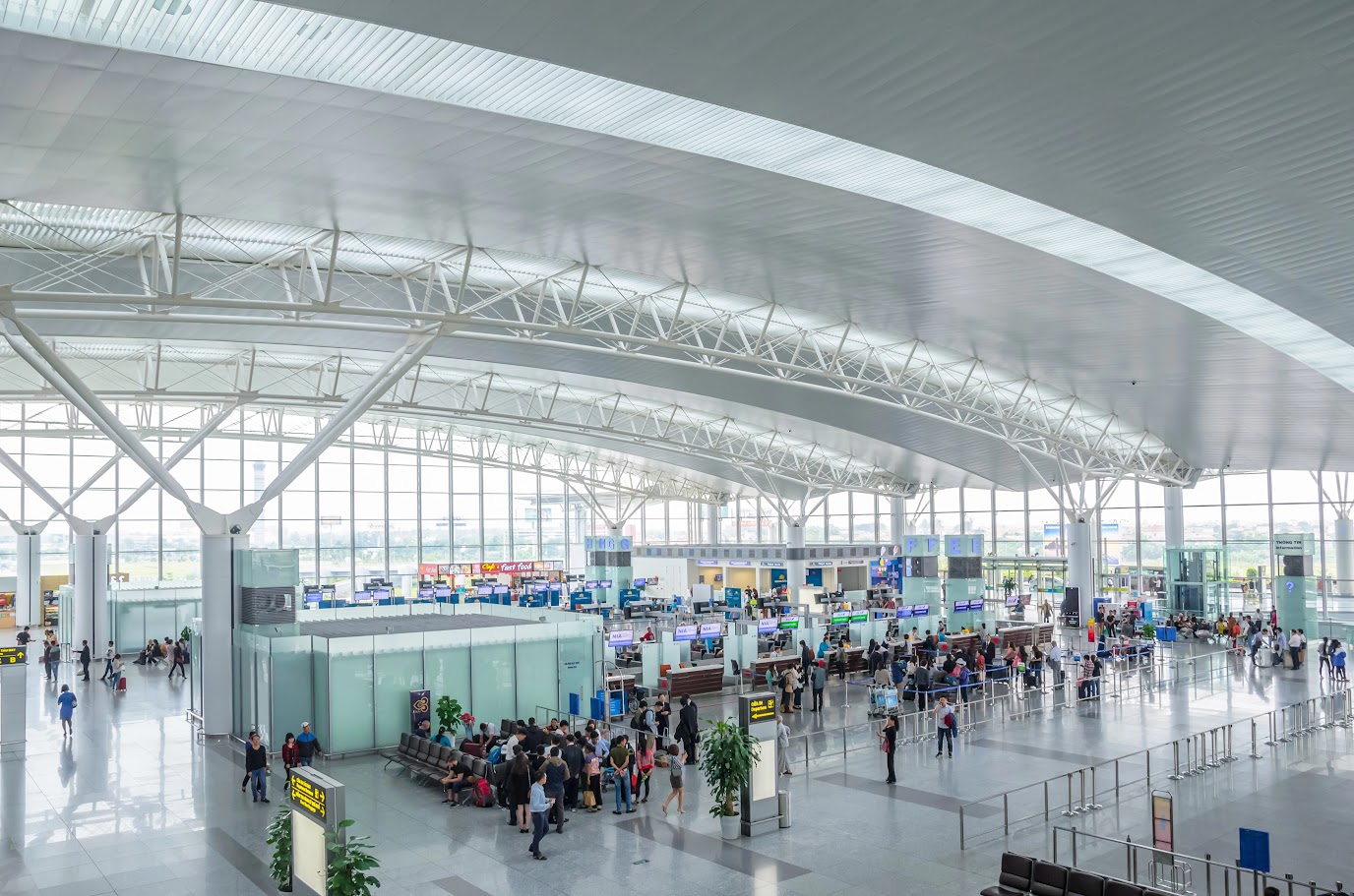
Travelers can apply for a visa on arrival directly at the airport.
4. Important Notes When Applying for a Visa on Arrival
To ensure a smooth visa on arrival process, keep these points in mind:
- Before departing, you should check whether the country you plan to visit offers visa on arrival for Vietnamese citizens. Also, verify if there is a requirement to register in advance or obtain an approval letter from the authorities.
- Prepare all necessary documents: Make sure to carry a passport valid for at least 6 months, passport-sized photos according to the required standards, the visa application form (if needed), and a return ticket or ticket to the next destination.
- Bring cash for the fee: Many airports only accept cash payments (typically USD or local currency), so it’s advisable to exchange currency before your trip to avoid any issues during the process.
- Follow instructions at the immigration area: Once you arrive, be sure to carefully observe the signs, queue properly, and follow the instructions of customs officers to ensure the visa on arrival procedure is fast and smooth.

Don't miss out on Vietjet's 0 VND flight promotion if you’re planning to travel abroad!
We hope the useful information shared by Vietjet in this article has helped clarify what an arrival visa is and provided a detailed and easy-to-follow guide on applying for a visa on arrival. Additionally, if you’re planning to travel abroad, don’t miss Vietjet's 0 VND flight promotion, available between 12 PM and 2 PM daily. This is a great opportunity to save costs and explore the world more easily than ever before. See more details HERE.
Don't forget to stay updated on the latest fare information, flight schedules, and useful travel tips via Vietjet’s official channels below:
- Website: https://www.vietjetair.com
- Facebook: https://www.facebook.com/vietjetvietnam
- Instagram: https://instagram.com/vietjet
- YouTube: https://www.youtube.com/VietjetOfficial
- TikTok: https://www.tiktok.com/@vietjetvietnam
- Zalo: https://oa.zalo.me/vietjet