Booking
 Skyshop
 Hotel
Hotel
 E-Voucher
 E-Sim
E-Sim
 E-Visa
 Buy foreign currency
 Insurance
 SkyJoy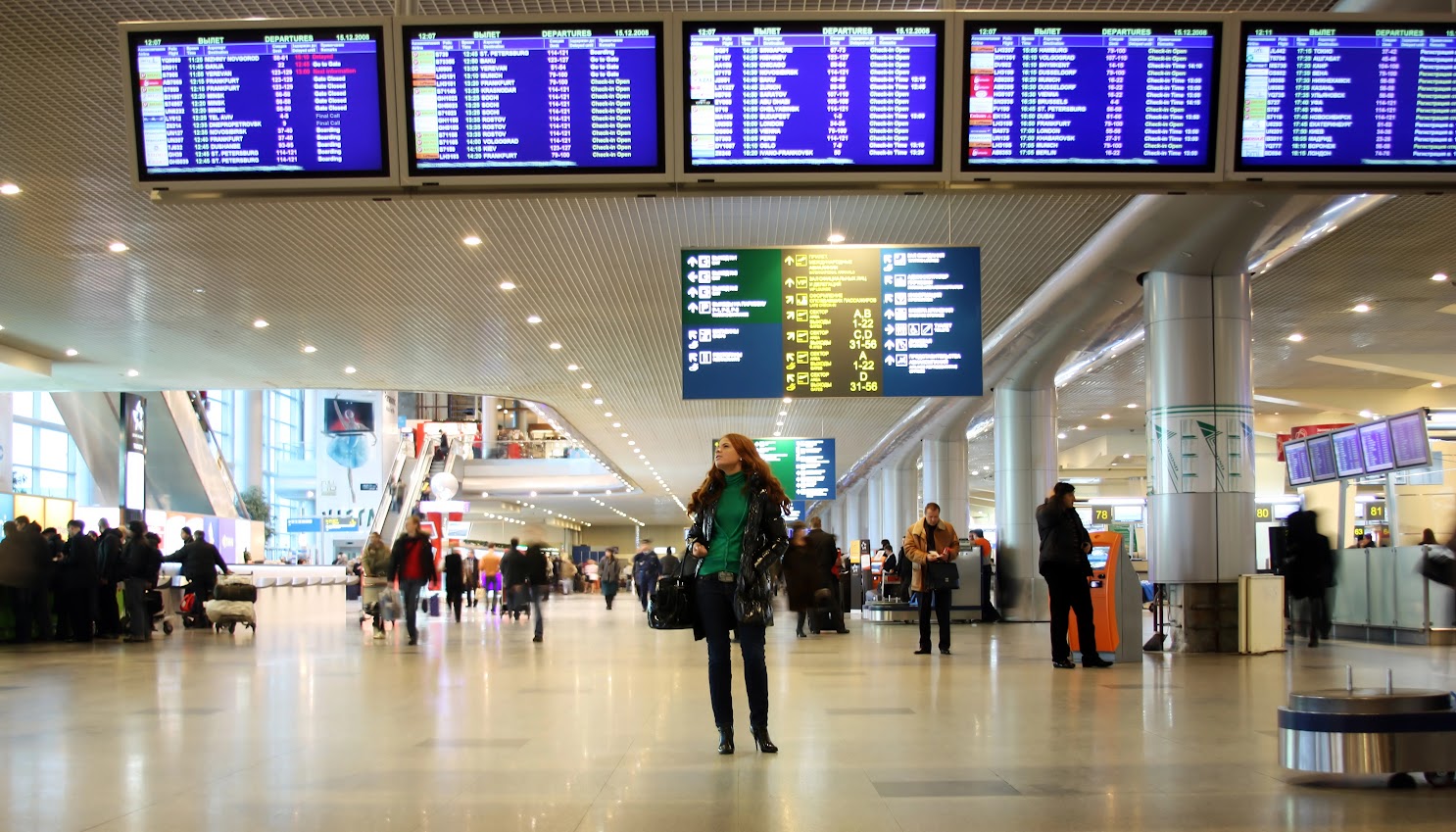
In the context of rapid growth in international travel and the increasing availability of direct routes, many passengers still choose connecting flights with at least one stop before reaching their final destination. This option offers several advantages, such as expanding destination choices, saving costs, or taking advantage of a transit hub to explore more places. However, without careful preparation regarding procedures, baggage handling, or layover time, travelers may easily face missed connections, lost luggage, or significant delays.
The article below compiles detailed connecting-flight experience tips, helping first-time international transit passengers travel smoothly, stay on schedule, and avoid the risk of missing their flights.

As global travel continues to grow, international connecting flights give passengers greater flexibility in planning their journeys and help reduce travel costs.
1. What Is a Connecting Flight?
1.1 Basic definition
A connecting flight (also known as a transit flight) is an itinerary in which passengers must change aircraft at one or more intermediate airports before reaching their final destination. The key distinction is as follows: if you travel from point A to point B on a single flight without changing planes, that is a direct flight. A connecting flight, on the other hand, requires at least one aircraft change or transit through an intermediate airport.
The term “transit” is commonly used to describe the waiting period between flight segments or the act of passing through an airport, while “connecting flight” emphasizes the subsequent flight that passengers must board.
1.2 Common types of connecting flights
- Single-ticket itineraries (with the same airline or airlines within an alliance): Passengers book one ticket covering multiple segments. The airline or alliance is responsible for the entire journey, and checked baggage is usually transferred directly to the final destination without the need for passengers to reclaim it at the transit airport.
- Separate tickets or connections between non-partner airlines: Each segment is booked separately, or the airlines involved do not have baggage transfer or connection agreements. If the first flight is delayed, the second airline may not take responsibility.
- Domestic–international or international–international connections: For example, flying from Vietnam to another country with a stop in a transit country. In such cases, passengers may need to complete immigration procedures, change terminals, or even transfer to a different airport. These processes are more complex than domestic connections.
1.3 When should you choose a connecting flight?
You should consider a connecting flight in the following situations:
- Your destination does not have a direct flight from your departure point. A connecting flight offers flexibility to reach less-served destinations.
- You want to save costs: Connecting flights are often cheaper than direct flights, as airlines operate multiple segments and may use lower-cost transit airports.
- You have sufficient time and do not mind stopping at a transit airport, or you want to take advantage of the layover for short experiences such as dining or sightseeing.
- You want more options in terms of airlines, schedules, and routes that direct flights may not offer.
- However, if time efficiency and convenience are your top priorities, a connecting flight may not always be the optimal choice.

More and more airlines are expanding their international connecting flight networks, providing greater convenience for Vietnamese travelers, including Vietjet.
2. The A–Z Connecting Flight Process
2.1 Before your trip
To avoid unexpected issues, complete the following preparations before any international connecting flight:
- Check your booking reference and ticket type: Confirm whether your ticket is a single-ticket itinerary or separate tickets. Separate tickets involve significantly higher risk if the first flight is delayed.
- Plan sufficient layover/transfer time: Make sure the time between flights is long enough to change planes, pass security checks, and complete immigration procedures if required.
- Research the transit airport: Review terminal maps in advance to know which terminal you will arrive at and which terminal your next flight departs from. Check whether inter-terminal transport by train or bus is required. Large airports usually have “Flight Connections” signs to guide passengers.
- Check transit visa requirements: This is a critical step. Some countries require a visa even if you remain inside the airport during transit.
- Prepare documents and baggage: Ensure your passport is valid (usually at least six months), print your e-ticket and itinerary details, and pack carry-on luggage efficiently for easier movement between flights.

2.2 During check-in
At the departure airport, you proceed with check-in as usual. If you have a single-ticket itinerary and the airline or alliance supports it, you may receive boarding passes for both segments (when applicable). Your checked baggage will be tagged through to the final destination.
If you have separate tickets or are flying with non-allied airlines, you may need to collect your baggage at the transit airport and re-check it for the next flight. This increases risk, as you are responsible for handling your luggage and may lose valuable time.
Therefore, when choosing a connecting flight, always verify whether your segments are on the same ticket or booking reference, whether your baggage is checked through to the final destination, and whether you need to re-check in. This preparation will help you stay in control if issues arise.
2.3 During the transit period
After landing at the transit airport, passengers should quickly locate the transit or flight connections area by following airport signage or electronic information boards. This area is dedicated to travelers who are temporarily stopping before boarding their next flight and do not need to clear immigration. Depending on the airport, this area may be within the same terminal or in a separate section, requiring passengers to pass additional security checks.
The first thing to do is check the electronic departure boards to confirm the gate number for your next flight. Many passengers assume the gate will not change, but in reality, airlines may update departure times or change boarding gates at any moment. Checking early helps you avoid last-minute rushing and unnecessary stress.
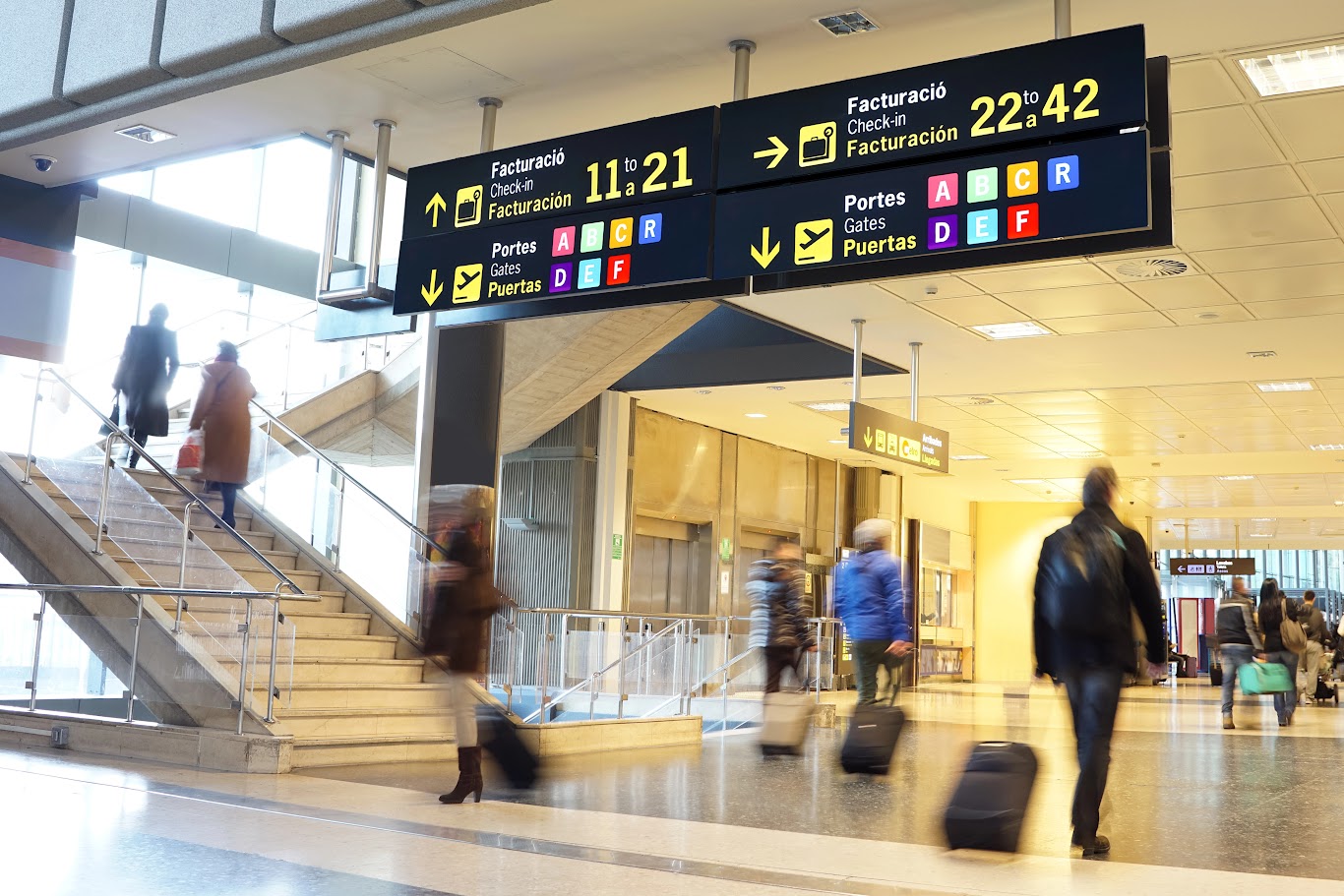
At major airports, transit areas are usually well equipped with amenities such as lounges, massage chairs, duty-free shopping zones, and even shower facilities or short-stay sleeping areas. However, passengers should always keep their carry-on baggage within sight and avoid leaving important belongings unattended in public spaces.
For connections with short layover times, passengers should proceed directly to the next boarding gate after clearing security. At large airports or those with multiple terminals, transferring between areas can take 20 to 40 minutes, making early movement essential. If a terminal change or airport transfer is required, passengers must allow sufficient time and strictly follow airport staff instructions to avoid missing their flight.
If the first flight is delayed and reduces the transit time, passengers should immediately go to the airline’s “Transfer” or “Transit Desk” at the airport to report the situation. Major airlines typically have dedicated connection-support teams that can help rebook the next flight or assist passengers in reaching the departure gate more quickly.
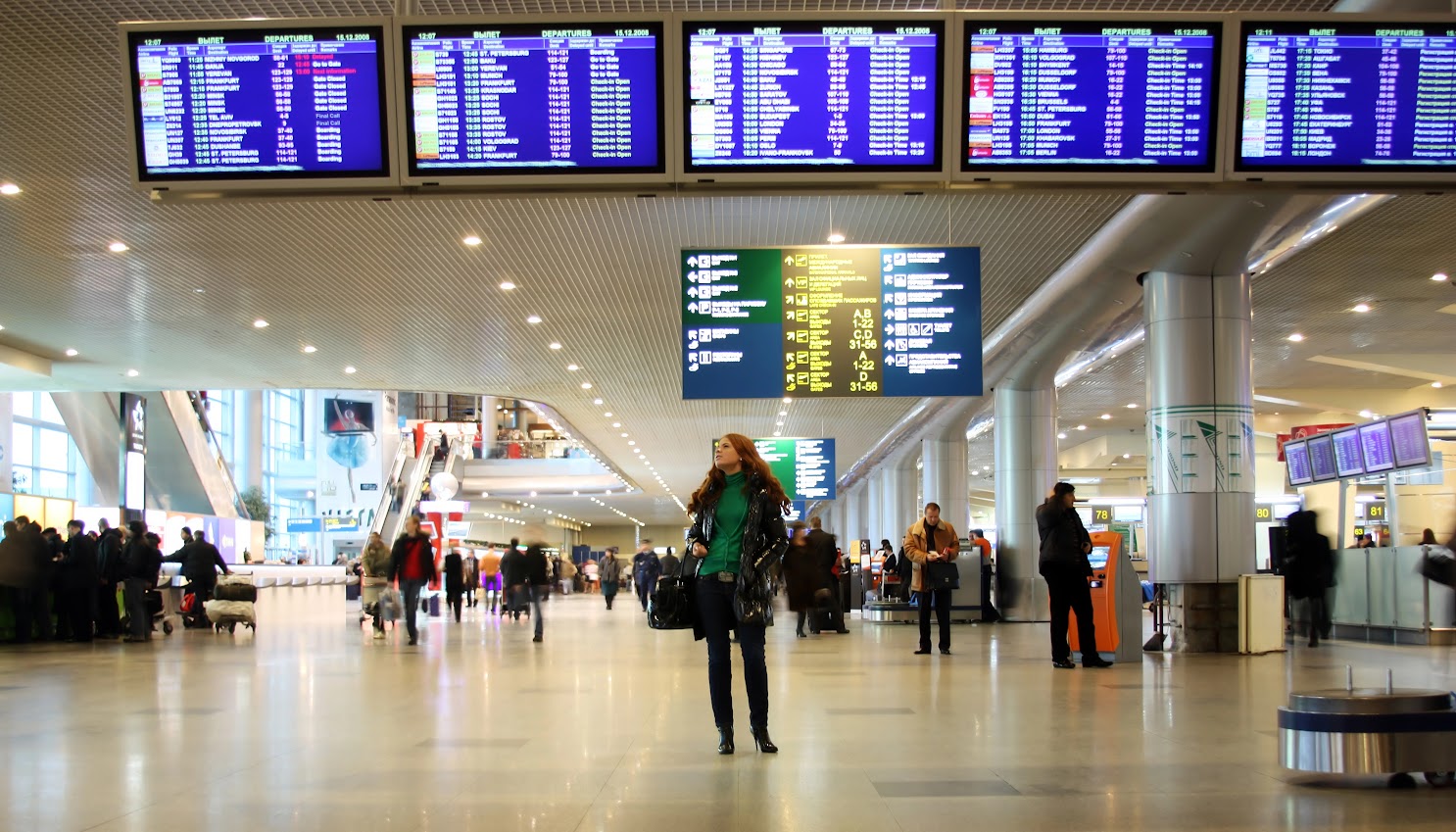
Tracking flight information via the airline’s app is an important connecting-flight tip, helping passengers stay updated on changes to departure times or boarding gates.
2.4 Upon Arrival at the Final Destination
After completing the connecting segments and landing at the final destination, passengers will proceed to immigration procedures if it is an international flight. Here, you will need to present your passport, arrival card, visa (if required), and any relevant documents requested by immigration officers. Processing times may vary depending on passenger volume, so having documents prepared in advance is essential to avoid delays.
Once passport control is completed, passengers move to the baggage claim area. If your ticket is a single-ticket itinerary, checked baggage will be transferred directly to the final destination. You simply need to identify the correct baggage carousel corresponding to your flight number and wait for your luggage. If your baggage does not appear after a reasonable period, contact the “Lost and Found” counter or the airline’s customer service desk immediately for assistance.
After collecting your luggage, passengers proceed through customs inspection. Some countries require only baggage scanning, while others may conduct random checks. Make sure you are not carrying restricted items such as excess liquids, fresh food, or prohibited goods.
Once these procedures are completed, you officially enter the arrival hall, where you can meet relatives, arrange transportation, or continue to your accommodation. This is also the time to recheck all luggage and documents to ensure nothing was left behind on the aircraft or in inspection areas.
If any baggage issues or flight changes occurred during the journey, keep all receipts, baggage tags, and airline contact information to facilitate complaints or support requests after the trip.

For long international connecting journeys, preparing all required documents, visas, and a reasonable rest plan will help ensure a smoother trip.
3. International Transit Tips to Avoid Missing Your Flight
3.1 Choose a single-ticket itinerary whenever possible
One of the “golden rules” for smooth connections is purchasing a single-ticket itinerary with the same airline or alliance partners. The main advantage is that the airline is responsible for the entire journey. If the first flight is delayed, the airline can help rebook the next flight, and checked baggage is usually transferred directly to the final destination. In contrast, with separate tickets, the second airline is unaware of the first flight, significantly increasing the risk of missed connections or having to buy a new ticket.
3.2 Allow sufficient connection time
The time between flight segments is a critical factor in determining whether you can make your connection. If the layover is too short, even a minor delay on the first flight, a long terminal transfer, or additional procedures can cause you to miss the next flight.
3.3 Monitor email and airline apps
Based on real connecting-flight experiences, installing the airline’s app to receive notifications about boarding gates and schedule changes is extremely important. Upon landing at the transit airport, immediately check display boards or the app for updated gate information.
If the first flight is delayed, promptly go to the airline’s “Transfer / Transit” counter to report the issue and ask for assistance with rebooking or priority boarding on the next flight. These steps help you stay proactive and reduce stress when flying with connections.
Book international connecting flights early with Vietjet to enjoy better fares, convenient schedules, and attentive support throughout your journey.

At the Transit Desk, airline staff are always ready to assist passengers when the first flight is delayed or an urgent rebooking is required.
4. Frequently Asked Questions About International Connecting Flights (FAQ)
4.1 Do I need to collect my baggage during a connecting flight?
If you purchase a single-ticket itinerary with the same airline or alliance partners and your baggage is checked through to the final destination, you do not need to collect it at the transit airport. However, with separate tickets or airlines without baggage agreements, you may need to reclaim and recheck your luggage. In such cases, allowing sufficient layover time is crucial.
4.2 Can I leave the airport during transit?
If you are only transiting and not entering the transit country, you usually remain within the airport’s secure area and do not need a visa. If you wish to leave the airport to explore the transit city, you must check whether your layover time is sufficient, whether a transit or entry visa is required, and ensure you return to the airport before your next flight.
4.3 How long is a safe connection time?
There is no universal number applicable to all airports. Generally, allow at least 2 hours for international-to-international connections within the same terminal, and 3–4 hours or more if you need to change terminals, switch airports, or connect from international to domestic flights.
You should also refer to the “minimum connection time” provided by the airline or airport and add buffer time whenever possible.
4.4 Will the airline assist if I miss a connection?
If you book a single-ticket itinerary where the airline is responsible for the entire journey, they will usually rebook you on the next available flight at no additional cost (if the delay is airline-related).
In contrast, with separate tickets or different airlines, the second airline may refuse responsibility, and you will need to purchase a new ticket at your own expense. This makes ticket choice and connection time extremely important.
4.5 How can I tell if my itinerary is single-ticket or separate tickets?
Simply check the booking reference (PNR) on your e-ticket. If the entire journey is issued under the same booking reference and ticket number, it is a single-ticket itinerary. If each segment has a separate booking reference, you are flying on separate tickets and must recheck baggage and complete procedures again at the transit airport. If the first flight is delayed, the second airline has no obligation to assist.
Another easy way to identify this is during check-in: if you receive boarding passes for all segments, it is a single-ticket itinerary; if you only receive one boarding pass, you are flying on separate tickets.
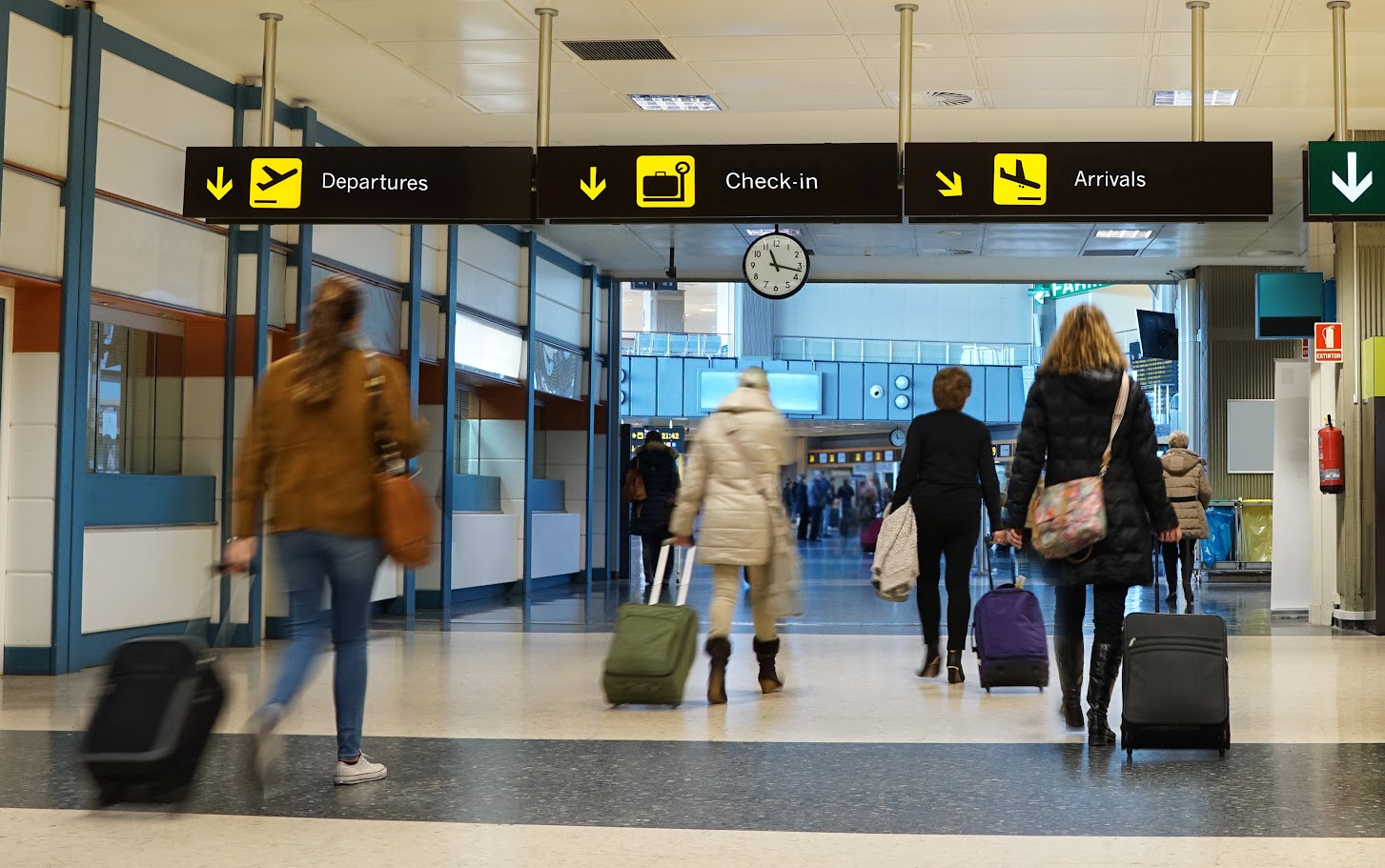
Understanding your ticket type helps you stay in control and avoid the risk of missed connections on international journeys.
Connecting flights are a flexible option that allows passengers to expand destination choices, save costs, and experience multiple international airports. However, to ensure a smooth journey, careful preparation is essential: choose single-ticket itineraries whenever possible, allow sufficient time between segments, and consistently monitor flight information via airline apps or email. Understanding the transit process, baggage handling, and layover management will help you avoid missed flights or lost luggage.
If you are planning an international trip and looking for a smart, safe, and cost-effective itinerary, Vietjet is one of the airlines offering many attractive international routes with convenient connection policies.Book your Vietjet flight now HERE to explore international journeys that are affordable and full of experiences. Don’t forget to follow Vietjet’s daily promotions on domestic and international flights with fares from 0 VND during the 12:00–14:00 time slot. See details HERE.
Follow flight route updates, promotional programs, and travel guides on Vietjet’s official information channels.
- Website: https://www.vietjetair.com
- Facebook: https://www.facebook.com/vietjetvietnam
- Instagram: https://instagram.com/vietjet
- YouTube: https://www.youtube.com/VietjetOfficial
- TikTok: https://www.tiktok.com/@vietjetvietnam
- Zalo: https://oa.zalo.me/vietjet