Booking
 Skyshop
 Hotel
Hotel
 E-Voucher
 E-Sim
E-Sim
 E-Visa
 Buy foreign currency
 Insurance
 SkyJoy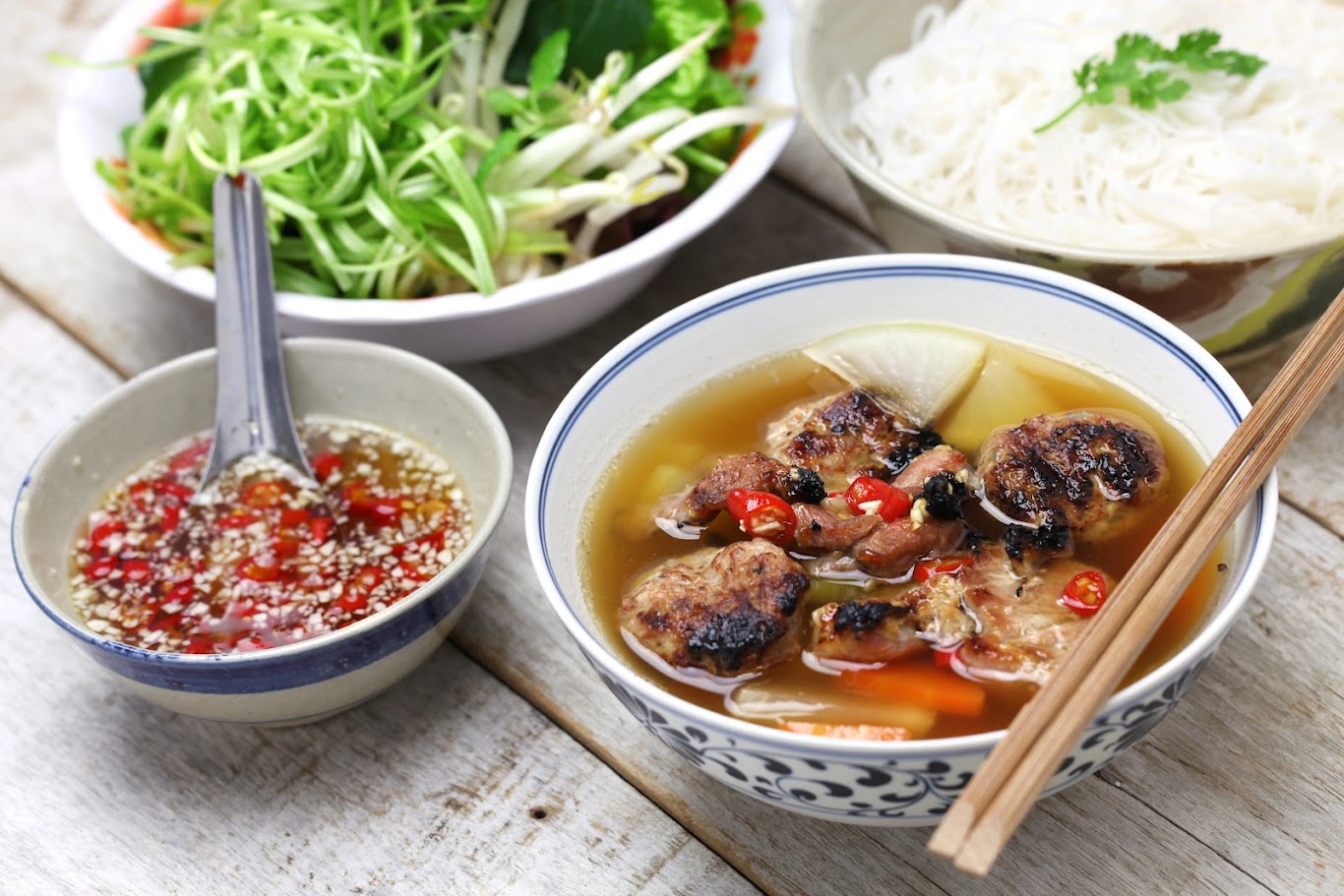
Hanoi cuisine is not only about delicious dishes but also a spiritual essence of the ancient capital, a place where cultural and historical quintessence converge. With a delicate blend of tradition and uniqueness, Hanoi’s gastronomy has transcended the boundaries of ordinary meals to become a distinctive cultural experience that captivates visitors from around the world. So, what has created this special appeal and elevated Hanoi cuisine to a new level in the hearts of global travelers?
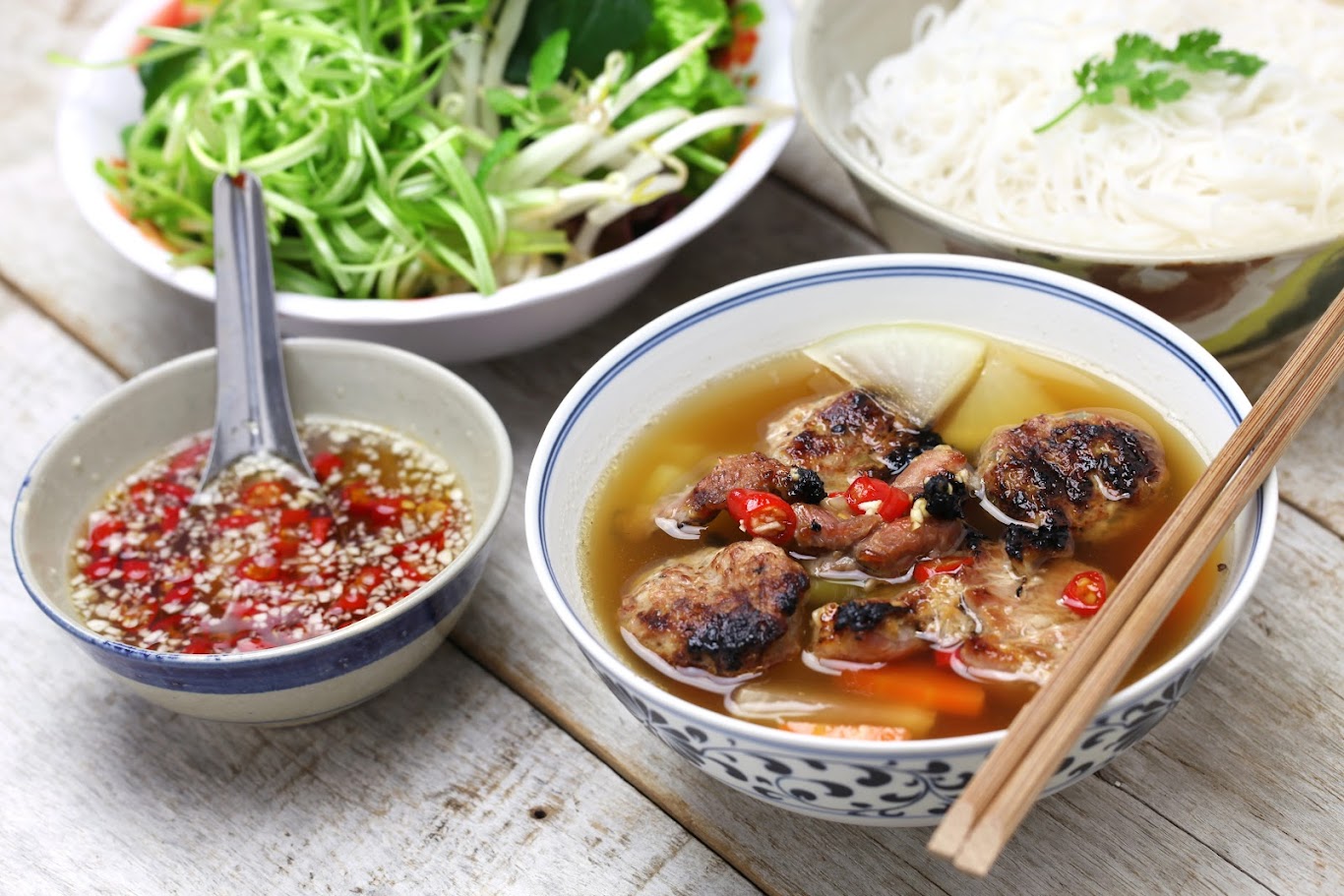
Hanoi cuisine is not only about flavors that delight the palate but also a journey into the depths of culture and history.
1. What are the distinctive features of Hanoi cuisine?
Hanoi cuisine stands out with its unique characteristics, creating irresistible appeal for food lovers from all corners of the world..
- Signature ingredients: Hanoians pay great attention to ingredient selection, prioritizing carefully chosen local specialties. This not only ensures freshness and authentic flavor but also reflects sophistication in preparation. For instance, to make good vermicelli, locals often seek out the famous Phu Do noodles. Meanwhile, Dong Tao chicken is used to create premium, distinctive dishes. Other examples include yellow-flower glutinous rice for bánh chưng, Vong village green rice, Red River catfish for chả cá, or Thanh Tri royal water spinach.
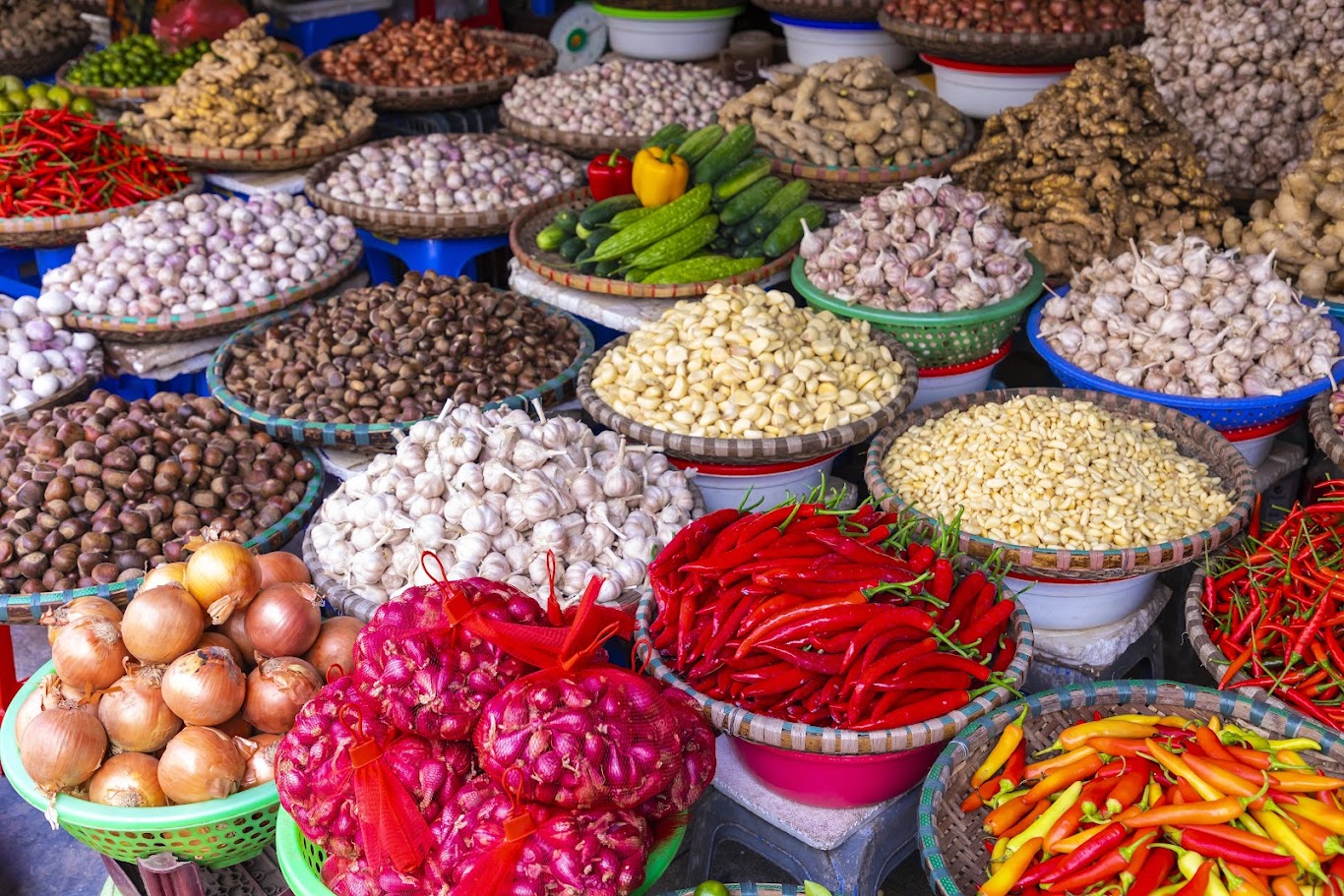
Meticulous ingredient selection is a key factor that defines the quality and reputation of Hanoi cuisine.
- Special spices: Spices play a crucial role in shaping the distinct flavors of Hanoi dishes. Beyond the common spices, Hanoi cuisine uses traditional seasonings with deep cultural roots. Shrimp paste (mắm tôm) and fermented shrimp sauce (mắm tép) are indispensable in many dishes, delivering bold and unique flavors. In addition, ca cuong essential oil is sometimes used in specialties such as bún thang and chả cá Lã Vọng to create an exclusive aroma.
- Dining spaces: The setting in which food is enjoyed is inseparable from the experience of Hanoi cuisine. From time-honored eateries to street vendors with baskets on sidewalks, or meals enjoyed amidst the ancient architecture of the Old Quarter, all contribute to a vivid and authentic culinary picture.
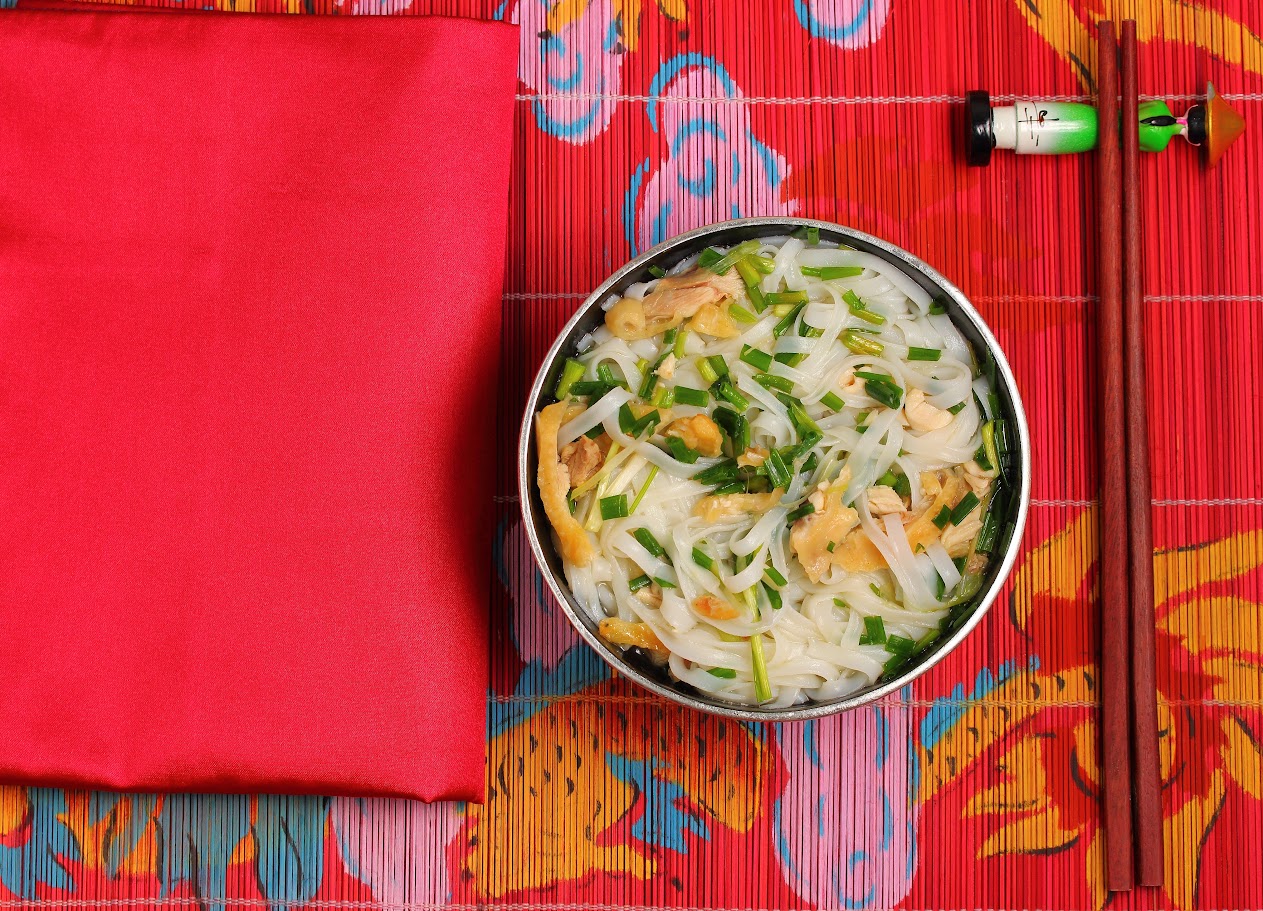
Hanoi cuisine is the harmony of carefully selected ingredients, unique spices, and culturally rich dining spaces.
2.1 Hanoi’s culinary culture in the past
2.1 Hanoi’s Traditional Culinary Culture
Hanoi cuisine in the past carried profound values of wet-rice civilization, reflecting sophistication and refinement in every dish:
- Delicacy and refinement: In the old days, Hanoians believed that a good dish must not only please the taste buds but also delight the eyes and showcase the cook’s craftsmanship. For example, bún thang requires numerous ingredients and meticulous preparation: pristine white vermicelli, shredded chicken, thin egg strips, sliced pork rolls, shiitake mushrooms, and herbs, all arranged harmoniously.
- Yin-Yang and Five Elements balance: Each Hanoi dish embodies a balance between hot and cold, sour-spicy-salty-sweet-bitter, creating not only harmony in flavor but also health benefits. For instance, phở combines warming broth (yang) with refreshing herbs (yin) for a perfect balance.
- Rich local flavors: Traditional Hanoi cuisine mainly relied on distinctive ingredients and spices of the Northern Delta. Dishes such as yellow-flower sticky rice, Vong village green rice, Red River catfish, or Thanh Tri water spinach showcase the Northern cultural identity rarely found elsewhere.
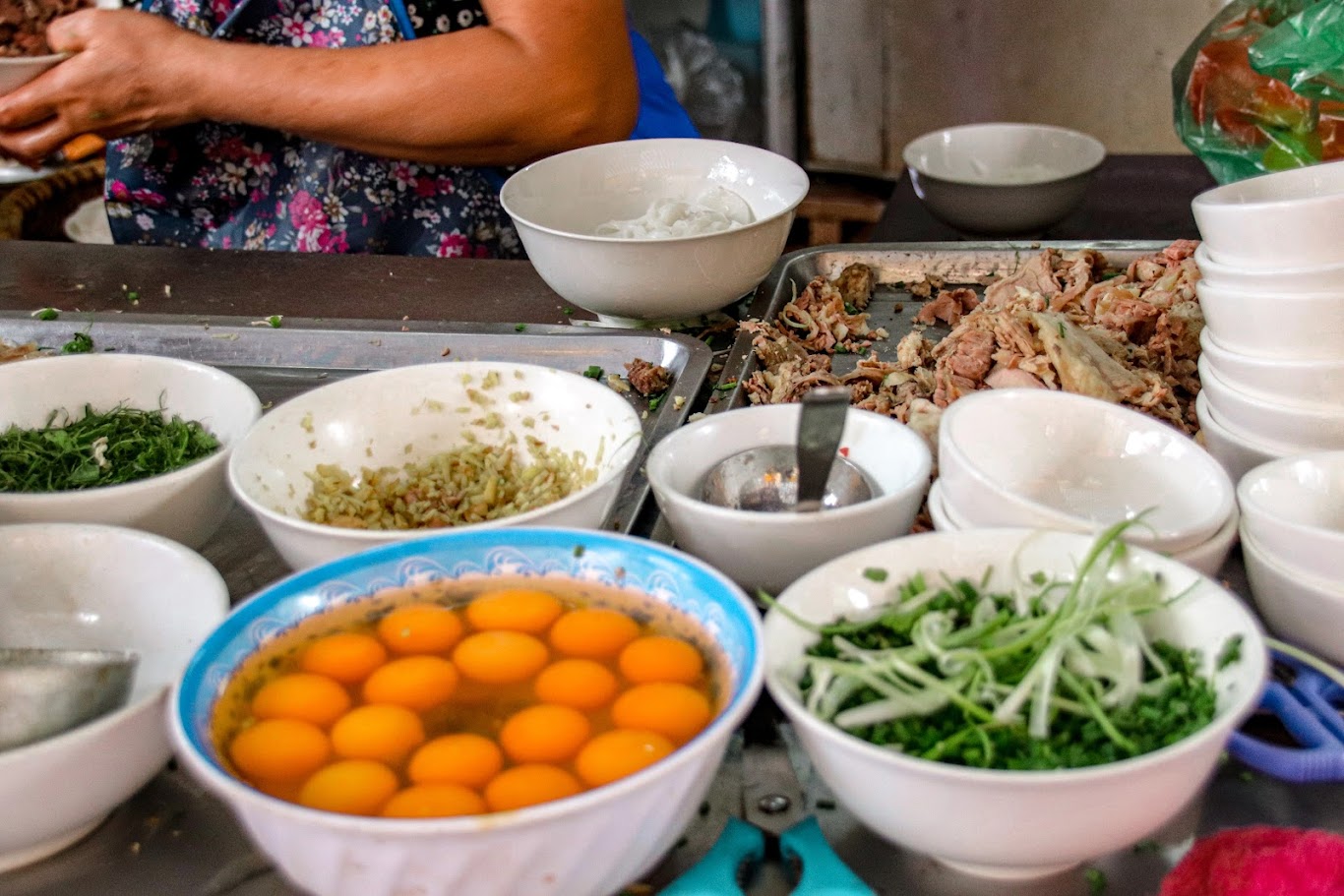
Hanoi dishes must not only taste good but also be visually appealing, with every step meticulously executed.
2.2 Hanoi’s culinary culture today
Modern Hanoi cuisine has continuously evolved—preserving its identity while embracing new influences, creating a diverse and vibrant gastronomic scene:
- Cultural fusion and integration: With the growth of tourism and cultural exchange, Hanoi cuisine today strongly interacts with global culinary traditions. Alongside traditional dishes in modern twists—such as bún chả burgers or bánh trôi tàu with cheese filling favored by the younger generation—international foods like pizza, sushi, pasta, and dietary standards like Halal have also become popular. This enriches the choices available to visitors worldwide.
- Diversity and abundance: Today, Hanoi’s gastronomy is not limited to familiar traditional dishes but has expanded to include new ones that meet the rising demands of diners. The growing popularity of vegetarian and vegan options also contributes to this diversity.
- Hanoi food tourism: In the capital, many culinary tours are organized to guide visitors through traditional markets, let them enjoy famous street foods, and explore the city’s food culture. Annual events like the Hanoi Food Festival or Banh Chung Day are always major attractions.
See also: Hanoi Old Quarter: What to Eat, What to Do, Where to Check-in
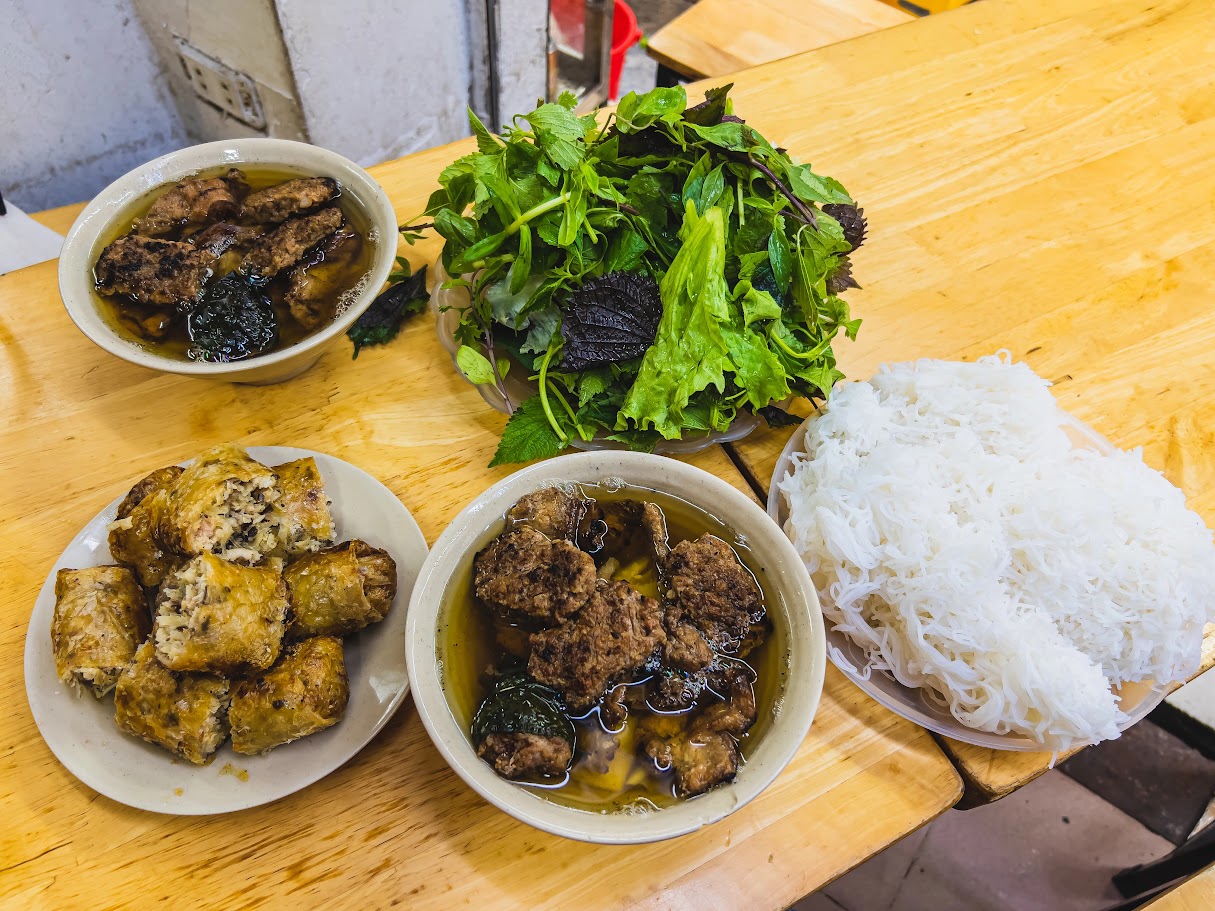
Dishes like pho, bun cha, and bun rieu cua have become the “culinary ambassadors” of Hanoi.
3. Signature Dishes Reflecting the Culinary Identity of Hanoi
Hanoi cuisine is shaped by countless refined dishes. Below are some of the most representative, forming the soul of Hanoi’s gastronomy—must-try experiences for every visitor.
3.1 Pho
Pho is regarded as the “national soul and quintessence” of Vietnamese cuisine, and Hanoi pho is one of the most classic versions.
Ingredients
- Beef (tenderloin, brisket, flank) or free-range chicken, carefully selected for freshness.
- Fresh pho noodles: thin, soft yet slightly chewy, usually made from plain rice or fragrant Tam rice.
- Broth simmered from beef (or chicken) bones with spices such as cinnamon, star anise, cardamom, grilled ginger, and roasted shallots, creating a distinctive aroma.
Unique Flavor
- Hanoi pho broth is crystal clear, rich yet delicate, never overly fatty or harsh. The aroma of spices lingers gently, blending with the natural sweetness of bones and meat.
- When served, diners add chopped scallions, coriander, chili sauce, garlic vinegar, or kumquat juice, achieving a perfect harmony of sour, spicy, salty, and sweet flavors.
Recommended Spots
- Pho Thin Lo Duc (13 Lo Duc, Hai Ba Trung): Famous for its rich stir-fried rare beef pho.
- Pho Bat Dan (49 Bat Dan, Hoan Kiem): Known for its authentic, traditional Hanoi flavor.
- Pho Ga Nguyet (5B Phu Doan, Hoan Kiem): Renowned for fragrant chicken pho with light, clear broth.
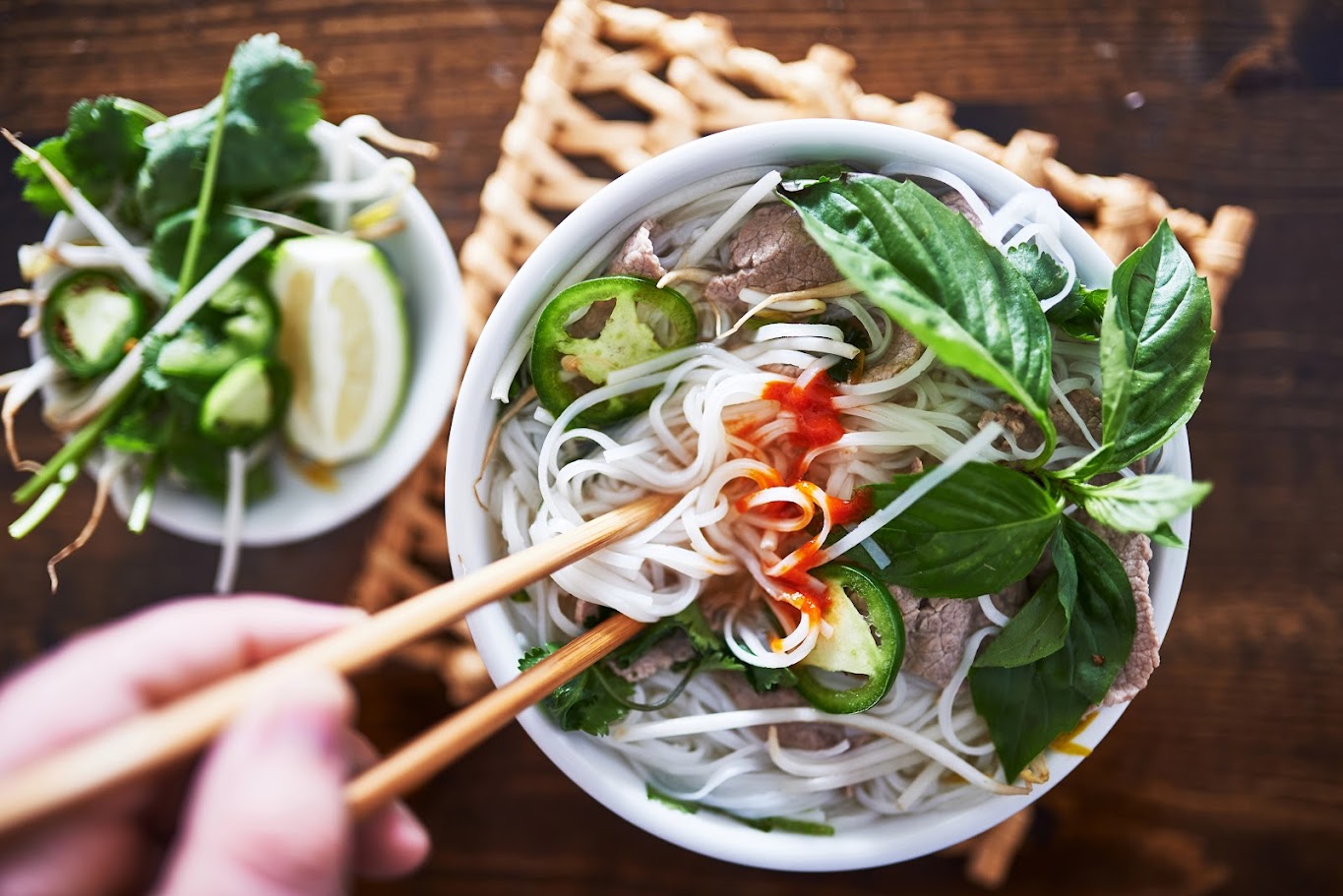
Hanoi pho is celebrated for its refined ingredient selection.
3.2 Bun Cha
Bun cha is an indispensable dish when speaking of Hanoi cuisine, especially enjoyed during summer afternoons.
Ingredients
- Grilled pork patties (minced pork shoulder seasoned with spices, shaped into patties).
- Grilled pork slices (marinated pork belly), grilled over fragrant charcoal.
- Served with fresh vermicelli, assorted herbs (lettuce, perilla, basil, mint, etc.).
- Sweet and sour dipping sauce, often with sliced green papaya or kohlrabi.
Unique Flavor
- The grilled pork emits a smoky fragrance, sweet from the meat, rich in spices, and tender without being dry.
- The dipping sauce is the key—balancing sour, spicy, salty, and sweet—enhancing the flavors of the pork and noodles. Diners dip vermicelli and herbs into the hot sauce, creating an unforgettable blend.
Recommended Spots
- Bun Cha Hang Quat (74 Hang Quat, Hoan Kiem): A familiar street eatery with authentic Hanoi vibes.
- Bun Cha Dac Kim (1 Hang Manh, Hoan Kiem): Known for fragrant grilled pork and flavorful dipping sauce.
- Bun Cha Huong Lien (24 Le Van Huu, Hai Ba Trung): Gained global fame after a visit by a former U.S. President.
3.3 Bun Thang
Bun thang is a dish that reflects the refinement and meticulousness of old Hanoi cuisine, often served on special occasions or as a traditional breakfast for locals.
Ingredients
- Thin rice vermicelli
- Shredded chicken
- Thinly sliced egg crepes
- Pork sausage (gio lua) cut into strips
- Dried shrimp (or boiled shrimp, peeled)
- Shiitake mushrooms, Vietnamese coriander, scallions
- Clear broth simmered from chicken bones and dried shrimp
- A few drops of ca cuong essence for its distinctive fragrance
Unique Flavor
- The broth is delicate and naturally sweet, combining with the richness of chicken, the aroma of eggs, sausage, and the signature scent of ca cuong.
- Ingredients are beautifully arranged in the bowl, forming a harmonious whole of color and taste.
Recommended Spots
- Bun Thang Ba Duc (48 Cau Go, Hoan Kiem): Famous for its authentic flavor and traditional recipe.
- Bun Thang Hang Hom (2B Hang Hom, Hoan Kiem): Beloved by locals for its naturally sweet broth.
See also: Tips for Independent Travel in Hanoi, Exploring the 36 Old Streets.
3.4 Cha Ca La Vong
Cha ca La Vong is not only a dish but also an iconic symbol of Hanoi cuisine, steeped in history.
Ingredients
- Hemibagrus catfish (or basa, snakehead fish), sliced and marinated with galangal, turmeric, fermented rice, shrimp paste, pepper, etc., then lightly grilled. Before serving, the fish is pan-fried with dill and scallions.
- Served with rice vermicelli, roasted peanuts, fresh herbs, and shrimp paste mixed with lime, chili, sugar, and a touch of ca cuong essence.
Unique Flavor
- The fish is aromatic and tender, sweet yet richly flavored with galangal and fermented rice, perfectly complemented by the fragrance of dill and scallions.
- Properly mixed shrimp paste, frothy and pungent, elevates the dish to its full appeal.
Recommended Spots
- Cha Ca Thang Long (2D & 6B Duong Thanh, Hoan Kiem): A restaurant with an old-style ambiance.
- Cha Ca La Vong (14 Cha Ca, Hoan Kiem): The original spot, carrying deep historical significance.
3.5 Com Lang Vong (Vong Village Green Rice)
Com Lang Vong is a signature autumn delicacy of Hanoi, embodying the flavors of the countryside and refined craftsmanship.
Ingredients
- Green rice flakes made from young glutinous rice grains (usually yellow-flower sticky rice), roasted and pounded by hand. The process requires skill and patience to retain the chewy texture, fragrance, and natural green color.
- Wrapped in lotus leaves or dong leaves to preserve the aroma.
Unique Flavor
- Com has a natural sweetness, chewy texture, and the milky fragrance of young rice.
- The lotus leaf aroma adds allure to this delicacy.
- Com can be eaten directly or used in dishes such as com sweet soup, com cakes, or com sticky rice.
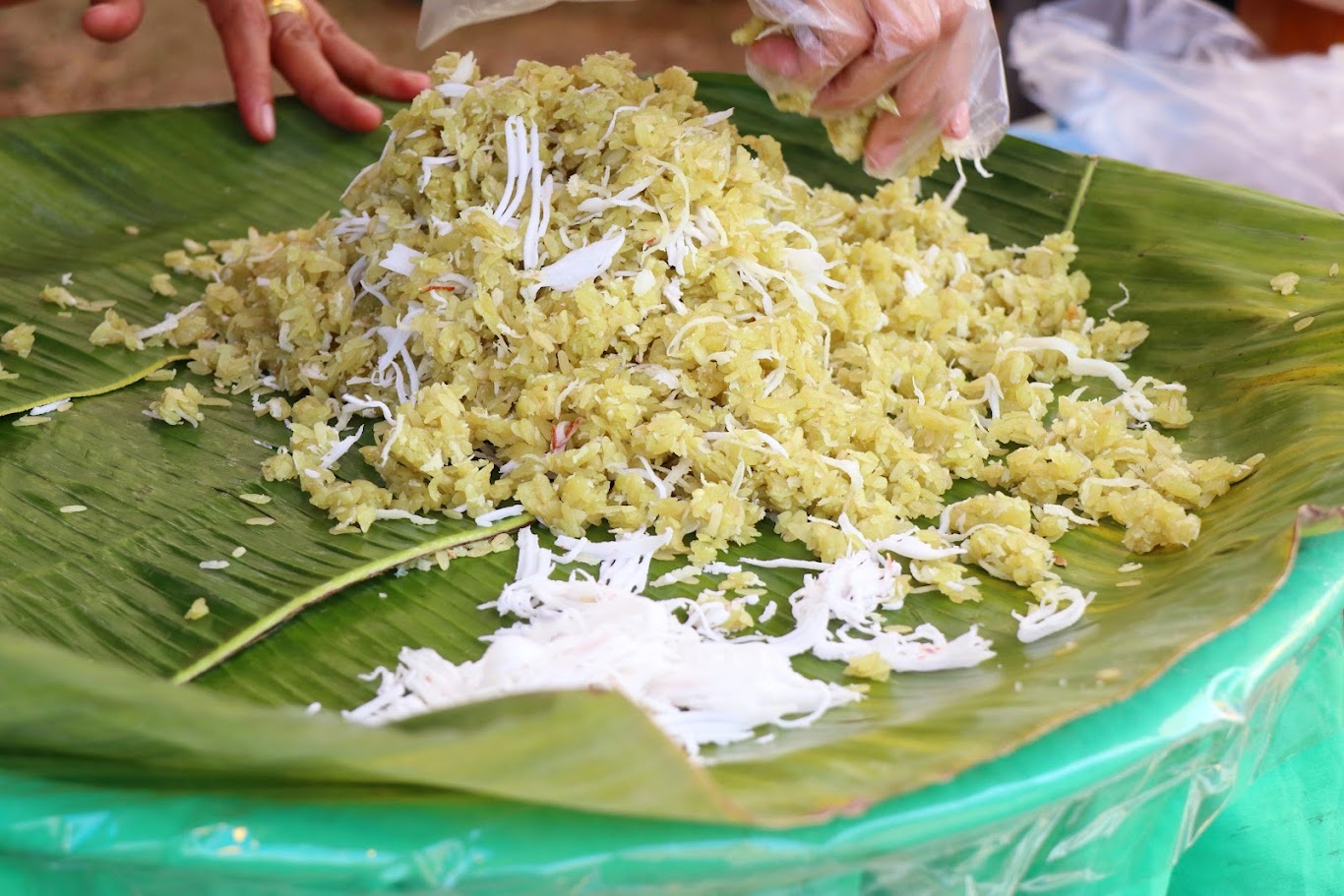
Light and delicate dishes reflect the elegance and refinement of the capital’s gastronomy.
Recommended Places to Try
- Vong Village (Cau Giay District): Traditional green rice–making hub with many family-run shops.
- Street vendors in autumn: Easy to find com (green rice) at traditional markets or along old streets.
3.6 Thanh Tri Steamed Rice Rolls (Banh Cuon Thanh Tri)
Banh cuon Thanh Tri is a famous traditional dish of Hanoi, made from simple ingredients but requiring meticulous preparation.
Ingredients
- Rice: High-quality non-glutinous rice, soaked thoroughly and ground into a smooth batter for making thin, delicate rice sheets.
- Filling: Minced pork, wood ear mushrooms, dried shallots, and seasoning (salt, pepper).
- Dipping sauce: Premium fish sauce, blended with garlic, chili, sugar, lime, and a drop of ca cuong essence.
- Accompaniments: Cinnamon pork rolls, fresh herbs, and crispy fried shallots.
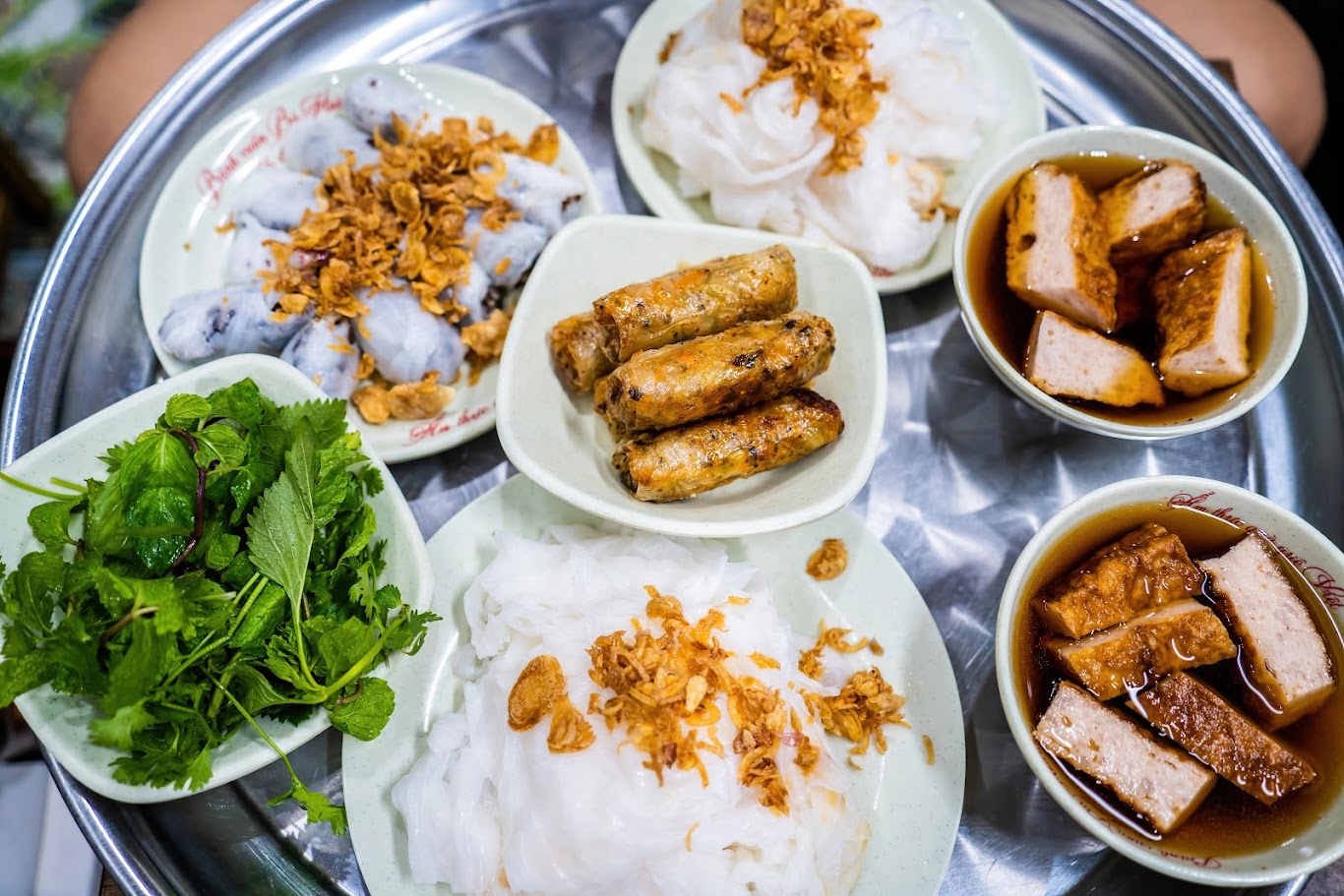
Fresh ingredients and handcrafted techniques distinguish Thanh Tri rice rolls from those of other regions.
Unique Flavor
- The rice sheet is thin as silk, translucent, soft yet not torn, wrapping around the savory pork filling.
- The taste is perfectly balanced: the richness of fried shallots, the fragrance of cinnamon pork rolls, and the elegance of the sweet-sour dipping sauce.
Recommended Places to Try
- Banh Cuon Ba Hanh (26B Dinh Liet, Hoan Kiem): A long-standing eatery preserving traditional recipes, famous for silky rice rolls and authentic dipping sauce.
- Thanh Tri Rice Rolls (26 Nguyen Binh Khiem, Hai Ba Trung): A simple, cozy place serving hot rolls with fragrant cinnamon pork rolls.
3.7 Hanoi Street Snacks
Hanoi street snacks are a collection of simple, everyday treats deeply tied to the Old Quarter’s lifestyle, easily found across many bustling streets:
- Candied Fruits (O Mai – Hang Duong Street, Hoan Kiem): Apricots, dracontomelon, ginger, tamarind… preserved in sugar or salt, creating a unique sweet-sour taste.
- Trang Tien Ice Cream (35 Trang Tien, Hoan Kiem): Classic ice cream made from milk, sugar, and natural flavors (mung bean, com, chocolate).
- Tofu Pudding (Tao Pho – To Tich Street, Nghia Tan): Soybean pudding with jasmine or ginger syrup, soft and fragrant.
- Fried snacks – pillow cakes, sesame balls, fried fermented pork rolls (Bustling food streets like Hang Dieu, Hang Gai, Ly Quoc Su): Crispy fried treats embodying Hanoi’s everyday culinary life.
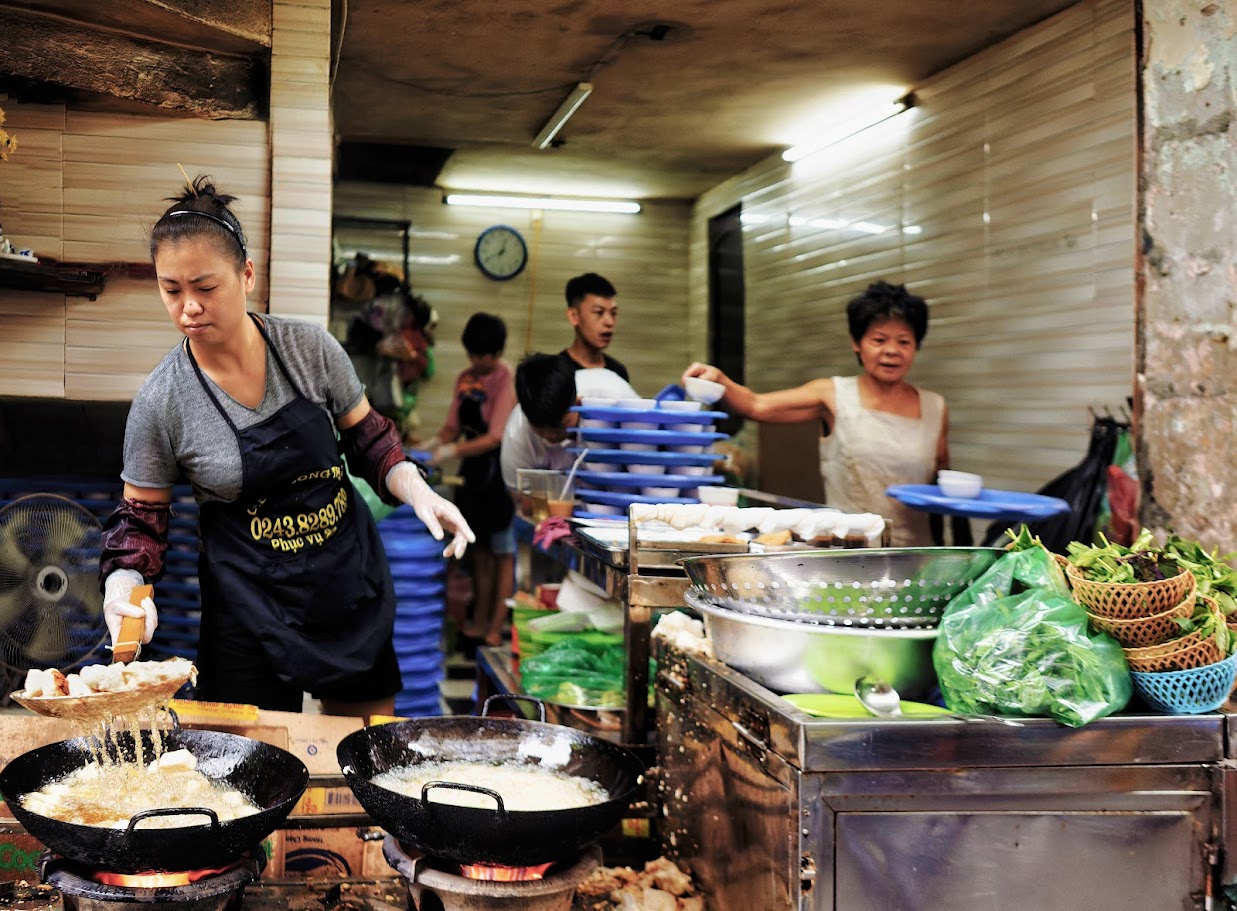
Hanoi snacks are not only delicious but also an integral part of the city’s cultural experience.
Whether it’s the refinement and sophistication of Hanoi’s old culinary traditions or the diverse fusion of modern-day cuisine, all come together to paint a vibrant, irresistible gastronomic picture. So why wait? Immerse yourself in Hanoi’s unique culinary scene. Book your flight to Hanoi with Vietjet today to fully experience the charm of the capital’s cuisine. “Don’t forget to follow Vietjet’s 0 VND domestic and international ticket promotions every day from 12 PM – 2 PM to enjoy the best fares. Check details HERE.”
Stay tuned with Vietjet so you won’t miss the latest travel updates!
- Website: https://www.vietjetair.com
- Facebook: https://www.facebook.com/vietjetvietnam
- Instagram: https://instagram.com/vietjet
- YouTube: https://www.youtube.com/VietjetOfficial
- TikTok: https://www.tiktok.com/@vietjetvietnam
- Zalo: https://oa.zalo.me/vietjet