Booking
 Skyshop
 Hotel
Hotel
 E-Voucher
 E-Sim
E-Sim
 E-Visa
 Buy foreign currency
 Insurance
 SkyJoy
Winter in Europe always has a special allure: the chilly air, the streets shimmering with lights, Christmas music echoing from ancient squares, and the scent of gingerbread wafting in the breeze. For those who love romance and festive atmospheres, traveling to Europe in winter is the way to fully enjoy the unique beauty of December - when cities don their white snow coats and the most vibrant Christmas markets of the year begin to open.
If you are planning a 10-day, 9-night journey to celebrate Christmas in Europe, this article will help you visualize a reasonable itinerary that optimizes costs and is rich in experiences. Not only suggesting destinations, the content below will also help you understand what you need to prepare, what to wear to avoid thermal shock, and how to ensure your holiday trip goes smoothly. Let's start with the most important step: preparation before departure.
1. Preparation before traveling to Europe in winter
- Necessary documents and visa application time
Traveling to Europe during Christmas is peak season, so you should proactively prepare your Schengen visa application early, ideally 6 - 8 weeks before your departure date. In addition to basic documents like passport, itinerary, and accommodation bookings, you need to provide clear financial proof and confirm stable employment. Always bring both printed and digital copies to avoid missing anything during airport procedures. Especially in December, the number of tourists increases significantly, so the processing time may take longer than usual.
- Suggested clothing for winter in Europe
December is when many places enter the snowfall season in Europe. Temperatures in Western Europe typically range from 0 - 7°C, while Eastern Europe can drop to -5°C and Northern Europe can easily reach -10°C or lower. Therefore, the key is to dress in layers: thermal wear, sweaters, thick windproof jackets, and warm clothing. Don't forget wool scarves, ear muffs, touch-screen gloves, and a pair of high-top non-slip boots, as you will need them when walking on snow-covered streets or visiting crowded Christmas markets.
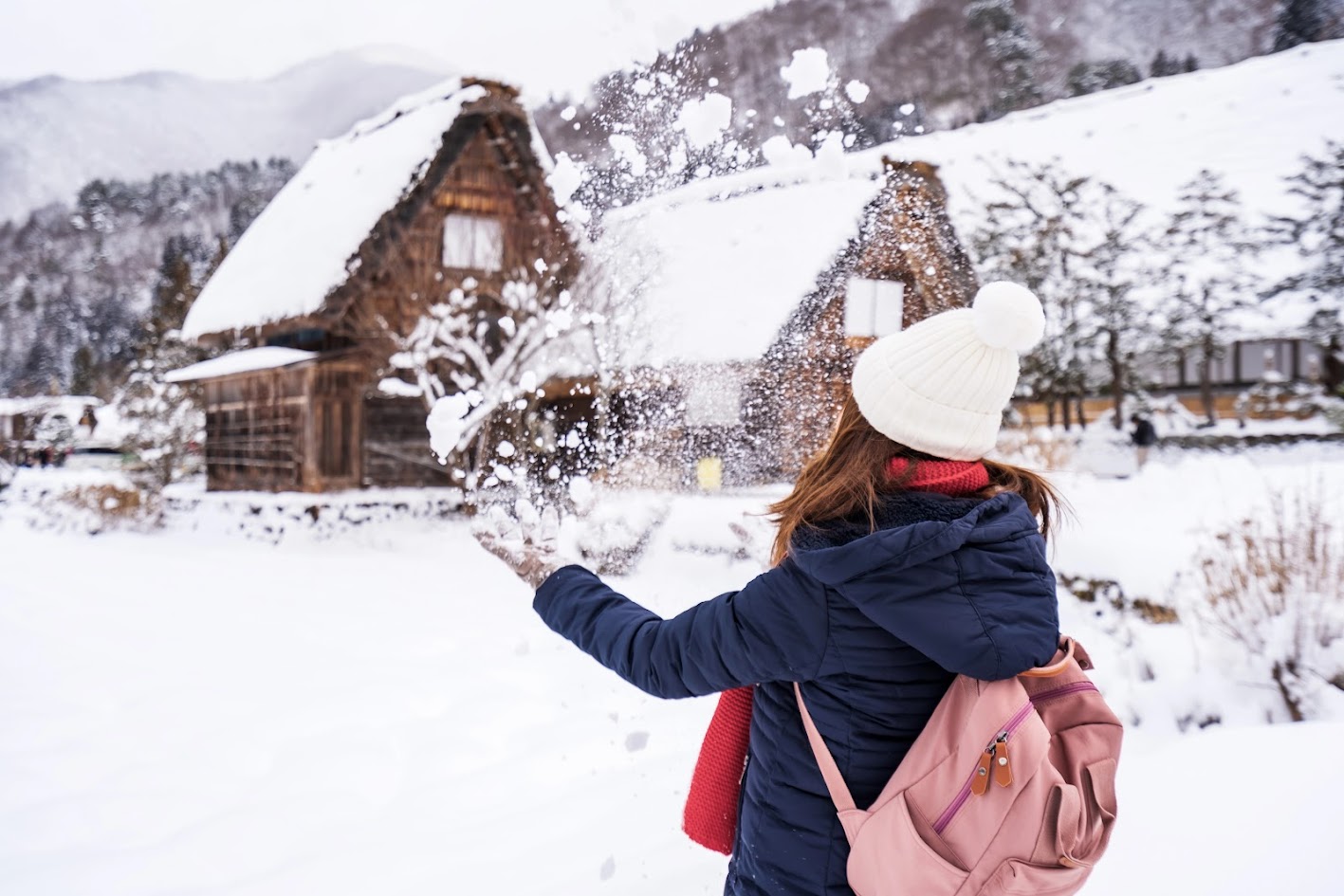
When traveling during the snowfall season in Europe, dress in layers starting from thermal wear, sweaters, thick jackets, wool scarves, ear muffs, gloves, and non-slip shoes.
- Accessories to keep warm during the snowfall
Small items like thermal patches, insulated shoe liners, or hot water bottles will make you much more comfortable when you have to stay outdoors for long periods. If you plan to go skiing, hiking, or visiting colder towns, prepare additional moisturizer, lip balm, and snow goggles to protect your skin, eyes, and lips.
- Note to book flights, hotels, and travel insurance in December
December is the peak travel season in Europe. To avoid high ticket prices or fully booked accommodations close to your travel date, you should book your flights and hotels at least 8 - 10 weeks in advance. Travel insurance is mandatory, especially when moving frequently in icy weather, which can lead to delays or lost luggage. A well-prepared plan will help you feel secure and have more time to enjoy every moment of your Christmas trip.
2. Weather & transportation during the snowfall season in Europe
If you are planning a 10-day trip to Europe during Christmas, the first thing to prepare is the mindset to accompany... the cold. Winter in Europe is not only beautiful because of the brightly lit bell towers, the vibrant Christmas markets, and the streets covered in fir trees; but also because of the interesting weather changes in each region. This difference makes the December travel itinerary in Europe more colorful and rich in experiences.
- December temperatures: How do Western, Central, and Southern Europe differ?
In December, the snowfall season in Europe becomes evident, but the level of cold varies by region. In Western Europe like Paris, Brussels, or Amsterdam, the average temperature ranges from about 2 - 7°C; occasionally there is snow, but not too thick. In Central Europe - Vienna, Munich, Prague - the cold is more pronounced, with many days dropping to 0°C and often snow covering rooftops, turning the space into a fairy tale. Meanwhile, in Southern Europe - Rome, Barcelona, or Lisbon, snow is rare, the weather is more pleasant with temperatures ranging from 8 - 15°C, cool enough to feel the Christmas spirit, but not too biting.
This difference will make the winter exploration journey in Europe surprising, as each destination brings its own unique color, from romantic to vibrant.
- Cold season transportation: which means to choose for safety and punctuality?
Traveling in winter can be slower due to snow, but Europe's transportation system is famously stable. For long distances, trains are the ideal choice as they are less affected by weather and are very punctual. If you are traveling by bus, check for delay notifications in advance, as mountain or highway routes may temporarily close during heavy snowfall. If you choose to fly domestically, book daytime flights to minimize delays due to fog or frozen runways in the early morning.
A small but important note is to always wear non-slip shoes and thermal gloves when walking on snow-covered roads, especially in Central European cities.
- Which cities are likely to have snow?
In the suggested itinerary, Vienna, Munich, Prague, and Lucerne are the places most likely to experience snow, making them ideal for those who want to capture the true essence of a 'white Christmas.' Paris and Amsterdam have more erratic snowfall, but the Christmas atmosphere remains romantic and vibrant.
- Tips for monitoring the weather to keep your itinerary on track
Before each travel day, check the forecast on AccuWeather or Yr.no - two very accurate applications for each area. If there are snowstorm warnings, be flexible in changing train times or switch to indoor activities to avoid affecting your plans.
3. December travel itinerary in Europe: Suggested 10 days and 9 nights
3.1 Paris (Days 1 - 3): Christmas spirit in the 'City of Light'
Starting your winter journey in Europe in Paris is always an inspiring choice. December in Paris is not cold to the point of being harsh, but just chilly enough to fully capture the Christmas spirit. The Champs-Élysées becomes a giant light stage, where trees adorned with twinkling lights stretch all the way to the Arc de Triomphe. This is why many travelers choose Paris as the starting point for their 10-day Christmas trip to Europe, both vibrant and romantic.
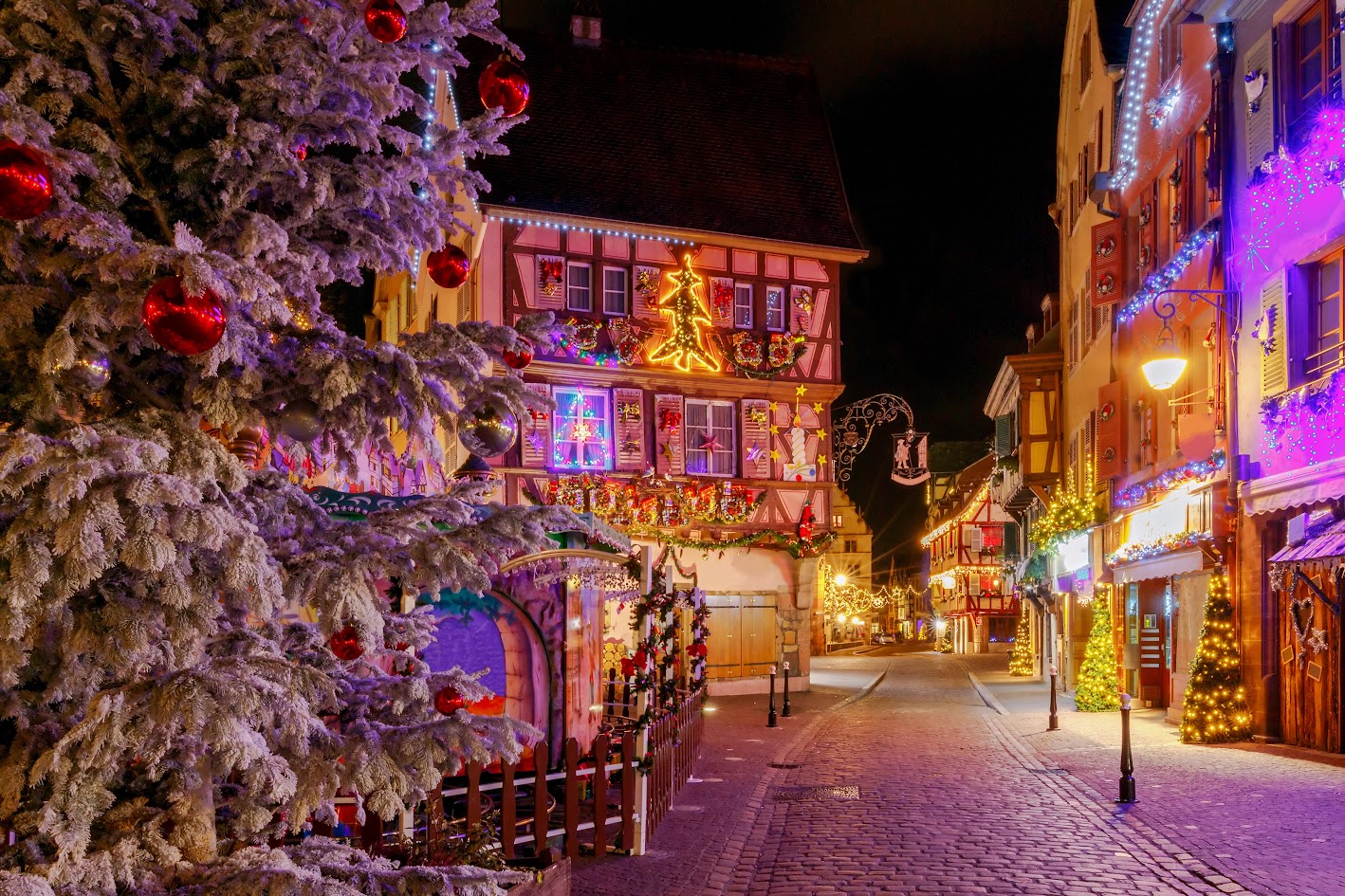
The winter journey starting in Paris will fully capture the Christmas spirit with trees adorned with twinkling lights, both vibrant and romantic.
You can start your morning by strolling around the Trocadéro area, where the Eiffel Tower emerges in the thin mist typical of winter in Europe. As the sun sets, the scattered Christmas markets throughout the city will immerse you in a world of hot wine, gingerbread, handmade decorations, and a bustling festive atmosphere. If you are lucky enough to hit the right day of snowfall in Europe, Paris in its white coat will leave you with unforgettable feelings as you walk on the cobblestone streets, listening to carols echoing from Notre-Dame or Sacré-Cœur.
3.2 Lucerne - Interlaken (Days 4 - 6): Swiss white snow
After Paris, the train crossing the Alps will take you to Switzerland - the snow paradise of winter in Europe. The peaceful city of Lucerne by the crystal-clear lake, the Chapel Bridge covered in mist creates a true postcard of the festive season. This is the ideal place to feel the slow pace of life before stepping into the ultimate snowy experiences of the itinerary.
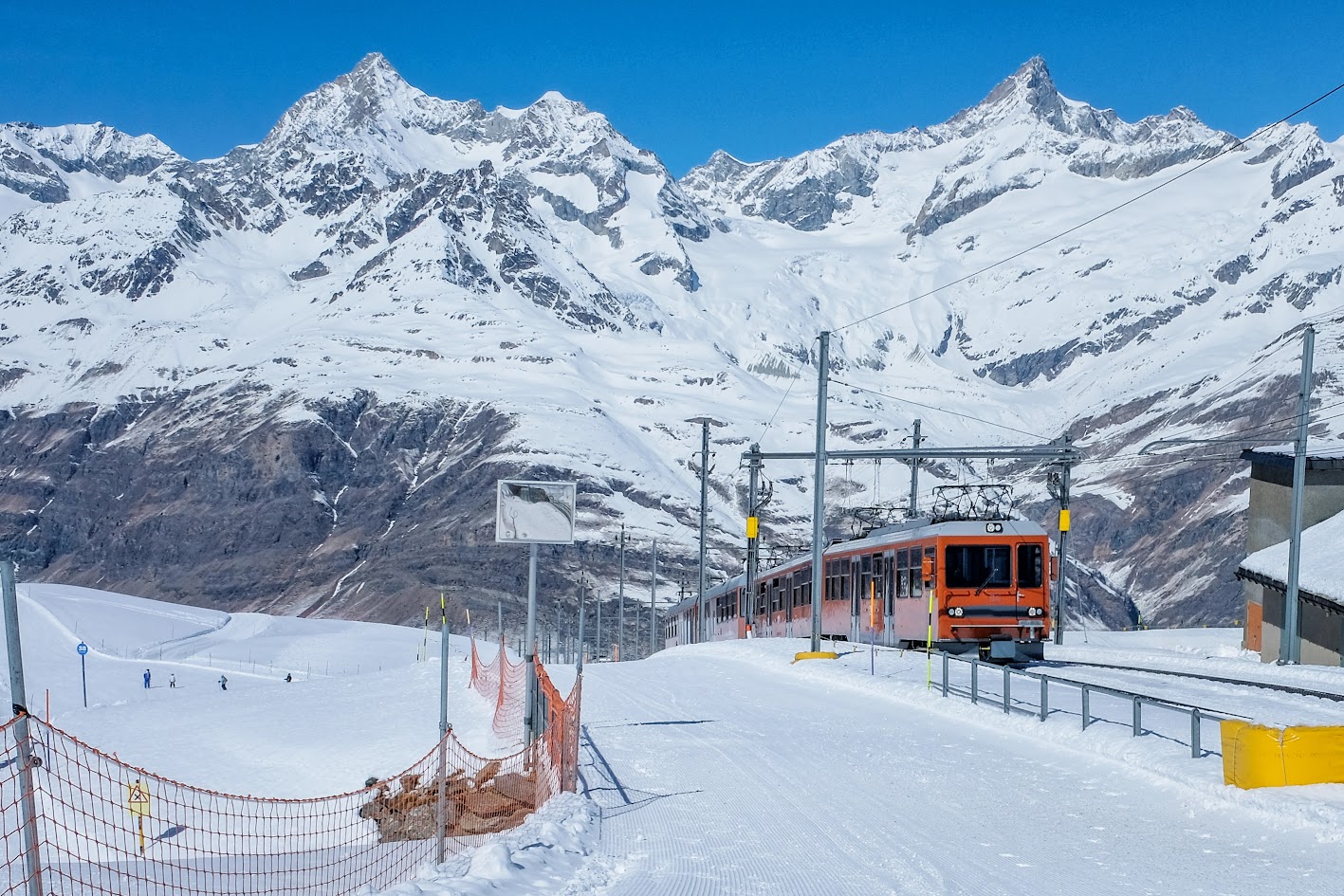
Switzerland is known as the winter wonderland of Europe, an ideal place to experience the ultimate white snow on your itinerary.
The highlight of this leg is the journey to Mount Titlis or Jungfraujoch - Top of Europe, where visitors can touch real snow, try the cloud suspension bridge, or enjoy the panoramic view of the Alps from an altitude of over 3,000m. For many, this is the reason to choose a December trip to Europe: to truly live in a snow-covered region of Europe, where every breath blends into the pure cold of winter.
Additionally, Interlaken in December features festive activities such as ice skating, light nights, and beautifully decorated Christmas villages like a fairy tale.
3.3 Munich (Days 7 - 8): The Bavarian festival atmosphere
Continuing the journey is Munich - the cultural center of Bavaria and home to one of the oldest Christmas markets in Germany. Marienplatz becomes an outdoor stage, where a Christmas tree towering several meters is illuminated every evening, and festive music resonates throughout the square.
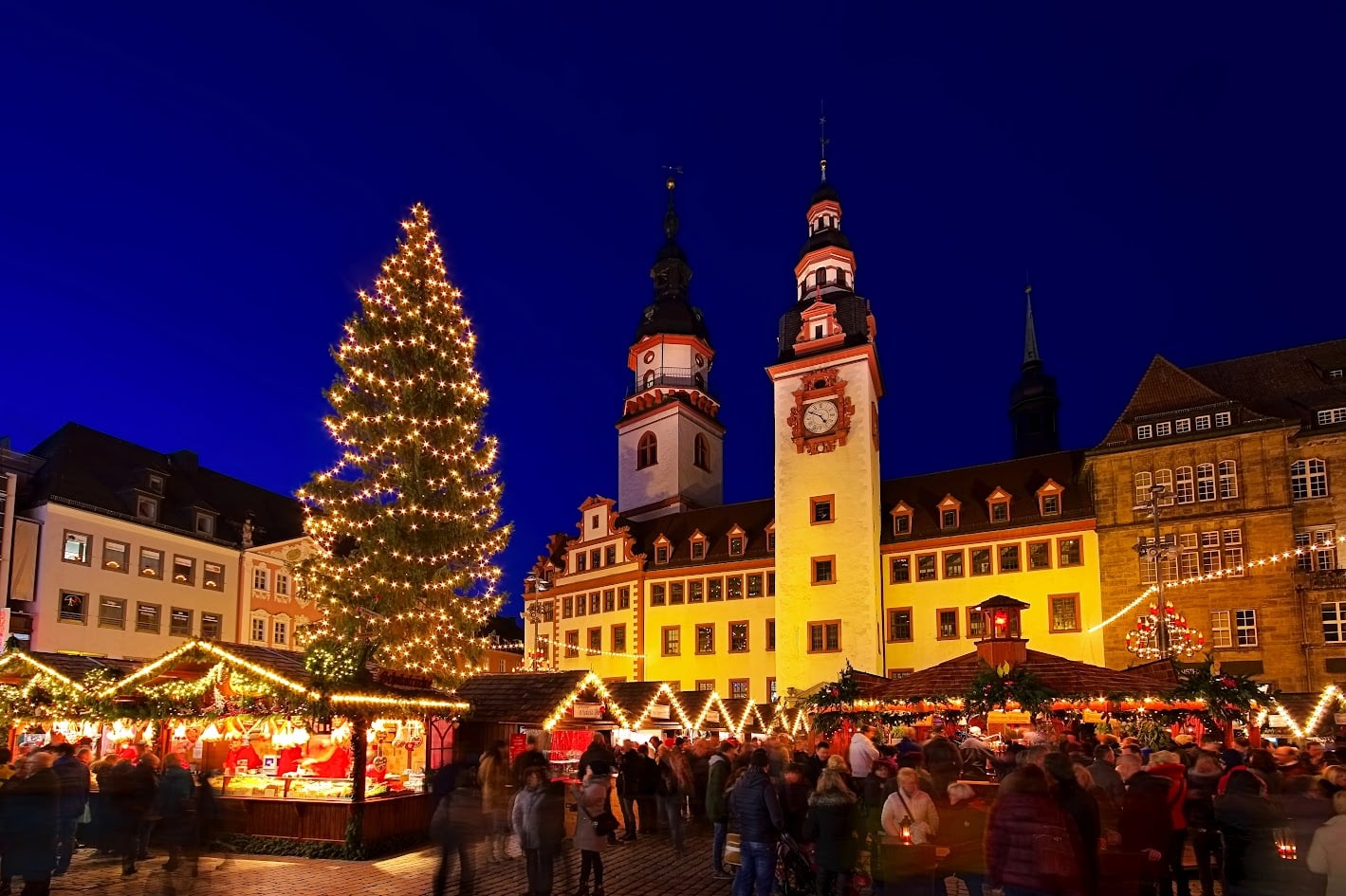
The Christmas tree towering several meters is illuminated every evening, and festive music resonates throughout the square in Munich.
Munich in winter Europe is not only beautiful but also delicious in every sense. Stalls selling hot sausages, pretzels, red wine, and hot chocolate make you forget the cold. Thanks to the weather in December, which often has fog and sometimes light snow, Munich offers a very European feel during the festive season, both solemn and warm.
Especially, museums and palaces in Munich during this season are less crowded, allowing you to fully enjoy the space without being jostled.
3.4 Vienna (Days 9 - 10): The melody of the festive season concludes the journey
Ending the 10-day Christmas trip to Europe, Vienna will be the perfect stop, where music, architecture, and the festive season blend together exquisitely. The Schönbrunn Palace in winter, covered in a thin layer of mist, creates a surprisingly romantic scene, especially when the Christmas market right in front opens until the end of December.
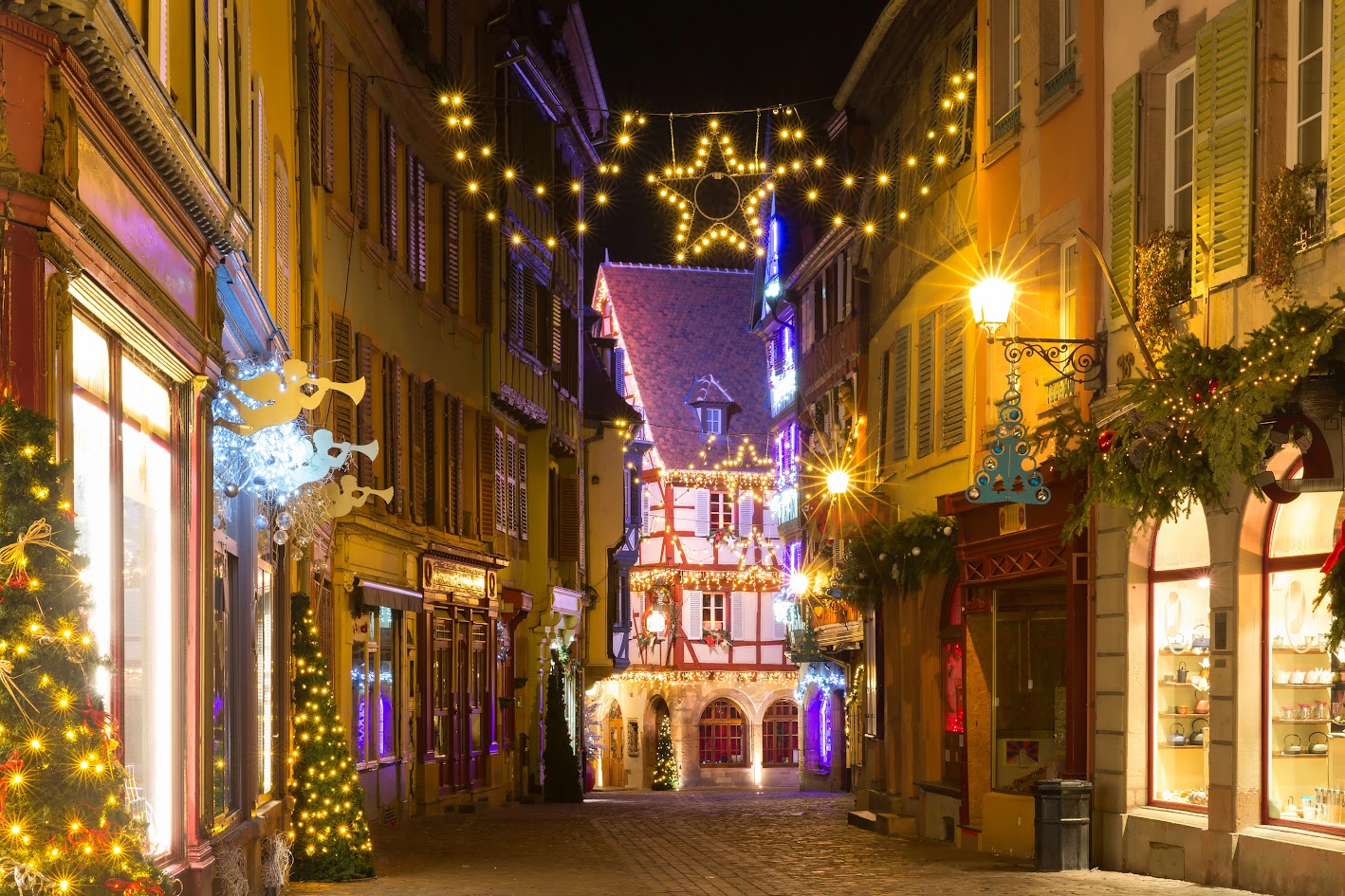
Vienna, with Schönbrunn Palace and the vibrant Christmas market, will be where music, architecture, and the festive season blend together exquisitely.
Vienna is also famous for its coffee culture - an essential part of the travel experience. Enjoying a cup of Melange in an old café while listening to gentle Christmas music is enough to make you feel the tenderness of winter in Europe.
Before concluding the itinerary, you can visit St. Stephen's Cathedral, stroll around Ringstrasse, or buy a few small gifts at the Rathausplatz market to take home. This is the most complete way to wrap up the journey before saying goodbye to Europe and taking with you the vibrant memories of the snowy season in Europe.
4. Budget suggestions & saving tips for the 10N9D journey
Traveling to Europe in winter during Christmas means you will enter one of the peak tourist seasons of the year. However, that does not mean you have to 'burn your wallet' for the trip. With a clear plan and a few cost-saving tips, you can fully enjoy the December trip to Europe for 10 days and 9 nights while keeping a reasonable budget.
- Estimated average costs in December
On average, a 10-day Christmas trip to Europe will range from 40 to 60 million VND (excluding international flight tickets). In December, food and accommodation costs slightly increase compared to other seasons, especially in cities with beautiful snowfall in Europe like Paris, Lucerne, or Vienna. A typical meal in Europe usually costs 10 - 20 EUR, while festive restaurants can rise to 25 - 40 EUR per person.
Visiting costs should also be calculated in advance because winter has some specific activities such as going to the snowy mountains, watching Christmas shows, or participating in outdoor experiences.
- Saving tips for traveling during the Christmas peak season
Since December is a booming travel season, the most important saving tip is to book as early as possible. Domestic flight tickets or high-speed trains often increase sharply if booked close to the date, especially in the peak weeks right before Christmas. Additionally, you should prioritize hotels or homestays located 1 - 2 km from the center instead of staying right in the central area, as prices will be 20 - 30% cheaper while transportation remains convenient thanks to the metro system.
Another tip is to prepare light breakfasts or bring fast food to avoid expensive meals in crowded Christmas markets. You can also take advantage of combo ticket offers, especially in Paris and Vienna - where many museums offer discounted prices when purchased in advance.
- How to choose the right train pass according to the itinerary
With a 10N9D itinerary passing through France - Switzerland - Germany - Austria, choosing the right train pass not only helps you save costs but also reduces the risk of missing connections during the snowy season in Europe. For international routes like Paris - Lucerne or Munich - Vienna, you might consider a Eurail Pass for 3 - 5 flexible days. This pass allows you to adjust your itinerary when snowy weather affects travel.
In Switzerland, if the itinerary includes many mountain attractions, you should consider the Swiss Travel Pass to significantly save on travel costs and gain additional benefits for cable cars or special train routes. For Munich or Vienna, the metro and bus systems are very developed; just buying a local day pass is enough for exploring the entire city.
With these budget suggestions and optimization tips, the 10-day Christmas trip to Europe will become easier, complete, and still ensure reasonable spending so you can comfortably enjoy every sparkling moment of winter in Europe.
If you are planning a winter trip to Europe to fully enjoy the Christmas atmosphere, don't forget to hunt for tickets early to secure the best prices. Vietjet currently has golden hour promotions from 12 PM to 2 PM every day with flight tickets for 0 VND (excluding taxes and fees), opening up opportunities to hunt for international tickets at incredibly attractive prices, making it easy for you to start your dream 10-day 9-night journey.
Plan today and make your December trip truly complete, warm, and full of inspiring exploration. The snowy season in Europe is waiting for you!
Don't forget to follow and update more travel guides from Vietjet through the official channels below to plan your itinerary perfectly at: