Booking
 Skyshop
 Hotel
Hotel
 E-Voucher
 E-Sim
E-Sim
 E-Visa
 Buy foreign currency
 Insurance
 SkyJoy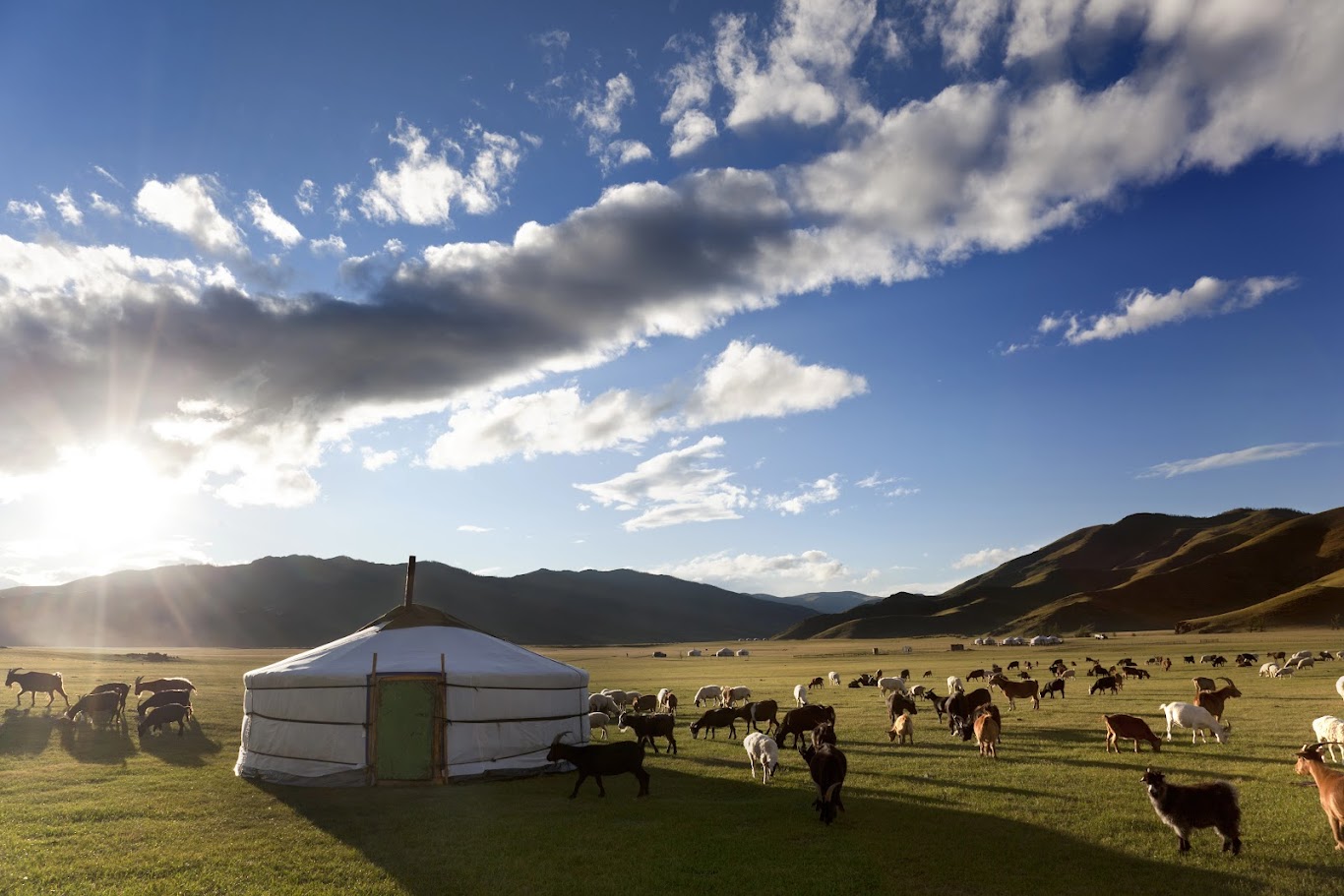
For those who love wild nature and want to explore a unique nomadic culture, Mongolia is one of the most captivating destinations. Images of nomadic people riding horses across vast grasslands, traditional portable “ger” houses, and vibrant cultural festivals will bring you an exciting journey of discovery. In addition, its endless steppes, the vast Gobi Desert, and the majestic Altai Mountains create a raw, untouched beauty that is hard to find anywhere else.
1. Traveling to Mongolia – the “land of the steppes” that enchants visitors
Mongolia is located in Central Asia, a landlocked country with a vast territory dominated by grasslands, deserts, and mountain ranges. Covering 1,564,116 km², Mongolia is one of the largest countries in the world, behind only Russia and Canada. The country has no coastline and is defined by its expansive steppes and desert landscapes. Its capital city, Ulaanbaatar, lies in the northeastern part of the country.
With its unique geography, Mongolia has a harsh continental climate with cold winters and dry summers, yet it continues to attract travelers thanks to its natural landscapes and rich nomadic culture.
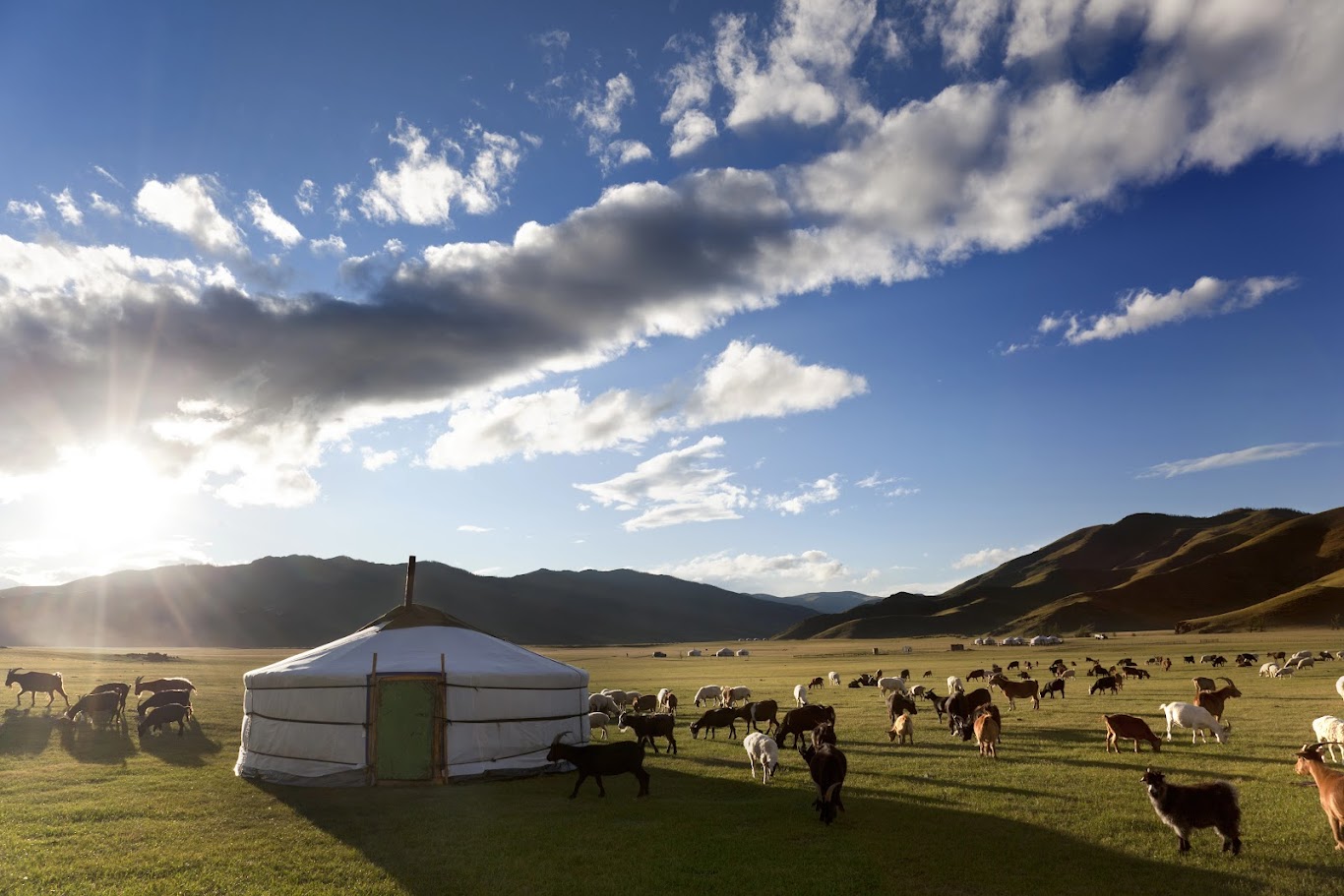
Currently, Vietnamese travelers can fly directly to Mongolia from Nha Trang or Da Nang on flights operated by Vietjet. See detailed information HERE.
2. When is the best time to travel to Mongolia?
Each season in Mongolia offers its own charm, and travelers can choose the ideal time based on their preferences and travel style.
Spring (April–May) is considered the best time for a self-guided trip to Mongolia. The weather is fresh, and visitors can enjoy peaceful scenes of sheep and goats grazing freely across the grasslands. After a harsh winter, Mongolia’s nature rejuvenates in spring as wildflowers bloom and fields turn green, creating a lively and vibrant atmosphere.
Summer (June–August), with pleasant weather and temperatures around 20–25°C, is the peak travel season in Mongolia. Visitors can enjoy various outdoor activities such as horseback riding, camping, and exploring the Gobi Desert without facing extreme weather conditions. This is also when the famous Naadam Festival—Mongolia’s largest cultural celebration—takes place, featuring traditional sports such as wrestling, archery, and horse racing. It is one of the most unique cultural experiences for travelers.
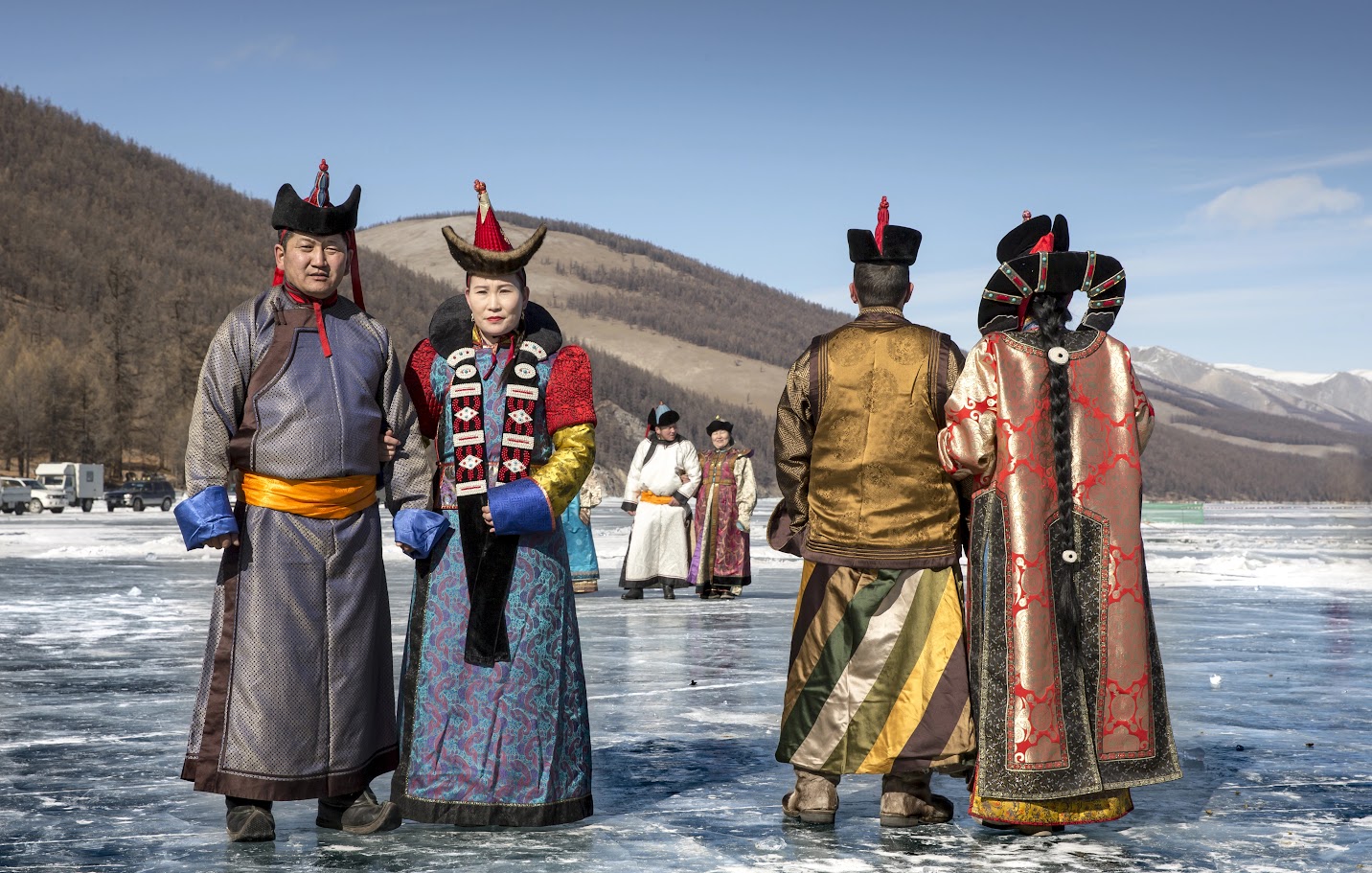
The Naadam Festival has been recognized by UNESCO as an intangible cultural heritage.
In autumn (September–October), Mongolia transforms into a stunning natural painting, with romantic landscapes marked by forests of maple leaves turning yellow and red.
In contrast, winter (November–March), despite temperatures ranging from –13°C to below –40°C, has its own charm. Travelers can experience traditional Mongolian winter life inside warm ger houses, enjoy local cuisine, and participate in winter activities such as skiing and ice fishing.
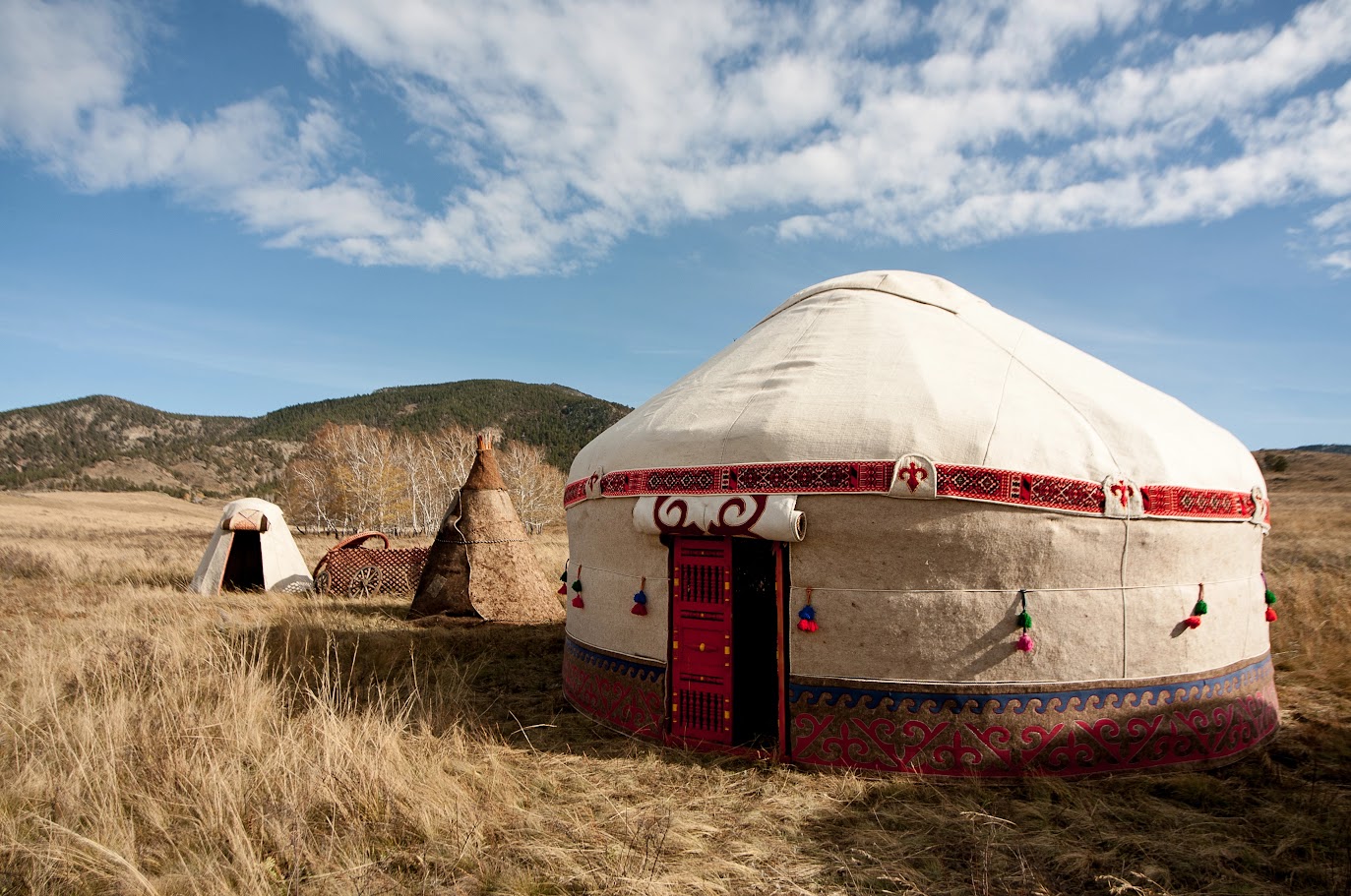
No matter the season, Mongolia offers travelers the chance to experience its magnificent landscapes and ancient nomadic culture.
3. What to Do When Traveling in Mongolia?
3.1 Gorkhi-Terelj National Park
Gorkhi-Terelj National Park is one of the first destinations travelers should explore when visiting Mongolia. Located only about 55 km from the capital Ulaanbaatar, the park is famous for its untouched mountains, valleys, and rivers.
Visitors can enjoy various activities such as hiking, horseback riding, or admiring uniquely shaped rock formations like the famous Turtle Rock. Gorkhi-Terelj also offers numerous campsites where you can immerse yourself in the great outdoors and experience the pristine beauty of Mongolian nature.
3.2 Khustain Nuruu Steppe
Anyone who wants to witness Mongolia’s raw natural beauty should not miss Khustain Nuruu. This is a protected nature reserve and the habitat of the rare Przewalski horses, also known as Takhi—one of Mongolia’s national symbols.
Besides observing wildlife, travelers can participate in horseback riding, hiking, or simply enjoy breathtaking sunsets across the vast steppe.
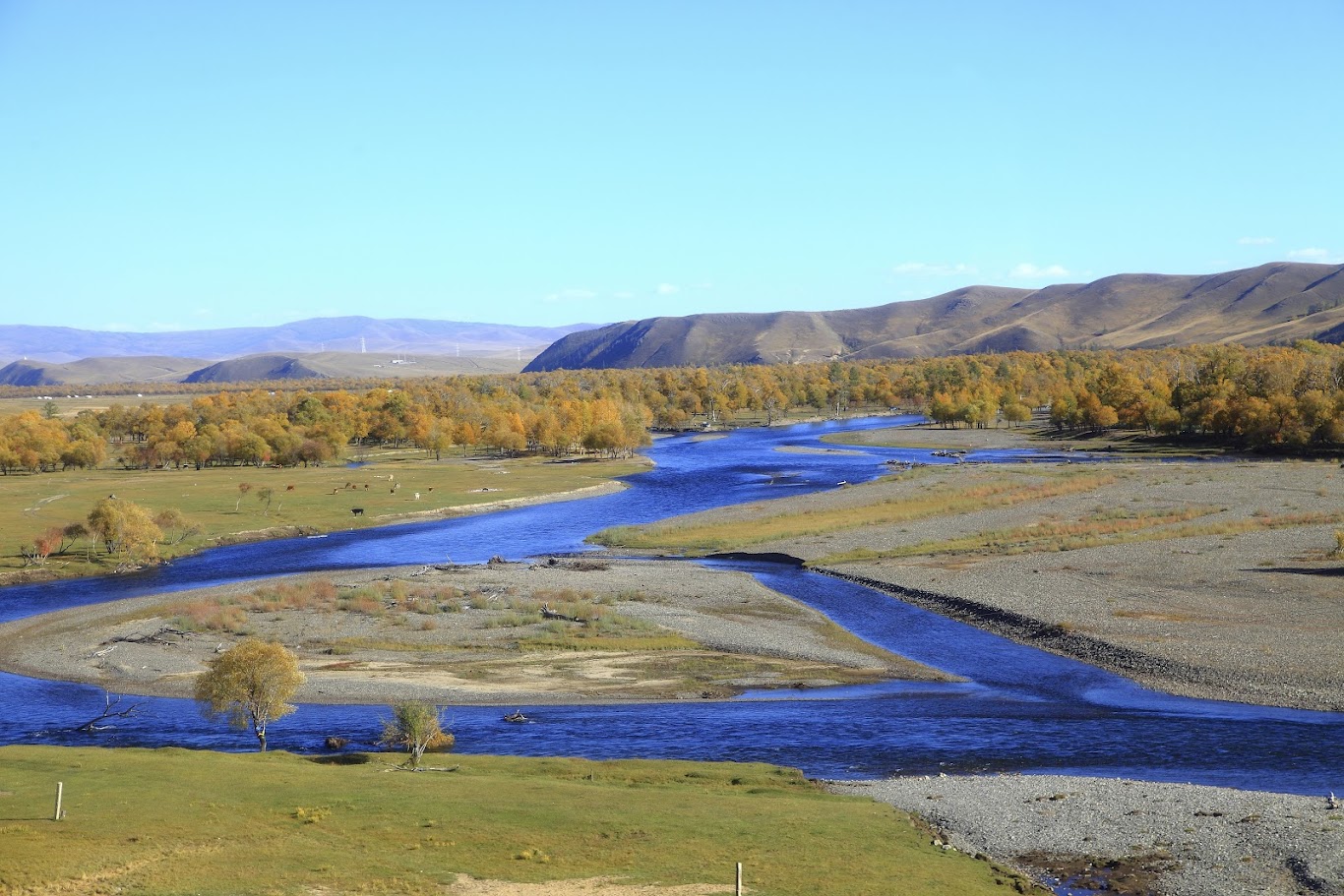
Khustain Nuruu Steppe is home to the rare Przewalski wild horses.
3.3 The Gobi Desert
The Gobi Desert is one of the largest deserts in the world, stretching approximately 1,600 km from north to south and about 800 km from east to west. The region is known for landscapes such as the ice-filled Yoliin Am gorge in winter and Bayanzag—also called the “Flaming Cliffs”—famous for its fiery red glow at sunset.
From silky white sand dunes and fresh green grasslands to towering limestone mountains and arid rocky plains, the Gobi's terrain constantly shifts, offering endless excitement for adventurous travelers. A journey to the Gobi brings the chance to ride camels and admire the vast wilderness of the desert.
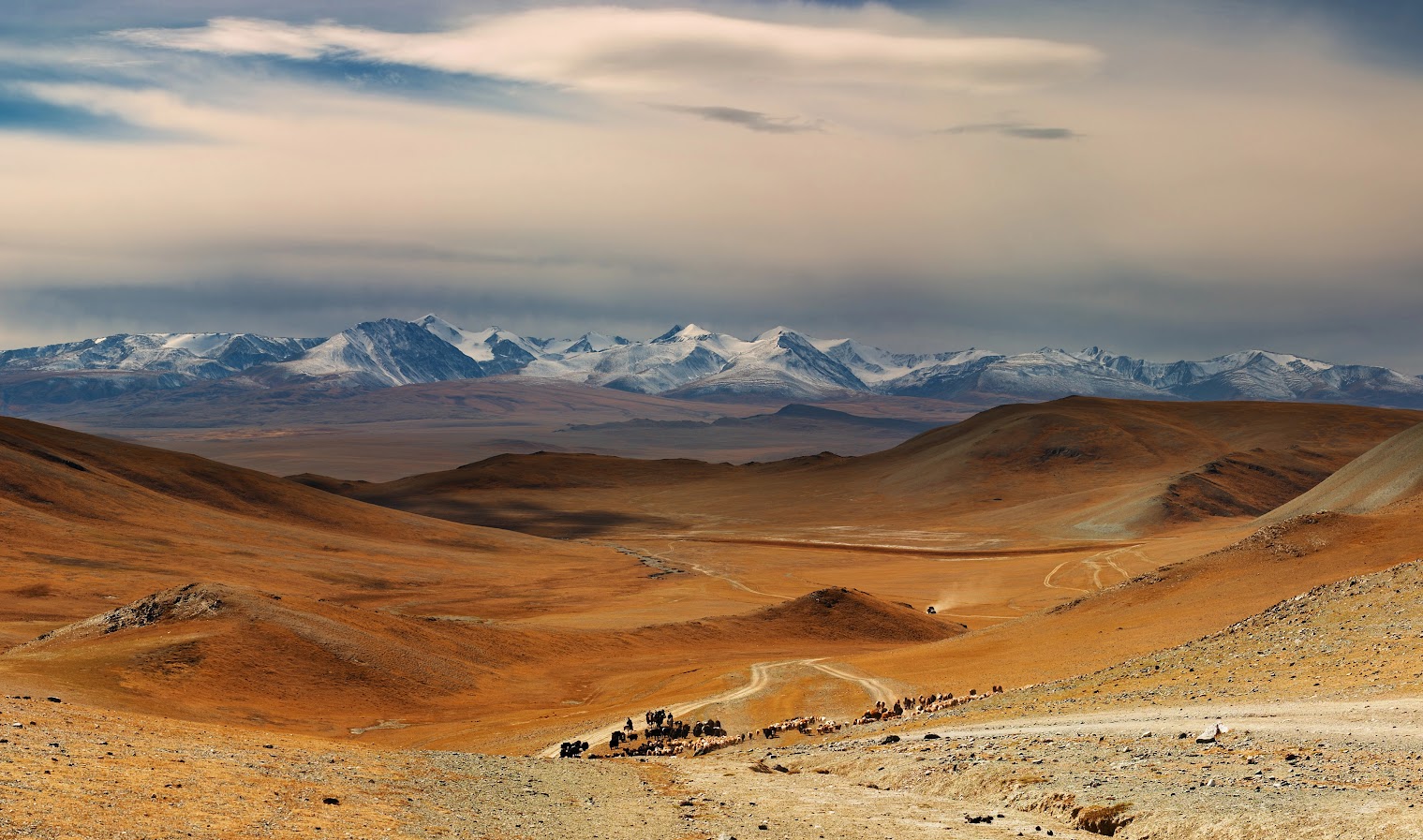
Explore golden sand dunes and experience the thrill of conquering the towering peaks of the desert.
3.4 Erdene Zuu Monastery
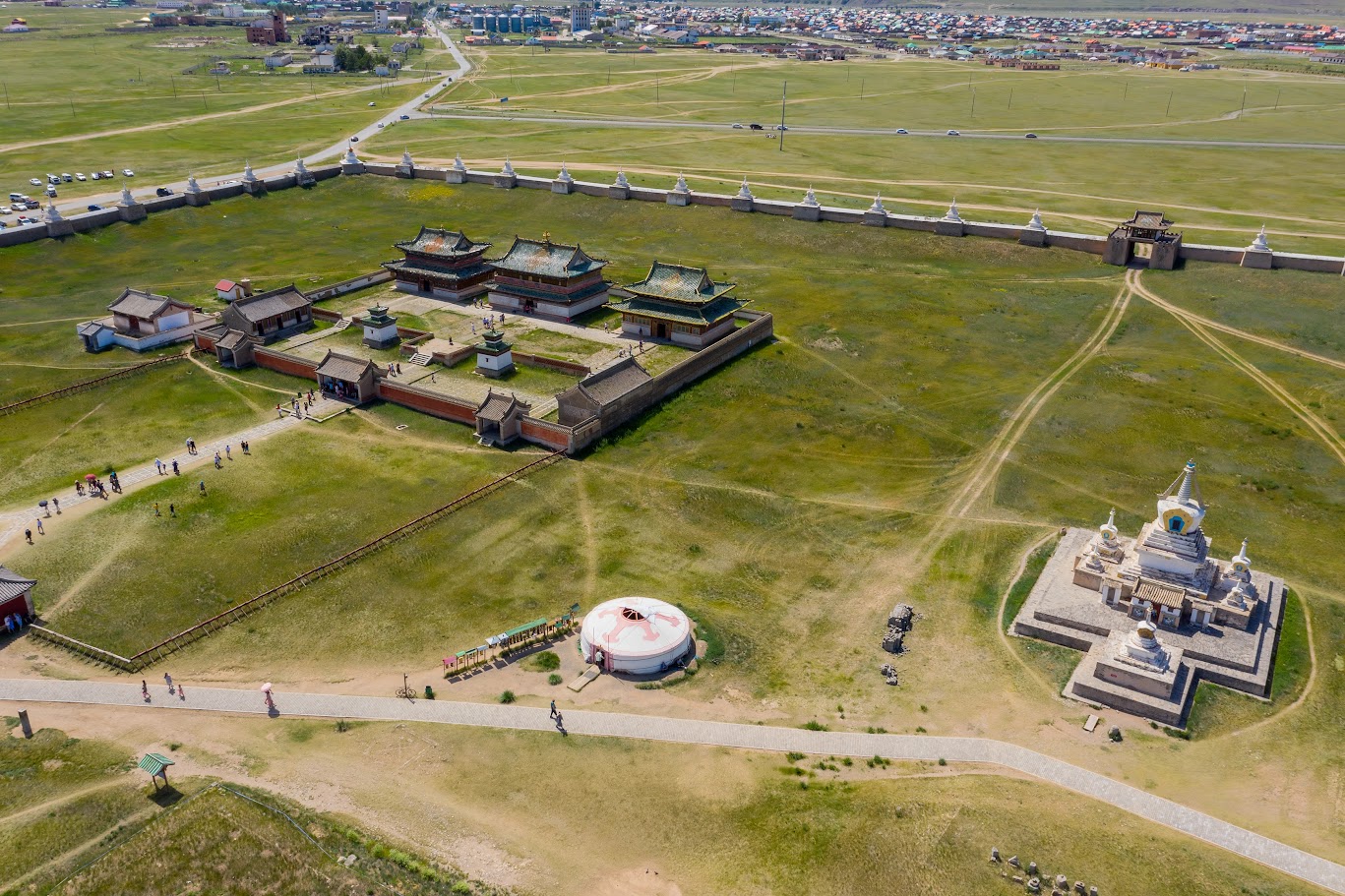
Erdene Zuu Monastery is widely regarded as one of Mongolia’s most important cultural and historical landmarks. Built in the ancient city of Karakorum—the capital of the Mongol Empire in the 13th century—the monastery is the first Buddhist center in Mongolia and a symbol of the nation’s spiritual heritage.
With its distinctive architecture and tranquil atmosphere, Erdene Zuu Monastery offers visitors a chance to learn about Tibetan Buddhism and the spiritual traditions of the Mongolian people. It also preserves many precious artifacts, making it an essential stop for anyone interested in the country’s history and culture.
3.5 Khongoryn Els Sand Dunes
To make your Mongolian journey even more memorable, you should visit Khongoryn Els, located within the Gobi Gurvan Saikhan National Park. This area features massive sand dunes 200–300 meters high, 12 km wide, and stretching about 100 km across the Gobi Desert. It is the largest and most impressive dune system in Gobi, known for its golden color and its unique “singing” sound when the wind blows over the sand. Because of this phenomenon, Khongoryn Els is also called “Duut Mankhan” (the Singing Dunes), as the moving sand grains produce a low, melodic hum. Visitors can climb the dunes for panoramic desert views or ride camels across the warm golden sands.
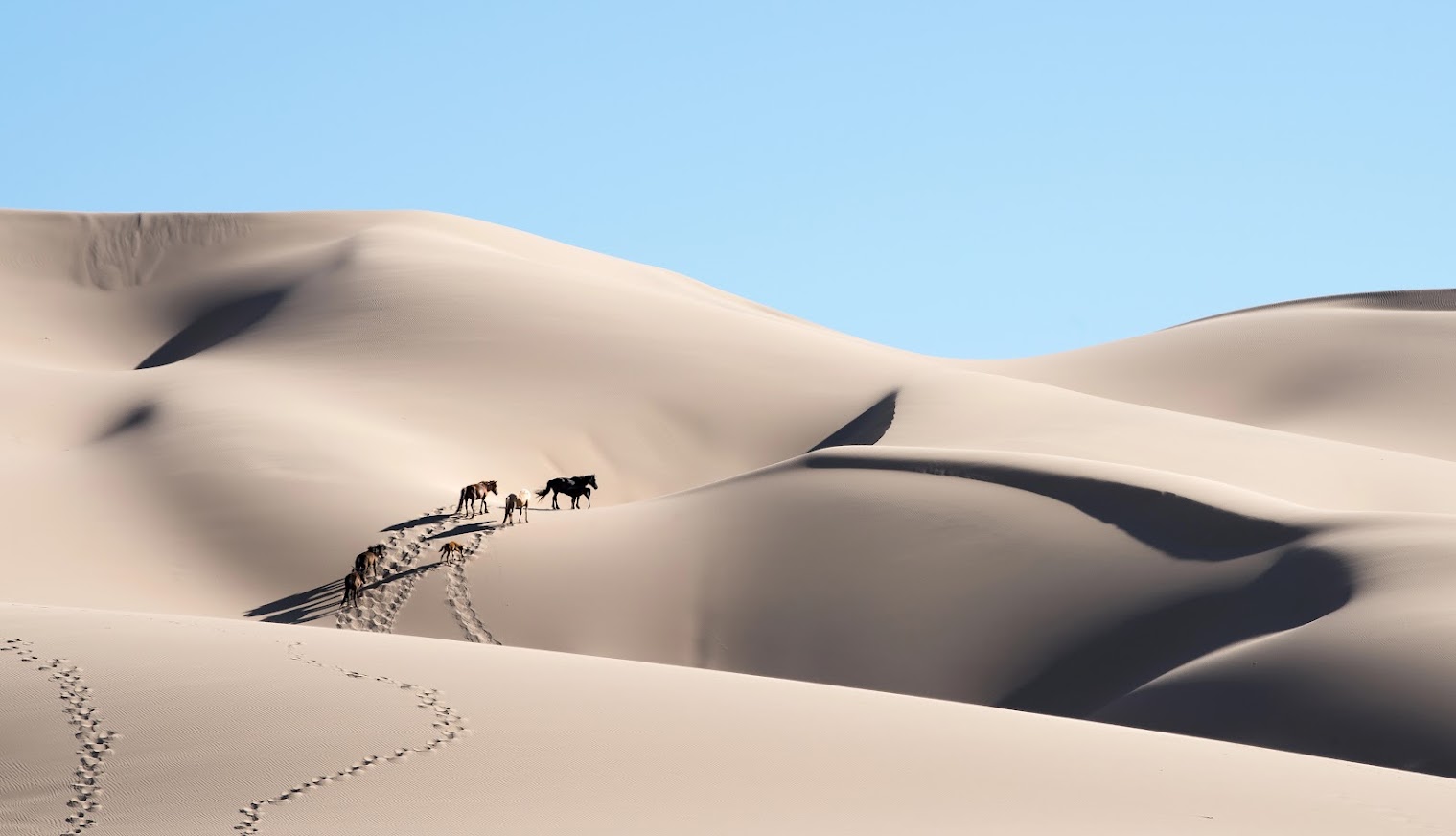
The Khongoryn Els sand dunes are also an ideal place to admire breathtaking sunrises and sunsets over the desert.
4. Must-Try Local Dishes When Traveling in Mongolia on Your Own
4.1 Buuz
Buuz is a traditional Mongolian steamed dumpling made from wheat flour and filled with minced lamb or beef. It is not only a staple in daily meals but also an essential dish during major festivals such as the Mongolian Lunar New Year.
4.2 Khuushuur
Khuushuur is a fried pastry shaped like a circle or half-moon, also filled with minced lamb or beef. It has a crispy exterior and a soft, flavorful interior. Unlike Buuz, Khuushuur is deep-fried until golden brown and is commonly served during festivals. Many travelers consider it a must-try dish when visiting Mongolia.
4.3 Boodog
Made from whole goat, Boodog is one of Mongolia’s most impressive traditional dishes. Hot stones are stuffed inside the carcass to cook the meat from the inside out. This method creates a rich, savory flavor, making the dish especially enjoyable during cold weather. Boodog represents the nomadic lifestyle and is often served during important ceremonies or family gatherings.
4.4 Khorkhog
Khorkhog is another traditional Mongolian dish cooked using hot stones, but this time with lamb. The meat is placed in a sealed pot along with hot stones and left to steam slowly until tender, naturally sweet, and aromatic. Khorkhog is considered one of Mongolia’s finest dishes and is beloved by visitors.
4.5 Aaruul
Made from fermented milk, Aaruul has a naturally sour and sweet taste and is popular in nomadic daily life. Locals believe it provides energy and nutrients during long journeys across the steppe. For visitors, these hard dried cheese curds made from horse or cow milk offer a unique and authentic experience of Mongolian food culture.
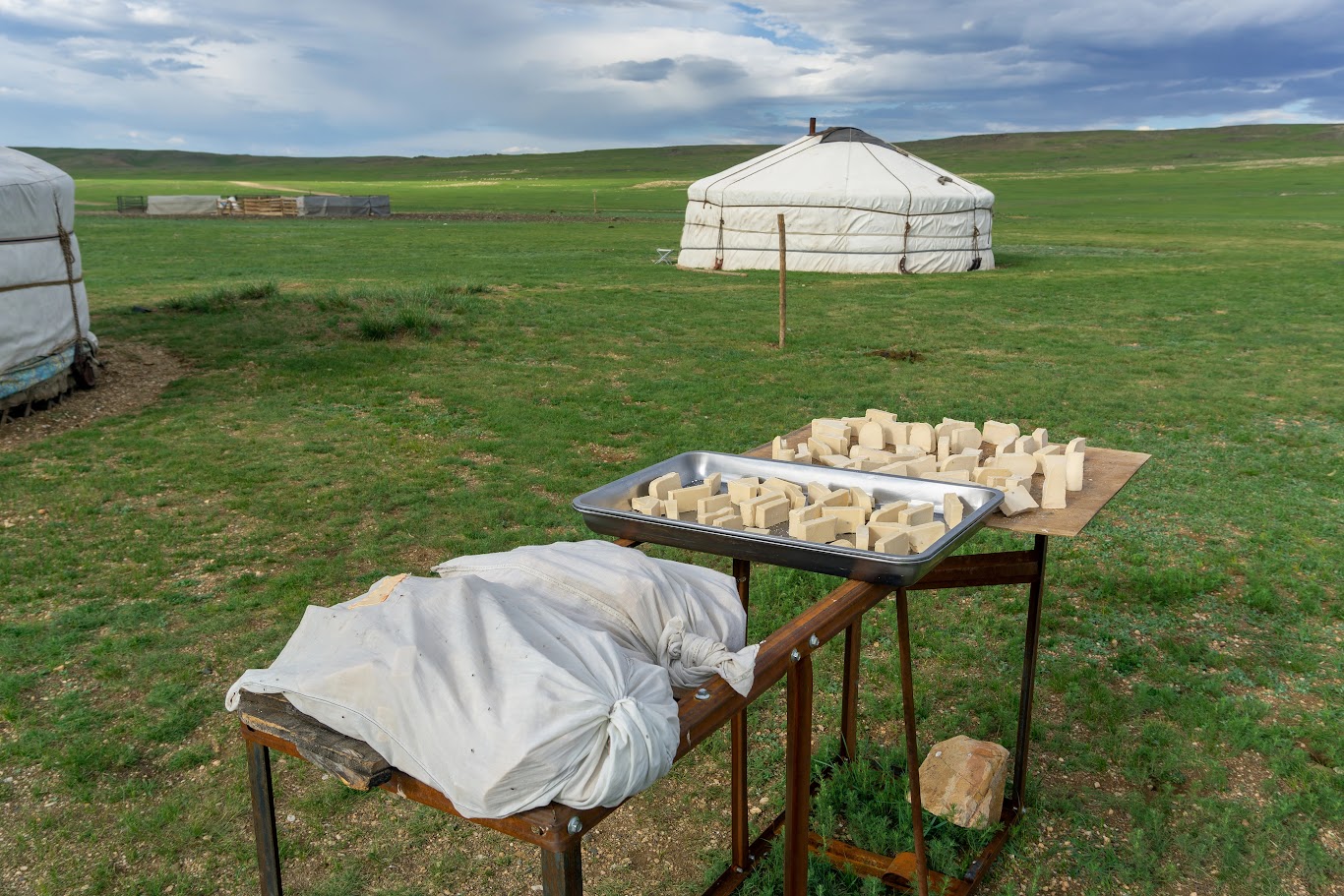
Aaruul is often carried on long trips across the steppe.
5. Travel Tips for Independent Travel in Mongolia
5.1 Do You Need a Visa to Visit Mongolia?
Previously, Vietnamese travelers were required to apply for a visa to enter Mongolia. However, since March 2024, the Mongolian government announced on March 4 that Vietnam is included in the visa-exemption list effective from March 7. Accordingly, Vietnamese citizens are exempt from visas for tourism purposes and may stay up to 30 days. This is part of Mongolia’s effort to attract more Vietnamese tourists.
To ensure smooth entry procedures, you should prepare the following documents:
- Passport: Valid for at least 6 months from your expected departure date from Mongolia.
- Round-trip air ticket: Or booking confirmation.
- Hotel reservation: Or an invitation letter from a host in Mongolia (if any).
- Travel itinerary: Details of the places you plan to visit.
- Cash or credit card: To prove financial capability.
5.2 Cost of Traveling in Mongolia
The cost of traveling independently in Mongolia varies depending on your travel style and length of stay. Below are key expenses to consider:
- Airfare: From Vietnam, flights to Ulaanbaatar typically range from 8–15 million VND depending on the airline and booking time. Booking early or watching for promotions helps reduce costs.
- Accommodation: Mongolia offers many options—from hotels and guesthouses to traditional ger tents. Mid-range hotels in Ulaanbaatar cost around 800,000 – 1,200,000 VND per night, while ger stays range from 250,000 – 500,000 VND per night.
- Food: Mongolian cuisine is diverse and reasonably priced. Average daily food costs range from 120,000 – 400,000 VND depending on restaurant type or local markets.
- Transportation: You can travel by bus, taxi, or rental car. Renting a car is a popular choice for exploring remote regions. Prices range from 1,500,000 – 2,500,000 VND per day depending on the vehicle and services.
- Entrance fees: Some attractions such as monasteries and national parks charge entry fees, usually between 50,000 – 250,000 VND per person.
Average total expenses for a 5–7 day independent trip to Mongolia range from 20–30 million VND, covering transportation, accommodation, meals, and sightseeing.
5.3 Important Notes for Traveling Independently in Mongolia
When traveling in Mongolia, you should keep the following important points in mind:
- Prepare your clothing carefully: Mongolia has an extreme climate, with freezing winters and hot, dry summers. Bring warm clothes if you visit in autumn or winter, and lightweight outfits, hats, and sunglasses if you travel in summer.
- Consider travel insurance: Mongolia has rugged terrain, so having travel insurance will give you peace of mind when participating in adventurous activities such as horseback riding, camping, or hiking.
- Prepare your currency: The official currency of Mongolia is the Tugrik (MNT). You should exchange some money in Vietnam or at the airport for convenient payments. Most rural areas do not accept credit cards, so carrying cash is essential.
- Communication: Mongolian is the primary language, and while some locals can speak Russian or English, English is not widely spoken in rural areas. Learning a few basic phrases or using a translation app will make communication easier.
- Respect local culture: Mongolian people have many customs and traditional cultural practices that visitors should respect, especially when attending festivals or visiting Buddhist monasteries.
- Hire a local guide: If you want deeper insights into Mongolian culture and history, consider hiring a local guide or booking a tour.
Mongolia is truly a land of wonders. From lush green steppes and vast deserts to its unique nomadic culture, the country offers travel experiences unlike anywhere else. Start exploring these exciting wonders by booking your flight to Mongolia today. And don’t forget to follow the daily 0 VND promotions for domestic and international flights available from 12 PM to 2 PM to enjoy the best fares. See details HERE.
Keep following Vietjet so you won’t miss the latest travel updates!
- Facebook: https://www.facebook.com/vietjetvietnam
- Instagram: https://instagram.com/vietjet
- YouTube: https://www.youtube.com/VietjetOfficial
- TikTok: https://www.tiktok.com/@vietjetvietnam
- Zalo: https://oa.zalo.me/vietjet