Booking
 Skyshop
 Hotel
Hotel
 E-Voucher
 E-Sim
E-Sim
 E-Visa
 Buy foreign currency
 Insurance
 SkyJoy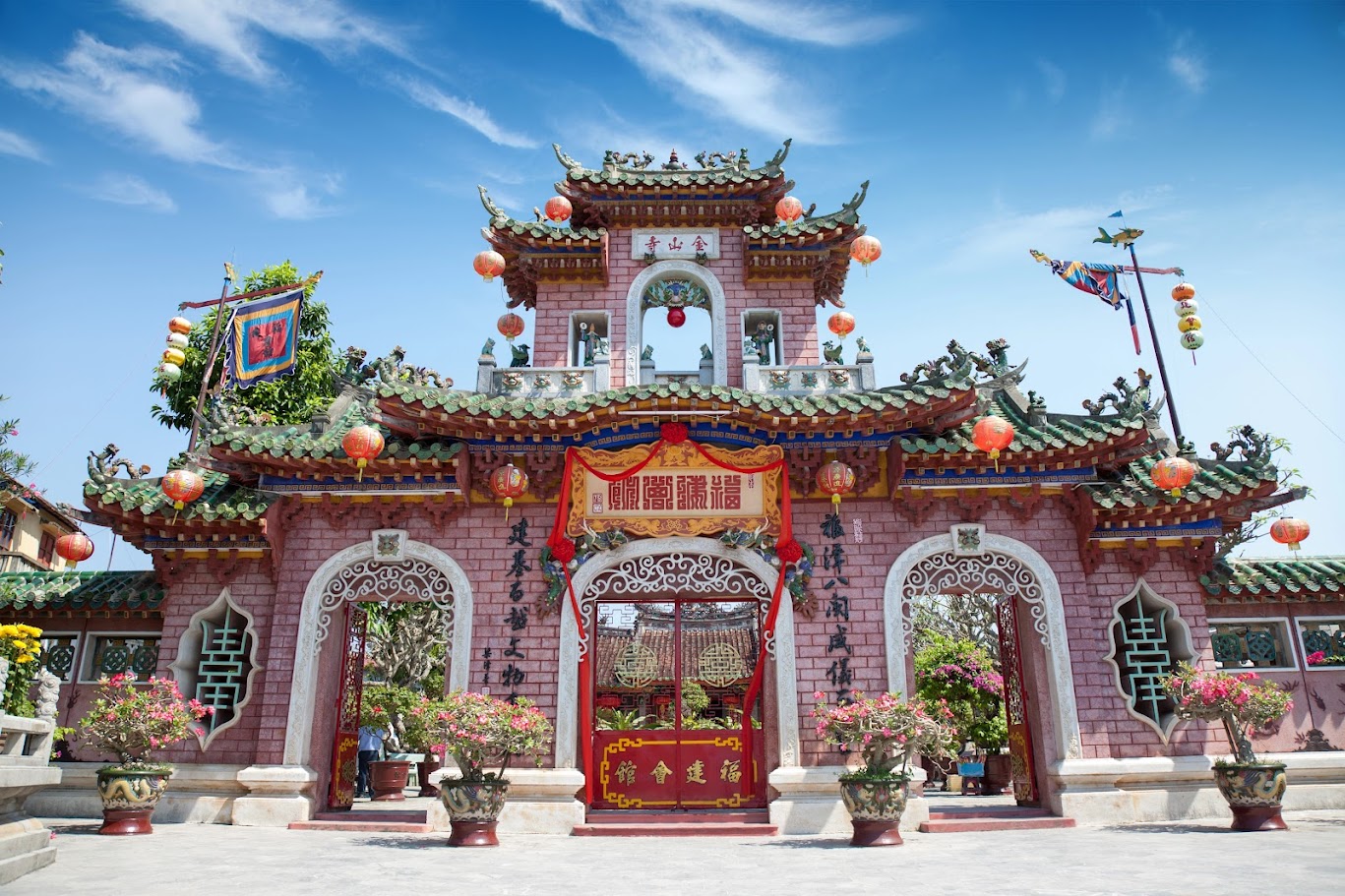
Amidst the hustle and bustle of modern life, Hoi An feels like a peaceful note that lingers in travelers’ hearts. Located on the northern bank of the lower Thu Bon River, the ancient town of Hoi An is a destination that leaves lasting impressions on anyone who has ever visited. Without the dazzling glamour of big cities, Hoi An captivates visitors with its quiet charm—the ochre-yellow ancient houses, moss-covered tiled roofs, and wooden windows tinged with time.
To fully enjoy your journey in this heritage land, a few self-travel tips for Hoi An are something you shouldn’t miss. Learning from past visitors’ experiences will make your trip even more complete.
1. Where is Hoi An?
Hoi An is located on the northern bank of the lower Thu Bon River, about 30km from Da Nang City and 122km from the former imperial capital of Hue. Once a bustling trading port in the 16th–17th centuries, it bore witness to cultural exchanges among Vietnamese, Chinese, Japanese, French, and others. Thanks to its nearly intact architecture and preserved traditional lifestyle, Hoi An was recognized as a UNESCO World Cultural Heritage Site in 1999. The ancient town, with its mossy yellow houses, narrow stone-paved alleys, and the Hoai River flowing quietly through its heart, creates a Hoi An that is both simple and irresistibly charming.
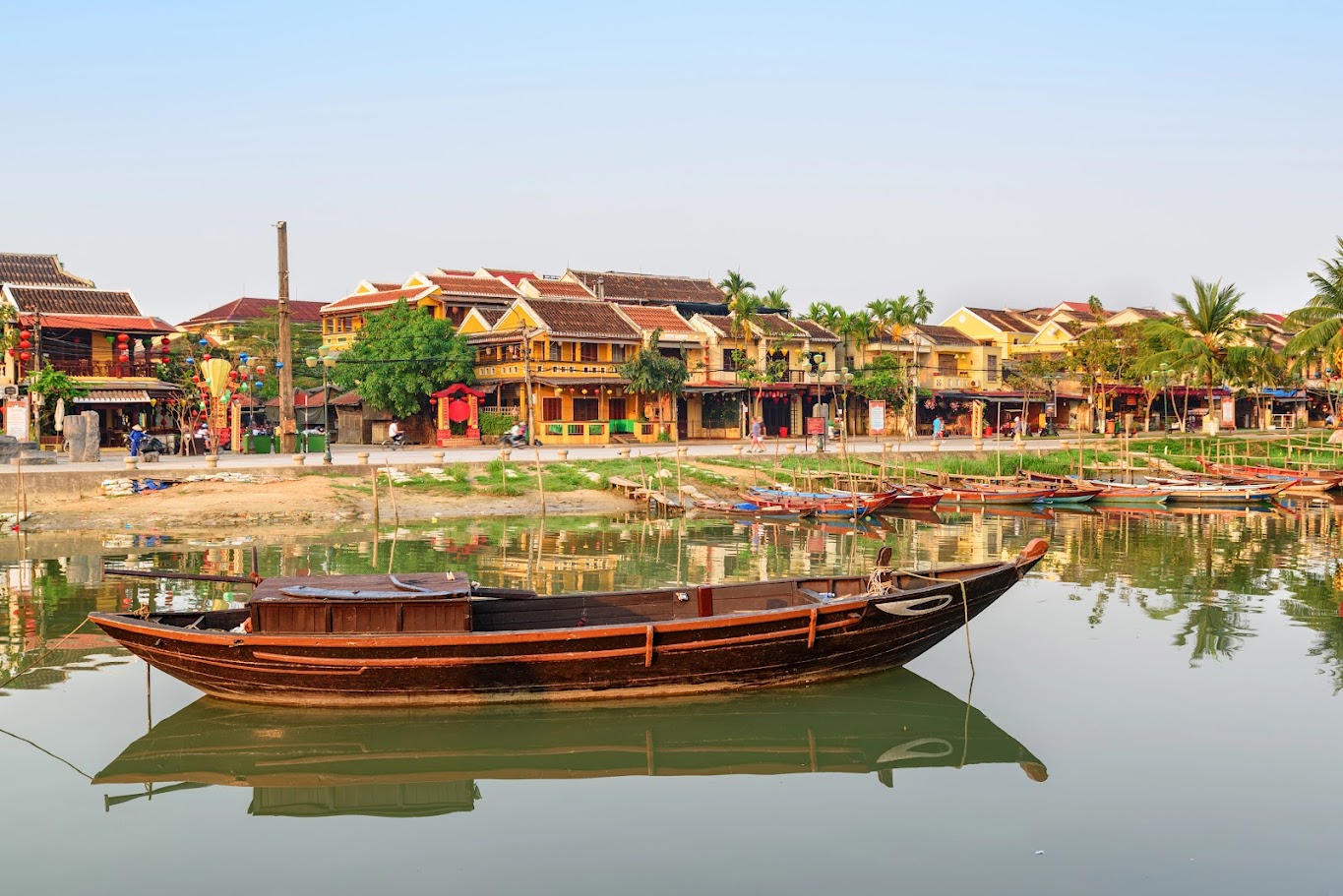
Traveling to Hoi An is not difficult to do on your own, but a clear itinerary is essential.
2. When is the best time to visit Hoi An?
Weather is an important factor that determines your experience when traveling to Hoi An. Located in the transitional zone between the northern and southern climates, Hoi An has two distinct seasons: the dry season and the rainy season, each bringing its own unique charm.
If you are planning a self-guided trip to Hoi An, the period from January to March is considered the most ideal. During this time, the sunshine is gentle, the sky is clear, and the temperature is pleasantly cool, making it perfect for strolling around the ancient town or taking a boat ride to release lanterns at night.
From April to June, Hoi An enters the peak of the dry season. Although the sun is stronger, thanks to its location south of the Truong Son mountain range, the air here is not overly hot, making it very suitable for outdoor activities. Even when the rainy season arrives from October to December, many visitors still choose to travel to Hoi An to enjoy the dreamy scenery of the ancient town under a light drizzle and cool breeze. In any season, as long as you are well prepared, you will always have unforgettable memories in Hoi An.
3. How to get to Hoi An for a 3 days 2 nights trip?
For a self-guided trip to Hoi An, there are many options: motorbike, bus, or, to save time, airplane. The key is to clearly define your itinerary, prioritize suitable destinations, and remember some useful tips to make your trip smooth.
Especially, flying is the most time-saving and convenient choice for a 3 days 2 nights Hoi An trip. Sometimes, travelers even find surprisingly cheap tickets to Hoi An during promotional hours.
4. Where to stay in Hoi An for 3 days 2 nights?
Hoi An has its own charm in every season, but the most bustling and lively period is from May to August, when the golden sunshine shines, the blue sea calls, and outdoor activities become vibrant. If you plan to travel to Hoi An in the summer, you should book accommodation early to get good prices and more options, especially on weekends when the number of visitors increases significantly.
Luxury hotels and resorts in Hoi An are increasingly diverse in style, usually ranging from 2.5 million VND/night to over 10 million VND/night for a double room. Many resorts are built near An Bang Beach, Cua Dai Beach, or nestled among peaceful rice fields in Cam Chau Ward, offering airy and relaxing spaces.
Meanwhile, homestays in Hoi An are an ideal choice for those who enjoy a cozy atmosphere and want to experience local culture. More than just a place to stay, many homestays are designed as art spaces, with green gardens, yellow-painted walls, and wooden windows opening to tranquil rural views. Prices are very reasonable, only from 200,000–400,000 VND per night, and remain stable even during peak season.
A few homestays loved by young travelers for their beautiful design and friendly hosts include Loongboong Homestay, Quynh Chau Homestay, Rural Scene Villa, and Hoi An Lemongrass Homestay. Whether you stay in the center of the ancient town or by the quiet rice fields, you can enjoy a slower and more poetic side of Hoi An.
5. 3 days 2 nights Hoi An itinerary – Where to go?
With a 3 days 2 nights trip, Hoi An offers many places to explore. Each destination carries its own nostalgic and poetic character.
5.1 Hoi An Ancient Town
Hoi An Ancient Town is an unmissable destination in the 2025 journey. With its nostalgic beauty and tranquil atmosphere, this place brings visitors back to the past through moss-covered tiled roofs, wooden houses aged with time, and shimmering lanterns lighting up the streets at night. Strolling along the small brick-paved streets, visitors can easily come across traditional tailor shops, old cafés, or street vendors selling local specialties such as cao lau, white rose dumplings, and mi Quang noodles.
Especially at night, the ancient town becomes dazzling with the lantern festival on the Hoai River, bringing a sense of peace and enchantment. With just a camera, you can capture the poetic moments of this heritage land. With its harmonious blend of architecture, culture, and cuisine, visiting the ancient town in a 3 days 2 nights trip promises to bring deeply emotional experiences for anyone who loves traditional beauty and tranquility.
5.2 Fujian Assembly Hall
The Fujian Assembly Hall, located at 46 Tran Phu Street, Hoi An City, is one of the most significant architectural and religious works of the Chinese community that once lived and traded in this ancient port.
Built in the late 17th century, the hall was originally a gathering place for Fujian immigrants in Hoi An. Later, it was renovated and expanded into a temple dedicated to Thien Hau Thanh Mau, the sea goddess revered by fishermen and merchants, who prayed for safety on their voyages.
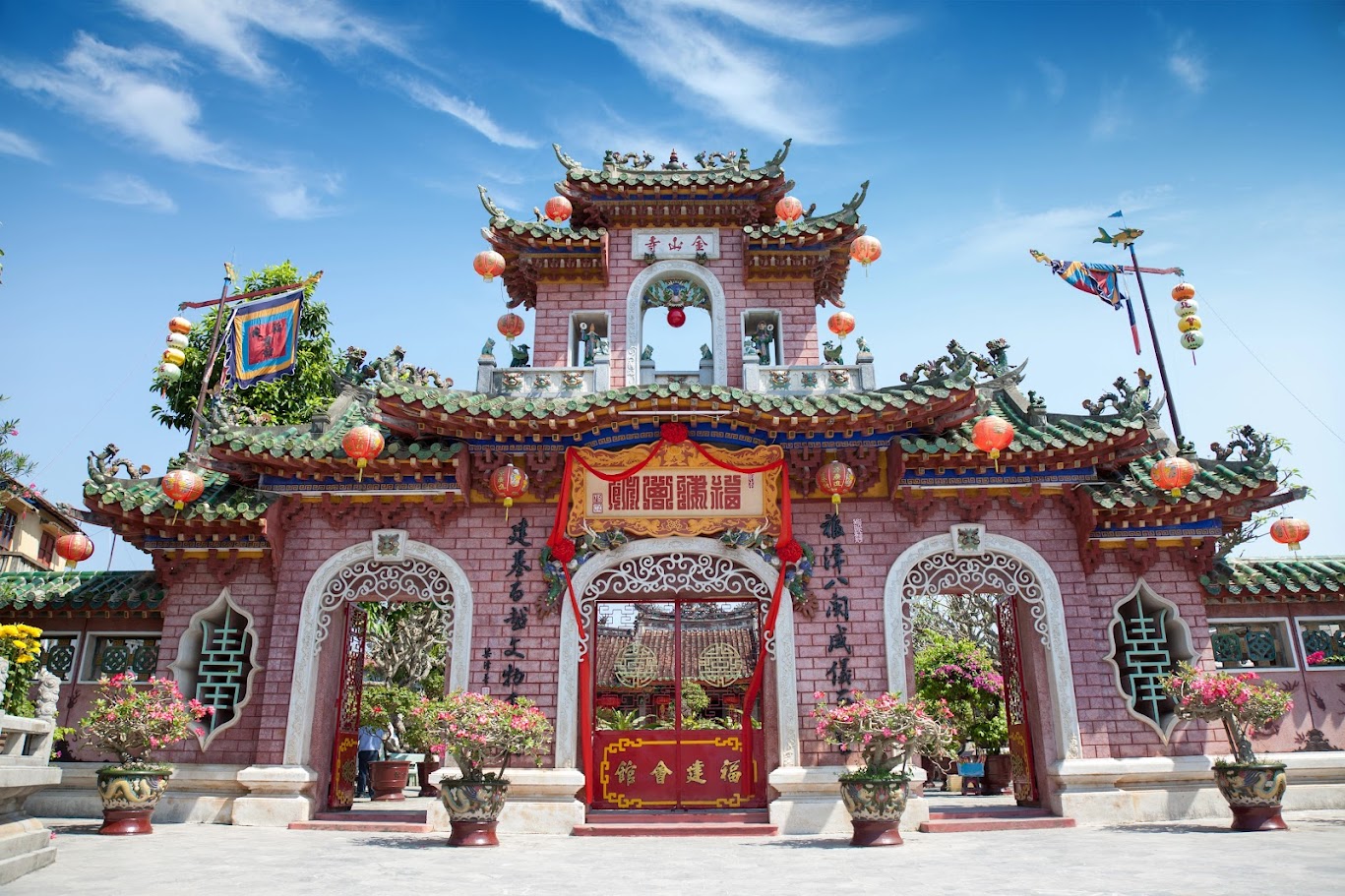
The Fujian Assembly Hall features ancient architecture, ideal for sightseeing and vintage-style photography.
Its design stands out with dragon and phoenix carvings, curved East Asian-style tiled roofs, and gilded calligraphy plaques. Inside, the solemn worship space, with statues, incense burners, and ancient bells, creates a sacred and contemplative atmosphere. This is not only a religious relic but also a destination that attracts many visitors with its historical, artistic, and cultural value. Today, it remains one of the most prominent attractions in the Hoi An Ancient Town heritage complex.
See more: Experience visiting the more than 200-year-old Tan Ky Ancient House in Hoi An
5.3 Japanese Covered Bridge (Chua Cau)
In the 2025 Hoi An journey, you cannot miss the Japanese Covered Bridge, one of the most iconic cultural and historical symbols of Hoi An Ancient Town. The bridge stretches across a small canal connected to the Hoai River, located at the end of Nguyen Thi Minh Khai Street and the beginning of Tran Phu Street. It was built in the early 17th century by the Japanese merchant community who lived and traded in Hoi An.
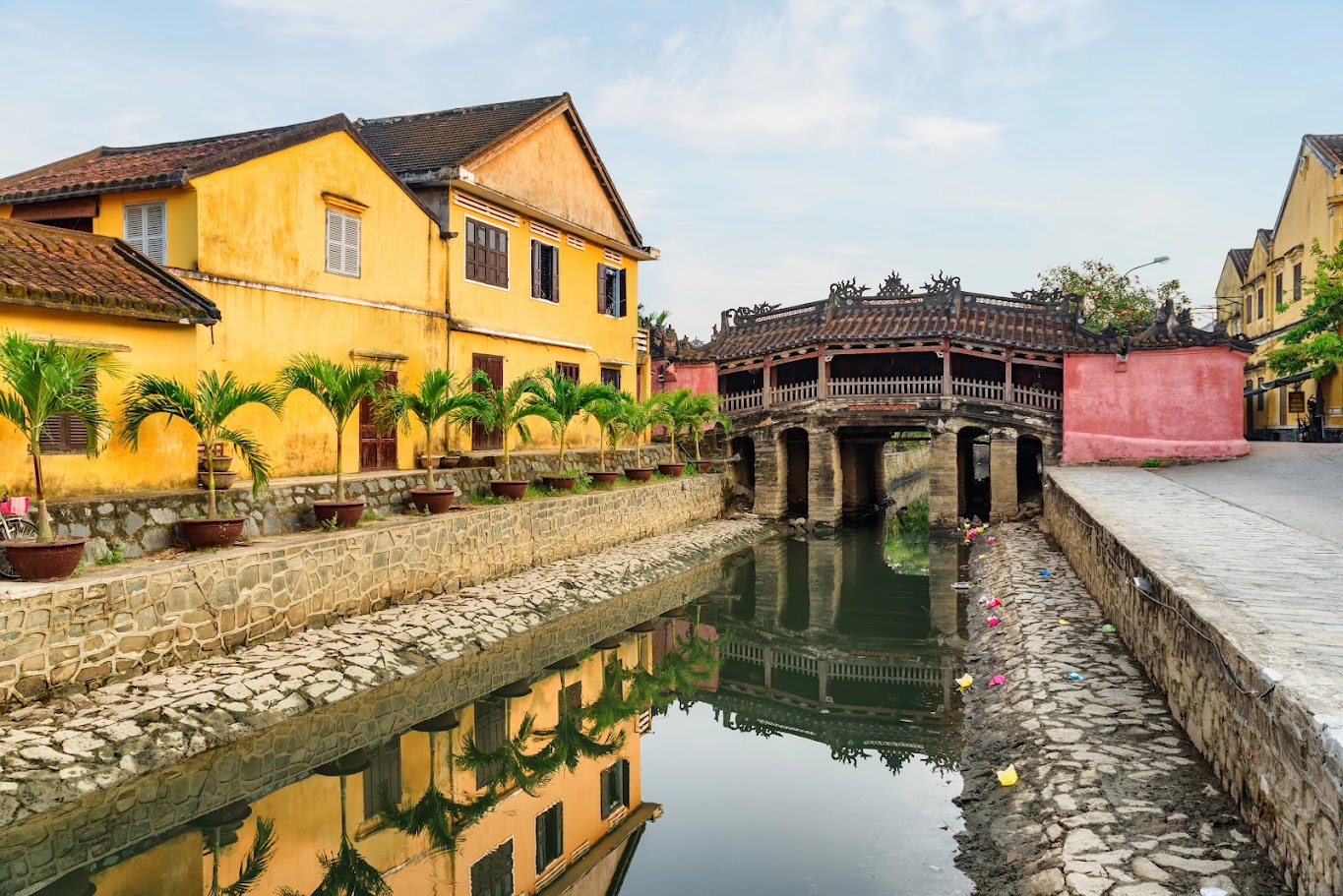
The Japanese Covered Bridge features a unique architectural blend of Japanese, Chinese, and Vietnamese styles.
The special feature of the bridge is its tiled roof covering the entire structure, serving both as a walkway and as a place of worship for the deity Bac De Tran Vo – believed to have the power to ward off natural disasters and bring peace. The entire structure is made of precious wood, with yin-yang tiled roofs and exquisitely detailed decorations, harmonizing with the ancient color tones.
The Japanese Covered Bridge is not only an architectural masterpiece of high artistic value but also closely tied to the historical development of Hoi An Ancient Town. With its harmonious blend of spirituality and culture, it is an unmissable stop in any Hoi An trip, especially for those who wish to understand more about the heritage and cultural depth of this land.
5.4 Phung Hung Ancient House
Phung Hung Ancient House is one of the most typical old houses in Hoi An Ancient Town, reflecting the architectural blend of various cultures. Built over 100 years ago by a wealthy merchant, it was once a trading hub for goods such as silk, salt, ceramics, and contributed to the prosperity of Hoi An’s ancient port.
The house is mainly built from precious woods such as ironwood, jackfruit wood, and kiền kiền, with a solid column frame and yin-yang tiled roof. Its most distinctive feature is its two-story design: the ground floor used as a shop, and the upper floor as a living space and ancestral altar. The wooden doors are flexible and removable to adapt to flooding, reflecting the resilience to the unique climate of this riverside region.
Today, Phung Hung Ancient House is still preserved by its descendants, kept almost intact, and open for visitors. It remains an ideal stop for those who want to learn more about the lifestyle, architecture, and cultural traditions of the old Hoi An residents.
5.5 Lantern Releasing on the Hoai River
Releasing lanterns on the Hoai River has long been an unmissable experience when traveling to Hoi An. Every evening, especially on full moon nights or festivals, the river surface sparkles with thousands of tiny glowing candles floating gently downstream. Paper lanterns in various colors and shapes symbolize the wishes for peace, happiness, and good fortune of those who release them.
This experience carries not only spiritual meaning but also brings deep emotions and tranquility to visitors in the peaceful atmosphere of the ancient town. The lantern light blending with the hanging lanterns across the streets turns Hoi An at night into a vivid and enchanting fairy-tale painting.
To take part, visitors can easily buy lanterns from local vendors along the riverbanks for only around 20,000 VND and join a boat ride for about 100,000 VND per person.
6. What to Eat in Hoi An on a Self-Guided Trip?
A 3 days 2 nights trip to Hoi An would not be complete without indulging in its unique culinary experiences. The ancient town not only charms visitors with its old-world beauty but also conquers their taste buds with Central Vietnam’s flavorful specialties. From cao lau and mi Quang to the famous Phuong Banh Mi, each dish carries cultural stories and historical imprints, making your journey more memorable.
6.1 Cao Lau
Cao Lau is the signature specialty of Hoi An, often considered the soul of the town’s cuisine. Unlike pho or mi Quang, cao lau has a unique flavor and preparation method found nowhere else. Its noodles are made from rice flour soaked in ash water from Cham Island and drawn from Ba Le well. This gives the noodles their characteristic yellow color, chewy yet firm texture.
A proper bowl of cao lau includes slices of char siu pork, crispy rice crackers, fresh herbs from Tra Que Village, and a flavorful broth that is rich but not overly soupy. Each ingredient is carefully prepared, creating a perfect harmony of rich, savory, sweet, and refreshing flavors.
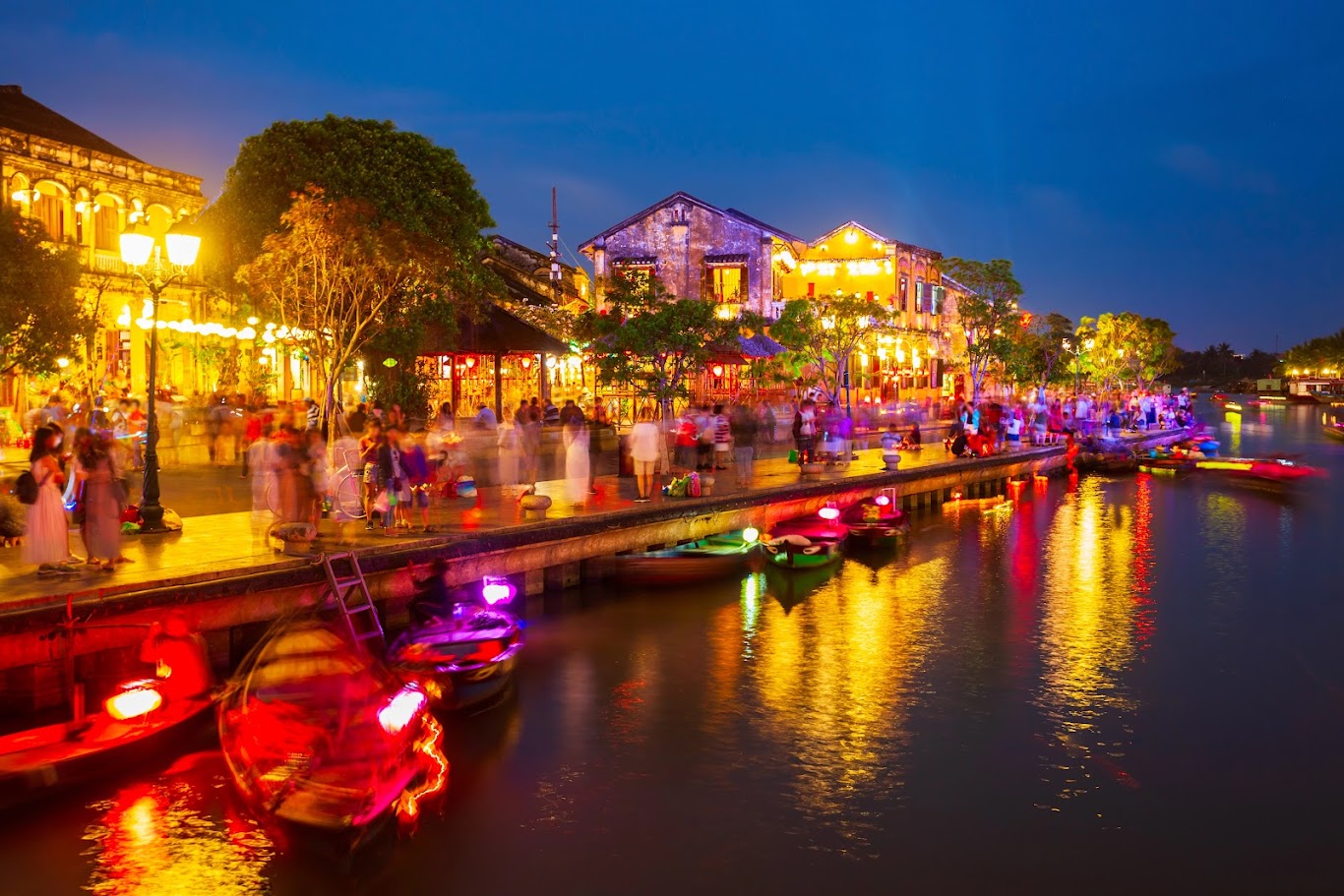
Hoi An at night always captivates visitors, especially with a walk along the Hoai River while enjoying local delicacies.
More than just a dish, cao lau is a story of culture, history, and lifestyle of the old Hoi An people. Visitors often seek out long-standing eateries like Ba Be or Ba Thanh to savor the authentic, nostalgic taste of this one-of-a-kind dish.
6.2 Phuong Banh Mi
Phuong Banh Mi is one of the most iconic street food symbols of Hoi An. Located on Phan Chau Trinh Street, the small shop is always bustling with customers, from locals to international travelers.
What makes Phuong Banh Mi special is the perfect combination of crispy baguette, generous fillings, and its secret rich sauce. The menu offers dozens of fillings such as grilled pork, sausage, ham, pate, fried egg, and cheese—freshly prepared on-site to ensure quality. Fresh herbs, cucumber, and pickled vegetables further enhance the overall flavor.
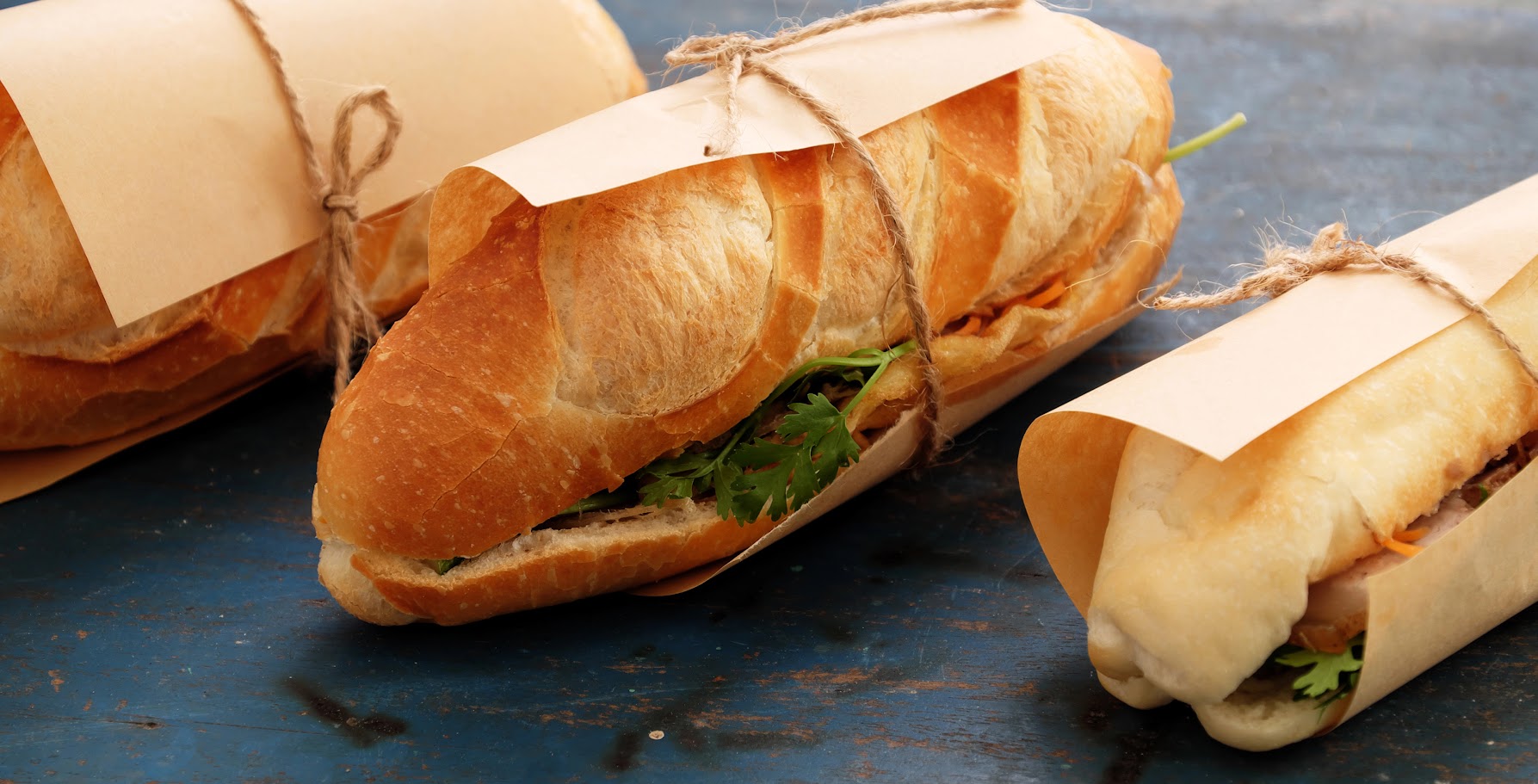
Not just a street food, Phuong Banh Mi is also a memorable cultural experience at an affordable price.
With its long-standing reputation and consistent quality over the years, Phuong Banh Mi truly deserves to be an unmissable stop on any self-guided culinary journey in Hoi An.
6.3 White Rose Dumplings (Banh Vac) in Hoi An
White Rose Dumplings are one of Hoi An’s most unique traditional dishes, not only attractive for their delicate flavors but also for their elegant presentation, reflecting the meticulous culinary culture of the ancient town.
The dumplings are made from finely filtered rice flour, kneaded skillfully to create a thin, soft yet firm wrapper. The filling consists of finely ground fresh shrimp mixed with pepper, garlic, and fried shallots, then wrapped in the thin wrapper and steamed. When served, the dumplings are topped with scallion oil and crispy fried shallots, enjoyed with dipping sauce made from premium fish sauce, lime, sugar, and chili.
This dish not only pleases the taste buds but also offers a cultural experience, helping visitors to fully appreciate the elegance and refinement of Hoi An cuisine.
7. Suggested Itinerary and Costs for a 3 Days 2 Nights Trip in Hoi An
Day | Itinerary |
Day 1 | Depart for Da Nang, land at Da Nang International Airport or choose Chu Lai Airport (Quang Nam). |
Take a bus to Hoi An. | |
Hotel check-in. | |
Visit and explore the Japanese Covered Bridge. | |
Watch the sunset on the Hoai River. | |
Evening | Take a boat trip to release lanterns on the Hoai River and stroll around the Ancient Town. |
Day 2 | Breakfast at Hoi An Market. |
Rent a motorbike to explore the town. | |
Visit museums. | |
Visit the Phung Hung Ancient House. | |
Lunch. | |
Explore Lantern Street. | |
Enjoy Cao Lau, Banh Mi, and other Hoi An specialties. | |
Evening | Take a bus back to Ho Chi Minh City. |
Day 3 | Relax at your homestay/hotel in Hoi An. |
Visit the local market. | |
Hotel check-out. | |
Lunch. | |
Travel back to Da Nang to reach the airport. |
Hoi An continues to affirm its charm on the tourism map of Vietnam and the world, thanks to its quiet beauty, unique cultural atmosphere, and experiences that can only be found here. It is not only a destination for those who love ancient architecture and tranquility, but Hoi An tourism in 2025 also promises a fresh breeze with exciting cultural, culinary, and eco-experiences.
If you are looking for a destination to heal your soul after busy days, Hoi An is truly the ideal choice not to be missed. And don’t forget to book flight tickets to Da Nang or flight tickets to Quang Nam to begin your dreamy journey exploring Hoi An. In addition, thousands of 0 Dong flight tickets are launched daily by Vietjet during the golden hours from 12:00 to 14:00 — don’t miss the chance to travel to Hoi An at an incredibly low cost!
Stay updated with the latest flight promotions and travel guides through Vietjet’s official channels.
- Website: https://www.vietjetair.com
- Facebook: https://www.facebook.com/vietjetvietnam
- Instagram: https://instagram.com/vietjet
- YouTube: https://www.youtube.com/VietjetOfficial
- TikTok: https://www.tiktok.com/@vietjetvietnam\
- Zalo: https://oa.zalo.me/vietjet