Booking
 Skyshop
 Hotel
Hotel
 E-Voucher
 E-Sim
E-Sim
 E-Visa
 Buy foreign currency
 Insurance
 SkyJoy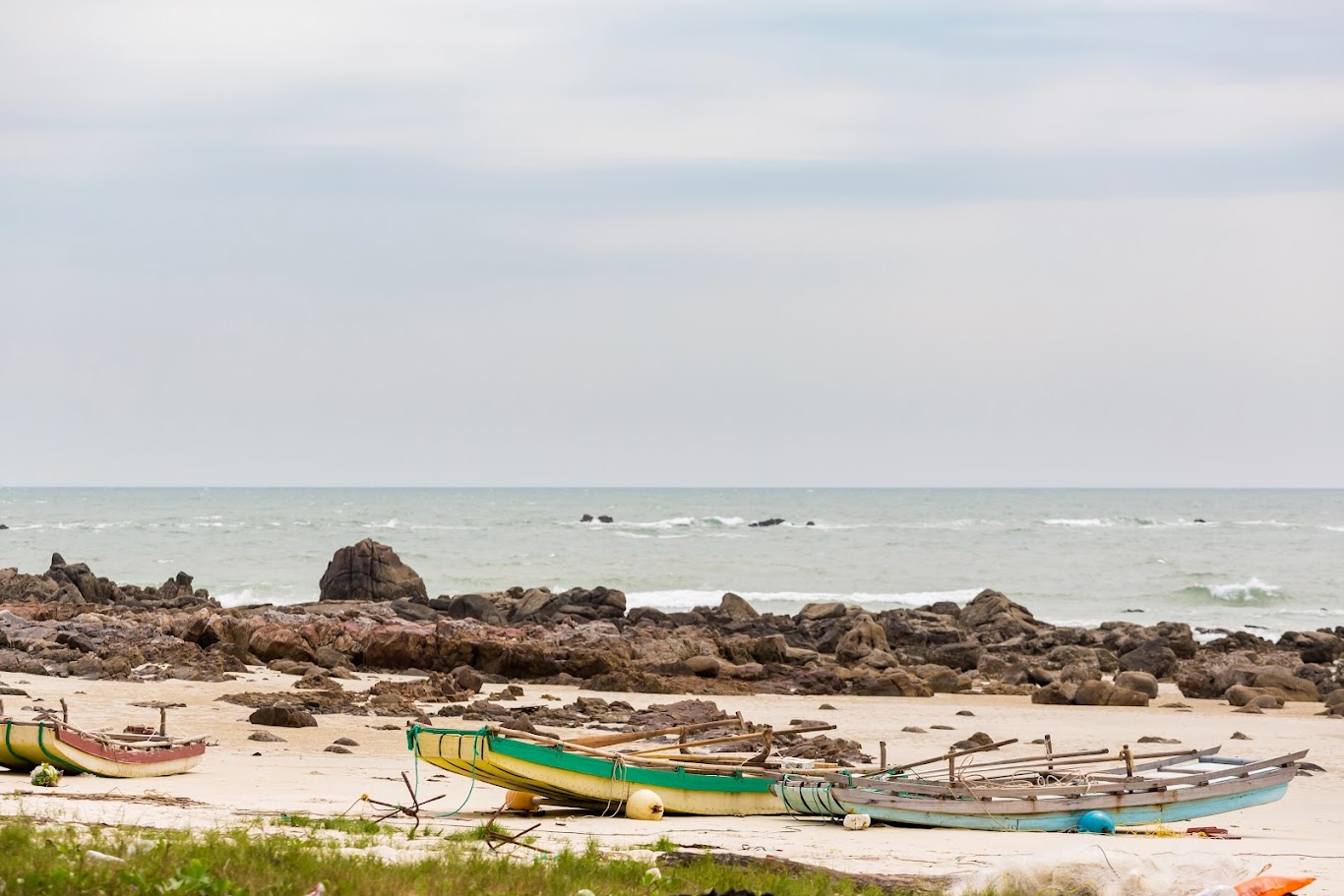
Quan Lan Island is often referred to as the “raw gem” of Quang Ninh. The island stands out for its unspoiled beaches, crystal-clear waters, and incredibly fresh seafood. Visitors to Quan Lan can enjoy a refreshing atmosphere, immerse themselves in the peaceful natural surroundings, and explore the island's rich local cuisine.
This guide provides detailed tips on transportation, food, and attractions for your trip to Quan Lan Island.
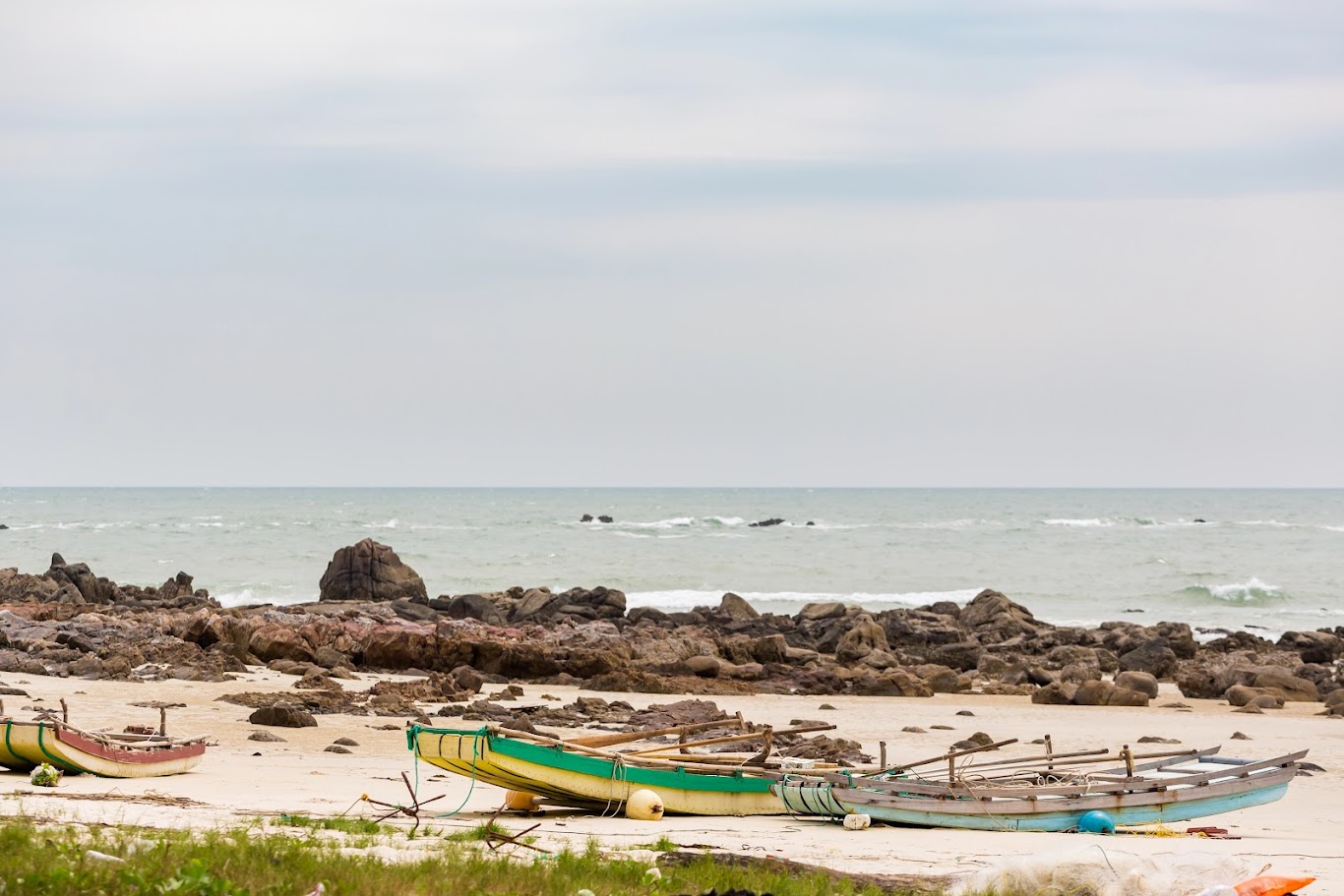
Quan Lan Island is known for its untouched beauty and clean, fresh air.
1. Where is Quan Lan Island?
Quan Lan Island is located in Bai Tu Long Bay, part of Van Don District, Quang Ninh Province, about 40 km northeast of Cai Rong town center. The island includes two communes, Quan Lan and Minh Chau, connected by a pine-forest trail over 10 km long – perfect for cycling or exploring by motorbike.
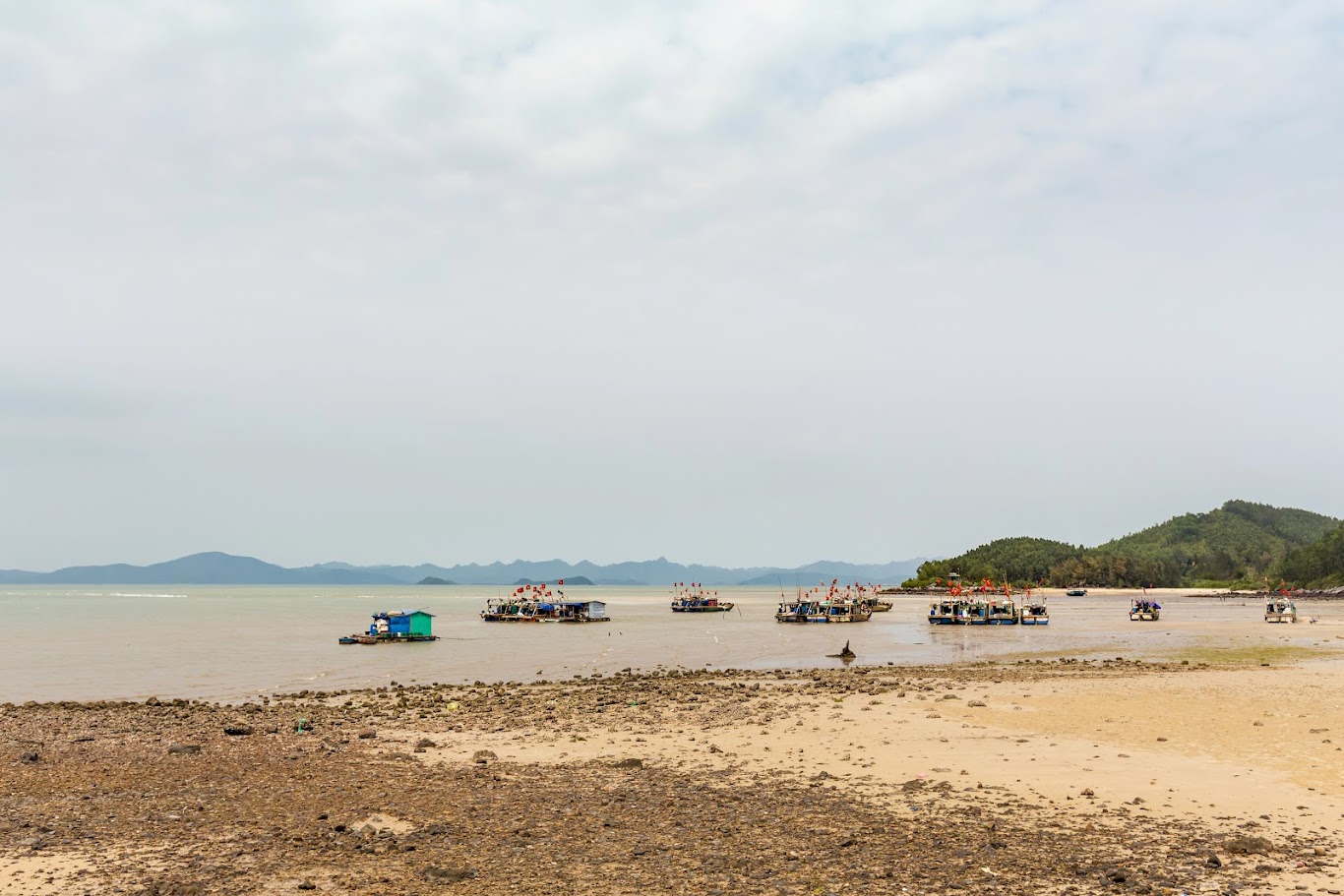
Quang Ninh is not only home to Ha Long Bay but also to many stunning islands like Quan Lan.
With an area of around 11 km² and a population of approximately 7,000, Quan Lan still retains a rare and pristine charm, in contrast to the bustling atmosphere of Ha Long. The island is known for its long beaches, clear waters, untouched coastal forests, ancient fishing villages, and historical sites tied to Vietnam’s victory over the Mongol invaders during the Tran Dynasty.Although it’s not a mainstream tourist destination, Quan Lan is ideal for travelers seeking unspoiled nature, tranquility, and an authentic coastal lifestyle.
2. Weather in Quan Lan Island
Quan Lan Island has a mild climate, typical of the northern coastal region of Vietnam. The weather is clearly divided into two seasons: summer (April – September) with hot and humid conditions, and winter (October – March) which is cooler and drier. During July and August, the island occasionally experiences storms due to monsoons, so travelers should check weather forecasts before their trip.
Ideal times to visit Quan Lan Island:
- April – June: Sunny weather, calm sea, light waves – perfect for swimming, outdoor activities, photography, and exploring nature.
- September – November: Cool, dry weather, fewer crowds – ideal for peaceful retreats.
3. What Makes Quan Lan Island Special?
3.1 Scenic Highlights
If you’re wondering what’s beautiful about Quan Lan Island, the answer lies in its stunning beaches and breathtaking nature:
- Minh Chau Beach: The most beautiful and famous beach on the island, often called “the beach with snow-white sand.” The sand here is exceptionally fine, firm, and non-sticky – ideal for swimming, strolling, or group activities. The calm, crystal-clear waters are safe even for children. The area around the beach has numerous homestays, resorts, and beachside seafood BBQ restaurants.
- Quan Lan Beach: Located near the pier and Quan Lan commune center, this beach exudes a rustic charm closely connected to local fishing life. It’s perfect for those who want to combine swimming with exploring fishing villages. In the early morning or late afternoon, you can watch fishing boats return, offering a lively and authentic experience.
- Infinity Hill (Doi Vo Cuc): A trending destination near Thai Hoa hamlet, about 1 km from Quan Lan commune center. From the hilltop, you’ll get a panoramic view of the island, turquoise beaches, and rows of whispering casuarina trees. There’s also an open-concept café on the hill, ideal for sunrise/sunset watching and Instagram-worthy photos.
- Got Beo Wind Strait (Eo Gio Got Beo): A hidden gem between Quan Lan and Son Hao beaches, where rocky cliffs meet the sea. This spot offers a unique natural setting with jagged rocks jutting into the sea and white waves crashing all year round. Here, you can capture picturesque photos and feel the majestic power of island nature.
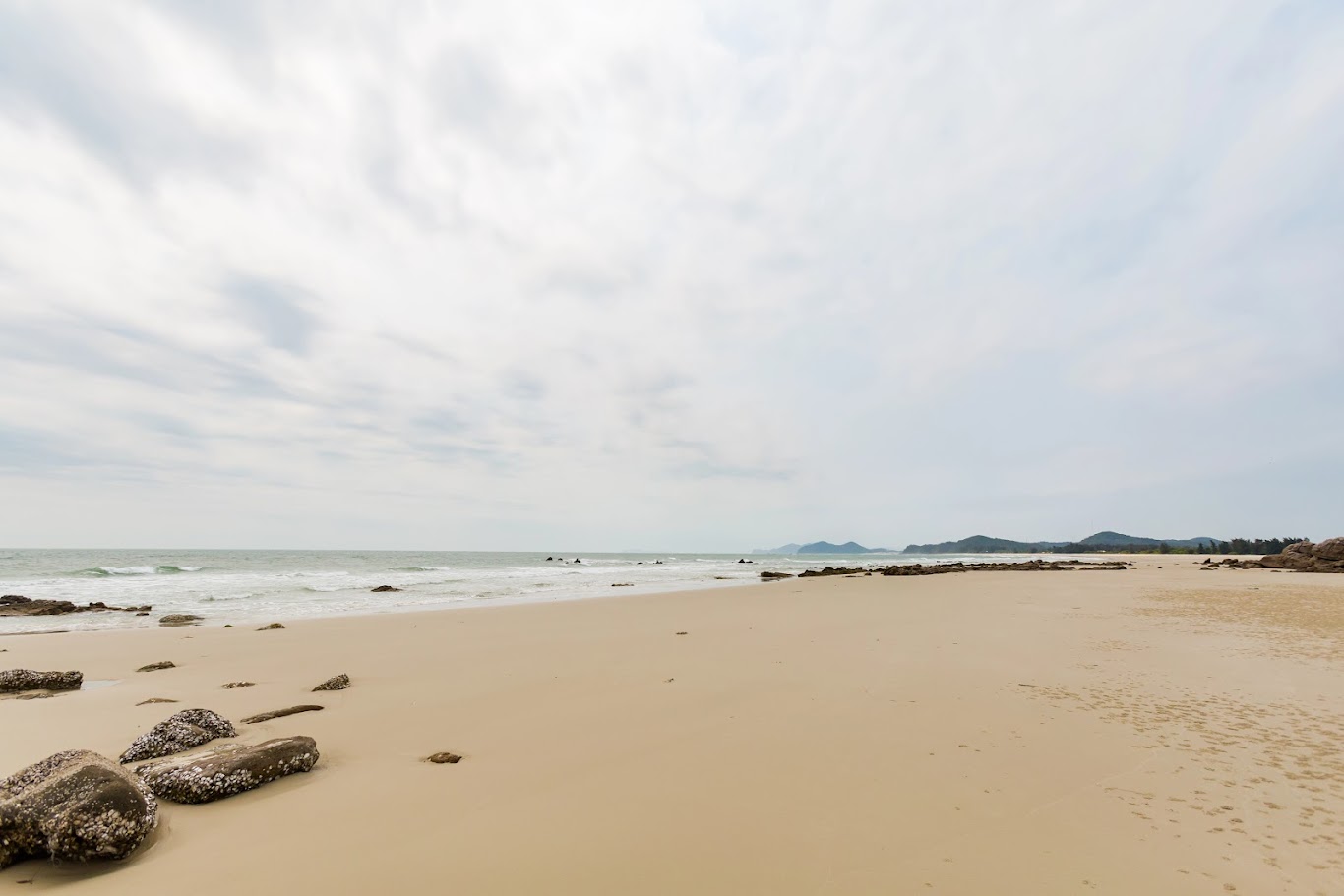
Quan Lan is home to many pristine and quiet beaches.
3.2 Historical Sites on Quan Lan Island
In addition to its unspoiled beaches, Quan Lan Island is a land rich in valuable historical and cultural relics, reflecting its significant role in Vietnam’s trade history and national defense.
- Ancient Van Don Port: Established in 1149 under King Ly Anh Tong, Van Don was the first international trading port of Dai Viet, once bustling with trade with countries like China, Siam, and Java. Today, remnants of the port can still be found in the Cong Cai – Son Hao area on Quan Lan Island, where many archaeological artifacts have been unearthed, proving the past existence of a vibrant commercial hub.
- Quan Lan Communal House – Pagoda – Temple – Shrine Complex: This spiritual architectural cluster was recognized as a national historical and artistic architectural site in 1990. These monuments showcase traditional Vietnamese architecture and preserve many valuable cultural and artistic artifacts.
- Centennial Old House: Built in the early 20th century during the French colonial period, this house was constructed from stone, wood, and molasses. It is open to the public throughout the day and is just a short walk from Quan Lan Communal House.
4. What to Eat on Quan Lan Island?
Traveling to Quan Lan is not just about enjoying blue seas and white sands—it’s also a journey to explore delicious, flavorful island cuisine. Here are some specialties you must try:
4.1 Signature Seafood Dishes
- Sa Sung (Peanut Worm): This is one of the most famous and expensive specialties of Quan Lan. Living deep in the sand, sa sung is highly nutritious and once offered to kings. Dried sa sung is often used to make pho or hotpot broth, adding a natural sweetness. Try stir-fried or charcoal-grilled fresh sa sung if you have the chance—it’s chewy, aromatic, and extremely tasty.
- Sea Urchin (Cau Gai): Available year-round, but best in summer. Sea urchin can be grilled with scallion oil, steamed with egg, or cooked into porridge. Its rich, creamy flavor makes it a delicacy of island cuisine.
- Grilled Geoduck with Scallion Oil: This rare mollusk has a unique shape and sweet, chewy meat. When grilled with scallion oil and sprinkled with roasted peanuts, it becomes unforgettable.
- Blue Crab and Other Fresh Seafood: Blue crabs in Quan Lan have firm, naturally sweet meat. Try them steamed with beer, stir-fried with tamarind, or grilled. Other notable dishes include steamed clams, grilled squid, salt-grilled prawns, and mantis shrimp with salt.
- Hand-pounded Squid Cakes: While famous in Ha Long, Quan Lan also offers excellent squid cakes. Fresh squid is manually pounded, deep-fried until golden on the outside and chewy inside. Best served with sticky rice or steamed rice rolls.
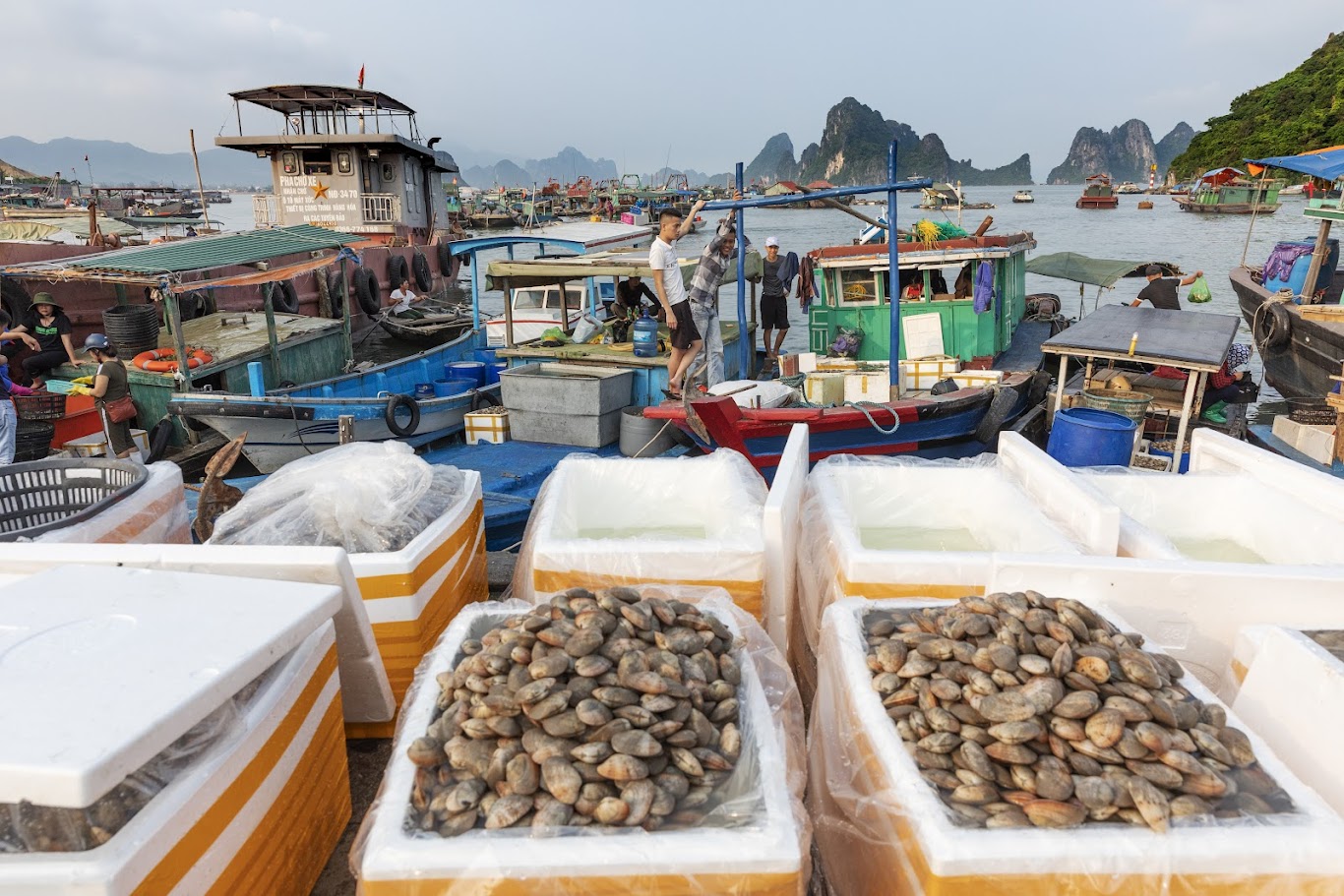
Enjoying fresh seafood is a must-have experience on Quan Lan Island.
4.2 Where to Eat on Quan Lan
- The Minh Chau beach area has the most restaurants and seaside eateries, especially near the beach itself. Here, visitors can find places specializing in grilled seafood, hotpot, family-style meals, and outdoor BBQ. Many homestays and resorts offer made-to-order meal services—ideal for overnight stays.
- In the Quan Lan commune center, there are various dining options, mainly casual eateries and seafood restaurants serving both locals and tourists. The area near Quan Lan Pier is perfect for lunch right after arriving or before leaving the island.
- Quan Lan Market is a fun destination if you want to pick your own fresh seafood like crab, geoduck, sa sung, and grouper in the early morning when fishing boats return. Some restaurants and homestays will cook your selected seafood for a small service fee.
- Coastal fishing villages, especially in Thai Hoa and Son Hao hamlets, also have small, locally-run eateries. Though simple, they’re friendly, affordable, and a great way to enjoy authentic seafood meals with fresh, daily-caught ingredients.
5. Quan Lan Island Travel Tips
5. Quan Lan Island Travel Tips
Quan Lan offers a wide range of accommodation options for various needs and budgets. Depending on your travel style and purpose, consider the following:
- Homestays and budget guesthouses:Ideal for groups of young travelers, couples, or anyone looking to save money. Quan Lan’s homestays are typically simple, cozy, and fully equipped with basic amenities. Prices range from 300,000 to 600,000 VND/night/double room, and you can negotiate for discounts on long stays or large groups. Budget-friendly options are concentrated in the center of Quan Lan commune, near Son Hao Beach or the local market.
- Hotels and beachfront resorts:If you prefer a more relaxing and comfortable vacation, choose one of the resorts along Minh Chau Beach—the island’s most vibrant and scenic area. Many resorts feature stylish architecture, good service, and amenities like pools and in-house restaurants. Room rates range from 800,000 to 2,000,000 VND/night depending on season and room type.
- Lodging in fishing villages or near the pier:For those wanting an authentic local experience, guesthouses in the fishing villages or near Quan Lan Pier are a great choice. This allows you to visit the morning market, watch fishing boats return at dawn, and enjoy freshly caught seafood.
During peak tourist season (May to August), it’s advisable to book your room 2–3 weeks in advance to avoid full bookings or price hikes.
5.2 How to Get to Quan Lan Island
Quan Lan Island is located in Van Don District, Quang Ninh Province. To reach the island, you’ll need to combine both land and water transportation as follows:
From Hanoi to Cai Rong Port (Van Don):
- By coach or limousine: From My Dinh, Giap Bat Bus Station, or transport companies in central Hanoi, you can take buses to Cai Rong (Van Don) or Ha Long. Reputable bus companies include Kumho, Phuc Xuyen, Duc Phuc, and Ka Long.- Travel time: 4 – 5 hours- Ticket price: Around 150,000 – 300,000 VND/way
- By private car or self-driving: Follow the expressway Hanoi – Hai Phong – Ha Long – Van Don. This is a smooth and easy route, taking about 4 hours.
- From Central or Southern Vietnam: You can fly to Van Don Airport, Hai Phong Airport, or Noi Bai Airport (Hanoi), then continue by car to Cai Rong Port.
From Cai Rong or Hon Gai Port to Quan Lan Island:
- By speedboat: From Cai Rong Port (Van Don) or Hon Gai Port (Ha Long), you can take a speedboat to Quan Lan Island.- Travel time: 45 minutes – 1 hour- Ticket price: 150,000 – 200,000 VND/way- Schedule: Morning departures (7:00, 8:00) and afternoon (13:00, 14:00). During summer, it’s recommended to book tickets 1–2 days in advance to secure your spot.
- By wooden boat (less common): Ideal for travelers who prefer a slower, budget-friendly experience. However, travel time is longer and not suitable for those prone to seasickness.- Travel time: 2 – 3 hours- Ticket price: Lower than speedboats
Travelers are advised to check boat schedules and book tickets in advance to ensure a smooth and flexible journey.
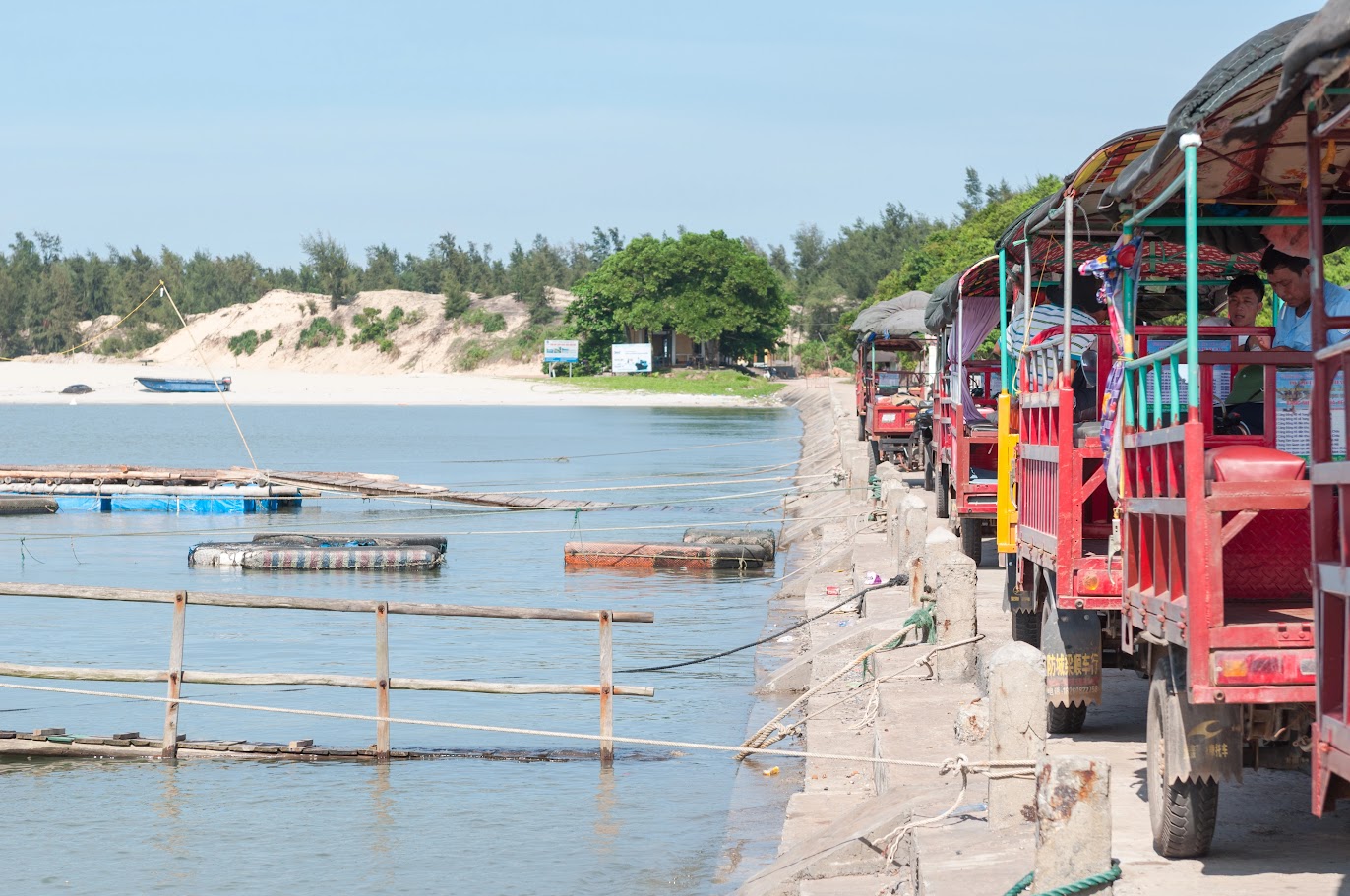
On Quan Lan Island, visitors can rent tuk-tuks for transportation.
See also: Self-guided travel tips for Ha Long, Quang Ninh
If you’re looking for an escape from the hustle and bustle of the city, plan your trip to Quan Lan today to fully enjoy the untouched beauty of this "raw gem" nestled in Bai Tu Long Bay. To make your trip more convenient, don’t forget to check out Vietjet’s flights to Quang Ninh and their special 0 VND ticket promotion available daily from 12:00 to 14:00. See full details here.
Stay updated on flight routes, promotional programs, and travel tips via Vietjet’s official channels.
- Website: https://www.vietjetair.com
- Facebook: https://www.facebook.com/vietjetvietnam
- Instagram: https://instagram.com/vietjet
- YouTube: https://www.youtube.com/VietjetOfficial
- TikTok: https://www.tiktok.com/@vietjetvietnam
- Zalo: https://oa.zalo.me/vietjet