Booking
 Skyshop
 Hotel
Hotel
 E-Voucher
 E-Sim
E-Sim
 E-Visa
 Buy foreign currency
 Insurance
 SkyJoy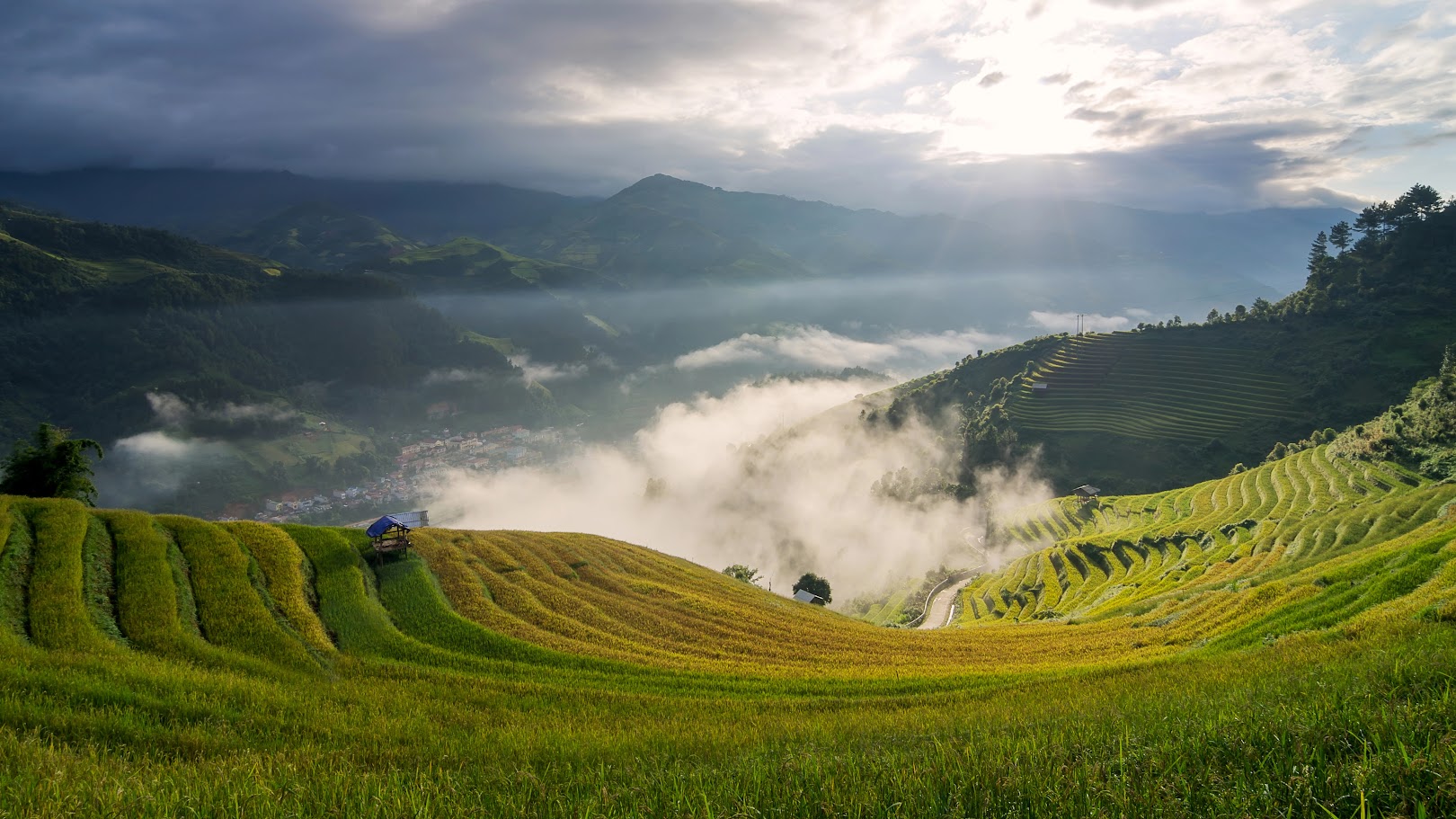
Northwest Vietnam does not only enchant visitors with spectacular mountain passes, terraced rice fields reaching the sky, or peaceful villages hidden in the morning mist. This land also lingers in people’s hearts thanks to its rich, rustic, and distinctive cuisine. Here, each dish is a cultural slice, crystallizing the flavors of the mountains and forests as well as the traditional lifestyle of the ethnic groups living in the highlands.
On the journey to discover Northwest Vietnam, you must try at least once the specialties of the region such as Pia, smoked buffalo meat, Lon cap nach (free-range pork), Thang co, or five-colored sticky rice. Let’s explore the distinctive and fascinating cuisine of Northwest Vietnam in the article below.
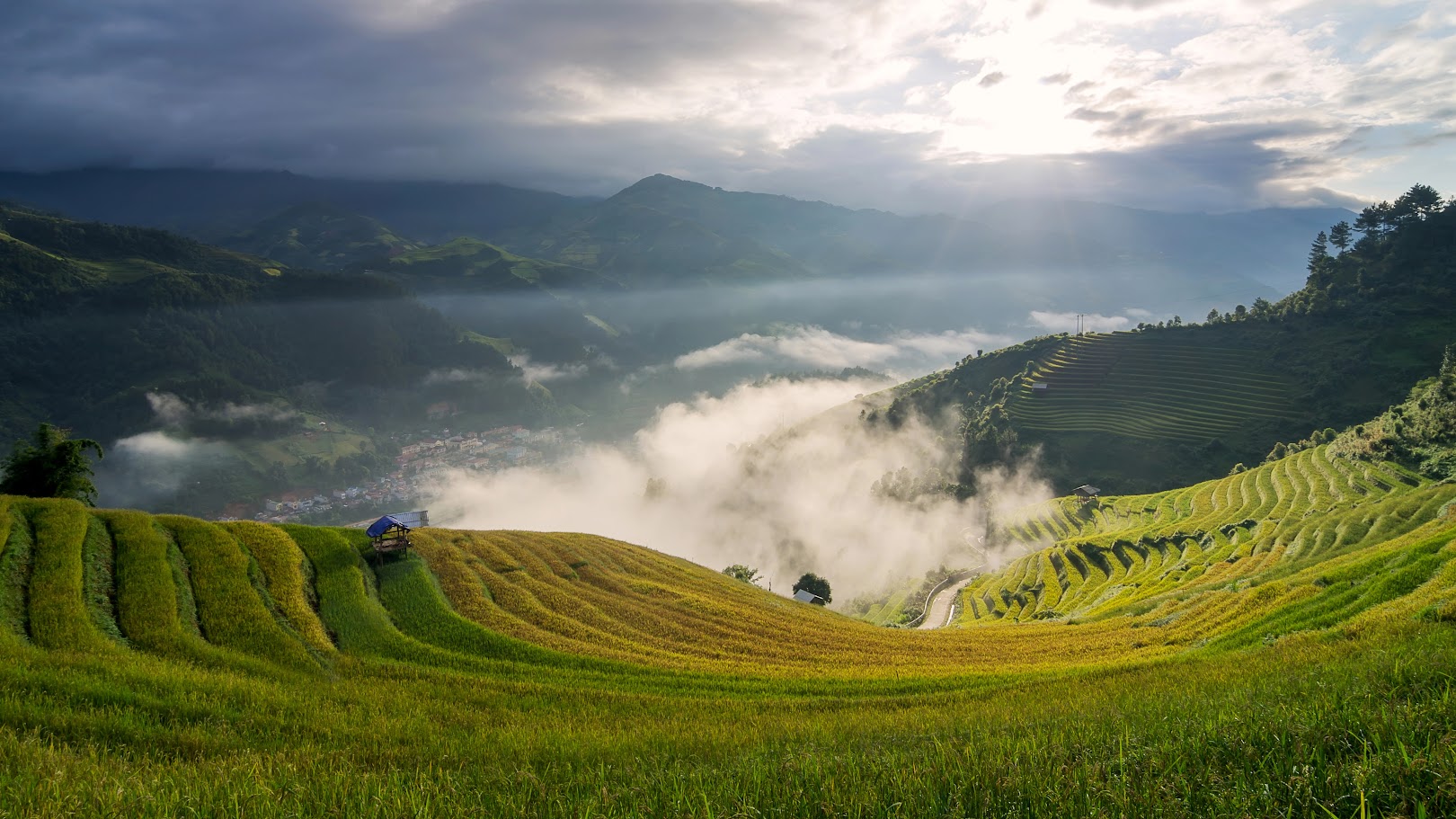
Northwest Vietnam not only captivates with its beautiful natural landscapes but also possesses unique indigenous culture and cuisine.
1. What are Northwest Vietnam specialties?
Northwest Vietnam cuisine is a unique highlight in the colorful cultural picture of the northern mountainous region of Vietnam. The dishes here are not only a combination of ingredients and cooking methods but also stories about nature, people, and ethnic identity. Northwest Vietnam specialties carry captivating common features, leaving visitors unforgettable flavors and emotions.
- Using natural ingredients from the mountains and forests: Northwest cuisine makes the most of what nature offers. Wild meats such as buffalo, native pork, or horse are meticulously prepared and combined with local vegetables such as bamboo shoots, cai meo mustard greens, and unique forest leaves. Distinctive spices, especially mac khen – a type of forest pepper with pungent heat, contribute to the unmistakable taste of Northwest specialties.
- Rustic, rich flavors, simple yet full of identity: Northwest dishes do not focus on complexity in cooking but emphasize naturalness, keeping the authentic taste of the ingredients. From the slightly bitter, creamy Pia to the smoky fragrance of smoked buffalo meat, each dish carries the essence of the highlands – simple yet full of vitality.
- Cuisine tied to ethnic culture: Northwest cuisine reflects the lifestyle and culture of ethnic groups such as Thai, Mong, Dao, and Tay. Each dish is associated with customs, festivals, and traditional stories. For example, Thang co of the Mong people often appears in local markets, symbolizing reunion and sharing; five-colored sticky rice of the Tay people represents the five elements, wishing for luck and prosperity.
- The role of cuisine in Northwest tourism: Cuisine is not only a part of the journey of discovery but also a bridge bringing visitors closer to the culture and people of Northwest Vietnam. Enjoying a hot bowl of Thang co at Bac Ha market or savoring smoked buffalo meat with a cup of corn wine in Moc Chau, visitors not only taste the flavor but also touch the cultural depth of the locals. These unique culinary experiences have turned Northwest Vietnam into an unmissable destination, where travelers find the harmony of nature, culture, and people.
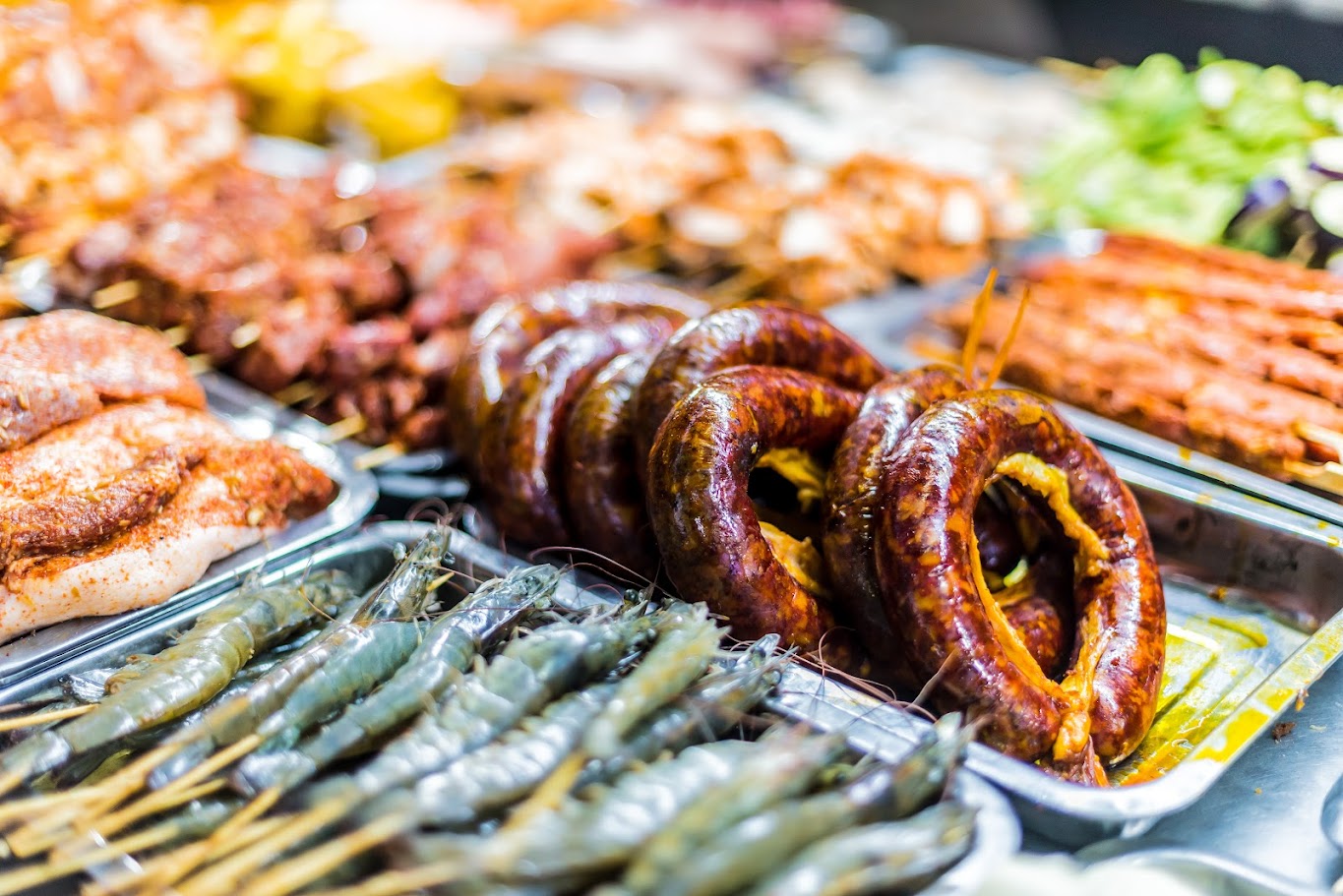
Northwest Vietnam cuisine is diverse, using ingredients from the mountains and forests and closely tied to the culture of ethnic groups.
See also: Beautiful Northwest Vietnam travel destinations in summer
2. Types of Northwest Vietnam specialties
2.1 Pia – Northwest specialty dish that “challenges” the taste buds
Among the specialties of Northwest Vietnam, Pia is perhaps the dish that makes visitors both curious and hesitant the most. This is a traditional dish of the Thai people, popular in provinces such as Lai Chau and Son La, often appearing only during festivals, worship rituals, or important feasts.
The main ingredients of Pia are animal offal, usually intestines, stomach, and blood of cow or goat, cleaned and simmered together with young digestive fluid from the intestines, combined with medicinal leaves and forest spices such as mac khen, doi seeds, ginger, garlic, lemongrass, etc. It is precisely this “pia” – meaning the young intestinal fluid – that gives the dish its name and distinctive flavor.
At first glance, Pia looks like a thick, dark brown soup with a slightly lumpy texture. Its smell is quite strong, easily making diners hesitant at the first encounter. However, if you overcome the initial impression, you will feel a slight bitterness on the tip of the tongue, followed by creamy richness, spiciness, and the very unique aroma of forest leaves. This is not a dish for the majority, but it is especially loved by locals and considered the “pinnacle of cuisine” of their ethnic group.
2.2 Smoked buffalo meat – Northwest specialty with the fragrant flavor of the mountains and forests
Smoked buffalo meat originated from the Black Thai and White Thai people in provinces such as Lai Chau, Dien Bien, and Son La – places with cold climates and limited food preservation conditions. From the need to keep meat for many days, people created a unique method: drying and smoking buffalo meat right on the kitchen loft, both for daily consumption and to treat esteemed guests.
After removing fat, buffalo meat is cut into large strips, marinated with salt, garlic, chili, mac khen, doi seeds, and some secret forest spices, then hung on the wooden kitchen loft to be continuously smoked for many days. The smoke from the fire not only dries the meat but also creates its distinctive strong aroma, masking the raw smell while retaining the natural sweetness of the meat.
When eaten, smoked buffalo meat has a slightly darkened exterior from the smoke, but the inside remains reddish, chewy, with the fragrance of wood smoke and a light spiciness from forest spices. The more you chew, the more you feel the natural sweetness of buffalo meat and the tingling aftertaste of mac khen on the tongue. This dish is often shredded and dipped in cham cheo (a mixture of salt, chili, and forest herbs) or simply enjoyed with a cup of warm corn wine in the chilly weather.
2.3 Lon cap nach – A specialty of highland markets
In the bustling highland markets, you can easily see locals carrying small pigs under their arms to sell. That is the origin of the name “lon cap nach,” one of the famous specialties of Northwest Vietnam. This type of pig impresses not only with its unusual name but also with the delicious, firm quality of its meat thanks to being raised free-range in the mountains and forests.
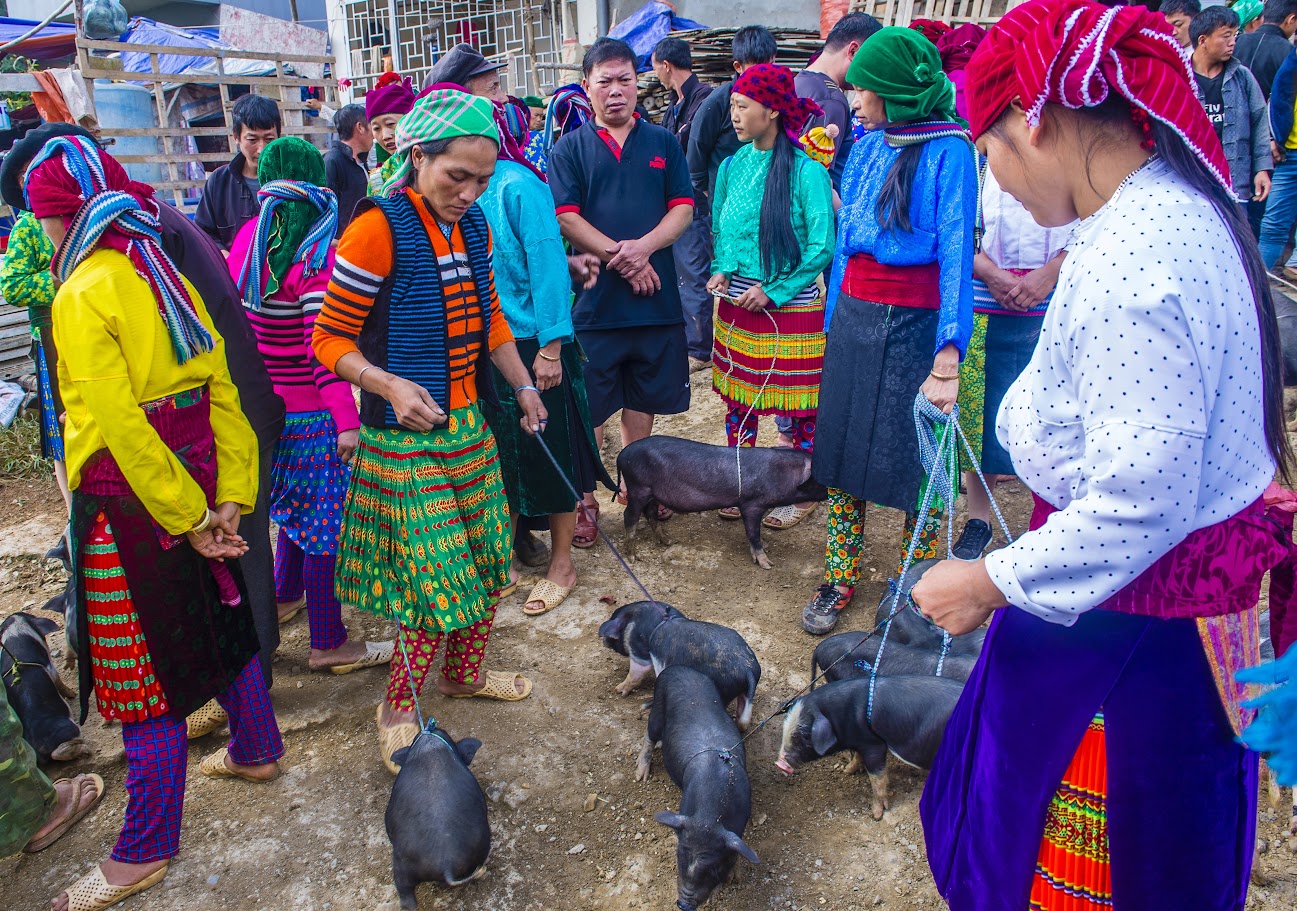
Lon cap nach is one of the distinctive features in highland markets.
Lon cap nach are usually raised for 6–8 months, weighing only about 10–15 kg. They are left free in gardens and hills, eating grass, forest vegetables, and corn, without industrial feed, so the meat is firm, low in fat, and naturally aromatic. There are many ways to cook lon cap nach, but the most delicious is still roasting the whole pig over hot coals. The skin becomes crispy and golden, the inside meat cooks tenderly, giving off the fragrance of herbs and spices such as lemongrass, mac khen, and mac mat leaves stuffed inside the pig’s belly. In addition, locals also steam, grill, or stir-fry it, each method offering a different taste experience while still preserving the soul of the mountain cuisine.
2.4 Thang co – A unique specialty of Northwest mountains and forests
Mentioning Northwest specialties without including Thang co would be incomplete, because this is not only a dish but also a long-standing culinary cultural symbol of the Mong people in the highlands.
Thang co was originally cooked from horse meat and offal, later developed with versions using beef, buffalo, or pork, depending on the conditions and customs of each region. The ingredients include intestines, heart, liver, stomach, lungs, blood, sometimes bones and meat, all chopped into small pieces and cooked in a large cast-iron pan placed in the middle of the market or village center. Essential traditional forest spices such as cardamom, galangal, lemongrass, ginger, garlic, dried chili, mac khen, etc., blend together to create a very distinctive, rich, and warm flavor.
When eating, diners can feel the creamy richness, softness, and chewiness of each piece of offal, mixed with the warm spiciness and a faint herbal taste. The dish is usually eaten hot, served with cai meo mustard greens or rice noodles, dipped with chili salt, and especially accompanied by a cup of strong corn wine.
2.5 Xoi ngu sac – A dish of festivals and vitality
Xoi ngu sac is a traditional dish associated with the Tay and Nung people. As its name suggests, xoi ngu sac includes five basic colors: red, yellow, purple, green, and white. All are created from natural forest leaves: cam leaf for purple, turmeric for yellow, wild ginger leaves for green, and magenta leaves for red. The fragrant upland sticky rice, after being thoroughly soaked with the leaf colors, is steamed in a traditional wooden steamer, preserving the original flavor and colors.
Each color on the plate of sticky rice is not only decorative but also symbolizes the five elements. Therefore, xoi ngu sac is considered a dish of good luck, expressing wishes for favorable weather, family prosperity, and abundance for descendants.
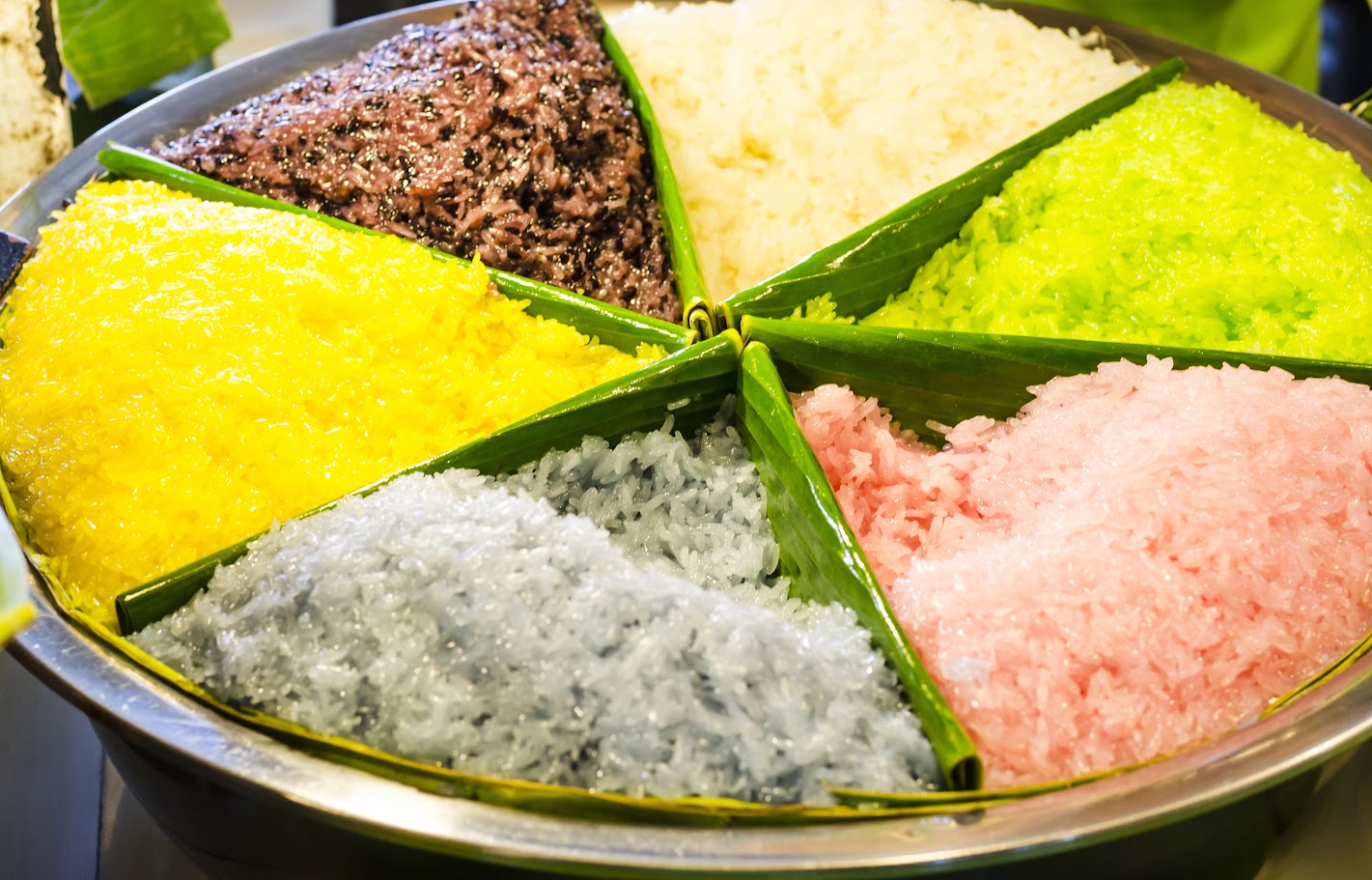
Xoi ngu sac is soft and fragrant, carrying many good meanings.
The taste of xoi ngu sac is rustic, lightly fragrant with forest leaves, sticky but not clinging to the hands. It can be eaten with sesame salt, grilled meat, or cham cheo dipping sauce. Even when eaten plain, the fragrance of sticky rice and forest leaves is enough to captivate diners. This dish is often meticulously prepared by the locals themselves, showing the skillfulness of highland women, and is also a way of preserving and passing on culture through generations.
2.6 Types of Northwest fruits
Northwest Vietnam not only attracts visitors with rich traditional dishes but also conquers hearts with fresh, sweet fruit specialties from the mountains and forests. The most notable is Moc Chau plums. The plums have shiny purple skin, jade-green flesh, crispy texture, with a sweet taste mixed with refreshing sourness. From May to June, Moc Chau hillsides bustle with the plum harvest season, attracting thousands of visitors to experience picking plums in the gardens.
Besides, there are Sapa forest peaches, Mu Cang Chai crisp persimmons, and Yen Bai tao meo. Each fruit carries a very unique flavor, reflecting the climate and soil conditions of each region. Sapa peaches have a mildly sour taste, juicy, with fine velvet-like skin, usually sold at the beginning of summer. Mu Cang Chai crisp persimmons in autumn are bright orange, crunchy, non-astringent, and popular as gifts. Meanwhile, tao meo – tiny but firm fruits – are often used to soak in alcohol or sugar to make refreshing drinks, becoming a unique “infused specialty” of Northwest Vietnam.
See also: Sapa travel guide: Attractions, dining, cheap flight tickets
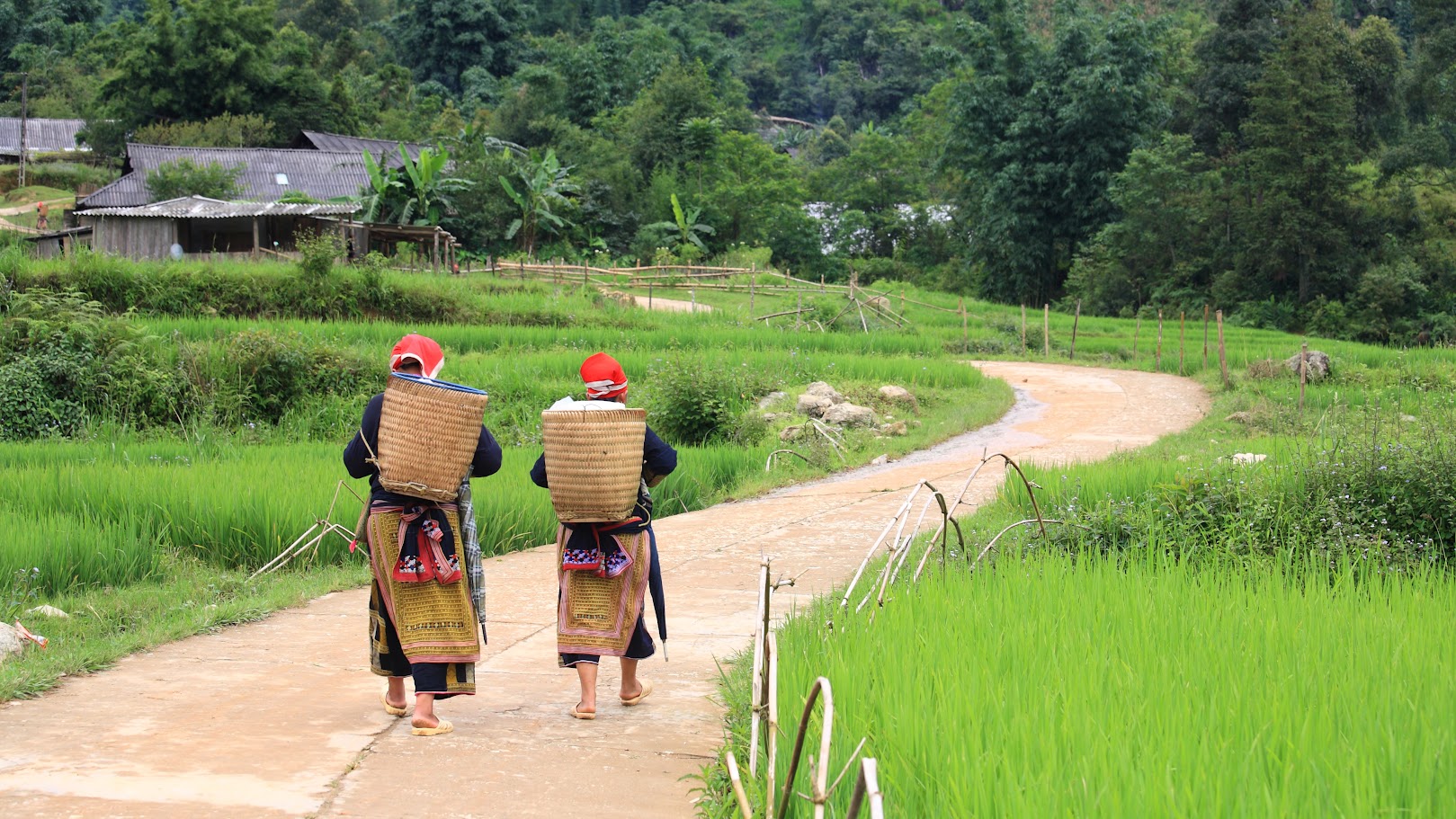
Thanks to abundant nature, the dishes and fruits of Northwest Vietnam always have very distinctive flavors.
Northwest cuisine is not only about food but also a journey to explore the culture, people, and nature of the highlands. If you are looking for a trip to both “recharge” and deeply experience indigenous culture, Northwest Vietnam is the ideal destination. Do not miss the chance to hunt cheap flight tickets with Vietjet, with many attractive promotions for routes to Dien Bien, Ha Noi, conveniently connected to Sapa, Moc Chau, Son La, Lai Chau, etc. The 0 Dong flight ticket program from 12:00 to 14:00 daily helps you save maximum travel costs. Check details here.
Stay updated on flight routes, promotions, and travel guides via Vietjet’s official channels.
- Website: https://www.vietjetair.com
- Facebook: https://www.facebook.com/vietjetvietnam
- Instagram: https://instagram.com/vietjet
- YouTube: https://www.youtube.com/VietjetOfficial
- TikTok: https://www.tiktok.com/@vietjetvietnam
- Zalo: https://oa.zalo.me/vietjet