Booking
 Skyshop
 Hotel
Hotel
 E-Voucher
 E-Sim
E-Sim
 E-Visa
 Buy foreign currency
 Insurance
 SkyJoy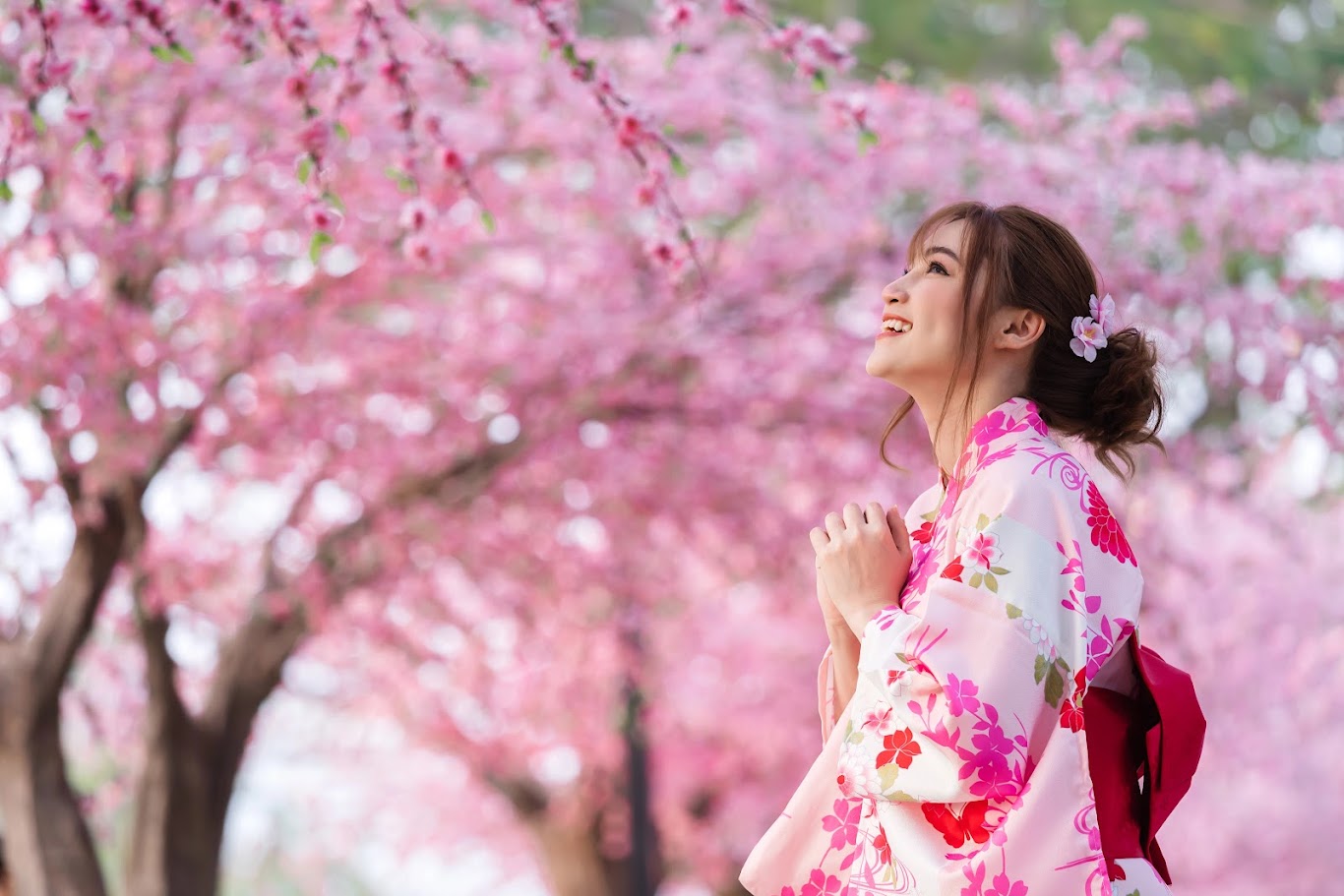
Japan is renowned for its unique culture, from the tea ceremony and Bushido to Sumo wrestling. Among these, the Kimono is not only recognized as the traditional garment of Japan but also as a symbol of elegance, spirit, and the long-standing history of the “Land of the Rising Sun.”
For travelers, wearing a Kimono is more than just putting on traditional clothing—it is an opportunity to immerse oneself in Japanese culture and to better understand the country’s timeless values. This article will take you on a journey through the world of the Kimono: from its history and design to how to wear it properly, along with useful tips for visitors.
1. Kimono – The soul of Japanese culture
The word Kimono literally means “a thing to wear” (ki = to wear, mono = thing). It originated during the Heian period (794–1185), when Japanese tailoring and textile techniques reached their peak. At first, the Kimono featured a simple straight-cut design that suited all body shapes and could be easily adjusted. Over time, it became a symbol of nobility, with intricate patterns and luxurious fabrics such as silk.
By the Edo period (1603–1868), the Kimono was worn by all social classes. Designs began to reflect social status, gender, and even the seasons. Although modern Japanese people usually wear Western-style clothing in daily life, the Kimono still plays an important role in festivals, tea ceremonies, weddings, and cultural events. Today, it embodies the philosophy of wabi-sabi—the beauty of simplicity and imperfection.
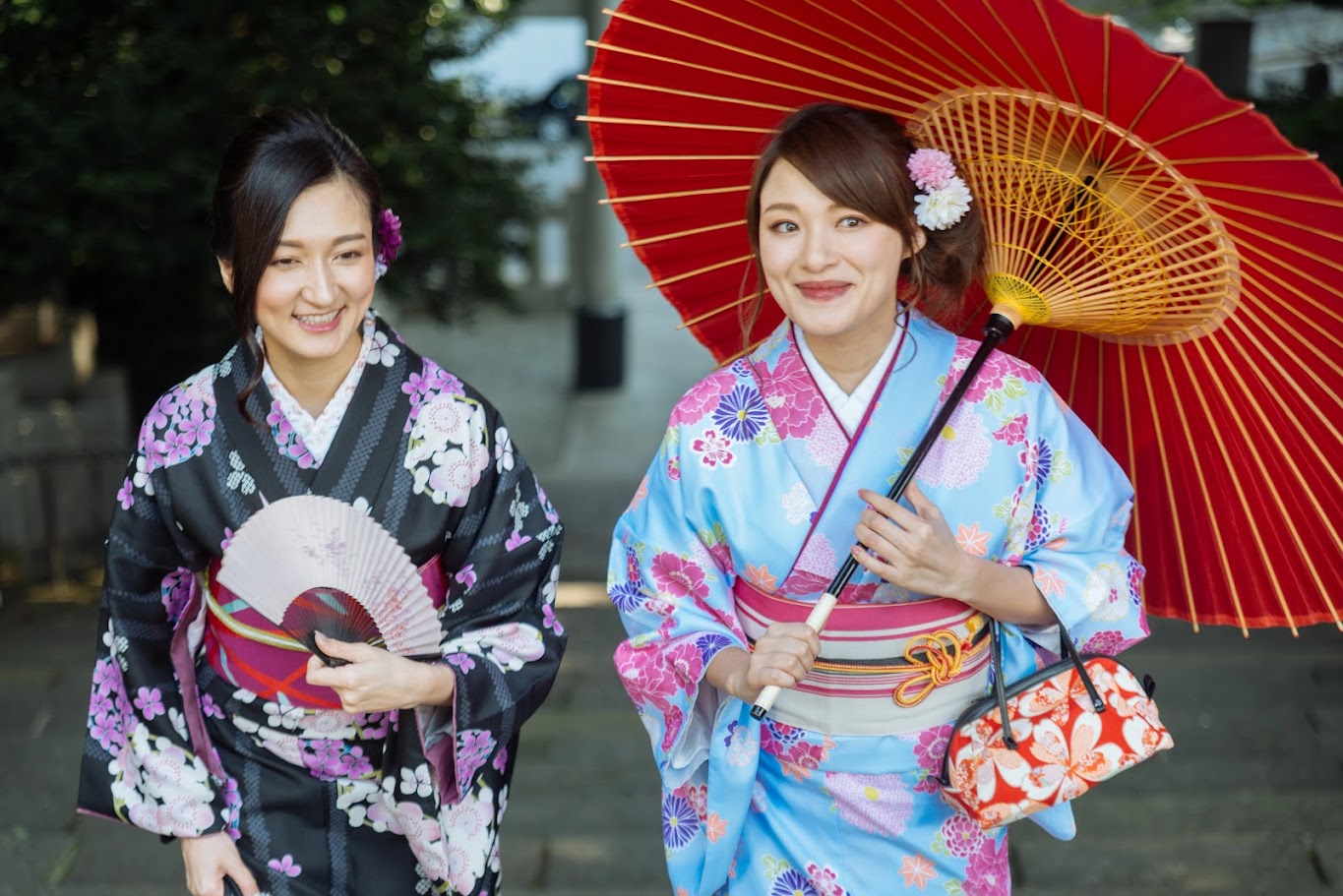
Every Kimono tells a story—about the wearer, the season, and the traditions of Japan.
Wearing a Kimono is not only about fashion but also about showing respect and appreciation for Japanese culture. Travelers can book flight tickets to Japan with Vietjet today, with fares starting from only 890,000 VND, to enjoy the Kimono experience and capture unforgettable moments in the land of cherry blossoms.
2. The distinctive design of the Kimono
The Kimono is known for its graceful and refined design that reflects the essence of Japanese culture. It is a masterpiece of simplicity blended with sophistication, crafted from a single long piece of fabric—often silk, cotton, or wool—cut and sewn into a robe with characteristic parts.
Each Kimono has unique features:
- Body (mi): The main section covering the torso, cut straight for a universal fit. It typically reaches the ankles, with excess fabric folded neatly at the waist.
- Sleeves (sode): Their length and shape vary depending on the type of Kimono. Long sleeves (furisode), reaching up to one meter, symbolize the elegance of young unmarried women, while shorter sleeves (tomesode) are worn by married women, reflecting grace and maturity.
- Collar (eri): Often made of white fabric for women’s Kimono, carefully folded to reveal the inner lining (juban) for subtle contrast.
- Wide sash (obi): The most prominent element, serving both functional and aesthetic purposes. Tied in elaborate styles such as otaiko or bunko, the obi is often made of thick silk with ornate designs.
The Kimono has a T-shaped, straight-lined silhouette, not fitted to the body. It is sewn in a standardized size and adjusted with ties (koshi-himo) and fabric-folding techniques to ensure balance and proportion. Fabric choice is also vital: luxurious silks like tsumugi or chirimen are reserved for formal occasions, while lightweight cotton is used for casual yukata. Wool or synthetic fabrics may also be chosen depending on the season and occasion. Together, these elements form a Kimono that is not only visually stunning but also deeply rooted in Japanese tradition.
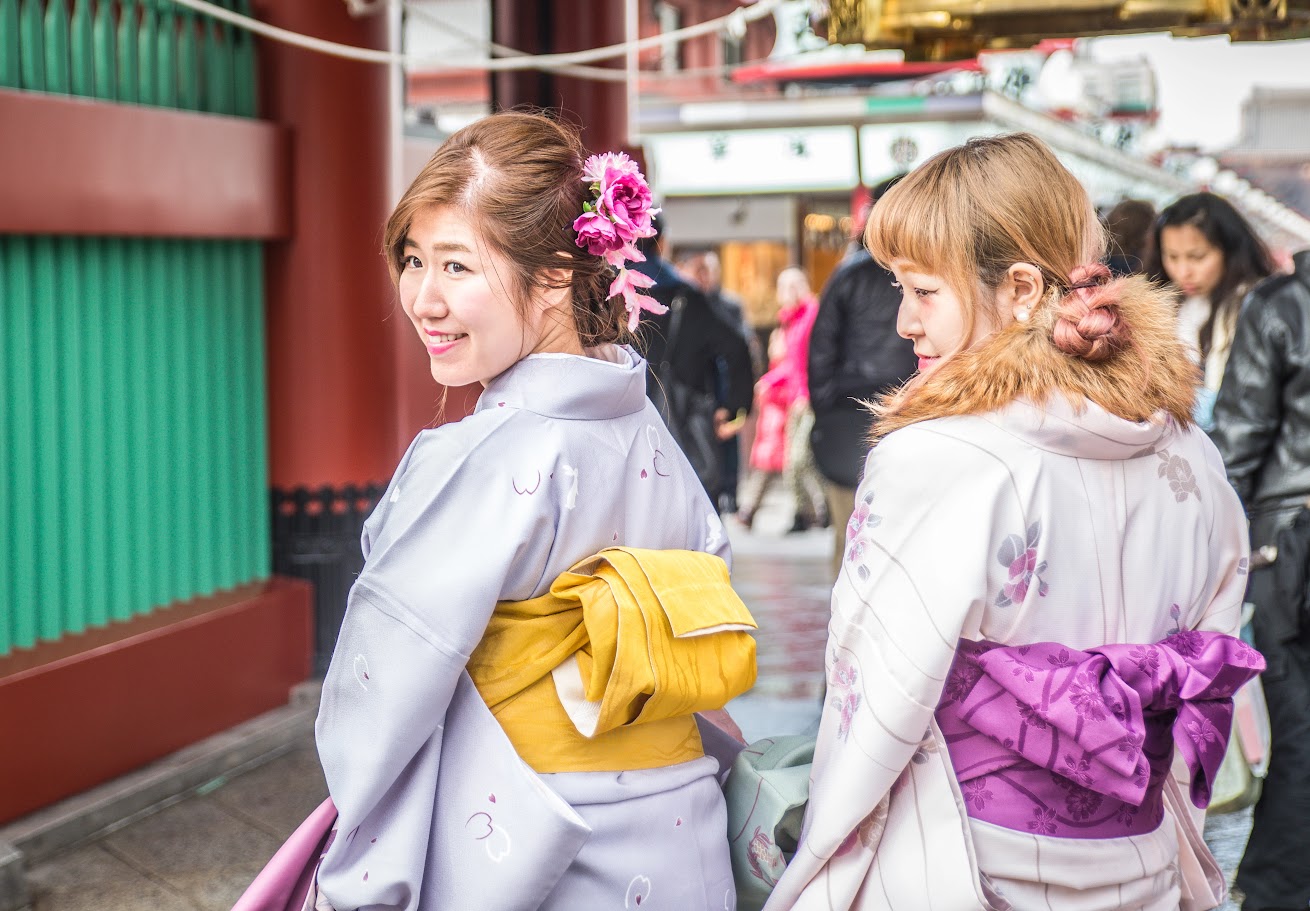
Every detail of the Kimono, from color coordination to stitching, reflects careful craftsmanship and a profound respect for tradition.
3. How to Wear a Japanese Kimono
Wearing a Kimono properly requires meticulous attention—from preparing the garments to following traditional rules of style. At the same time, the Kimono must be carefully maintained to preserve its beauty over time.
3.1 Kimono Wearing Rules
Here are the steps to wearing a Kimono correctly:
- Step 1: Prepare all garments and accessories. The Kimono should be freshly cleaned and ironed for a neat appearance. In addition to the main Kimono, special undergarments such as the hadajuban and nagajuban are worn to protect the outer silk fabric. Accessories include the wide obi belt, white tabi socks, and traditional geta or zori sandals.
- Step 2: Put on the hadajuban and nagajuban. These help keep the silhouette in place and add comfort.
- Step 3: Wear the Kimono. Follow the key rule: right panel tucked inside, left panel on top. Reversing this is reserved for the deceased and holds a solemn cultural meaning.
- Step 4: Adjust the length and fit, securing it with koshi-himo ties.
- Step 5: Wrap the obi around the waist and tie it in a suitable knot (commonly taiko or bunko). Finish by putting on tabi socks and geta/zori sandals.
For women, the choice of color and patterns should match age and occasion. Young women often wear vibrant furisode with long flowing sleeves, while older women prefer the refined tones of tomesode.
Men typically wear darker, simpler Kimonos, often paired with hakama (traditional pleated trousers) and a haori jacket for added formality. Women’s hairstyles are also important—hair is usually tied up or styled traditionally to complement the outfit. Wearing a Kimono is not just about technique; it’s a way of showing respect for Japanese culture. Mistakes such as exposing too much skin or wearing the wrong type of Kimono for an occasion should be avoided.
3.2 When to Wear a Kimono
Kimonos are worn on many occasions, from formal ceremonies to casual activities, depending on the type of Kimono and the setting.
At major ceremonies, the Kimono carries deep cultural and symbolic meaning. For weddings, brides often wear a pure white shiromuku, symbolizing purity, while grooms wear a black montsuki adorned with family crests, signifying formality.
During the Coming-of-Age Day (Seijin Shiki), celebrated when Japanese youth turn 20, young women dazzle in colorful furisode, with their long sleeves and intricate designs. Kimonos are also commonly worn during tea ceremonies, ikebana (flower arranging), and other cultural traditions, where elegance and refinement are highly valued.
In daily life, the lightweight cotton yukata is especially popular. Yukata are typically worn at summer festivals (matsuri), fireworks displays, or casual evening strolls, offering both comfort and festive flair.
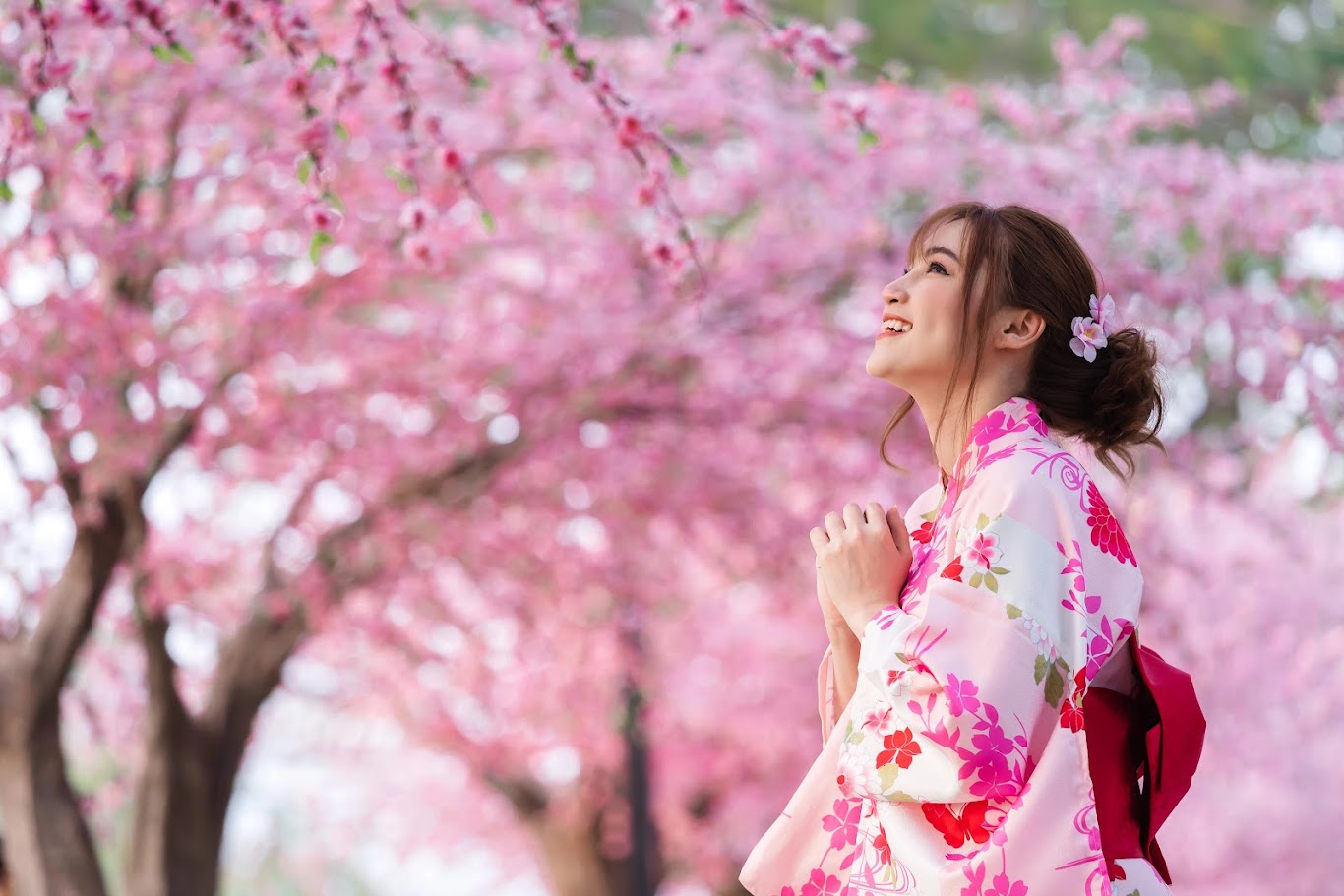
The Yukata is also a favorite choice for cultural trips or photo shoots in traditional areas such as Kyoto or Asakusa.
However, it is important to note that Yukata are only suitable for casual, warm-weather events, while formal Kimonos like furisode and tomesode are reserved for special occasions requiring dignity and etiquette.
3.3 How to Care for a Kimono
Proper care is essential to preserve the beauty and quality of a Kimono. First, the garment must be cleaned thoroughly after use. Because silk is delicate, dry cleaning or professional care is recommended. For cotton Yukata, hand washing in cold water is possible, but they should be air-dried in the shade to prevent fading.
When storing, fold the Kimono along its seams to avoid unsightly creases. Wrap it in washi paper or cotton cloth to protect against moisture and insects. Ideally, store it in a traditional wooden tansu chest or another dry, well-ventilated space. Accessories like the obi should be stored separately to maintain their shape.
Regular inspection is also important to catch stains, tears, or early signs of damage. Kimonos should be kept away from perfume, cosmetics, and strong light, all of which can harm the fabric and colors.
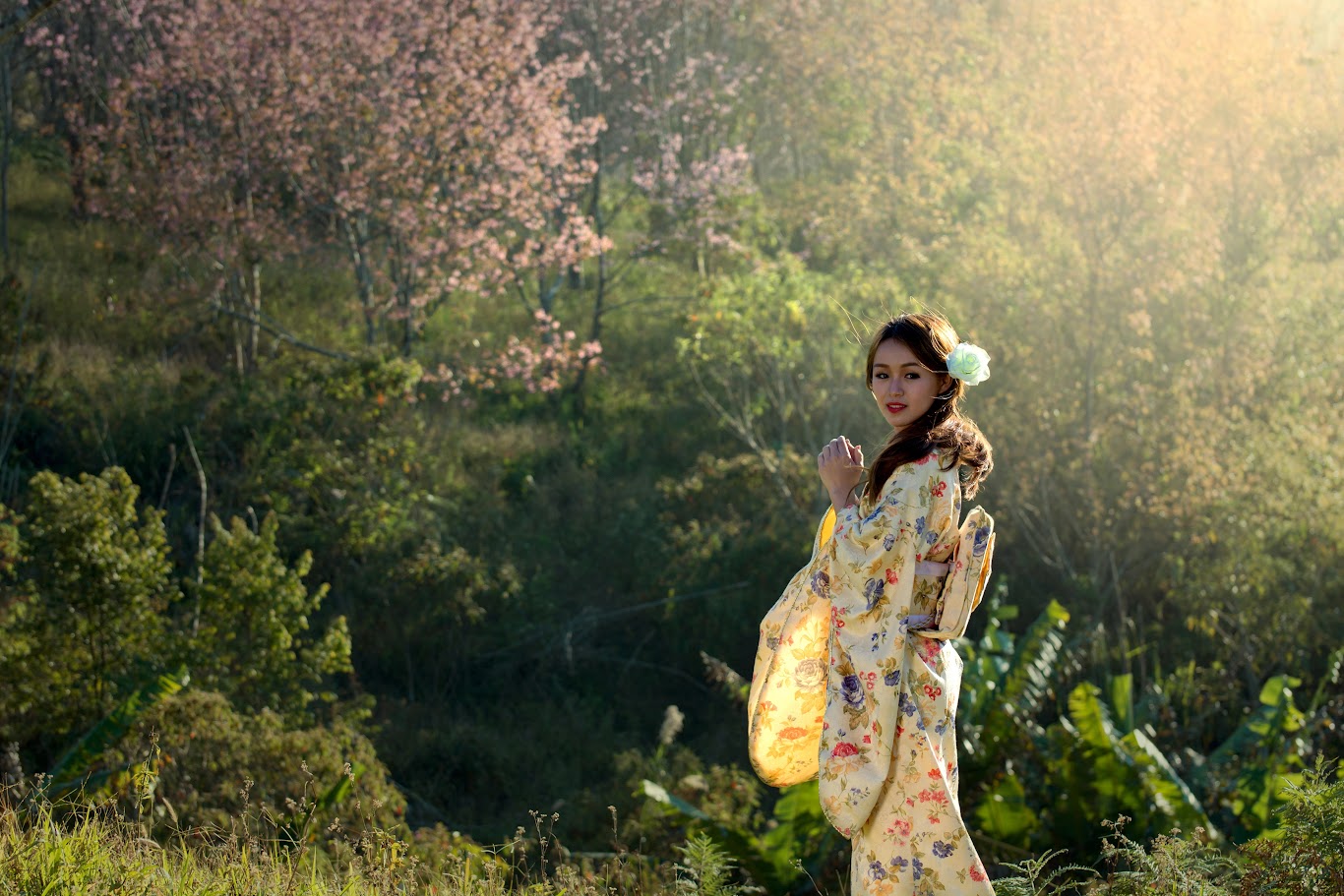
With proper care, a Kimono can be preserved for generations, becoming a treasured cultural heritage.
3.4 Popular Kimono Rental Spots for Travelers
- Okamoto Kimono Rental
Okamoto Kimono Rental is a well-known name among visitors. With branches conveniently located near famous attractions such as Kiyomizu Temple, Gion, and Fushimi Inari-taisha, Okamoto offers easy access for those wishing to take photos in traditional settings. The store boasts over 30,000 Kimonos and Yukatas, ranging from modern to classic styles, suitable for men, women, and children. Rental prices start from 3,300 yen and include all accessories such as the obi belt, tabi socks, and zori sandals. Guests also enjoy free luggage storage, making sightseeing more comfortable. With English-speaking staff and a simple online reservation system, Okamoto has become a top choice for experiencing Kimono in Kyoto.
- Rikawafuku Kimono Rental
This rental shop stands out with four branches in prime locations such as Gion, Arashiyama, and near Kyoto Station. With more than 300 Kimono styles—from traditional to modern, including trendy lace kawaii Kimonos—Rikawafuku caters to every taste. Each rental includes the Kimono, obi, undergarments, tabi socks, and a handbag, ensuring visitors are fully dressed to stroll the stone-paved streets of Gion or pose at the Arashiyama Bamboo Grove. English-speaking staff provide attentive service, and Rikawafuku also offers professional photography packages to capture unforgettable moments at iconic landmarks.
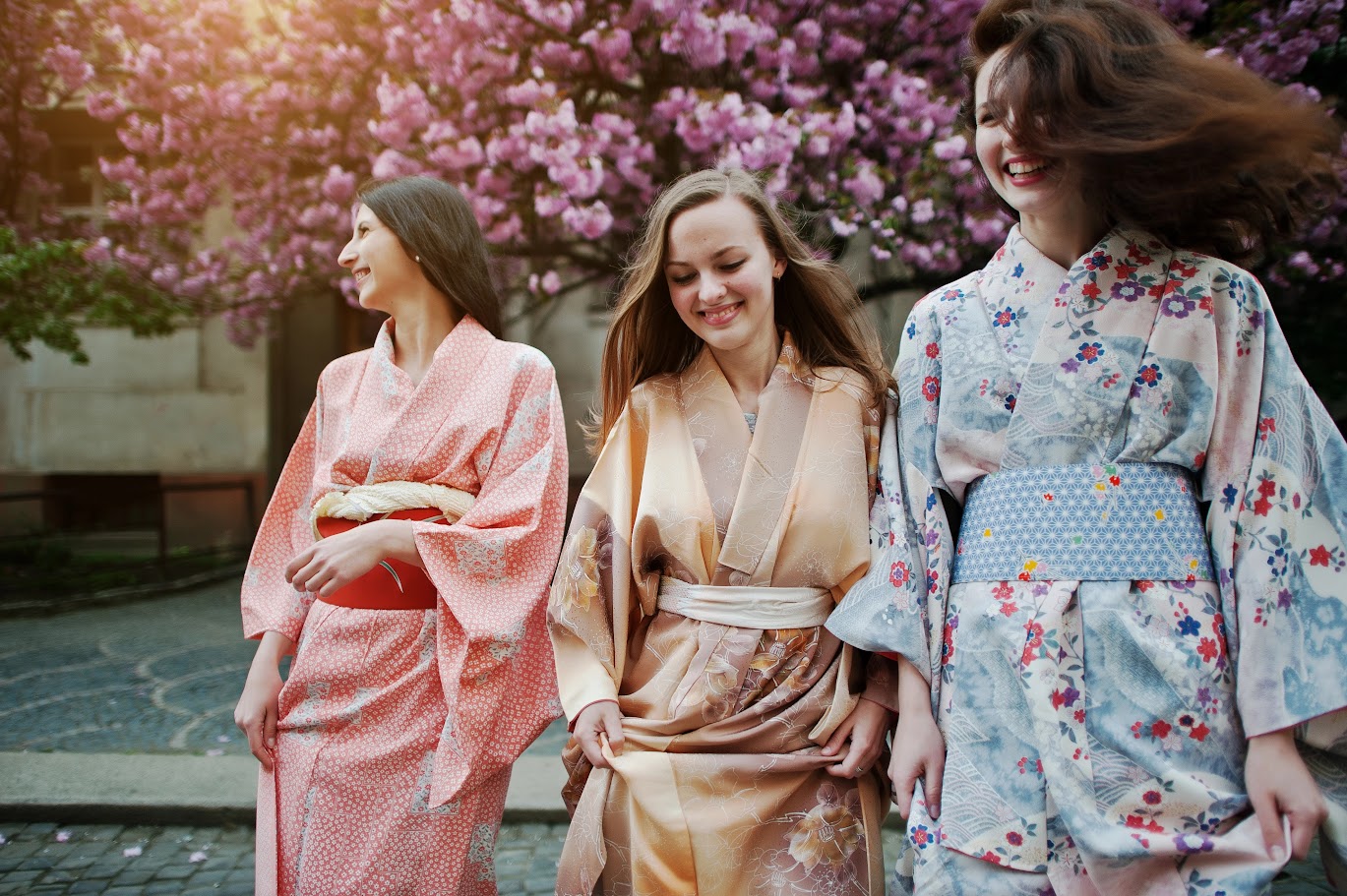
Visitors not only wear an elegant Kimono but also immerse themselves in Japanese culture.
- Asakusa Kimono Rental REN
Located just a 5-minute walk from Asakusa Station and close to the Kaminarimon Gate of Senso-ji Temple, REN offers affordable Kimono experiences. Each set includes the Kimono, obi, and accessories. With over 300 Kimono designs from elegant to modern, REN also provides photography packages with traditional props such as Japanese umbrellas and samurai swords. English- and Thai-speaking staff ensure a comfortable experience for international visitors.
- VASARA Kimono Rental
A must-visit for travelers, VASARA is just a 4-minute walk from Kamakura Station. It offers Kimono rental packages for men, women, children, and couples, with all accessories included. The diverse Kimono collection ranges from traditional to modern, making it perfect for photo sessions at Shinto shrines or along the seaside, especially during cherry blossom season. English-speaking staff and online reservations make planning simple and stress-free.
See also: The Most Beautiful Travel Destinations in Japan
Experiencing Kimono is not just about fashion—it’s an opportunity to connect with the very heart of Japan. For the most memorable journey, book your flight tickets to Japan with Vietjet today. Don’t miss the chance to grab 0 VND promotional tickets available daily from 12:00 to 14:00 for the best fares. Click here for details.
Stay tuned with Vietjet to catch the latest travel updates and special offers!
- Facebook: https://www.facebook.com/vietjetvietnam
- Instagram: https://instagram.com/vietjet
- YouTube: https://www.youtube.com/VietjetOfficial
- TikTok: https://www.tiktok.com/@vietjetvietnam
- Zalo: https://oa.zalo.me/vietjet