Booking
 Skyshop
 Hotel
Hotel
 E-Voucher
 E-Sim
E-Sim
 E-Visa
 Buy foreign currency
 Insurance
 SkyJoy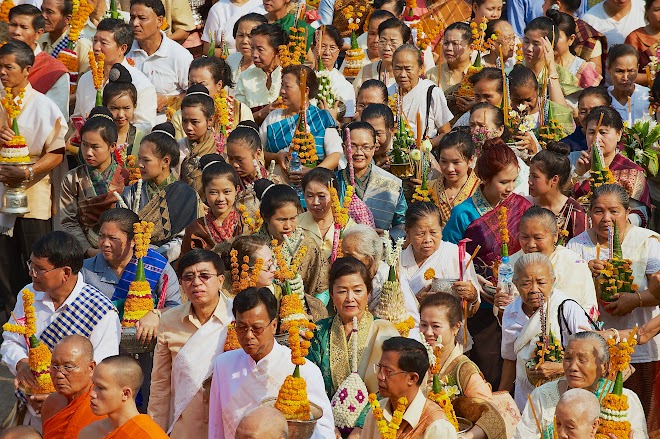
Laos is known for its unique ancient structures and offers many fascinating cultural aspects for travelers to discover. Understanding Lao culture will make your journey to this Southeast Asian country more enjoyable and complete.
1. General Introduction to Laos
Among Southeast Asian countries, Laos has the lowest population density, with an estimated population of about 7 million people. The population size of Laos differs significantly from neighboring countries such as Thailand and Vietnam. However, Laos is ethnically diverse, with 68 ethnic groups. Overall, the Lao population is categorized into three main groups: Lao Loum, Lao Theung, and Lao Sung. About half of the population belongs to Lao Loum, also known as the “lowland Lao,” who primarily live along the Mekong River, while the other two tribal groups live in hilly and mountainous areas.
The official religion in Laos is Buddhism, which greatly influences the lifestyle of the Lao people.
In terms of language, Lao is the official language spoken by over 60% of the population. In addition, French and English are also widely used among younger generations and in the tourism sector.
2. Unique and Fascinating Cultural Features of Laos
2.1 “Land of a Million Elephants” – A Unique National Symbol
Laos is nicknamed the “Land of a Million Elephants” due to the imagery of elephant herds featured in its national emblem and many legends. Elephants play a significant role in Lao history and culture, symbolizing strength, prosperity, and good fortune. Visitors can participate in elephant riding, bathing, or watch elephant performances to experience this unique cultural aspect.
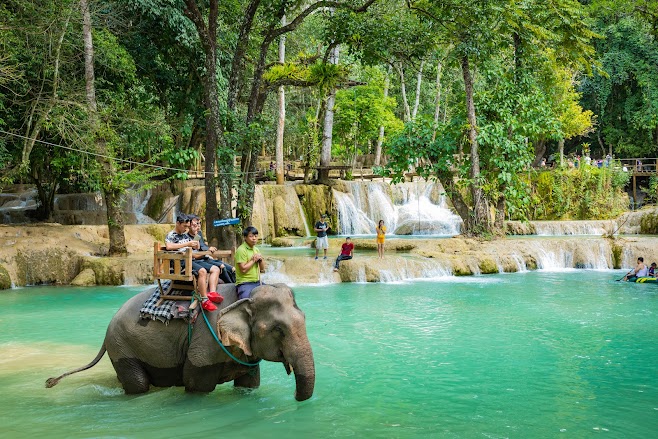
Historically, Laos was known as the Kingdom of Lan Xang, which means “Kingdom of a Million Elephants.” In Lao culture, elephants symbolize strength, spirit, and wisdom, and appear in poetry, sculpture, painting, and many other forms of art.
2.2 Lao Calendar
Besides the international calendar, Laos also uses its own traditional calendar. The official system used is the Lao Buddhist calendar, which is based on both lunar and solar cycles, incorporating Buddhist and Hindu elements.
The Lao calendar includes many important festivals such as Bun Phavet (Water Festival), Makha Busa (the first full moon of April), Visakha Busa (the first full moon of May), and Asalha Puja (the first full moon of August).
These holidays are usually based on the lunar cycle, so the specific dates vary each year.
2.3 Religion in Laos
More than 60% of the Lao population practices Buddhism. Theravada Buddhism is the official religion in Laos and plays a vital role in the spiritual life of its people. The influence of Buddhism is clearly reflected in the architecture, art, and daily life of the Lao people. Ancient and magnificent Buddhist temples are scattered throughout the country, attracting visitors with their peaceful and sacred beauty.
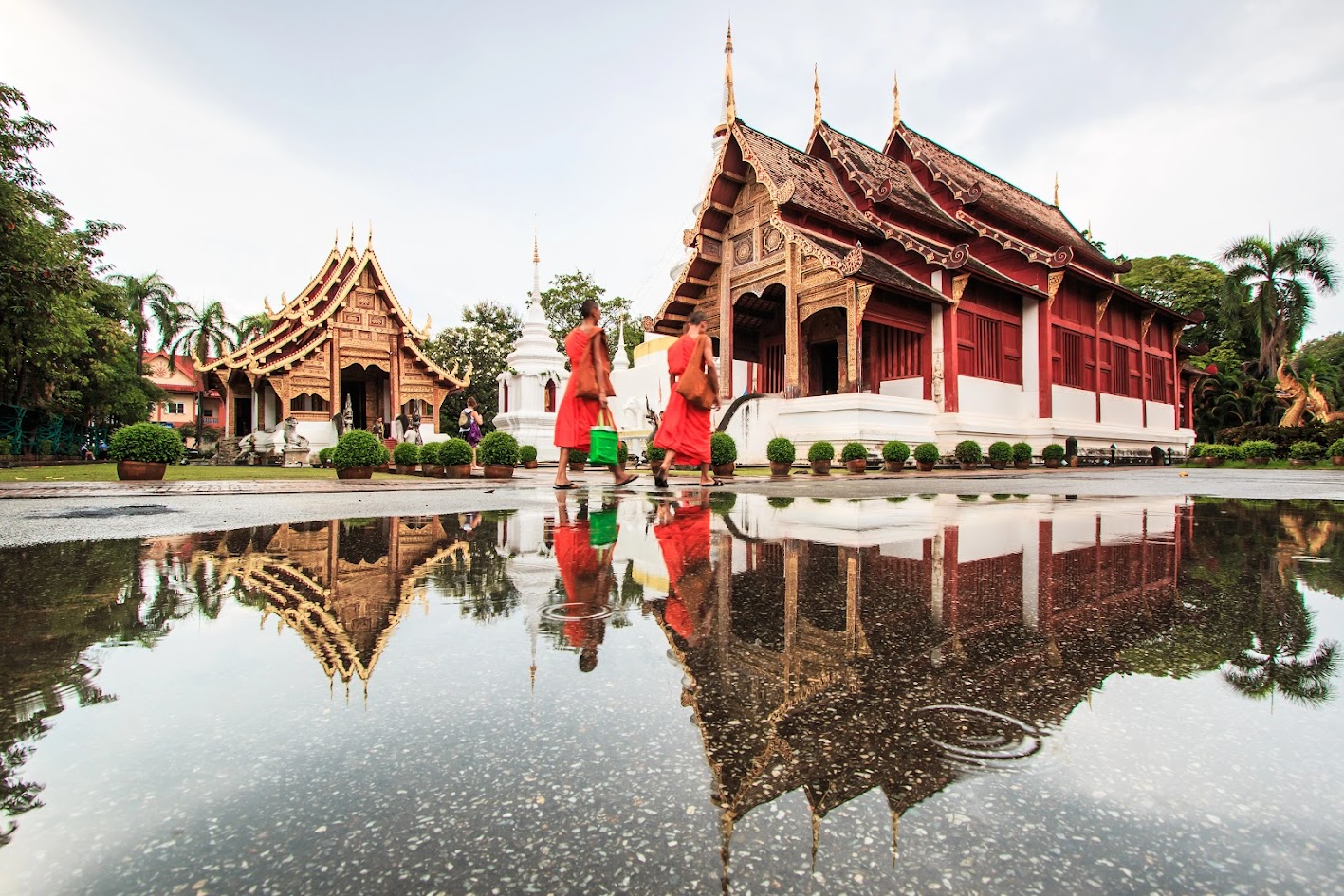
Buddhism has a strong influence on Lao culture, which is clearly reflected in its architecture, art, and lifestyle.
2.4 Communication Culture in Laos
When visiting Laos, travelers will be impressed by the friendly people and their ever-present warm smiles. A key feature of Lao communication culture includes polite greetings and respectful gestures that show courtesy and appreciation toward others.
- Greeting: “Sa Bai Dee” (Lao: ສະບາຍດີ) is the most common greeting in Laos, used in all situations from saying hello to saying goodbye. It means “Wishing you good health” or “Wishing you peace,” conveying good wishes to the other person.
- Hand gesture and bowing: When greeting, Lao people usually press their palms together in front of their chest and bow slightly. This gesture is called “nop,” symbolizing respect and politeness. The degree of bowing indicates the level of respect shown. A slight bow is used for peers or younger people, a deeper bow for elders or higher-ranking individuals, and a very deep bow for monks, seniors, or the king.
- In Lao culture, physical contact such as touching the body, arms, or legs during greetings is to be avoided. Especially, touching someone’s head is considered disrespectful. When conversing, it is important to maintain proper distance and avoid prolonged eye contact, which may be viewed as impolite.
2.5 Traditional Costumes of Laos
Traditional Lao clothing is a unique cultural feature that enriches the nation's heritage. Each outfit carries its own stories and meanings, reflecting the elegance, sophistication, and identity of the Lao people. Travelers to Laos can visit museums, weaving villages, and cultural events to learn more about traditional Lao attire.
- Women’s traditional attire: According to Lao customs, women wear the phaa sin, a long woven skirt with intricate patterns wrapped around the waist, paired with a long-sleeved blouse worn underneath. Phaa sin is often made from handwoven silk in various colors and patterns, symbolizing luck, prosperity, and happiness. During important occasions, Lao women often wear a shoulder shawl or wrap it around their head. These shawls come in different colors and designs, adding a stylish touch to the outfit. As for hairstyles, Lao women often keep their hair long and wear it in an elegant bun or elaborate braids during ceremonies or significant events, emphasizing their grace and refinement.
- Men’s traditional attire: Traditional clothing for Lao men is called salong, which includes wide-legged pants wrapped at the waist and a short-sleeved shirt underneath. Salong is typically made from cotton or handwoven silk in simple colors such as brown, black, or green. In addition, Lao men often wear a long scarf called phaa biang wrapped around the waist or shoulders. Phaa biang may feature bright colors and embroidered or woven patterns. Regarding hairstyles, Lao men usually keep their hair short and neatly styled. On special occasions, they may wear their hair pulled back and wear earrings.
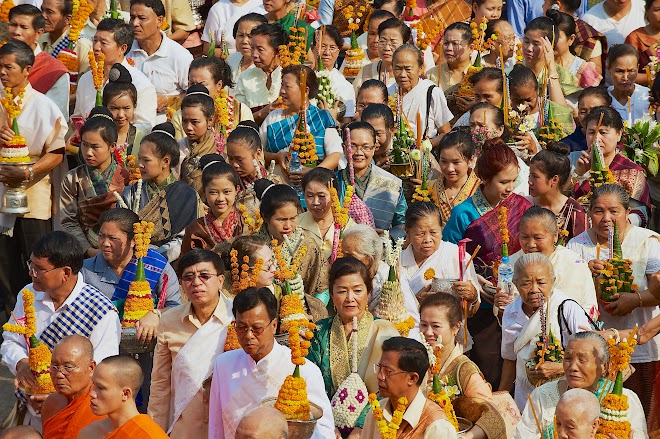
During important festivals, Lao people often wear brightly colored traditional clothing, creating vibrant and festive scenes.
2.6 Arts in Lao Culture
Art plays an important role in Lao culture, expressed through various forms such as dance, music, sculpture, architecture, and handicrafts. Each type of art carries its own charm, contributing to the distinctive cultural identity of Laos.
- Dance: Dance is a traditional art form widely performed during festivals, religious ceremonies, and cultural events. Lao traditional dances are graceful and gentle, rich in national identity. Notable dances include: Apsara dance – inspired by celestial dancers in Buddhist legends, Lamvong – often performed at festivals and social gatherings, and Xok dance – originating from ethnic minority groups, commonly performed in their traditional ceremonies and festivals.
- Music: Lao music is also diverse and rich, with many unique traditional instruments. Popular Lao instruments include: Khene – a bamboo or wooden mouth organ, Salai – a stringed instrument similar to a zither, used to accompany folk songs and performances, and Ting – a metal percussion instrument used in religious and cultural events.
- Sculpture: Sculpture is an ancient art form in Laos, with many exquisite pieces found in temples, pagodas, and historical monuments. Lao sculptures are often inspired by Buddhism, Hinduism, and folk legends.
- Architecture: Lao architecture is heavily influenced by Buddhism and neighboring cultures such as Thailand, Vietnam, and Cambodia. Lao temples feature unique architecture with curved tiled roofs and elaborate decorative details.
- Handicrafts: Handicrafts are a long-standing traditional industry in Laos, with exquisite handmade products crafted from natural materials like bamboo, wood, and rattan. Travelers can also purchase Lao handicrafts as souvenirs for family and friends. Lao art is a meaningful and unique gift that helps preserve beautiful memories of the country and its people.
Lao art is an essential part of the cultural life of its people. It reflects traditional values, religious beliefs, and the creative spirit of the Lao people. When visiting Laos, travelers can explore museums, artisan villages, and historical sites to learn about Lao art. They can also participate in festivals and cultural events to directly experience the beauty of Lao artistry.
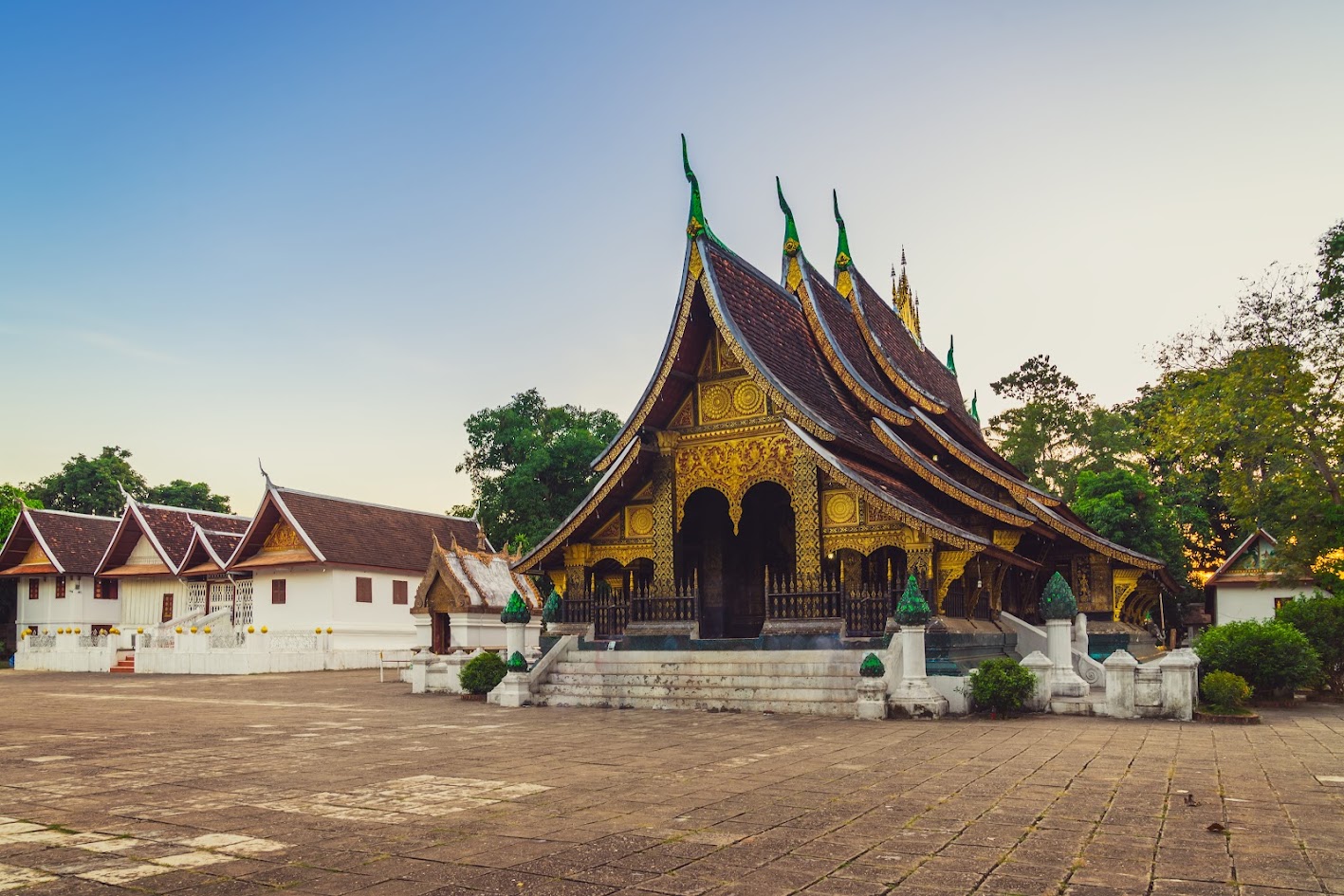
The unique architectural style that reflects the cultural identity of Laos is something travelers must admire when visiting the “Land of a Million Elephants.”
2.7 Lao Cuisine
Lao cuisine carries the distinct flavors of Southeast Asia, harmoniously combining fresh ingredients with unique spices. Popular dishes in Laos include sticky rice (khao niew), laap, tam mak houng, khao piak sen, ping gai, and more.See also: Discover Lao Cuisine with Irresistible Dishes We hope these fascinating insights into Lao culture will help you better prepare for your trip to Laos. To optimize your travel budget while exploring Lao culture, you can purchase one-way or round-trip flight tickets to Laos with Vietjet. Vietjet currently operates a variety of routes from cities across Vietnam to Vientiane at competitive prices with convenient services. Learn more at: https://www.vietjetair.com/vi/ve-may-bay/ve-may-bay-di-vieng-chan/
Especially during travel season, Vietjet offers a special flash sale with tickets to Laos for just 0 VND. Don’t forget to note the time slot to “hunt” for 0 VND tickets to Vientiane, Laos HERE.
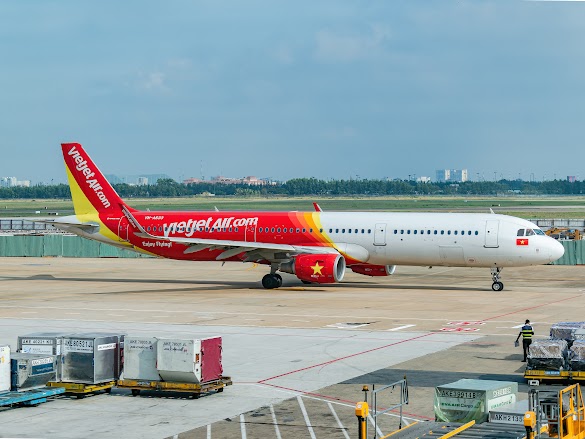
Vietjet offers direct flights to Vientiane with great prices and attractive deals, making your journey to explore the capital city even more complete.
Also, don’t forget to check the latest flight schedules and ticket prices from Vietjet via the following official channels:
- Website: https://www.vietjetair.com
- Facebook: https://www.facebook.com/vietjetvietnam
- Instagram: https://instagram.com/vietjet
- YouTube: https://www.youtube.com/VietjetOfficial
- TikTok: https://www.tiktok.com/@vietjetvietnam
- Zalo: https://oa.zalo.me/vietjet