Booking
 Skyshop
 Hotel
Hotel
 E-Voucher
 E-Sim
E-Sim
 E-Visa
 Buy foreign currency
 Insurance
 SkyJoy
As the homeland of over 1.4 billion people, India is renowned for its unique cultural diversity, where every region carries its own distinct character. The richness of this country is not only reflected in its customs, cuisine, and religious practices but also in its astonishing linguistic diversity.
With more than 1,600 languages spoken and 22 officially recognized languages, India forms a vibrant mosaic of cultural intersections.
1. Linguistic Diversity in India
With a long historical background, India’s linguistic diversity is not only the result of time but also a living testament to the connection between history, geography, and pluralism. The over 1,600 languages of India create a unique tapestry, where each language tells a story, represents a community, and forms an inseparable part of national identity.
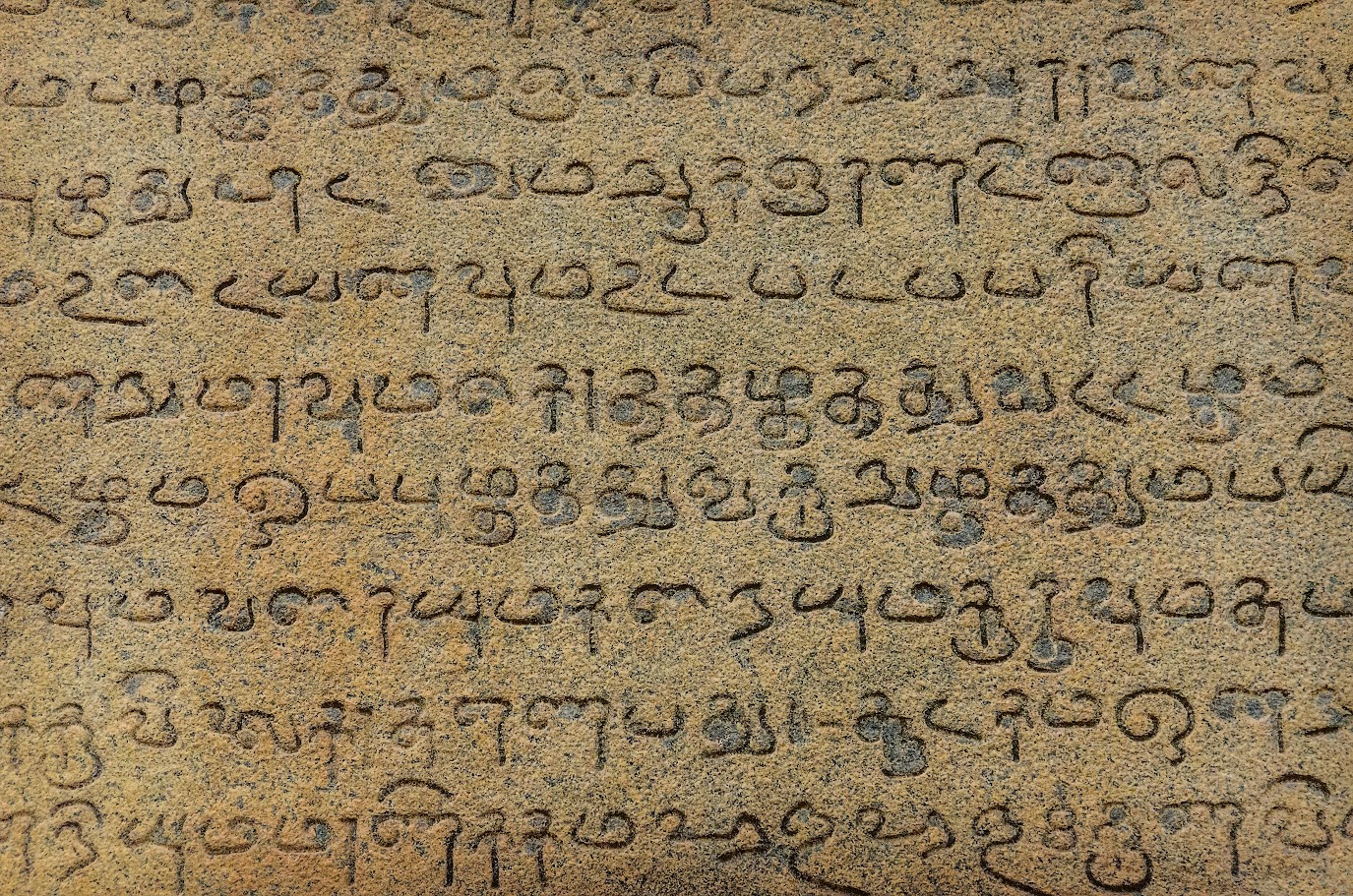
Historically, India was one of the cradles of human civilization. From the Vedic era, Sanskrit became a foundational language, not only in religion but also in literature and philosophy. From Sanskrit, many other languages in the Indo-Aryan group, such as Hindi, Bengali, and Marathi, developed, becoming the main language branches of Northern India. Meanwhile, Southern India preserves an entirely different linguistic heritage. The Dravidian languages, including Tamil, Telugu, and Kannada, exist independently and serve as a testament to the long-standing and unique culture of the South.
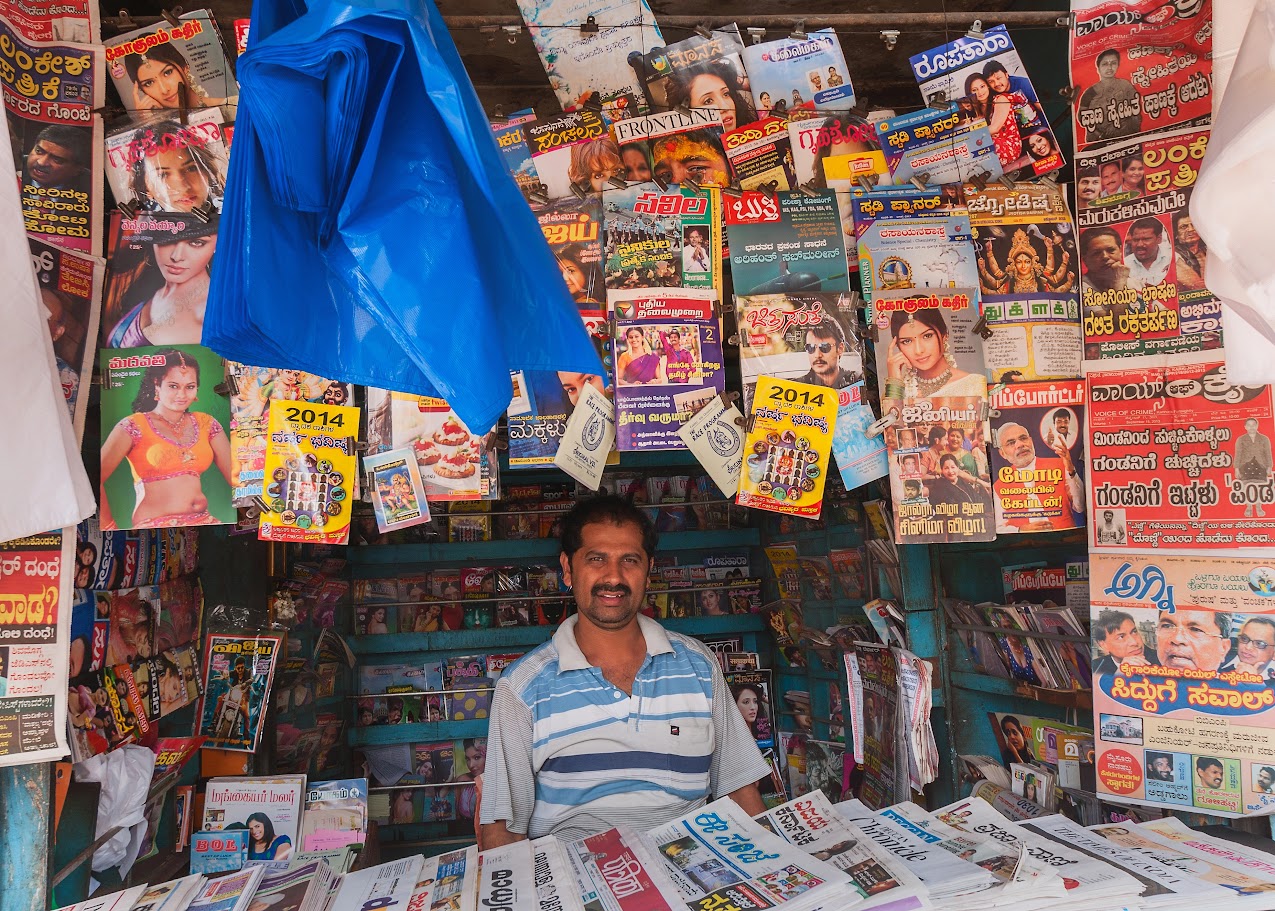
The history of cultural interactions—from merchants, foreign dynasties, to the colonial period—has enriched India’s linguistic ecosystem.
India’s vast geography also plays a significant role. Mountains, plains, forests, and coastlines do not merely divide regions geographically but also shape independent communities where languages develop in distinct ways. In the North, the Ganges plain became the cradle for the development of Indo-Aryan languages, while the northeastern mountainous regions are home to Tibeto-Burman language-speaking communities. Each community developed its language intertwined with daily life, customs, and religious practices.
India’s history is also a story of cultural convergence. From Persian and Arab merchants to the Mughal dynasties and British colonial period, each wave of migration and influence left marks on the linguistic landscape. Urdu emerged from the fusion of Persian, Arabic, and Hindi, while English, introduced during colonial times, became a principal language in education, commerce, and diplomacy, acting as a bridge among India’s multilingual communities.
2. India – Official Language: Hindi
2.1 Detailed Introduction to Hindi
Hindi is the most widely spoken language in India, used by over 40% of the population. It is one of the two official languages of the Indian government, alongside English. Developed from Sanskrit and influenced by Persian and Arabic, Hindi belongs to the Indo-Aryan group of the Indo-European language family.
The writing system of Hindi is Devanagari, a symbolic script widely used in religious texts, literature, and official documents. Hindi grammar is relatively complex, with distinctions based on gender (masculine, feminine), singular and plural forms, and verb conjugations according to the subject. These features make Hindi a rich and expressive language.
Hindi is mainly spoken in the northern states of India, including Uttar Pradesh, Bihar, Madhya Pradesh, Rajasthan, Haryana, Himachal Pradesh, and the capital, Delhi. These regions are considered important political and economic centers, enhancing the prominence of Hindi. Additionally, many other states across the country use Hindi as a second language for communication and administration.
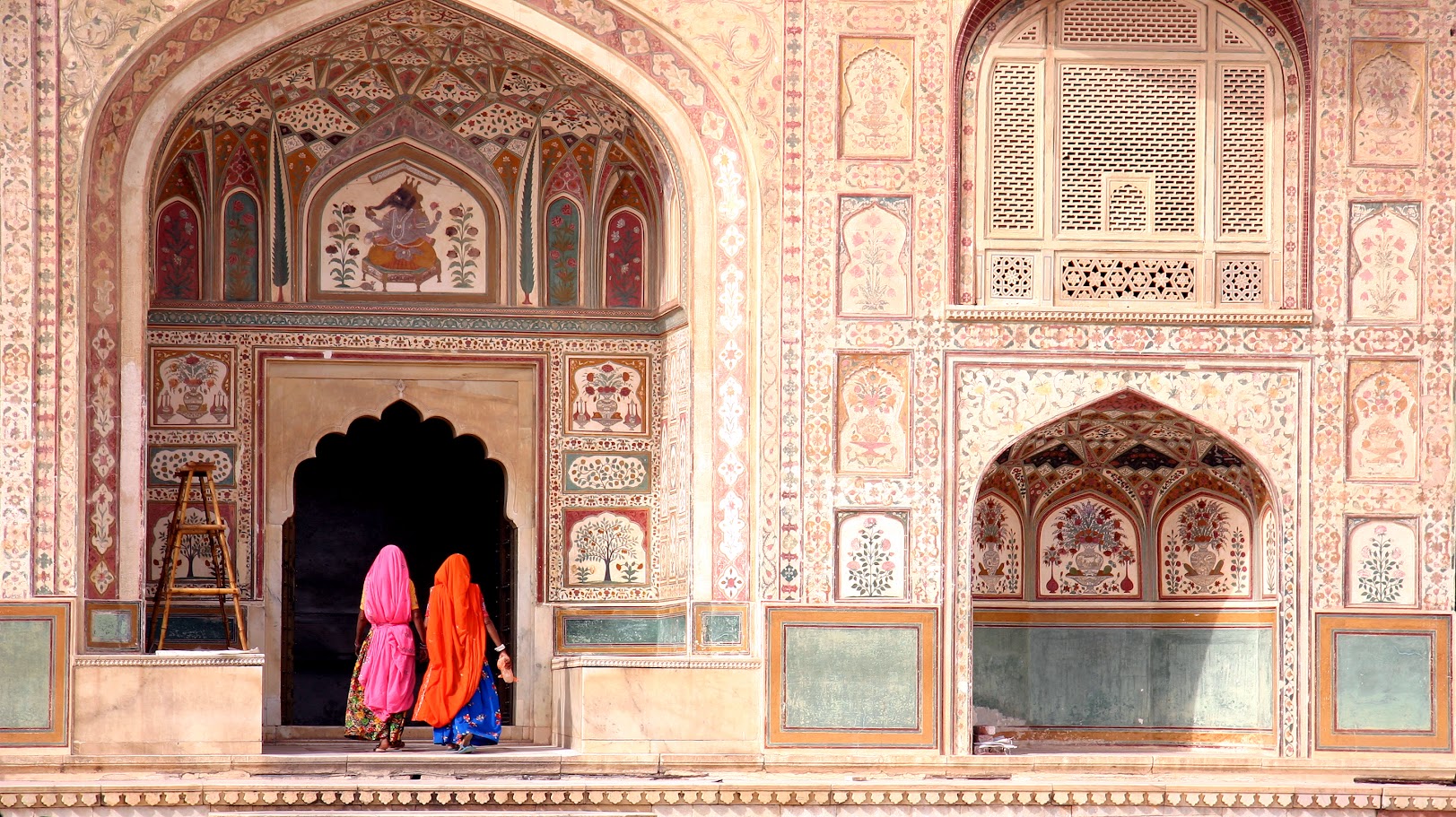
Hindi is not only a widely spoken language but also a symbol of unity and cultural diversity in India.
See also: Travel to New Delhi: Attractions, Cuisine, Cheap Flight Tickets
2.2 The Role of Hindi in Indian Society, Politics, and Culture
In society, Hindi serves as a unifying language, fostering cohesion among India’s large and diverse communities. In a country with over 1,600 dialects and 22 official languages, Hindi acts as a crucial communication bridge, especially in the North and central regions. This language is used not only in daily life but also prioritized in education, media, and administrative work.
Indians use Hindi in their everyday activities.
In politics, Hindi is the official language of the Indian government, used in legal documents, resolutions, and internal communications. Since 1949, following the adoption of the Indian Constitution, Hindi has been recognized as a national language to promote unity. Although there has been some resistance from southern states where Dravidian languages dominate, Hindi maintains its importance due to the historical and geographical significance of the states where it is spoken.
In culture, Hindi is the language of Bollywood, the world’s largest film industry. Hindi films, songs, and plays are not only popular domestically but also internationally, helping to promote Indian culture abroad. Classic and contemporary Hindi literature, including works by renowned writers such as Premchand and Harivansh Rai Bachchan, has become an important part of the nation’s cultural heritage.
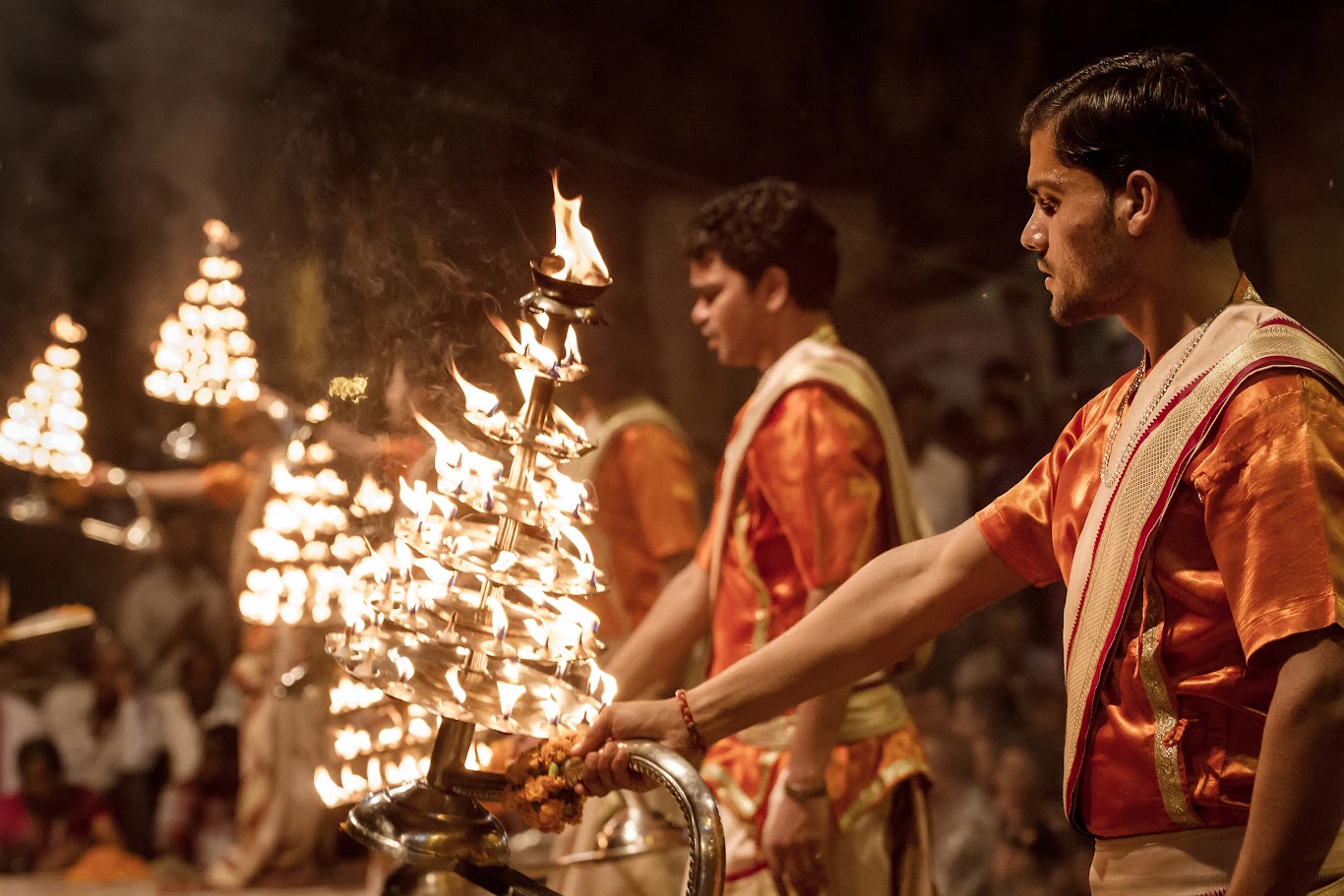
Hindi also plays a significant role in religious rituals, particularly in Hindu-majority regions. Religious texts, prayers, and chants are often in Hindi or simplified versions derived from Sanskrit, giving the language a sacred dimension and making it integral to spiritual life.
3. Other Popular Languages in India Besides Hindi
Apart from Hindi, the Indian Constitution recognizes 22 other official languages, listed in the “Eighth Schedule.” These include Bengali, Telugu, Tamil, Marathi, Gujarati, Kannada, Malayalam, Punjabi, Urdu, and several others.
Besides Hindi, Bengali is widely spoken in West Bengal, Tripura, and Assam. It is the official language of West Bengal and considered one of India’s richest literary languages. Bengali is closely associated with the classic works of Rabindranath Tagore, Asia’s first Nobel Prize-winning writer in literature.
In southern India, Telugu is an important Dravidian language, widely spoken in the states of Andhra Pradesh and Telangana. With its long history and rich literary tradition, Telugu is often called the “language of songs” due to its melodious pronunciation.
Tamil, another Dravidian language, also has a significant presence in Indian life. Spoken in Tamil Nadu, the Union Territory of Puducherry, and among Tamil communities in Sri Lanka, Tamil is one of the oldest surviving languages in the world. It serves not only as a cultural bridge preserving Dravidian heritage but also as an official language in both India and Sri Lanka.
Meanwhile, Marathi is the official language of Maharashtra and widely spoken in Goa. Marathi plays an important role in literature, politics, and mass media and has a deep influence on Bollywood cinema.
The 22 major languages in India not only reflect cultural diversity but also help shape the distinct identity of each region in the country.
See also: Traveling to India: Do You Need a Visa? Important Notes
With its linguistic, cultural, and historical diversity, India is truly a fascinating destination for those who love exploration and discovery. From the ancient beauty of architectural wonders like the Taj Mahal to the richness of languages and cultural variety, everything combines to create an unforgettable journey. Start your adventure to this colorful country today by booking your flight to India with Vietjet and explore the land of wonders with tickets starting from just 668,000 Dong. Don’t forget to check Vietjet’s 0VND domestic and international flight promotions daily from 12 PM to 2 PM for the best deals. Details available HERE.
Keep following Vietjet to stay updated with the latest travel information!
- Facebook: https://www.facebook.com/vietjetvietnam
- Instagram: https://instagram.com/vietjet
- YouTube: https://www.youtube.com/VietjetOfficial
- TikTok: https://www.tiktok.com/@vietjetvietnam
- Zalo: https://oa.zalo.me/vietjet