Booking
 Skyshop
 Hotel
Hotel
 E-Voucher
 E-Sim
E-Sim
 E-Visa
 Buy foreign currency
 Insurance
 SkyJoy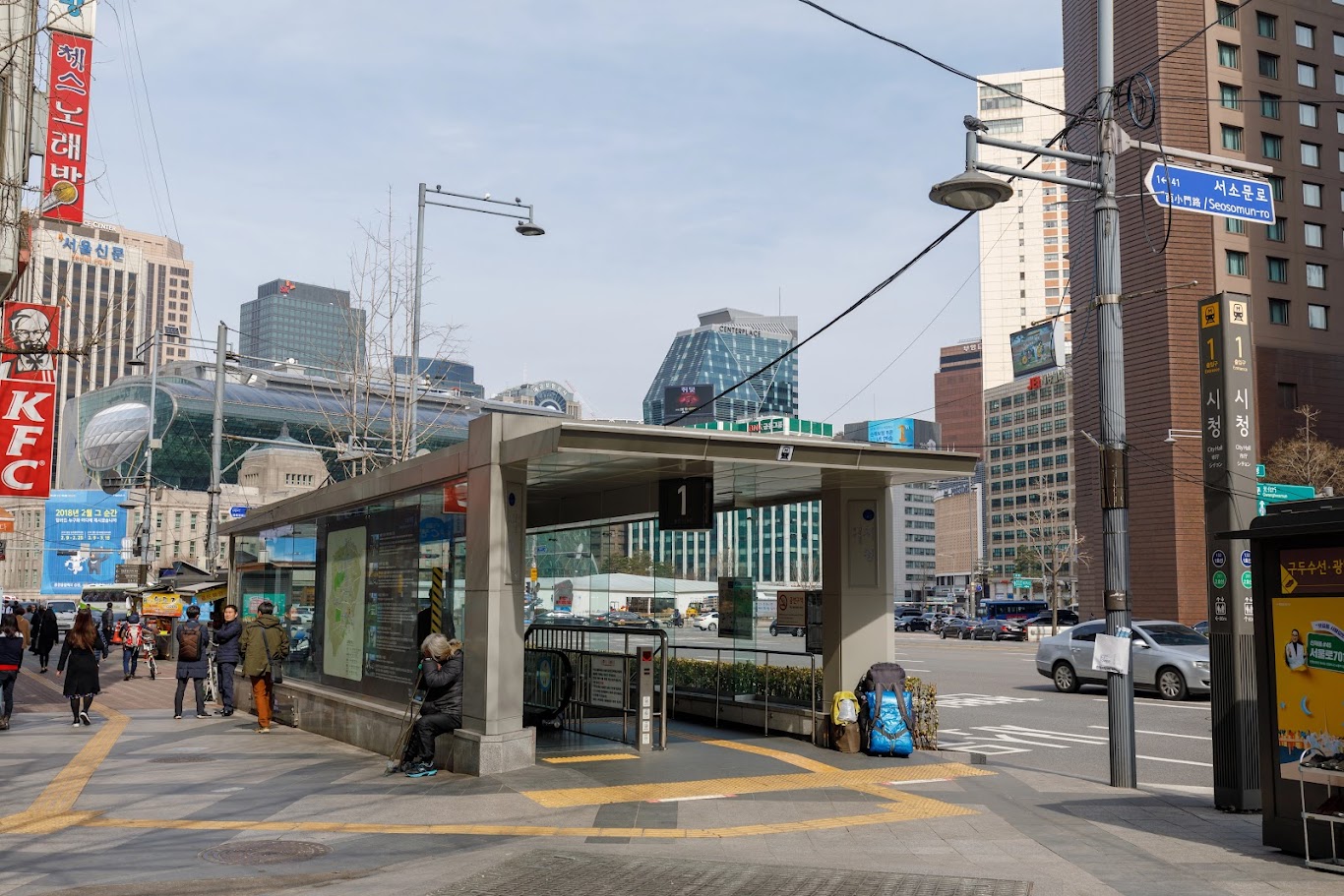
The subway system in Seoul, South Korea is one of the most modern and developed public transportation systems in the world, serving millions of residents and tourists every day. With more than 24 lines stretching across the city center and surrounding areas such as Incheon and Gyeonggi-do, Seoul’s subway system is not only convenient but also very easy to use, equipped with many modern facilities to optimize the travel experience for users. In the Seoul Subway Guide below, Vietjet will walk you through everything you need to know so you can confidently travel with Seoul’s subway.
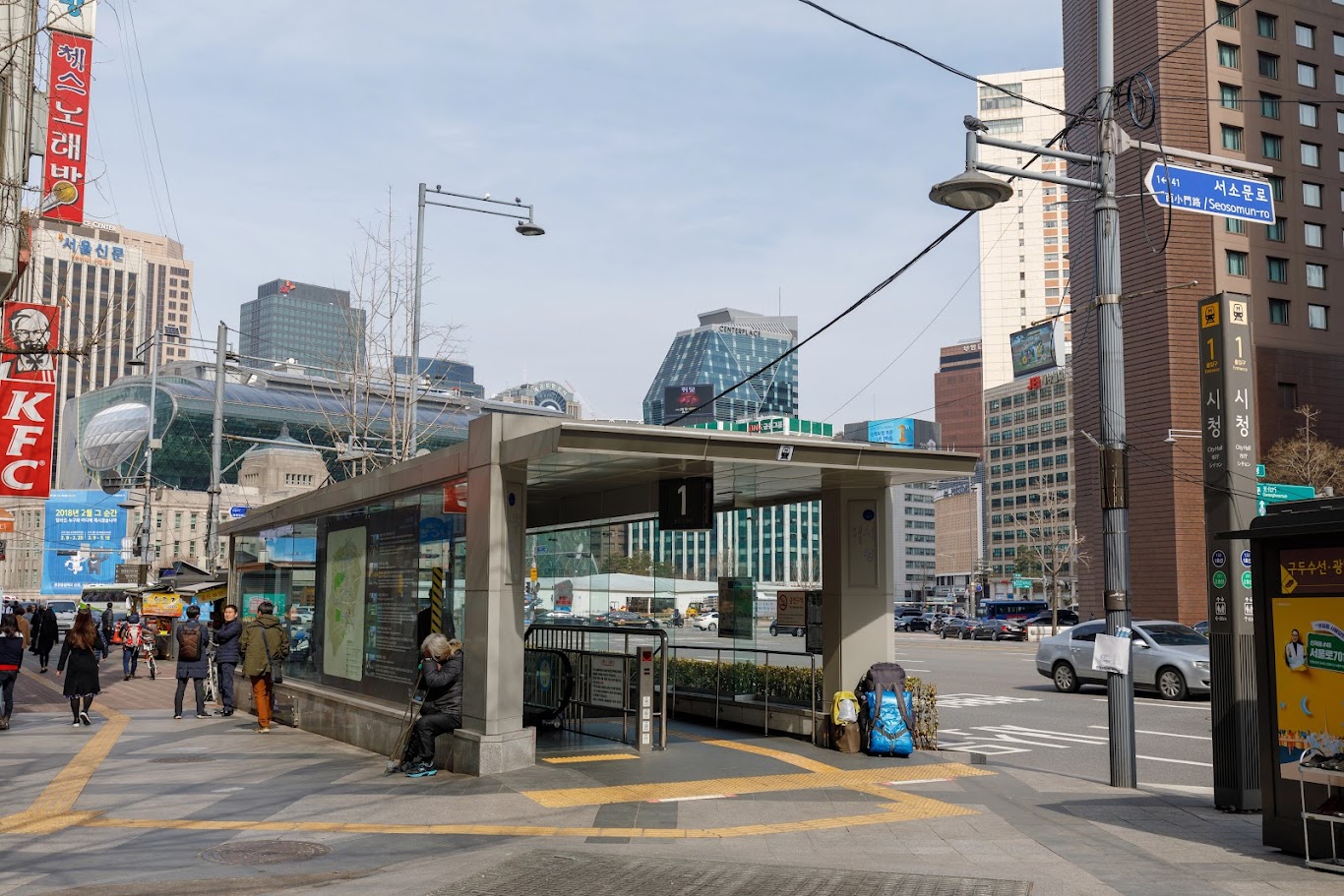
Among many public transportation options, the subway is the top choice for tourists when coming to Seoul.
1. Overview of the Seoul Subway System
When choosing to travel by subway in Seoul, you will experience speed, punctuality, and safety. Especially, the ticket prices are very affordable and the extensive subway network makes it extremely convenient to move between tourist attractions, shopping centers, or even airport areas. Each station and train car is equipped with free Wi-Fi, air conditioning, clean restrooms, and multilingual signage systems, making it easy for both foreigners and locals to use.
Operating hours of the Seoul subway usually start around 5:30 AM and extend until about midnight to 1:00 AM the following day. Some main lines such as Line 1, Line 2, Line 3, Line 4, Line 5, Line 7, and Line 8 usually run longer, while a few other lines may end around 11:30 PM.
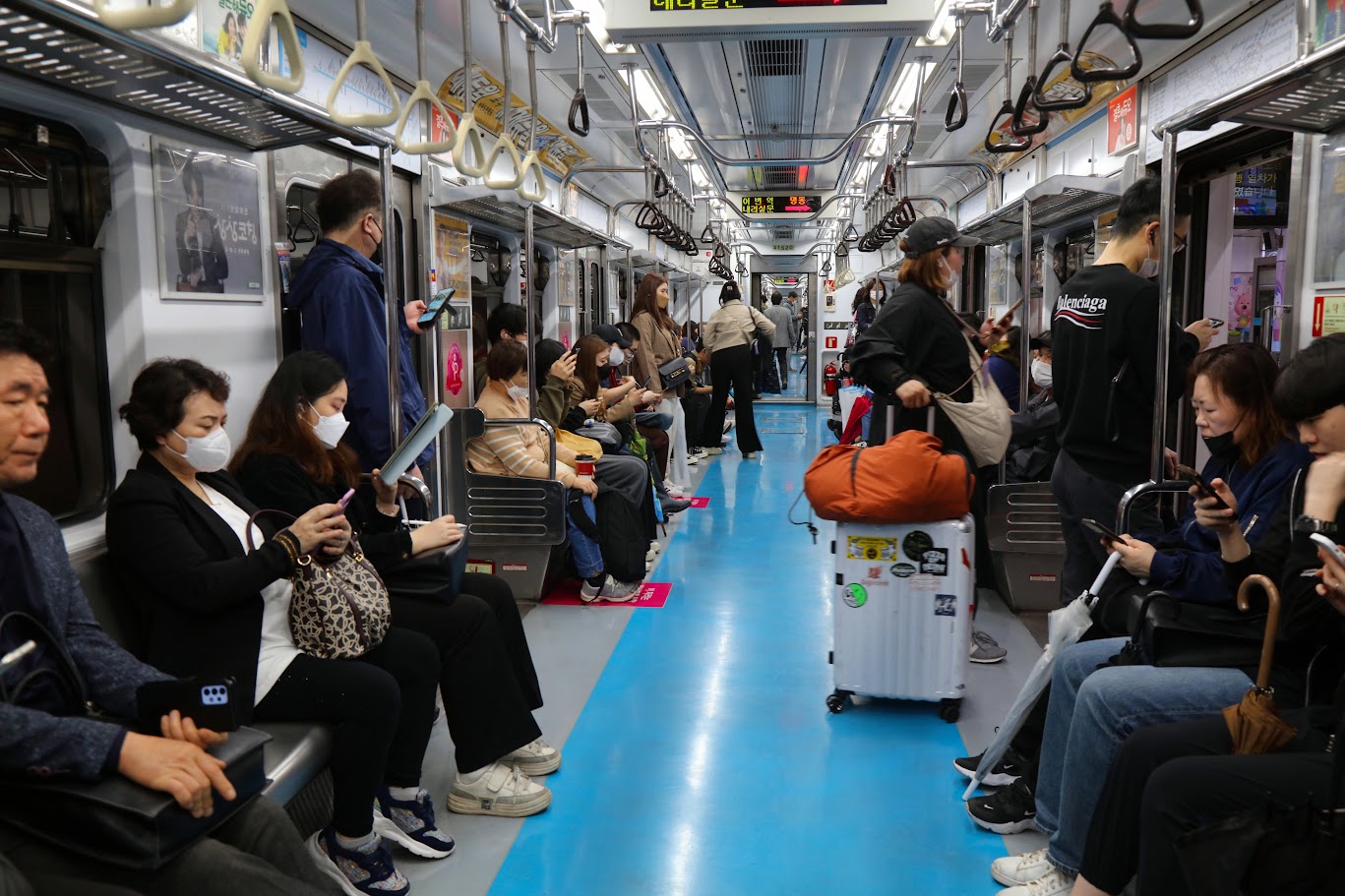
For detailed information on each line, you should check the specific operating hours on mobile apps or at the stations.
2. What to Prepare Before Taking the Seoul Subway
2.1 T-Money Card
To prepare for your subway journey in Seoul, the first thing you need is a T-Money card. This is a prepaid smart transportation card that saves you time buying single tickets and often offers slight discounts compared to single fares.
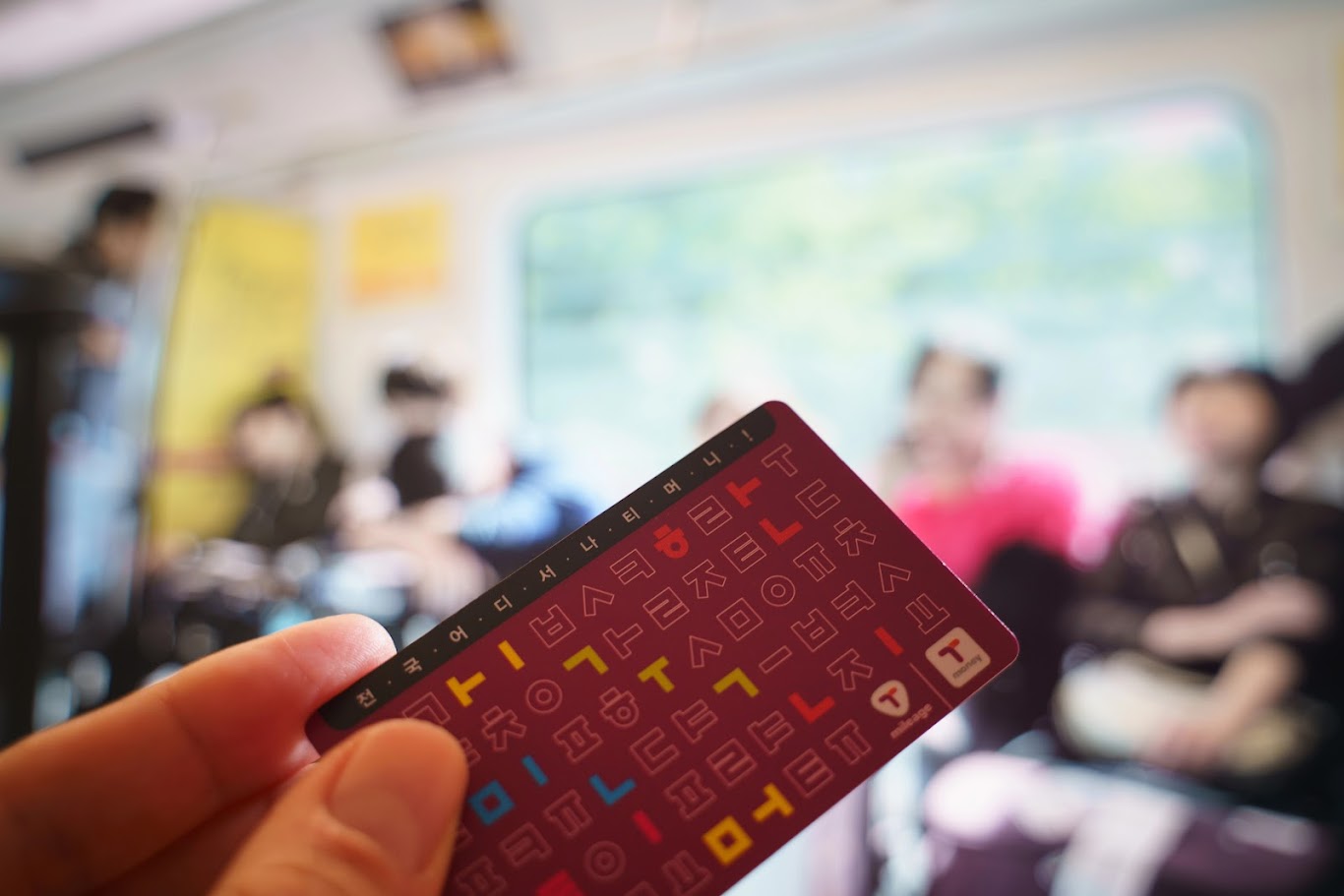
The T-Money card is an essential item for traveling by subway (and also buses and taxis) in Seoul.
You can buy a T-Money card at convenience stores (GS25, CU, 7-Eleven, Ministop, Emart24) inside subway stations, vending machines, or at Incheon (ICN) and Gimpo (GMP) International Airports. When purchasing, you pay a small fee for the card (about 2,500 – 4,000 KRW) and then load money to use.
You can easily recharge at subway stations, convenience stores, or vending machines with multilingual interfaces. After finishing your trip, you can also check your remaining balance or get a refund at support points.
Book your Vietjet flight ticket to Seoul today from only 890,000 VND HERE.
2.2 Essential Mobile Apps
To travel by subway in Seoul most conveniently, you should download these apps:
- Subway Korea/KakaoMetro: Extremely useful subway map apps that let you find the fastest route, see travel time, number of stations, and exit information.
- Kakao Map/Naver Map: Provide detailed information about locations, walking directions, and integrate public transport data.
- Papago/Google Translate: For translations when you need to communicate or read announcements.
2.3 Seoul Subway Map
Seoul has more than 20 subway lines and nearly 800 stations. This means you can reach almost any destination within and around Seoul just by subway. For first-timers, you may feel overwhelmed with so many signs, colors, and station codes.
- Clear color coding and numbering: Each line has a specific color and number (e.g., Line 1 – dark blue, Line 2 – green, Line 3 – orange, Line 4 – light blue, etc.). These colors are repeated on maps, station signs, and electronic boards inside the trains.
- Stations with 3-digit codes: Each subway station has a unique 3-digit code. For example, Myeong-dong is 424 (meaning station 24 on Line 4). The first digit indicates the line, the last two indicate the station number. Very handy when asking for directions or searching for info.
- Multilingual information: Signs and electronic boards display information in Korean, English, often also in Chinese and Japanese. Announcements on trains are also made in multiple languages, especially at tourist-heavy stations.
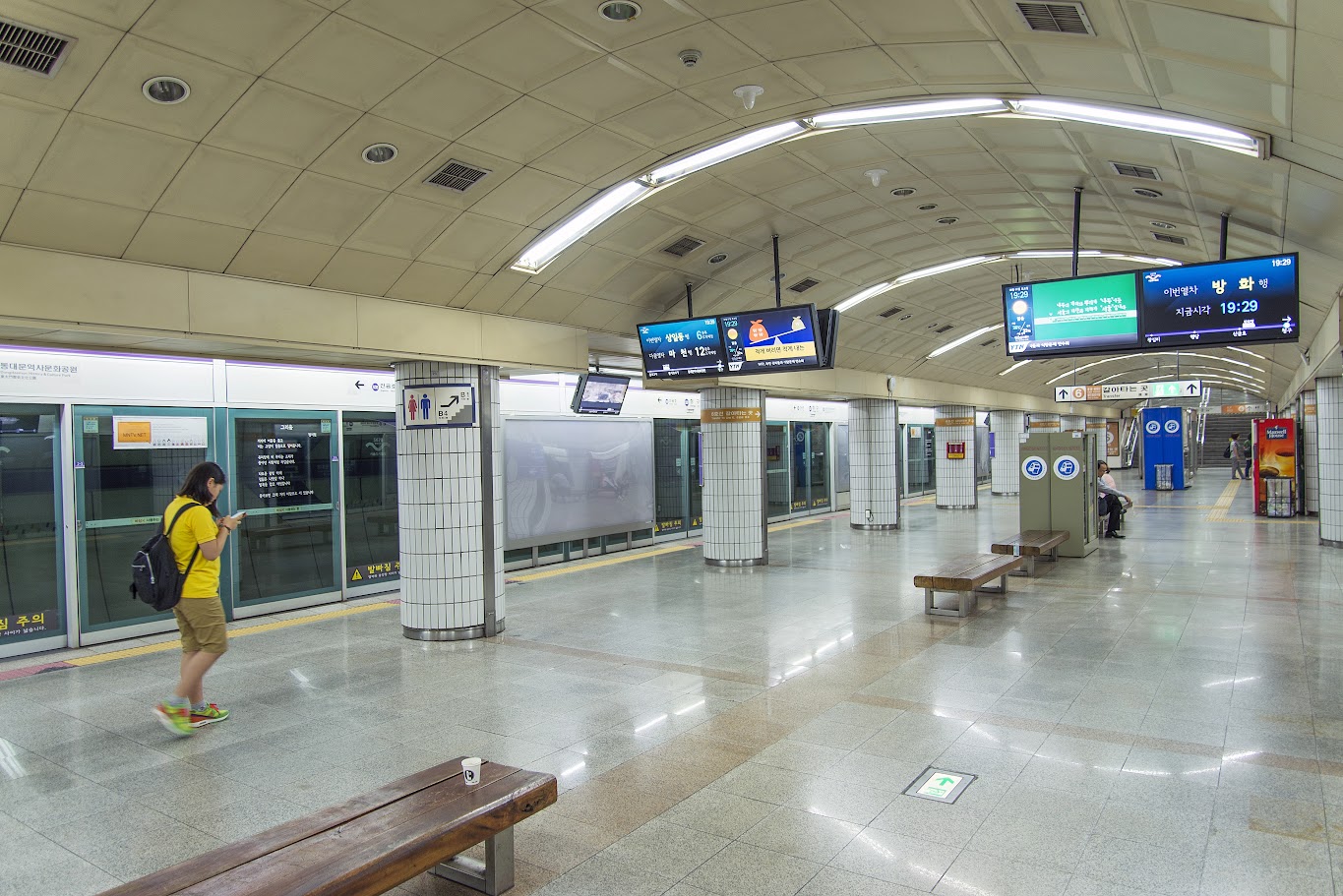
Large subway stations often provide free paper maps or big wall maps.
3. Detailed Guide on How to Take the Seoul Subway
Traveling by subway in Seoul is a convenient and efficient experience, allowing you to easily explore every corner of the city. The system is designed so that even first-time visitors can confidently use it.
Step 1: Determine your destination and subway lineTo begin, the first thing you need to do is clearly identify your destination and the nearest subway station. You should use specialized Korean map applications such as Kakao Metro or Naver Map.
Simply enter the name of your desired location, and the app will quickly show you the nearest station, suggest which line to take, the stations you will stop at, and even which transfers you need to make for the most optimal route.
Step 2: Enter the station and tap your card/ticketOnce you have your route, the next step is to enter the waiting area. If you are using a T-Money card, you need to tap it on the sensor at the ticket gate. You will hear the familiar “beep,” the gate will open, and your remaining balance will be displayed, allowing you to enter the station.
For those without a T-Money card, a single-journey ticket is also an option. You can purchase this from vending machines, though you may need to pay a small deposit, which will be refunded when you return the card at your destination station.
Step 3: Find the right direction and platformAfter passing the gate, the important thing is to find the correct train direction and platform. Seoul’s subway signage is extremely clear, with colors and line numbers prominently displayed. Just follow the signs. At the platform, pay attention to the terminal station name to make sure you are heading in the right direction according to your route.
Step 4: Board the train and track your journeyInside each train car, electronic boards display the current and next station names in both Korean and English, making it easy to follow. In addition, announcements provide information about the next station and transfer stations, ensuring you don’t miss your stop. As you approach your destination, move closer to the door to prepare for a smooth exit.
Step 5: Exit the train and leave the stationAt your destination station, exit the train and find the appropriate exit. Large stations often have multiple exits, so check the station map or your app to choose the one closest to your final destination. Then, tap your T-Money card or single-journey ticket at the gate to leave the station.
The system will automatically calculate and deduct the fare for the distance traveled. If using a single-journey ticket with a deposit, you can get your deposit refunded at the refund machine before exiting.
4. Notes for Traveling Seoul by Subway
4.1 Famous destinations easily accessible by subway
The Seoul subway system gives you easy access to countless popular attractions. Whether bustling shopping districts or historic landmarks, you can refer to the notable routes below:
- Myeongdong Station (Line 4): Famous shopping district, near Myeongdong Market.
Exiting here takes you directly into a lively shopping hub and street food paradise, where you can explore Korean cosmetics, fashion brands, and local specialties.
- Gyeongbokgung Station (Line 3): Gyeongbokgung Palace, Bukchon Hanok Village.
This is the direct gateway to the grand Gyeongbokgung Palace, a historical symbol of the Joseon dynasty. From here, you can also walk to the traditional Bukchon Hanok Village.
- Hongdae Station (Line 2): Youthful street, street art.
Hongdae is a maze of fashion shops, beauty stores with emerging brands, and accessory shops with unique styles. You’ll find everything from vintage clothing to trendy, one-of-a-kind designs.
- Gangnam Station (Line 2): Fashion and entertainment hub.
From here, you can explore Gangnam’s luxury fashion and entertainment center, flagship stores of top brands, and enjoy the vibrant lifestyle of the district.
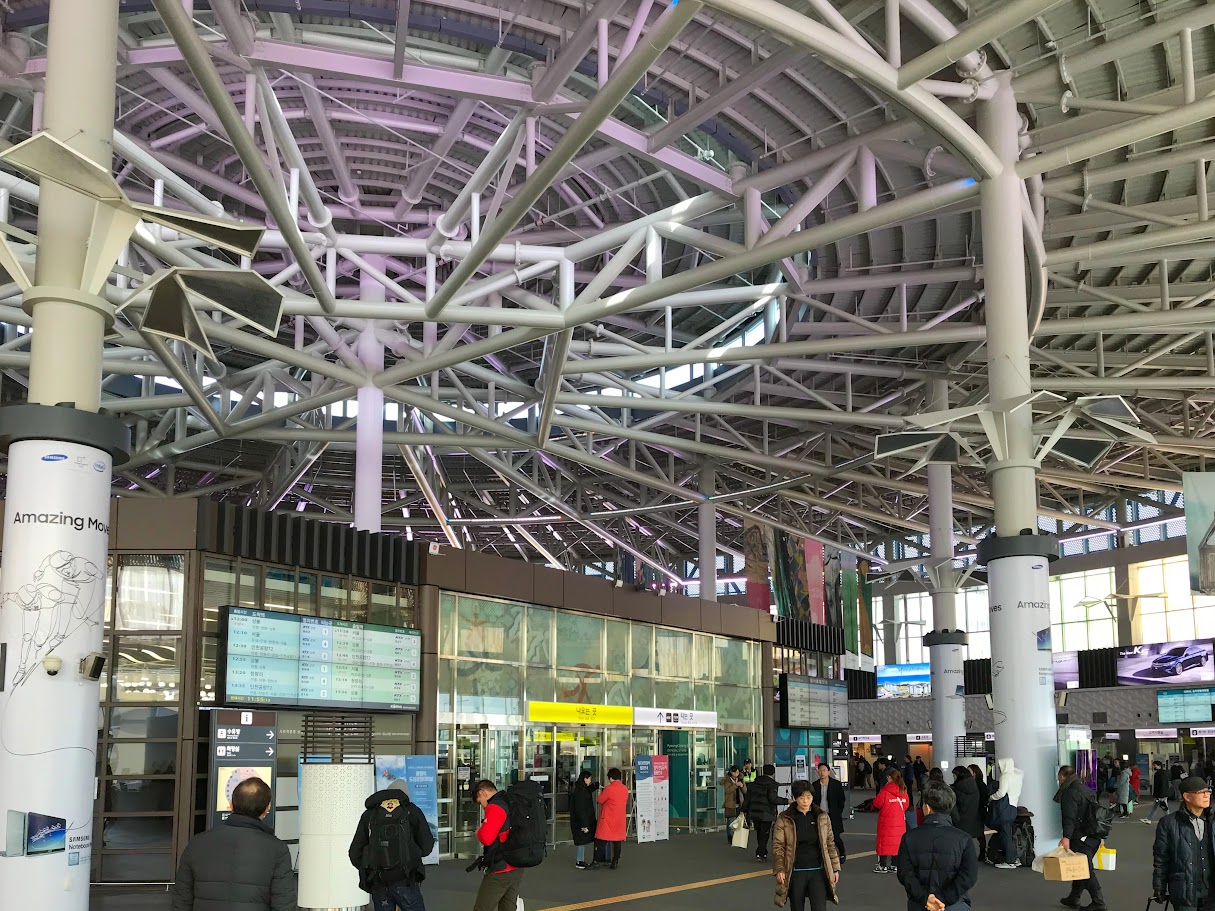
Each highlighted station on the Seoul subway map is a unique gateway leading to diverse experiences.
4.2 Tips for Traveling by Seoul Subway
To enjoy smooth and time-saving subway rides, keep these tips in mind:
- Understand rush hours: Seoul subways are very crowded during rush hours, especially mornings (around 7:30–9:30) and evenings (around 5:30–7:30). Avoid these times if possible for a more comfortable ride.
- Pay attention to signs and announcements: Always check the electronic boards for the next station and listen to announcements (usually also in English) to avoid missing your stop.
- Know the exits: Large subway stations have many exits, each leading to different areas or attractions. Check the station map (often near the platform or exits) or your app to choose the correct exit, saving time after leaving the station.
- Maintain order and cleanliness: Seoul citizens are very conscious about cleanliness and order on trains. Avoid eating, drinking, or talking loudly, and always give up priority seats to the elderly, pregnant women, and people with disabilities.
See also: Korea travel itinerary & expenses for 5 days 4 nights
The Seoul subway is not only a mode of transport but also an essential part of experiencing Korea’s unique culture. With the above Seoul metro guide, from using smart apps to choosing the right exit, you’ll confidently explore every corner of the capital. And if you’re ready to discover Seoul, book your Vietjet flight ticket to Seoul today to turn your dream journey into reality. Don’t forget to follow Vietjet’s 0 VND domestic and international flight promotions every day from 12 PM – 2 PM for the best ticket deals. See details HERE.
Continue following Vietjet so you won’t miss the latest travel updates!
- Website: https://www.vietjetair.com
- Facebook: https://www.facebook.com/vietjetvietnam
- Instagram: https://instagram.com/vietjet
- YouTube: https://www.youtube.com/VietjetOfficial
- TikTok: https://www.tiktok.com/@vietjetvietnam
- Zalo: https://oa.zalo.me/vietjet