Booking
 Skyshop
 Hotel
Hotel
 E-Voucher
 E-Sim
E-Sim
 E-Visa
 Buy foreign currency
 Insurance
 SkyJoy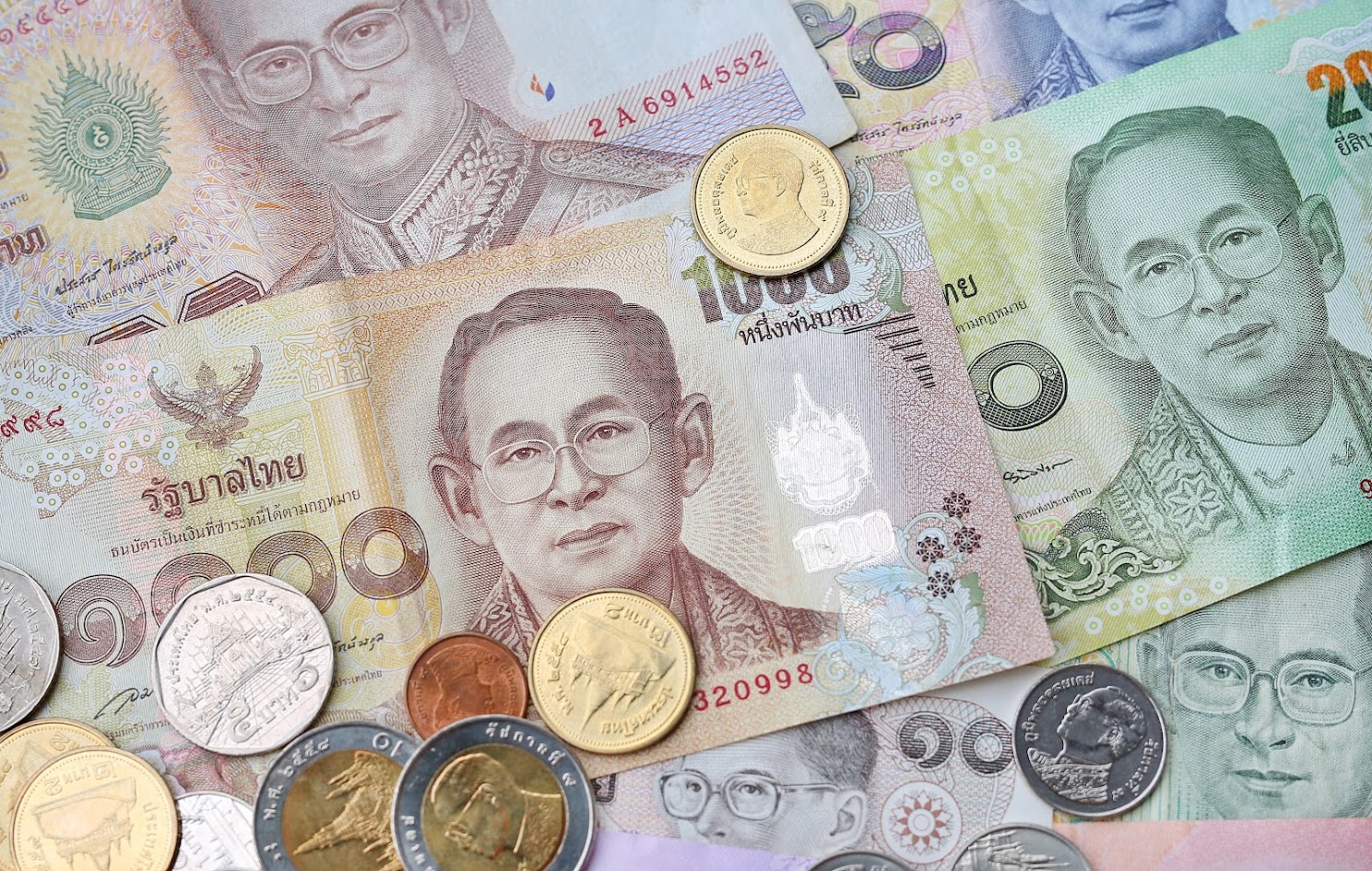
Today, travelers have more payment options when visiting the Land of Smiles. However, to fully enjoy the variety of local services—especially the vibrant street culture—having Thai baht in cash is still essential.
1. Thai Currency
Thai Baht (symbol: ฿, ISO code: THB) is the official currency of Thailand. Vietnamese travelers are likely familiar with the local pronunciation of this currency as "Bạt".
1.1 History and Origins
The baht originates from Thailand’s traditional monetary system based on the “tamlung” weight system. In 1902, it was pegged to gold, enhancing its stability and value. Since then, baht has remained one of the most stable and widely used currencies in Southeast Asia.
1.2 Denominations
Unlike Vietnam, Thai people still use both coins and banknotes.
- Banknotes: 20, 50, 100, 500, and 1,000 baht
- Coins: 1, 2, 5, and 10 baht, as well as satang coins (25 and 50 satang; 1 baht = 100 satang)
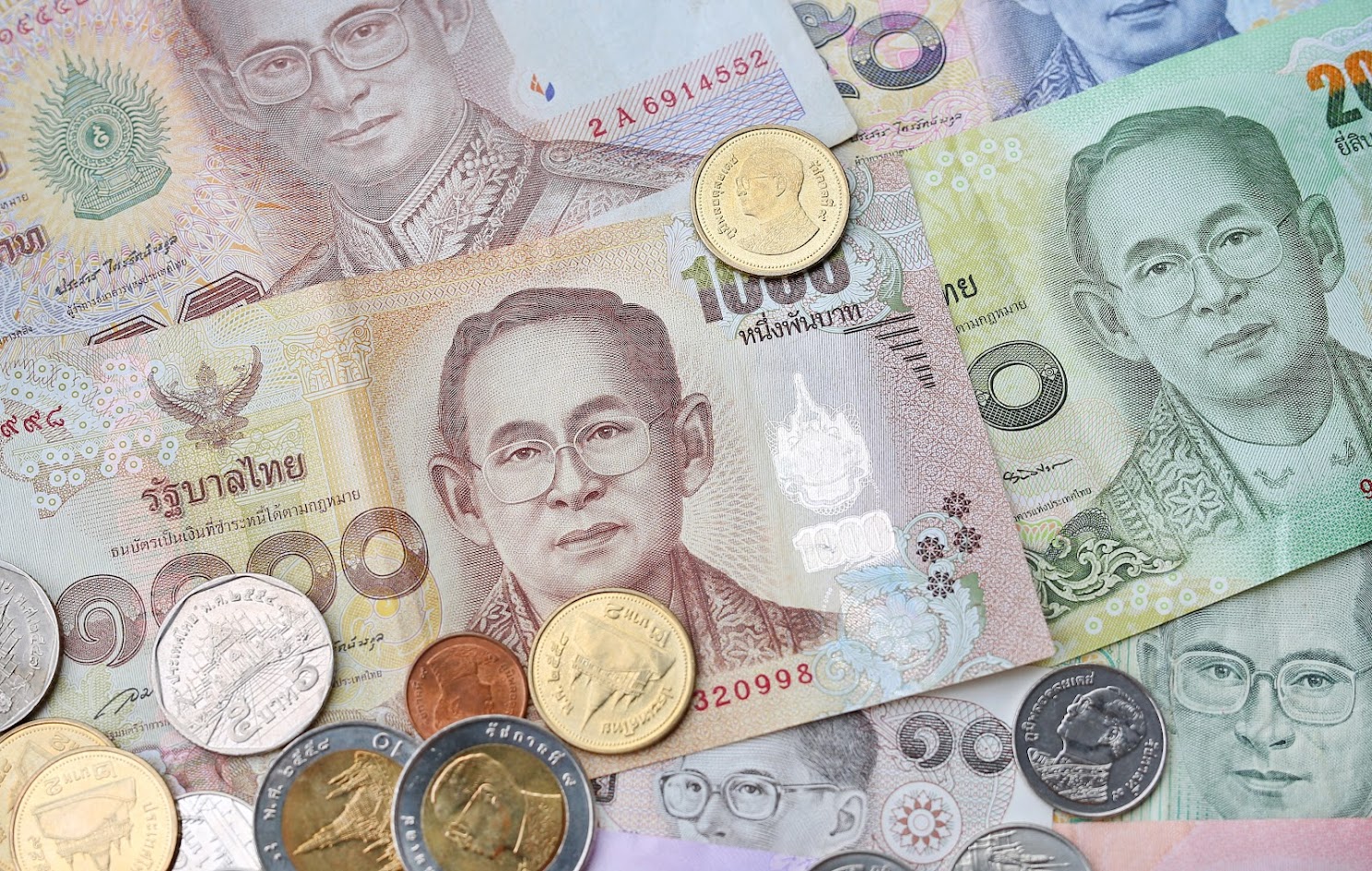
You’ll need to get used to using both coins and banknotes in Thailand. It’s not difficult to distinguish them.
1.3 Currency Design
Each banknote features the current or past Thai kings, with distinct colors and anti-counterfeit features. Coins often feature the Thai emblem and denomination, along with famous landmarks or royal portraits.
2. Where to Exchange Thai Baht
2.1 Exchange at Vikki Digital Bank
For international ticket buyers from Vietjet, you can exchange currency conveniently via Vikki Digital Bank—a collaboration between Vietjet and HDBank’s advanced digital platform offering a “Buy Foreign Currency Online” service.
After booking an international round-trip ticket, passengers can register for currency exchange directly on:
- Website:www.vietjetair.com
- Vietjet Air mobile app: Android | IOS
- Vikki Digital Bank

2.1.1 Exchange During Ticket Booking
- Step 1: Visit vietjetair.com or Vietjet mobile app Android | IOS
- Step 2: Choose departure and arrival locations
- Step 3: Select travel dates
- Step 4: Choose a flight
- Step 5: Enter personal details
- Step 6: Make payment
- Step 7: After successful booking, select "Register for Currency Exchange"
- Step 8: Enter the desired amount and passport number
- Step 9: Select an HDBank branch to receive the currency
- Step 10: Upload passport and visa (if any)Step 11: Confirm terms and click "Register for currency exchange now"
2.1.2 Exchange via “My Flight” section
- Step 1: Access vietjetair.com or app Android | IOS
- Step 2: Choose “My Flight”
- Step 3: Enter booking code, last name, and first name
- Step 4: Select “Register for Currency Exchange”
- Step 5: Enter amount and passport number
- Step 6: Select an HDBank branch
- Step 7: Upload passport and visa
- Step 8: Confirm and click "Register for currency exchange now"
- Step 9: You can receive your currency the same day at any HDBank branch nationwide, with competitive exchange rates and no cancellation fees. [See full terms here].
2.2 Other Ways to Exchange Thai Baht in Vietnam
2.2.1 Commercial Banks
Major banks like HDBank, Vietcombank, BIDV, and Techcombank often provide currency exchange services with transparent and secure rates. Customers are required to bring identification documents (ID card/passport) to complete the transaction. Some banks may also request proof of travel such as flight tickets or hotel bookings in Thailand.
Pros: You can proactively check public exchange rates, receive professional advice, and have the security of bank services. Bank exchange rates in Vietnam are generally stable and reasonable.
Cons: You must follow banking procedures, be present at the branch, and it may take some time.
2.2.2 Licensed Currency Exchange Companies
Authorized foreign exchange companies or large gold shops with government licenses can be a good choice for those not used to banking. These places are popular among travelers as they often offer more competitive rates.
Cons: Rates may only be posted on-site and can fluctuate daily. You must monitor rates closely to get the best deal. Choose only reputable, legally licensed places to avoid counterfeit currency or legal issues.
2.2.3 International Airports
If you're on a tight schedule, currency exchange counters at airports are a convenient option, especially for those who want to avoid carrying large sums of cash before their trip or need extra money quickly before flying.
Pros: These counters are safe and legitimate.
Cons: Rates are usually significantly higher than at banks or local exchange offices. This option is best for urgent cases due to its convenience.
2.2.4 Online Platforms and Apps
Today, platforms like Wise (TransferWise) and other fintech apps allow for international currency transfers at real exchange rates and low fees. These services require you to have a bank account and a compatible payment card.
You should also do thorough research to avoid unexpected fees. Additionally, some travel communities offer money exchange or unused baht handovers at good rates.
Pros: No paperwork or complex procedures.
Cons: You must be cautious and research your exchange partner to avoid online scams, which could ruin your trip experience.
2.3 Exchanging Money in Thailand
2.3.1 Professional Exchange Counters
You can easily find professional exchange booths from various companies at airports, tourist hotspots like Chinatown and Khaosan Road, or in shopping centers. SuperRich is one of the most popular chains in Thailand, well-known for competitive rates and professional service. It’s especially popular among Vietnamese tourists.
Branches are often located in major malls or near BTS stations and airports. Just bring your passport, and SuperRich accepts both VND and USD. One of the most well-known branches is near BigC, recognizable by its green logo.
2.3.2 Thai Banks
Banks such as Bangkok Bank, Kasikorn Bank, and Siam Commercial Bank also offer exchange services.
Pros: Safe and transparent.
Cons: Slightly lower rates than private exchange booths and potentially longer wait times during peak hours. You’ll also need to bring your passport.
2.3.3 ATMs and International Cards
Withdrawing cash from ATMs is a convenient option if you have an international debit or credit card.Be aware of:
- Fixed fees: Thai ATMs typically charge 150–220 baht per transaction.
- Bank rates: Your home bank's rates and fees will apply.Consult your bank for advice before your trip to ensure smooth transactions.
See also: How much does a trip to Thailand cost? A complete cost breakdown.
3. What to Prepare Before Exchanging Money for Travel to Thailand
3.1 Necessary Documents
- ID card or passport: Required for bank or money changer transactions. Large amounts may require a passport.
- Copies: Bring copies of important documents for convenience and backup.
3.2 Monitor Exchange Rates
- Check rates: Use trusted financial websites or apps to monitor exchange trends and pick the best time to convert your money.
- Special offers for Vietjet passengers: Vikki Digital Bank provides competitive rates and seasonal bonuses for Vietjet international flyers.
- Timing: Exchange rates fluctuate daily and can be affected by global events or travel season demand.
- Tip: You don’t need to exchange money right before your trip. Watch for the best annual rates to optimize your conversion.
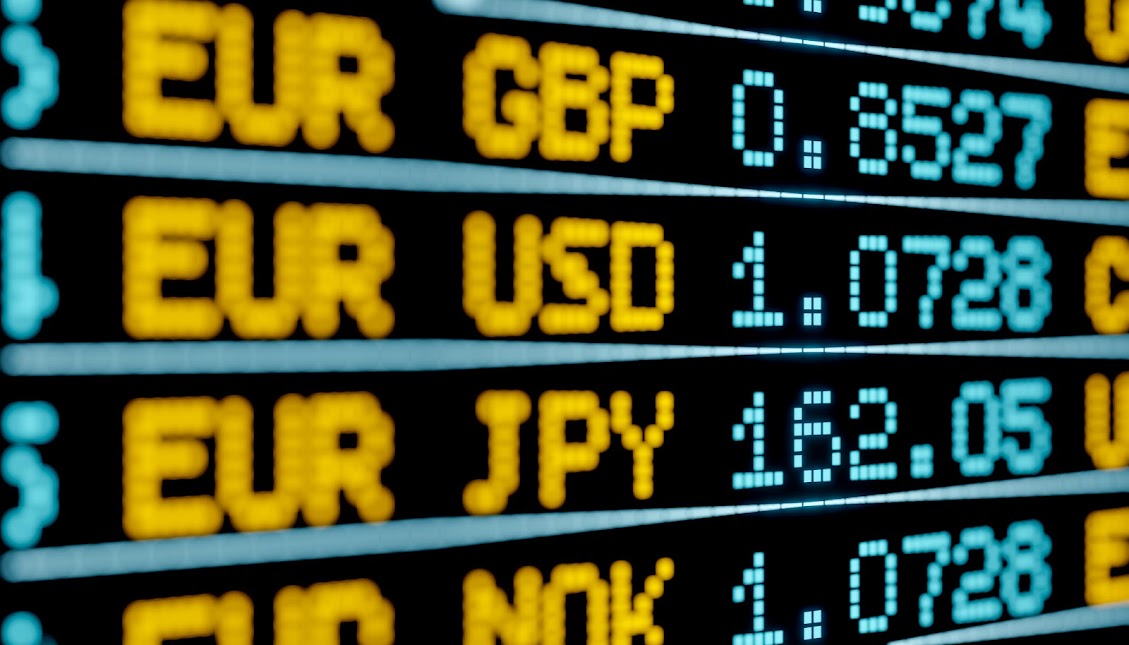
It is not necessary to exchange money right before your trip. You can observe and find out the time of year with the best exchange rate to make foreign currency exchange transactions.
3.3 Check Customs Regulations
Each country has specific regulations regarding how much cash a traveler may carry when entering or leaving.
To ensure a smooth trip, check both Vietnam and Thailand's legal limits for bringing in and taking out cash to avoid unintentional violations.
3.4 Carrying Cash Safely
- Split your cash: Don’t keep all your money in one place. Divide it between your carry-on and personal bag to minimize theft risks.
- Anti-theft wallets: Use neck pouches or secure waist bags to safeguard your cash and documents.
4. Notes When Exchanging VND to Thai Baht
4.1 Is Cash Still Widely Used in Thailand?
In Thailand, cash is still very commonly used and remains the preferred payment method for many daily transactions, especially in places like markets, small shops, street food vendors, and rural areas.
Although cashless payments via credit cards and e-wallets have grown in recent years, many small vendors still prefer cash for its simplicity and the absence of service fees. Especially when visiting traditional or older areas, it’s often difficult to pay with a card or e-wallet.
If you don’t have an international payment card, you’ll need to carry cash as soon as you arrive in Thailand, for example, to pay for transportation from the airport to the city center.That’s why, whether you're spending a lot or a little, it’s wise to prepare some Thai Baht in cash before your trip.
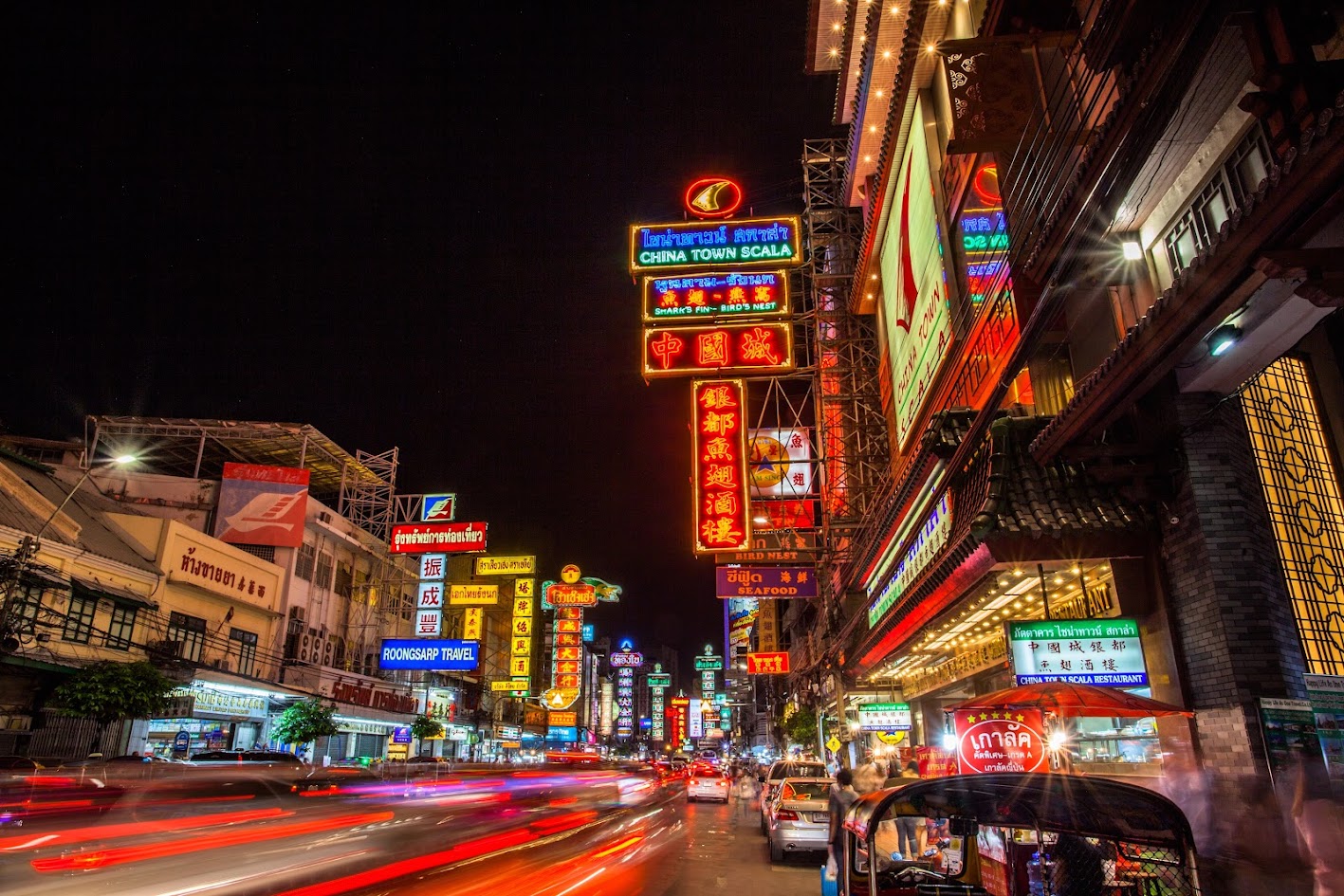
Street food vendors and tuk-tuk drivers in Chinatown typically accept only cash payments.
4.2 How to Identify Real vs. Fake Thai Baht
To distinguish between real and fake Thai baht (THB), pay attention to the security features on Thai banknotes. Here are some tips to help you recognize authentic notes:
- Check the paper quality and embossed print:Real money is printed on high-quality paper with a firm and slightly rough texture. Denomination numbers and security marks are often embossed and can be felt by touch.Fake money usually uses low-grade, smooth, and easily torn paper. Embossed elements are often unclear or missing.
- Check the watermark:Hold the note up to the light to see a watermark portrait of the Thai King. The watermark should be sharp, clear, and not blurry.
- Check the security thread:Authentic notes have a visible security thread running through the paper, which becomes apparent under light. These threads often contain distinctive letters or numbers visible when examined closely.
- Additionally, observe color-shifting ink, tiny sharp micro-text, and 3D embossed designs that become visible when you tilt the banknote.
4.3 Money Exchange Tips
Travelers going to Thailand should plan their budget in advance to determine how much money they need to exchange.If you don’t plan to use a lot of cash, exchanging just 1,000–2,000 THB for emergency expenses is enough.Over-exchanging may leave you with leftover Baht that's difficult to resell or exchange back, causing unnecessary financial loss.
Another tip: Some taxi drivers don’t carry enough small change and may refuse to return leftover money.So here’s a useful tip: shop at a convenience store early in your trip.This helps you break larger bills into smaller denominations and get coins, which are useful for transport, vending machines, or small purchases.
Currently, Vietjet offers many flights to Thailand starting from just 330,000 VND.
Special 0 VND ticket promotions for both domestic and international flights are available daily from 12:00 PM to 2:00 PM, helping you save more than ever. [See full details HERE].
Follow Vietjet to stay updated with the latest travel tips and special offers:
- Facebook: https://www.facebook.com/vietjetvietnam
- Instagram: https://instagram.com/vietjet
- YouTube: https://www.youtube.com/VietjetOfficial
- TikTok: https://www.tiktok.com/@vietjetvietnam
- Zalo: https://oa.zalo.me/vietjet