Booking
 Skyshop
 Hotel
Hotel
 E-Voucher
 E-Sim
E-Sim
 E-Visa
 Buy foreign currency
 Insurance
 SkyJoy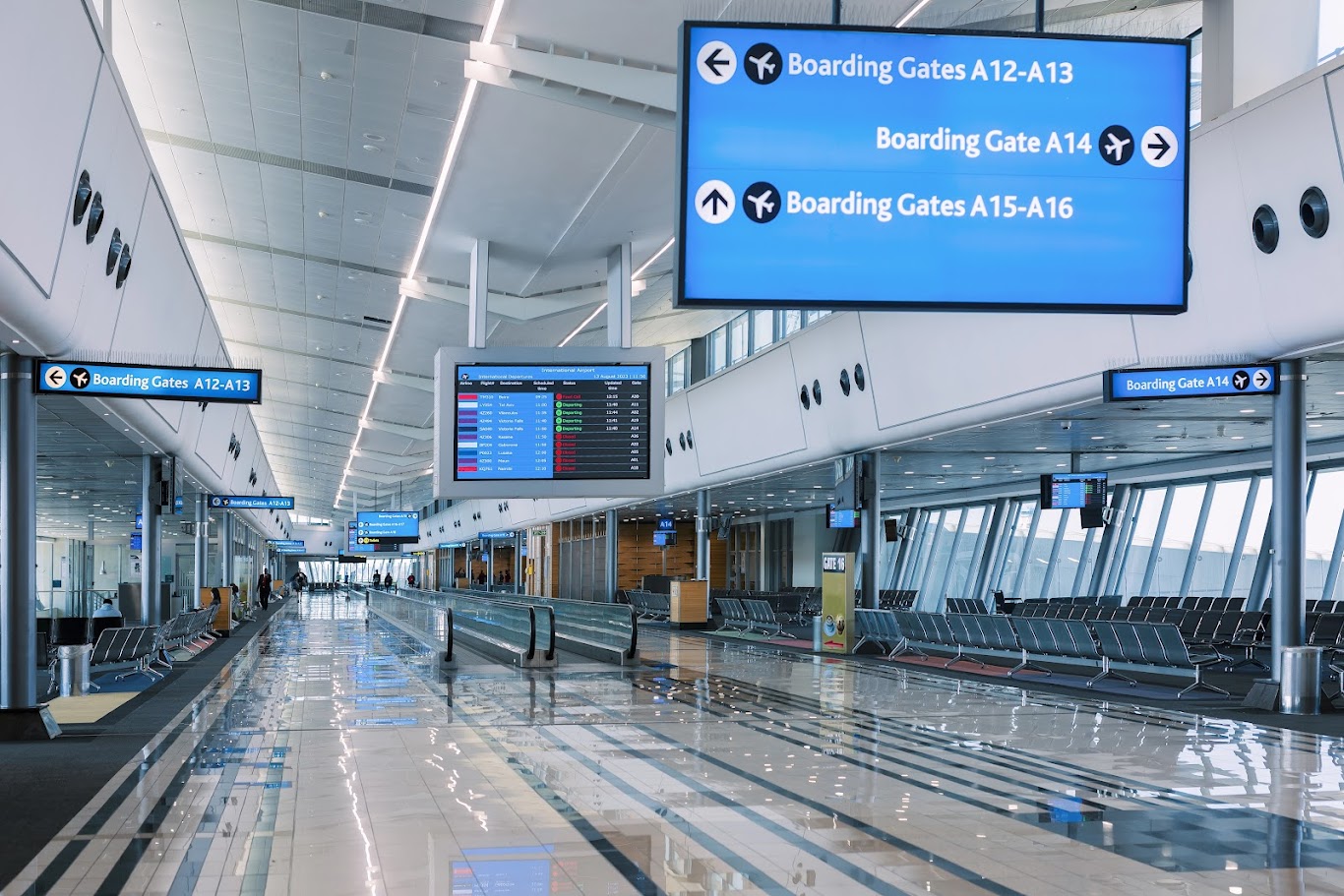
For destinations without direct flights, passengers are required to take connecting flights. So, what exactly is a connecting flight, and what should you keep in mind during the transit period? Let’s explore Vietjet’s useful tips for both domestic and international connecting flights to ensure your journey is as smooth as possible!
1. What is a Connecting Flight?
A connecting flight, also known as a transit flight, refers to a journey where you must stop at an intermediate airport before reaching your final destination. Instead of flying straight through, you’ll disembark at a transit airport, complete necessary procedures, and board another flight to continue your trip.
Typically, connecting flight tickets are cheaper than direct flight tickets. If your schedule is flexible, choosing a connecting flight can help you save on travel costs. However, you should carefully check the transit duration and layover times of different airlines to select routes with fewer connections and convenient schedules.
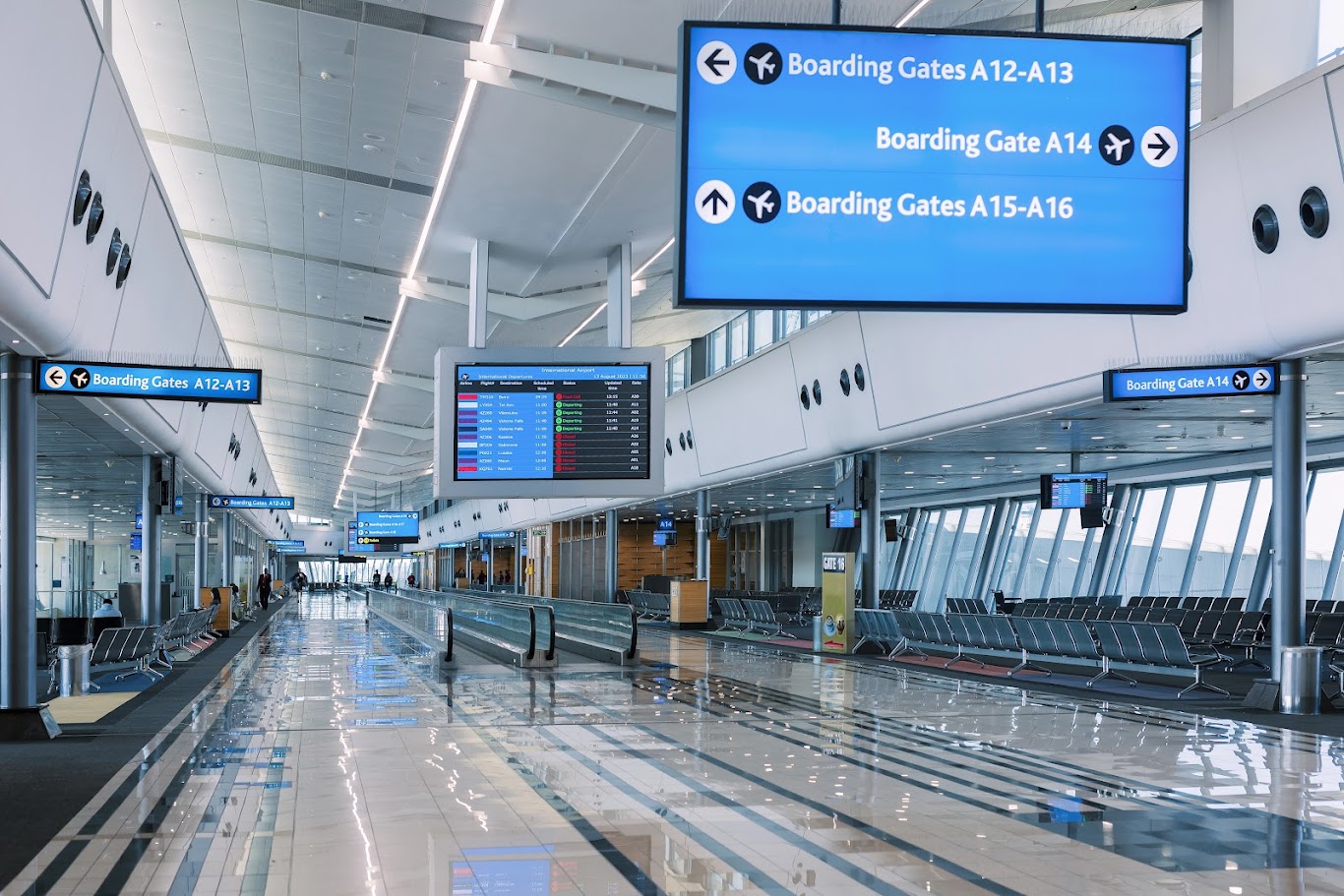
If your schedule is flexible, you can choose connecting flights to save on expenses.
2. Types of Connecting Flights Operated by Airlines
2.1 Domestic Connecting Flights
Domestic connecting flights operate within a single country, with at least one intermediate stop. Most domestic routes are direct, but in some cases, connecting flights may be necessary — for example, when there’s no direct route available, when connecting flights are cheaper, or when you want to explore a stopover destination.
Example: If you want to travel from Hanoi to Ho Chi Minh City, but there’s no direct flight, you can choose a connecting route such as Hanoi – Da Nang – Ho Chi Minh City.
Current domestic connecting routes include:
Departure | Transit Airport | Destination |
Nha Trang, Buon Ma Thuot, Thanh Hoa, Hue, Da Nang, Phu Quoc, Dien Bien, Da Lat, Con Dao, Can Tho, Ca Mau, Vinh, Pleiku, Hai Phong, Dong Hoi, Rach Gia, Quy Nhon, Tuy Hoa, Chu Lai, Van Don | Noi Bai Airport / Tan Son Nhat Airport | Nha Trang, Buon Ma Thuot, Thanh Hoa, Hue, Da Nang, Phu Quoc, Dien Bien, Da Lat, Con Dao, Can Tho, Ca Mau, Vinh, Pleiku, Hai Phong, Dong Hoi, Rach Gia, Quy Nhon, Tuy Hoa, Chu Lai, Van Don |
2.2 International Connecting Flights
An international connecting flight involves traveling between different countries, with at least one stop in another nation. Although connecting flights take more time than direct ones, connecting flight tickets are generally cheaper — especially on international routes. Moreover, passengers may get the opportunity to explore a new country during the layover.
To make your international connecting flight more enjoyable, Vietjet recommends checking the following information:
- Connecting flight combinations for International–Domestic routes:
Departure | Transit Airport | Destination |
India, South Korea, Japan, Taiwan, Singapore, Malaysia, Thailand, Indonesia, Hong Kong, Australia, Cambodia, Shanghai, Laos, Chengdu | Noi Bai / Tan Son Nhat / Da Nang Airports | All domestic airports in Vietnam |
- Connecting flight combinations for Domestic–International routes:
Departure | Transit Airport | Destination |
All domestic airports in Vietnam | Noi Bai / Tan Son Nhat / Da Nang Airports | India, South Korea, Japan, Taiwan, Singapore, Malaysia, Thailand, Indonesia, Hong Kong, Australia, Cambodia, Shanghai, Laos, Chengdu |
- Connecting flight combinations for International–International routes:
Departure | Transit Airport | Destination |
India, South Korea, Japan, Taiwan, Singapore, Malaysia, Thailand, Indonesia, Hong Kong, Australia, Cambodia, Shanghai, Laos, Chengdu | Noi Bai / Tan Son Nhat / Da Nang Airports | South Korea, Japan, Taiwan, Singapore, Malaysia, Thailand, Indonesia, Hong Kong, Australia, India, Cambodia, Shanghai, Laos, Chengdu |
For more information about Vietjet’s connecting flight services, visit Vietjet’s connecting flight guide.
3. Essential Connecting Flight Tips You Should Know
Sometimes, unexpected issues can arise during a connecting flight, especially if you’re new to the process. Here are some valuable connecting flight tips from Vietjet to help make your journey smoother:
3.1 Double-check your flight information
To ensure a seamless experience, the first thing you should do is verify the details of your connecting flight. Each flight segment will have a unique flight number, so knowing your next flight’s information helps you stay organized and avoid unnecessary confusion or delays.
3.2 Study the airport layout carefully
Being familiar with the airport layout is crucial when taking connecting flights. You can print the airport map from its official website, use mobile apps, or refer to the in-flight magazine. Pay special attention to key areas such as entry gates, check-in counters, security checkpoints, and boarding zones. Follow airport signs closely and don’t hesitate to ask staff for help. If possible, research your transit airport in advance for the best preparation.
3.3 Calculate Connecting Flight Time to Avoid Missing Flights
Accurately calculating your connecting flight time is crucial to ensure you don’t miss your next flight. If you purchase a connecting flight ticket from an airline, the airline usually factors in sufficient time for your next check-in process — so you can rest assured. You can also verify the timing and details of your connecting routes through the airline’s official website or authorized ticket agents.
If you purchase separate tickets for different flight segments, make sure to allow enough safe transit time for accurate scheduling.
Domestic connecting flights: Allocate at least 1 hour 30 minutes to complete check-in and boarding procedures. However, if you’re traveling during peak hours or through a busy airport, plan for additional buffer time.
International connecting flights: Allow at least 3 hours to go through customs, immigration, and find your next boarding gate. For countries with stricter entry regulations, you may need even more time.

Carefully calculate your connecting time to ensure a smooth travel experience.
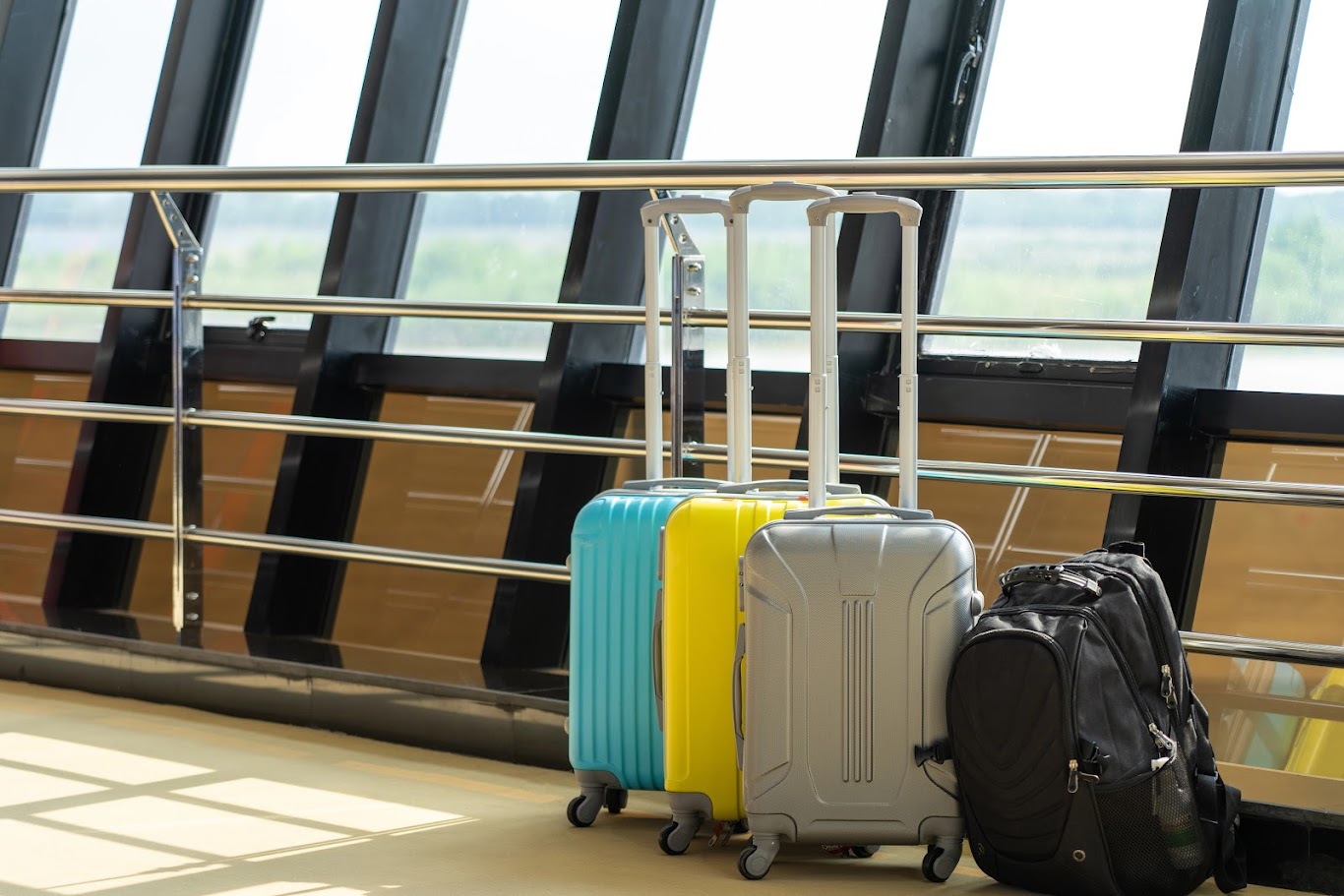
3.4 Keep Your Luggage Safe
For domestic connecting flights, layovers are usually shorter than on international routes. However, regardless of duration, it’s essential to stay alert to prevent luggage loss or confusion at the airport.
3.5 Check Visa Requirements Throughout Your Journey
When planning a connecting flight, verifying visa requirements for transit countries is extremely important. Many countries require a transit visa, even if you’re only stopping for a short period. If your journey includes a layover in another country, you can check transit visa requirements through that country’s embassy website in Vietnam or consult your airline for guidance.
3.6 Prepare for Overnight Airport Layovers (If Any)
For some international connecting flights that require overnight stays at the airport, you should bring a neck pillow, jacket, and a thin blanket, as airports can get quite cold at night. If you plan to rest in the waiting area, choose a well-lit and busy spot for safety.
4. Frequently Asked Questions About Connecting Flights
4.1 Do I Need a Visa for a Connecting Flight?
Each country has different regulations regarding transit visas. If you’re only passing through the airport to reach your final destination, you usually don’t need one. However, if you plan to leave the airport for sightseeing or immigration, a visa is required.
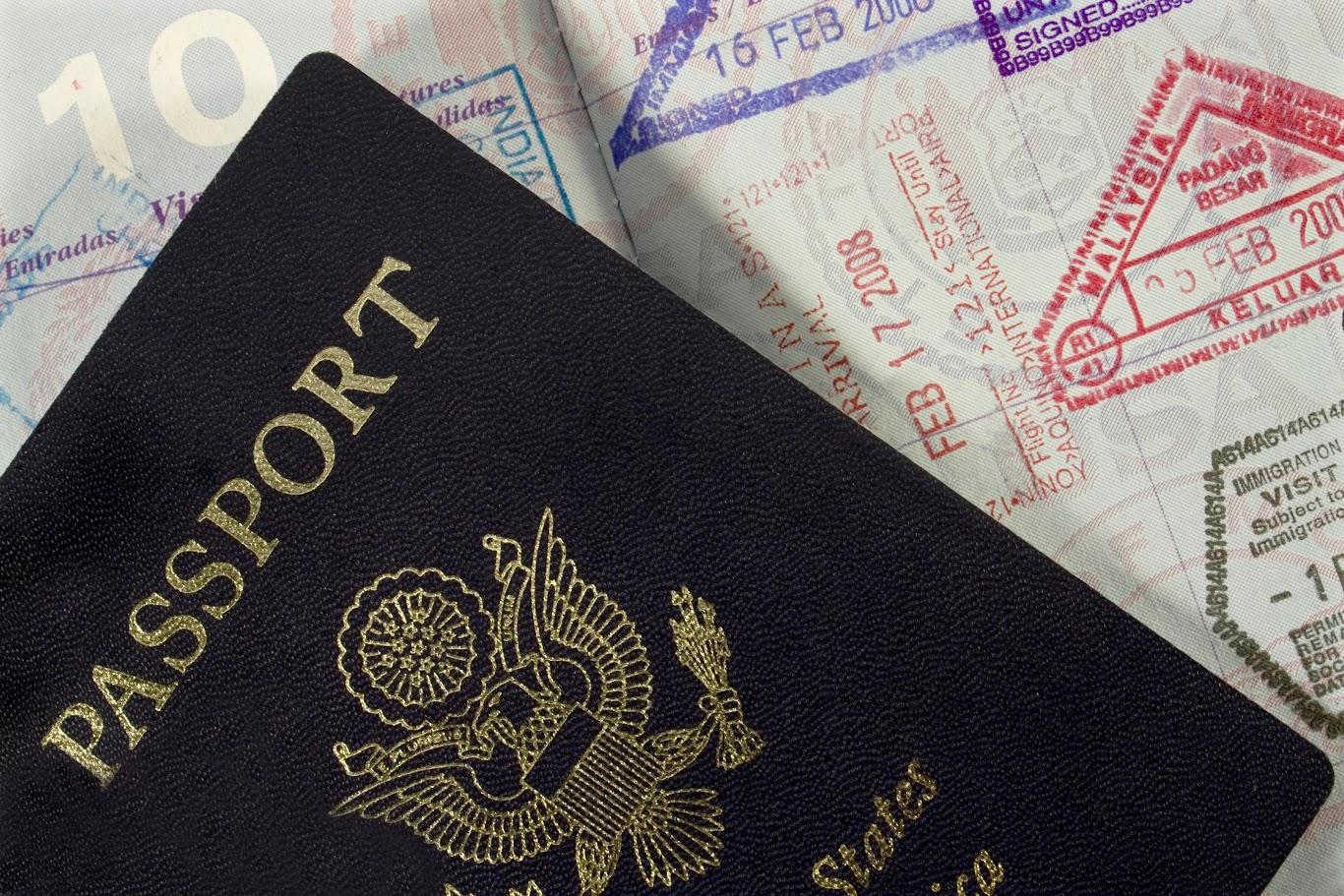
If you stay inside the airport and wait for your next flight, no visa is required.
4.2 Do I Need to Collect My Luggage During a Connecting Flight?
In most cases, if your connecting flights are booked under the same airline and your layover is under 24 hours, your luggage will be transferred automatically to your final destination. You won’t need to claim it during the layover.
4.3 Can I Leave the Airport During a Layover?
In some cases, you can leave the airport during a layover, but it depends on multiple factors — particularly whether it’s a domestic or international connection and the airport’s regulations. For domestic connecting flights, you can usually leave the airport if you have valid identification and comply with airport rules. For international connecting flights, whether you can leave depends on the transit country’s visa policy. Some countries require a transit visa, while others may allow short-term exits without one.
However, if you’re new to connecting flights, it’s better to stay at the airport to avoid missing your next flight.
4.4 What If My First Flight Is Delayed or I Miss the Next One?
Flight delays or missed connections are among the most frustrating experiences when traveling. If your connecting flights are booked under the same airline, the airline is responsible for rearranging your travel schedule in case of a delay. However, if you purchased connecting flights from different airlines, you may not be eligible for such support.
4.5 Where to buy cheap connecting flight tickets?
Finding affordable connecting flights is now easier thanks to modern online booking platforms. In addition to other airlines, you can find budget connecting flight deals directly with Vietjet, which regularly offers domestic and international connecting routes at discounted rates with attractive promotions.
You can even hunt for 0 Dong connecting flight tickets from Vietjet to minimize travel costs. Check details HERE.
To make your connecting journey more affordable, don’t miss your chance to grab 0 Dong flight tickets from Vietjet!
With these detailed domestic and international connecting flight tips, you should now have all the essential information for planning your upcoming journey. We hope this guide helps you enjoy a smoother, more cost-effective, and worry-free travel experience.
See more: Connecting Flight Procedures
For advice and to book connecting flights at the best rates, stay updated with the latest promotions and ticket prices through Vietjet’s official channels.
- Fanpage: https://www.facebook.com/vietjetvietnam
- YouTube: https://youtube.com/c/VietjetOfficial
- TikTok: https://www.tiktok.com/@vietjetvietnam
- Instagram: https://instagram.com/vietjet
- Zalo: https://oa.zalo.me/vietjet