Booking
 Skyshop
 Hotel
Hotel
 E-Voucher
 E-Sim
E-Sim
 E-Visa
 Buy foreign currency
 Insurance
 SkyJoy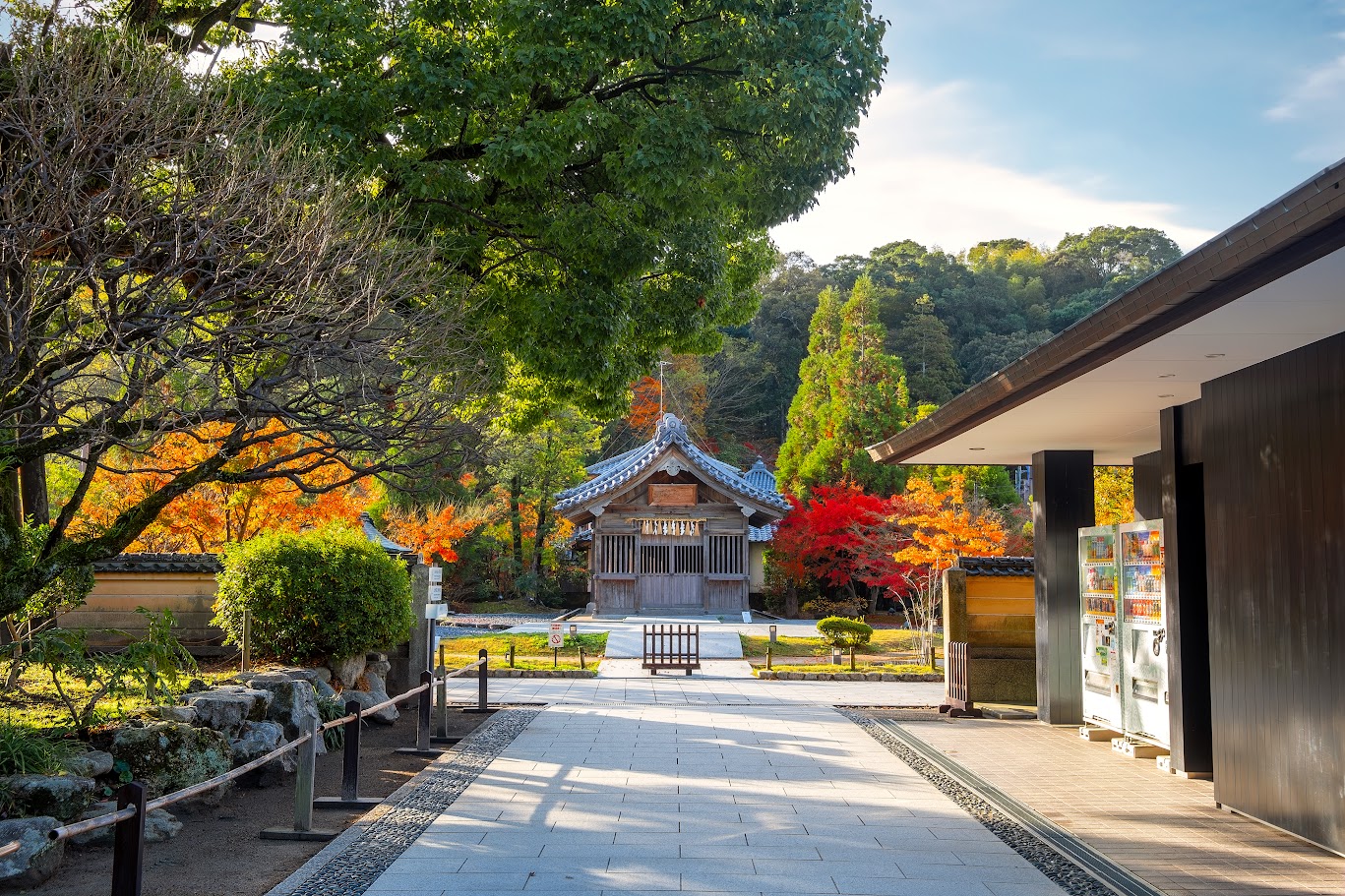
When it comes to Japan, travelers often think first of the dazzling metropolis of Tokyo or the ancient streets of Kyoto. But few notice that, in the northern part of Kyushu Island, there lies Fukuoka—a destination both unassuming and irresistibly appealing. This city doesn’t flaunt itself, but gradually unveils its allure through street corners fragrant with tonkotsu ramen, shrines tucked away in serene spaces, and the gentle sound of waves lapping at the shore.

Fukuoka is where travelers can distinctly feel the blend of modern life, historical imprints, and Japan’s stunning natural landscapes.
1. Fukuoka – the “Mediterranean of the Land of the Rising Sun”
1.1 Where is Fukuoka?
Fukuoka is located in the northern part of Kyushu Island and serves as the capital of Fukuoka Prefecture. With its unique geography, Fukuoka is surrounded by mountains on three sides and opens to the Genkai Sea to the north, creating a harmonious mountain-and-sea natural landscape.
This city lies approximately 1,100 km southwest of Tokyo and only about 214 km from Busan (South Korea), making it an important gateway connecting Japan with other Asian countries, especially South Korea and China.
Additionally, thanks to Fukuoka International Airport and the bustling Hakata Port, this city is an ideal destination for those who wish to explore Japan from a different perspective—combining modernity with a rich historical heritage.
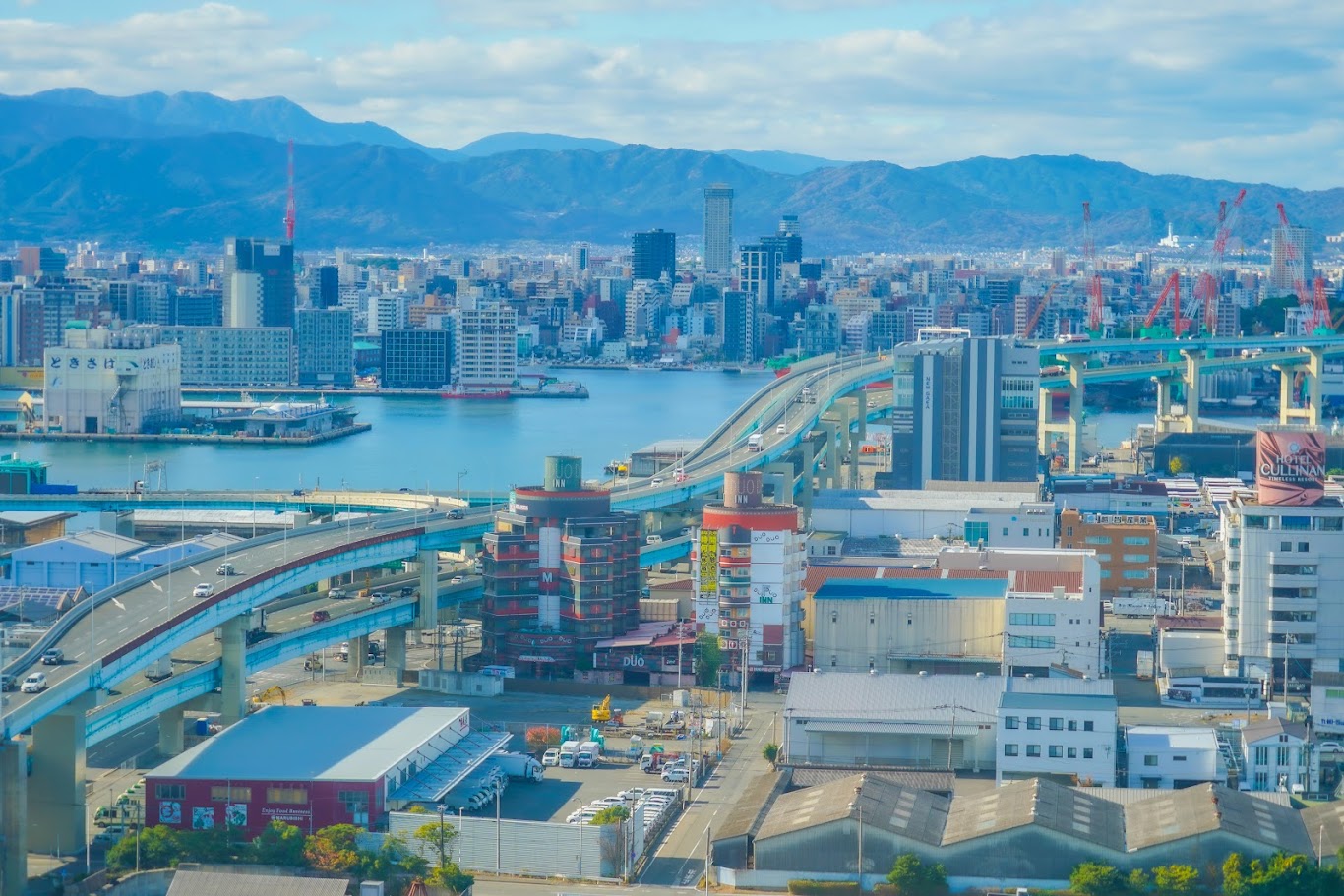
Fukuoka, Japan, is an attractive travel destination with a stunning coastal location, a pleasant climate, and a rich cultural heritage.
Book your flight to Japan today, starting from just VND 890,000 to enjoy the beauty of Fukuoka!
1.2 Does Fukuoka have snow?
With a humid subtropical climate, Fukuoka is known for hot, humid summers and relatively mild winters. The annual average temperature hovers around 16–17 °C. The rainy and typhoon season in Fukuoka typically lasts from June to September.
In winter, temperatures in Fukuoka rarely drop below 0 °C. Snowfall is not a common phenomenon here, unlike in northern regions of Japan such as Hokkaido or the Tōhoku area, where heavy snow is typical.
However, Fukuoka is not entirely without snow. On the coldest days of the year—usually in January or February—the city may experience light snowfall, but the amount is very small and melts quickly, not enough to accumulate into a thick covering.
With its mild climate, Fukuoka feels reminiscent of the Mediterranean, where winters are not too harsh and summers are filled with warm sunshine. This is also why the city is called the “Mediterranean of the Land of the Rising Sun.”
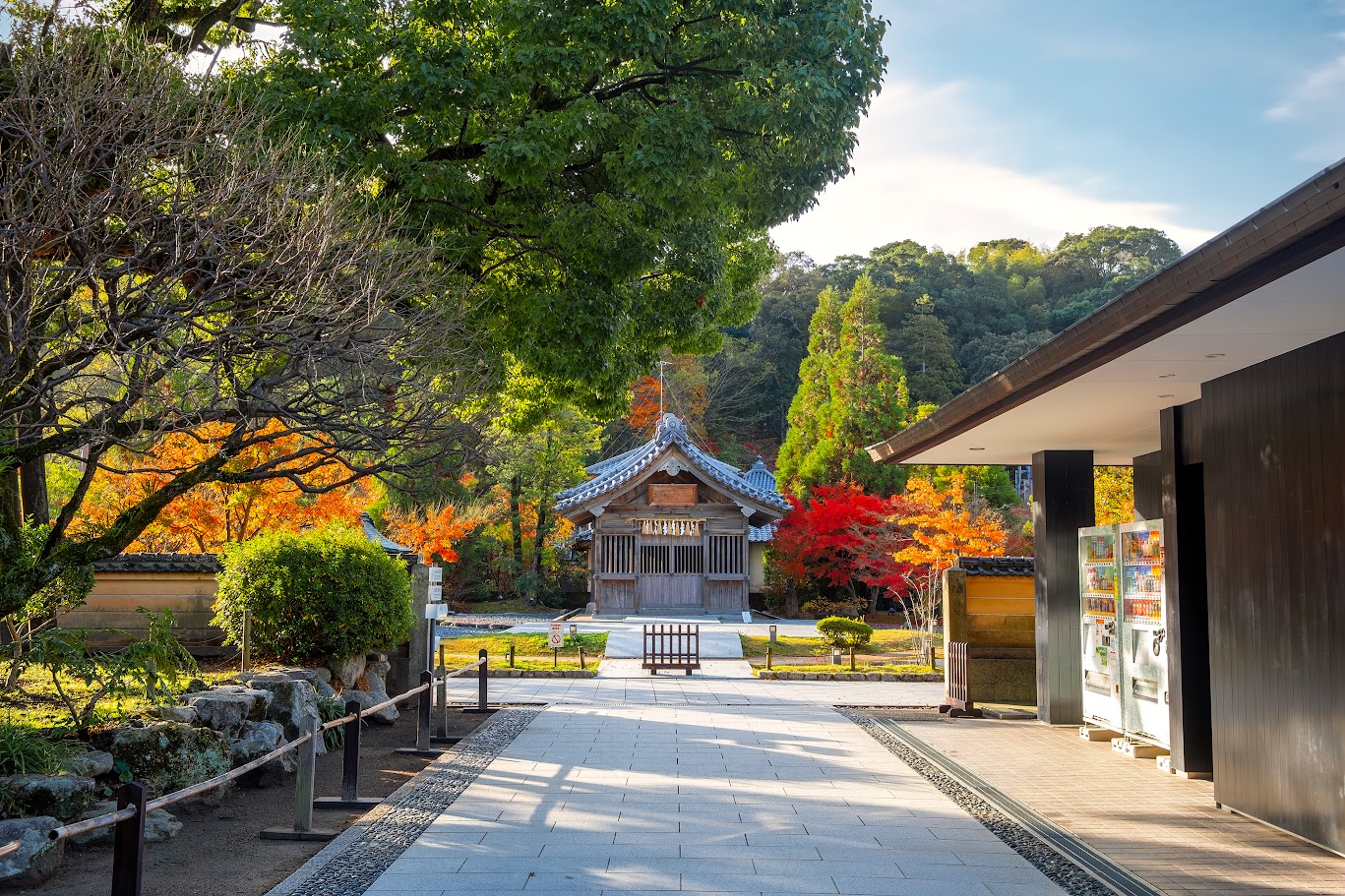
Travelers who wish to avoid Japan’s biting winter cold yet still enjoy its natural beauty often choose Fukuoka.
1.3 Does Fukuoka experience earthquakes?
Compared to other regions of Japan, Fukuoka is considered relatively safe in terms of seismic activity. The city is seldom affected by major earthquakes. One of the most notable quakes in Fukuoka occurred on March 20, 2005, registering a magnitude of 7.0 on the Richter scale, with its epicenter located in the Genkai Sea about 30 km off Fukuoka’s coast.
Although significant earthquakes are uncommon, residents and local authorities remain vigilant, enforcing strict building codes to ensure structures can withstand seismic shocks, along with evacuation plans and public awareness campaigns.
See also: Latest requirements and procedures for applying for a Japanese tourist visa
2. What is Fukuoka famous for?
2.1 Signature cuisine?
Fukuoka is a culinary paradise where visitors can savor quintessential Japanese flavors that are hard to resist. The most famous dish is tonkotsu ramen—a milky-white pork-bone broth simmered for hours to achieve a rich, creamy taste. What sets Fukuoka’s tonkotsu ramen apart is its pairing with firm, thin noodles, typically served with pickled bamboo shoots, green onions, and sliced pork.
Beyond ramen, Fukuoka is renowned for its yatai culture—street food stalls that emerge each evening. Fresh seafood from the Genkai Sea further enriches Fukuoka’s dining scene, with dishes such as sashimi, sushi, and salt-grilled mackerel all bursting with the flavor of the nearby ocean.
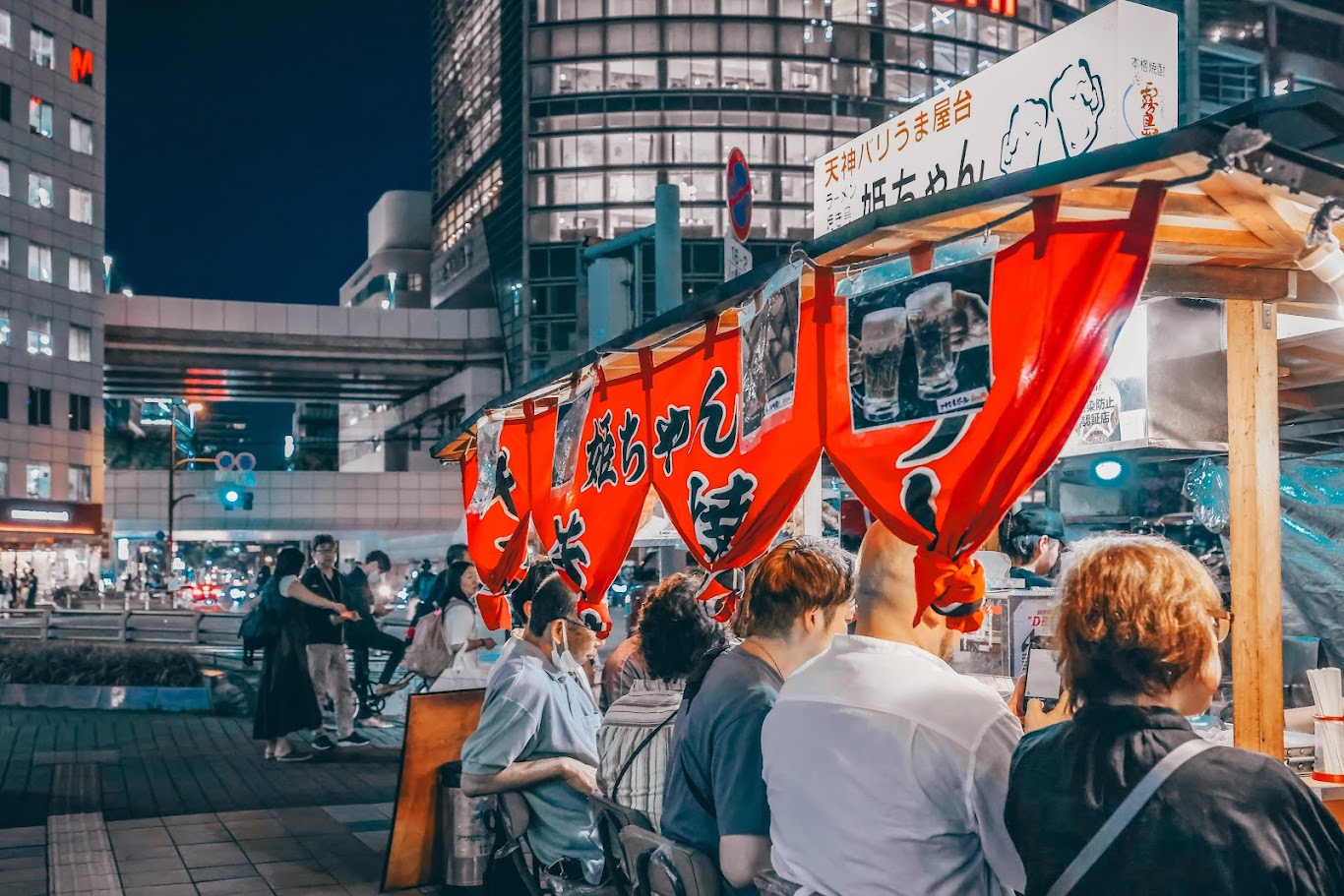
Fukuoka’s cuisine is not only delicious but also reflects the locals’ warm and open-minded lifestyle.
2.2 Traditional festivals
Fukuoka hosts vibrant, meaningful traditional festivals that attract both locals and travelers. The most prominent is Hakata Gion Yamakasa, held each early July in the Hakata district. This festival has a history of over 700 years, originating from a ritual to pray for protection against epidemics.
Another notable event is the Dazaifu Tenmangu Shrine Festival, held at Dazaifu Tenmangu in September or October, depending on the lunar calendar. It honors Sugawara no Michizane—the god of scholarship in Japanese belief—with traditional ceremonies, processions, and folk art performances.
2.3 Majestic natural scenery
Fukuoka boasts diverse natural landscapes, from the expansive sea to rolling mountains. Momochi Beach, located in the city center, is ideal for sunset viewing. Nearby, Fukuoka Tower—the tallest seaside tower in Japan—offers panoramic city views.
For mountain exploration, Mt. Hiko (Hikosan) in eastern Fukuoka Prefecture is a must-visit. At over 1,200 meters high, it’s renowned for Shinto shrines perched on cliff faces and lush maple and pine forests. Ohori Park, with its tranquil large pond, historic arched stone bridge, and tree-lined promenades, is perfect for jogging or relaxation.
3. Must-visit tourist spots in Fukuoka
3.1 Dazaifu Tenmangu Shrine
Dazaifu Tenmangu is one of Fukuoka’s most famous Shinto shrines, built to honor Sugawara no Michizane—a Heian-period scholar and statesman. The shrine draws many students who pray for academic success, especially during exam season. Its grounds feature a scenic pond, a red arched bridge, and rows of plum trees in full bloom each spring.
- Address: 4-7-1 Saifu, Dazaifu City, Fukuoka Prefecture 818-0117, Japan
- Opening hours: Grounds: 6:30 – 19:00 (may open up to 30 minutes earlier or close up to 30 minutes later on special holidays or events)
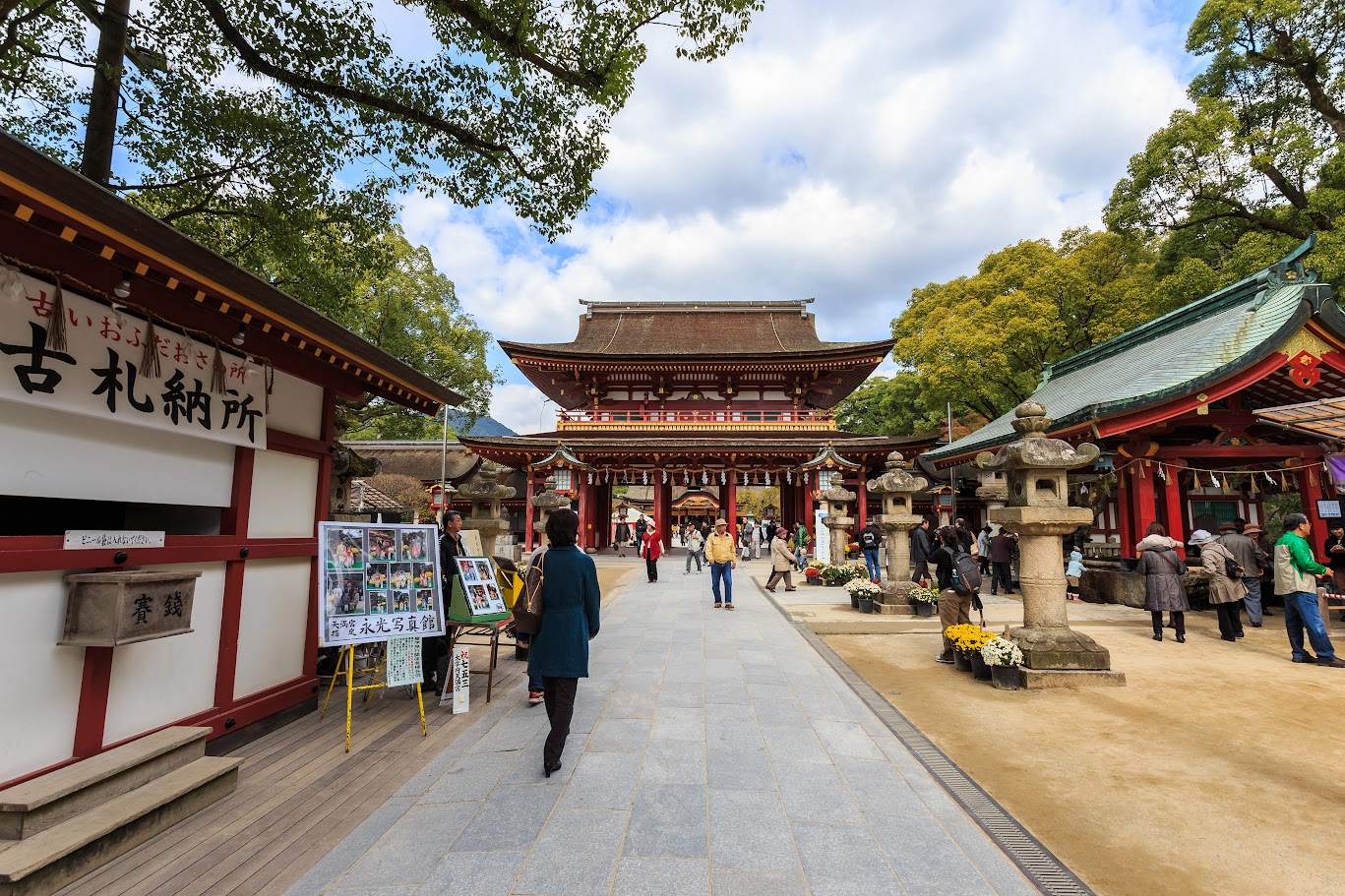
Dazaifu Tenmangu Shrine is the perfect spot to experience traditional Japanese culture.
3.2 Fukuoka Tower
Fukuoka Tower is the tallest seaside tower in Japan (234 m) and a modern icon of the city. From the observation deck at 123 m, you can take in panoramic views of Fukuoka, including Hakata Bay and its surroundings—especially stunning at night when the city lights up. With its romantic atmosphere, the tower is a favorite destination for couples and hosts seasonal events such as Christmas and light festivals.
- Address: 2-3-26 Momochihama, Sawara-ku, Fukuoka City, Fukuoka Prefecture 814-0001, Japan
- Opening hours: 9:30 – 22:00
3.3 Canal City Hakata
Canal City Hakata is a unique shopping and entertainment complex featuring a modern design centered around an artificial canal. It houses hundreds of shops, a cinema, a theater, restaurants, and an outdoor performance area. It’s the ideal spot for shopping, dining, and soaking up Fukuoka’s vibrant atmosphere.
- Address: 1-2 Sumiyoshi, Hakata-ku, Fukuoka City, Fukuoka Prefecture 812-0018, Japan
- Opening hours: 10:00 – 23:00
3.4 Ohori Park
Ohori Park is known as a green oasis in the heart of the city, famous for its large central pond. It’s most beautiful during cherry blossom season (sakura) and autumn foliage. Visitors can stroll, jog, cycle around the lake, or rent a boat to relax on the water.
- Address: 1-2 Ohorikoen, Chuo-ku, Fukuoka City, Fukuoka Prefecture 810-0051, Japan
- Opening hours: Open 24/7
3.5 Fukuoka Castle Ruins
Also called Maizuru Castle, the Fukuoka Castle ruins remain a fascinating historical site in Fukuoka, Japan. Built in the 17th century by Lord Kuroda Nagamasa, it was once the region’s seat of power. Today, you can explore the remaining stone walls and turret foundations and enjoy city views from the heights of the ruins.
- Address: Jonai, Chuo-ku, Fukuoka City, Fukuoka Prefecture 810-0043, Japan
- Opening hours: Open 24/7
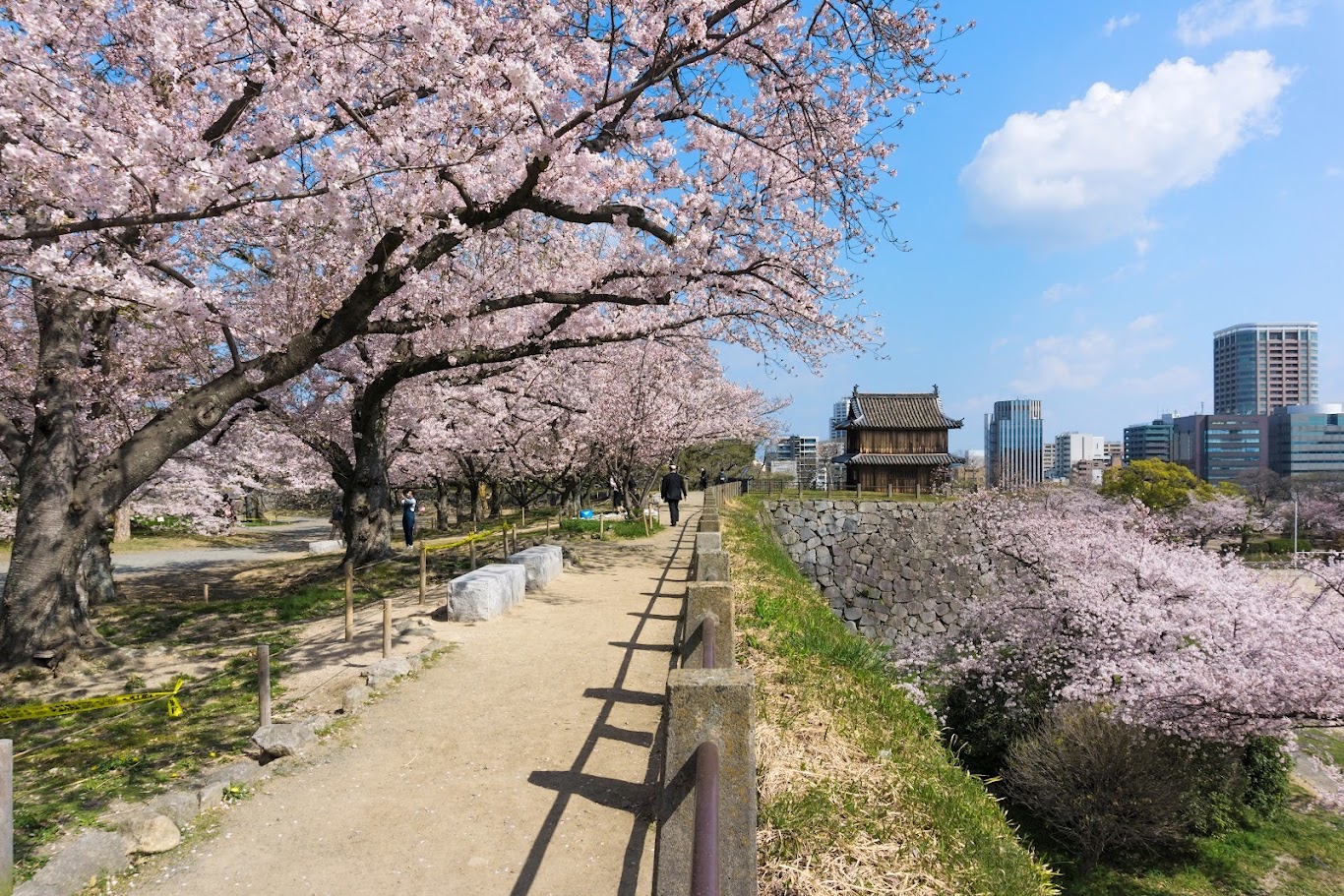
In cherry blossom season, Fukuoka Castle becomes one of the best spots to view sakura in the city.
3.6 Nokonoshima Island
Nokonoshima Island sits in Hakata Bay, just a 10-minute ferry ride from central Fukuoka. This small island is renowned for its stunning natural beauty, especially Nokonoshima Island Park, where flowers bloom year-round—rapeseed blossoms in spring, carnations in summer, and more. Visitors can walk or cycle the trails, savor fresh seafood, or simply relax in the peaceful surroundings, far from the city’s hustle and bustle.
- Address: Noko, Nishi-ku, Fukuoka City, Fukuoka Prefecture 819-0012, Japan
- Opening hours: Nokonoshima Island Park: 9:00 – 17:30 (closes at 17:00 during winter)
See also: Breathtaking must-see spots across Japan
Undoubtedly, Fukuoka is a city where tradition and modernity converge a must-visit destination for any travel enthusiast in Japan. Let your journey to Fukuoka become an unforgettable adventure, where you’ll savor the culture, cuisine, and moments that stay with you forever. Don’t hesitate book your Vietjet flight to Fukuoka today to begin your exploration of this fantastic city. “Be sure to check Vietjet’s daily 0-dong domestic and international fare promotions from 12:00 to 14:00 to enjoy the best deals. See details HERE.”
Follow Vietjet for the latest travel information!
- Facebook: https://www.facebook.com/vietjetvietnam
- Instagram: https://instagram.com/vietjet
- YouTube: https://www.youtube.com/VietjetOfficial
- TikTok: https://www.tiktok.com/@vietjetvietnam
- Zalo: https://oa.zalo.me/vietjet