Booking
 Skyshop
 Hotel
Hotel
 E-Voucher
 E-Sim
E-Sim
 E-Visa
 Buy foreign currency
 Insurance
 SkyJoy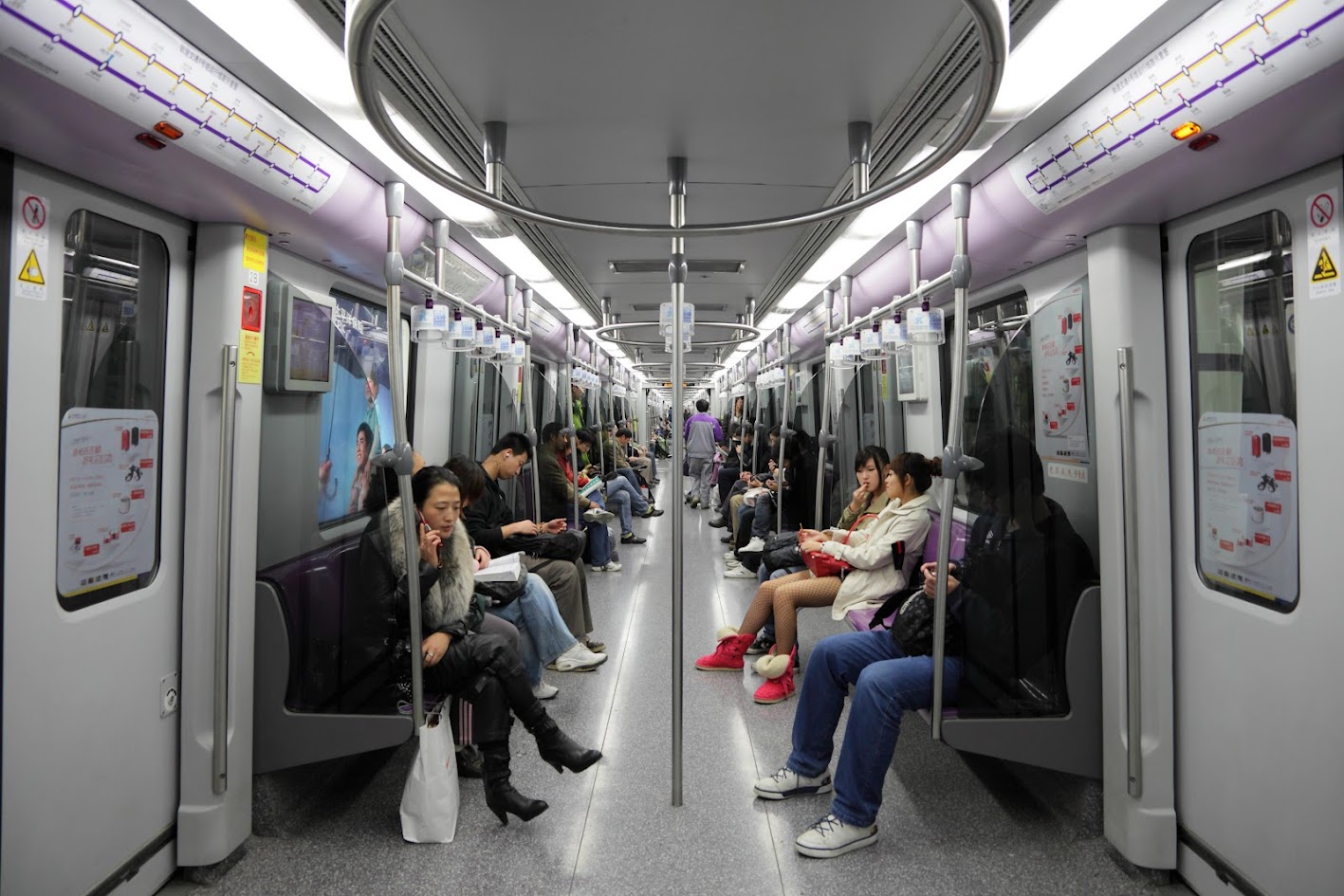
China’s subway system is one of the fastest-growing and largest public transit networks in the world, serving millions of passengers daily in major cities. It is not only an essential means of transportation but also an integral part of urban life in China.
1. Overview of the System and Chinese Subway Maps
China's subway system spans across numerous major cities. Each city has its own subway network designed to meet residents' travel needs and reduce traffic congestion.
- Beijing: The Beijing Subway is one of the largest in the world, with over 20 lines and more than 700 km of tracks.
- Shanghai: The Shanghai Metro is also highly developed, with over 400 km of tracks and dozens of lines covering nearly the entire city.
- Guangzhou and Shenzhen: These are two key economic hubs in southern China, with well-developed subway systems that serve millions of passengers daily.
The subway is a popular and widely-used mode of transportation in China.
Chinese subway stations are often equipped with modern facilities such as automatic ticket machines, contactless payment systems (like IC cards or bank cards), free Wi-Fi, and other amenities like shops, restrooms, and waiting areas.
Operating hours typically range from around 5:30 AM to 11:30 PM, with high train frequency, especially during peak hours. Specific times may vary depending on the city and the line.
2. Payment Methods for Riding the Subway in China
When using the subway in China, travelers can choose from various convenient and flexible payment methods. Below are some common ways to pay for subway rides:
2.1 IC Cards (Transport Cards)
IC cards are smart transport cards that can be preloaded with funds and used across multiple public transit modes, including subways, buses, and even taxis in some areas. Popular IC cards in major cities include:
- Beijing Yikatong Card: Used in Beijing.
- Shanghai Public Transportation Card: Used in Shanghai.
- Lingnan Pass: Used in Guangzhou and neighboring cities.
- Shenzhen Tong Card: Used in Shenzhen.
IC cards can be recharged at automatic machines in subway stations, convenience stores, or through mobile apps.
2.2 QR Codes and Mobile Apps
With the rise of technology and mobile payments, many cities in China have integrated QR code payment options and mobile apps. Popular apps like WeChat Pay and Alipay are convenient and help reduce waiting time when purchasing tickets.
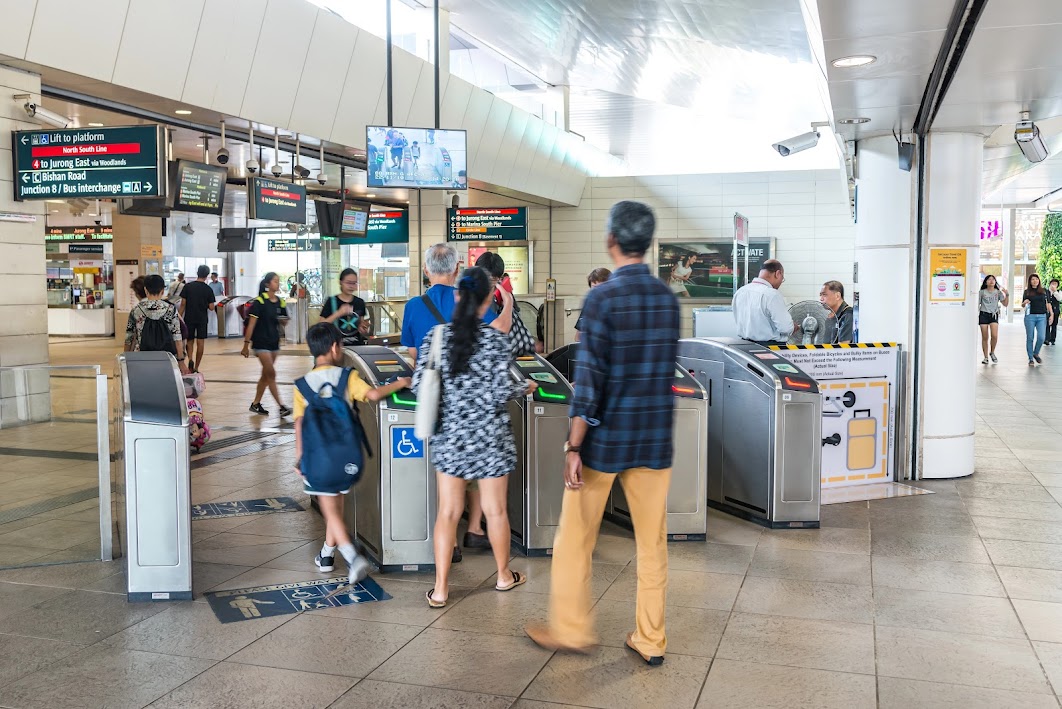
People can ride the Chinese subway using IC cards.
2.3 Paper Tickets
Although becoming less common, paper tickets are still used in some cases, such as by tourists or those who do not regularly use the subway system. Paper tickets can be purchased at automatic ticket machines or ticket counters in subway stations.
2.4 Bank Cards and Credit Cards
Some subway systems allow payments via bank cards or credit cards with NFC (Near Field Communication) technology by tapping the card at the entrance gate for payment.
2.5 Local Transit Apps
In addition to popular payment apps, some cities also have dedicated transit apps that allow payments and trip planning, such as Metro Man or China Metro.
These payment methods not only provide convenience for passengers but also contribute to the development of a more intelligent and efficient public transit system.
3. Subway Ticket Prices in China
Subway ticket prices in China typically depend on the city, travel distance, and the type of service you choose. Many cities also offer discounts or free tickets for specific groups such as the elderly, students, and people with disabilities.
Prices are regularly updated and may include promotions or special policies during holidays or significant events.
Here’s a breakdown of ticket prices in some major cities:
3.1 Beijing
In Beijing, the subway system uses a distance-based fare structure. The base fare is 3 RMB (approximately 10,000 VND) for journeys under 6 km. After that, the fare increases based on the travel distance.
3.2 Shanghai
Like Beijing, Shanghai also uses a distance-based fare structure:
- 3 RMB (10,000 VND) for the first 6 km.
- An additional 1 RMB (3,500 VND) for every 4 km between 6 and 16 km.
- An additional 1 RMB (3,500 VND) for every 6 km between 16 and 40 km.
- An additional 1 RMB (3,500 VND) for every 8 km after 40 km.
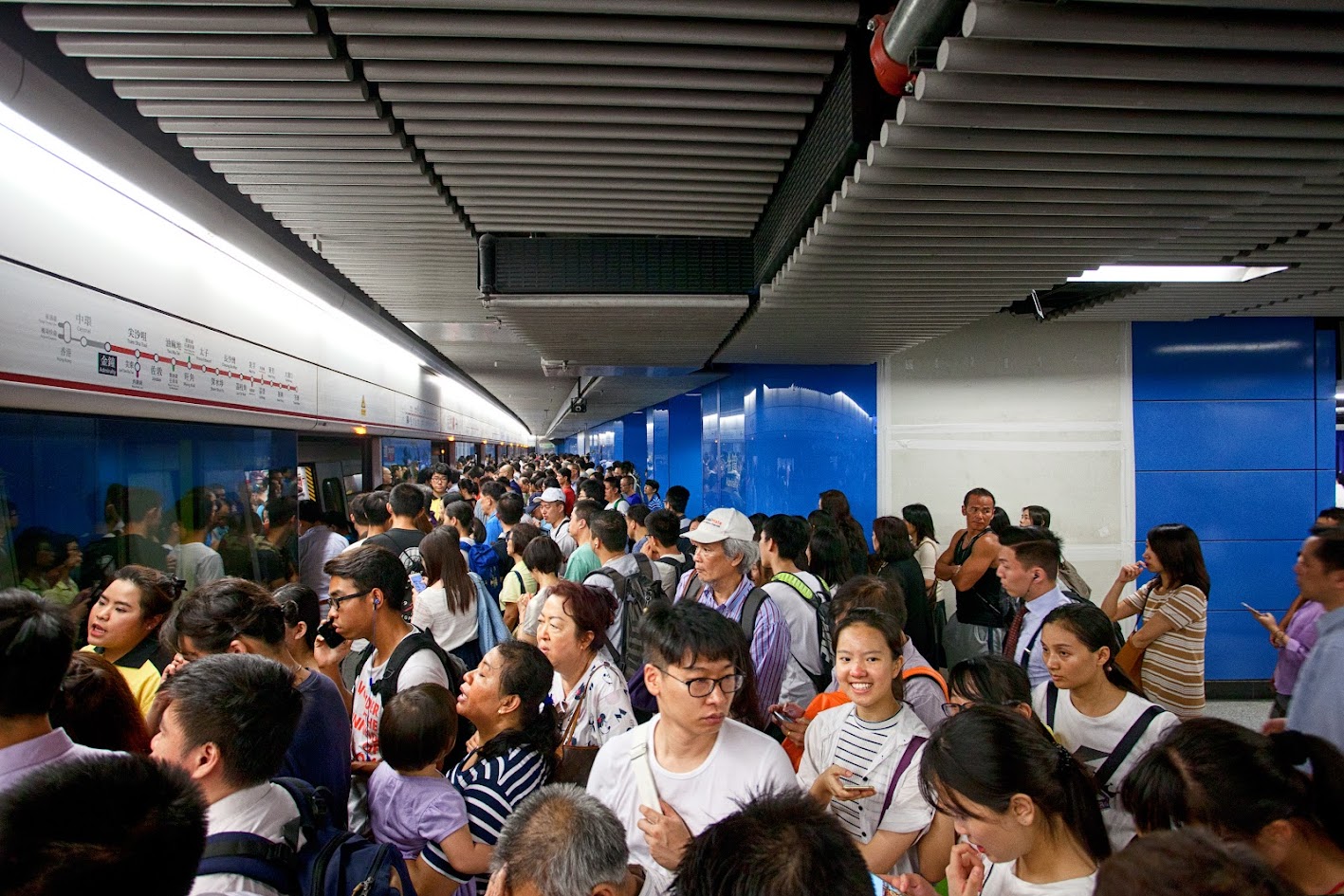
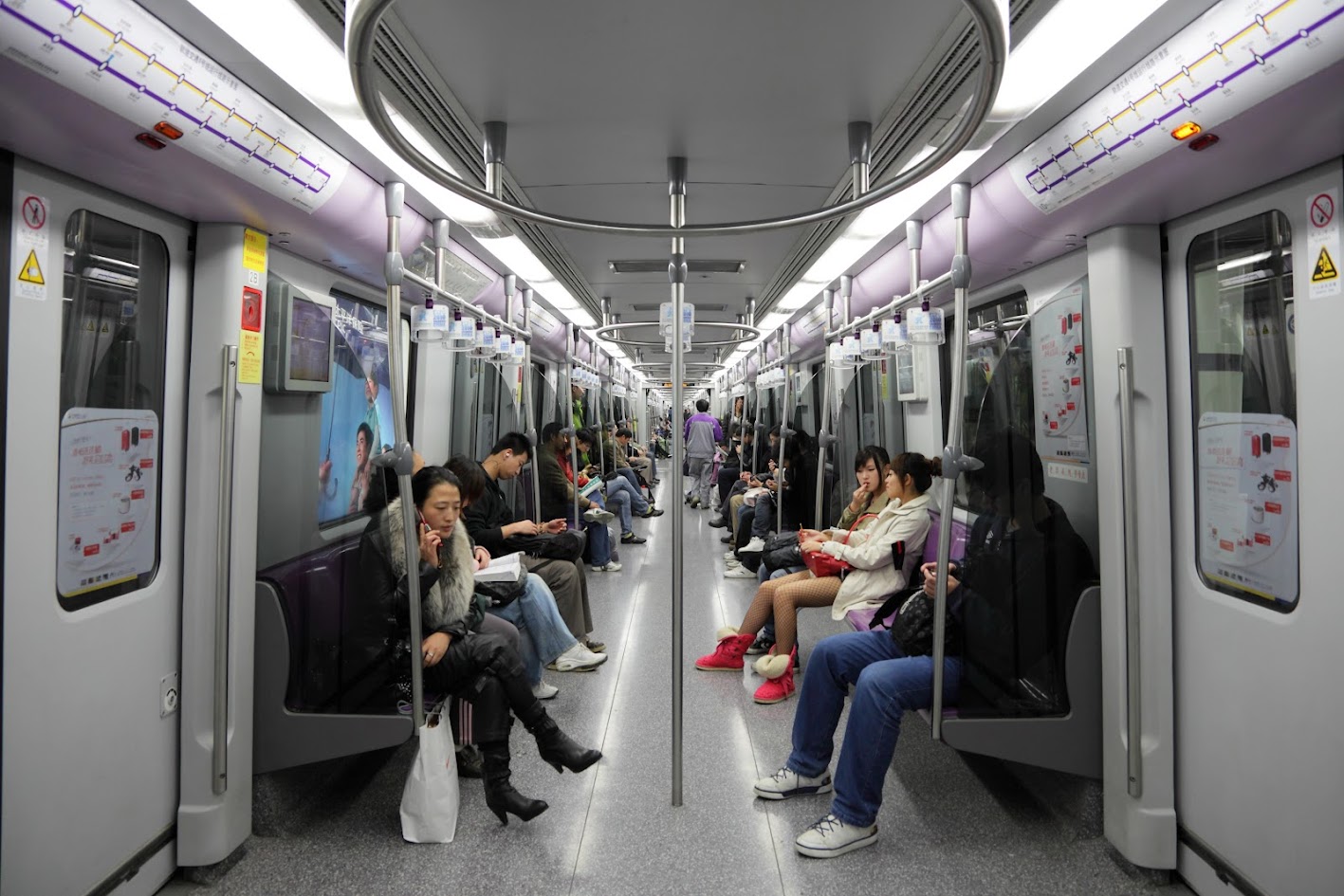
During peak hours, the number of people taking the subway in China increases significantly.
3.3 Guangzhou
Guangzhou’s subway system also calculates fares based on distance:
- 2 RMB (7,000 VND) for the first 4 km.
- An additional 1 RMB (3,500 VND) for every 4 km between 4 and 12 km.
- An additional 1 RMB (3,500 VND) for every 6 km between 12 and 24 km.
- An additional 1 RMB (3,500 VND) for every 8 km after 24 km.
3.4 Shenzhen
In Shenzhen, fares are also distance-based:
- 2 RMB (7,000 VND) for the first 4 km.
- 3 RMB (10,000 VND) for 4-12 km.
- 4 RMB (14,000 VND) for 12-24 km.
- 5 RMB (17,000 VND) for 24-40 km.
- An additional 1 RMB (3,500 VND) for every 20 km thereafter.
4. Tips for Taking the Subway in China
Using subway maps and finding trains through mobile apps is a convenient way to navigate major cities in China. Visitors can choose apps such as Metro Man, China Metro, Gaode Maps, or Baidu Maps.
Tips for Using These Apps:
- Language: Some apps may only support Chinese, but popular apps like Metro Man, Gaode Maps, and Baidu Maps offer English support.
- Internet Connection: Ensure you have internet access so the apps can update the latest information on trains and routes.
- Offline Maps: Some apps allow you to download offline maps, enabling you to check information without an internet connection.
By using these apps, you can easily find subway maps, plan your trips, and get quick and convenient information on routes.
Learn More: Convenient and Cost-Effective Transportation Options in China
Additionally, travelers should follow luggage and signage regulations, be ready for security checks when necessary, plan their trips carefully, and avoid peak hours for the most comfortable travel experience.
The above guide and experiences with China’s subway system can be valuable for your upcoming trip. With this modern transportation option, your journey to explore this populous country will be more convenient and economical.
Moreover, if you book your flight to China well in advance with Vietjet, your trip could be even more cost-effective. Don’t forget to check out the 0 VND domestic and international flight promotions from 12:00 to 14:00 daily for the best ticket prices.
Discover more attractive promotions and useful travel information at: