Booking
 Skyshop
 Hotel
Hotel
 E-Voucher
 E-Sim
E-Sim
 E-Visa
 Buy foreign currency
 Insurance
 SkyJoy
South Korea has long been an attractive destination for Vietnamese travelers thanks to its unique culture, stunning landscapes, and rich cuisine. However, entering the Land of Kimchi is not always easy and requires careful preparation of necessary documents and procedures, especially those related to visa regulations.
In particular, in 2025, South Korea continues to update its entry policies to ensure security while facilitating international travelers. Therefore, understanding these updates will help your journey go smoothly and avoid unnecessary trouble at the airport.

South Korea is a dream destination for many Vietnamese travelers.
1. Visa Requirements and Entry Conditions for South Korea 2025
1.1 Overview of South Korea’s Visa Policy
South Korea’s visa policy is designed to regulate and support the entry process, ensuring national security while providing convenience for international tourists, investors, and workers.
In 2025, South Korea continues to maintain a flexible visa system suitable for different entry purposes such as tourism, business, study, family visits, or employment.
- Short-term visas: This is the most common visa type for short trips, usually under 90 days (e.g., C-3 visa for tourism or short business trips).
- Long-term visas: This group applies to individuals planning to stay in South Korea for an extended period for purposes such as studying, working, or permanent residence.
In addition, South Korea offers the K-ETA (Korea Electronic Travel Authorization) for citizens of over 110 visa-exempt countries, allowing entry without a traditional visa for up to 90 days for tourism, business, or family visits. However, K-ETA does not apply to Vietnamese citizens.
1.2 Do Vietnamese Citizens Need a Visa to Enter South Korea?
South Korea is not among the countries that unilaterally grant visa exemptions to Vietnam. Therefore, for tourism, business, study, or any other purpose, you must apply for a visa suitable for your intended travel purpose.
1.3 Visa Exemption Cases
Vietnamese citizens can enter South Korea without a visa in a few special cases as follows:
- Travel to Jeju Island: Vietnamese citizens can enter Jeju Island without a visa for up to 30 days, provided they fly directly to Jeju International Airport on an international flight and have a return or onward ticket. This policy only applies to travel within Jeju and does not extend to other regions of South Korea.
- APEC Business Travel Card (ABTC): Vietnamese citizens holding a valid APEC Business Travel Card can enter South Korea without a visa for short-term business trips, with a maximum stay of up to 90 days.
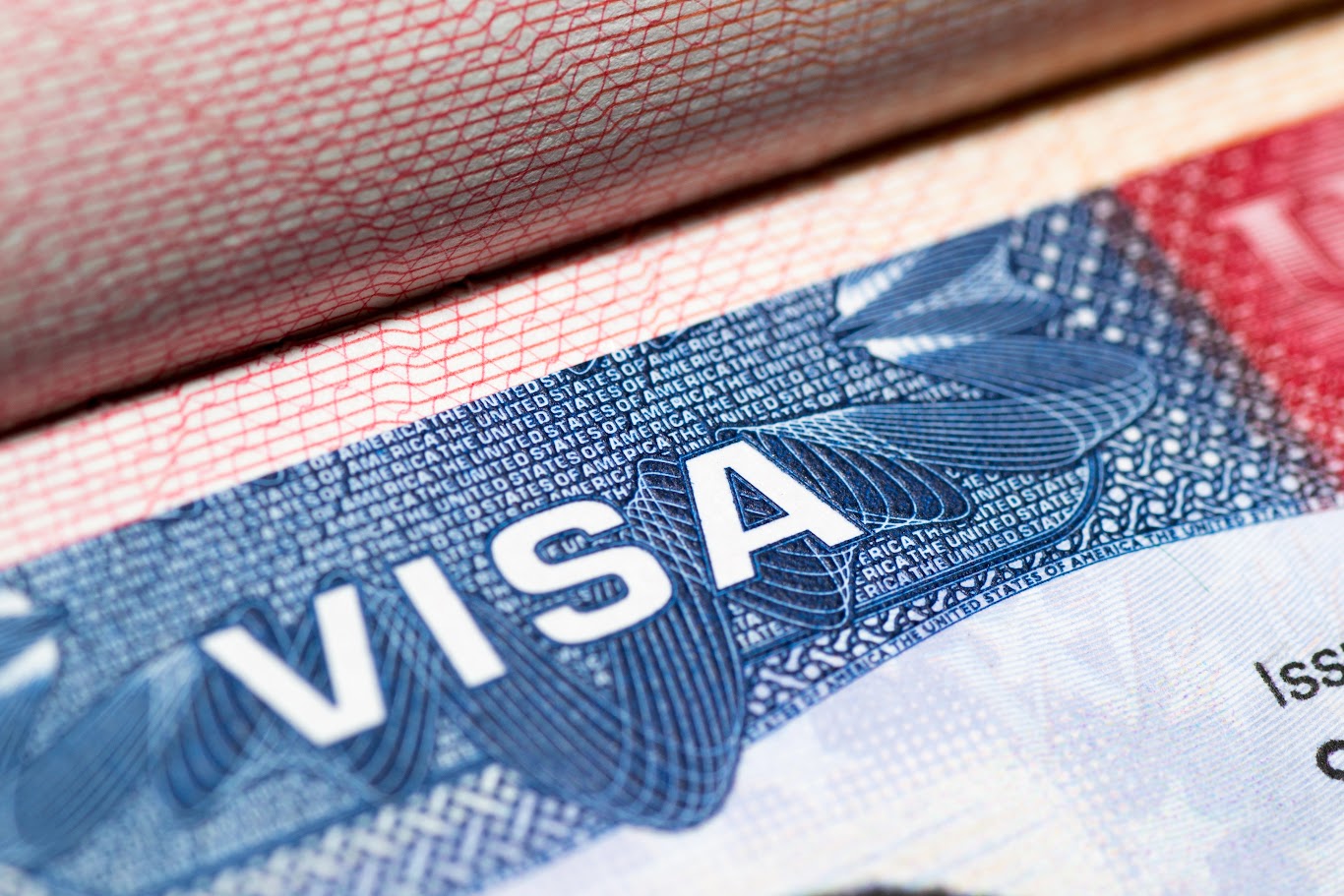
Vietnamese citizens need a visa to enter South Korea in most cases, except for a few special exemption categories.
See more: Itinerary & Cost for a 5 Days 4 Nights Trip to South Korea
2. Latest Entry Procedures to South Korea 2025
2.1 E-Arrival Card – South Korea Electronic Arrival Card
Starting from February 24, 2025, South Korea officially implements the e-Arrival Card (South Korea Electronic Arrival Card) system. This electronic entry form will gradually replace the traditional paper arrival card to modernize and simplify the entry process.
Specifically, the e-Arrival Card collects essential information such as personal details, entry date, flight information, accommodation address in South Korea, and travel purpose. Travelers can complete the e-Arrival Card online within 72 hours before entry (based on Korean local time) via the official website www.e-arrivalcard.go.kr.
Almost all international travelers entering South Korea must complete the e-Arrival Card except for the following categories:
- Airline crew members
- Holders of a valid K-ETA (Korea Electronic Travel Authorization)
- Registered residents of South Korea (including holders of Permanent Resident Cards and Overseas Permanent Resident Cards)
The declaration process includes these simple steps:
- Access the website
- Upload a photo of your passport information page or fill it in manually
- Enter details such as entry date, flight number, expected departure date, purpose of visit, accommodation address in South Korea, and contact number, then submit the form
- After submission, you will receive a QR code or PDF file, but printing is not required since the information is stored in the immigration system. The declaration is completely free of charge and does not require prior approval.
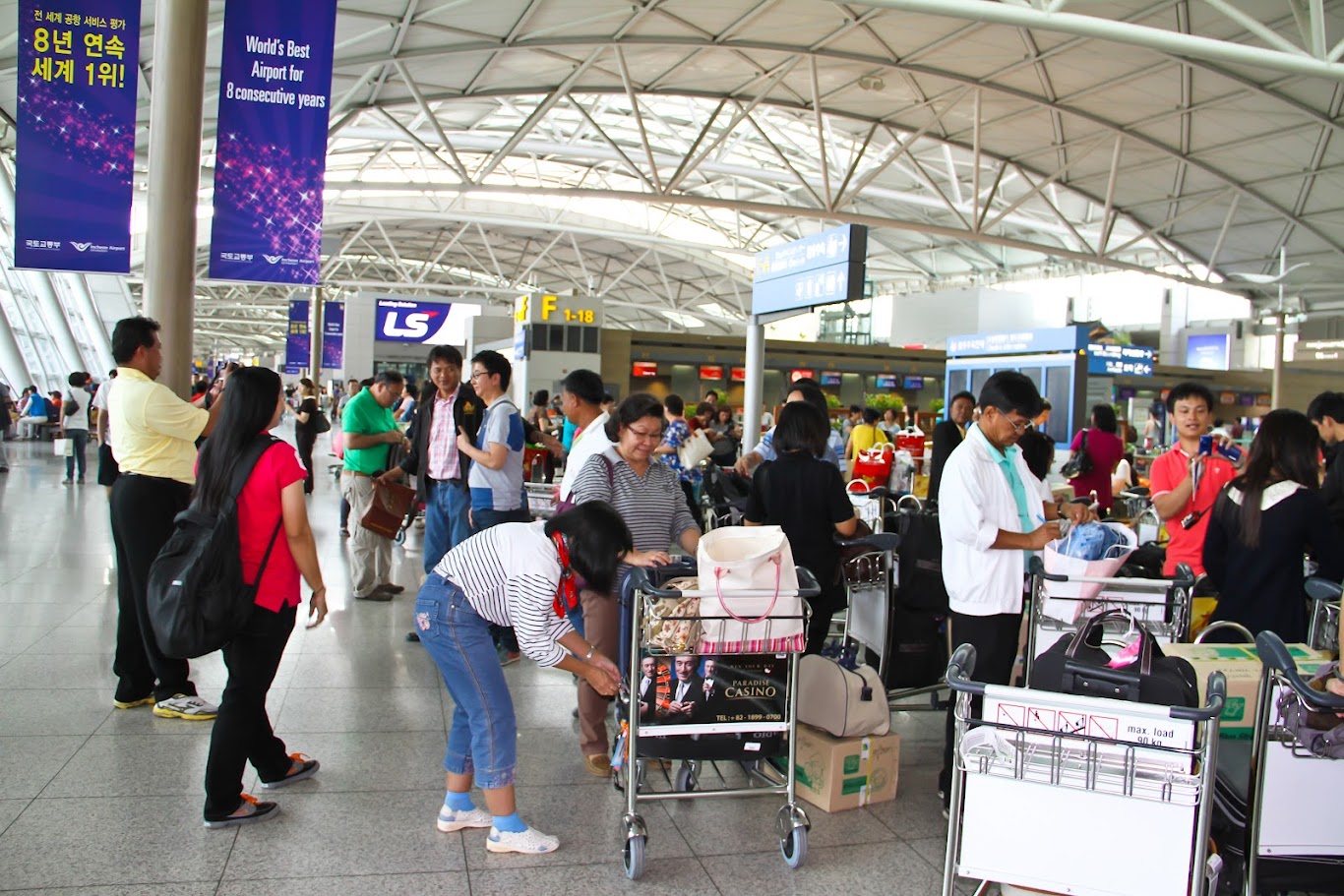
The e-Arrival Card helps reduce processing time at the airport, minimize congestion, and enhance the efficiency of immigration management.
However, if you do not enter South Korea within 72 hours after submission, the declaration will automatically expire, and you will need to fill it out again. If any information changes after submission, you can modify it online before going through immigration. The declaration can be completed by another person on your behalf, but you are still responsible for the accuracy of the information.
Your journey becomes easier when booking flight tickets to South Korea with Vietjet for only from 180,000 Dong HERE.
2.2 Traditional Arrival Card
If you do not use the e-Arrival Card, you can still use the traditional paper Arrival Card. This form is usually distributed on the plane by flight attendants or available in the immigration area at the airport. Travelers must fill out all required personal information, including name, date of birth, passport number, flight details, purpose of entry, and address of stay in South Korea.

The paper arrival card will continue to be accepted until the end of December 2025 to assist travelers who are not yet familiar with the electronic system.
After submission, immigration officers will keep the arrival card, stamp your passport, and return the departure section for you to use when leaving South Korea.
2.3 Customs Declaration Form
The Customs Declaration Form is mandatory for all passengers entering South Korea. You must declare any goods exceeding the duty-free limit or special items such as cash, medicine, or food. After completion, you will receive a QR code to scan at automated gates in the airport, helping reduce processing time.
Required information in the customs declaration includes:
- Full name, date of birth, passport number, occupation: Must match your passport details.
- Duration of stay: Indicate the number of days you plan to stay in South Korea.
- Items to declare: Includes cash or monetary instruments, high-value goods, alcohol, cigarettes, or perfume.
- Prohibited or restricted goods: Weapons, fresh food, wildlife, etc.
Individuals or families only need to submit one shared declaration form. If you have checked baggage or parcels, you must prepare two copies: one for customs and one for the airline. Travelers must pass through the “Goods to Declare” lane if they have items to declare, or the “Nothing to Declare” lane if not.
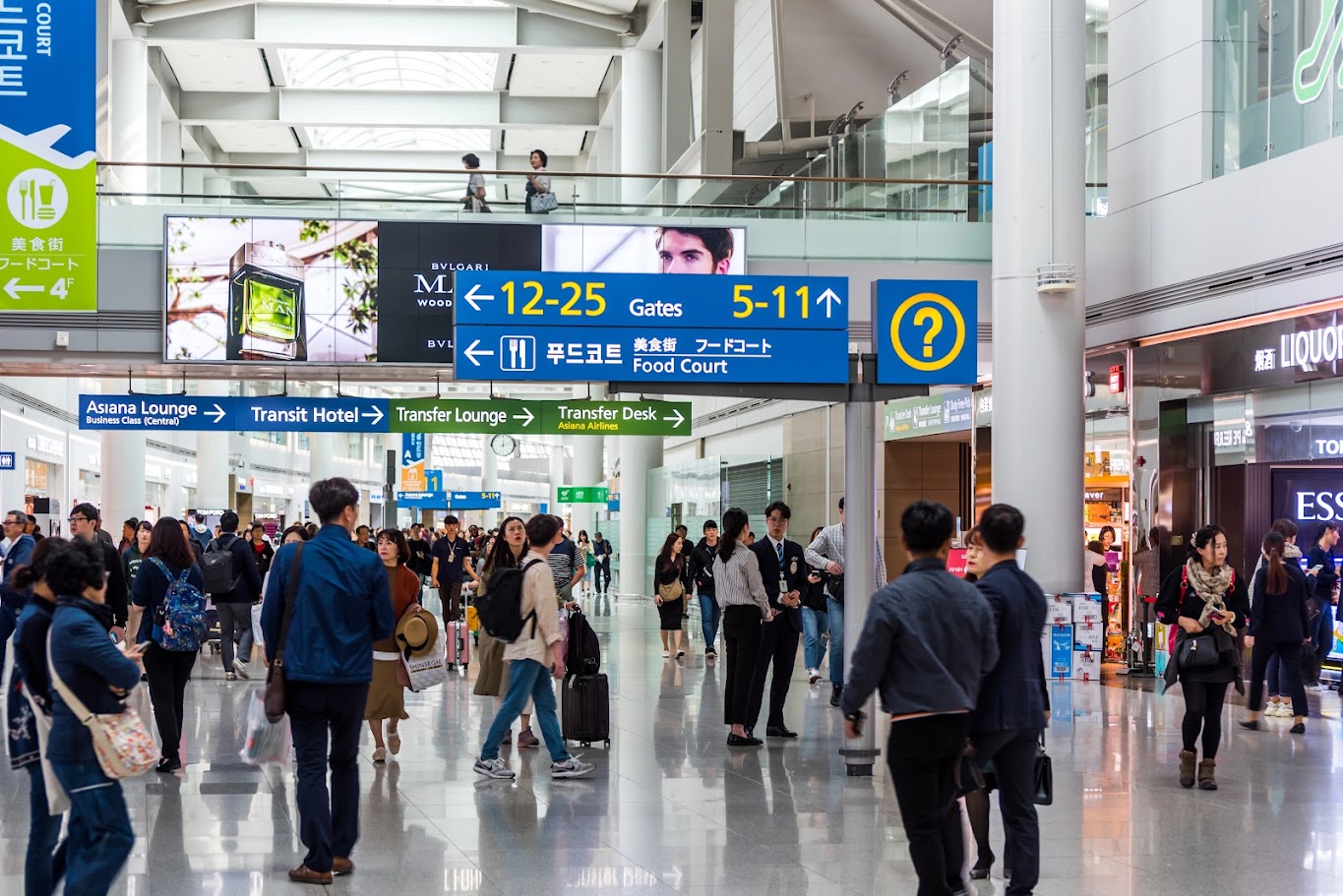
2.4 Airport Entry Procedure
Step 1: Proceed to the Immigration AreaFollow the signs to the immigration checkpoint (Immigration). At this area, line up in the section marked “Foreigners.”
Step 2: Present Documents and Complete Immigration ProceduresWhen it’s your turn, present your passport, visa (if applicable), e-Arrival Card (QR code), or paper Arrival Card to the immigration officer. The officer may ask questions about the purpose of your trip, duration of stay, and place of accommodation. You will also be asked to provide fingerprints and have your photo taken.
Step 3: Collect Baggage at the Conveyor AreaAfter completing the immigration process, proceed to the baggage claim area and find the carousel number assigned to your flight.
Step 4: Customs DeclarationWith your baggage in hand, move to the customs inspection area (Customs). If you have nothing to declare, pass through the “Nothing to Declare” gate. If you do, go through the “Goods to Declare” gate and present your customs declaration form.
Step 5: Exit to the Main HallOnce customs procedures are complete, you have officially entered South Korea and can proceed to the main arrival hall to continue your journey.
3. Frequently Asked Questions When Entering South Korea
3.1 What documents should be prepared when arriving at a South Korean airport?
To ensure a smooth entry into South Korea, you need to prepare the following documents and keep them in your carry-on luggage for easy presentation at the immigration counter:
- Passport: Original passport valid for at least 6 months from the date of entry. Make sure it’s not damaged and has at least two blank pages for entry stamps.
- Visa: Must correspond with the purpose of your trip.
- QR code for e-Arrival Card or paper Arrival Card: Complete the e-Arrival Card online at www.e-arrivalcard.go.kr within 72 hours before arrival, or fill out the paper Arrival Card available on the plane or at the airport.
- Return or onward flight ticket: Proof that you will leave South Korea after your trip. Electronic tickets on mobile devices are accepted.
- Accommodation confirmation: Provide details of your stay in South Korea, such as a hotel booking confirmation, the address of a relative, or an invitation letter (if visiting family).
- Travel itinerary: A detailed schedule in English or Korean (not mandatory but helpful), especially for those entering on a tourist visa.
- Q-Code (if required): Travelers arriving from “Strict Quarantine Areas” must submit a Q-Code through cov19ent.kdca.go.kr or a paper health declaration form to meet quarantine requirements.
In some cases, immigration officers may request additional supporting documents such as proof of financial means (bank statements) or evidence clarifying the specific purpose of travel. You should prepare these in advance to avoid potential issues.
3.2 Can food be brought into South Korea?
South Korea enforces strict regulations on bringing food into the country to protect its ecosystem, prevent the spread of animal and plant diseases, and ensure public health safety. According to the Korea Customs Service and the Ministry of Agriculture, Food and Rural Affairs, most fresh foods and certain unapproved processed products are prohibited.
- Fresh food: Includes meat (beef, pork, chicken, etc.), fish, fresh seafood, eggs, milk, natural honey, vegetables, fruits, and unprocessed plant products, as these may carry diseases such as African swine fever, foot-and-mouth disease, or agricultural pests.
- Uninspected animal products: Fresh sausages, homemade dried meat, fresh cheese, or non-industrially packaged dairy products are banned.
- Seeds and plants: Seeds, ornamental plants, or soil that may contain bacteria, mold, or insects are also prohibited.
Properly sealed, dried, and clearly labeled packaged foods are generally allowed but must be declared on the customs form.
3.3 How much cash should be declared upon entry?
According to South Korean regulations, travelers must declare if carrying cash or monetary instruments (such as checks or bills of exchange) totaling more than USD 10,000 (approximately 260,000,000 VND or 13,000,000 KRW, depending on the exchange rate). Declarations can be made via the Customs Declaration Form online or directly at the customs counter in the airport.
3.4 Is it necessary to print the e-Arrival Card?
Printing the e-Arrival Card is not required. You may save the QR code on your mobile phone or device and present it upon request.
3.5 What are the regulations for bringing medicine into South Korea?
South Korea allows travelers to bring medicine, but strict regulations apply to ensure safety and compliance with the law.
- Prescription drugs: Allowed in quantities sufficient for the trip (usually not exceeding 90 days). Bring a prescription or medical certificate (in English or Korean) issued by your doctor, specifying the drug name, dosage, and purpose (e.g., for diabetes, blood pressure, or asthma treatment).
- Over-the-counter medicine: Common medicines like painkillers, cold medicine, or vitamins are allowed in reasonable personal-use quantities. If carrying large amounts, declare them on the Customs Declaration Form to avoid suspicion of commercial intent.
- Controlled substances: Medicines containing restricted ingredients (e.g., certain strong painkillers or sedatives) require a special permit from South Korean health authorities or a notarized and translated medical certificate. Avoid bringing these unless absolutely necessary.
- Packaging: Keep all medicine in its original packaging with clear labeling for easy inspection.
3.6 Is travel insurance required when entering South Korea?
Currently, South Korea does not require travelers to have travel insurance for entry, regardless of whether they are visiting for tourism, business, or family purposes. However, purchasing travel insurance is strongly recommended as medical costs in South Korea can be high. Travel insurance helps cover expenses arising from accidents, illness, lost luggage, or other emergencies, providing peace of mind throughout your trip.
4. Notes When Entering South Korea
To ensure a smooth entry process in 2025, travelers should pay attention to the following regulations:
- Entry ban categories: Individuals with criminal records or serious legal violations; those with a history of illegal stays in South Korea or other countries; individuals suspected of intending to reside or work illegally; those deemed a threat to public security or health; or travelers unable to prove sufficient financial means for their trip.
- Prepare documents thoroughly: Ensure that all required documents are complete and accurate to facilitate a seamless entry process.
- Avoid bringing prohibited items: Do not bring prohibited goods such as drugs, weapons, explosives, anti-government materials, counterfeit products, or endangered wildlife items.
- Understand quarantine and health regulations (if applicable): South Korea maintains strict quarantine measures to prevent the spread of infectious diseases, particularly in light of recent global health events.

Understanding all entry regulations is the key to confidently and safely exploring the Land of Kimchi.
Whether you are visiting South Korea to admire its cultural beauty, explore its vibrant cities, or pursue education and career opportunities, your journey requires careful preparation regarding visa and entry procedures. With the detailed and updated information provided, you can confidently plan your trip to South Korea. Start planning and book your flight tickets to South Korea today with Vietjet. Don’t forget to check out the 0 Dong domestic and international flight promotions available daily from 12 PM to 2 PM for the best fares. Learn more HERE.
Stay connected with Vietjet to keep up with the latest travel updates!
- Website: https://www.vietjetair.com
- Facebook: https://www.facebook.com/vietjetvietnam
- Instagram: https://instagram.com/vietjet
- YouTube: https://www.youtube.com/VietjetOfficial
- TikTok: https://www.tiktok.com/@vietjetvietnam
- Zalo: https://oa.zalo.me/vietjet