Booking
 Skyshop
 Hotel
Hotel
 E-Voucher
 E-Sim
E-Sim
 E-Visa
 Buy foreign currency
 Insurance
 SkyJoy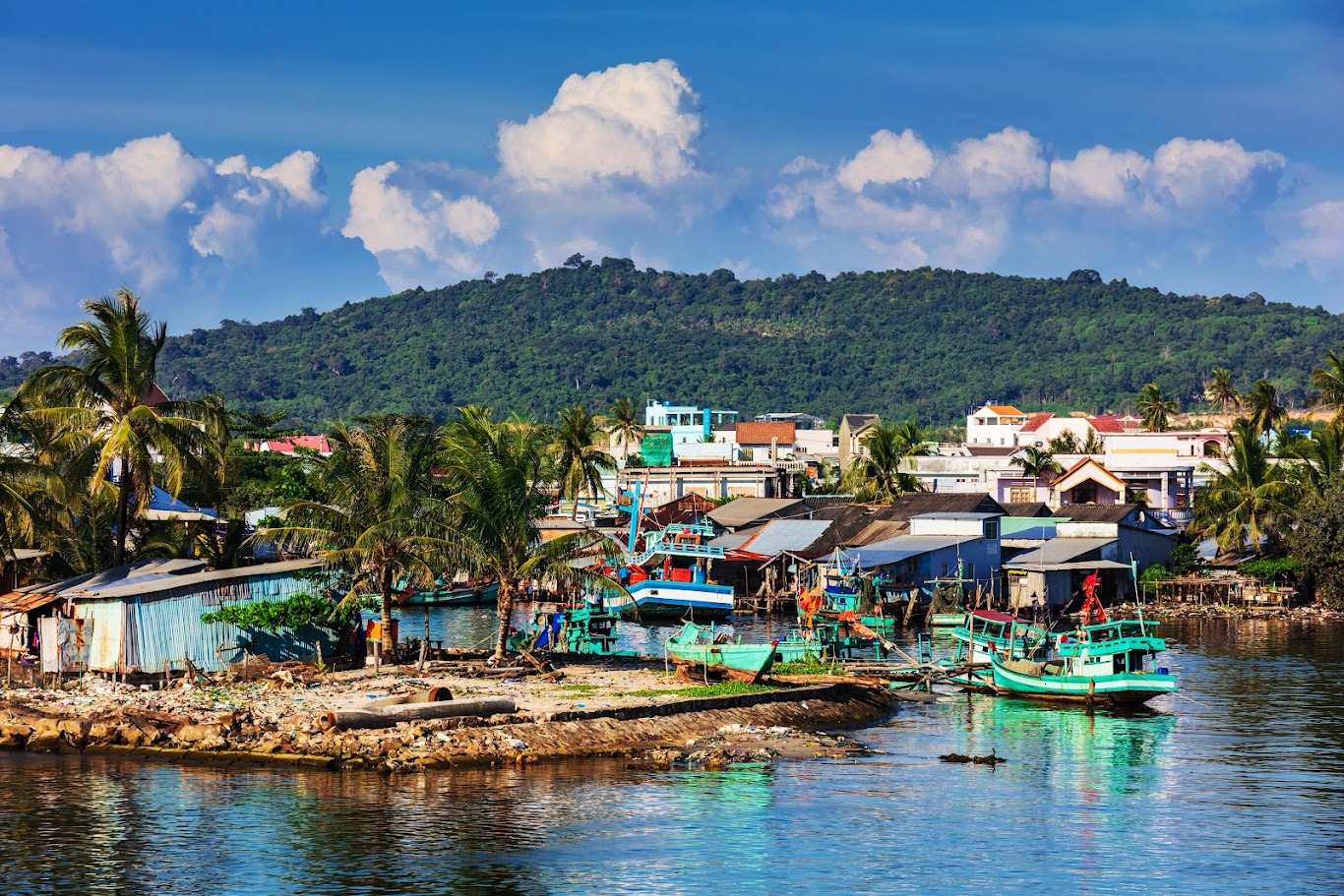
When people think of Phu Quoc, they often picture long sandy beaches, crystal-clear waters, and luxurious resorts. Yet, the island hides another kind of beauty — one that is simple, authentic, and deeply connected to the daily lives of its locals through ecotourism experiences. This is what makes a trip to Phu Quoc truly diverse — a perfect blend of relaxation and cultural exploration.
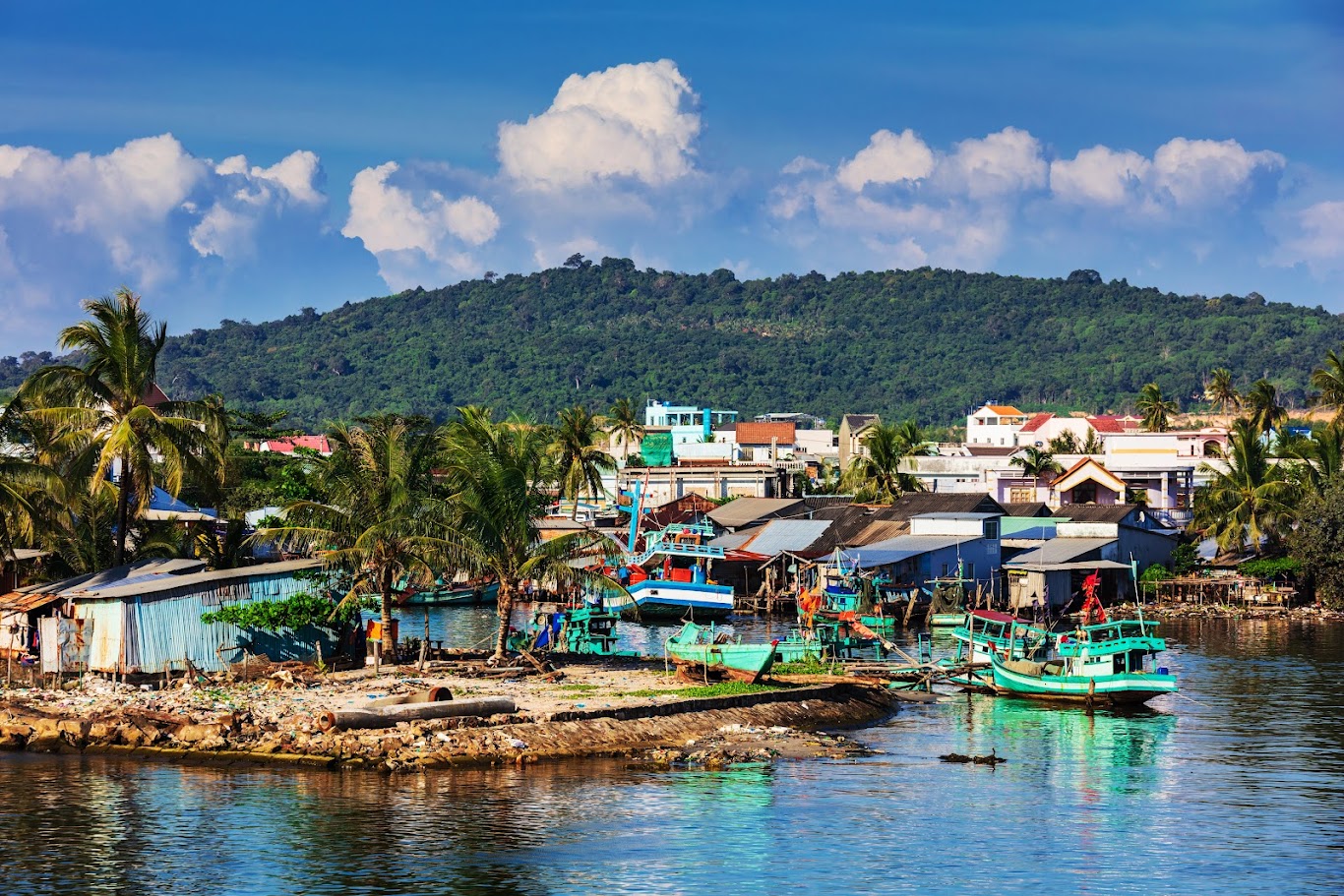
Phu Quoc offers more than turquoise seas, white sands, and luxury resorts — it’s also a destination rich in eco-friendly activities that showcase the harmony between nature and local life.
1. What makes Phu Quoc’s ecotourism special?
As sustainable travel becomes a global trend, ecotourism is gaining more attention — and in Phu Quoc, it’s not just an add-on to beach holidays but a unique highlight on its own. The island’s fertile soil, diverse ecosystems, and close-knit coastal communities form the perfect foundation for this type of tourism.
Unlike the luxury of resorts, ecotourism brings travelers closer to real local life. Imagine strolling through lush green pepper gardens as farmers share their traditional cultivation secrets, spending a tranquil afternoon at a bee farm tasting pure honey, or sailing with fishermen at sunset to experience net casting — each moment becomes an unforgettable memory.
From Da Nang, travelers can easily take a direct flight to Phu Quoc with Vietjet. Book your ticket today HERE.
2. Community-based experiences in Phu Quoc
Phu Quoc attracts visitors with community-based tourism activities closely tied to the everyday life of locals. These experiences allow travelers to step away from modern distractions and immerse themselves in the island’s rustic rhythm.
2.1 Visiting Phu Quoc Pepper Farms
Known as the “Kingdom of Pepper” in Vietnam, Phu Quoc is home to hundreds of hectares of pepper gardens across Cua Duong, Ganh Dau, and Suoi Da communes. The most famous include Khu Tuong, Duc Thanh, Ngoc Ha, Phu Quoc Xanh, and Quoc Thang pepper farms. Here, visitors are surrounded by rows of green vines basking under the sun — a stunning sight of nature’s abundance.
The best time to visit pepper farms is during the harvest season, from November to February (lunar calendar). Popular activities include:
- Learning the cultivation process: Discover how local farmers grow, care for, and harvest pepper using traditional, chemical-free methods.
- Picking pepper by hand: Try harvesting ripe, red pepper clusters and enjoy their signature aroma.
- Tasting and buying specialties: Phu Quoc pepper is known for its bold, lasting flavor. Visitors can purchase fresh and processed products — black, red, and white pepper or pepper salt — as meaningful souvenirs.
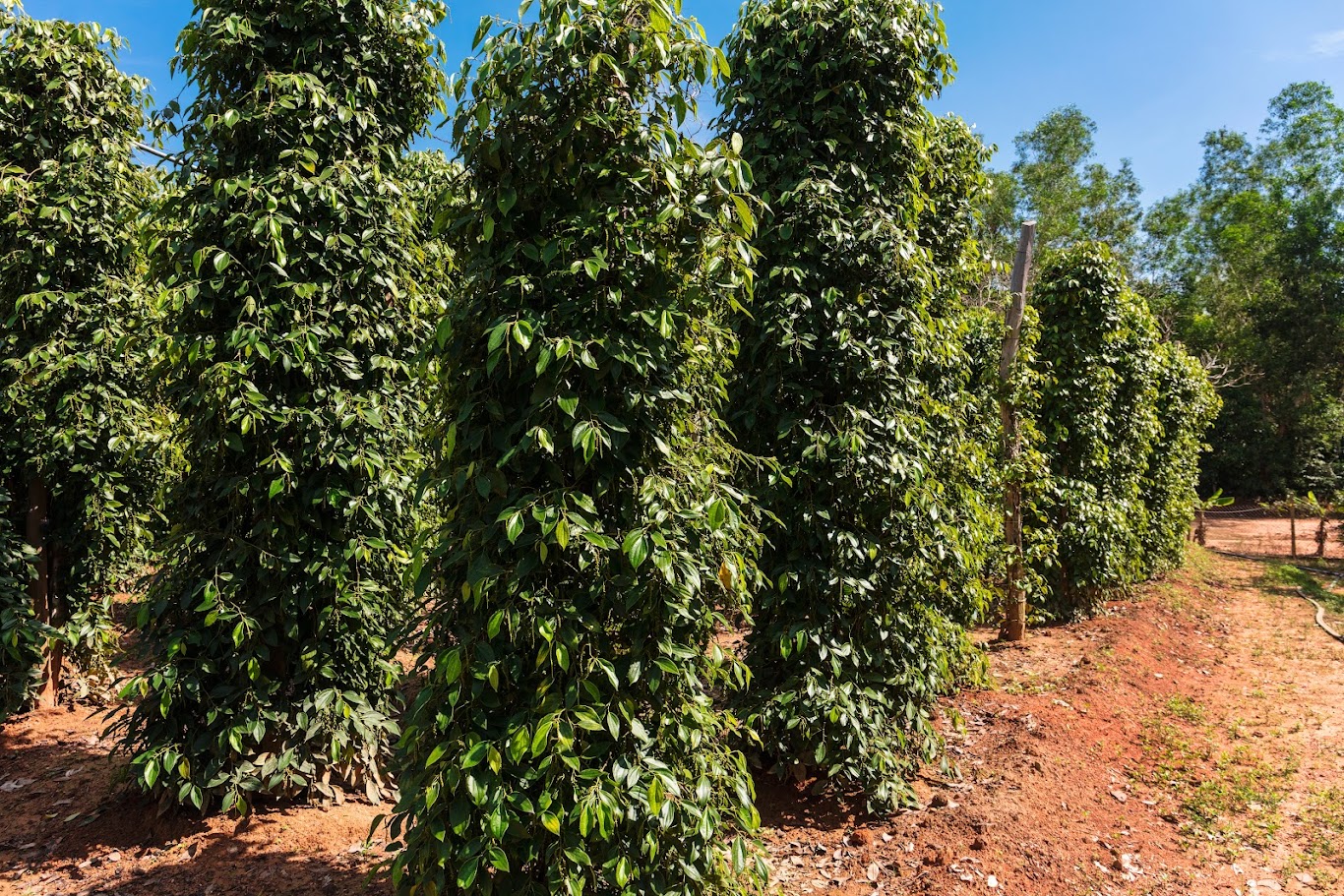
Some pepper farms also feature on-site cafés or restaurants where visitors can relax and savor authentic local dishes.
With just a few hours’ flight from Hanoi on Vietjet, you can set foot in Phu Quoc and experience its unique ecotourism charm. See details HERE.
2.2 Exploring Phu Quoc Bee Farms
After visiting the pepper gardens, head to peaceful bee farms nestled amid lush greenery such as Bee Farm, Dao Ngoc Honey Farm, or Phu Quoc Forest Honey Farm. The calm, rustic atmosphere offers a refreshing escape. Local beekeepers place hives near natural forests where wildflowers thrive, resulting in pure, fragrant, and nutrient-rich honey.
The bee farms are most beautiful in the dry season when flowers are in full bloom and bees are busy collecting nectar. Activities at the farms include:
- Observing beehives and learning about their lifecycle: Understand the essential role of bees in pollination and ecosystem balance.
- Experiencing honey extraction: Watch the mesmerizing process of golden honey flowing from the combs — a simple yet fascinating moment.
- Tasting bee products: Enjoy a variety of natural delights such as forest honey, honey tea, bee pollen, and royal jelly — all healthy and authentic.
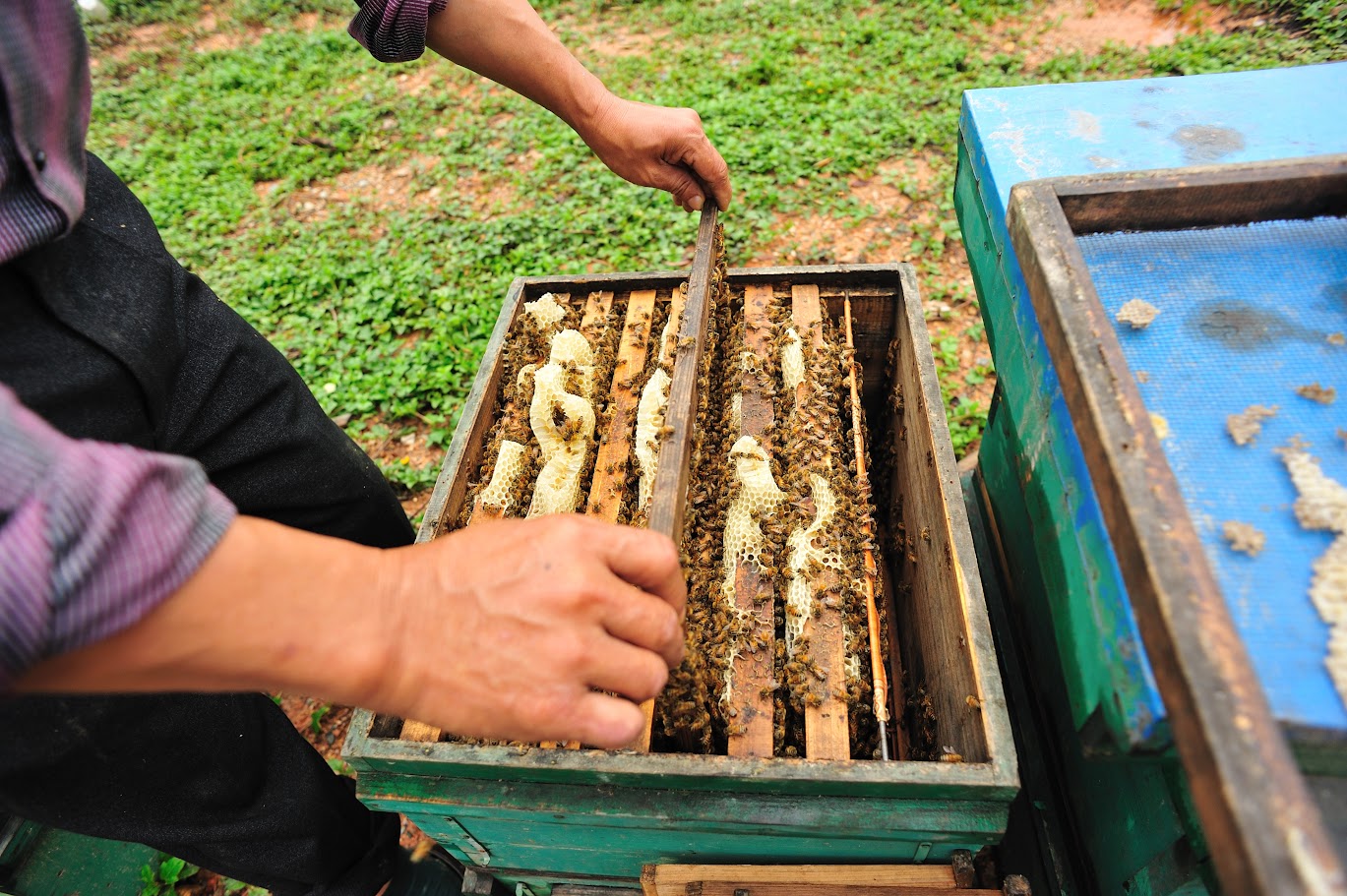
A visit to a bee farm allows travelers to reconnect with nature and understand the importance of environmental protection.
2.3 Visiting Phu Quoc’s Traditional Fishing Villages
If pepper and bee farms showcase the lush green of the forests, then Phu Quoc’s fishing villages represent the soul of the sea. Villages like Ham Ninh, Rach Vem, and Cua Can are not only home to local fishermen but also living cultural heritages of the island. This is where visitors can truly feel the deep connection between people and the ocean.
Each fishing village has its own charm throughout the year, but the calm sea season (from November to April) is the best time to sail with fishermen, experience fishing activities, and enjoy freshly caught seafood. Visitors can:
- Explore fishermen’s daily life: Join locals as they head out to sea, cast nets, or dive for sea urchins. The thrill of pulling in a full net of fish and shrimp under the vast ocean sky is unforgettable.
- Enjoy fresh seafood: The seafood here is caught and cooked on the spot. Don’t miss specialties like the sweet and meaty Ham Ninh crab, grilled sea urchins with scallion oil, or smoky grilled fish over charcoal.
- Check in at scenic spots: The wooden pier at Ham Ninh, the starfish beach of Rach Vem, and sunrise or sunset moments along the coast are perfect backdrops for memorable photos.
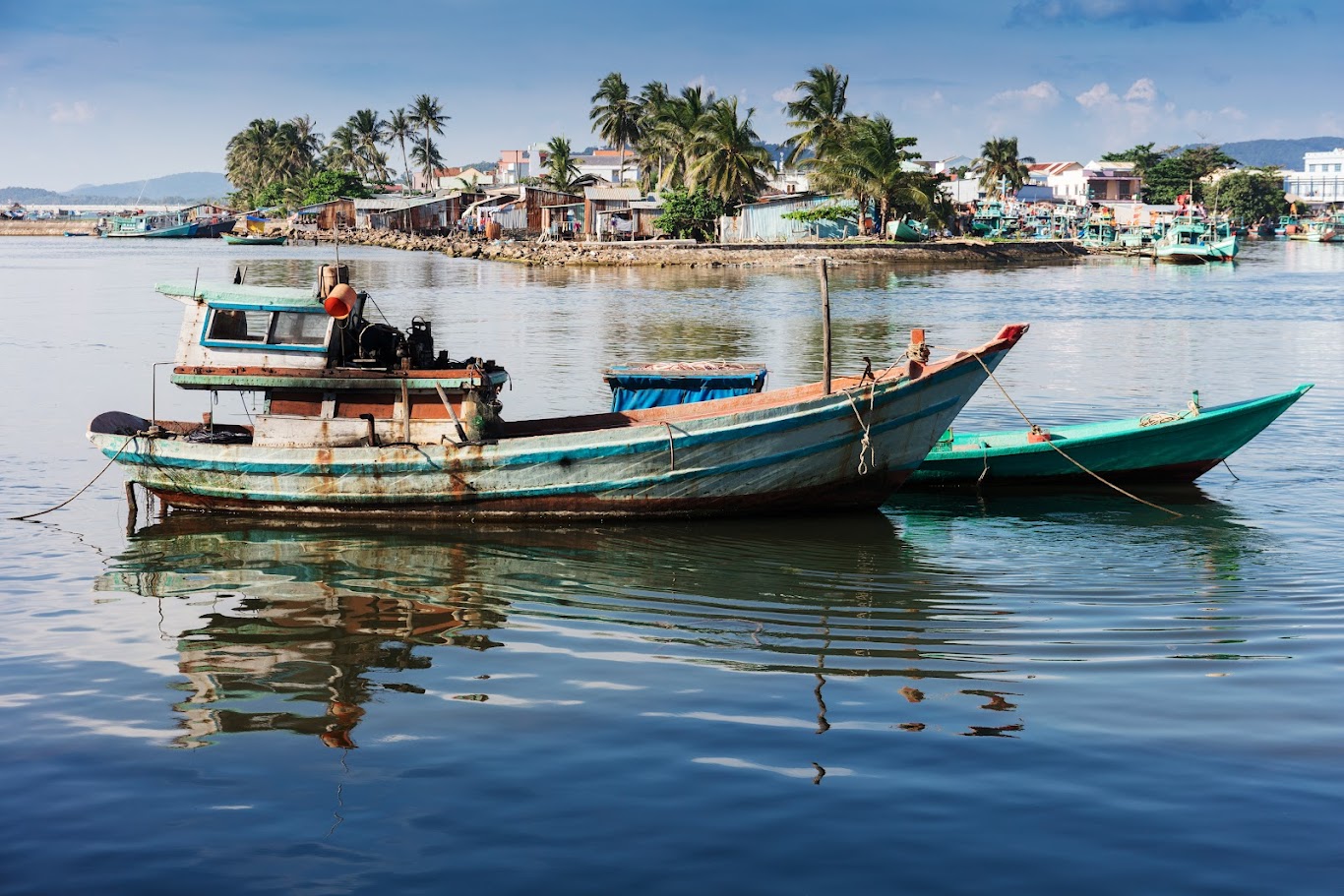
Phu Quoc’s fishing villages offer a peaceful, slow-paced vibe — a stark contrast to the lively atmosphere of Duong Dong town.
From Ho Chi Minh City, travelers can easily reach Phu Quoc with Vietjet’s direct flights by booking tickets HERE.
See also: Travel Guide to Ham Ninh Fishing Village – Where to Go and What to Eat
3. Tips for Ecotourism in Phu Quoc
To make your Phu Quoc community travel experience complete, here are a few tips:
- Dress comfortably: When visiting pepper farms or bee farms, wear light clothes and sneakers for easy movement. For fishing villages, bring hats and sun protection.
- Stay safe and respect nature: Avoid touching beehives, don’t litter, and limit the use of single-use plastics.
- Support the local community: Buying local specialties not only gives you meaningful souvenirs but also supports local livelihoods and encourages sustainable tourism.
- Book in advance: Some pepper farms and bee farms offer guided tours; contact them beforehand for a smoother experience.
- Best time for ecotourism: While Phu Quoc is beautiful year-round, the dry season (from November to April) offers the best weather for visiting farms, bee sanctuaries, and fishing villages.
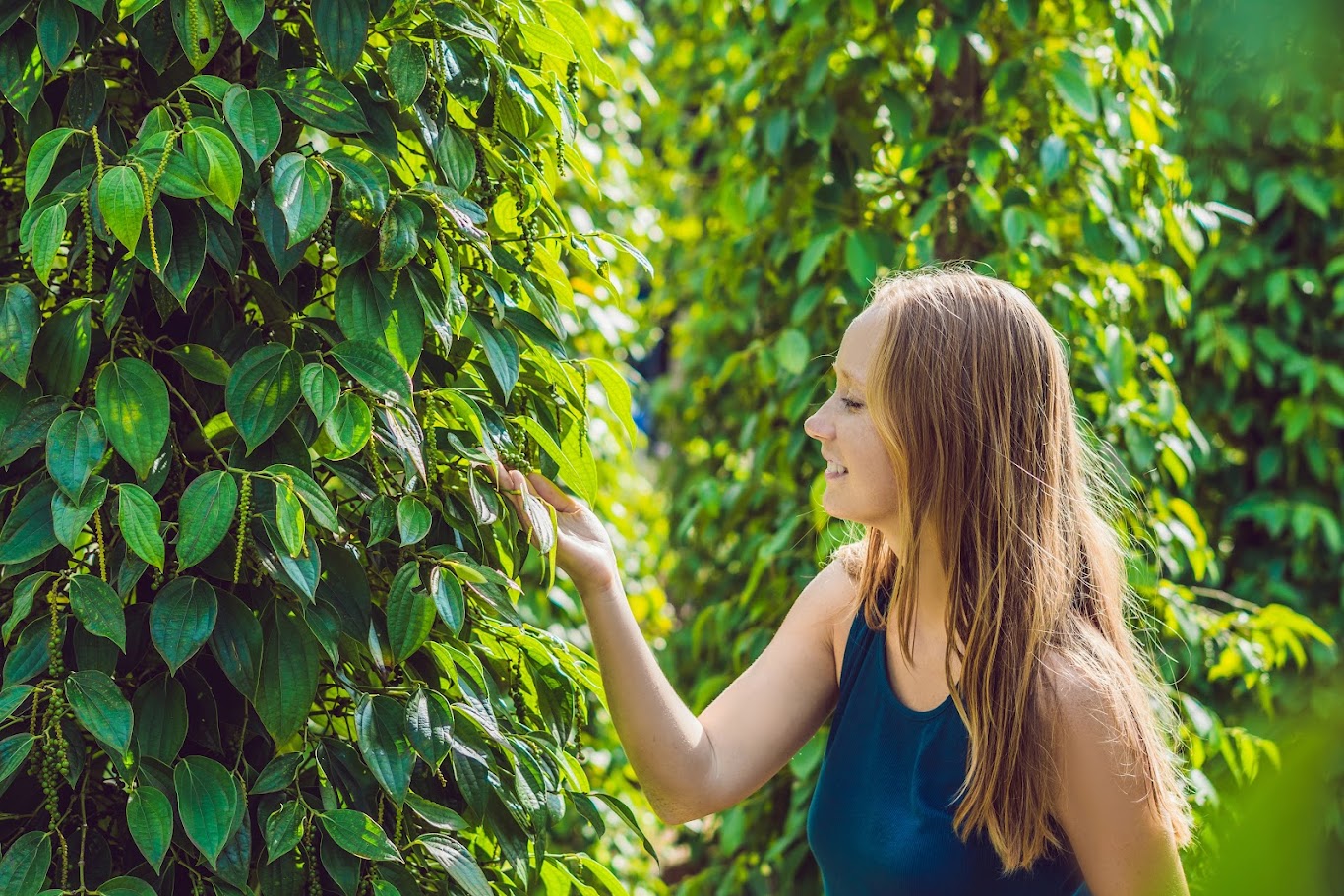
A trip to Phu Quoc becomes truly complete when you take time to enjoy these authentic community-based ecological experiences.
See also: 10+ New, Free, and Super Fun Tourist Spots in Phu Quoc
Phu Quoc travel isn’t limited to white sands and calm waves. The island still preserves its charming rural soul — from vast green pepper farms and tranquil bee farms to traditional fishing villages rich in coastal culture. This is a journey to slow down, reconnect with nature, and gain a deeper appreciation of the bond between people, land, and sea.
Don’t miss the chance to enjoy this one-of-a-kind ecotourism experience — from pepper farms to fishing villages — by booking your Vietjet flight to Phu Quoc today and enjoy exclusive promotions. Keep an eye on the 0 VND domestic and international ticket deals available daily from 12:00 to 14:00 for the best fares. See details HERE.
Stay updated on flight routes, promotions, and travel guides via Vietjet’s official channels.
- Website: https://www.vietjetair.com
- Facebook: https://www.facebook.com/vietjetvietnam
- Instagram: https://instagram.com/vietjet
- YouTube: https://www.youtube.com/VietjetOfficial
- TikTok: https://www.tiktok.com/@vietjetvietnam
- Zalo: https://oa.zalo.me/vietjet