Booking
 Skyshop
 Hotel
Hotel
 E-Voucher
 E-Sim
E-Sim
 E-Visa
 Buy foreign currency
 Insurance
 SkyJoy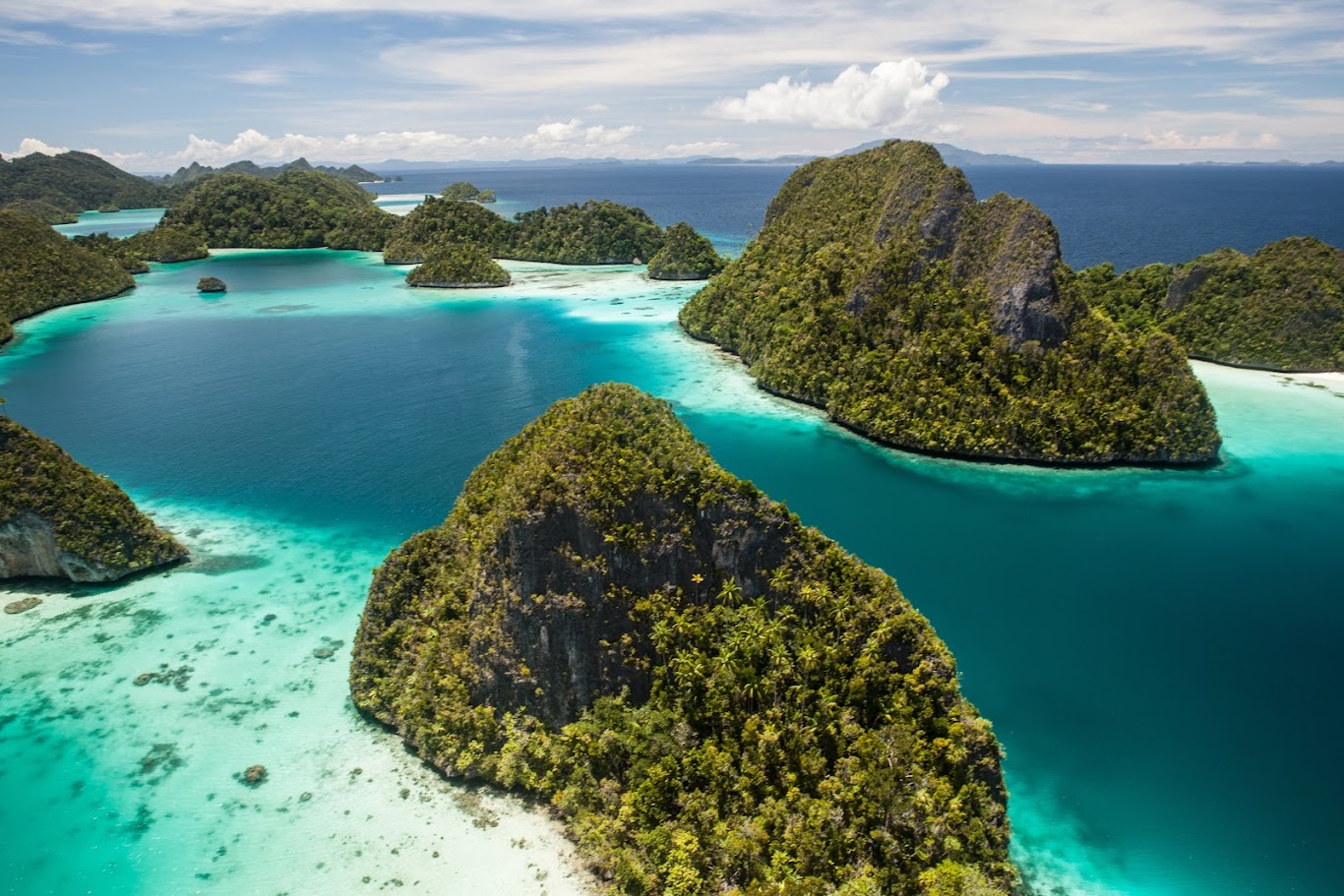
Hidden in the heart of the "Coral Triangle" of the Pacific Ocean, the Raja Ampat archipelago of Indonesia is known as one of the world's top diving paradises. With over 1,500 large and small islands, this pristine marine area not only boasts one of the most diverse marine ecosystems on the planet but also captivates visitors with its wild, majestic beauty and unparalleled diving experiences.
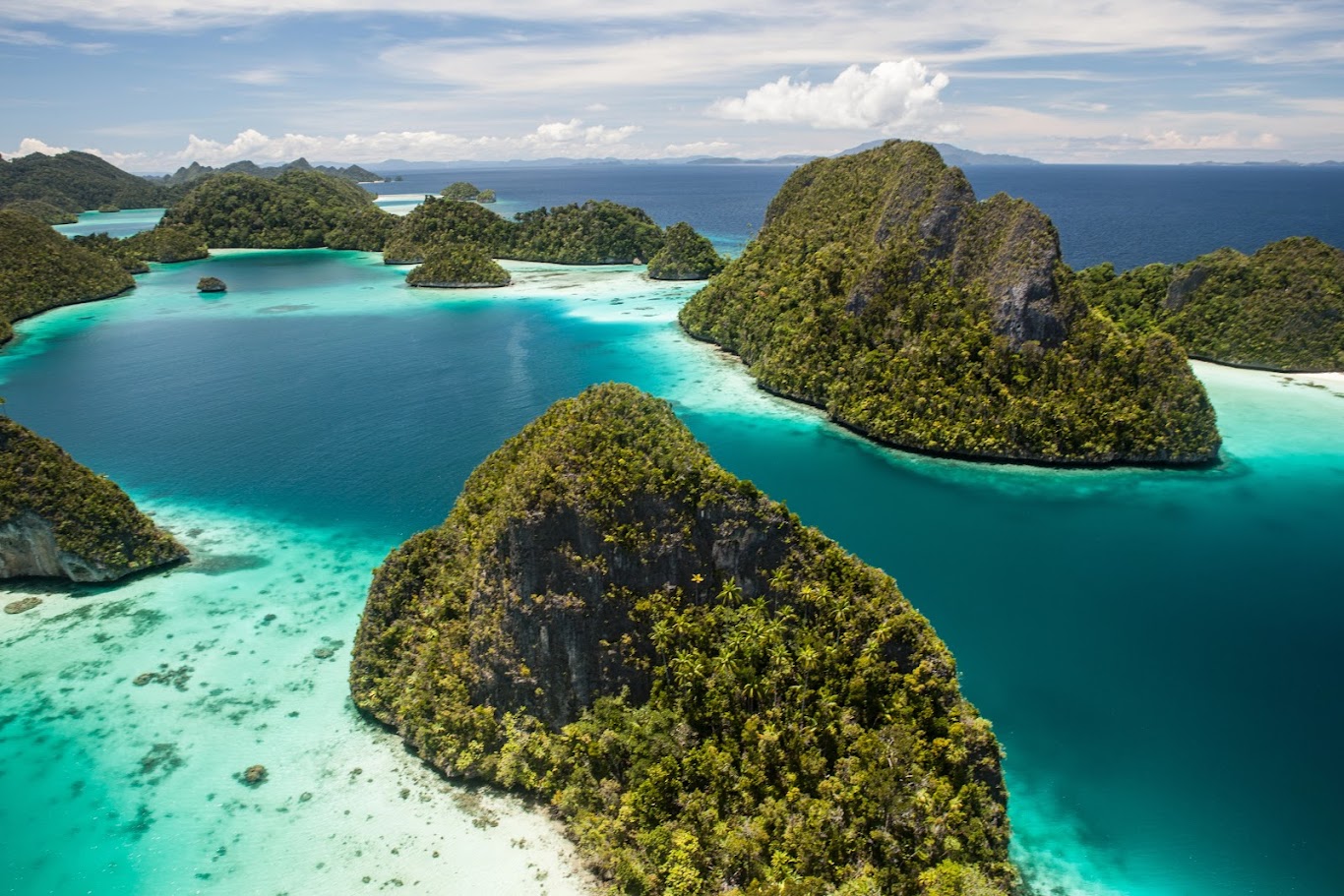
Thanks to its pristine beauty and diverse marine ecosystem, Raja Ampat has become one of the world's most famous diving destinations.
1. Where is Raja Ampat? What is special about it?
Raja Ampat is an archipelago located in the West Papua province, the easternmost part of Indonesia, bordering Papua New Guinea. This archipelago lies within the "Coral Triangle" - an area known as the center of marine biodiversity in the world.
The name "Raja Ampat" in Indonesian means "Four Kings," symbolizing the four largest islands: Misool, Salawati, Batanta, and Waigeo. Surrounding them are over 1,500 small islands, sandy beaches, and coral reefs stretching across the crystal-clear turquoise waters. So what makes Raja Ampat, Indonesia so attractive to ocean lovers and diving enthusiasts?
- Diverse marine ecosystem: Raja Ampat is recognized as the area with the highest marine biodiversity on the planet, with over 600 species of hard corals, thousands of reef fish species, and many rare species such as manta rays, wobbegong sharks, sea turtles, pygmy seahorses, and even whales.
- Pristine ocean beauty: Not only is it a famous diving spot, but Raja Ampat also retains the original pristine beauty of its deep blue waters, primary forests covering limestone islands, fresh air, and almost no signs of tourism pollution.
- Unique indigenous culture: In addition to its ecological value, Raja Ampat is home to the indigenous Papuan community, with a distinctive traditional culture that creates a unique attraction alongside the island and sea experiences.
The combination of stunning landscapes, rich ecosystems, and peaceful living has helped Raja Ampat, Indonesia become one of the top diving destinations in the world, affectionately referred to as the "last paradise on earth."
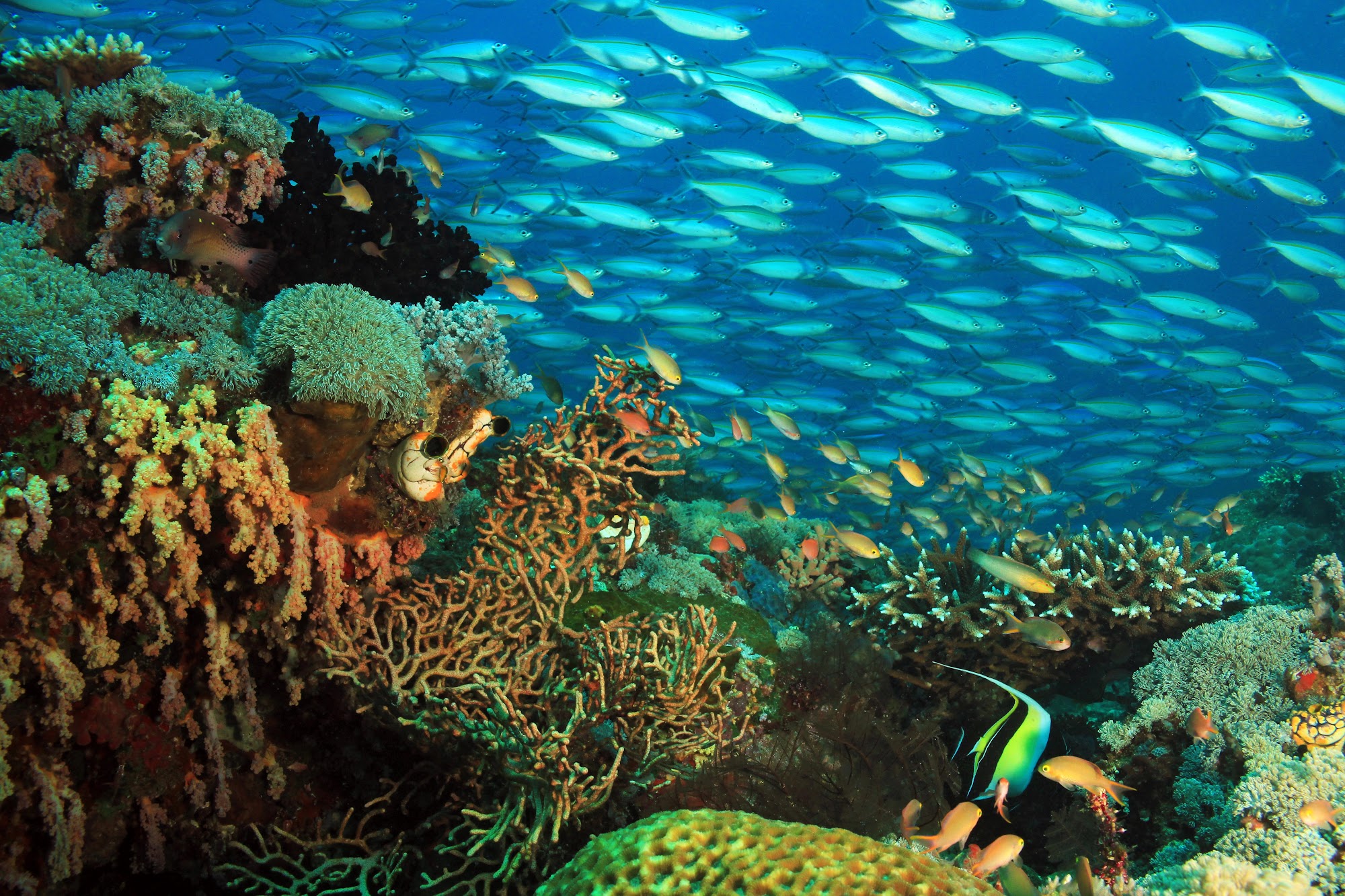
The ocean depths of Raja Ampat are the "home" to countless species of corals, fish, and rare marine creatures.
2. What is the best season for diving in Raja Ampat?
Raja Ampat has a typical equatorial climate, with stable temperatures year-round ranging from 25 - 31°C, and the sea is always warm and clear. This archipelago has two seasons: the dry season (October - April) and the rainy season (May to September). For convenient diving in Raja Ampat, visitors can refer to the following time frames:
- Dry season (October to April):Considered the ideal time for diving in Raja Ampat. At this time, the sea is calm, underwater visibility often reaches 20 - 30 meters, allowing you to clearly admire the coral reefs and the underwater world. Additionally, this is also the breeding, migration, or congregation season for many rare fish and marine creatures. You will have the chance to encounter manta rays, pygmy seahorses, wobbegong sharks, and even whales if you're lucky.
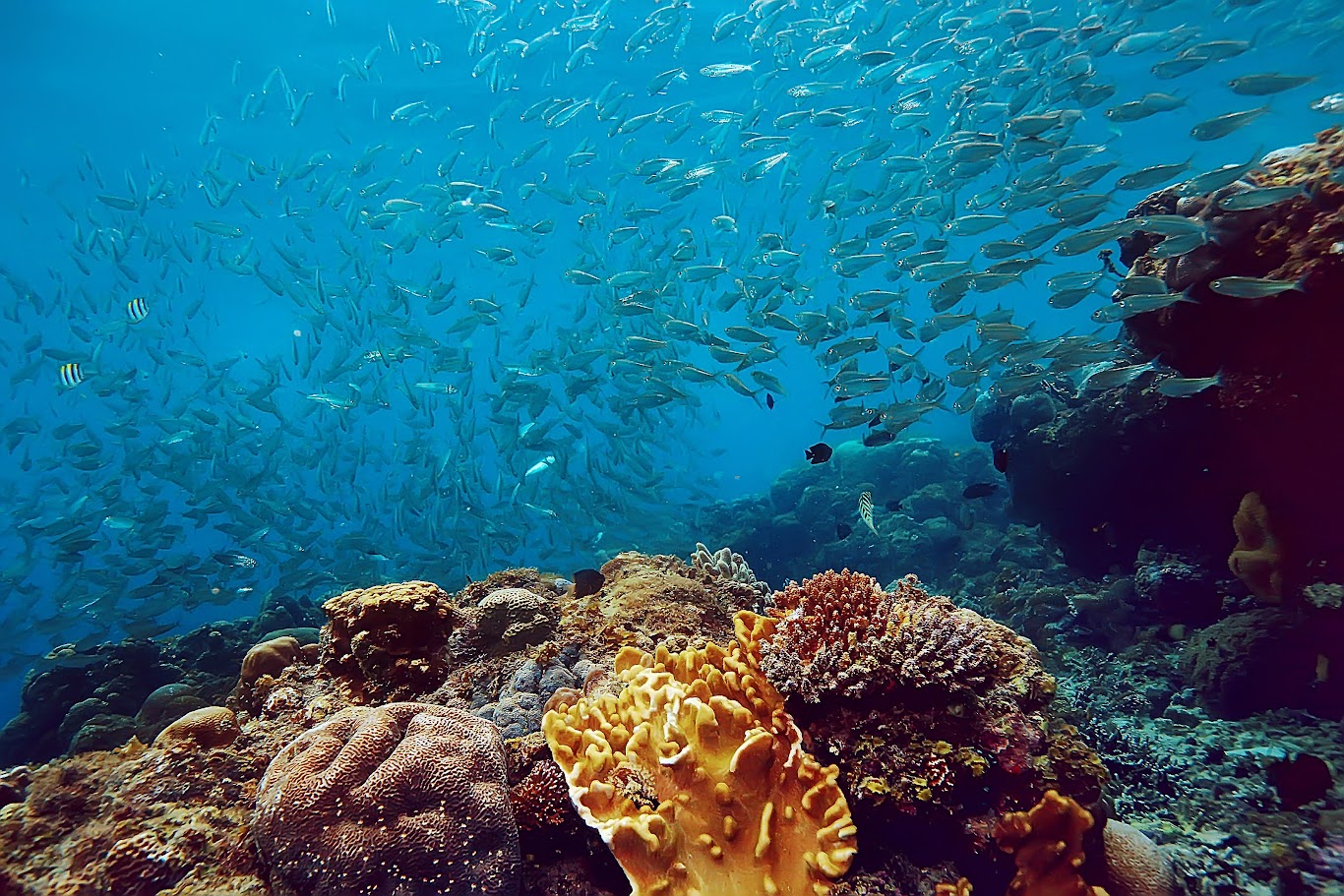
For the best visibility and diving experience, visitors should come to Raja Ampat during the dry season, from October to April.
- Rainy season (May - September): Not recommended for diving activities due to rough seas, which hinder underwater visibility and make it difficult to access distant dive sites. However, this season has fewer tourists and lower service prices. Some dive sites may still operate if the weather permits. Visitors need to check the weather and prepare thoroughly before the trip.
3. Notable dive sites in Raja Ampat
Surrounding Raja Ampat island are countless famous dive sites where visitors can immerse themselves in the ocean and freely explore the fascinating underwater world.
- Cape Kri: Located near Kri Island in the central region of the archipelago, this is one of the most famous dive sites in Raja Ampat. Cape Kri is not only attractive for its vibrant underwater ecosystem but also makes a strong impression as it once held the world record for the number of fish species observed in a single dive, reaching 374 species, according to marine biologist Dr. Gerald R. Allen.
- Manta Sandy: If Cape Kri is the "capital" of reef fish, then Manta Sandy is the "stage" for the giant manta rays. Located between Arborek and Mansuar islands, Manta Sandy is a world-famous dive site where you can almost certainly encounter manta rays in the wild, especially during the peak season from October to April.
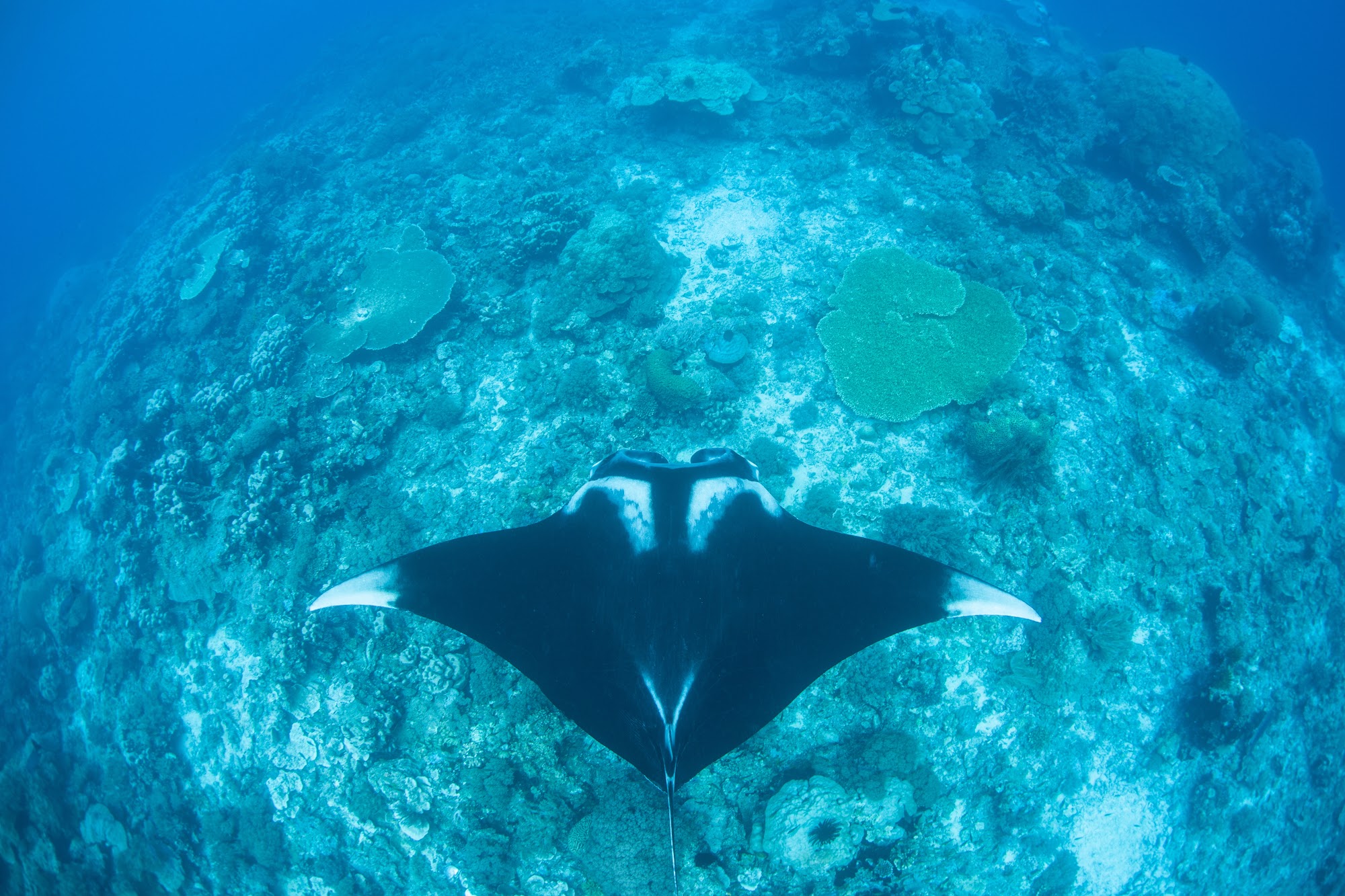
At Manta Sandy, visitors will have the opportunity to dive with giant manta rays.
- Blue Magic: Blue Magic is a submerged pinnacle completely isolated in the deep sea, starting from a depth of about 7 meters and extending down to nearly 30 meters. Thanks to this position, it receives nutrient-rich currents, creating an ideal environment for visitors to encounter large marine creatures such as oceanic manta rays, wobbegong sharks, reef sharks, tuna, swordfish, barracuda, and predatory jacks.
- Arborek Jetty: You don't have to go far or dive deep into the ocean; you can still experience a beautiful "living aquarium" right under the jetty at Arborek Island - a famous community tourism village in Raja Ampat. Thanks to its accessible location, Arborek Jetty is suitable for all audiences, including beginners and children. At the same time, visitors can combine exploring the cultural life of the indigenous Papuans.
See more: Explore Komodo – The prehistoric dragon archipelago & the best diving in Indonesia
4. Notes when diving in Raja Ampat
Raja Ampat is a biologically rich and still quite pristine marine area, so to have a complete and safe experience, you need to pay attention to some important points below, from personal preparation to nature conservation rules:
4.1 Preparation before diving
- General health check: If you have never dived or have a history of medical conditions related to the ears, heart, or lungs, you should consult a doctor before going.
- Do not dive after flying:After flying to Sorong or traveling by domestic flight, you should wait at least 18 - 24 hours before your first dive to avoid the risk of "decompression sickness."Wear appropriate swimwear: It is advisable to wear a long-sleeved wetsuit or sun-protective swimwear to protect your skin from UV rays and avoid scratches from touching rocks or corals.
- Use reef-safe sunscreen: This type of sunscreen does not contain oxybenzone and octinoxate - substances harmful to corals. Be sure to read the ingredients carefully before use.
- Stay hydrated, do not drink alcohol before diving: Dehydration can easily lead to dizziness, cramps, or pressure imbalance.
4.2 Follow diving techniques and safety
- Dive with a certified guide: Raja Ampat has complex marine terrain and strong currents at some points. Always dive with a local guide or experienced divemaster.
- Always dive in pairs and keep in touch: Never dive alone. When diving in pairs, you can easily support each other in unexpected situations.
- Proper buoyancy control: Learning how to control buoyancy will help you move smoothly, avoid collisions with coral reefs, or stirring up visibility.
- Bring necessary equipment: Including a pressure gauge, dive watch, dive knife, dive flashlight, and SMB (surface marker buoy) to signal when surfacing.
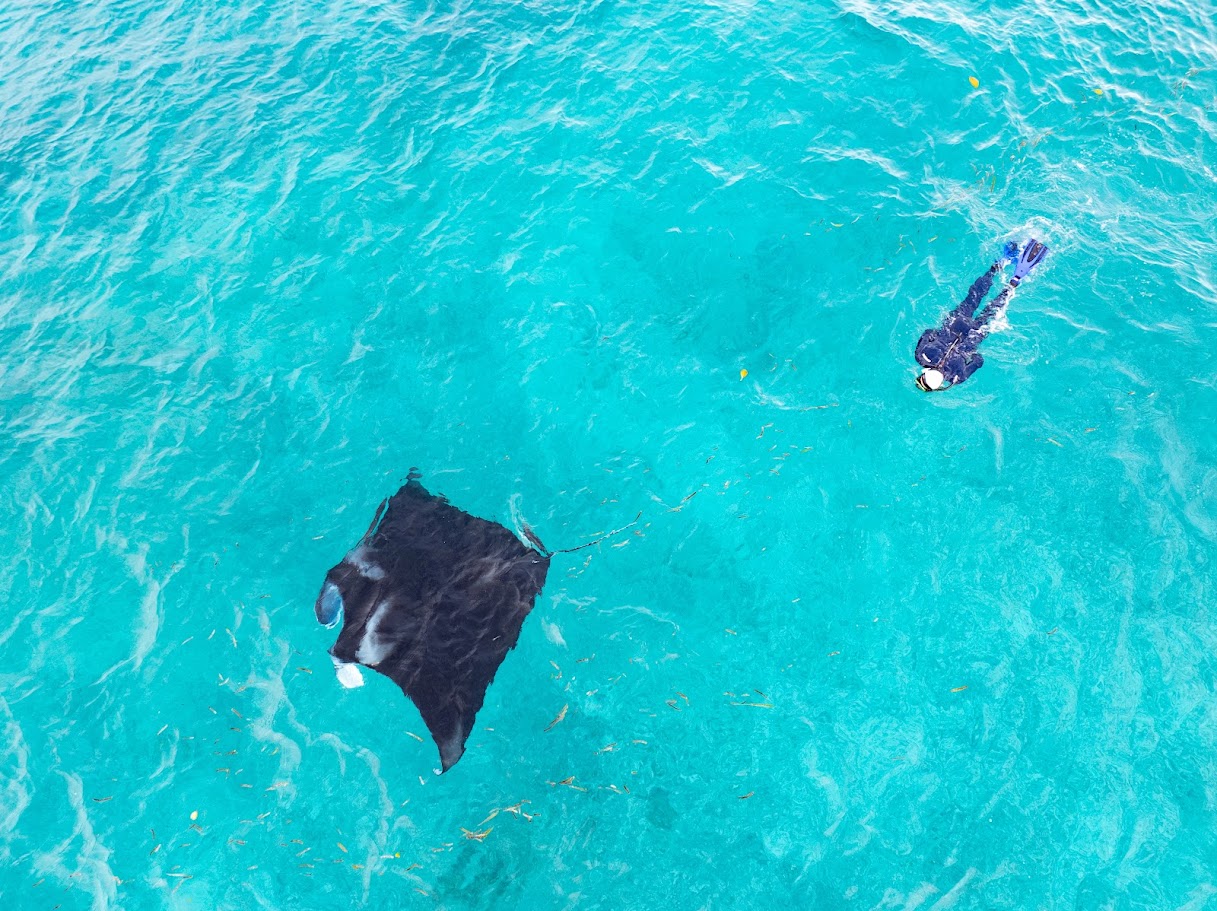
To ensure safety, visitors need to follow the instructor's guidance and prepare their health well before diving.
4.3 Respect the environment and marine life
- Do not touch corals or marine creatures: A light touch can damage coral structures or harm both you and the creatures.
- Do not feed fish or collect marine creatures: Feeding fish can disrupt the balance of the ecosystem, while taking shells or starfish as souvenirs is prohibited in the Raja Ampat reserve.
- Avoid using single-use plastics: Bring a personal water bottle, cloth bags, or containers to minimize waste in the ocean.
- Pay conservation fees: All visitors to Raja Ampat need to pay a conservation fee to support ecosystem protection.
If you are looking for a journey to explore the marvelous ocean, immerse yourself in the cool blue waters, and witness the most beautiful "diving paradise" on the planet, Raja Ampat is the destination you cannot miss. Book a flight to Indonesia and prepare for this wonderful underwater adventure today. Thousands of 0 VND flight tickets during the golden hours from 12 PM to 2 PM are waiting for you to discover. Find out more here.
Follow flight information, promotional programs, and travel guides on the official channels of Vietjet: