Booking
 Skyshop
 Hotel
Hotel
 E-Voucher
 E-Sim
E-Sim
 E-Visa
 Buy foreign currency
 Insurance
 SkyJoy
Chengdu is known as the capital of Sichuan and one of the most attractive destinations in China. The city stands out as the “holy land” of Sichuan cuisine, famous for the spicy, tongue-numbing flavors of hotpot, paired with a tranquil tea culture. Beyond food, Chengdu also preserves a wealth of historical heritage through landmarks such as Wuhou Shrine, Jinli Ancient Street, and the Dujiangyan Irrigation System — a UNESCO World Heritage Site.

Chengdu is also the place where visitors can admire giant pandas and adorable red pandas in a near-natural environment.
To make your panda city adventure complete and hassle-free, preparing thoroughly for both finances and internet connectivity is essential. Below is a detailed guide on how to exchange money and buy a 4G SIM card, along with other handy tips to help you explore Chengdu with confidence.
1. Currency Exchange Tips for Traveling to Chengdu
The official currency of China is the Renminbi (RMB or CNY), commonly called the Yuan. While e-payments are extremely popular in this city, having some cash on hand is still necessary.
1.1 Exchanging Money in Vietnam
Travelers from Hanoi heading to China can choose reliable places such as banks, licensed currency exchange counters in the city center, or at international airports.
In Hanoi, major banks often provide exchange services with competitive and safe rates. In addition, financial streets and shopping centers also have authorized exchange counters.
Exchanging money in Vietnam beforehand ensures you’ll have cash ready upon landing, saving time from searching for an exchange point later. However, always check the exchange rate and the maximum amount of cash you’re allowed to carry when leaving the country.
Special note: If you’re a Vietjet passenger and want to simplify your foreign currency preparation, Vikki Bank offers a very convenient solution. With the “Online Foreign Currency Purchase” service by Vikki Bank in cooperation with Vietjet, you can easily order Chinese yuan directly on the Vietjet Air website/app or via the Vikki app. You can then quickly pick up the cash at HDBank branches nationwide.
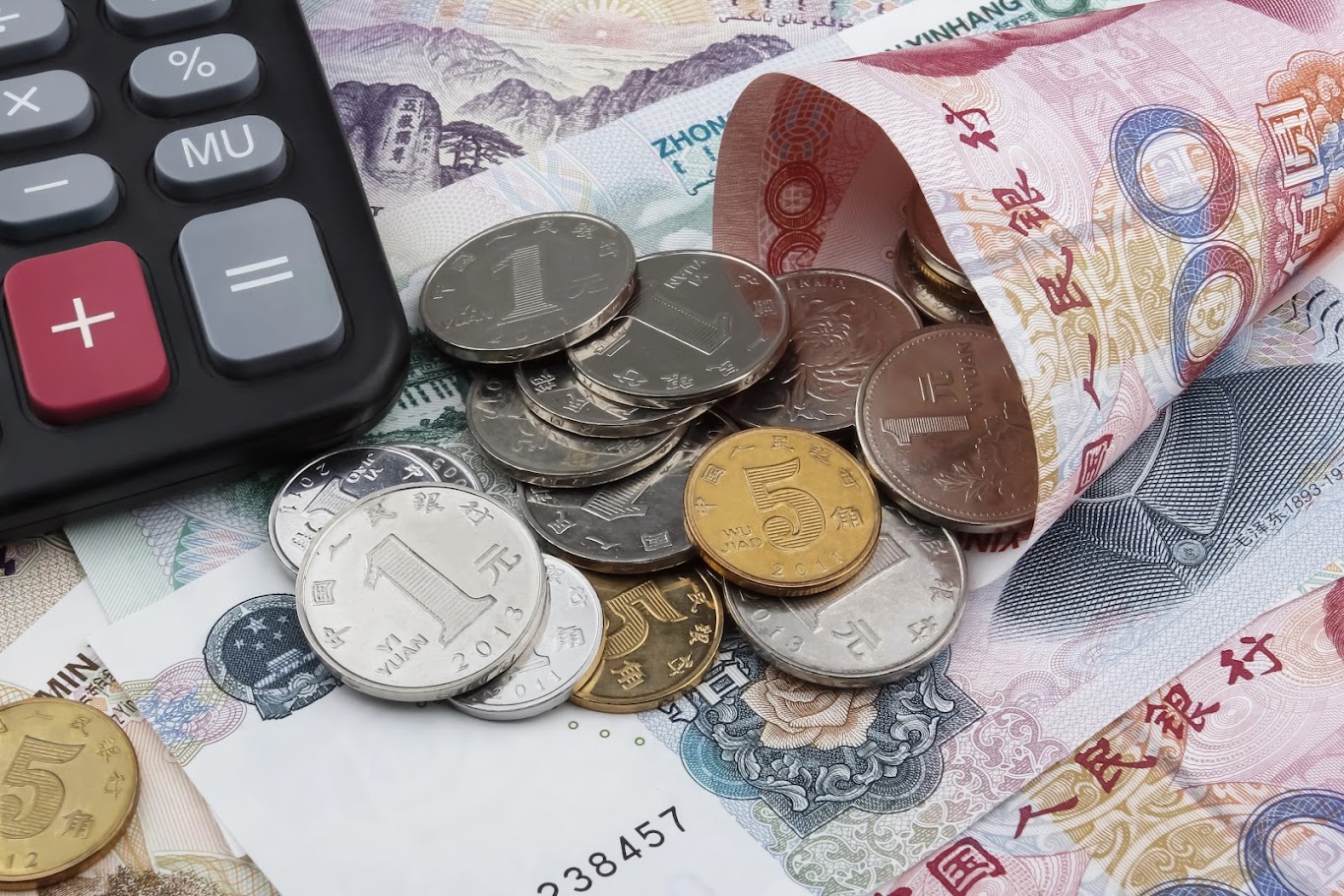
Exchanging money for China travel with Vikki Bank helps you take control of your finances before departure.
1.2 Exchanging Money in Chengdu, China
If you don’t manage to exchange yuan in Hanoi, Chengdu offers plenty of options. At Chengdu Shuangliu International Airport (CTU), you’ll easily find money exchange counters and ATMs right in the arrival hall. This is the most convenient way to get cash for your initial expenses.
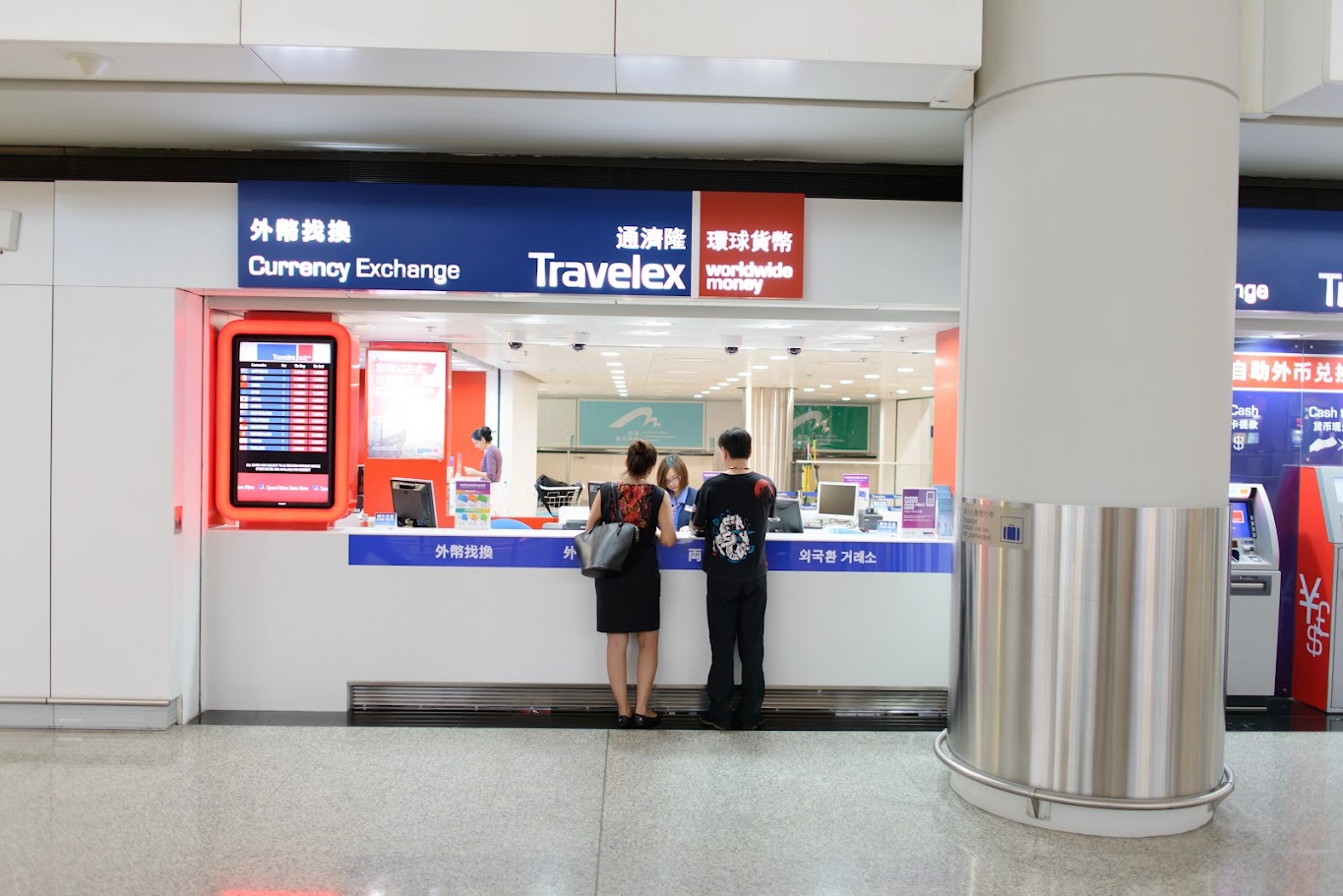
Airport rates aren’t always the best, but they’re sufficient for urgent needs.
Large Chinese banks across Chengdu are another great option with more competitive rates. Just remember to bring your valid passport and follow the procedures to exchange money. The advantage of bank exchanges is safety and better rates compared to unofficial channels.
Travelers can also withdraw yuan directly from ATMs using international debit/credit cards (Visa, Mastercard, Plus, Cirrus). Before your trip, check with your bank about international withdrawal fees and limits to avoid surprises. Some ATMs may charge extra fees, and you need to ensure the ATM carries the same logo as your card.
1.3 Using Electronic Payments
When traveling in China, Vietnamese tourists are advised to use electronic payment. You can download China’s most popular payment apps such as WeChat Pay or Alipay, and link them with your international credit/debit card (Visa, Mastercard).
Once linked, you can pay simply by scanning the merchant’s QR code or letting them scan yours. The main advantage is ultimate convenience: no need to carry cash or worry about small change. These apps are widely accepted — from convenience stores, restaurants, taxis, supermarkets to street vendors — and allow you to manage your spending easily via transaction history.
1.4 Using International Credit/Debit Cards
International credit/debit cards are still accepted in some places in China, mostly at international hotels, upscale restaurants, shopping malls, duty-free shops, and stores with a large number of international visitors.
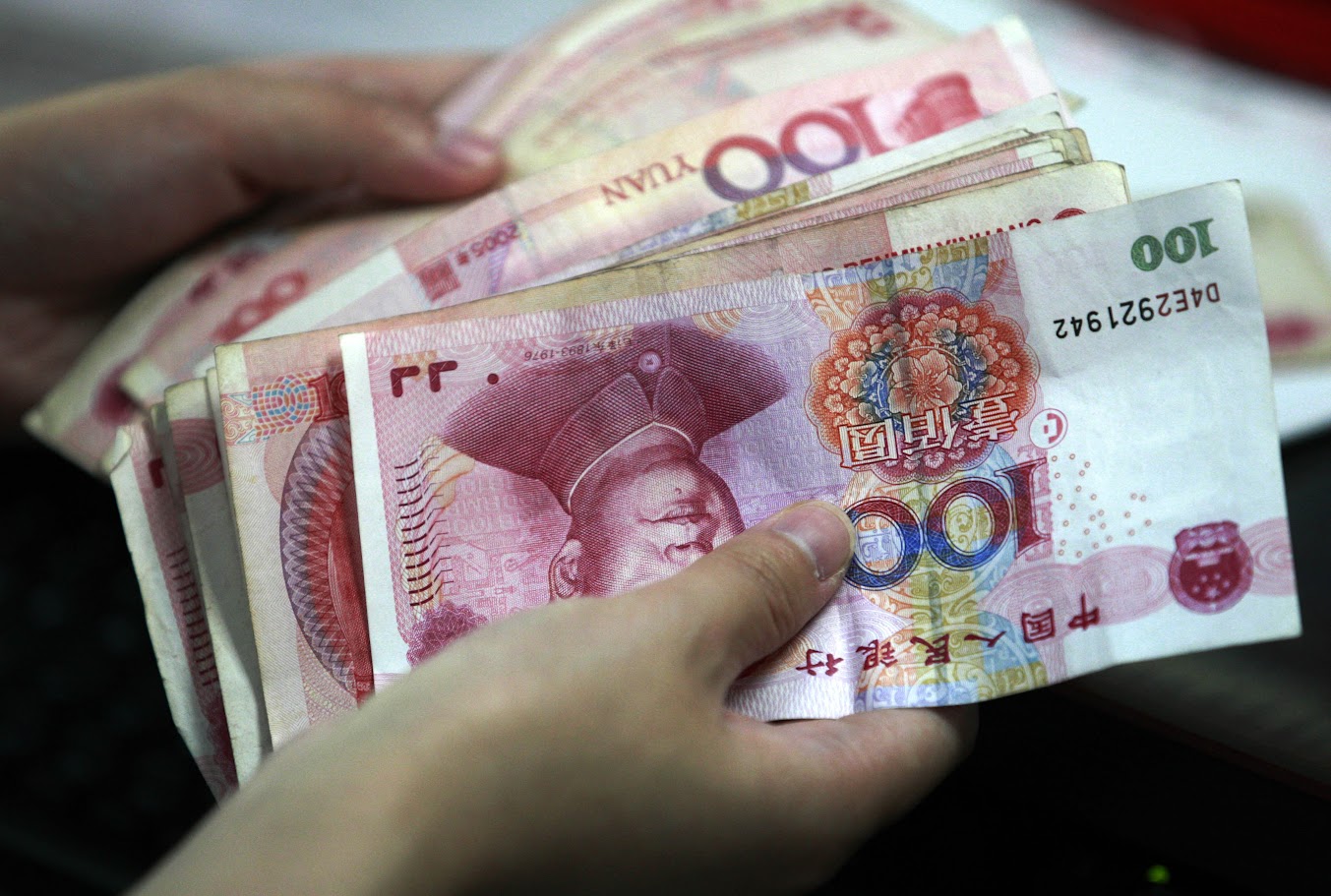
Withdrawing cash from ATMs is a convenient option with your international card.
However, keep in mind that foreign transaction fees apply. Most issuing banks charge a small fee (usually 2–4%) for each foreign currency transaction, so check with your bank before your trip. Another important note: international cards are not widely accepted everywhere in Chengdu.
See also: Travel costs in Chengdu – the happiest city in China.
2. Tips for Buying a 4G Travel SIM Card in China
To look up information, use maps, and stay connected at all times, having a stable internet connection is key. That’s why purchasing a China travel 4G SIM card and knowing how to use it in Chengdu is so important.
2.1 Buying a SIM in Vietnam
You can buy a 4G SIM card right in Vietnam from travel agencies or e-commerce platforms. This option gives peace of mind since you’ll have internet as soon as you land. When purchasing, you’ll also need to provide visa information for third parties to activate the SIM.
Another option is to register for international roaming directly with your Vietnamese SIM card. This service allows you to continue accessing the internet and making calls while in Chengdu. Registration is simple, usually done online via your carrier’s app or website. Once registered, your SIM will automatically connect to a Chinese mobile network, ensuring seamless communication throughout your trip.
Travelers should always buy SIM cards from reputable providers to avoid risks such as personal data leaks. Reliable sellers also offer better service and clearer guidance on how to use travel SIM cards in China.
2.2 Buying a SIM in China (Chengdu)
If you prefer more flexibility with data plans and pricing, buying a SIM in Chengdu is also a good choice. Right at Chengdu Shuangliu International Airport (CTU), you’ll find counters selling SIM cards from major Chinese carriers. You can also visit their official stores in the city — just remember to bring your passport for registration.
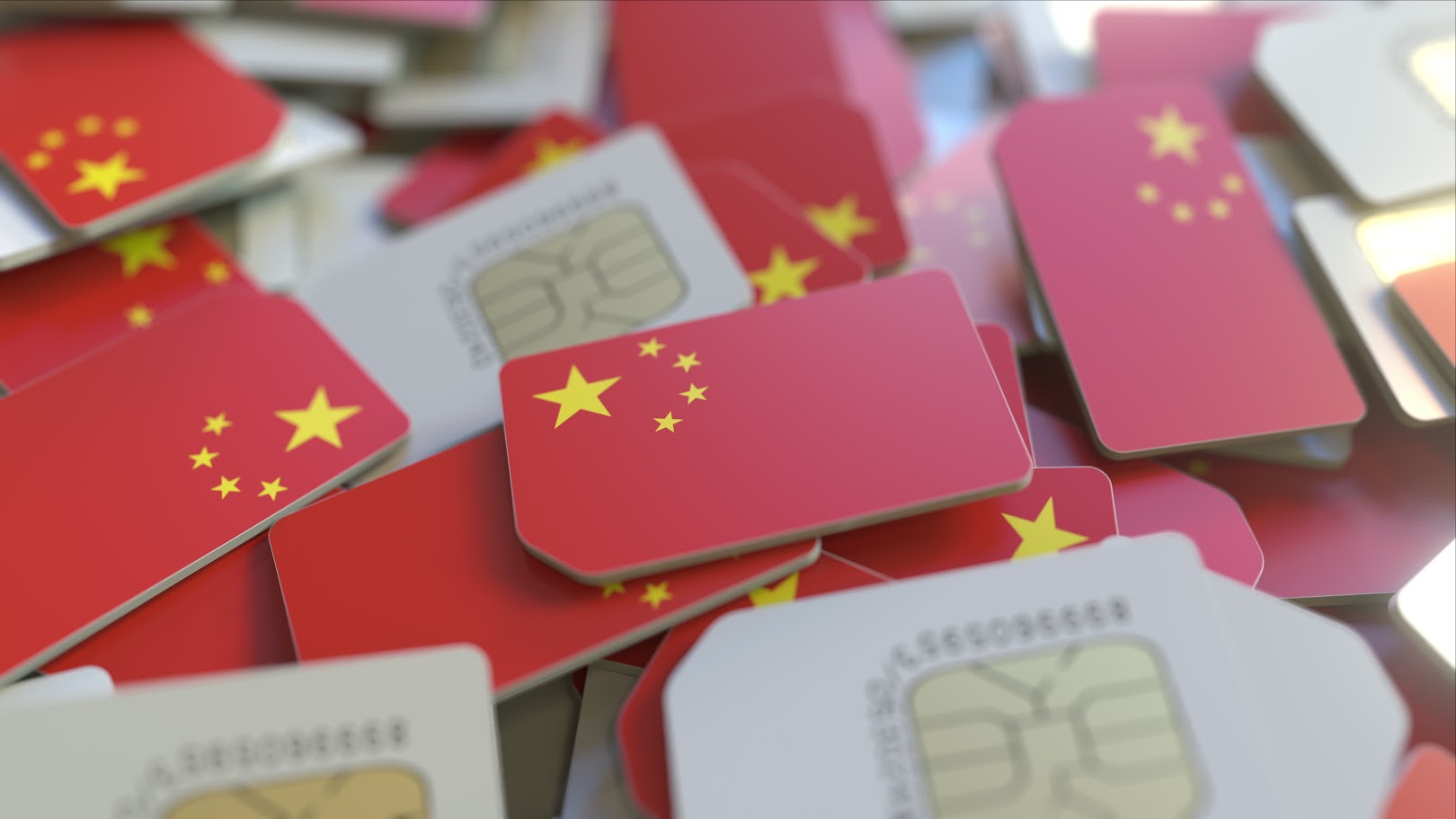
Buying a physical SIM card at the airport gives you instant connectivity after landing.
However, purchasing a SIM in China can be tricky due to complicated procedures. Foreigners are required to present valid documents such as a passport, national ID, or other identification to register for a 4G SIM. Payment is also often cash-only, so prepare in advance.
2.3 Buying an eSIM
A more popular and convenient choice today is using an eSIM. You can purchase an eSIM from international travel service providers online or through major partner platforms. The main advantage is that there’s no need to swap physical SIMs — simply activate by scanning a QR code. Many eSIMs even come with built-in VPNs, allowing you to access services without restrictions. Just make sure your phone supports eSIM.

Unlike physical SIMs, using an eSIM in Chengdu is simple and hassle-free.
Notably, Vietjet now offers an international eSIM called SkyFi. This service allows customers to easily purchase and activate eSIMs for high-speed internet in over 200 countries and territories worldwide, including Chengdu, China. SkyFi provides a variety of data packages to suit your trip’s needs and duration, with prices starting as low as 199,000 VND.
With Vietjet’s SkyFi eSIM, staying connected during your trip to Chengdu has never been easier. You can buy the eSIM at home directly on the vietjetair.com website or via the Vietjet Air mobile app. The process is quick and saves significant time compared to searching for a physical SIM card at the airport or local stores.
See also: What is an international travel SIM? How to buy and use it.
3. Chengdu Travel Tips
To make your Chengdu trip smooth and memorable, keep these useful tips in mind:
- Always carry some cash: While e-payments are convenient, cash is still useful for small shops, street food stalls, traditional markets, or suburban areas that don’t accept digital payments. Around 200–500 CNY is reasonable.- Download key apps in advance: WeChat and Alipay for payment and communication; Baidu Maps (as Google Maps doesn’t work) for accurate navigation; Didi Chuxing for ride-hailing like Uber/Grab; and a translation app such as Google Translate with offline mode for easier conversations.
- Save emergency contacts in China: Write down numbers like 110 for police, 120 for ambulance, 119 for fire, along with the contact of the Vietnamese Consulate General in Chongqing (the closest office to Chengdu) in case you need urgent consular assistance.

With proper preparation for money and connectivity, you’ll enjoy a smooth and unforgettable Chengdu journey.
Hopefully, with these detailed tips on exchanging money and buying a 4G SIM card for your Chengdu trip, you now have the essentials to confidently explore this beautiful city. Preparing in advance — especially getting familiar with popular e-payment methods and ensuring a stable internet connection — will make your trip more convenient, comfortable, and complete. So why wait? Book your Vietjet flight to Chengdu today and turn your travel dream into reality. Don’t miss Vietjet’s special 0 VND tickets available daily during the golden hours of 12–2 PM for the best deals. See details HERE
Keep following Vietjet to stay updated with the latest travel news!
- Website: https://www.vietjetair.com
- Facebook: https://www.facebook.com/vietjetvietnam
- Instagram: https://instagram.com/vietjet
- YouTube: https://www.youtube.com/VietjetOfficial
- TikTok: https://www.tiktok.com/@vietjetvietnam
- Zalo: https://oa.zalo.me/vietjet