Booking

 Skyshop

 Hotel

 E-Voucher

 E-Sim

 E-Visa

 Buy foreign currency

 Insurance

 SkyJoy
Traveling to Asia is increasingly chosen by many Vietnamese due to the close distance, diverse destinations, and many convenient flight routes. However, besides booking flights or planning itineraries, visa procedures still cause concern for many travelers. Some countries completely exempt Vietnamese from visas, while others only require online eVisa registration, and some destinations like South Korea and Japan still require visa applications but have implemented many more accommodating policies than before.
If you are looking into visas for Asian countries, the article below will help you compare visa policies, update common regulations for Vietnamese passports, and suggest necessary documents to prepare for choosing a suitable destination.
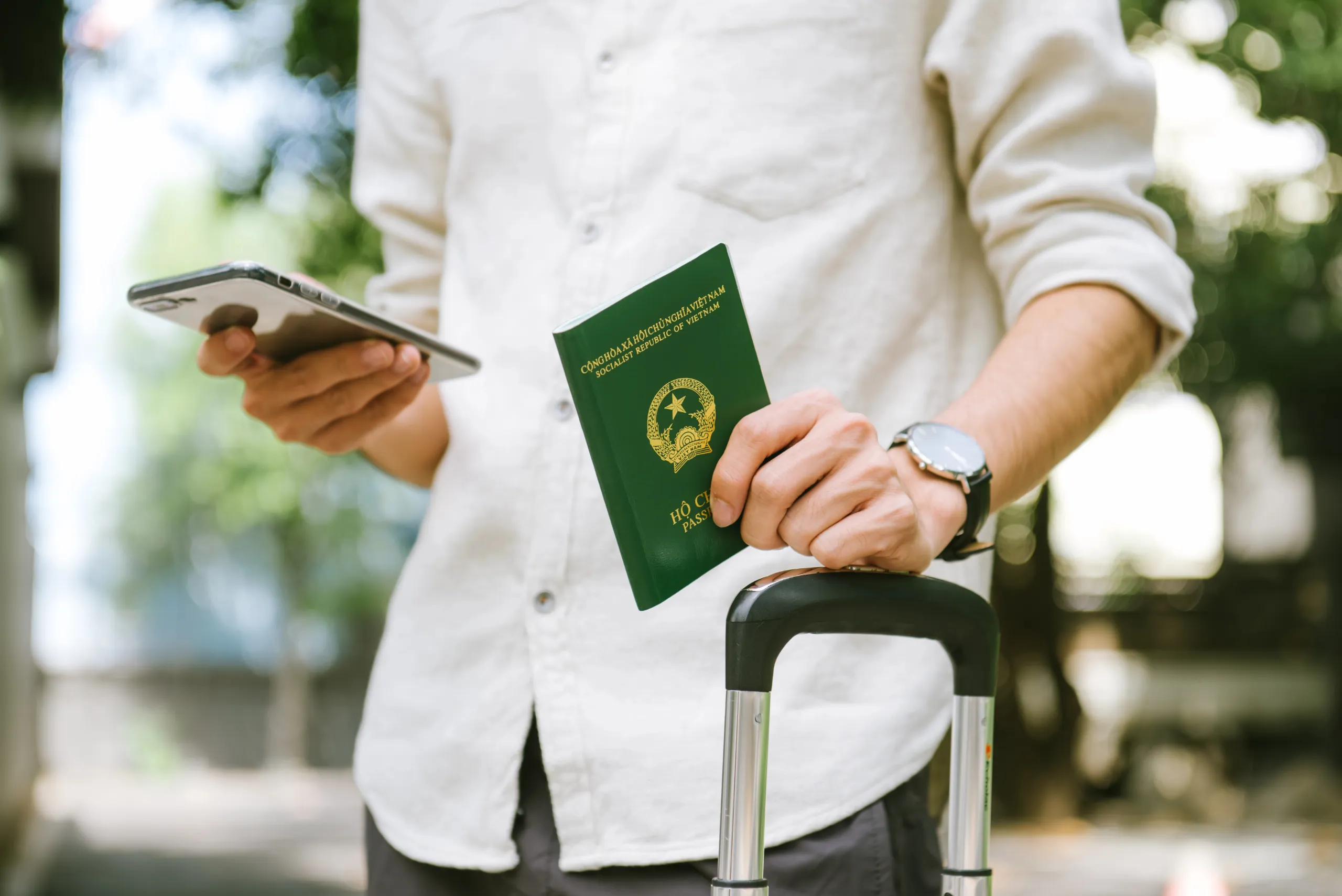
A visa is considered a 'pass' when traveling abroad, so it's essential to research it before each trip.
1. Why should you research visa policies before planning a trip to Asia?
Which countries are visa-free for Vietnam is probably a question many travelers are interested in. Not all countries in Asia apply the same entry policies for Vietnamese citizens. Some allow visa exemption, others implement eVisa for online registration, while some countries still require submission of applications at reception centers or consular offices. Understanding visa regulations in advance will help you proactively choose destinations, prepare complete documents, and avoid additional costs or delays in departure plans.
1.1 Each country has different visa policies.
The entry policies of Asian countries can be divided into three common groups. The first is the visa-free group, which allows Vietnamese to enter for a certain period without needing to apply for a visa in advance. The second is the eVisa group, where travelers can complete procedures online and receive results via email. Finally, the group that requires visa applications through the usual process, typically South Korea and Japan.
Understanding these differences will help you easily answer the question of which country's visa is easiest to obtain, while also choosing a destination that fits your preparation time and needs.
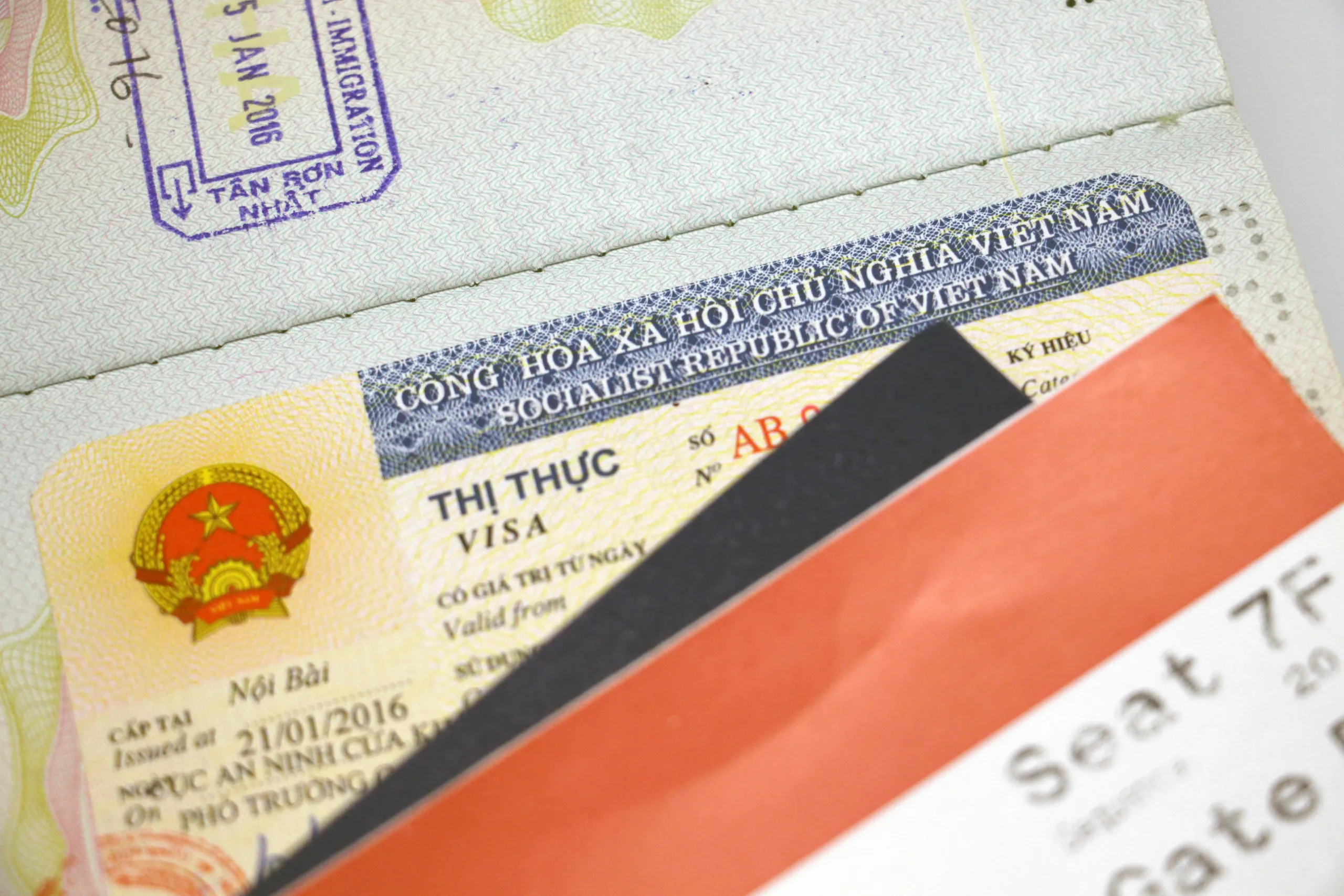
Each country has its own regulations regarding visa applications for Vietnamese citizens.
1.2 Common misconceptions when comparing visas for Asian countries.
Many travelers often assess the 'ease of travel' of a country solely based on whether a visa is required. However, each entry policy has its own specific regulations, and not all common perceptions are accurate.
- Visa exemption does not mean entry is guaranteed: Visa exemption only means that Vietnamese do not need to apply for a visa before departure for the permitted duration of stay. Upon arrival at the border, travelers may still be asked to present their passport, return ticket, accommodation information, or other documents as required by each country.
- eVisa is not the same as visa exemption: eVisa (electronic visa) is a form of online visa application that helps shorten the process of submitting documents and receiving results via email. Although more convenient than traditional visas, it is still a type of visa that must be issued before entry.
- A country requiring a visa is not necessarily difficult to obtain: South Korea and Japan still require Vietnamese citizens to apply for tourist visas, but the process has seen many improvements and policies that facilitate certain groups. If you meet all the conditions as per regulations, the likelihood of approval will be much higher than many people think.
- Visa policies may change over time: The duration of visa exemption, the eligibility for eVisa, or the documentation requirements can all be adjusted according to each country's policies. Therefore, when comparing visas for Asian countries, you should refer to the latest information before planning and check detailed guidelines on the visa application process for each destination if needed.
2. Comparison of Visa Policies for Asian Countries for Vietnamese
For holders of Vietnamese ordinary passports, the entry policies in Asian countries can be divided into three main groups: visa-free, eVisa (electronic visa), and countries that still require visas but have many accommodating policies. Understanding each group will help you choose a suitable destination based on your preparation time and plans.
2.1 Group of countries that completely exempt Vietnamese from visas
This group is suitable for travelers who want to plan quickly or are traveling abroad for the first time. Vietnamese do not need to apply for a visa before departure if the duration of stay is within the limits set by each country.
2.1.1 Some typical countries that exempt visas for Vietnamese
Country | Visa-free stay duration (for reference) |
Thailand | Up to 30 days |
Singapore | Up to 30 days |
Malaysia | Up to 30 days |
Indonesia | Up to 30 days |
Philippines | Up to 21 days |
Cambodia | Up to 30 days |
Laos | Up to 30 days |
Brunei | Up to 14 days |
2.1.2 Entry regulations for Vietnamese
Although no visa is required before the trip, travelers must still meet the entry conditions of the host country. Depending on the country, immigration authorities may require presenting a valid passport, return ticket or onward ticket, accommodation information, and proof of the purpose of the trip if necessary.
Additionally, the duration of visa exemption does not mean unlimited stay. If you wish to stay longer than the regulations allow, travelers need to carry out extension procedures or apply for a visa according to the regulations of that country.
Documents you should prepare include:
- A passport valid for at least 6 months.
- A return ticket or a ticket to the next country.
- Accommodation confirmation or address.
- Travel itinerary (if required).
- Travel insurance and financial proof documents (recommended to prepare).
You should carefully check the entry conditions and passport validity according to the latest regulations of each country before departure.
2.2 Group of countries where eVisa (electronic visa) can be applied
If you do not fall under the visa exemption category, many Asian countries have now implemented eVisa to simplify entry procedures. Instead of submitting documents directly at the embassy or consulate, Vietnamese can complete most of the process online and receive results via email.
2.2.1 Some countries that apply eVisa for Vietnamese
Many Asian countries currently apply eVisa to help Vietnamese carry out visa application procedures more conveniently. The entire or most of the process is conducted online, saving time and reducing the number of times documents must be submitted in person. Below are some typical destinations along with basic regulations about eVisa that you should refer to before departure.
- India
- Sri Lanka
- Pakistan
- Kazakhstan
- Uzbekistan
- Mongolia (for certain types of visas)
- Taiwan (China) with certain programs and applicable conditions
2.2.2 Visa regulations for Vietnamese
Each country has different eVisa issuance processes and duration of stay. After being issued, travelers often need to print or save an electronic copy of the visa to present when checking in and entering the country. Some countries only allow entry through designated international border gates, so it's essential to check the information carefully before booking flights.
The processing time for eVisa is usually faster than traditional visas, but it is still advisable to submit applications before the departure date to avoid affecting travel plans.
Documents you should prepare:
- A passport valid according to regulations.
- A portrait photo that meets standards.
- A scanned copy of the passport.
- Flight tickets and accommodation information (if required).
- International payment cards for online fee payment.
2.3 Countries with visa policies facilitating Vietnamese citizens
South Korea and Japan still require Vietnamese citizens to apply for a tourist visa before entering. However, in recent years, the process of receiving applications and some policies for Vietnamese citizens have improved, making it easier to apply for a visa if all conditions are met.
2.3.1 South Korea
South Korea accepts applications through the Visa Application Center (KVAC) and applies various types of visas suitable for each purpose of entry. Some groups with a good travel history or who meet certain conditions may be considered for multiple-entry visas or have some requirements simplified under current policies.
Basic documents to prepare
- Valid passport.
- Visa application form.
- Portrait photo.
- Documents proving employment.
- Financial documents (if required).
- Itinerary and travel information.
See more: Entering South Korea 2025: Is a visa required? & Frequently asked questions
2.3.2 Japan
Japan still maintains the visa approval process for Vietnamese citizens while gradually expanding the forms of application acceptance suitable for each group. It is important that the application is complete, the information is consistent, and clearly shows the purpose of the trip.
Some eligible cases may submit applications electronically or through designated entities, depending on the policies in effect at the time of visa application.
Basic documents to prepare
- Valid passport.
- Visa application form.
- Portrait photo.
- Documents proving employment.
- Travel itinerary.
- Financial documents (if required).
Note: Visa exemption policies, eVisas, and visa issuance conditions may be adjusted by countries at different times. Before booking tickets or submitting applications, you should check the latest information from the diplomatic agency or immigration management agency of the intended destination country.
3. Which country's visa is the easiest to obtain?
No country is considered "easy to obtain a visa" in all cases, as entry policies depend on the regulations of each country and the purpose of the trip. However, if considering the convenience for holders of Vietnamese passports, countries can be divided into three groups from easy to those requiring more preparation as follows.
Group | Representative countries | Notes |
Visa exemption | Thailand, Singapore, Malaysia, Indonesia, Philippines, Laos, Cambodia, Brunei | No visa is required before the trip, just meet the entry conditions and duration of stay as prescribed. |
eVisa (electronic visa) | India, Sri Lanka, Pakistan, Kazakhstan, Uzbekistan, Mongolia, Taiwan (China) | Register online, processing time is usually faster than traditional visas. Regulations and conditions vary between countries. |
Traditional visa but with facilitative policies | South Korea, Japan | Still need to submit a visa application, but the process is becoming increasingly convenient. If the application is complete and meets the approval conditions, the likelihood of obtaining a visa is relatively high. |
Choosing a destination depends not only on the landscape or cost but also on the visa policies of each country. If convenience is a priority, countries that exempt visas for Vietnamese citizens are a suitable choice. Meanwhile, the eVisa group helps save time on procedures, while South Korea and Japan remain attractive destinations with increasingly improved visa application processes.
Regardless of which country you choose, you should update the latest entry regulations before departure and prepare all required documents. Proactively researching visas for Asian countries will help your journey go more smoothly, and you can confidently plan to explore your favorite destinations with 0 VND flight tickets at 12 PM - 2 PM every day with Vietjet.
Follow Vietjet's official website and social media channels for the latest updates on flights, promotions and services: