Booking
 Skyshop
 Hotel
Hotel
 E-Voucher
 E-Sim
E-Sim
 E-Visa
 Buy foreign currency
 Insurance
 SkyJoy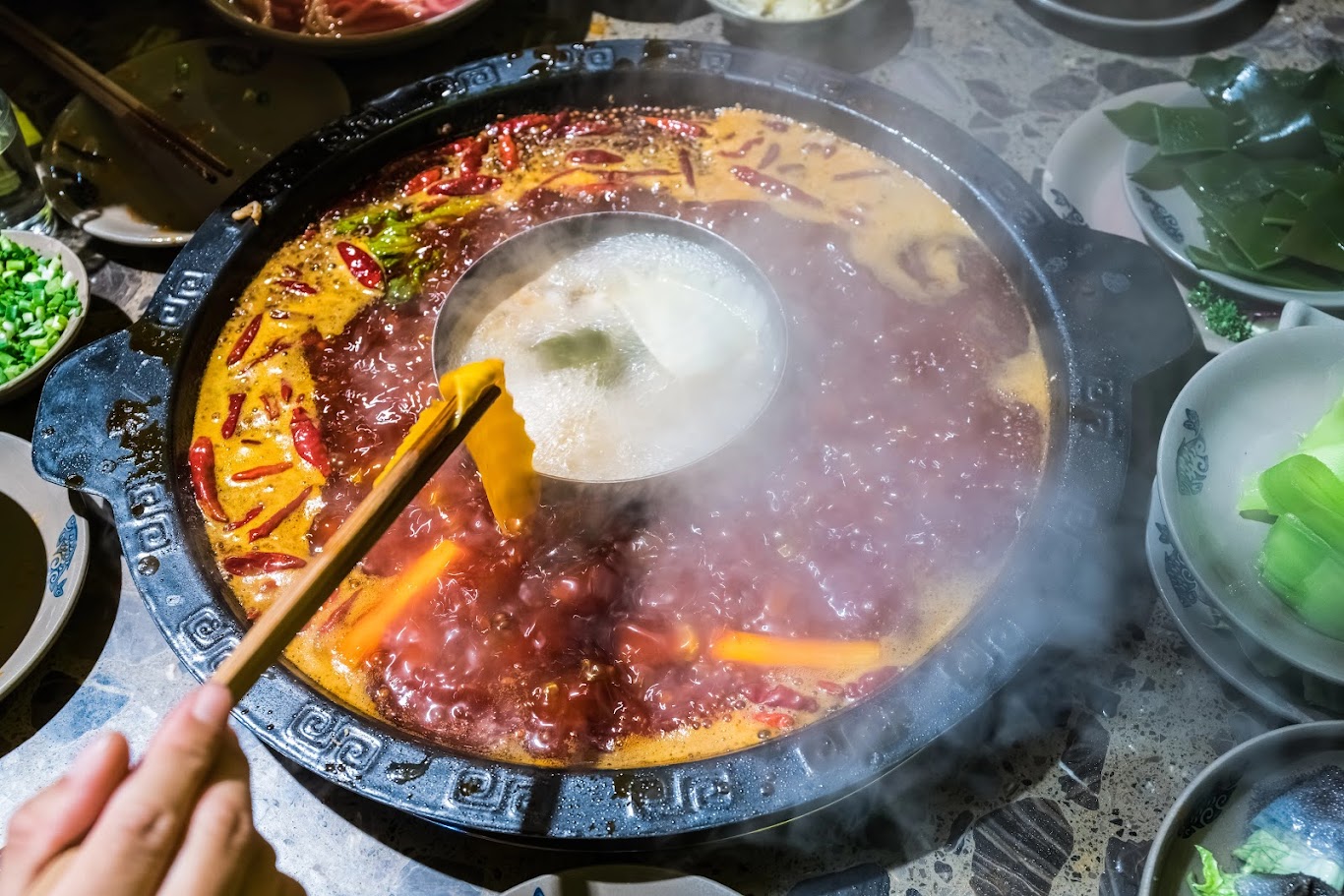
Sichuan cuisine has long been famous around the world for its bold, diverse, and fiery flavors. Among the many iconic dishes of Sichuan, Malatang hotpot stands out as a crowd favorite. So, what makes Malatang so special that diners can’t get enough of it? Let’s find out with Vietjet!
Malatang hotpot is a renowned Chinese dish celebrated for its distinctive spicy and numbing taste.
1. What is Malatang Hotpot?
1.1 An Introduction to Malatang
Malatang hotpot is one of China’s most famous street foods, especially popular during chilly days. Though it originated in Sichuan Province, today you can enjoy Malatang in virtually every part of China.
Malatang combines the essence of hotpot and skewers, creating a unique and flavorful dining experience. The spicy, aromatic broth blends perfectly with a wide variety of skewered meats, seafood, and fresh vegetables, producing a flavor explosion that keeps you coming back for more.
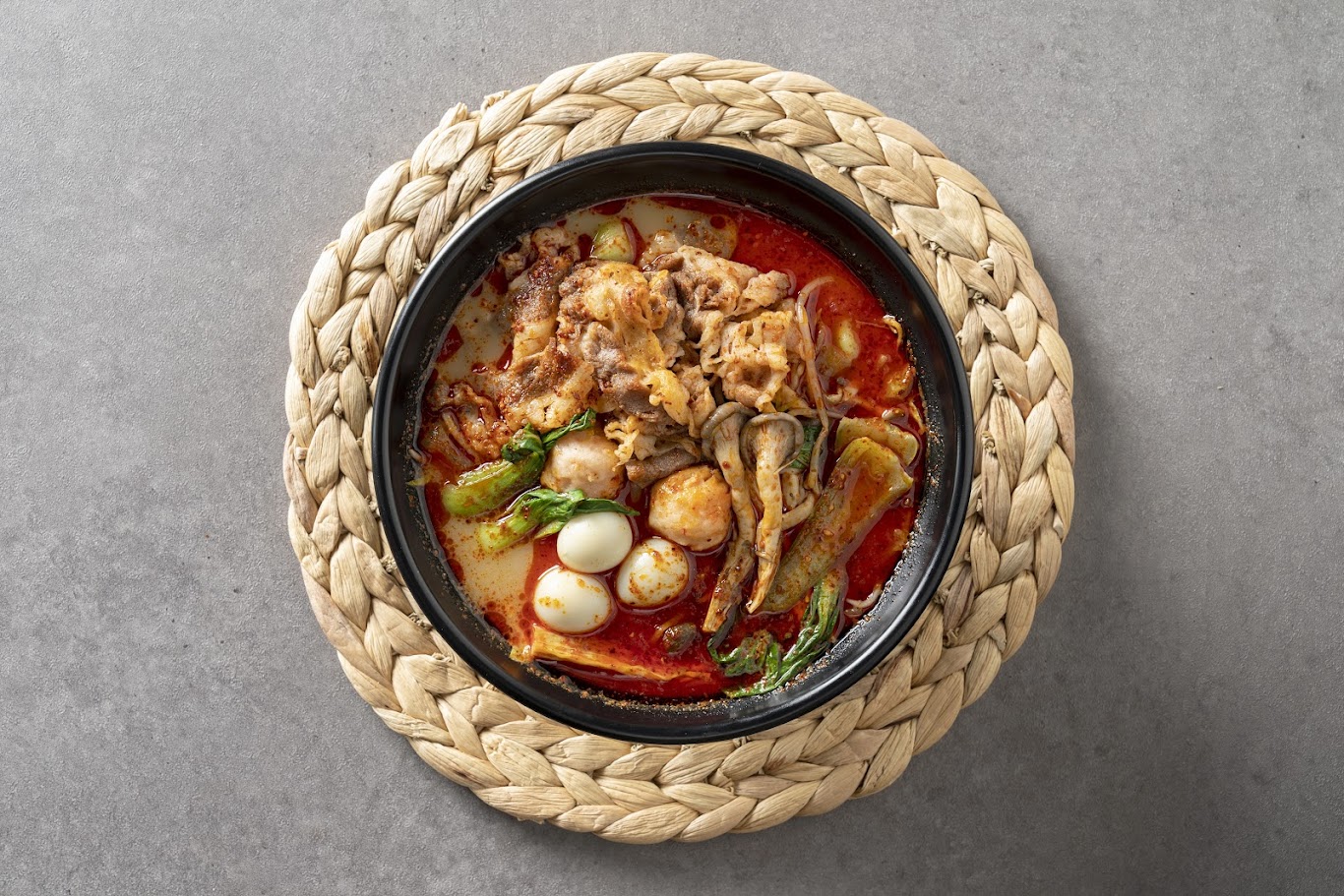
The name “Malatang” (麻辣烫) literally means “numbing, spicy, and hot,” referring to its distinctive and challenging heat level. The key ingredient is the mala sauce, made primarily from Sichuan peppercorns and chili powder. Nowadays, many restaurants adjust the spice level to suit different palates, allowing everyone to enjoy this flavorful dish.
The name “Malatang” in Chinese means “numbing, spicy, and hot,” inspired by the dish’s fiery intensity.
See also: Chinese Cuisine – Explore the Eight Great Regional Culinary Traditions
1.2 The Origin of Malatang
The origin of spicy Malatang dates back to ancient times and is said to have been created by boatmen working along the Yangtze River. Spending long days in cold, foggy, and damp conditions, they needed a dish that could both satisfy hunger and warm the body — and thus, Malatang was born. Initially, it was a simple dish made by boiling available vegetables in hot broth, heavily seasoned with pepper, ginger, and Sichuan chili to fend off the cold. Because of its simplicity and effectiveness, the dish quickly spread. Boatmen and local residents living near the river adopted and modified the recipe, soon turning it into a popular street food sold along riverbanks and eventually across all of China.
2. The Signature Spicy and Numbing Flavor of Malatang
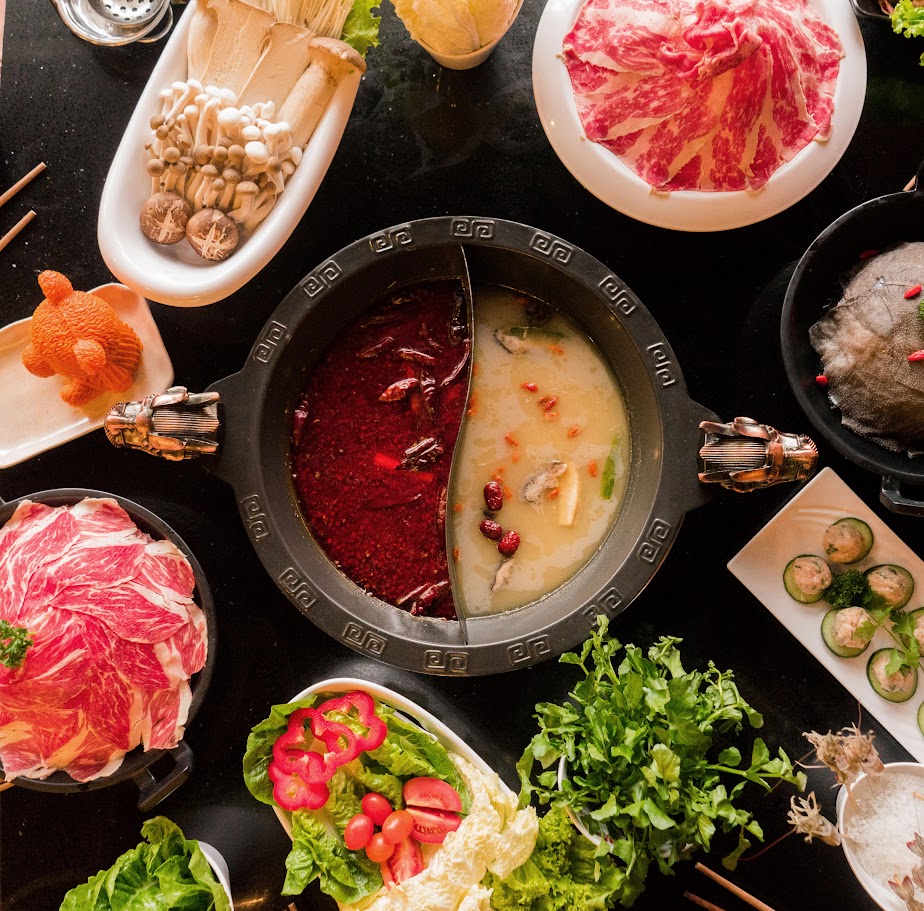
One of the key factors that makes Malatang so irresistible lies in its rich and diverse ingredients. First and foremost is the spicy and aromatic broth, created from signature Sichuan seasonings such as mala sauce, Sichuan peppercorns, and chili powder, giving it an intense aroma and flavor that awakens your taste buds. Depending on your preference, you can adjust the level of spiciness to suit your taste.
Next come the main ingredients — meat and vegetables. The variety of meats is impressive, including beef, pork, chicken, and lamb, along with seafood like shrimp, fish, and squid, all sliced thinly and skewered onto bamboo sticks for an eye-catching presentation. Over time, Malatang has expanded to include ingredients such as fish balls, meatballs, sausages, dumplings, and more.
Vegetables also play an essential role in balancing the flavor and making the dish even more enjoyable. In Malatang, vegetables are divided into two categories: leafy and non-leafy. Leafy greens such as spinach, lettuce, and Chinese cabbage are often used for garnish, while non-leafy vegetables like broccoli, cauliflower, mushrooms, bamboo shoots, potatoes, corn, and lotus root are cooked in the broth and eaten with the skewers.
In addition to the broth, meat, and vegetables, two other main components complete the Malatang experience — noodles and tofu. There are many noodle options to choose from, such as egg noodles, potato noodles, ramen, or rice vermicelli. The tofu selection is equally diverse, ranging from Japanese tofu and fried tofu puffs to soft tofu, frozen tofu, and tofu skin. To accommodate a wider range of diners, many Malatang restaurants have started offering less spicy alternatives using ingredients like vinegar, sesame, and peanut sauce.
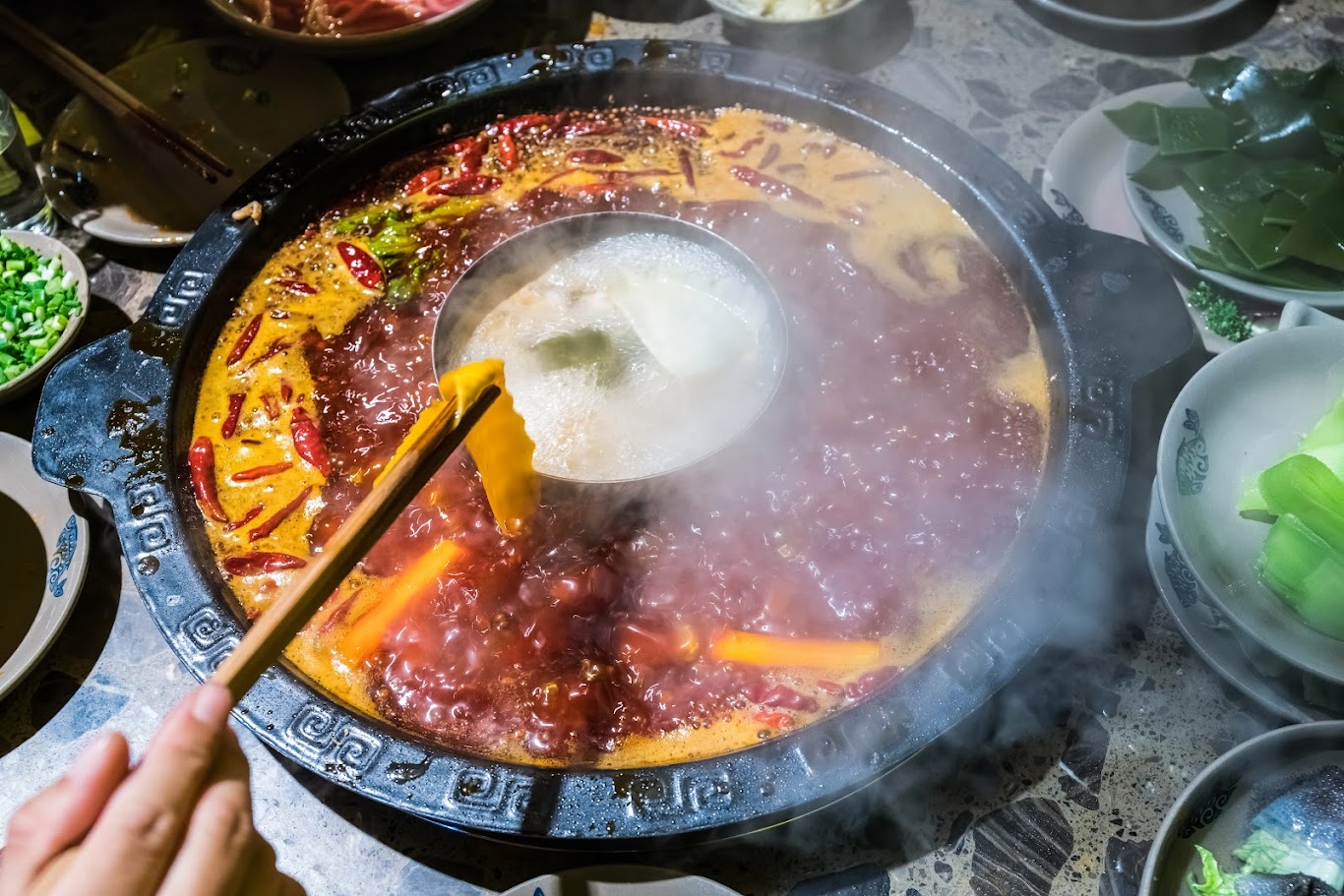
ALT: What is Malatang Hotpot? Discover Its Signature Spicy and Numbing FlavorMalatang captivates diners with its spicy, flavorful broth combined with a wide variety of meats, seafood, vegetables, and tofu, creating an irresistibly rich and satisfying taste.
3. Where to Enjoy Malatang
You can find Malatang almost anywhere in China, especially in Sichuan Province. Below are some popular spots where you can experience authentic Malatang:
- Hai Di Lao – One of the largest and most famous hotpot restaurant chains in China. Hai Di Lao serves various hotpot types, with Malatang being among the most popular. The restaurant is known for its elegant ambiance, professional service, diverse menu, and rich-flavored broth.
- Shu Hai Lao – A chain specializing in authentic Sichuan-style hotpot, including Malatang. Prices are reasonable, the ingredients are fresh, and the broth delivers that perfect numbing and spicy kick.
- Banu Hotpot – Famous for its signature beef tripe hotpot, Banu also offers flavorful Malatang with a wide range of ingredients.
- Chinese Street Food Markets – For a more local experience with a bustling street vibe and affordable prices, visit food markets across China, where you’ll find countless stalls serving delicious Malatang.
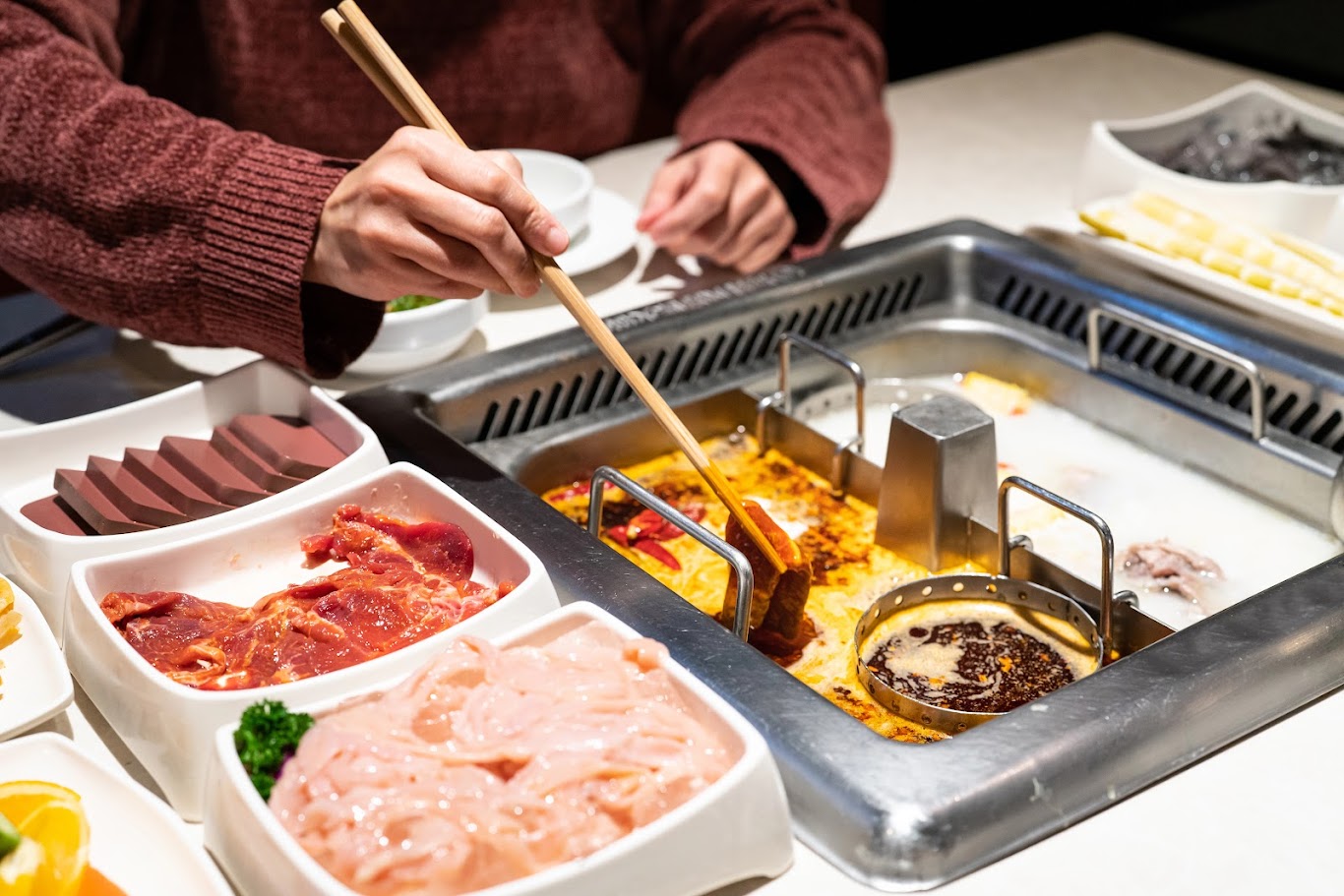
You can enjoy Malatang almost anywhere in China.
See also: Sichuan Travel Guide – Where to Go and How Much Does a 4-Day, 3-Night Trip Cost?
We hope this article has helped you learn more about Malatang, a beloved spicy and aromatic dish that represents the soul of Sichuan and Chinese cuisine. If you’re planning a trip to China, don’t miss the chance to try this flavorful, steaming hotpot!
Currently, Vietjet operates direct flights from Vietnam to Sichuan, China at very attractive fares. You can even grab 0 VND flight tickets during the daily golden hours from 12:00 PM to 2:00 PM.
Stay updated on flight schedules and promotions for one-way and round-trip domestic and international flights through Vietjet’s official communication channels.
- Fanpage: https://www.facebook.com/vietjetvietnam
- YouTube: https://youtube.com/c/VietjetOfficial
- TikTok: https://www.tiktok.com/@vietjetvietnam
- Instagram: https://instagram.com/vietjet
- Zalo: https://oa.zalo.me/vietjet