Booking
 Skyshop
 Hotel
Hotel
 E-Voucher
 E-Sim
E-Sim
 E-Visa
 Buy foreign currency
 Insurance
 SkyJoy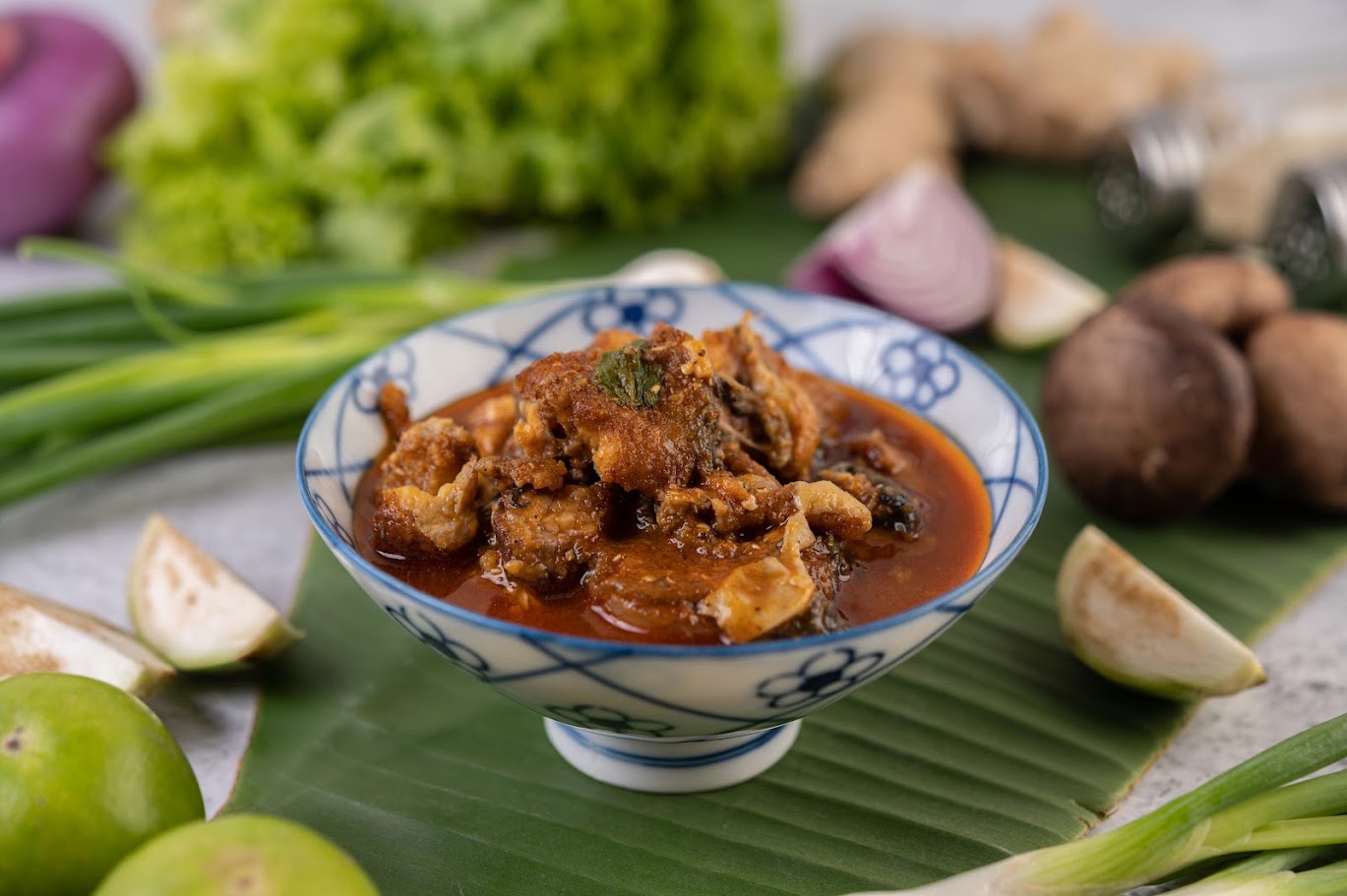
Manila is not only an ancient capital with its historic streets, but also a place where three major cultures meet on a single plate. 300 years of Spanish colonial rule left behind the famous adobo and lechon, the Chinese brought pancit and lumpia, while the Americans contributed to turning halo-halo into a national icon. Meanwhile, the indigenous Filipino cuisine still retains its distinctive flavors and traditional cooking methods.
All of this has contributed to creating a diverse and enticing culinary map of the Philippines. In this article, let's explore the must-try dishes when visiting Manila along with a detailed dining guide.
When traveling to Manila, visitors should not miss the experience of exploring the culinary delights of the archipelago.
1. Characteristics of Philippine cuisine in the capital Manila
Philippine cuisine in general and Manila's cuisine in particular is a unique blend of Eastern identity and Western influence, creating a distinct flavor in the heart of Southeast Asia. Some culinary characteristics include:
- “Flavor triangle”: Sour - salty - sweet (suka - patis - asucar) is almost the golden formula present in every meal. Filipinos often use vinegar, calamansi juice, fish sauce (patis), shrimp paste (bagoong), coconut milk, palm sugar, and condensed milk when seasoning, to create harmony among the layers of flavor, rich yet subtle.
- Culturally diverse cuisine: The development of Philippine culinary culture is closely tied to a historical narrative and cultural exchanges spanning centuries, from Asia to Europe. Each dish can represent a transformative period of the archipelago, adapted to suit the climate and lifestyle of the indigenous people.
- Contrasting culinary experience: In Manila, visitors can start their day with a simple breakfast at a street food stall and end it with a lavish dinner at a fine dining restaurant. No matter where you are, the flavors of the Philippines are distinctly present and irresistibly delicious.
See more: Top must-visit tourist spots in Manila for Vietnamese travelers
2. 5 must-try dishes when visiting Manila
Arriving in Manila, visitors may be overwhelmed by the diverse culinary scene. However, there are some iconic dishes that encapsulate the spirit of Filipino cuisine that you shouldn't miss.
2.1 Adobo - The most famous stew of the archipelago
Considered the "soul of Filipino cuisine," adobo actually has its origins in Spain, which was then adapted by the locals with coconut vinegar and local spices. This stew typically uses pork or chicken, slow-cooked with vinegar, soy sauce, garlic, and bay leaves until it is infused with flavor.
When enjoyed, diners will clearly experience the perfect blend of mild sourness, savory saltiness, and sweet aftertaste. The tender, moist, slightly glossy, and rich meat makes adobo an irresistibly delicious dish.
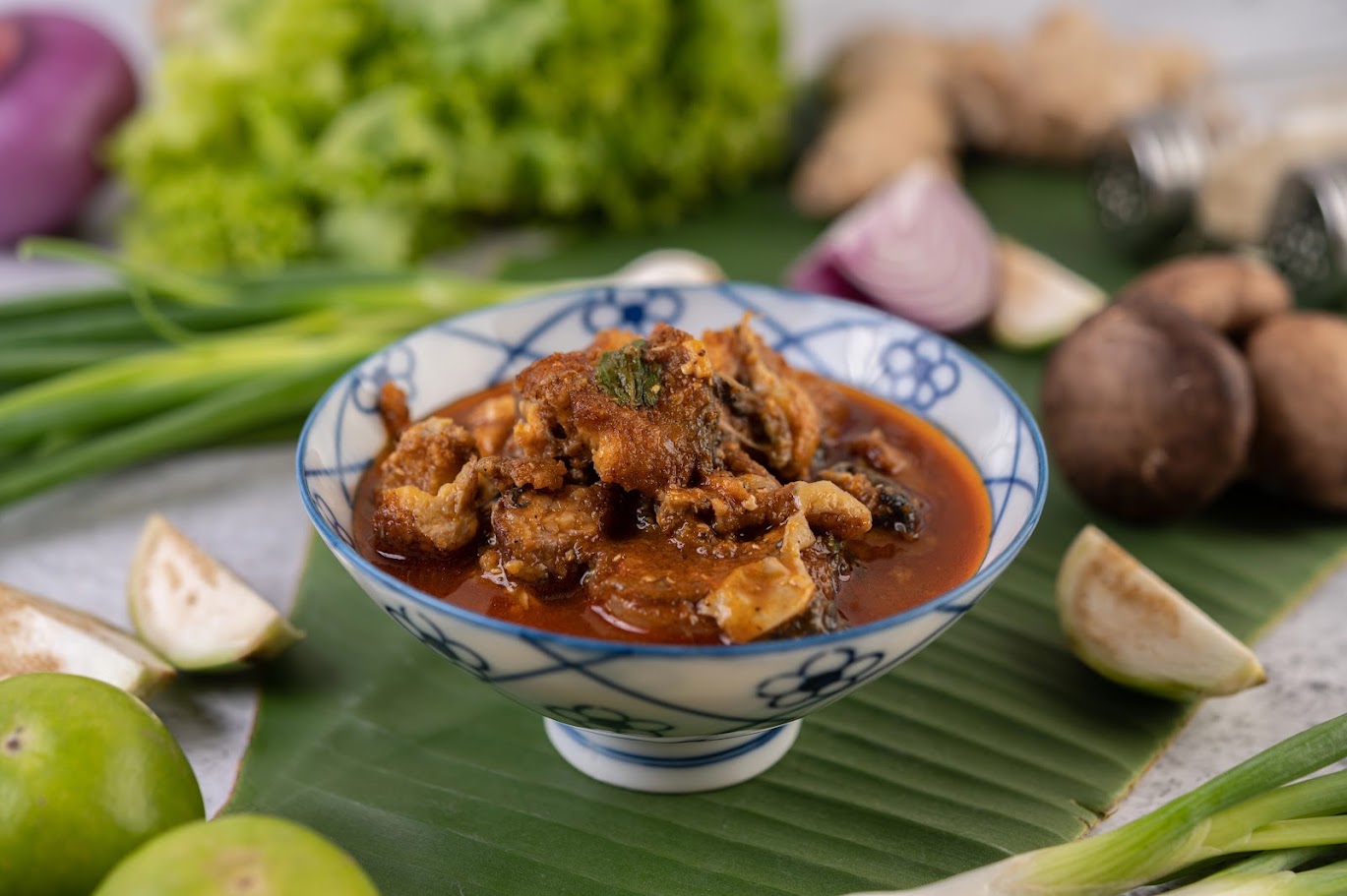
The famous stew in the Philippines combines Spanish culture and local cuisine.
2.2 Sinigang - Sour soup that refreshes and cools
If Vietnam has sour soup, then the Philippines has sinigang - a traditional soup made from ripe tamarind, tomatoes, white radish, and various green vegetables, combined with pork, shrimp, or fish. Each region in the Philippines has its own variation: some use green mango, while others add calamansi or pineapple to create a special flavor.
The distinctive feature of sinigang lies in its natural sourness and delicate sweetness. This soup is often served with hot white rice, popular in family meals and casual eateries, aimed at stimulating the palate and enhancing the flavors of main dishes.
2.3 Lechon - The dish of the festive season
When it comes to festive specialties in the Philippines, lechon is undoubtedly the most prominent "candidate." This whole roasted pig is always present at parties, from birthdays and weddings to Christmas, associated with a lively celebratory atmosphere.
Making delicious lechon is not simple at all. The pig is marinated with a mixture of spices including garlic, onion, pepper, bay leaves, and soy sauce, then skewered on a large bamboo stick and slowly roasted over hot coals for several hours. The golden, crispy skin combined with the tender, sweet meat inside creates a rich flavor that is not overwhelming, making everyone want to enjoy it again.
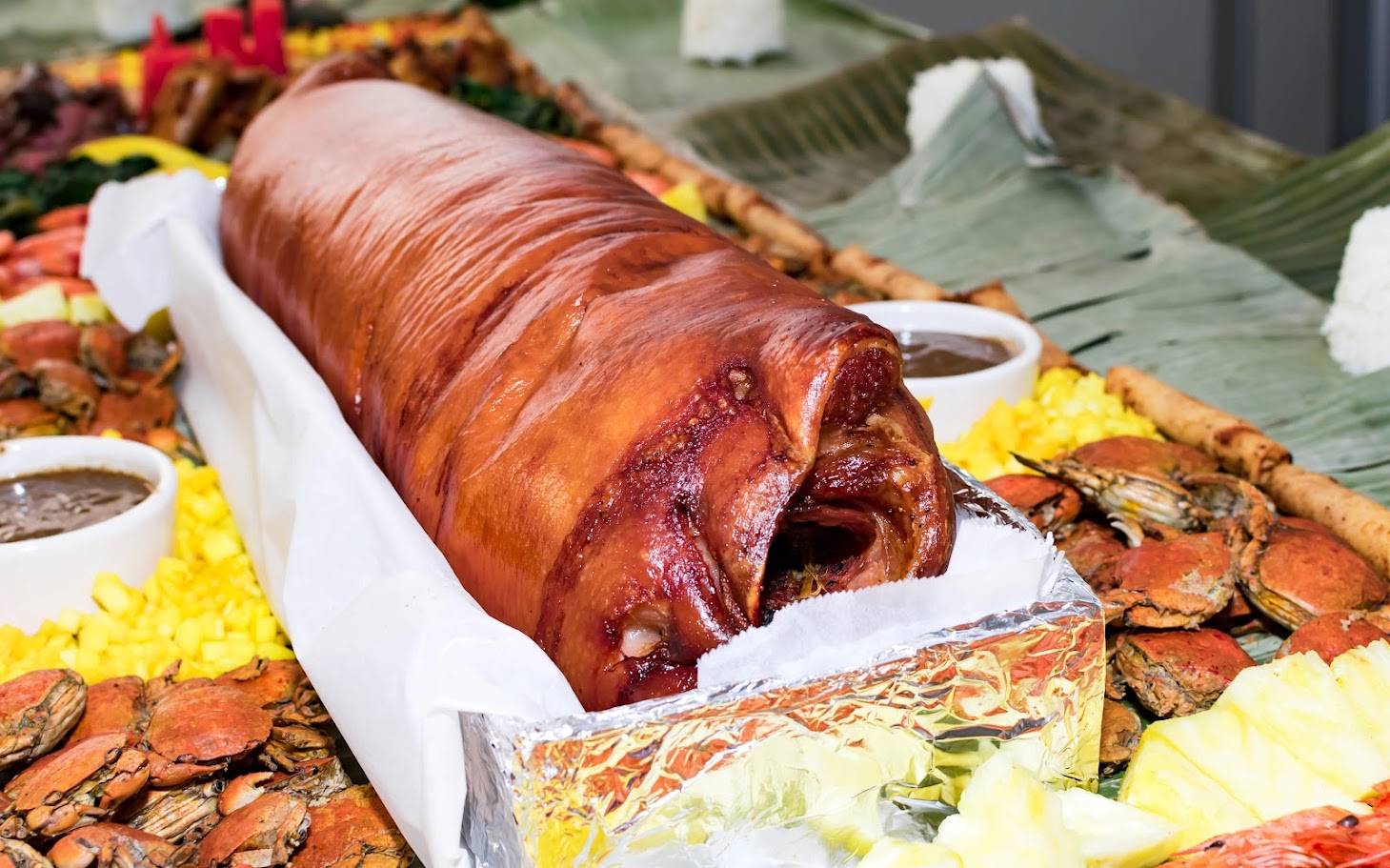
Roasted pork with crispy skin and tender, sweet meat inside is incredibly stimulating to the palate.
In Cebu, Lechon is particularly famous and is considered the "best in the Philippines." The locals do not use dipping sauce, as the rich sweet and salty flavor has already permeated every bite of meat. Meanwhile, in Manila, Lechon is often served with a distinctive liver sauce to create a light sweetness that balances the richness.
2.4 Halo-halo - The colorful summer dessert
Chilled and sweet, halo-halo delights diners with its delicious flavors, eye-catching colors, and diverse textures. In Tagalog, halo-halo means "mix-mix." And indeed, this dish combines shaved ice, condensed milk, ube purple ice cream, dried bananas, coconut jelly, red beans, sweet corn, and smooth flan. The ingredients are layered in a tall glass, blending colors, flavors, and cultures.
Not just a refreshing dish, halo-halo is also a childhood memory for Filipinos, helping to chase away the sweltering heat of the tropical summer. In Manila, visitors can easily find halo-halo at street carts, small cafes, and even upscale restaurants.
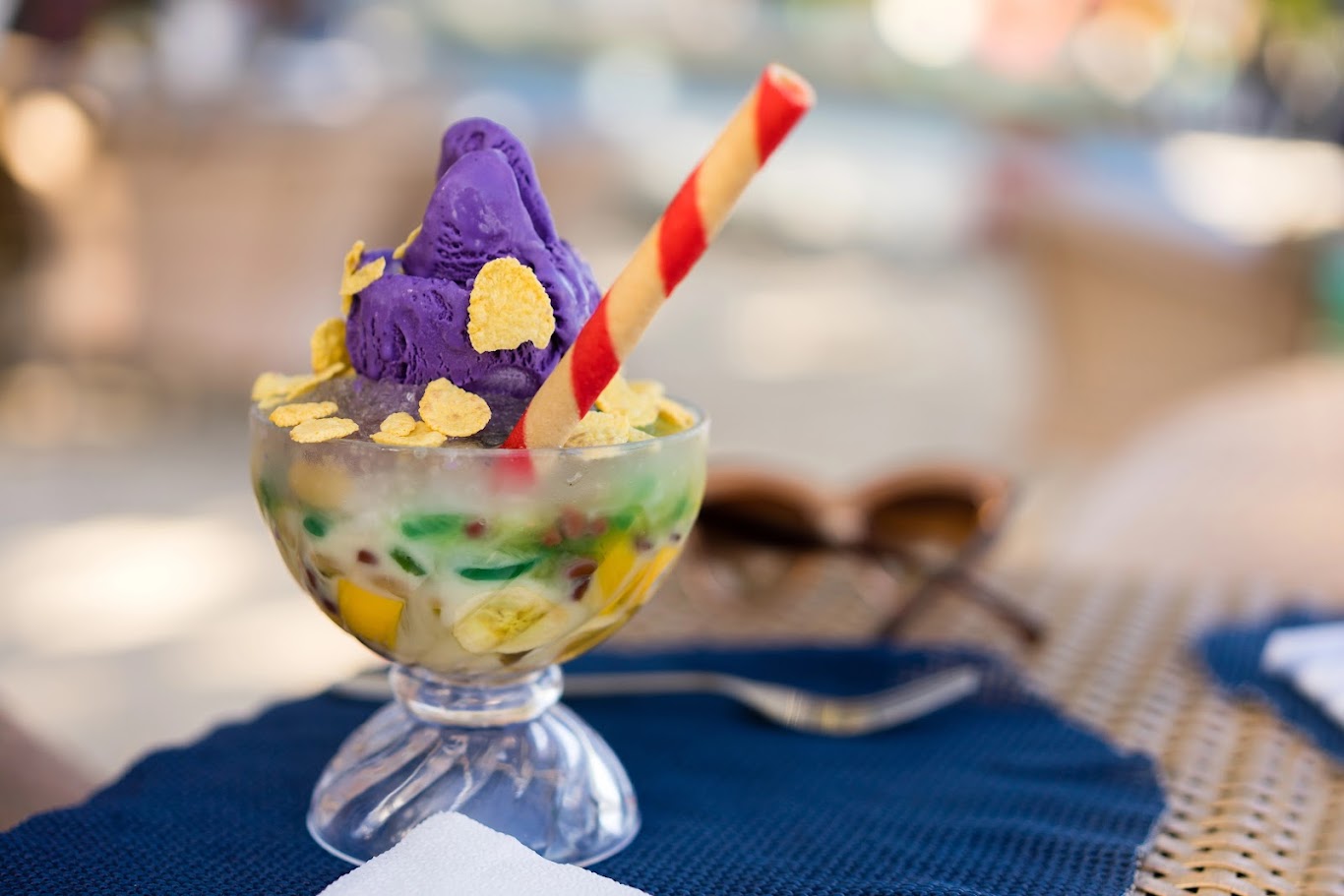
The most famous dessert in the Philippines boasts multiple layers of flavor and color.
2.5 Pancit - Lucky noodles in Philippine culture
Mentioning Philippine cuisine without mentioning pancit would be a significant oversight. This stir-fried noodle dish, originating from China, has been transformed by Filipinos into countless different versions, becoming a symbol of abundance and good fortune in local life.
The basic ingredients of pancit are rice noodles or egg noodles, stir-fried with shrimp, chicken, vegetables, onions, and soy sauce. Each region has its own way of preparation: Pancit Canton is rich with chewy yellow noodles; Pancit Bihon is light with thin rice noodles; while Pancit Malabon is enticing with seafood sauce and rich salted egg.
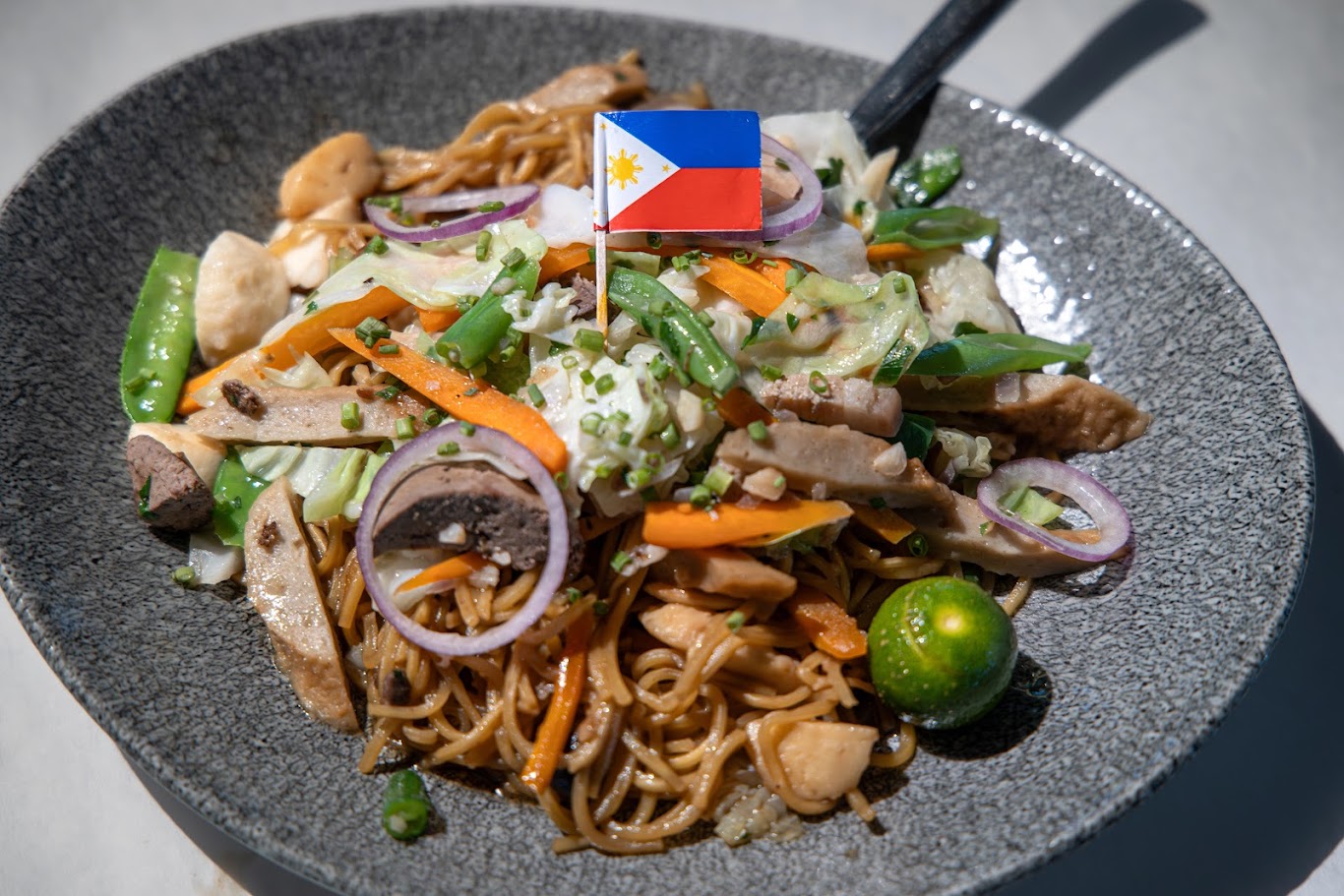
Pancit is a traditional dish in the Philippines that originated from China.
Interestingly, pancit is not just an everyday dish, but also an essential part of birthday celebrations or longevity parties. Filipinos believe that long noodles symbolize longevity and prosperity, so when eating, they must keep the noodles whole and not cut them.
See more: What is the best season for self-guided travel in the Philippines?
3. Manila's culinary map - Suggestions for places to enjoy delicious food
Manila is likened to the "culinary crossroads" of Southeast Asia, where all the traditional flavors of the Philippines converge, influenced by Spanish, Chinese, and modern elements. Below is a suggested culinary map to help you easily choose a suitable stop that matches your taste on your journey to explore the capital of the Philippines.
3.1 Intramuros - Philippine cuisine combined with Spanish flavors
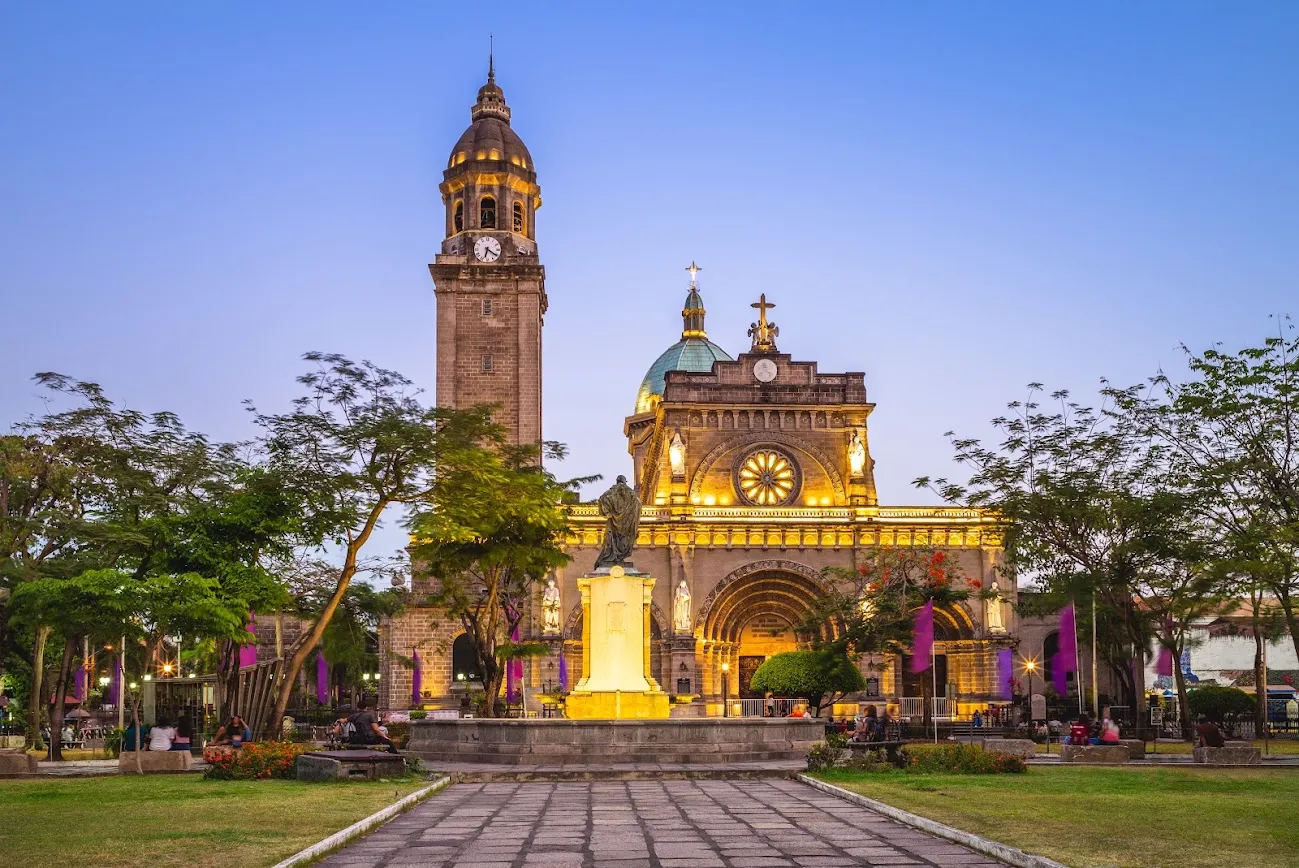
Not only famous for its solemn historical monuments, Intramuros is also an attractive destination for food lovers. This old quarter gathers many long-established restaurants serving Philippine dishes with European flavors.
Here, visitors can enjoy classic adobo, flavorful Filipino-style paella with seafood, or crispy and fragrant lechon kawali. After strolling through the ancient cobblestone streets, you can sit by a small café, savoring a strong cup of Barako coffee and a Spanish-style pastry, enjoying the moment of convergence between the past and the present.
3.2 Binondo - A culinary paradise of Chinese food in the heart of Manila
If you are looking for food in the Philippines that meets the criteria of delicious - nutritious - affordable, don't miss Binondo, the oldest Chinatown in the world, established in 1594, known for its street food and Chinese-Filipino fusion dishes.
Visitors can start their culinary exploration on Ongpin Street, famous for siopao (steamed buns), siomai (dumplings), wonton noodles, century egg porridge, and especially Shanghai lumpia - a crispy fried spring roll that locals absolutely love.
Binondo is perfect for a night of snacking, experiencing the vibrant nightlife of the Chinese community in Manila.
3.3 Mall of Asia - Diverse culinary options of the Philippines
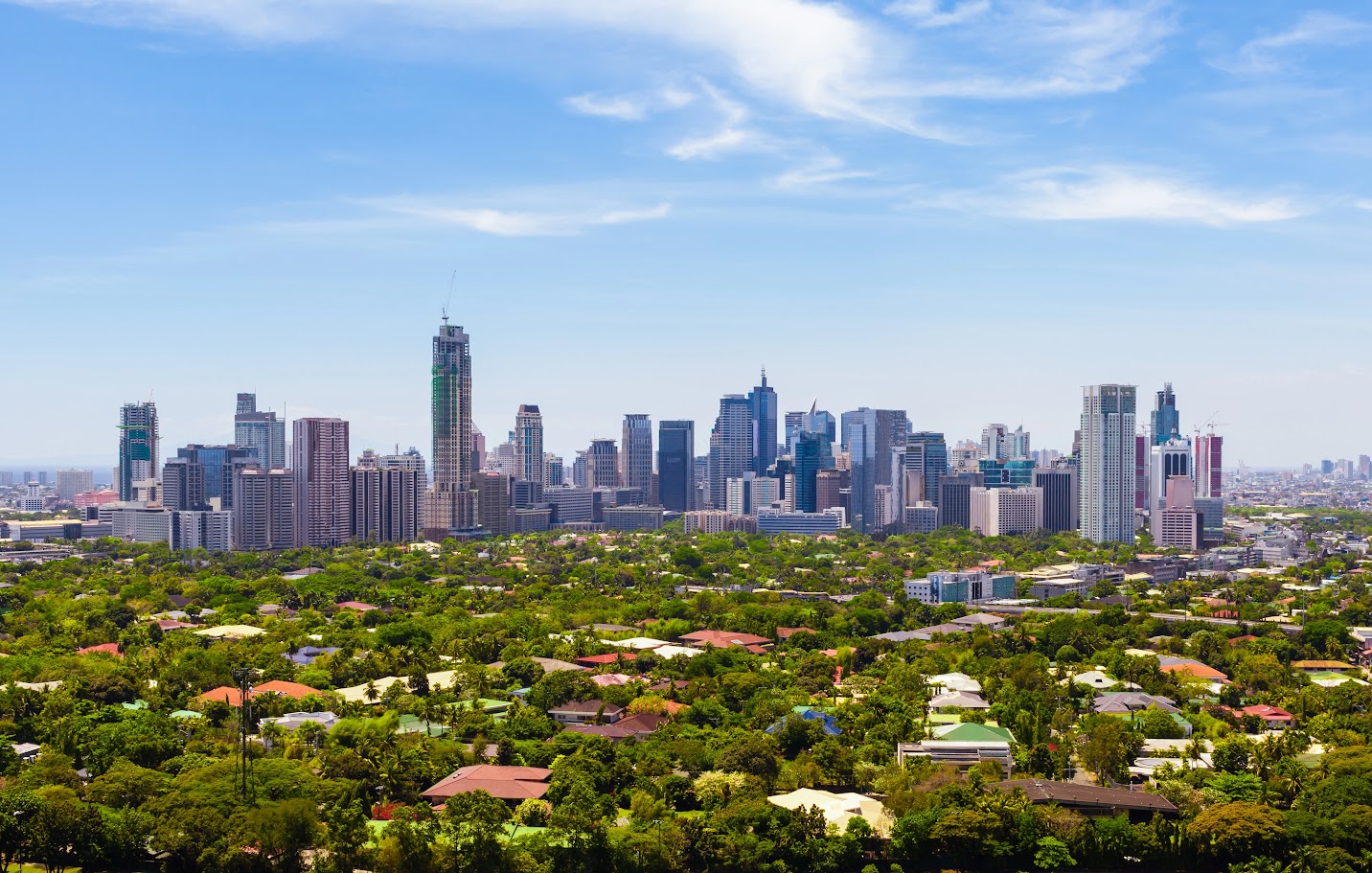
Located by Manila Bay, Mall of Asia (MOA) is one of the largest shopping centers in Asia, and is also a "golden address" that hosts many famous restaurants, food chains, and cafes in the Philippines.
A day strolling through Mall of Asia, visitors can experience all the distinctive flavors of the Philippines, from traditional meals, snacks to fine dining. The luxurious and cool atmosphere is also a big plus, allowing you to comfortably shop while enjoying a satisfying meal.
The journey to explore Manila seems even more complete when guided by the taste buds. If you have "fallen in love" with Filipino cuisine in the capital of the archipelago, don't hesitate to book a flight to Manila with Vietjet. The 0 VND flight ticket program from 12 PM - 2 PM daily will help you save costs like never before. See details here.
Follow flight information, promotional programs, and travel guides on Vietjet's official information channels:
- Website: https://www.vietjetair.com
- Facebook: https://www.facebook.com/vietjetvietnam
- Instagram: https://instagram.com/vietjet
- YouTube: https://www.youtube.com/VietjetOfficial
- TikTok: https://www.tiktok.com/@vietjetvietnam
- Zalo: https://oa.zalo.me/vietjet