Booking
 Skyshop
 Hotel
Hotel
 E-Voucher
 E-Sim
E-Sim
 E-Visa
 Buy foreign currency
 Insurance
 SkyJoy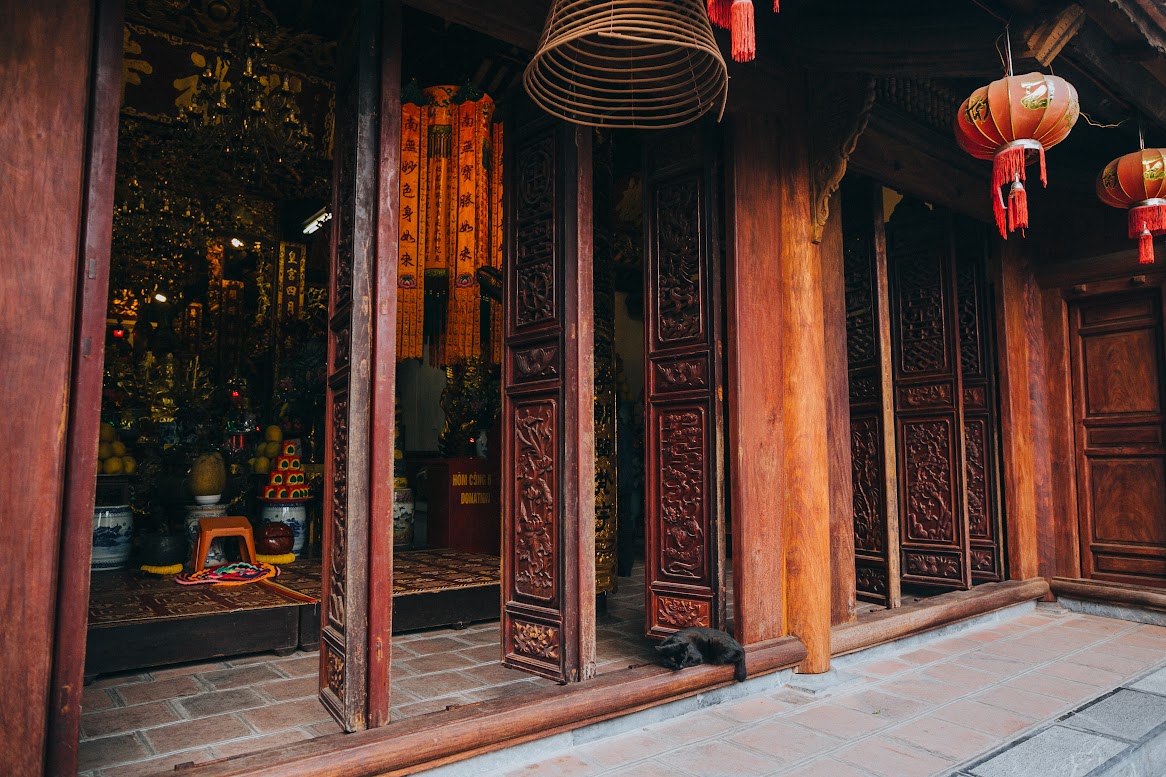
Once known as the most beautiful pagoda in the west of Thang Long citadel, Lang pagoda has gone through 900 years of history with many ups and downs but still retains its ancient beauty, majesty, and is an important spiritual fulcrum. in the lives of Hanoi people.
In addition to being a Buddhist spiritual place, Lang Pagoda is also an architectural complex with many impressive masterpieces. Let's learn a little about one of the oldest pagodas in the capital with Vietjet!
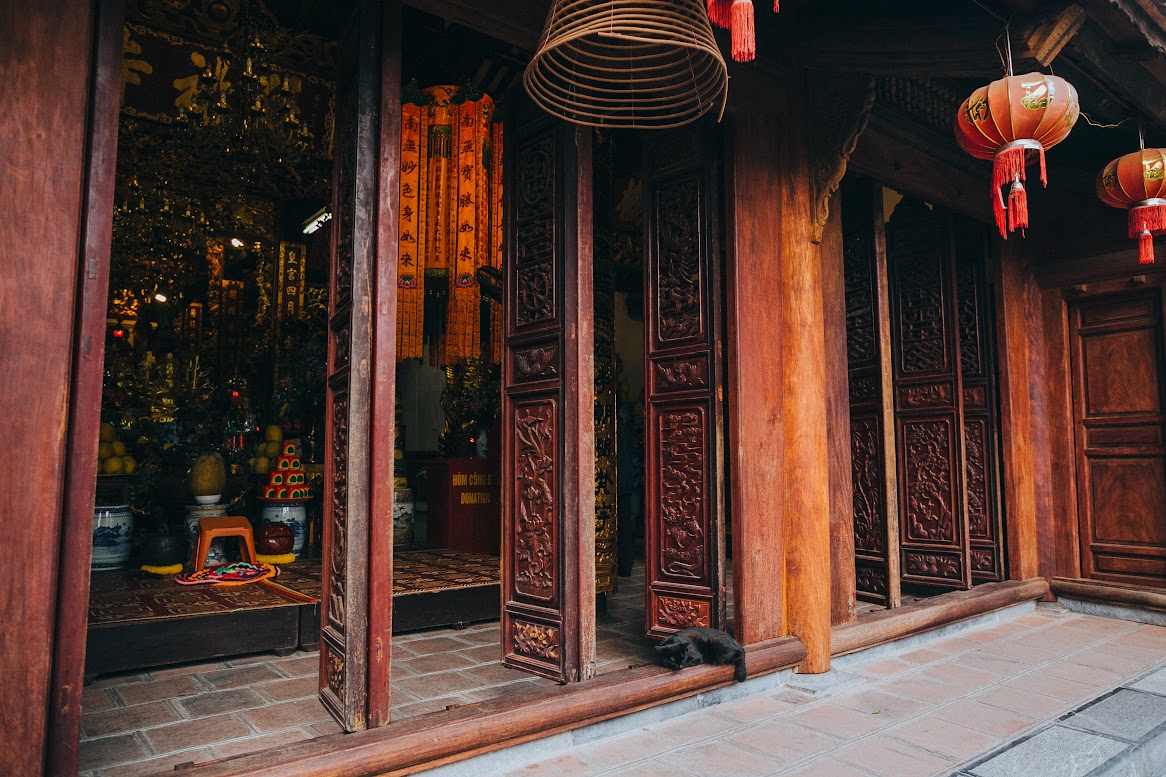
Temples and Buddhism are important spiritual fulcrums in the lives of Hanoi people.
1. Instructions for visiting Lang Pagoda
1.1 Where is Lang Pagoda?
Lang Pagoda is also called Chieu Thien Tu. “Chieu” means that in a blessed land and a sacred place, good things appear. “Zen” means the birthplace of Zen Master Tu Dao Hanh.
Lang Pagoda is about 5km from Hanoi center, located at 116 Chua Lang street, Lang Thuong ward, Dong Da district, Hanoi. In the heart of the bustling capital, Lang Pagoda is located quietly and solemnly on a street corner, away from the hustle and bustle of the city, a peaceful place for those who want to return to Buddhism.
1.2 How to get to Lang Pagoda
Lang Pagoda is located quite close to the center of Hanoi so you can get here easily by 3 main means: motorbike, car or bus.
- Motorcycles, cars: You should move to Cau Giay slope, then follow Lang street about 500m to reach the temple gate.
- Bus: Please choose bus routes that stop near Lang Pagoda, including: numbers 09 BCT, 26, 28, 55A, 55B.
1.3 Opening hours of Lang pagoda
Lang Pagoda's opening hours are from 8:30 a.m. - 10:00 p.m. every day.
However, on special days such as the full moon day, the 1st day, holidays and Lunar New Year, opening hours will be longer than usual.
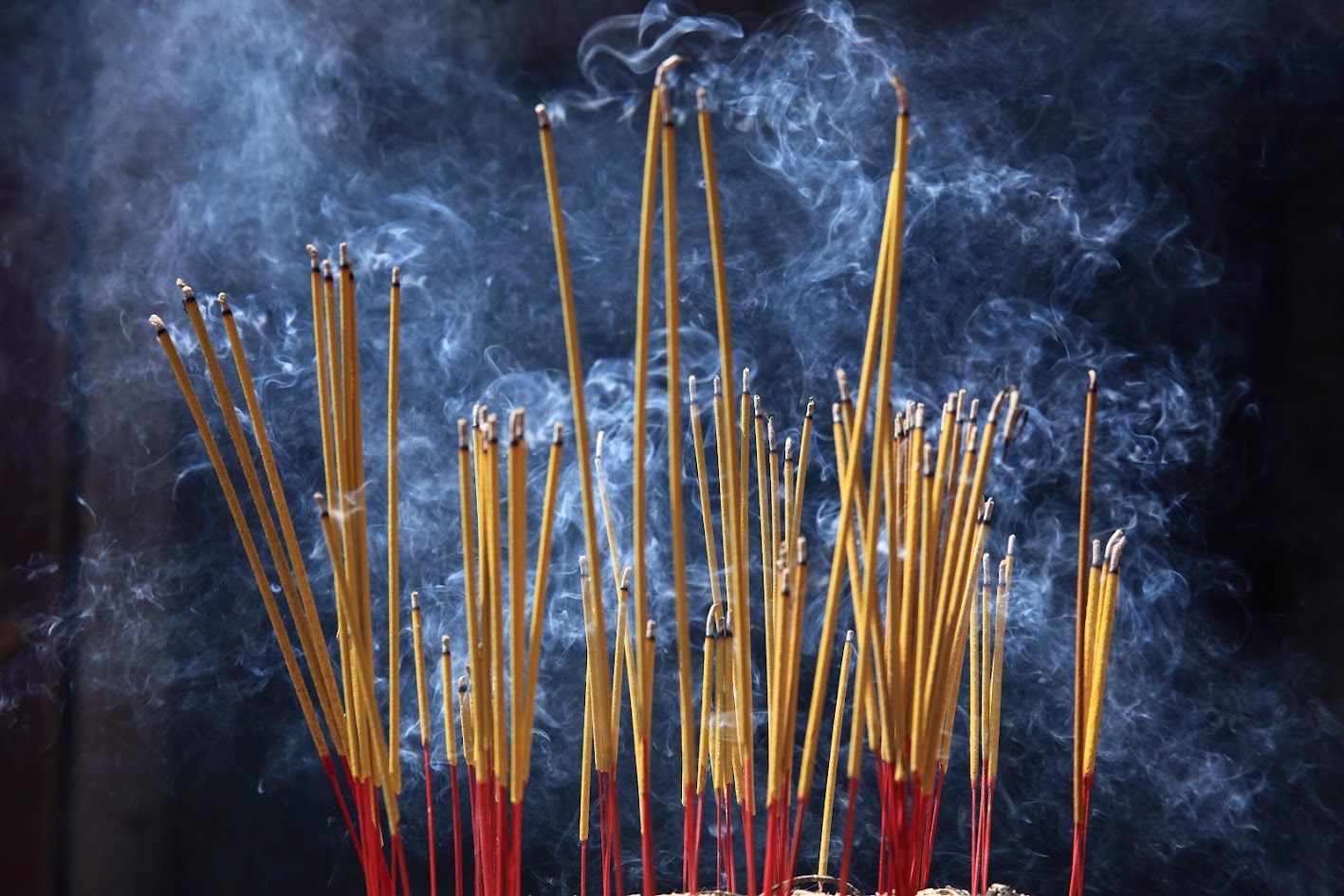
Temple opening hours will be extended on special days.
2. History of Lang Pagoda formation
According to records on Tao Le stele, Lang pagoda was built in the 12th century, under the reign of King Ly Anh Tong, to worship his father King Ly Than Tong and Zen Master Tu Dao Hanh.
Tu Dao Hanh was a great Zen master, a famous cultural and historical figure of the Ly Dynasty and the founder of the art of Cheo and Water Puppet. He is often listed in the lineSt There is famous magic in Vietnamese beliefs.
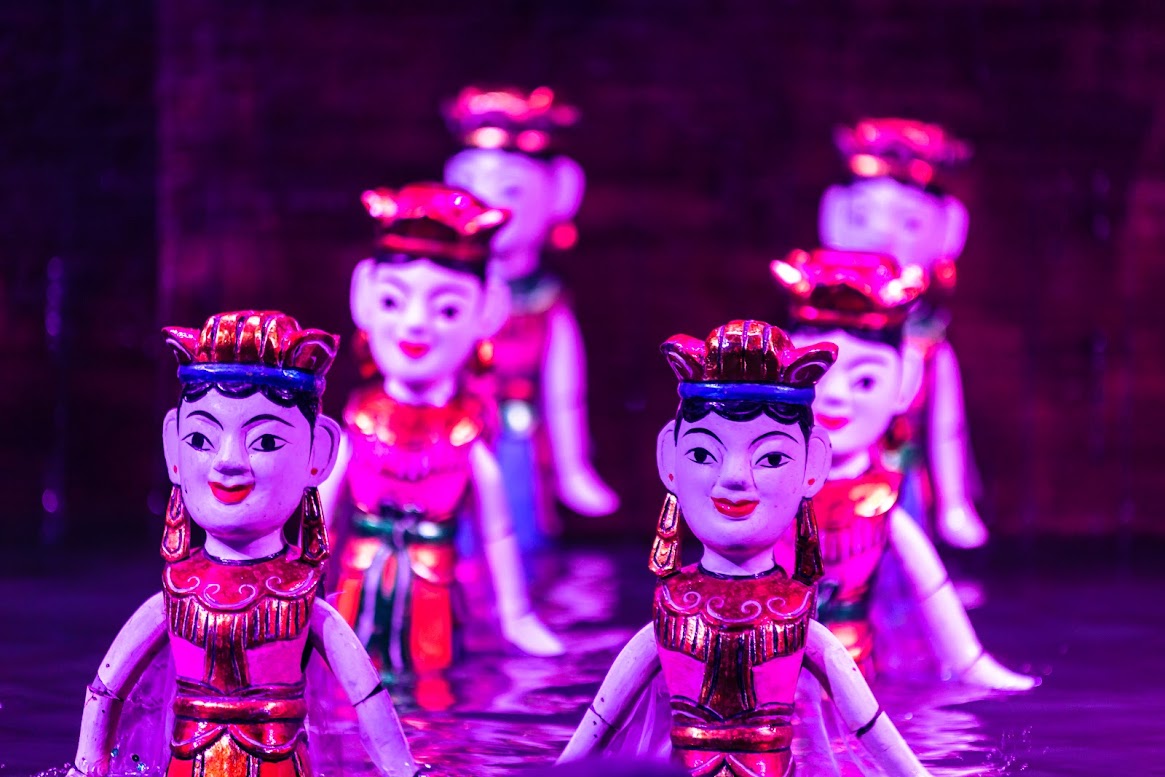
Tu Dao Hanh is the founder of the art of Cheo and Water Puppet Show.
Legend has it that Zen Master Tu Dao Hanh was reincarnated as the son of Sung Hien Hau (brother of King Ly Nhan Tong). Because the king had no son to succeed him, he made Sung Hien Marquis's son crown prince, that isking Ly Than Tong.
Because of this legend, Ly Anh Tong, son of King Ly Than Tong, was determined to build Lang Pagoda as a place to worship his father and predecessors.
For nearly 900 years, the pagoda has undergone many restorations and repairs. The largest restorations were in the years: 1656, 1901, and 1989.
3. Explore the unique architecture of Lang Pagoda
Lang Pagoda is a rare temple in Hanoi surrounded by unique natural scenery. Once known as "The First Forest" - the place with the most beautiful pine forest in the ancient capital, Lang Pagoda appears ancient and quiet amidst rows of shady ancient trees, bringing a feeling of freshness and serenity. peaceful but no less solemn.
3.1 Majestic temple architecture
According to a stele from Thinh Duc's time, Lang pagoda previously had a total of 100 compartments, built in the style of "internal and foreign work". This is a popular architectural style of ancient Vietnam, with two long corridors connecting the front house and back house, forming a closed rectangular frame, in the middle of which can be an incense burning house or an upper palace.
The pagoda's architectural complex is built on a main axis. First are three layers of three-entrance gates, in the center is the Octagonal House, followed by the Tien Duong, Trung Duong and Thuong Dien buildings. Behind the Upper Palace is the Ancestral House.
3.2. Triple gate
Lang Pagoda has three layers of three-entrance gates, designed to have many similarities with the gates in the king's palace, with four square columns inlaid with porcelain engraved with parallel sentences, and three curved arches attached to the column's ribs. The middle roof is higher than the two side roofs, with a large horizontal panel hanging with the title "Thien Khai Thanh Zen".
Stepping through the first three-entrance gate, you will reach the Bat Trang tiled yard, in the middle there is a stone trap used to place holy palanquins during festivals. At the end of the yard is the second gate, leading to a paved road with two rows of ancient trees nearly a thousand years old. Finally, there is the third gate, where the Octagonal House is located.
3.3 Octagonal House
The Octagon House is the symbol of Lang Pagoda. This is where the statue of Zen Master Tu Dao Hanh is located.
The Octagon House (also known as Bao Cai House) was built in the middle of the temple yard. The roof has a 2-storey stacked roof architecture, a total of 16 roofs, covered with scale tiles. On the roof are 8 dragon statues symbolizing the 8 generations of Ly kings.
3.4 Other grand architectural works
Behind the Octagon House are other majestic architectural works such as: Front Street, Upper Palace, Incense Burning House, Patriarch's House,...
- Ten Palaces of Hell: At both ends of the front hall is the extremely majestic Ten Halls of Hell. This place simulates the punishments in the levels of hell for many different crimes, reminding people to live a good life.
- System of artifacts of the temple: Lang Pagoda is also famous for possessing 198 precious statues, notably the statue of King Ly Than Tong sitting on the throne, the statue of Zen Master Tu Dao Hanh made from rattan and covered with paint, Tam The Buddha, Quan Quan. Am Chuan De, De Thich, Four Heavenly Kings,... In addition, this place also preserves many other treasures such as 31 parallel sentences, 39 horizontal paintings, 15 stone stele,...
- Bell House, Khanh House: This is the place where bells and ancient bells hang, designed in the style of 2 floors and 8 curved roofs.
- The Ancestral House: Built in the shape of the letter "Nhi" with two parallel houses, each fold has 7 rooms. The outside of the house is the place to worship the Patriarch, the inside of the house is the place to worship the Mother.
4. Experience Lang Pagoda festival
Every year on the 7th day of the third lunar month, the birthday of Zen Master Tu Dao Hanh, Lang Pagoda festival will be held extremely solemnly with many diverse and attractive activities.
The most typical part is the procession of the Saint's palanquin from Lang pagoda to Hoa Lang pagoda to visit his mother. A special feature of the Lang festival is the "to save the river" ritual - the son will carry a palanquin and wade across the To Lich river instead of walking on the bridge to express the meaning "the son will not walk on the father's head" (commemorating his great-grandfather Zen Master Tu). Dao Hanh). The festival also recreates the "god fighting" ritual between Zen Master Tu Dao Hanh and Dharma Master Dai Dien.
Besides, the festival also has many interesting folk games such as mandarin-eating umbrellas, rice blowing competition, blindfolded pot smashing,... to build solidarity and preserve national culture.
5. Experience visiting Lang Pagoda
Like other temples and places of worship, when coming to Lang Pagoda you must also comply with regulations such as: dress discreetly, walk softly and speak softly, do not damage the temple's artifacts,... Especially , you can offer salty offerings in some areas of the temple.
In addition to visiting Lang pagoda, you can visit other relics in the Dong Da district area such as: Pho Giac pagoda, Kim Lien communal house, Dong Da mound, Temple of Literature,...
Pagoda Lang Street is a bustling neighborhood, bustling with shops because it brings together two of Hanoi's top universities: Foreign Trade University and Diplomatic Academy.
Therefore, this place is a "culinary paradise" with specialties you cannot miss: boiled snails at Lang pagoda, grilled meat skewers, banh xeo, sour rib vermicelli, seafood noodles,...
See more: Top 8 delicious dishes in Hanoi not to be missed
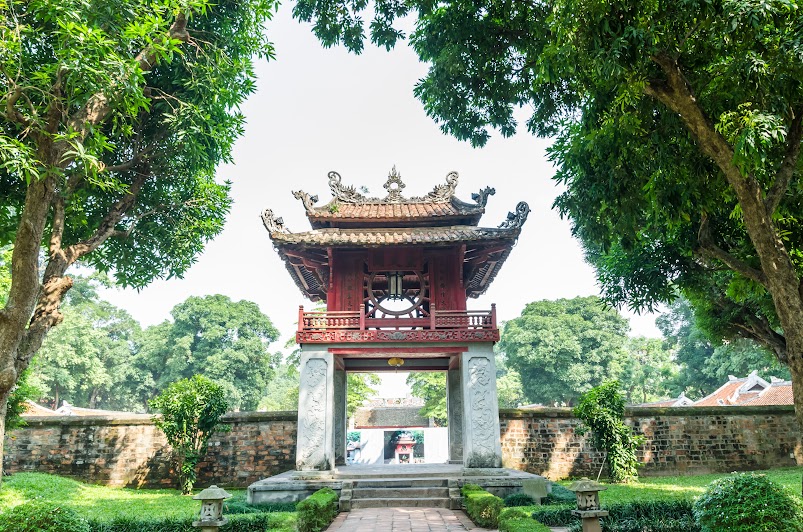
In addition to visiting Lang Pagoda, you can visit other relics in the area such as the Temple of Literature.
Hopefully the above article has helped you gain more interesting information about Lang Pagoda - the 900-year-old "First Forest" of Hanoi capital. Currently, Vietjet is exploiting a variety of routes flight to Hanoi from only 60,000 VND. Do not forget Hunt for plane tickets for 0 VND at 12:00 - 14:00 every day.
Don't forget to follow Vietjet to update the latest travel information and offers:
- Fanpge: https://www.facebook.com/vietjetvietnam
- YouTube: https://youtube.com/c/VietjetOfficial
- TikTok: https://www.tiktok.com/@vietjetvietnam
- Instagram: https://instagram.com/vietjet
- Zalo: https://oa.zalo.me/vietjet