Booking
 Skyshop
 Hotel
Hotel
 E-Voucher
 E-Sim
E-Sim
 E-Visa
 Buy foreign currency
 Insurance
 SkyJoy
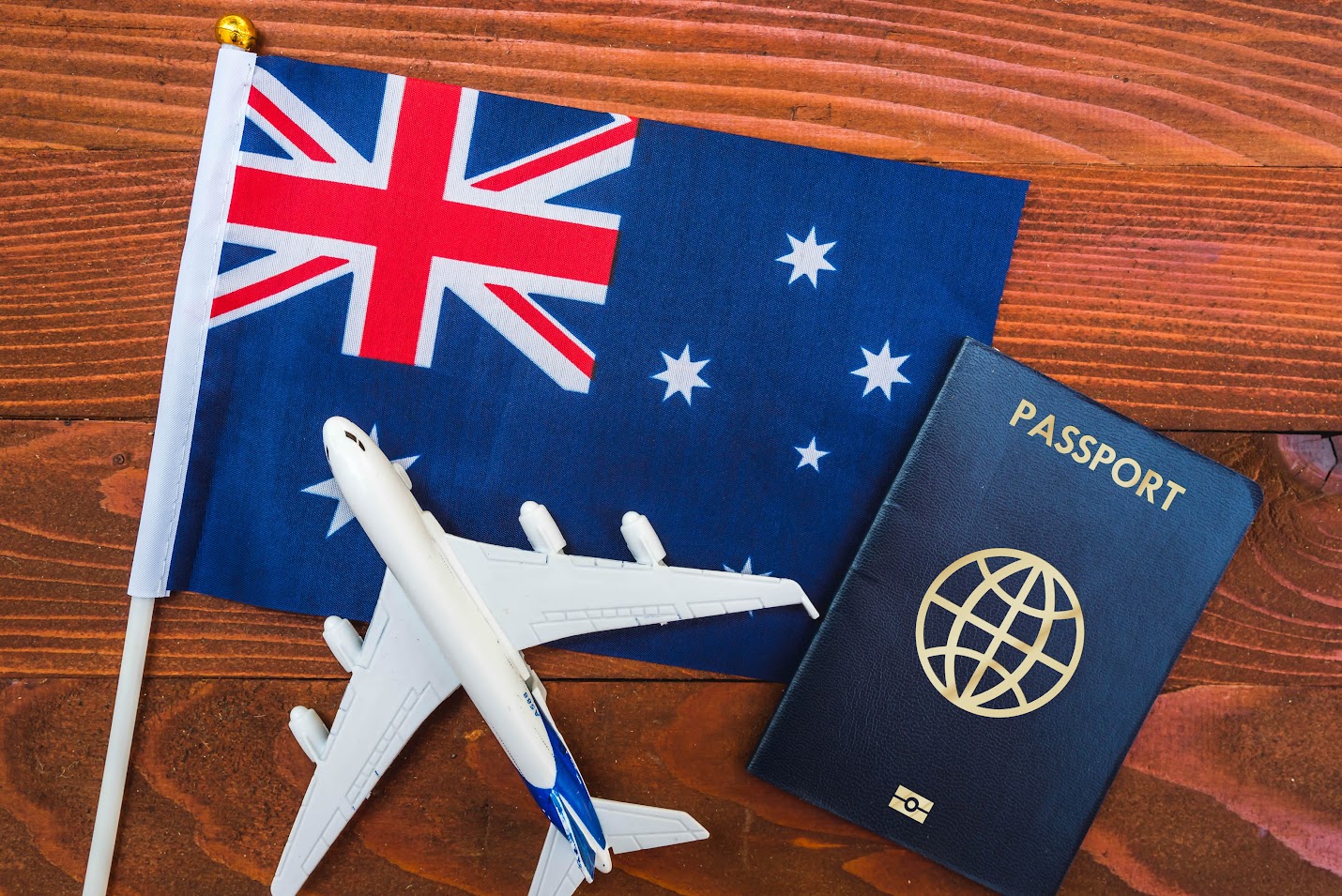
In recent years, the demand for travel to Australia among Vietnamese people has been increasing, not only for sightseeing but also for visiting family, combining short-term business trips, or exploring the land of kangaroos through longer, more flexible itineraries. In this context, the positive news about the Australian visa recently announced has quickly attracted the attention of the travel-loving community: Vietnam has been granted a 10-year Australian visa, officially becoming one of the few countries to receive a long-term tourist visa from Australia.
This new policy not only signifies the visa's duration but also opens up many more opportunities for Vietnamese travelers to proactively plan their movements, arrange personal schedules, and enjoy Australia in a more complete and comfortable way. For those who frequently travel to Australia, this is seen as a significant highlight in the new Australian visa policy, reflecting the increasing trust placed in Vietnamese citizens.
1. Vietnam officially ranks among the top 11 countries granted a 10-year Australian tourist visa
According to updated Australian visa news, the government has officially opened the Visitor visa - Frequent Traveller stream (subclass 600) for Vietnamese citizens. This is also a topic of interest for many travelers when learning about what a 10-year Australian tourist visa is: a type of visa for those who need to enter Australia multiple times, with a significantly longer duration compared to regular tourist visas.
The granting of a 10-year Australian visa to Vietnam reflects Australia's positive assessment of travel records, immigration history, and the increasing travel needs of Vietnamese citizens. In the context of the growing tourism and economic exchange between the two countries, this is considered an important step in the new Australian visa policy.
In terms of significance, understanding what a 10-year Australian tourist visa is, it can be seen that this type of visa allows the holder to enter multiple times throughout the visa's validity, serving purposes such as tourism, visiting family, or short-term business trips. Instead of having to apply for a visa for each trip, travelers can proactively build long-term plans, more flexibly over many years, especially suitable for those who frequently travel between Vietnam and Australia.

Australia has a positive view of the travel records, immigration history, and the increasing travel needs of Vietnamese citizens to this country.
The list of 11 countries added to the 10-year Australian tourist visa category in this update includes:
- Vietnam
- Brunei
- Cambodia
- Indonesia
- Laos
- Malaysia
- Philippines
- Singapore
- Thailand
- Timor-Leste
- China
The 10-year Australian tourist visa is particularly suitable for groups with long-term but flexible travel needs, such as those who frequently travel to Australia over many years, families with relatives living in Australia, business people, freelancers who need to travel short-term but multiple times.
Not just a type of visa, this is also a 'long-term ticket' that makes exploring Australia more proactive, saves time, and easier over many years.
2. Notable benefits of the 10-year Australian tourist visa
The 10-year Australian tourist visa not only draws attention due to its long duration but also because of the practical benefits, helping holders to be much more proactive in planning their movements, travel, and family visits in Australia over the long term.
For those who frequently need to travel to Australia, the visa duration and flexible entry frequency are the clearest advantages.
- Cost savings on visa applications: The visa can be issued for a duration of 3 years, 5 years, or up to 10 years, depending on the application. Multiple entries are allowed throughout the visa's validity. This means you do not need to repeat the visa application process for each trip. Instead, travel plans, family visits, or short-term business trips can be arranged more flexibly, especially suitable for those who frequently travel between Vietnam and Australia.

Holding a 10-year Australian tourist visa allows us to be much more proactive in planning movements, travel, and family visits in Australia over the long term.
- Long stay duration: Each entry allows a maximum stay of 3 months. This duration allows travelers to undertake long trips, explore many cities, or spend time visiting relatives without the pressure of a tight schedule. For those who love slow travel and want to experience local life in Australia rather than just 'going for the sake of it', this is a very valuable advantage.
- Diverse usage range: The 10-year Australian visa is designed to meet many common needs but still has clear limits such as tourism - relaxation in Australia; visiting family and friends living in Australia; short-term business trips such as meetings, conferences (without generating labor). Understanding the permitted purposes helps visa holders use their benefits correctly, avoiding risks related to entry or overstaying.
See more: Tips for traveling to Australia independently from A - Z
3. Notes when entering Australia with a 10-year tourist visa
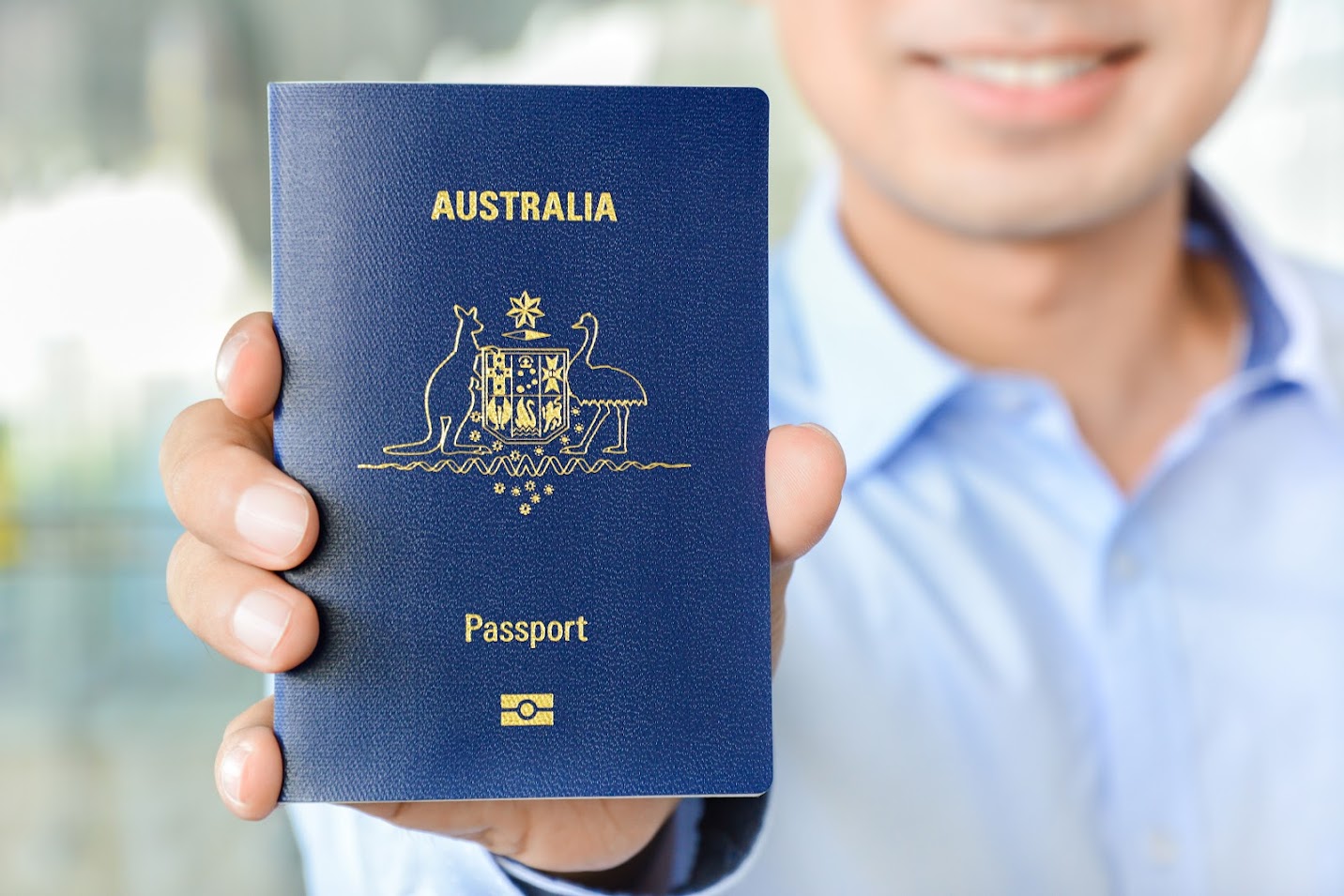
Even with a 10-year Australian tourist visa, travelers still need to prepare complete documentation and comply with entry conditions. When processing, you need to be ready to present a valid passport, a valid visa, a return ticket or a ticket leaving Australia, and accommodation information in Australia.
When entering Australia, the basic documents need to be fully prepared and ready to present if requested.
- A passport valid throughout the stay in Australia
- A valid Australian tourist visa, used for the correct purpose
- A return ticket or a ticket leaving Australia clearly showing the plan to leave this country
- Accommodation information in Australia such as hotel confirmations, addresses of relatives or friends (if visiting family)
These documents help immigration authorities clearly assess the purpose of the trip, the duration of stay, and the ability to comply with regulations of travelers. For those who frequently travel to Australia or use long-term visas, having documentation prepared in advance will help the inspection process go more smoothly and easily.
Frequent travelers to Australia need to prepare a complete set of basic documents to be ready to present if requested.
In addition to documentation, some important regulations need to be particularly noted when using the 10-year Australian visa.
- The tourist visa does not allow working or generating labor in Australia
- Each entry allows a maximum stay of no more than 3 months
- The actual visa duration granted depends on the final decision of the Australian Department of Immigration, not all applications are guaranteed to be granted the full 10 years
Understanding what a 10-year Australian tourist visa is and using it for the correct purpose is key to avoiding violations of entry regulations. Especially for those planning to stay in Australia for a long time or travel multiple times a year, controlling the duration of stay for each trip is essential.
In general, the 10-year Australian tourist visa offers many advantages for those who love to explore, frequently travel, or want to have a long-term relationship with Australia as tourists. When well-prepared and complying with regulations, each trip will become a complete, smooth, and inspiring experience.
4. Frequently asked questions about the 10-year Australian tourist visa
When the news about the 10-year Australian tourist visa was announced, many travelers showed interest but also had numerous questions regarding its usage scope, actual duration, and accompanying benefits. Particularly for those first learning about what the 10-year Australian tourist visa is, understanding common questions will help provide a clearer picture before planning to apply for a visa or long-term travel.
4.1 Can you work with a 10-year Australian tourist visa?
The 10-year Australian tourist visa does not allow holders to engage in work or generate income in Australia. This type of visa is granted for the purposes of tourism, relaxation, visiting family, or short-term business such as meetings and conferences. If there is a need to work, study long-term, or settle, applicants must apply for the appropriate visa type according to the regulations of the Australian Department of Home Affairs. Adhering to the intended purpose of the visa is crucial to avoid risks when entering or renewing the visa in the future.
4.2 Is it mandatory to stay the full 10 years?
The 10-year duration indicates the validity period of the visa, not the mandatory length of stay in Australia. In practice, visa holders can enter and exit Australia multiple times during the visa's validity and have complete control over their schedule. Each trip can be short or long depending on needs, as long as they comply with the regulations regarding the length of stay for each entry.
4.3 How long can you stay each time you enter Australia?
According to regulations, each entry into Australia with a 10-year tourist visa allows travelers to stay for a maximum of 3 months. After this period, visa holders must leave Australia and can return on subsequent entries, provided the visa remains valid. This allows travelers to flexibly plan long-term travel while ensuring good control over their length of stay.
4.4 Is the 10-year visa guaranteed or dependent on the application?
Not all applications are automatically granted a 10-year visa. The actual visa duration (3 years, 5 years, or up to 10 years) depends on the assessment of the Australian Department of Home Affairs based on the application, travel history, and purpose of the trip for each applicant. Preparing a clear, transparent, and purpose-driven application will help increase the chances of obtaining a visa with a longer duration.
5. Checklist for traveling to Australia for Vietnamese travelers
Holding a long-term Australian tourist visa opens up many opportunities for exploration, but to make the journey truly complete, preparing a basic checklist before the trip is essential. From the ideal time, choosing destinations to estimated costs, each factor contributes to making the trip to Australia smoother, more proactive, and filled with experiences.
5.1 The ideal time to travel to Australia
Australia has a vast area with many different climates, so the ideal travel time will depend on the region you plan to visit and the type of experience you desire.
Generally, spring and autumn are considered the most pleasant times to explore Australia:
- Spring (September - November): Cool weather, fresh nature, many festivals, and vibrant landscapes.
- Autumn (March - May): Mild temperatures, little rain, suitable for sightseeing, exploring cities and nature.
Additionally, summer (December - February) is an ideal choice for those who love beaches, outdoor activities, and a lively festive atmosphere, especially in coastal states like Queensland or New South Wales.
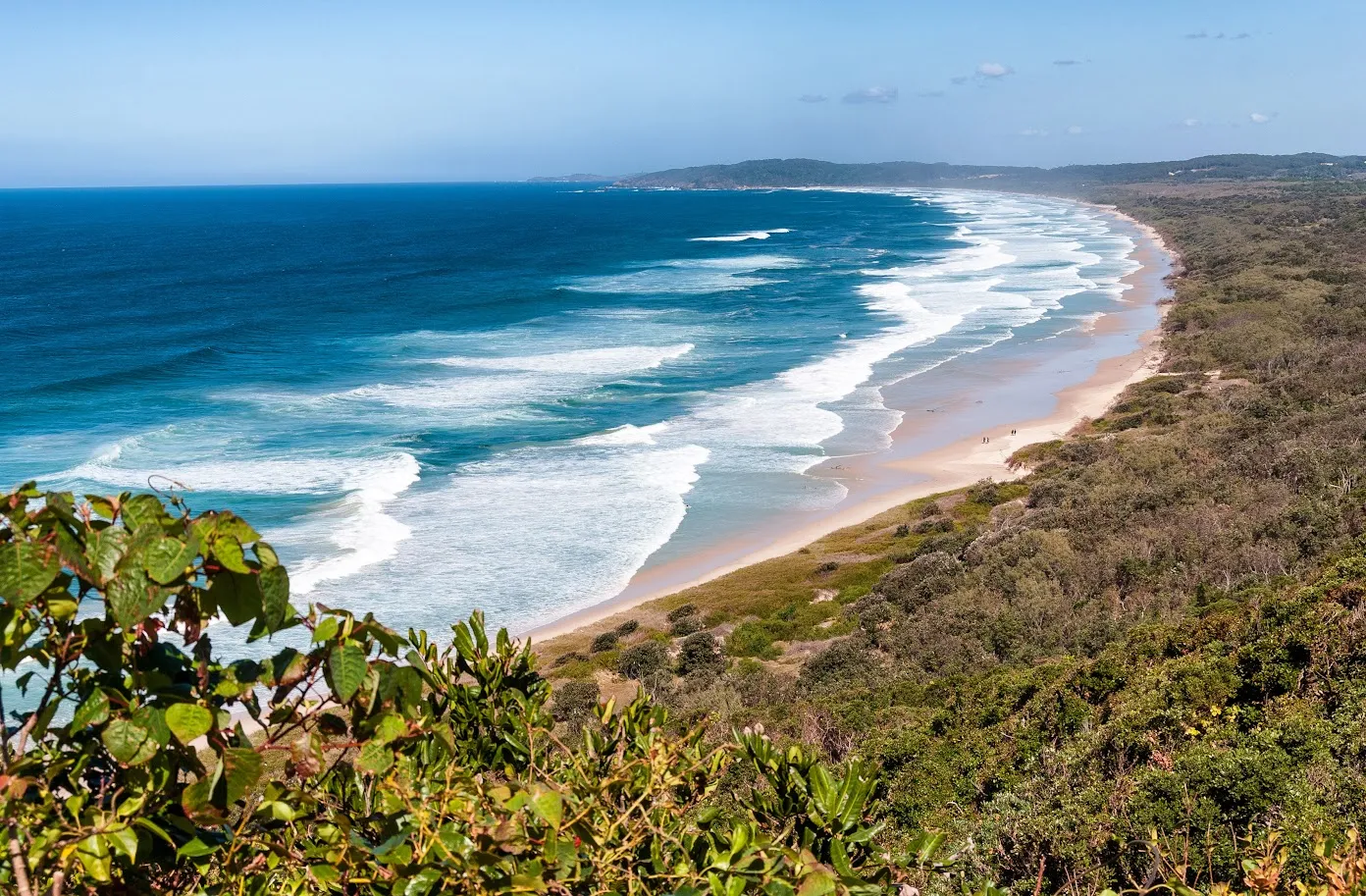
With its vast area and diverse climates, travelers can choose the time to visit Australia based on personal preferences.
See more: What is the best season to travel to Australia?
5.2 Australian time zones & notes when arranging schedules
Before planning in detail, Vietnamese travelers should be aware of the time zone differences to proactively adjust flight schedules and daily activities.
Currently, Australia is divided into 3 main time zones:
- UTC+8: Western region (Perth, Western Australia)
- UTC+9:30: Some central regions
- UTC+10: Eastern region (Sydney, Melbourne, Brisbane…)
Meanwhile, Vietnam is in the UTC+7 time zone, so the time difference between Australia and Vietnam is about 1 - 3 hours depending on the destination. This difference is not too significant, making it easier for travelers to adapt, especially for short trips or continuous travel schedules between cities.
5.3 Suggested popular destinations in Australia
Australia consists of many states and territories, each with its own unique character. For Vietnamese travelers visiting Australia for the first time or wanting to create a travel itinerary that is easy to navigate and combine, here are the 5 most popular states suitable for various travel styles.
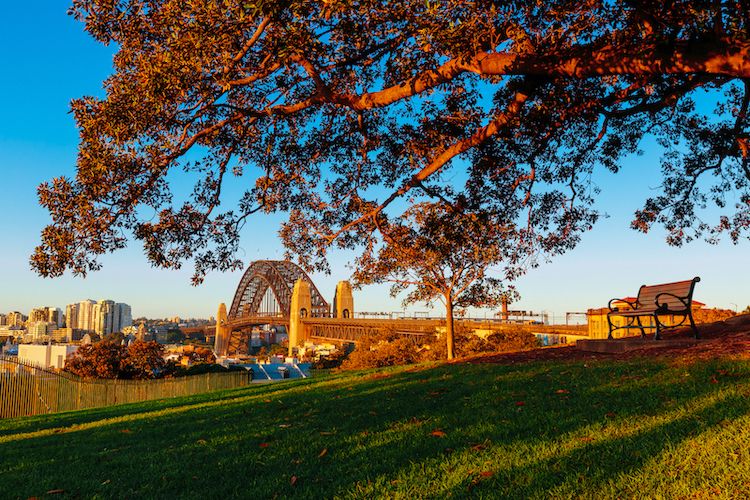
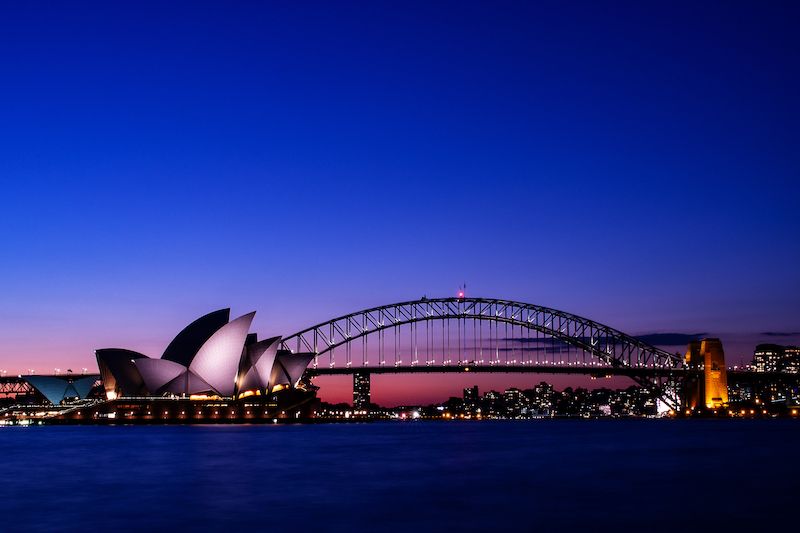
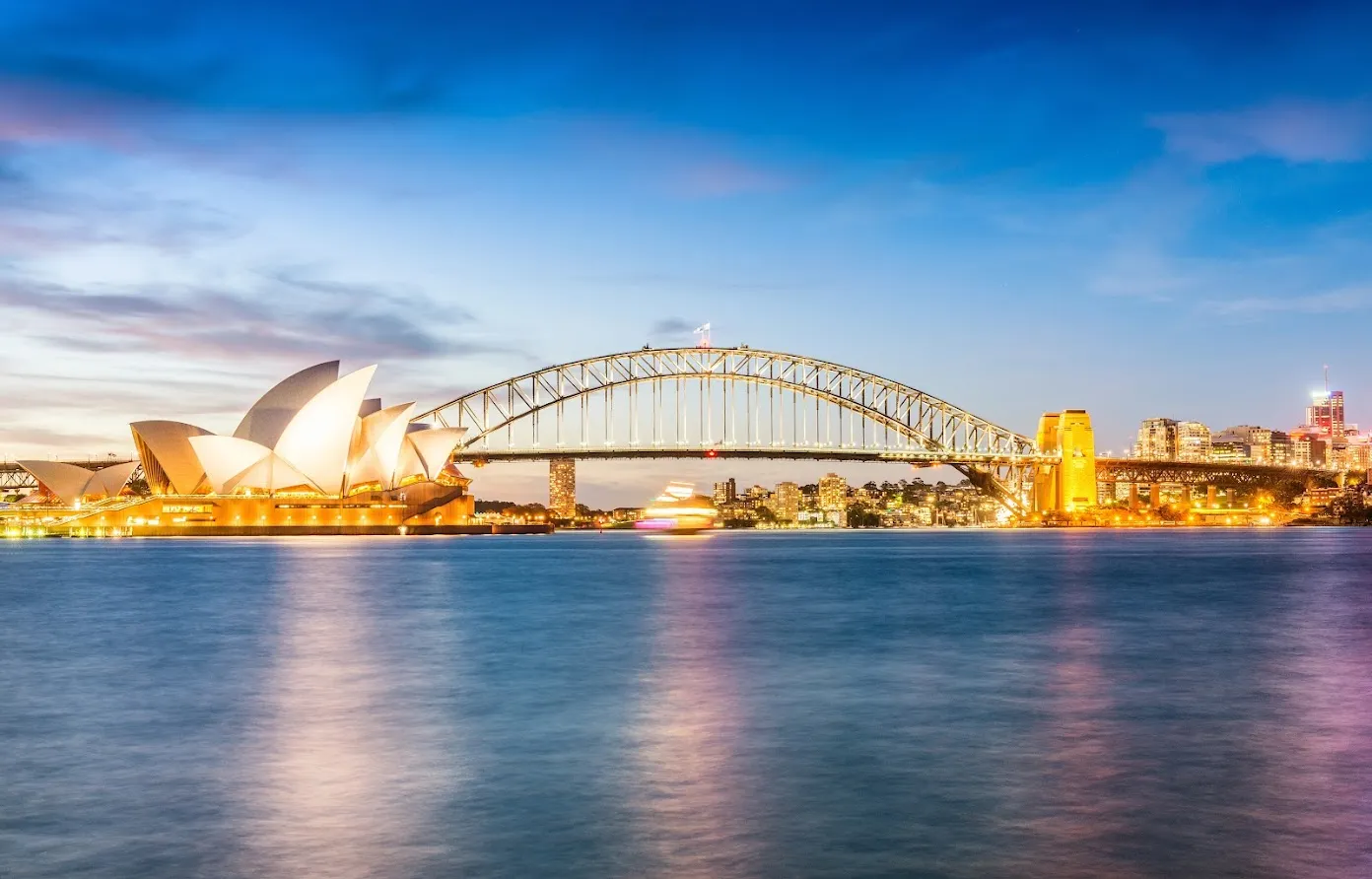
- New South Wales (NSW) is the most populous and oldest state, as well as the leading economic and financial center of Australia, with the globally renowned city of Sydney. Travelers can combine visiting architectural landmarks such as the Sydney Opera House, Sydney Harbour Bridge, enjoying the beach at Bondi Beach, or exploring the majestic nature at Blue Mountains National Park.
- Victoria attracts visitors with a harmonious blend of innovative urban life and impressive natural landscapes. The city of Melbourne is famous for its unique coffee culture, street art, and diverse cuisine; while destinations like the Great Ocean Road, Twelve Apostles, or Yarra Valley offer distinctive nature and relaxation experiences.
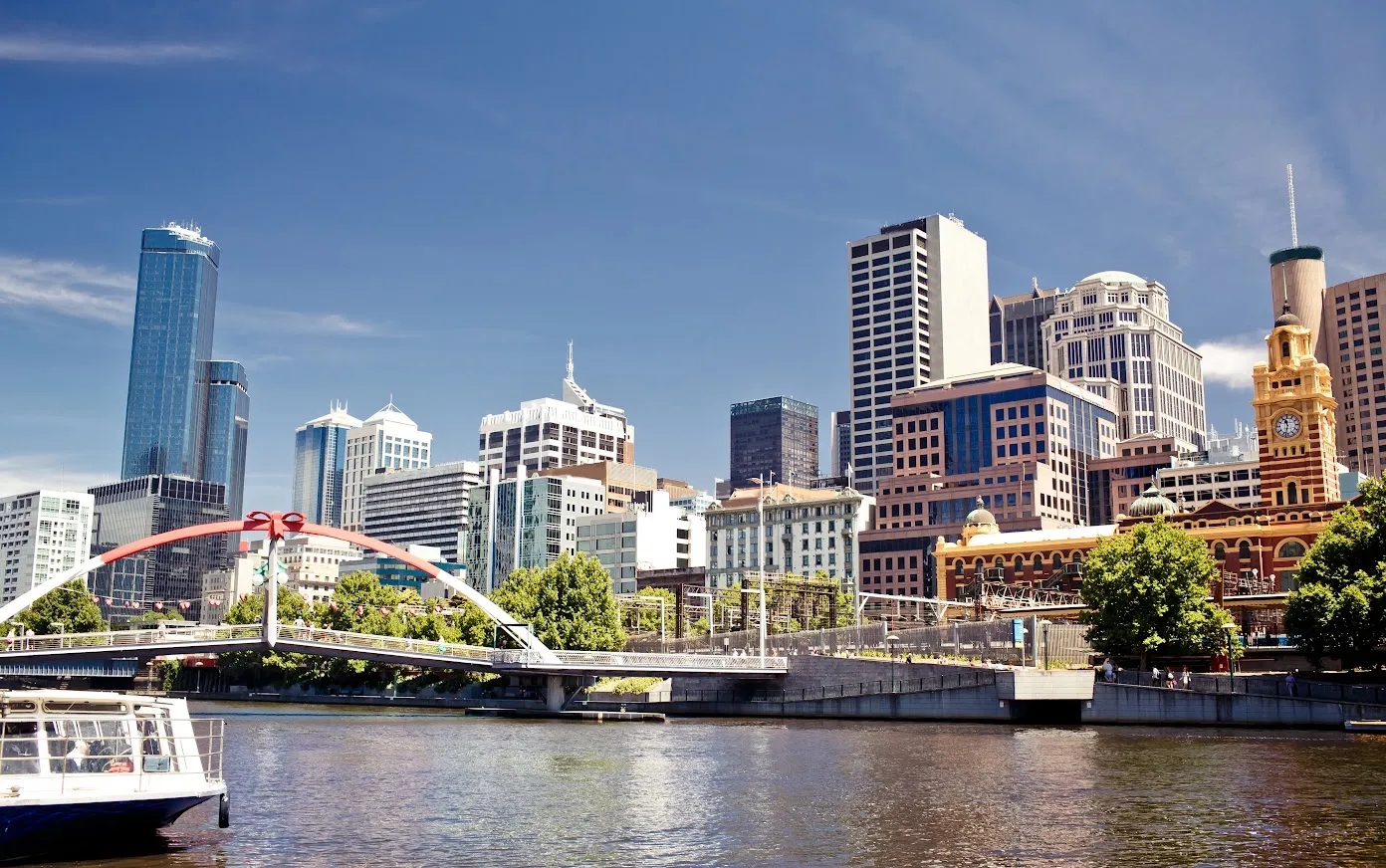
Victoria stands out with the vibrant Melbourne, unique coffee culture, and spectacular coastal roads like the Great Ocean Road.
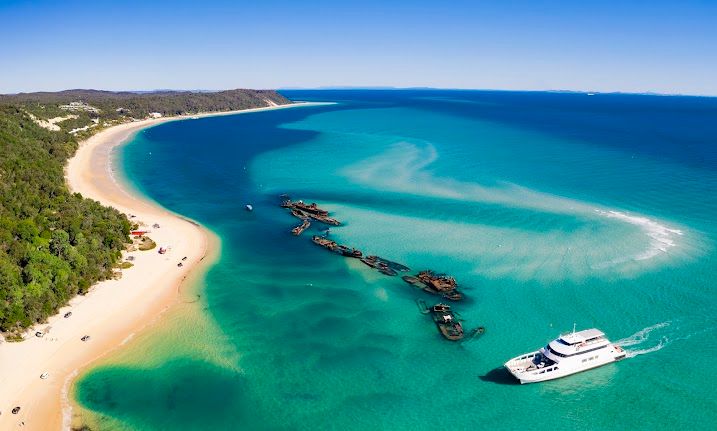
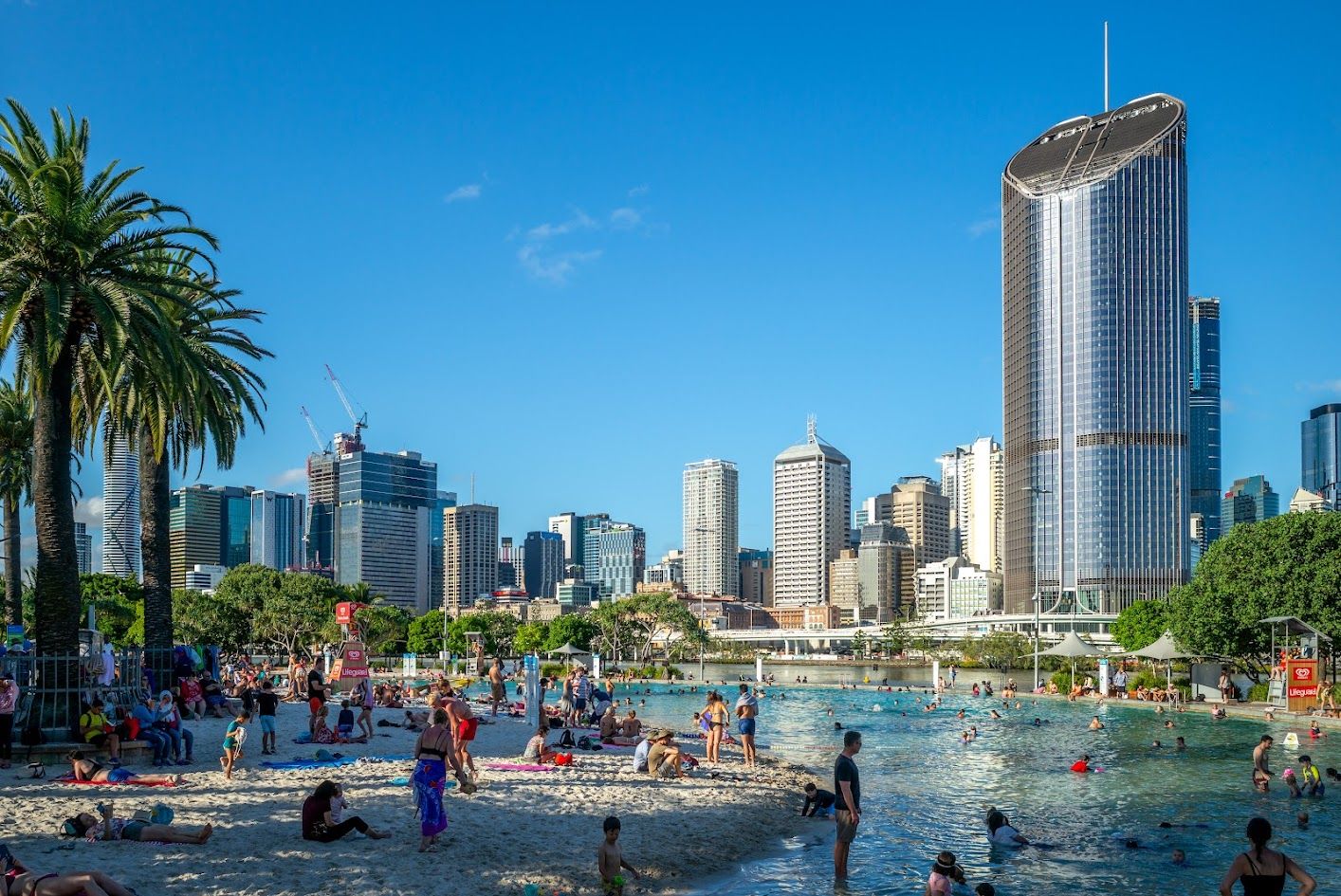
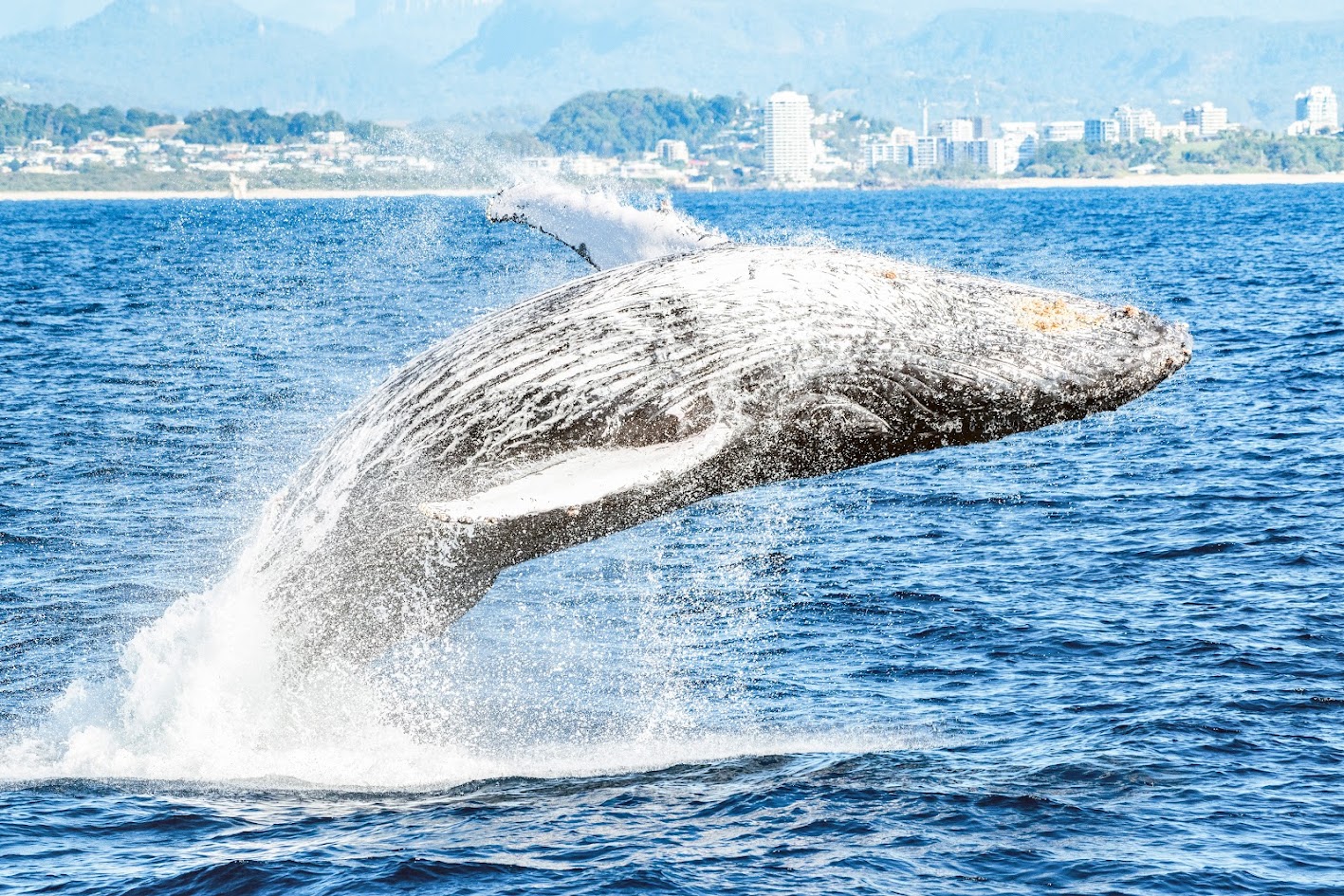
- Queensland is an ideal choice for those who love sunshine, blue seas, and lively outdoor activities. This state is highlighted by Brisbane, Gold Coast, Sunshine Coast, and the world natural wonder Great Barrier Reef – a dream destination for beach tourism.
- Western Australia is suitable for travelers who enjoy exploring vast lands, pristine nature, and less crowded areas. Notable destinations include Perth, Pinnacles Desert, Rottnest Island – home to the famous quokka, and Margaret River.
- South Australia offers a slow, gentle pace of life, famous for its local cuisine and wine culture. Travelers can visit Adelaide, explore Barossa Valley, or experience the wilderness at Kangaroo Island.
5.4 Estimated costs when traveling to Australia
Compared to many destinations in the Asia region, the cost of traveling to Australia is considered higher. However, if planned early, choosing the right flight times, and proactively managing the budget, Vietnamese travelers can fully optimize costs for their trip.
Below are common estimated costs for a self-guided trip to Australia from Vietnam:
- Round-trip airfare Vietnam - Australia: Round-trip fares usually range from 10 - 18 million VND, depending on the destination (Sydney, Melbourne, Perth…), flight times, and promotional programs. Booking tickets early or hunting for promotions can significantly save the initial budget.
- Accommodation costs: Depending on the type of accommodation and location.
- Hostels, homestays: about 700,000 - 1,200,000 VND/night.
- 3 - 4 star hotels: about 1,800,000 - 3,000,000 VND/night.
- Luxury hotels: from 4,000,000 VND/night and up.
- Food & domestic transportation
- Average food costs: 300,000 - 600,000 VND/day if combining eating out and self-preparation.
- Public transport (trains, buses): about 200,000 - 300,000 VND/day in major cities.
- Entrance fees, experiences & shopping.
- Admission tickets, museums, nature experiences: 1 - 3 million VND for the entire journey
- Shopping, personal expenses: depending on needs, usually from 2 - 5 million VND
Prices vary by city and travel season. The estimated total cost for a 7 - 10 day trip to Australia typically ranges from 25 - 40 million VND/person, depending on travel style, length of stay, and booking time.
See more: How much does it cost to travel to Australia? Self-guided travel costs in Australia
As you conclude your exploration of the 10-year Australian visa, this is also the ideal time to start planning your dream trip to the land of kangaroos. With convenient flight networks from Vietnam to major cities in Australia, Vietjet offers many flexible flight options, suitable for both tourism, visiting relatives, or short business trips. Especially, don't miss the 0 VND flight ticket program (excluding taxes and fees) available every day during the golden hours of 12 PM - 2 PM. Book tickets early - plan ahead for your Australian journey to begin smoothly, economically, and inspiringly with Vietjet.
Don't forget to follow and update more travel guides from Vietjet through the official channels below to create a well-prepared itinerary at: