Booking
 Skyshop
 Hotel
Hotel
 E-Voucher
 E-Sim
E-Sim
 E-Visa
 Buy foreign currency
 Insurance
 SkyJoy
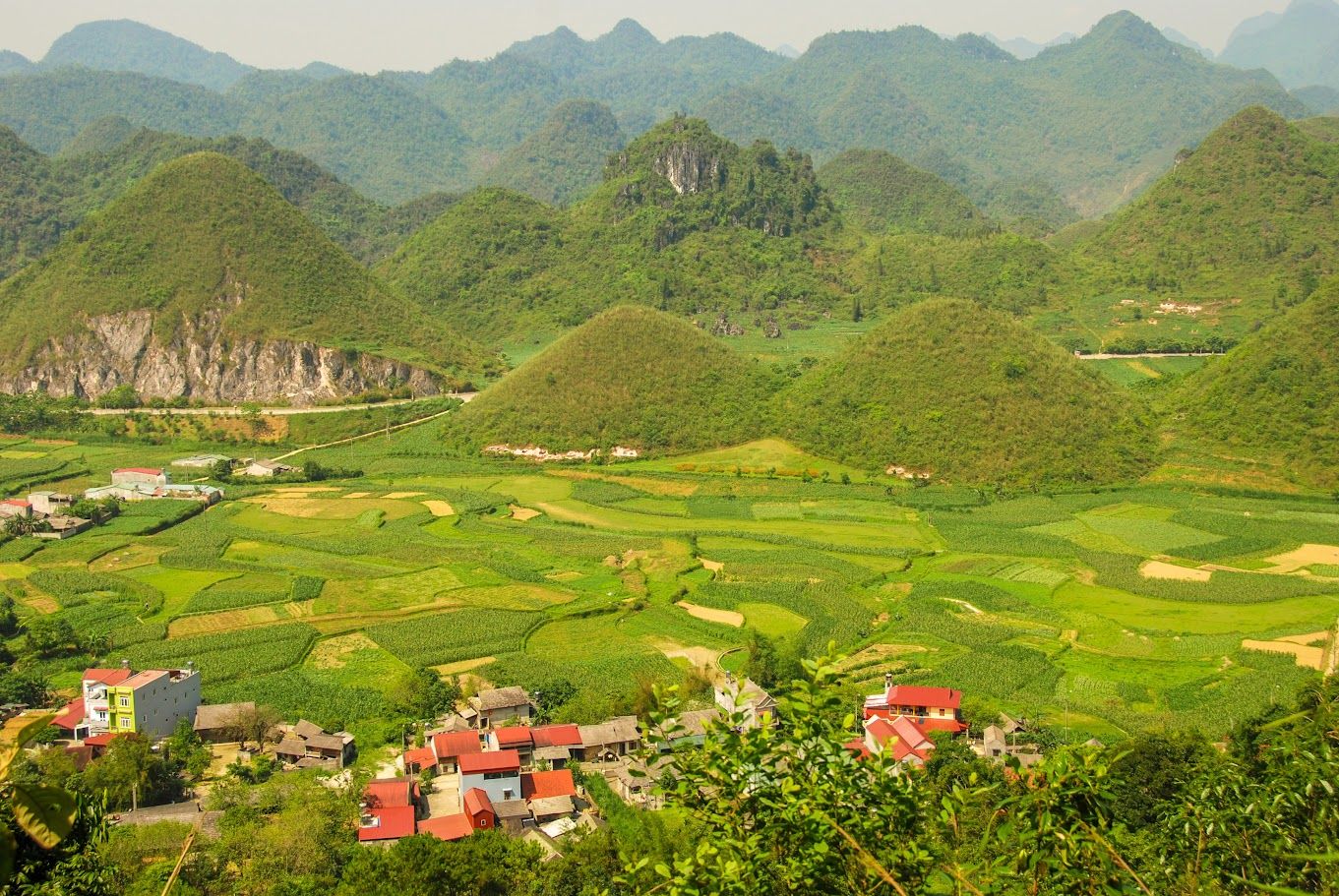
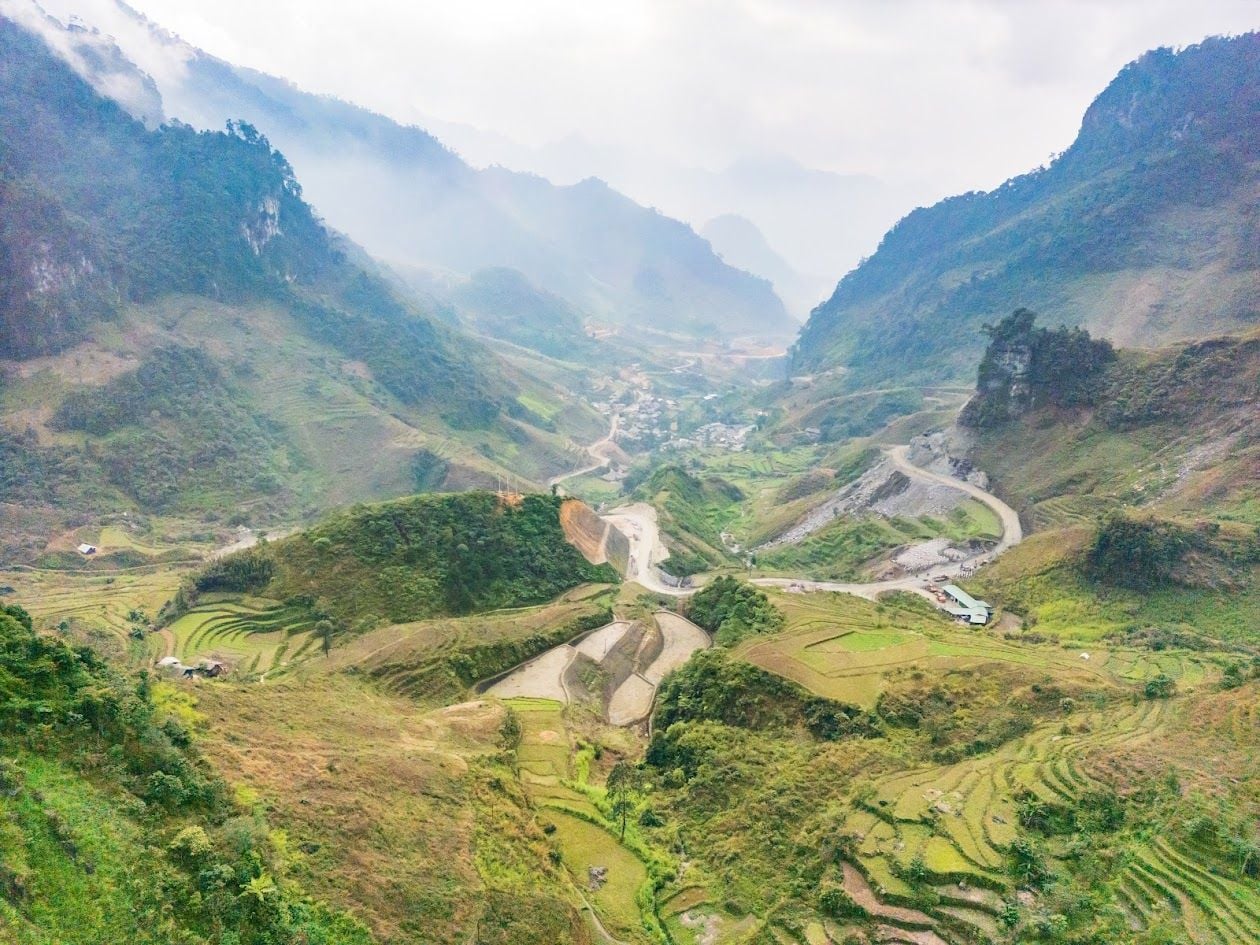
Ha Giang possesses majestic mountain and forest scenery, with winding mountain passes, green valleys, and beautiful buckwheat flower fields. With unique and pristine natural beauty combined with a mild climate, Ha Giang becomes an ideal destination on hot summer days.Traveling to Ha Giang for 3 days and 2 nights allows visitors to enjoy the fresh air and participate in unique experiential activities. At the same time, this schedule also helps tourists save time and money, suitable for the need to explore Ha Giang in a short period of time.
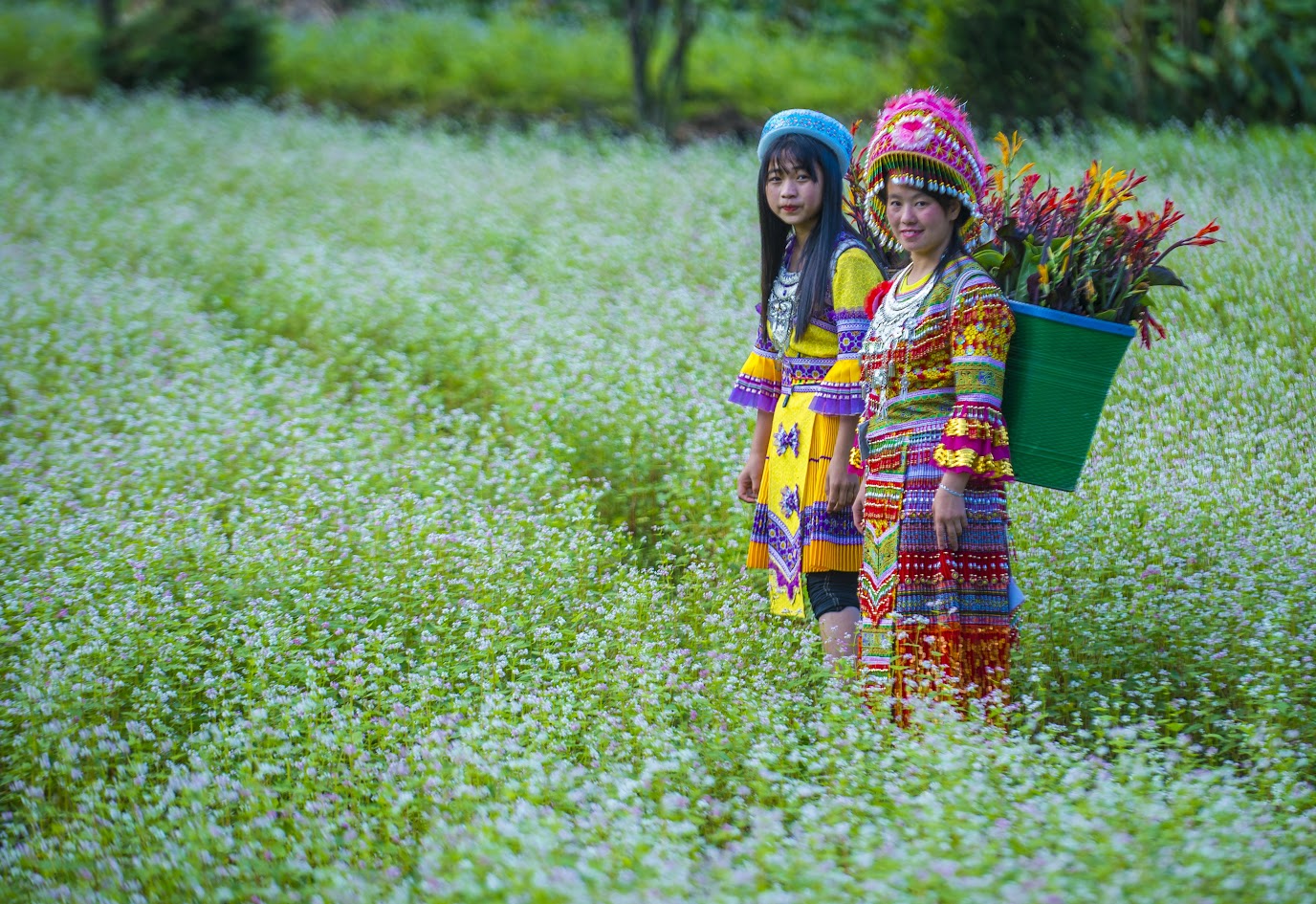
The combination of natural beauty, unique indigenous culture, pleasant climate and reasonable costs has made Ha Giang one of the attractive destinations and is increasingly chosen by many tourists.
To have a smooth and complete 3-day, 2-night self-sufficient trip to Ha Giang, careful preparation before the trip is necessary. Join Vietjet to find some useful information as well as costs and schedules for the 3-day-2-night Ha Giang trip in the article below!
1. Where is Ha Giang?
Ha Giang is located in the Northeast region of Vietnam, bordering China. The East borders Cao Bang province, the West borders Yen Bai and Lao Cai provinces, the South borders Tuyen Quang province and the North borders the People's Republic of China. Ha Giang has an area of about 7,945.8km² and is about 320km from Hanoi.
Regarding geographical location, Ha Giang is located in a mountainous area, with diverse and complex terrain. The province is surrounded by mountains, deep valleys and streams.
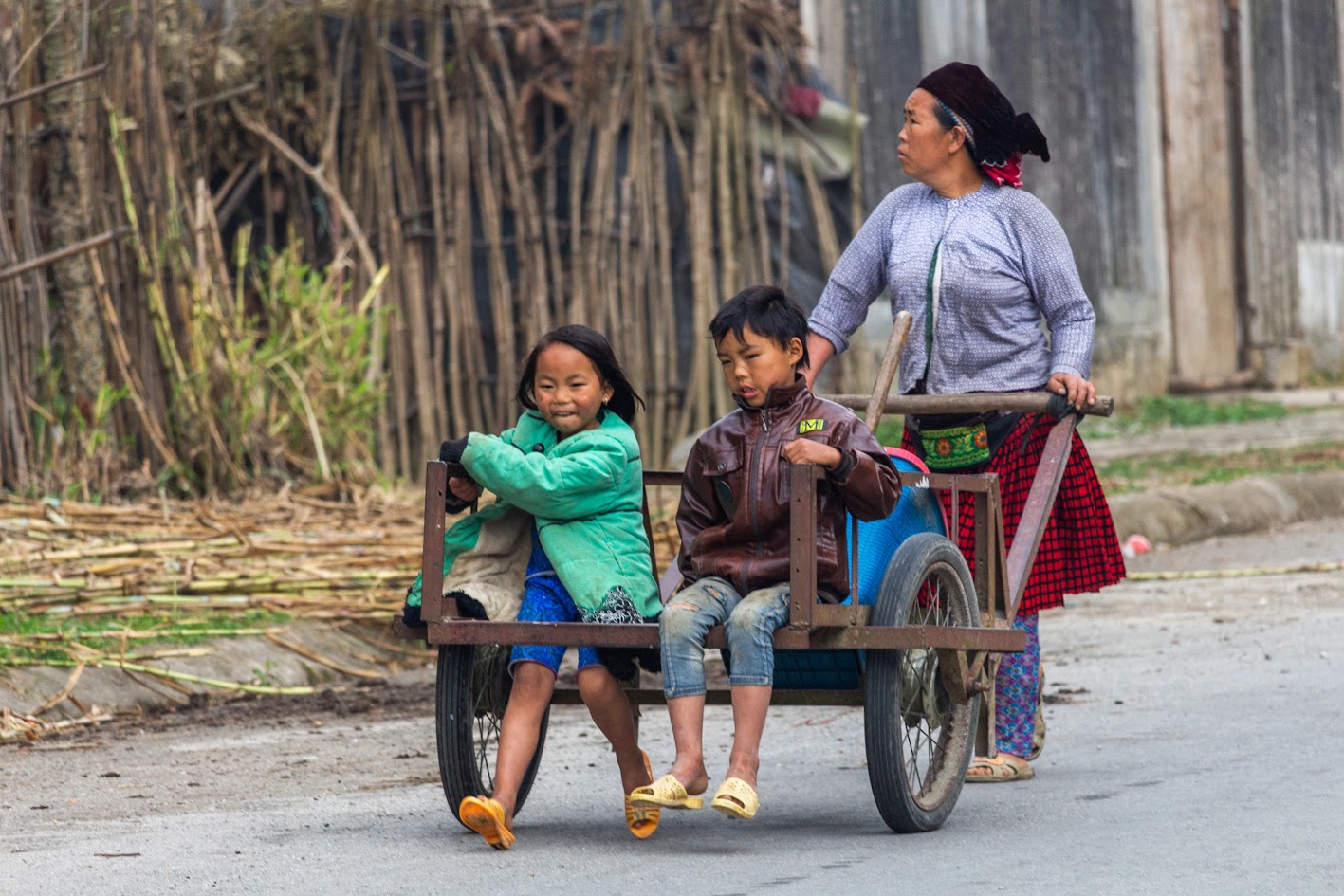
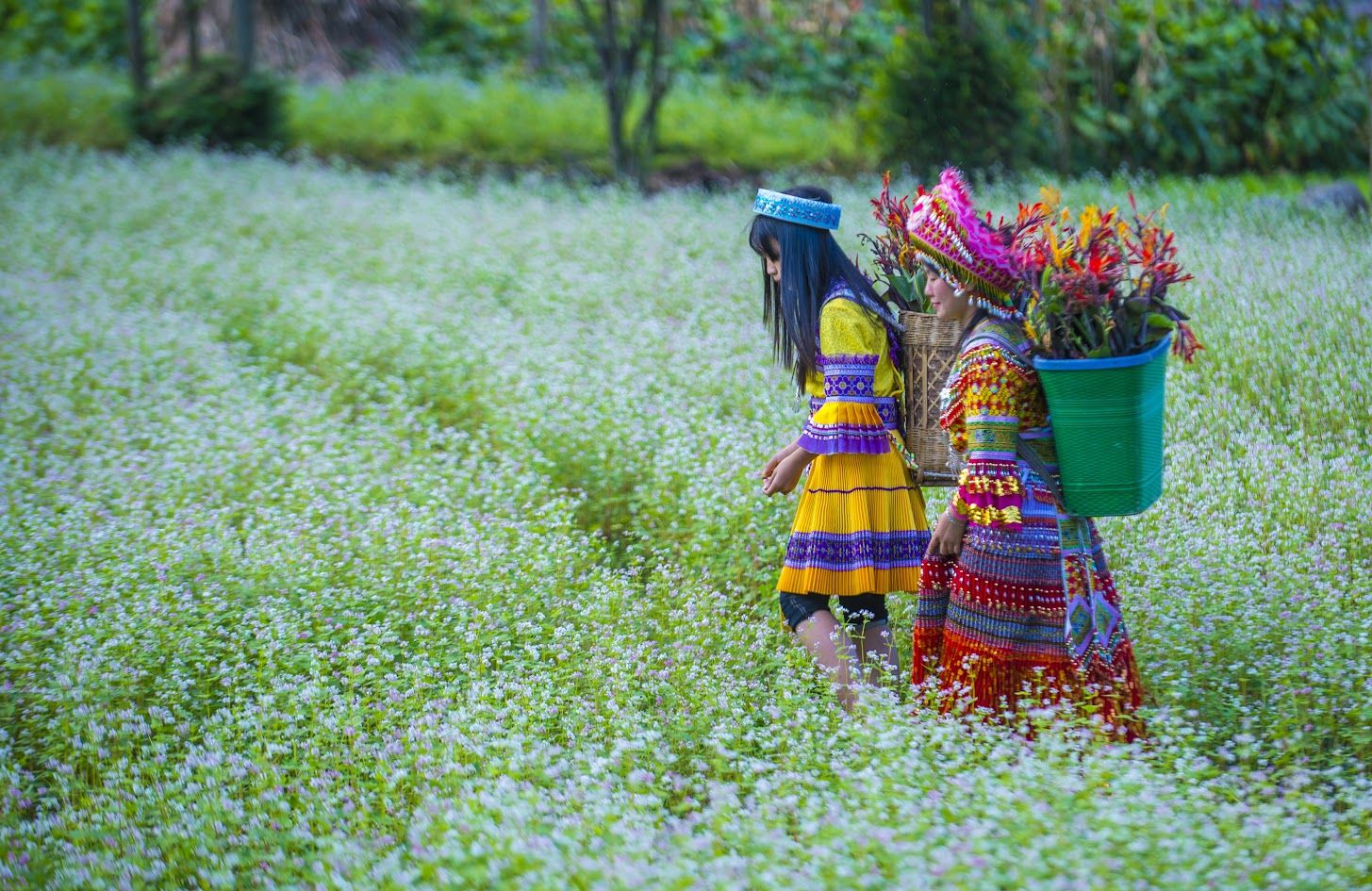
Ha Giang is also home to many ethnic minorities, with diverse cultures and traditions, making this land special and attractive.
See more: Northeast Vietnam travel experience with unique features
2. When is the most ideal time to travel to Ha Giang?
The most ideal time to travel to Ha Giang is from September to March, especially from October to December. This is the time when flowers bloom, bringing beautiful scenery to the Ha Giang stone plateau.
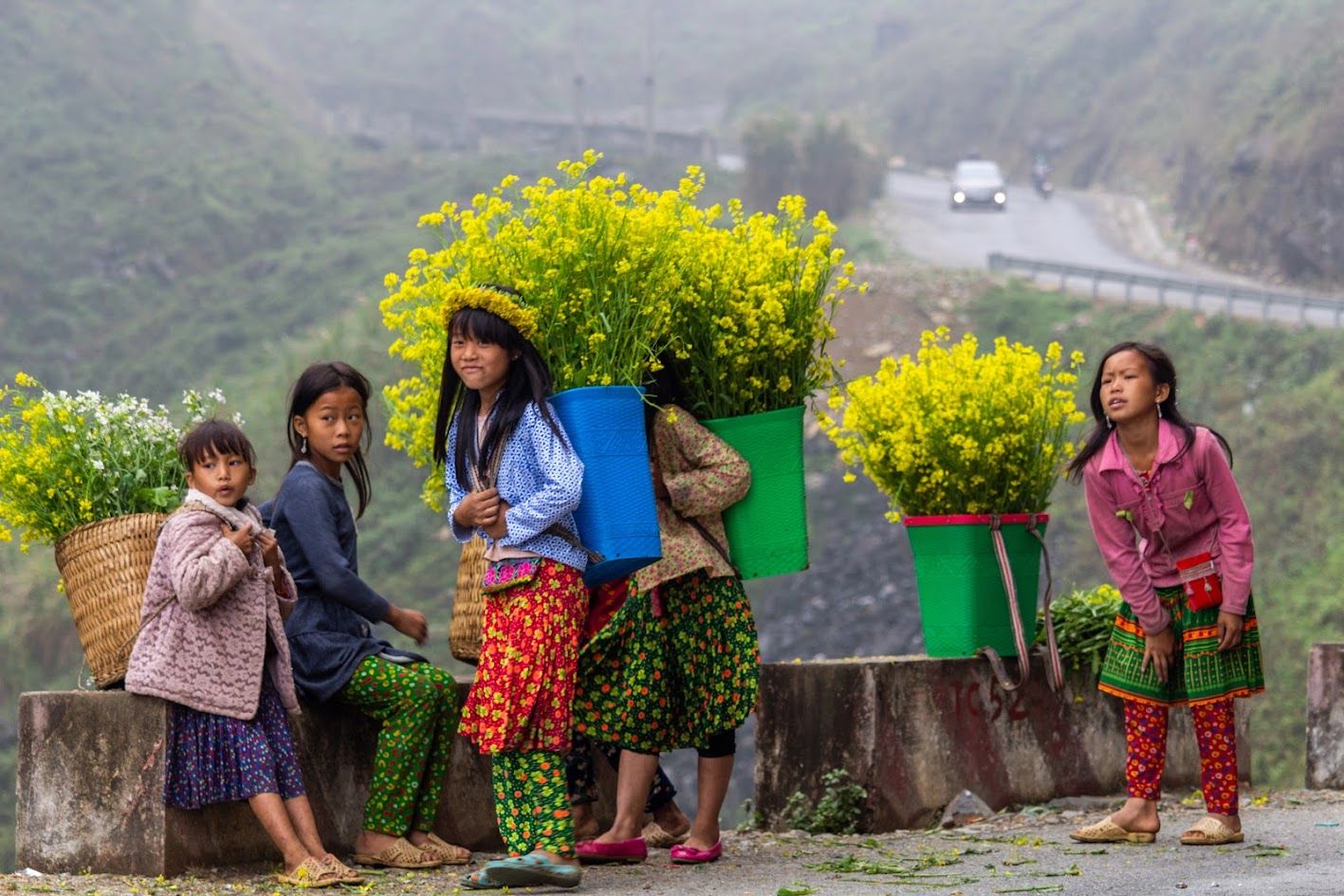
Coming to Ha Giang in October and November, visitors will see buckwheat flowers blooming, creating immense purple and pink fields. In particular, visitors also have the opportunity to participate in the buckwheat flower festival with many attractive traditional cultural activities. After buckwheat flower season, December is when yellow mustard flowers bloom, bringing a wonderful and magical atmosphere to Ha Giang. The weather is also starting to get cold at this time, creating a wonderful space for visitors to explore.
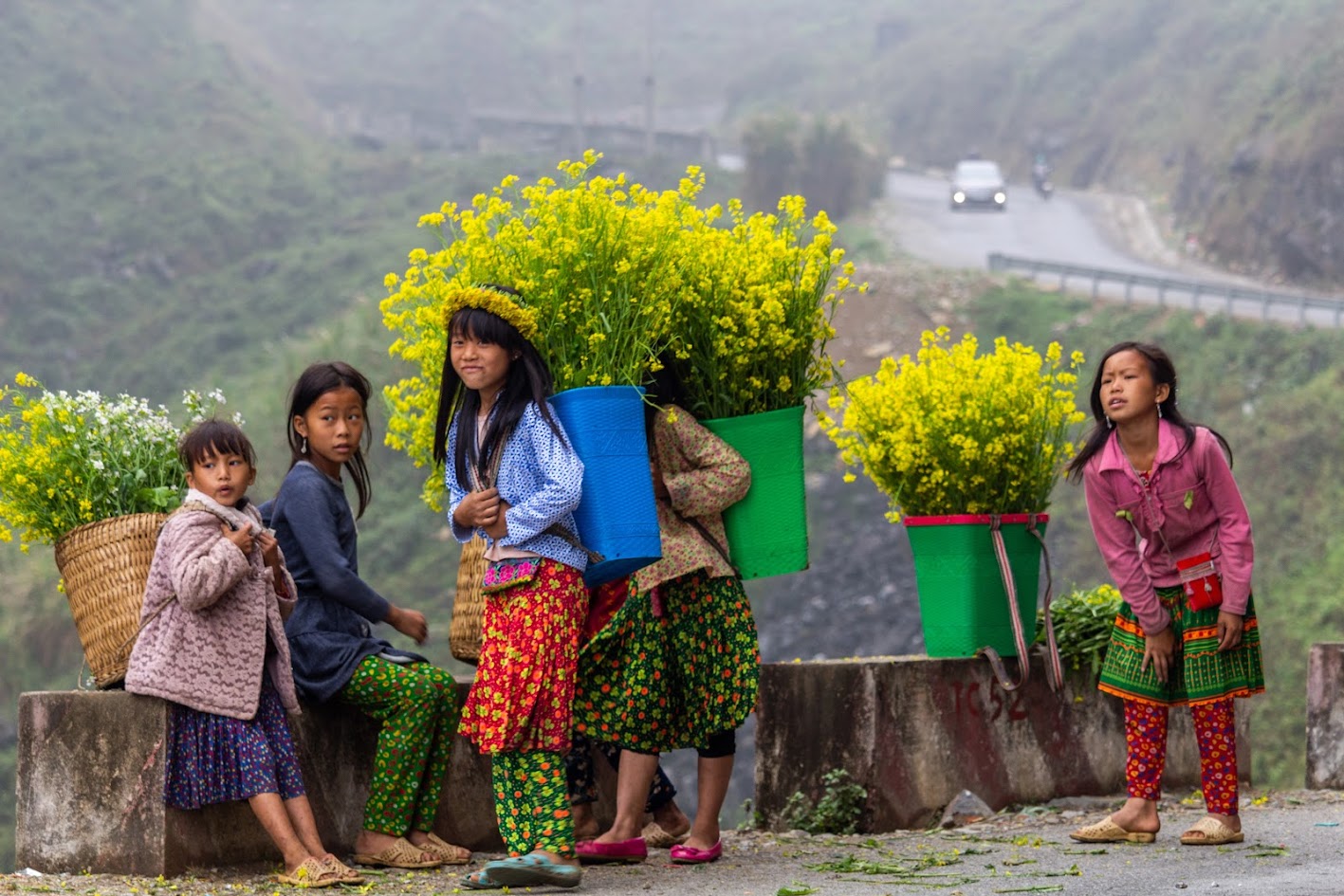
The yellow mustard flower season when in full bloom creates a poetic beauty in Ha Giang.
In addition, traveling to Ha Giang in the early spring of the new year is also a great choice, when visitors have the opportunity to participate in traditional festivals and explore the beauty of spring on the rocky plateau.
However, you should avoid June and July due to rainy weather. The remaining months of the year also have their own beauty, depending on the interests and purposes of visitors.
3. Detailed instructions on how to travel to Ha Giang
3.1 Travel to Ha Giang from Hanoi
From Hanoi, you have many options to move to Ha Giang. Below is a detailed guide by route from Hanoi to Ha Giang:
- Coach: There are many bus companies operating the Hanoi - Ha Giang route. You can research and choose one of the bus companies that suits your schedule and requirements. Ticket prices usually range from 200,000 VND to 250,000 VND/person/turn. Travel time from Hanoi to Ha Giang is about 5 - 6 hours, depending on traffic and road conditions.
- Motorbike: The distance from Hanoi to Ha Giang is about 320km long. If you want to experience traveling by motorbike, please note that the road has steep terrain and many dangerous turns. Requires you to have strong motorbike driving skills and experience in backpacking. Your travel time and schedule will depend on your travel speed and stops along the way. This also gives you the opportunity to admire the stunning scenery along the way.
- Private car: If you want the most comfort and convenience when traveling to Ha Giang, you can use a private car. This allows you to adjust your itinerary and stop at attractions along the way. You need to prepare enough gasoline and pay attention to parking and traffic safety.
See more: Experience traveling to Hanoi on your own, visiting 36 streets
3.1 Travel to Ha Giang from other cities
To travel to Ha Giang from other provinces, you can use road or air transportation. Below are popular ways to move:
- Car or motorbike: You can drive yourself or use car or motorbike services from neighboring provinces such as Hanoi, Lao Cai, Cao Bang, or Tuyen Quang to get to Ha Giang. The road will lead you through beautiful and breathtaking roads such as Ma Pi Leng Pass.
- Coach: There are bus services from neighboring provinces such as Hanoi, Lao Cai, Cao Bang, or Tuyen Quang to Ha Giang. You can choose reputable car companies to travel conveniently and safely.
- Airline: If you want to save time, you can choose air transport. The closest airport to Ha Giang is Noi Bai Airport (Hanoi) and Cat Bi Airport (Hai Phong), from there you can move to Ha Giang by road.

Traveling by plane is a way to save time for tourists who want to visit Ha Giang. You can "hunt" for 0 VND air tickets at Vietjet to optimize costs.
Currently, airlines operate a variety of direct flights from many provinces and cities across the country to Hanoi, one-way and round-trip. Among them, Vietjet often offers the most economical air ticket prices and many attractive incentives.
Vietjet kThere are two diverse flight routes from many provinces and cities such as Ho Chi Minh City, Buon Me Thuot, Can Tho, Nha Trang, Da Lat, Hue,... to Hanoi one-way and round-trip. You can update the latest flight schedules and ticket prices to Hanoi HERE to prepare for your 3 days 2 nights trip to Ha Giang! In addition, the most economical and optimal experience to go to Ha Giang for 3 days and 2 nights is to "hunt" for cheap air tickets. Therefore, you should not miss the promotional airfare program of only 0 VND at Vietjet. Save the time frame to hunt for 0 VND domestic air tickets at Vietjet: time frame 12:00 - 14:00 every day. See details HERE. |
4. What places should you visit when traveling to Ha Giang in 3 days and 2 nights?
Ha Giang is a wonderful tourist destination with wild beauty, majestic mountains and diverse culture of ethnic minorities. Below are some famous and notable attractions in Ha Giang:
- Ma Pi Leng Pass: Considered one of the most beautiful and difficult passes in Vietnam, Ma Pi Leng Pass is located on the way from Ha Giang to Meo Vac. From the pass, you can see a panoramic view of the Nho Que river and the massive mountain range.
- Lung Cu: Lung Cu is a valley located on the Vietnam-China border. This is where Pho Cao town is located, where you can learn about Hmong culture and visit the Meo King Palace - an important historical site.
- Dong Van Market: Dong Van market is one of the most beautiful and crowded Dong Ban markets in Ha Giang. This is where you can experience and visit the culture and customs of local ethnic minorities.
- Dong Van: Dong Van town is an important tourist destination in Ha Giang. You can explore Dong Van Ancient Town with its massive houses of French and Chinese architecture, as well as visit Ta Lung, Lung Lo, and Ban Cong Gia Temples.
- Dong Van Plateau: Located in Dong Van Geopark, Dong Van Karst Plateau has a unique limestone landscape and beautiful natural scenery.
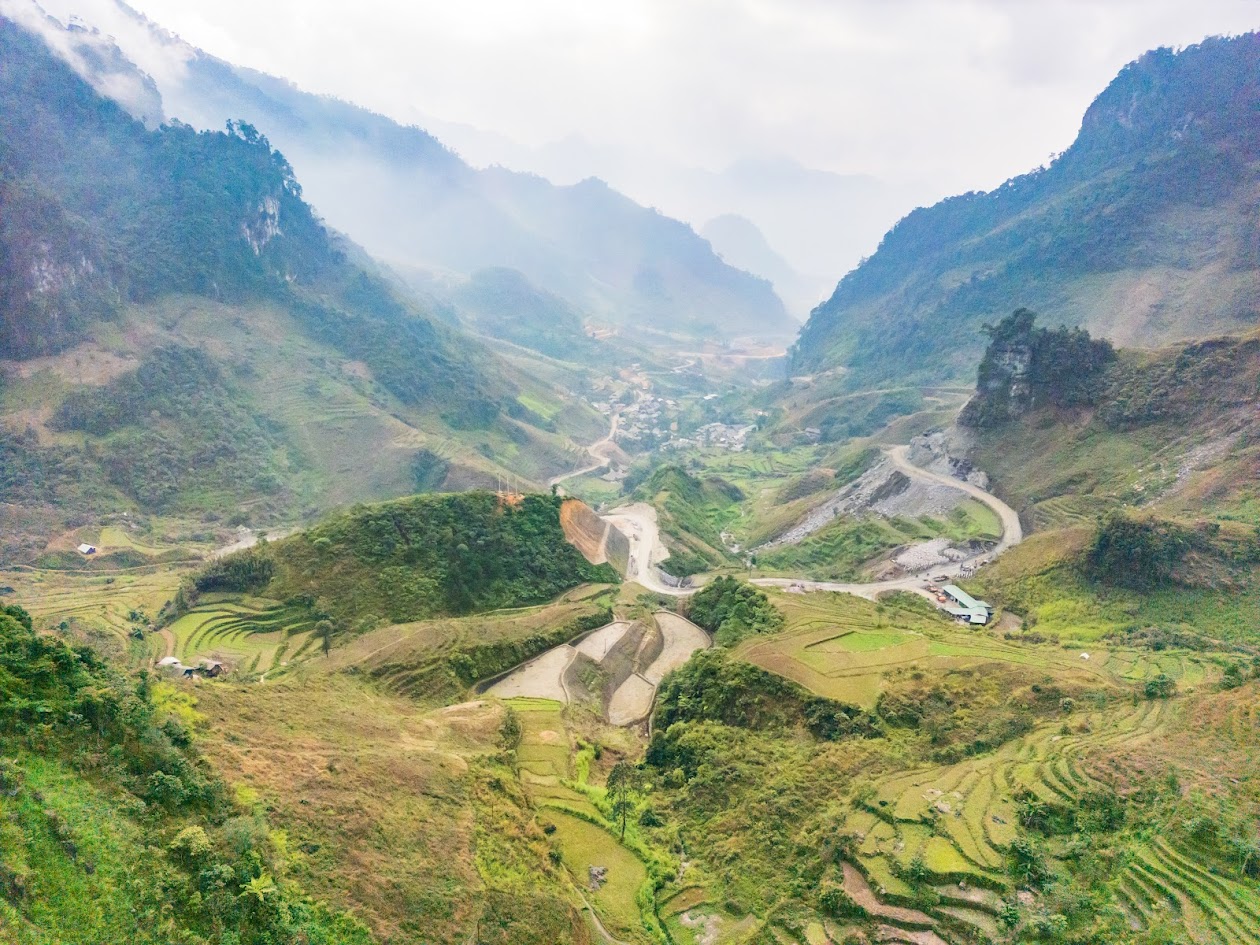
The majestic landscape of Ha Giang makes all visitors gasp in amazement.
- Yen Minh: Yen Minh is a district located north of Ha Giang. This is where you can visit and see the majestic landscape of mountains and valleys.
- Hoang Su Phi: Located about 100km west of Ha Giang, Hoang Su Phi is a beautiful rural area with lush green terraced fields. This is an ideal destination for those who love countryside scenery.
- Nho Que River: Considered a symbol of the Ha Giang rocky plateau, the Nho Que River originates from China's Yunnan province and flows into Vietnam, bringing majestic beauty to this area.
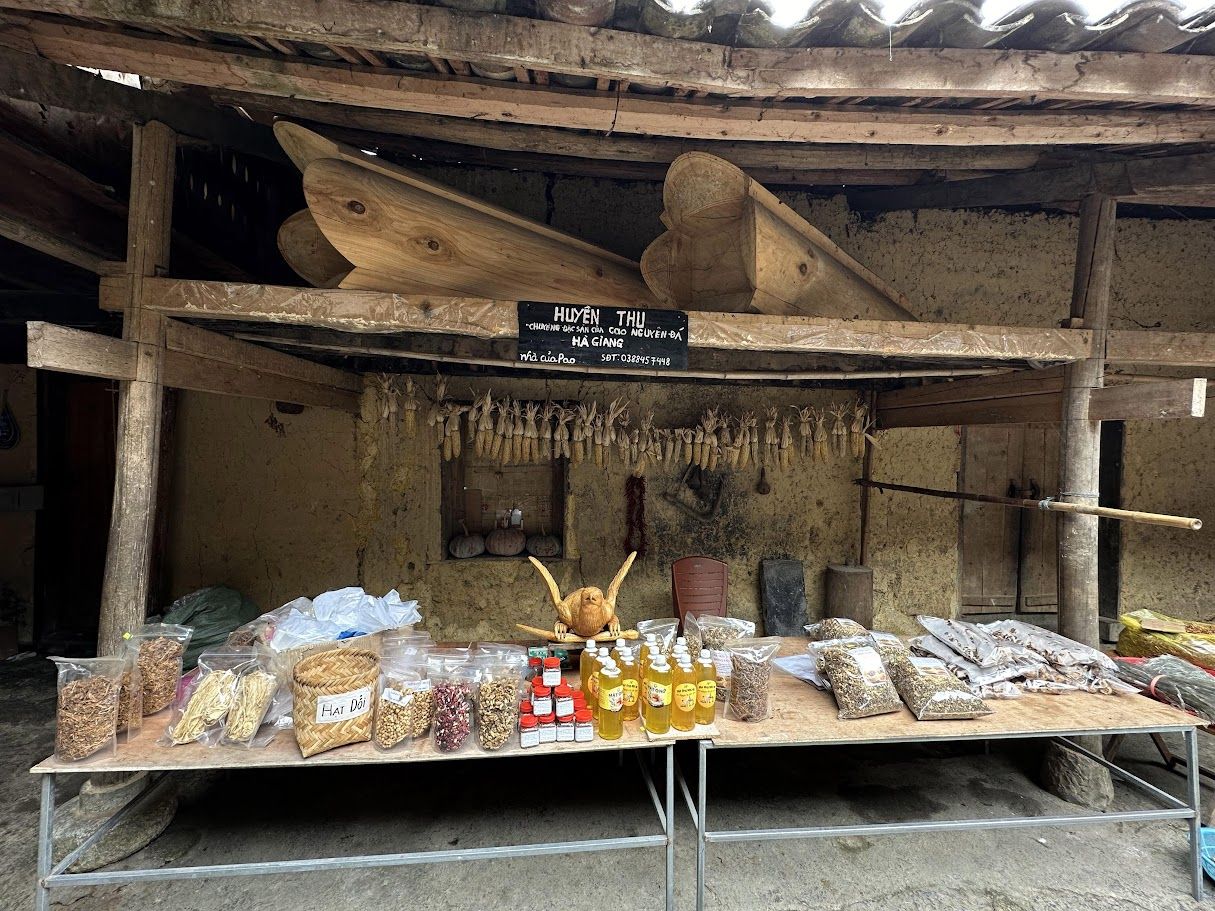
- Sung La (Pao's House): The house is imbued with the culture of the Mong people, with traditional architecture and interior, giving visitors unique cultural experiences when coming here.
These are just some of the popular attractions in Ha Giang. When you come here, you can also explore more beautiful lands and interact with the local community to better understand the culture and customs of Ha Giang people.
5. What to eat when traveling to Ha Giang for 3 days and 2 nights?
Ha Giang is a land with diverse and unique cuisine. Below are some specialty dishes of Ha Giang that you can enjoy when traveling here:
- Thang co: Traditional dish of the H'Mong people, thang co is a delicious soup made from pork, cabbage and special spices. Thang co soup is usually cooked in a clay pot and has a rich flavor.
- Armpit Pig: Armpit pig is a unique dish of the Mong people. This is a small pig prepared by removing the armpit and cooking it. Armpit pork has a unique aroma and is often processed into many dishes such as grilled, stir-fried, steamed,...
- Vole: Field mouse dish is a specialty dish of Ha Giang. Field mice are processed into many dishes such as grilled, stir-fried, stewed, or hot pot. Rat meat has a crunchy and aromatic taste, and it is often combined with typical spices.
- Lam rice: Lam rice is a traditional dish of the Tay people. Lam rice is cooked by placing rice, meat and spices in a bamboo tube and steaming. This dish has a unique aroma and can be accompanied by sweet and sour fish sauce.
- Corn wine: Corn wine is a traditional wine of the Dao and Mong people. The wine is made from corn and has a rich flavor. This is a popular drink in Ha Giang and is often used during festivals and to welcome guests.
In addition, Ha Giang also has many other dishes such as grilled meat, five-color sticky rice, Luc Van fish cakes, Tan Quang rice rolls, Tay chung cakes,... The special thing is that the dishes in Ha Giang often have flavors natural and original, reflecting the culture and characteristics of this land.
6. Suggested itinerary and cost to go to Ha Giang for 3 days 2 nights
Below are suggestions for a 3-day, 2-night trip to Ha Giang starting point in Hanoi.
Day | Schedule | Reference price |
Day 1 | Travel from Hanoi to Ha Giang by bus | 250,000 - 350,000 VND/ticket/person |
Visit Dong Van market | 0 Dong | |
Lunch at Dong Van | 100,000 VND/person | |
Staying at a homestay in Dong Van | 400,000 VND/night | |
Visit Quan Ba Heaven Gate and Co Tien Twin Mountains | 0 Dong | |
Explore Ha Giang town at night | Dinner cost is about 100,000 VND/person | |
Day 2 | Move from Dong Van to Ma Pi Leng | 150,000 VND/person |
Visit Ma Pi Leng | 50,000 VND/person | |
Lunch at Meo Vac | 100,000 VND/person | |
Staying at a homestay in Meo Vac | 250,000 - 400,000 VND/night | |
Nho Que River | 60,000 - 100,000 VND/person | |
Day 3 | Travel from Meo Vac to Lung Cu | 100,000 VND/person |
Visit Lung Cu flagpole | 0 Dong | |
Visit Sung La (Pao's House) | 10,000 VND/person/turn | |
Lunch at Lung Cam cultural and tourist village before returning to Hanoi | 100,000 VND/person | |
Travel from Lung Cu to Hanoi by bus | 250,000 VND/person |
It can be seen that, if calculating the starting point from Hanoi, a 3-day, 2-night trip to Ha Giang only costs about 1,700,000 VND to 2,000,000 VND/person. However, it should be noted that during Tet holidays, you should book early because many homestays here are often out of rooms.
Above is all the information about traveling to Ha Giang 3 days 2 nights, hopefully it will help you have more useful references on your upcoming trip. What are you waiting for? Explore Ha Giang right away!
Please update Vietjet's travel guide through the forms below: