Booking
 Skyshop
 Hotel
Hotel
 E-Voucher
 E-Sim
E-Sim
 E-Visa
 Buy foreign currency
 Insurance
 SkyJoy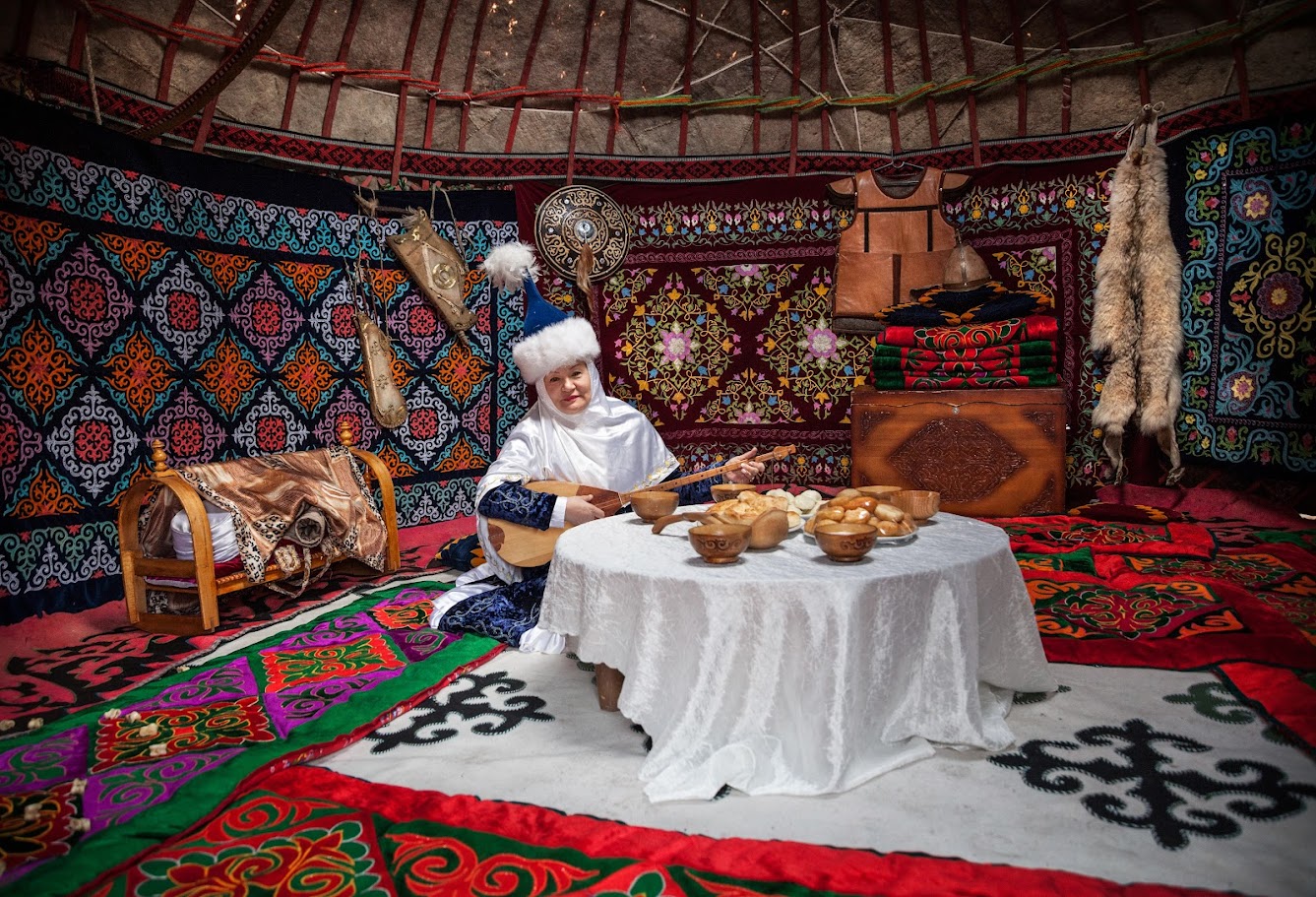
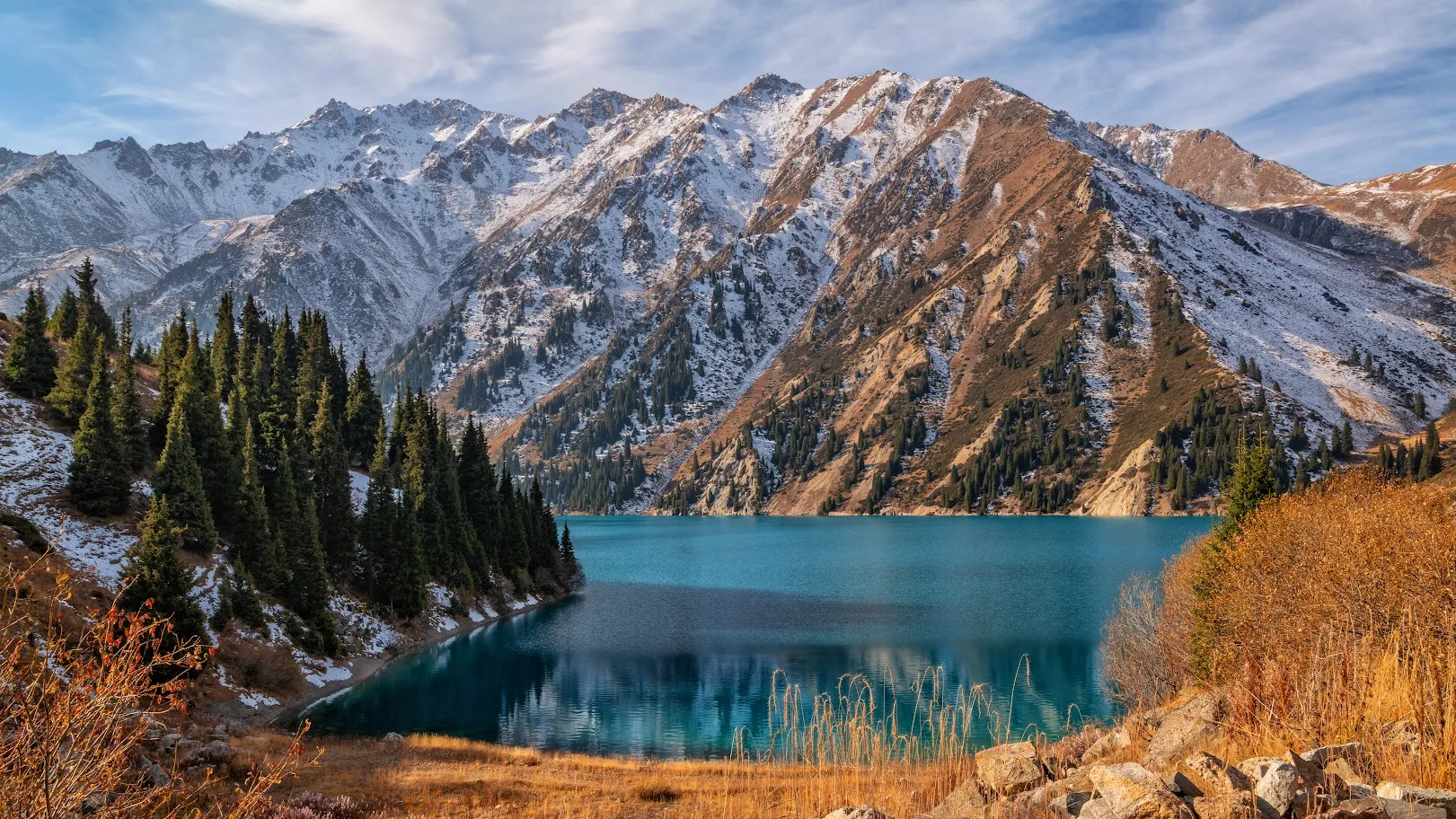
When talking about the Republic of Kazakhstan, many people immediately think of vast steppes, snow-capped mountains, or its thriving oil-based economy. However, the beauty of Kazakhstan lies not only in its rich nature but also in its unique culture, where the ancient nomadic spirit coexists with modern life.
This article will take you on a journey to explore the culture of Kazakhstan through fascinating glimpses of its people, cuisine, and traditions of a country “grown on horseback.”
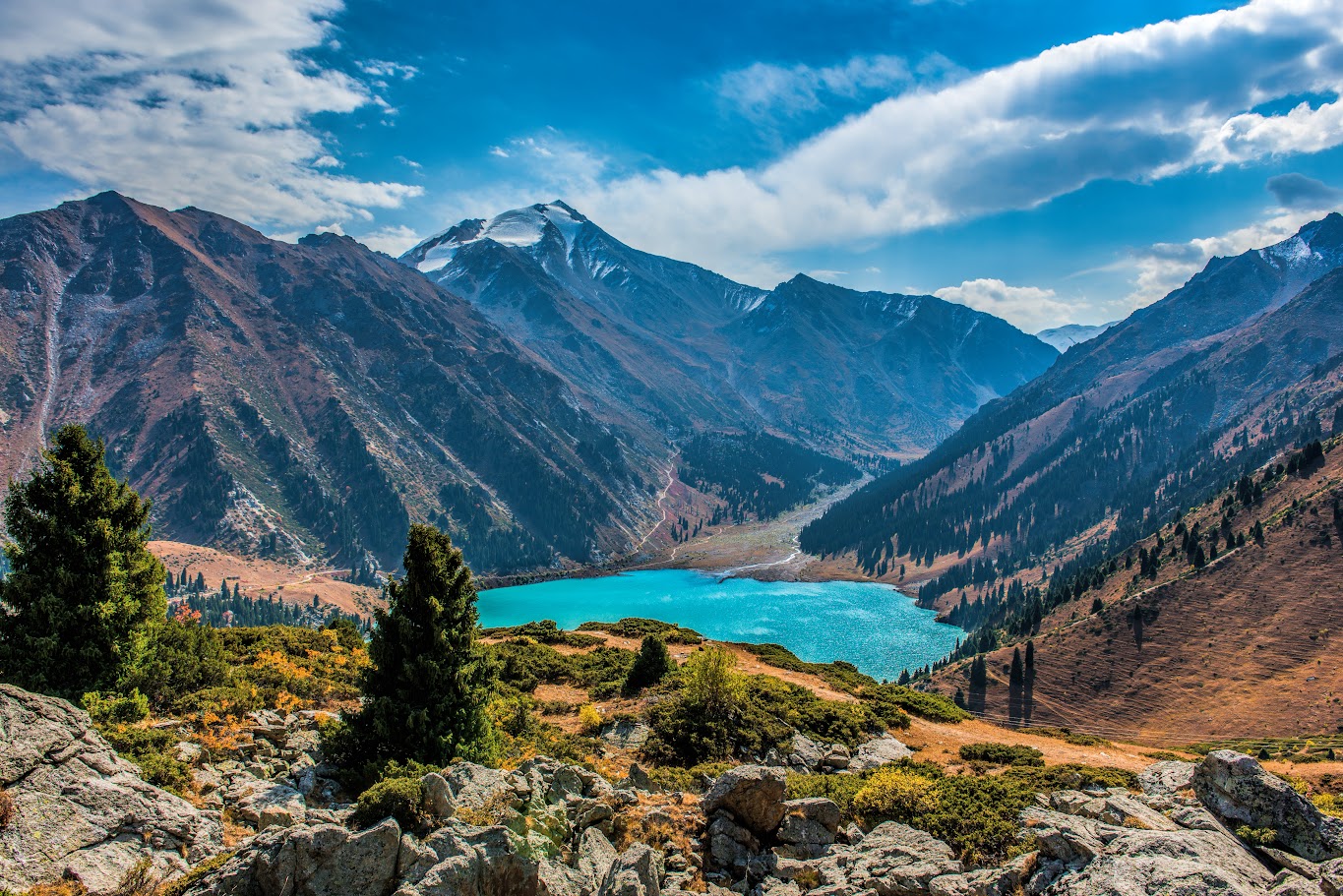
In addition to its abundant nature, Kazakhstan also boasts a unique culture that attracts tourists.
1. Overview of Kazakhstan – The Birthplace of Cross-cultural Fusion
1.1 Unique Geographic Location at the Crossroads of Asia and Europe
Spanning across Central Asia and Eastern Europe, Kazakhstan is the world’s largest landlocked country and ranks 9th in global size. It borders Russia to the north, China to the east, and Central Asian nations like Uzbekistan and Kyrgyzstan to the south. This strategic “crossroads of Asia and Europe” location has made Kazakhstan a meeting point for numerous civilizations, including Turkish, Persian, Arab, Russian, and Chinese cultures. From this, a vibrant and diverse cultural landscape has emerged.
1.2 A Brief History of the Land of Free Nomads
The name Kazakhstan originates from the word “Kazakh” meaning “free people” in Turkic, and the suffix “-stan” meaning “land” in Persian. Together, Kazakhstan means “the land of free people.” This name accurately reflects the strong nomadic spirit, love for freedom, and independence of the people here.
In ancient times, nomadic tribes like the Scythians and Turks laid the foundation for a free-spirited way of life closely tied to the steppes, expressed through folk dances, songs, and instruments like the dombra. Under the Mongol Empire in the 13th century, warrior culture and horseback traditions were reinforced, leaving a mark in festivals like Nauryz – the traditional New Year marking spring. By the 19th and 20th centuries, the occupation by the Russian Empire and the Soviet Union brought significant changes: Russian became the administrative language, European architecture emerged in cities, and modern education systems were established. However, the Kazakh people resiliently preserved their identity through traditions such as dastarkhan (traditional feast) and aitys (poetry battles). After gaining independence in 1991, Kazakhstan entered a new era where nomadic traditions coexist with modernization.
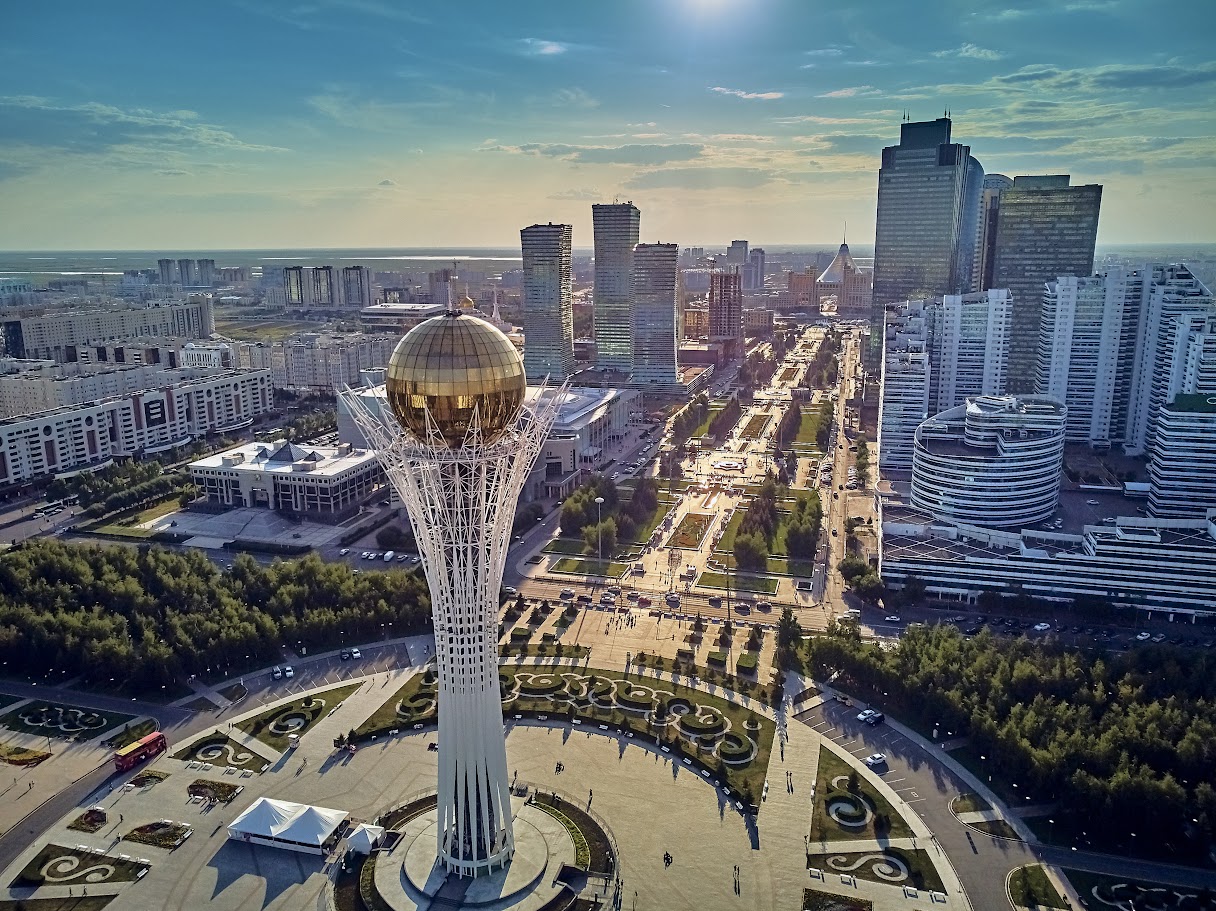
Despite modern life, Kazakhstan still preserves many traditional customs and cultural identities.
Kazakhstan's history has not only shaped its layered cultural identity but also defined the lifestyle of its people. They have managed to retain their nomadic traditions through festivals, folk music, and community spirit, while also moving towards modernization in education, architecture, and urban life.
2. People of Kazakhstan – The Vast Beauty of Hospitable Souls
Amidst the vast steppes of Central Asia, the people of Kazakhstan stand out for their openness, hospitality, and strong community spirit – qualities nurtured over thousands of years of nomadic life.
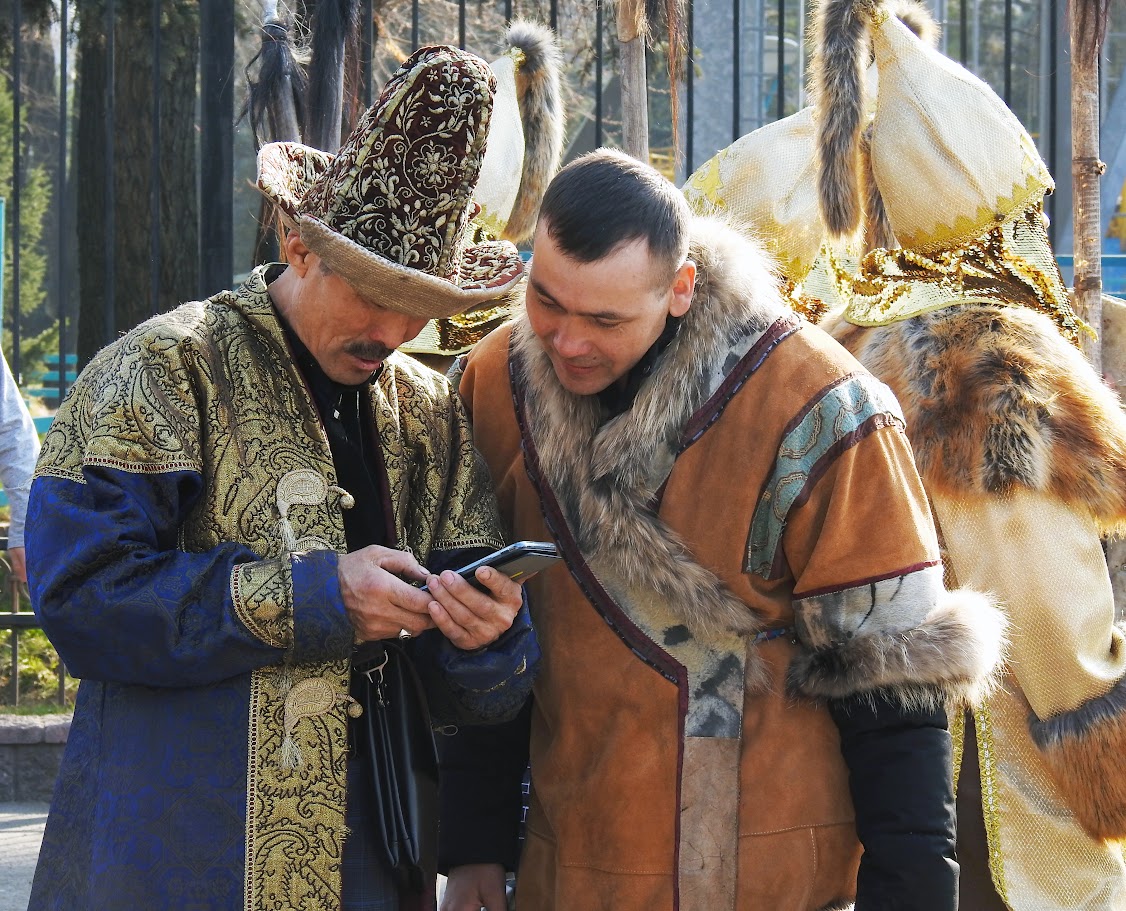
The people of Kazakhstan are known for their courage, hospitality, and strong community ties.
2.1 Hospitality – A Tradition from the Heart of the Steppes
In Kazakh culture, inviting guests into one's home, sharing meals, and telling stories is a way to show respect. If you're invited into a traditional yurt, you'll be treated to tea and baursak (sweet fried bread) as a warm greeting. No matter where you come from or who you are, you will be treated like family.
During major celebrations like weddings and the New Year (Nauryz), Kazakhs open their doors to friends, neighbors, and even strangers. This tradition reflects the nomadic philosophy of "sharing to survive." Whether in urban or rural areas, you'll encounter friendly smiles, strong handshakes, and warm gazes.
2.2 Strong and Bonded Character of the Kazakh People
The resilient spirit is another prominent trait of Kazakhs. Living on the harsh steppes, the Kazakhs have long learned to adapt and respect nature.
They hold great value in honor and place high importance on family and community. In rural areas, many three-generation families still live together under one roof, where elders are given special respect. A representative ceremony showing this respect is Tusau Kesu, the tradition of cutting the cord that ties a child's legs, symbolizing the opening of a stable path for the child to walk through life, while also conveying heartfelt blessings.
The tradition of respecting elders and maintaining strong bonds between generations still exists in daily life, creating a solid ethical foundation for Kazakh society.
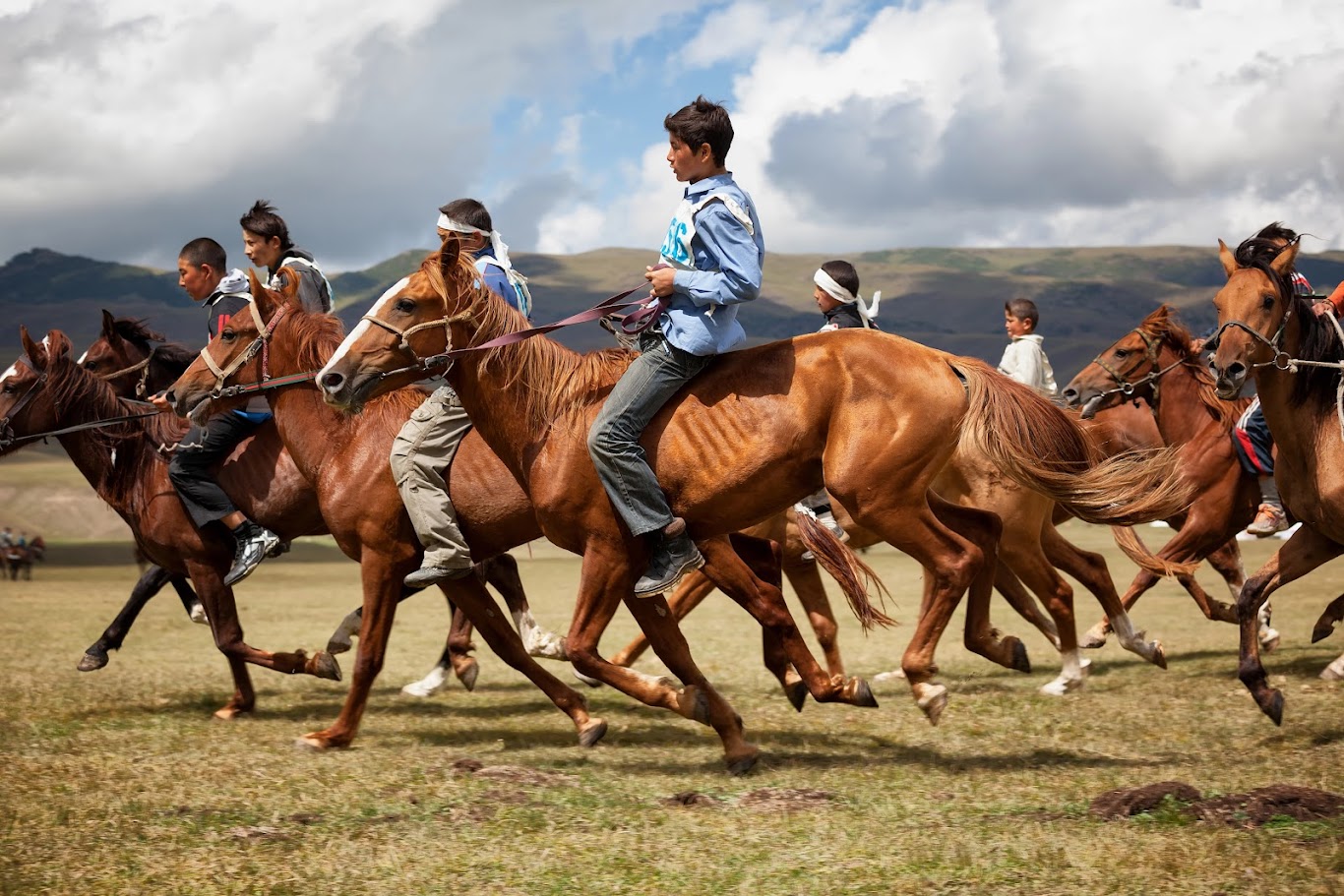
"Growing up on horseback," Kazakhs have an open-minded character and a deep respect for nature.
2.3 Tolerance in a Multi-ethnic Society
Kazakhstan is home to more than 130 ethnic groups, with Kazakhs making up about 70% of the population, followed by Russians, Uzbeks, Ukrainians, and other minority groups. This diversity originates from historical trade along the Silk Road and migrations during the Soviet era. Kazakhs, with their Turkic roots, embody the nomadic spirit, while Russians and other ethnic groups bring influences from Europe and Central Asia.
As a result, the people of Kazakhstan have cultivated a mindset of openness, tolerance, and equality, with no distinction made based on origin. Whether in daily communication or at work, the spirit of equality and cooperation is highly valued.
3. Kazakh Cuisine – The Essence of Nomadic Life
Kazakh cuisine is a reflection of the nomadic lifestyle, hospitality, and community spirit of the Kazakh people.
3.1 Key Features of Kazakh Cuisine
- Influences from various cultures: Kazakh cuisine is influenced by neighboring countries such as Russia and Uzbekistan, with dishes like shorpa soup, which is similar to Russian borscht, and Central Asian noodle dishes.
- Main ingredients: In Kazakh culinary culture, meats such as beef, lamb, and horse are commonly used due to their high nutritional value and suitability for the cold climate. Particularly, horse meat plays a crucial role in Kazakh traditions, often used during festivals. Dairy products, especially fermented mare's milk (kumys), and flour-based dishes like fresh noodles and fried bread, are also staples of the nomadic diet.
- Rituals of eating showing hospitality: In Kazakh life, a meal is not just for enjoying food but also for building community. A standout feature is the dastarkhan, the traditional banquet table in the steppe. The table is carefully prepared with foods arranged according to ceremonial order: boiled meat at the center, surrounded by baursak (crispy fried bread), tea, fruit jams, cold cuts, vegetables, and sometimes warm shorpa soup. The host typically cuts the meat and invites honored guests to sit in a place of honor, pouring tea from their own hand as a sign of respect.
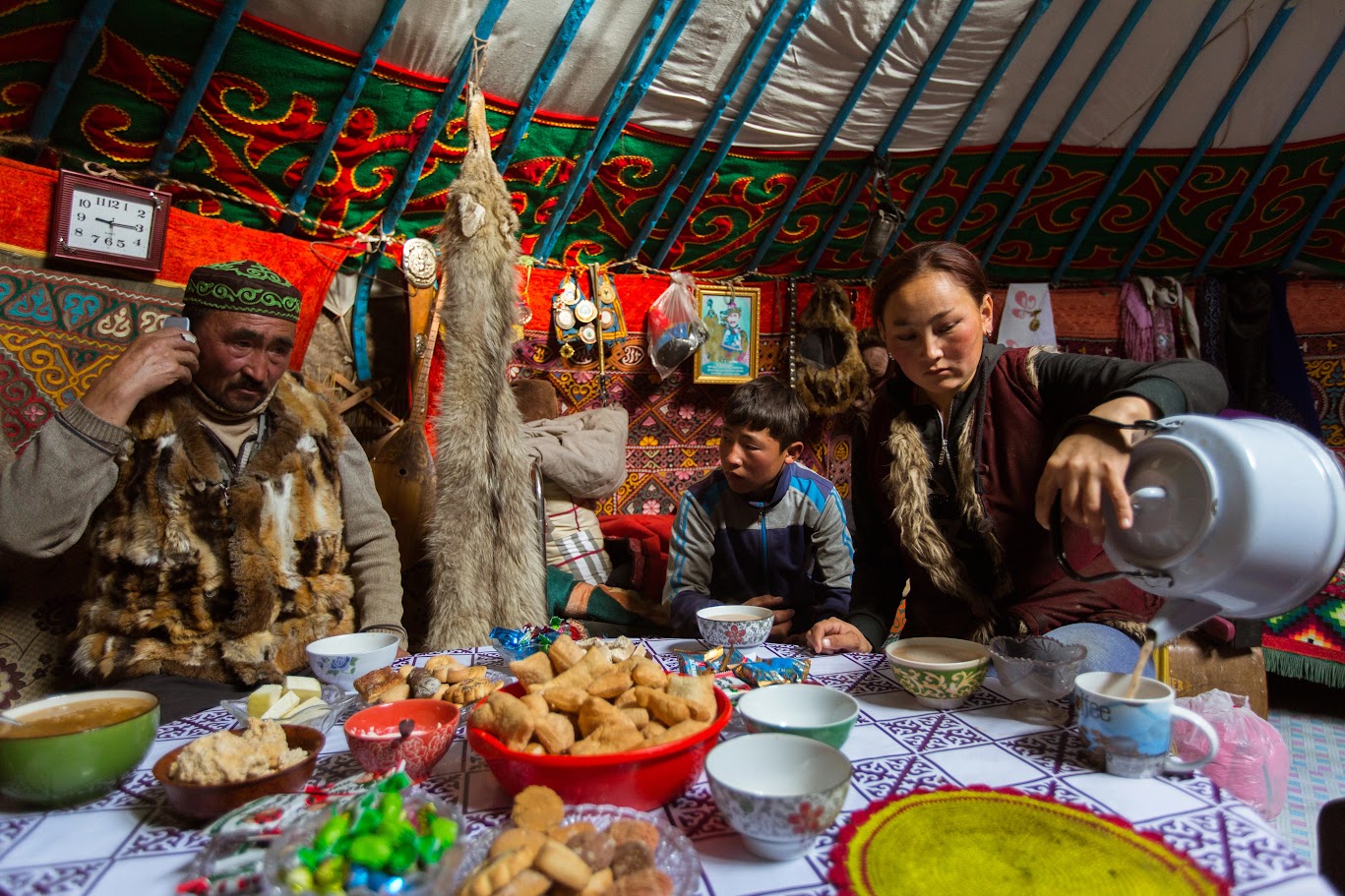
Kazakh traditional dishes primarily use ingredients such as meat, milk, and flour.
3.2 Iconic Dishes
- Beshbarmak: The national dish, consisting of thinly sliced boiled horse meat (or lamb), served with fresh noodles and broth, typically eaten with hands to express closeness and community.
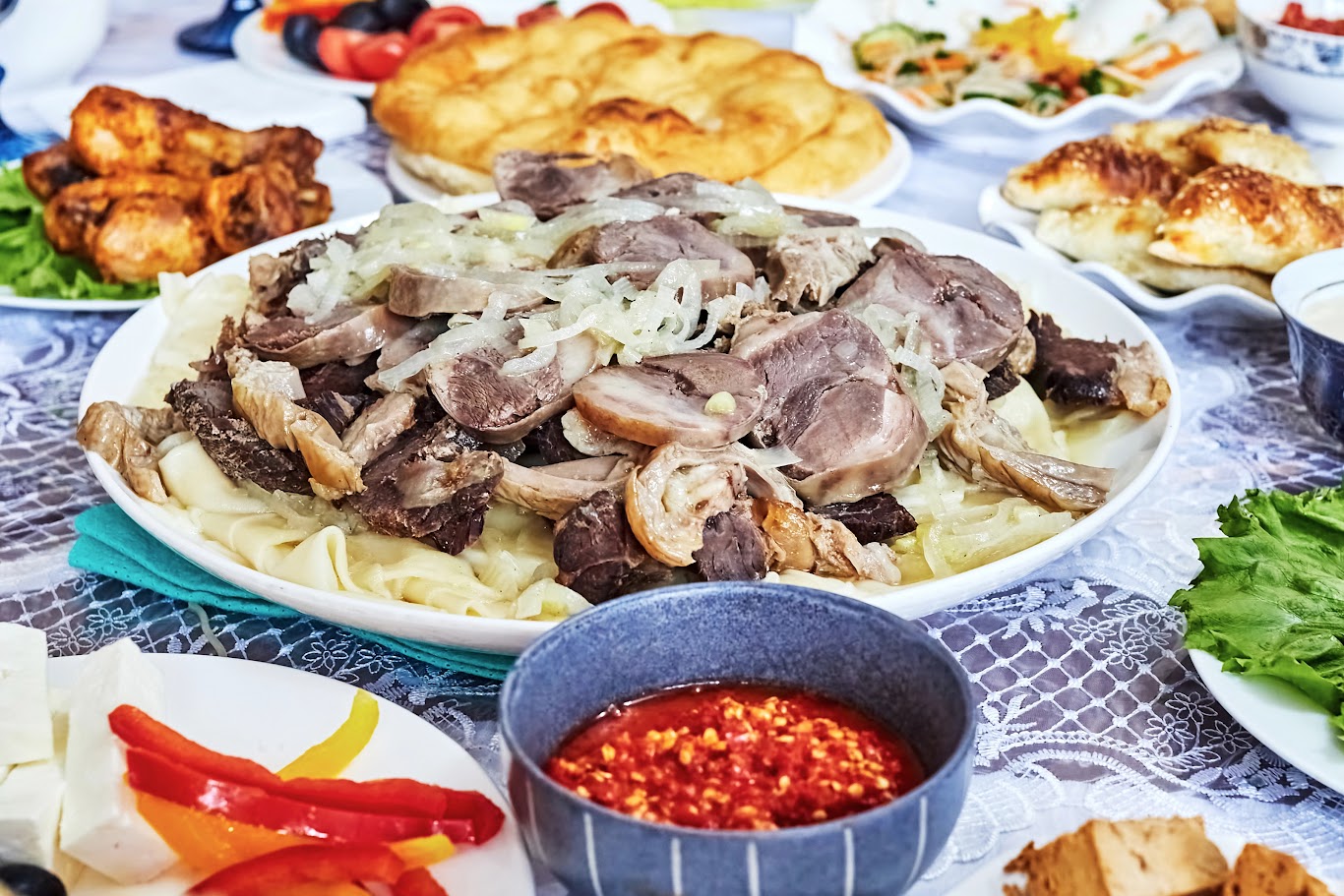
Horse meat dishes are considered the "soul of the nation" by the people of Kazakhstan.
- Kazy: Traditional horse meat sausage, handmade from the finest fresh rib meat, with a rich and fatty flavor.
- Kuyrdak: A nomadic-style stir-fried meat dish, typically using offal, onions, and potatoes, especially popular at family gatherings.
- Baursak: Crispy golden fried bread, considered the "soul" of every Kazakh banquet, often served with tea or alongside meat.
- Irimshik: Naturally fermented milk, with a mild sweet taste, often served as a dessert.
See more: Experience Kazakh Cuisine: What Makes Horse Meat Culture Special?
4. Traditional Customs – The Cultural Essence of Kazakhstan
Beneath the modernity spreading across large cities, Kazakhstan still deeply preserves its long-standing customs. From rituals, clothing, to daily etiquette, Kazakh traditions reflect a blend of nomadic spirit, ancient beliefs, and tolerance in a multicultural society.
4.1 Nauryz – The Traditional Kazakh New Year
Nauryz is the largest holiday of the year in Kazakhstan, occurring on March 21st, marking the vernal equinox when day and night are of equal length, and life is reborn on the steppes.
During this time, villages and cities are vibrant with festival colors. People wear traditional clothing, set up yurts outdoors, and cook nauryz kozhe – a sacred soup made with seven ingredients symbolizing fertility. Rituals like honoring elders, horse racing, wrestling, and akyn folk singing are held to preserve the spirit of the nation.
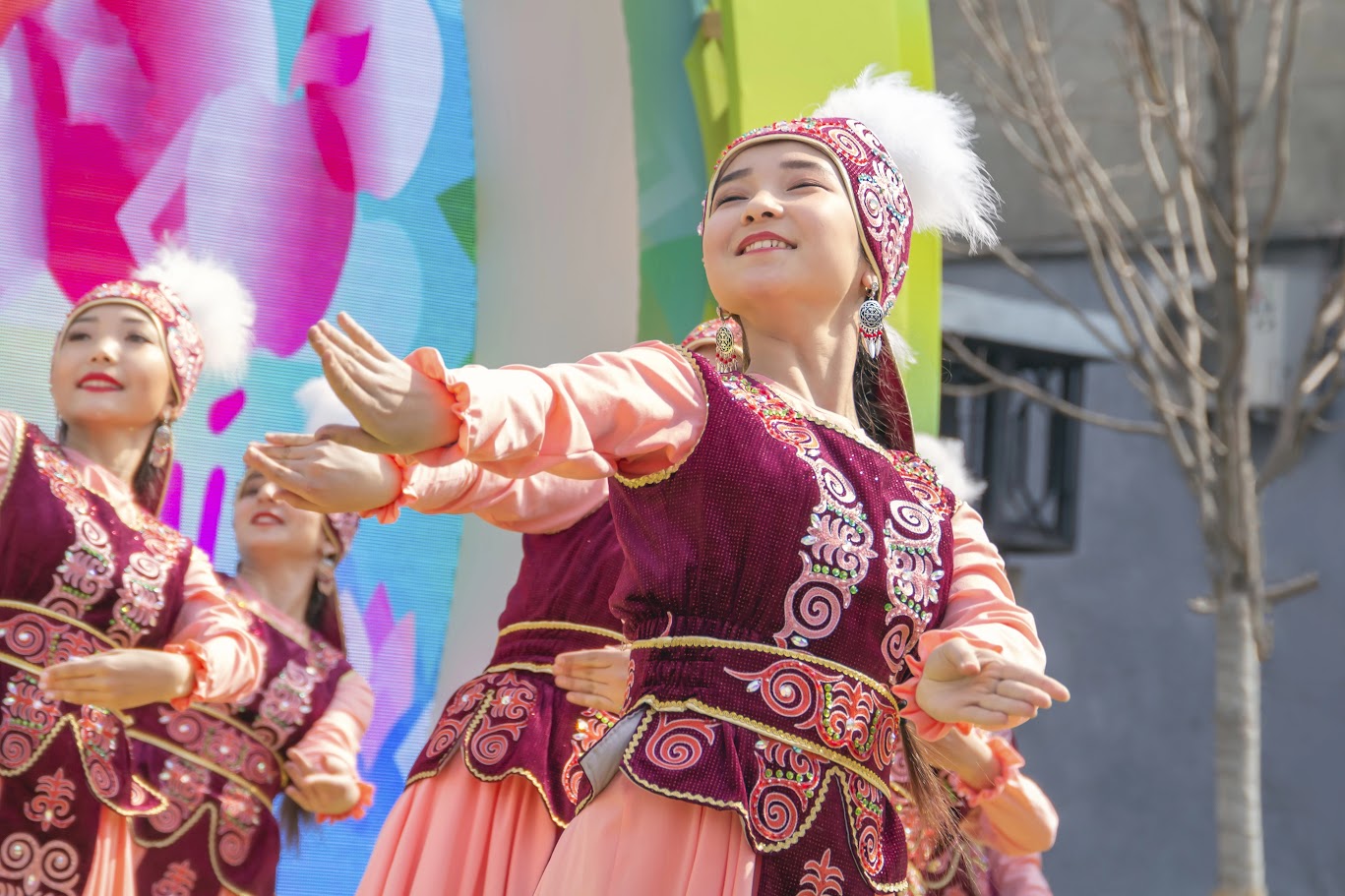
Nauryz in Kazakhstan is celebrated with lively ceremonies and many traditional rituals.
4.2 Yurt – Living Space and Cultural Symbol
Though modern Kazakhs mostly live in sturdy houses, the traditional yurt is still erected during festivals like Nauryz and has become a symbol of culture and national pride. The yurt is considered the heart of Kazakh families, where most daily activities, hospitality, and teachings of lifestyle are passed down through generations.
Every detail of the yurt carries significance, from the decorative patterns to the arrangement of furnishings, symbolizing the harmony between humans and nature.
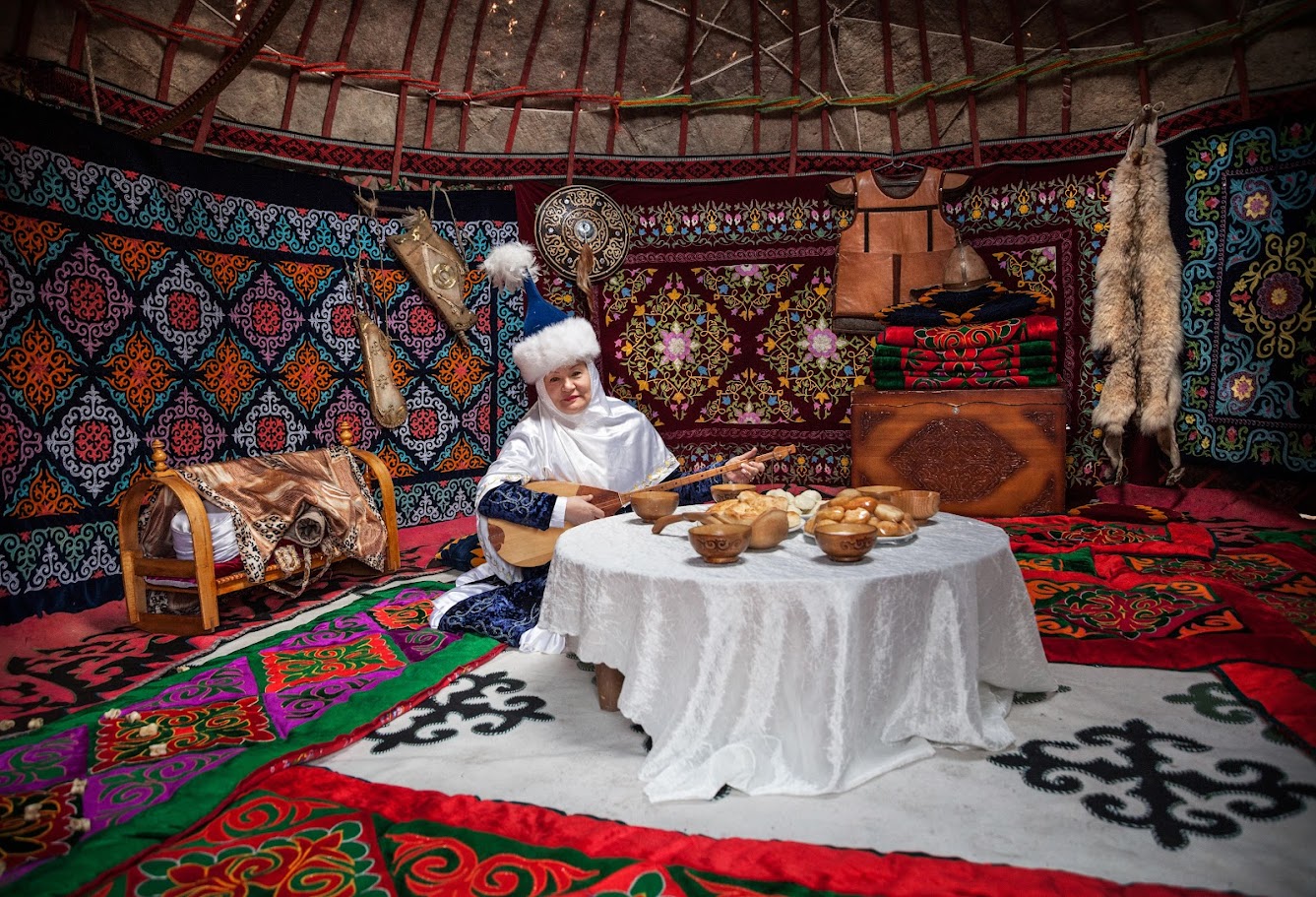
In Kazakhstan's culture, the yurt represents the nomadic lifestyle and community bonds.
4.3 Folk Art and Traditional Clothing
Kazakh music is an essential part of spiritual life. The sound of the dombra (two-stringed instrument), the voice of zhyrau (epic singers) telling stories, and the simple folk songs passed down through generations are ways the Kazakhs preserve their history, emotions, and beliefs from a time before widespread written language.
Kazakh people still enjoy wearing traditional clothing, especially during weddings or Nauryz. Their traditional garments often feature vibrant colors, combining steppe patterns with fur, silk, and silver jewelry, showcasing both luxury and a deep reverence for nature.
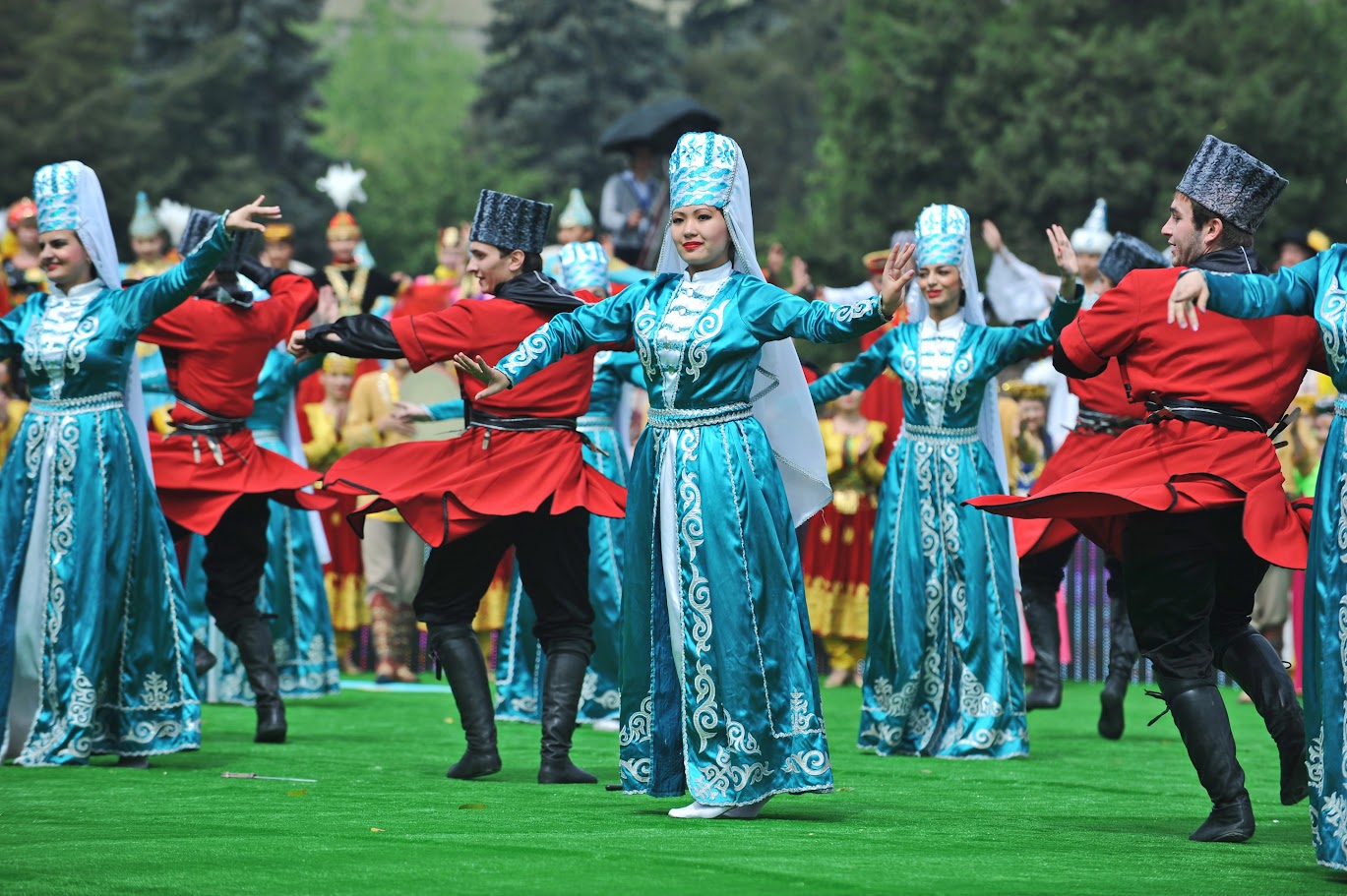
Kazakh people sing and dance in traditional attire.
See more: Latest Self-Guided Travel Tips for Kazakhstan
Exploring Kazakhstan is not just a journey through endless fields, rich-tasting dishes, or the resonating sound of dombra but also a trip that touches the deep culture of a proud nomadic nation. From Vietnam, you can fly directly to Kazakhstan with convenient flights from Vietjet. This journey can be more affordable when you "hunt" for free tickets between 12h-14h daily. See details here.Follow information on flight routes, promotional programs, and travel guides on Vietjet's official channels.
- Website: https://www.vietjetair.com
- Facebook: https://www.facebook.com/vietjetvietnam
- Instagram: https://instagram.com/vietjet
- YouTube: https://www.youtube.com/VietjetOfficial
- TikTok: https://www.tiktok.com/@vietjetvietnam
- Zalo: https://oa.zalo.me/vietjet