Booking
 Skyshop
 Hotel
Hotel
 E-Voucher
 E-Sim
E-Sim
 E-Visa
 Buy foreign currency
 Insurance
 SkyJoy
As Tet approaches each year, the familiar question arises: should you buy round-trip or one-way tickets to save costs? With the high demand for travel, ticket prices fluctuate daily and by flight segment, choosing the right type of ticket not only helps optimize your budget but also significantly reduces the pressure of ticket changes, sold-out flights, or unexpected costs. Instead of just looking at the numbers on the booking screen, buyers need to understand the essence of each type of ticket and place them in the right context of use. From there, the decision to buy round-trip or one-way Tet tickets will become much clearer and more proactive.
1. What is a round-trip flight ticket? When should you book a round-trip flight ticket?
Before comparing round-trip and one-way Tet ticket prices, readers need to clearly understand the essence of round-trip flight tickets to avoid confusion when booking during peak periods. Especially during Tet - when ticket prices fluctuate significantly, understanding the concept correctly will help you be more proactive in your ticket purchasing decisions.
A round-trip flight ticket is a type of ticket that includes both the outbound and return flights in one booking. These two flight segments can be on the same booking, with the same airline, with predetermined flight dates or allowing changes according to the ticket conditions.
In terms of pricing, round-trip Tet tickets are usually calculated as follows:
- Combining the prices of both outbound and return flights in one payment
- Or calculating each segment separately but displaying it as a round-trip ticket for easier tracking of total costs for buyers
In reality, round-trip Tet ticket prices are not always "cheaper" than buying two one-way tickets, but they do have certain advantages in specific cases.
Whether to buy one-way or round-trip Tet tickets depends heavily on the certainty of the schedule. Round-trip tickets are usually suitable when:
- The schedule has been fixed early on: You have clearly determined the departure and return dates, and it is difficult or undesirable to change plans. In this case, round-trip tickets help you "secure a spot" for both directions, avoiding the risk of increased return ticket prices close to Tet.
- Traveling with a large family, needing to control the budget: For groups of 3-4 people or more, purchasing round-trip Tet tickets from the start helps easily estimate overall costs, limiting additional expenses when needing to buy return tickets during peak periods.
- Traveling for business or international travel during Tet: In many cases of entry and exit, especially for international travel, passengers may be required to prove a return ticket. Round-trip tickets at this time are not only a convenient choice but also help make the entry documents clearer and more transparent.

Round-trip flight tickets include both outbound and return flights with predetermined flight dates or changes allowed according to ticket conditions.
In summary, round-trip Tet tickets are most suitable for journeys with fixed plans, minimal changes, where the factors of peace of mind and cost control are prioritized over flexibility. In the following sections, this article will delve into comparisons to help you clarify whether buying round-trip or one-way tickets is the most cost-effective choice for specific scenarios.
See also: What is a round-trip flight ticket? How to book a round-trip flight ticket
2. What is a one-way flight ticket? Why should you buy a one-way flight ticket?
A one-way flight ticket is a type of ticket that includes only a single flight segment, which can be either the outbound or return flight, instead of combining both directions like a round-trip ticket. In the context of fluctuating Tet ticket prices, one-way tickets offer a higher degree of flexibility for journeys that have not been finalized from the start.
Compared to round-trip Tet tickets or round-trip flight tickets for Tet, one-way tickets do not "lock in" the return flight date. Buyers can actively monitor the market, choosing the right time to book the next segment when prices cool down. This is also why many people are unsure whether to buy one-way or round-trip Tet tickets, especially when they are uncertain about their return plans after Tet.
In practice, one-way flight tickets are often suitable in the following situations:
- Not having a confirmed return date after Tet: For many people, the return schedule to the city depends on work, family situations, or unexpected plans. Buying a one-way ticket helps avoid the risk of having to change the return ticket if the schedule changes.
- Wanting to wait for ticket prices to drop after Tet: Typically, return ticket prices after Tet tend to drop faster than outbound prices before Tet. Instead of purchasing a round-trip Tet ticket at a high price for both directions, many people choose to buy a one-way ticket first, then monitor and book again when prices are better.
- Having the ability to adjust or change plans: Those who work freelance, have flexible businesses, or are not bound by fixed holiday schedules often prefer one-way tickets for easier schedule adjustments.
- Combining multiple destinations: In cases of returning home while also traveling during Tet or not returning to the original departure point, one-way tickets help optimize the journey and avoid wasting costs on unused flight segments.

One-way flight tickets include only a single flight segment, making them more flexible for journeys that have not been finalized from the start.
However, it is important to note that one-way tickets also carry risks if the return segment falls during peak "sold-out" times. Therefore, the choice between buying one-way or round-trip Tet tickets does not have a fixed answer, but depends heavily on the certainty of the schedule and each person's flexibility.
3. Comparing round-trip and one-way flight ticket prices
When faced with the question of whether to buy one-way or round-trip Tet tickets, many people tend to choose round-trip tickets "for certainty", especially in the context where round-trip Tet flight tickets are often sold early and create a sense of budget control. However, reality shows that round-trip Tet tickets are not always the most economical option.
Tet ticket prices are strongly influenced by the time of flight, flight direction, and the flexibility of the schedule. Therefore, to make the right choice, it is necessary to weigh round-trip and one-way tickets in each specific case, rather than relying on subjective comparisons.
Comparison table of round-trip Tet tickets and one-way Tet tickets:
Criteria | Round-trip Tet tickets | One-way Tet tickets |
Suitable audience | People with fixed holiday schedules, large families, those needing clear return tickets | People who have not confirmed return dates, flexible schedules, combining homecoming and travel |
Price advantages | Locks in prices for both directions, limits the risk of significant price increases close to Tet | Opportunities to buy cheaper return tickets if prices drop after Tet |
Risks | Costs incurred for changing tickets if the schedule changes, especially during peak times | Risk of sold-out tickets or price increases if waiting too close to the date |
Flexibility level | Lower, depends on the confirmed schedule | Higher, actively choosing the time to purchase each segment |
Looking at the table above, it can be seen that round-trip Tet flight tickets are often suitable for "fixed" journeys from the start - where certainty is more important than hunting for low prices. In contrast, one-way tickets excel in trips with a more "open" spirit: returning home earlier, staying longer, or taking advantage of the spring to visit a few new destinations.
Therefore, instead of asking which ticket is cheaper in general, the more appropriate question should be: with my schedule, will buying one-way or round-trip Tet tickets help optimize costs and reduce risks the most? The next section will help you answer this question according to specific travel groups.
4. Frequently asked questions about round-trip and one-way tickets
When considering whether to buy round-trip or one-way Tet tickets, many passengers encounter practical concerns related to their journey, costs, and the risks of changing tickets. Below are the most common questions and the correct understanding to make appropriate decisions.
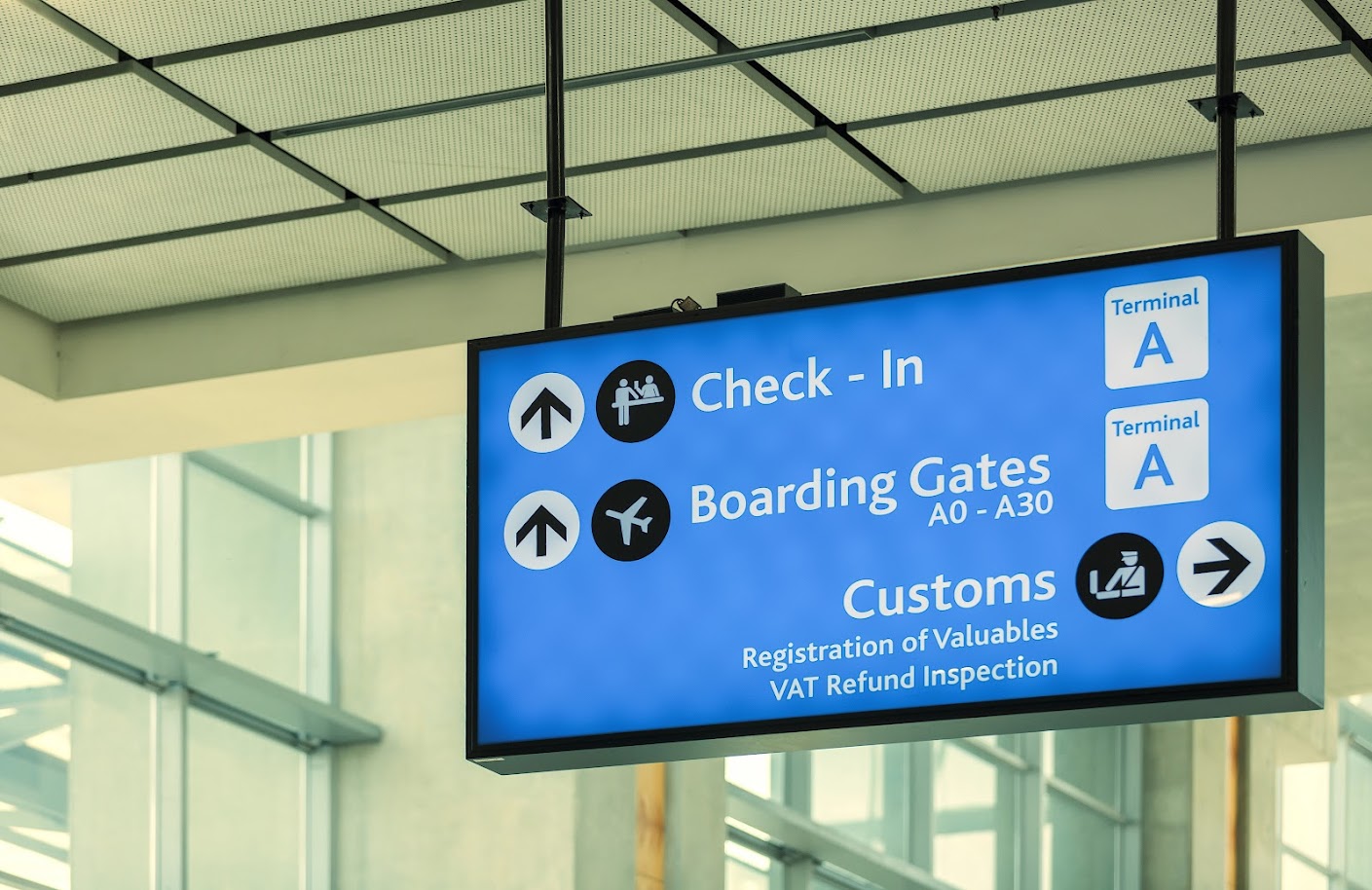
Find detailed information related to the journey, costs, and risks of changing tickets.
4.1 Can I buy a round-trip ticket if the departure and arrival points are different?
In reality, many passengers need to fly to one destination and return from another, for example, flying from Ho Chi Minh City to Da Nang but returning from Hue or Chu Lai. This is often referred to as a "multi-segment round-trip journey."
However, round-trip tickets for Tet in the conventional sense only apply to the same pair of departure and arrival airports. For journeys with different destinations or departure points, a more suitable solution is:
- Book two separate one-way tickets for each segment
- Proactively choose the timing for purchasing each leg according to price fluctuations
This method helps to be flexible with the schedule, especially during Tet when ticket prices for each leg can vary significantly.
4.2 Is it cheaper to buy a round-trip or one-way ticket?
This is the most common question when comparing round-trip Tet tickets and one-way tickets. In reality, there is no option that is always cheaper in every case.
- If both the outbound and return flights fall during peak times, purchasing round-trip tickets early usually helps keep prices stable and budget manageable.
- Conversely, if the return flight is after Tet, when ticket prices cool down, separating one-way tickets may be more economical.
Therefore, instead of automatically buying round-trip tickets, you should compare prices for each segment to see the optimal option.
4.3 How to book Tet tickets to optimize costs and minimize risks
To choose correctly between buying one-way or round-trip Tet tickets, you can apply some of the following principles:
- Compare prices for each segment individually, do not assume round-trip tickets are always cheaper
- Be flexible with travel dates and times, shifting peak times by 1-2 days or choosing early morning or late night flights
- Monitor prices and promotional programs at the right time, avoid the mentality of waiting for deep discounts close to Tet
- Be proactive in planning, read the ticket change conditions carefully to compare the costs of changing tickets with the price differences between options
See more: A to Z guide on how to change flight tickets for beginners
In the context of fluctuating Tet ticket prices, smart choices lie not in "which type of ticket to buy," but in how you understand your journey and leverage flexibility to proactively optimize costs.
Concluding the comparison of round-trip and one-way Tet tickets, regardless of which option you choose, being proactive in flight planning is still the key to optimizing costs during peak times. With a comprehensive domestic and international flight network, Vietjet offers many flexible options to help you easily arrange your Tet schedule in your own way. Especially, don’t miss the 0đ flight ticket program (excluding taxes and fees) during the golden hours from 12 PM to 2 PM every day - an opportunity to hunt for savings on both outbound and return flights. Follow Vietjet regularly to not miss out on the best deals for the upcoming Tet season.
Don’t forget to follow and update more travel guides from Vietjet through the official channels below to plan your itinerary perfectly at: