Booking
 Skyshop
 Hotel
Hotel
 E-Voucher
 E-Sim
E-Sim
 E-Visa
 Buy foreign currency
 Insurance
 SkyJoy
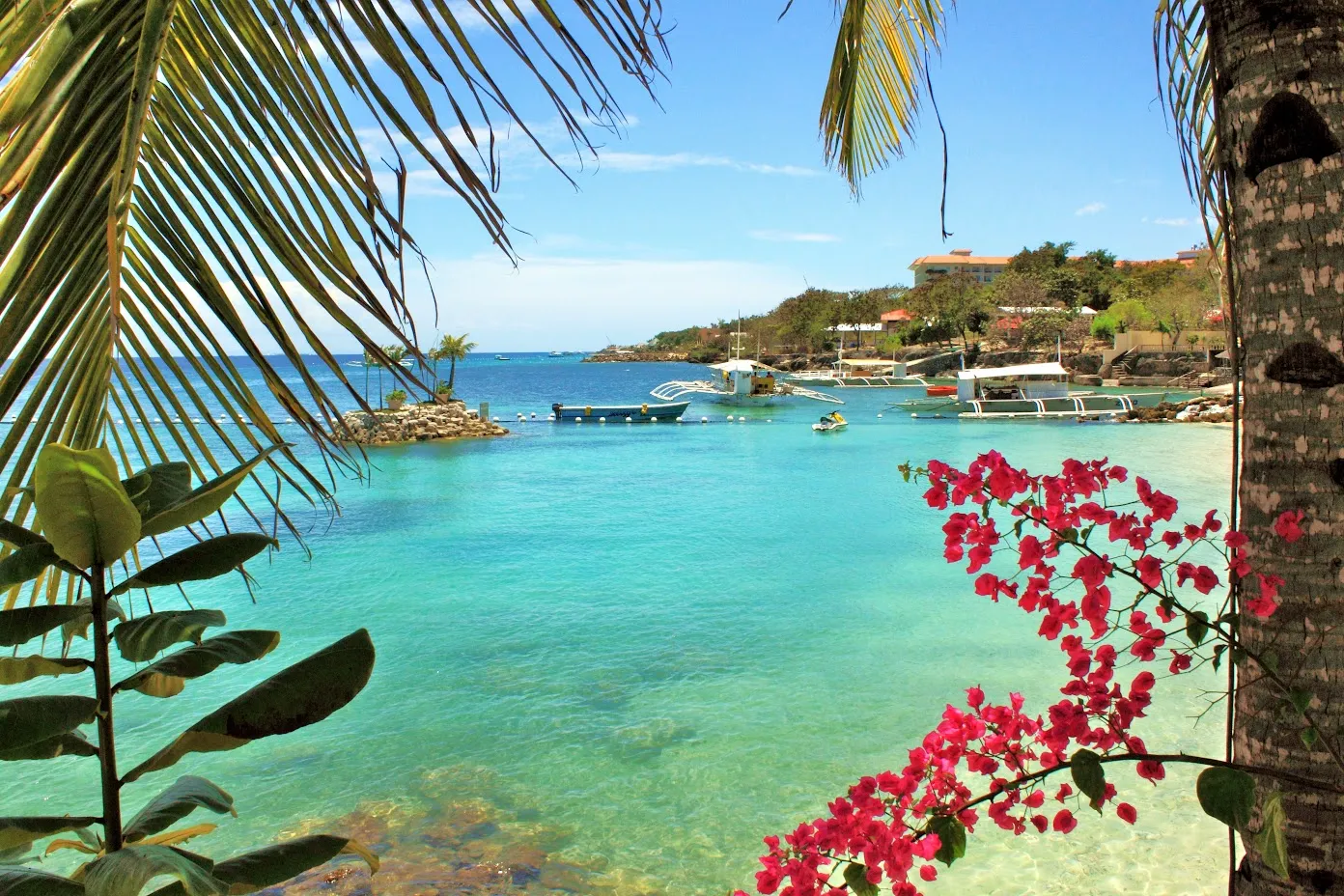
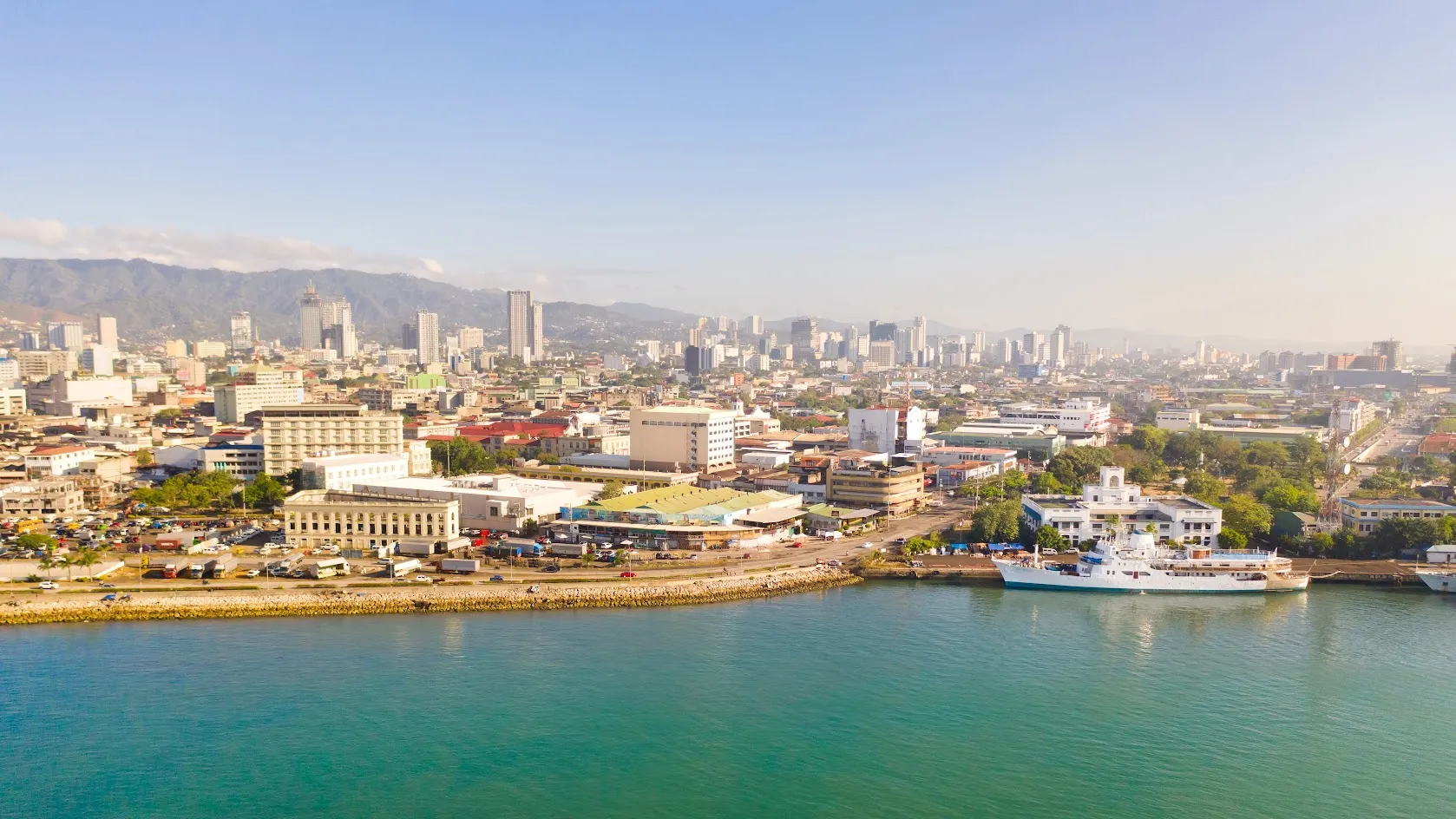
Not as noisy as Boracay or as pristine as Palawan, Cebu has its own charm of a developed city combined with picturesque tropical islands and countless attractive beach experiences. If you are looking for a destination for island hopping in the tropical sea, snorkeling without having to travel too far from Vietnam, Cebu is a name worth considering.
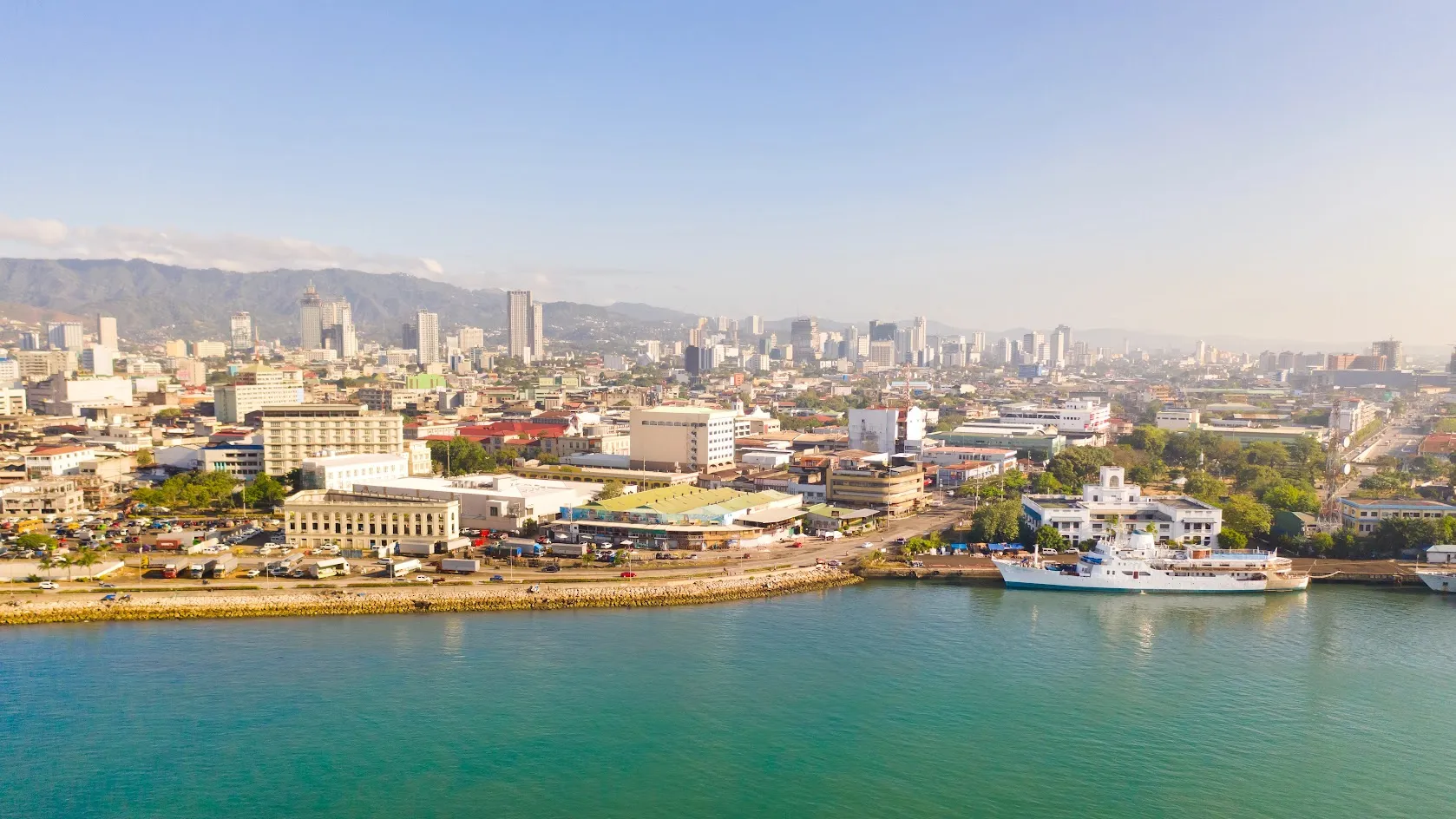
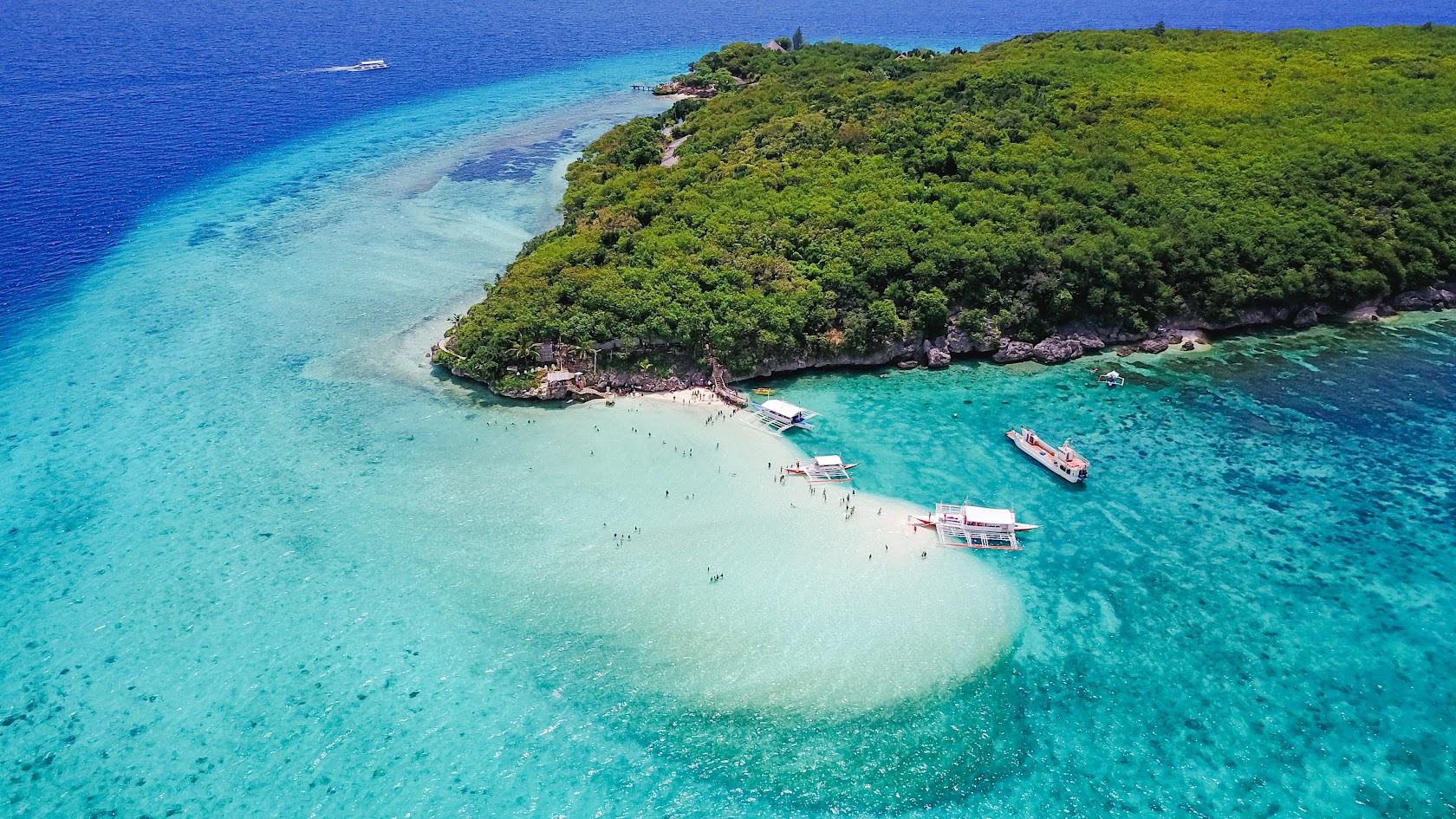
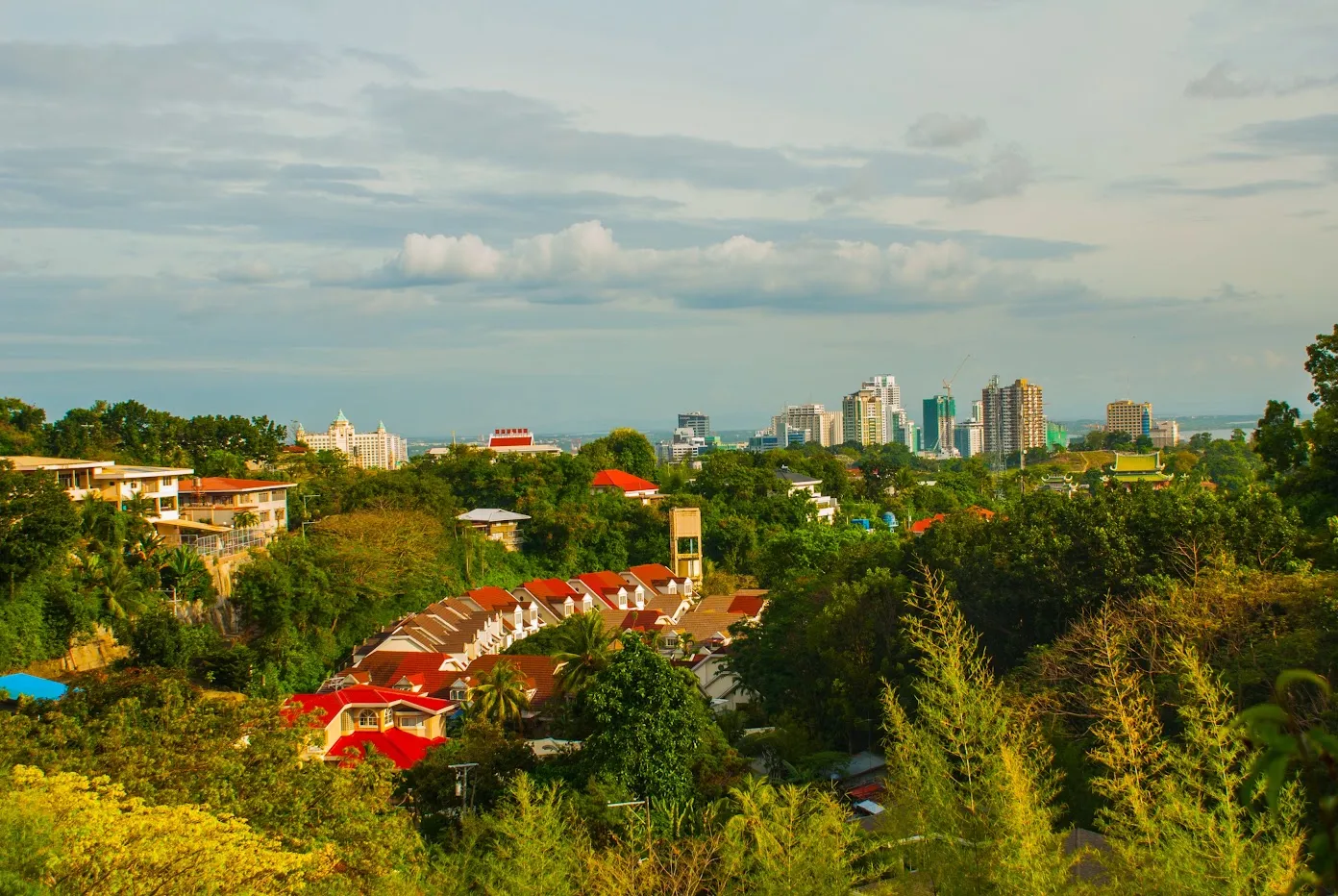
Cebu possesses the charm of a tropical island and a developed city
1. Why is Cebu dubbed the beach paradise of the Philippines?
1.1 Where is Cebu?
Cebu is a province in the Central Visayas region of the Philippines, consisting of the main island of Cebu and 167 surrounding islands, including Mactan, Bantayan, Malapascua, and the Camotes Islands. Thanks to its location in the center of the Philippine archipelago, Cebu has long been an important tourist gateway to the central region of the country.
With its strategic position, Cebu was the first capital and the oldest city in the Philippines. Today, this city still plays a role as one of the important economic, commercial, and tourism centers.
1.2 Tourist attractions in Cebu
Cebu is known as the "Queen of the South" of the Philippines, attracting visitors with a harmonious combination of ancient heritage sites, stunning natural wonders, and unique experiential activities.
In addition, Cebu Island, Philippines also has modern infrastructure, reasonable travel costs, and a diverse range of options from simple exploration to luxurious relaxation.
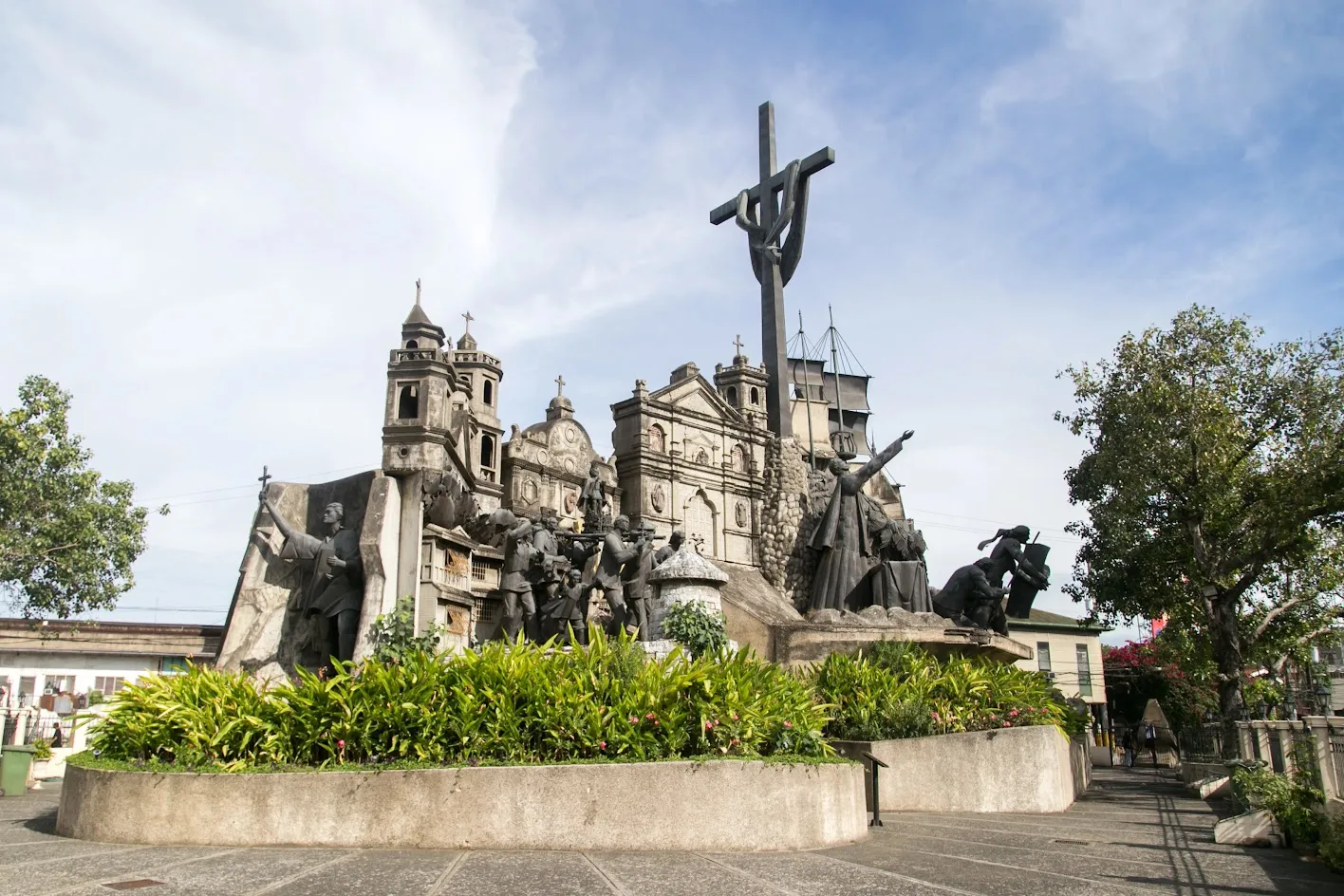
Besides the islands, Cebu also boasts many ancient architectural structures bearing the marks of time
2. The ideal time to travel to Cebu
The best time to travel to Cebu depends on the purpose of the trip. However, the climate in Cebu, Philippines has two main seasons, which you can refer to for planning your itinerary.
2.1 Dry season - From November to May
This period is considered the "golden time" to travel to Cebu because of the dry, cool weather, perfect for enjoying the beaches and outdoor activities.
- From December to February: The best time for beach travel due to pleasant weather, little rain, and many sunny days.
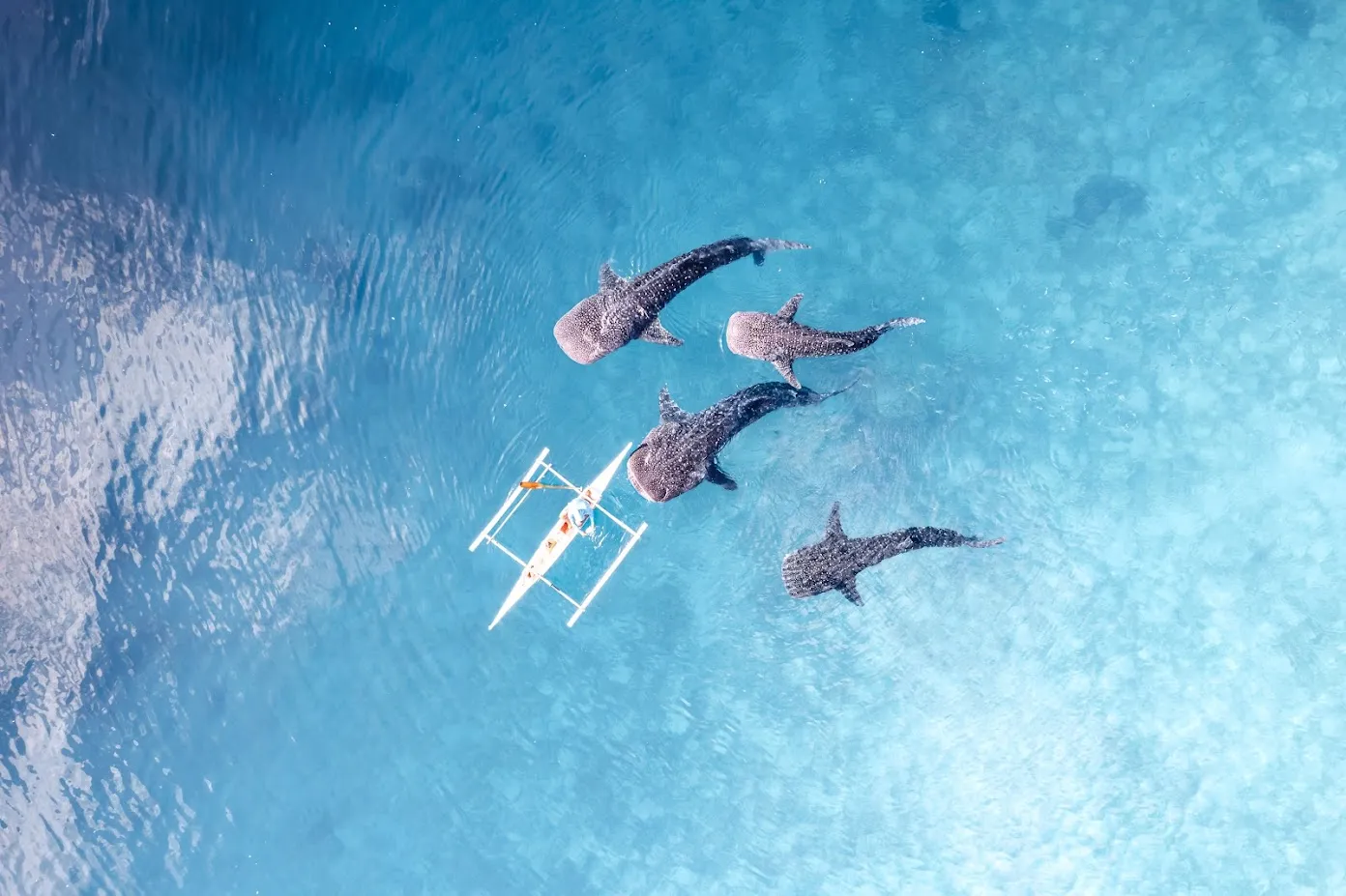
- From March to May: The hottest time of the year but the best season for whale shark watching (March and April).
See more: New Year's Eve in Cebu: Diving & snorkeling to welcome the new year
2.2 Rainy season - From June to October
Many people wonder: "Should I travel to Cebu in the rainy season?" The answer depends on the experience you seek. During the rainy season, visitors can relax at resorts and enjoy the peaceful atmosphere, less crowded than peak season.
- From May to July: The weather is cool, the climate is mild, and the sea is calm, ideal for swimming, snorkeling, or water activities.
- From August to October: The rainy season with storms can cause landslides, which may affect travel schedules between storms.
3. Guide to traveling from Vietnam to Cebu
Travel time from Vietnam ranges from 3 to 10 hours, depending on whether you choose a direct flight or a connecting flight. Here is a specific travel guide.
3.1 Flying from Vietnam to Cebu
Travelers can choose to fly directly to Cebu or connect via Manila or Singapore. Currently, Vietjet has direct flights to Cebu with 5 round trips per week, thereby doubling Vietjet's capacity on the Vietnam – Philippines route. Refer to flight information here.
The main airport serving Cebu is Mactan-Cebu International Airport, located on Mactan Island, about 30 - 40 minutes from downtown Cebu City depending on traffic conditions.
See more: Flight tickets from Ho Chi Minh City to Cebu: Latest flight schedule
3.2 Getting around Cebu
The transportation system in Cebu is quite diverse with many options suitable for both self-guided travel and relaxation. Depending on your itinerary and budget, travelers can choose suitable means of transport to move around the city or between islands.
- Grab and Taxi: Comfortable options for groups of friends and families. Besides Grab, you can use other ride-hailing apps like InDrive or Joyride.
- Jeepney and Beep: These are the cheapest means of transport, with fares ranging from 13-15 PHP. Jeepneys run on fixed routes that are numbered and lettered (e.g., 17B, 04L).
- Motorbike taxis: Apps like Angkas, MoveIt, or Joyride are very useful for quick travel through congested roads.
- Tricycle: Similar to tuk-tuks, often used for short distances or in small towns like Moalboal, Oslob.
- Ferry/Speedboat: Suitable for visiting famous islands like Bantayan, Malapascua, or the Camotes Islands.
4. Notable tourist attractions in Cebu
"The Queen of the South" of the Philippines boasts a diverse combination of ancient historical sites, spectacular natural wonders, and unique adventurous experiences.
- Magellan's Cross: Erected in 1521, this is the most important symbol of the arrival of Christianity in the Philippines.
- San Pedro Fortress: Built in 1565, this is the smallest and oldest triangular fortress in the country, now a historical park and museum displaying artifacts from the Spanish colonial period.
- Colon Historical District: The oldest street in the Philippines, where houses from the American colonial period are concentrated and has a bustling night market in the evening.
- Moalboal: A must-visit destination to witness the Sardine Run phenomenon with millions of sardines swirling into huge silver masses near the shore. This is also an ideal place to see sea turtles.
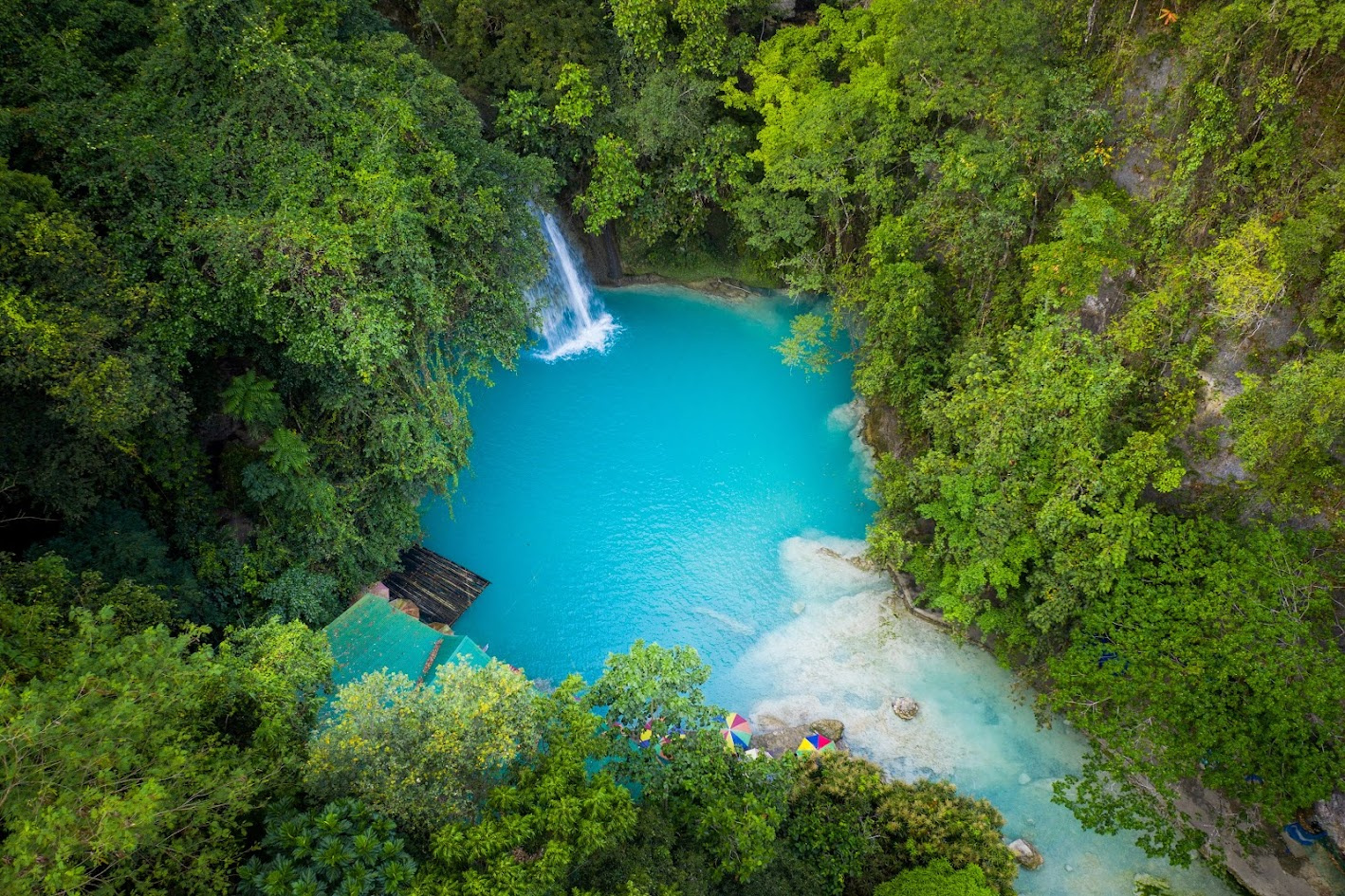
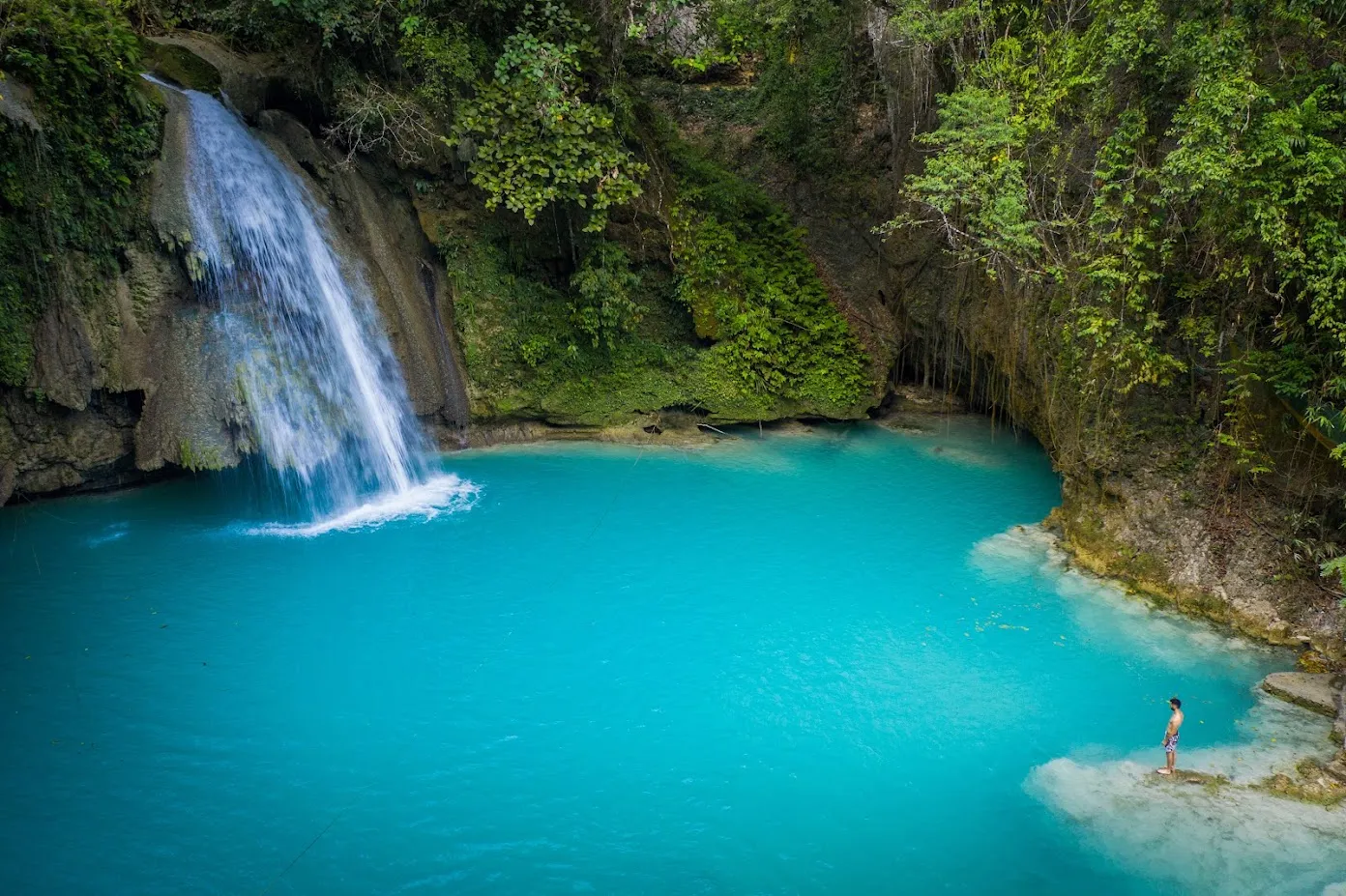
- Kawasan Falls and Canyoneering: The adventurous experience of traversing the Badian Falls leading to Kawasan Falls with its emerald waters is one of the most loved activities. Visitors will perform jumps from heights of 4m or more into natural pools.
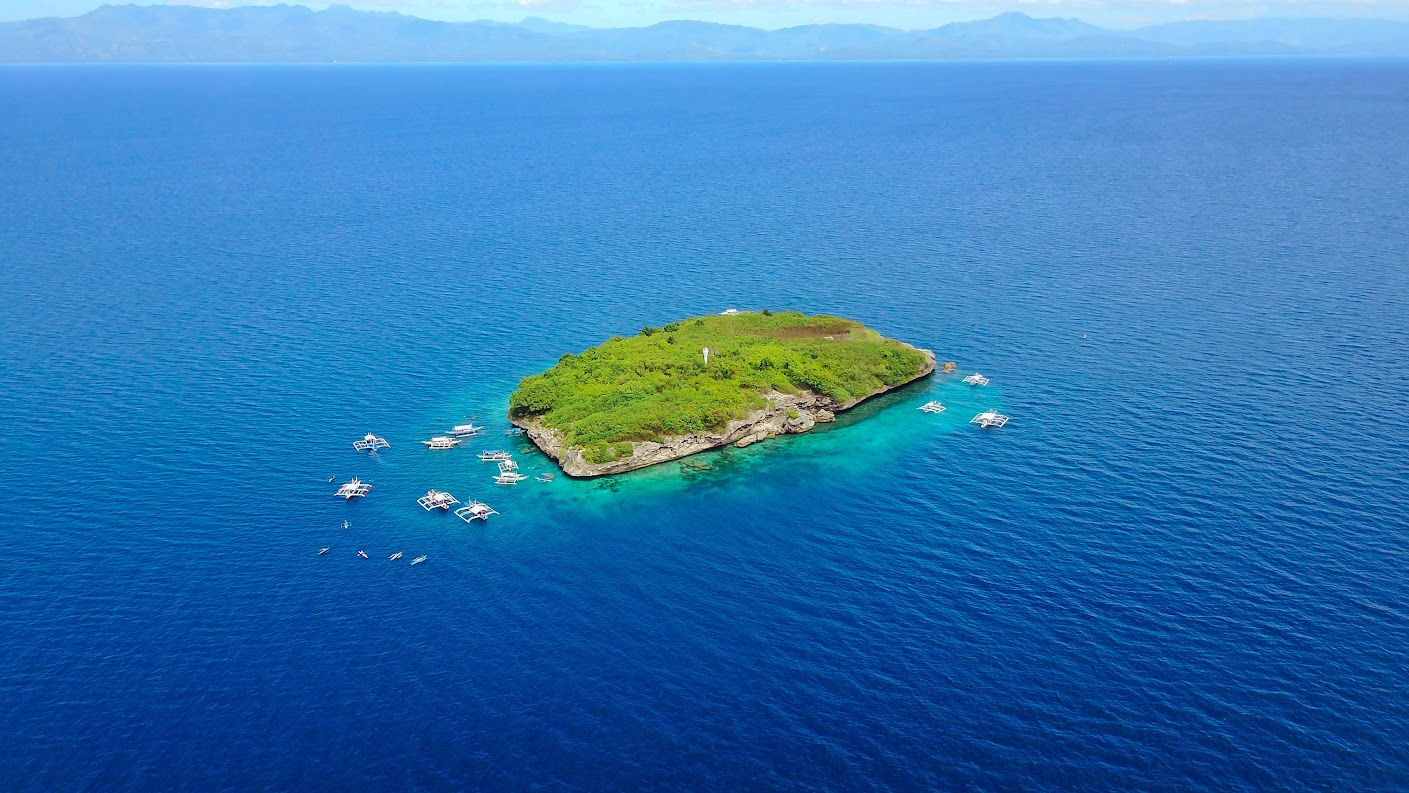
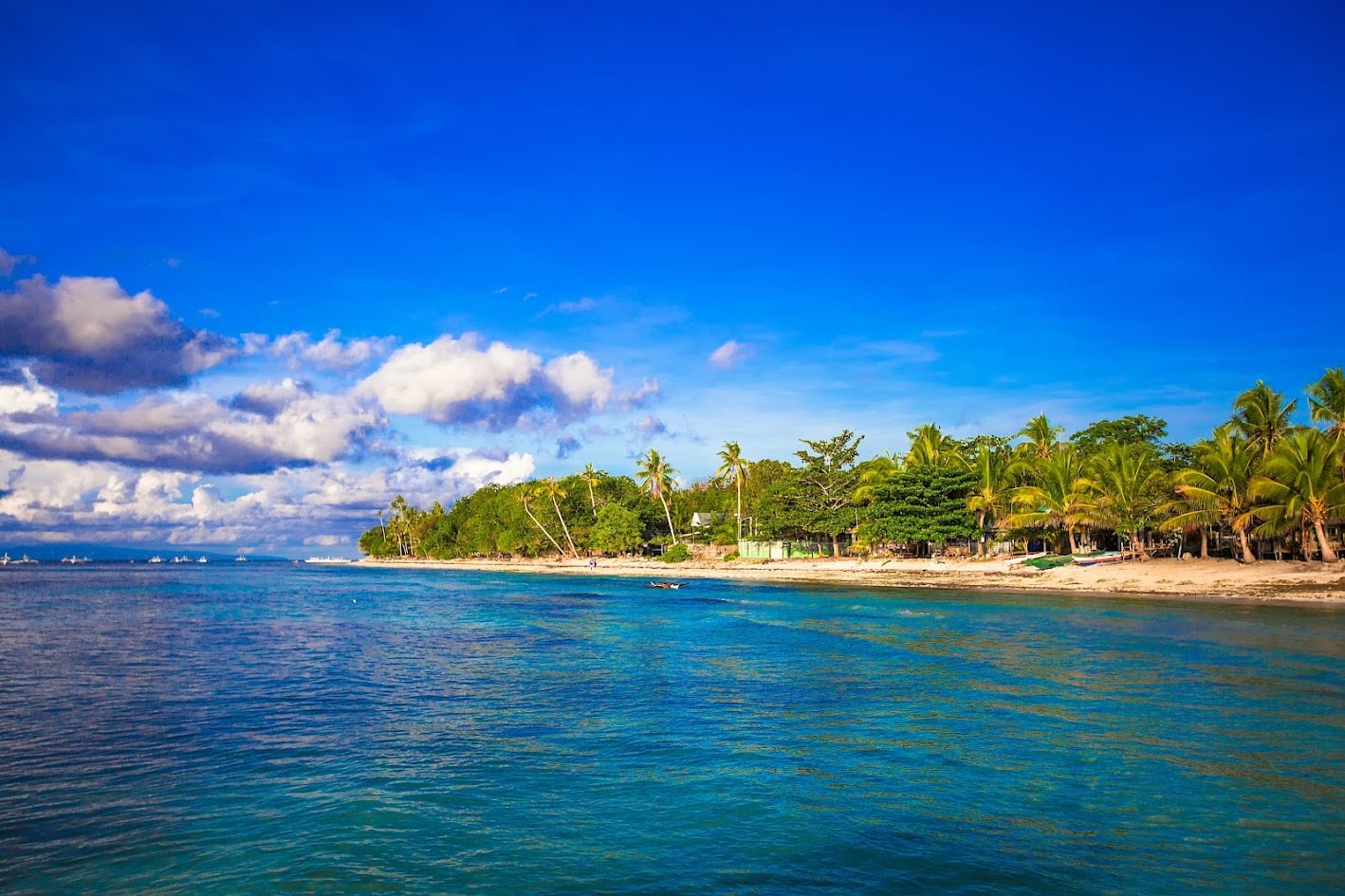
- Mactan Island: An area concentrated with many luxury resorts, featuring famous marine sanctuaries like Nalusuan and Hilutungan.
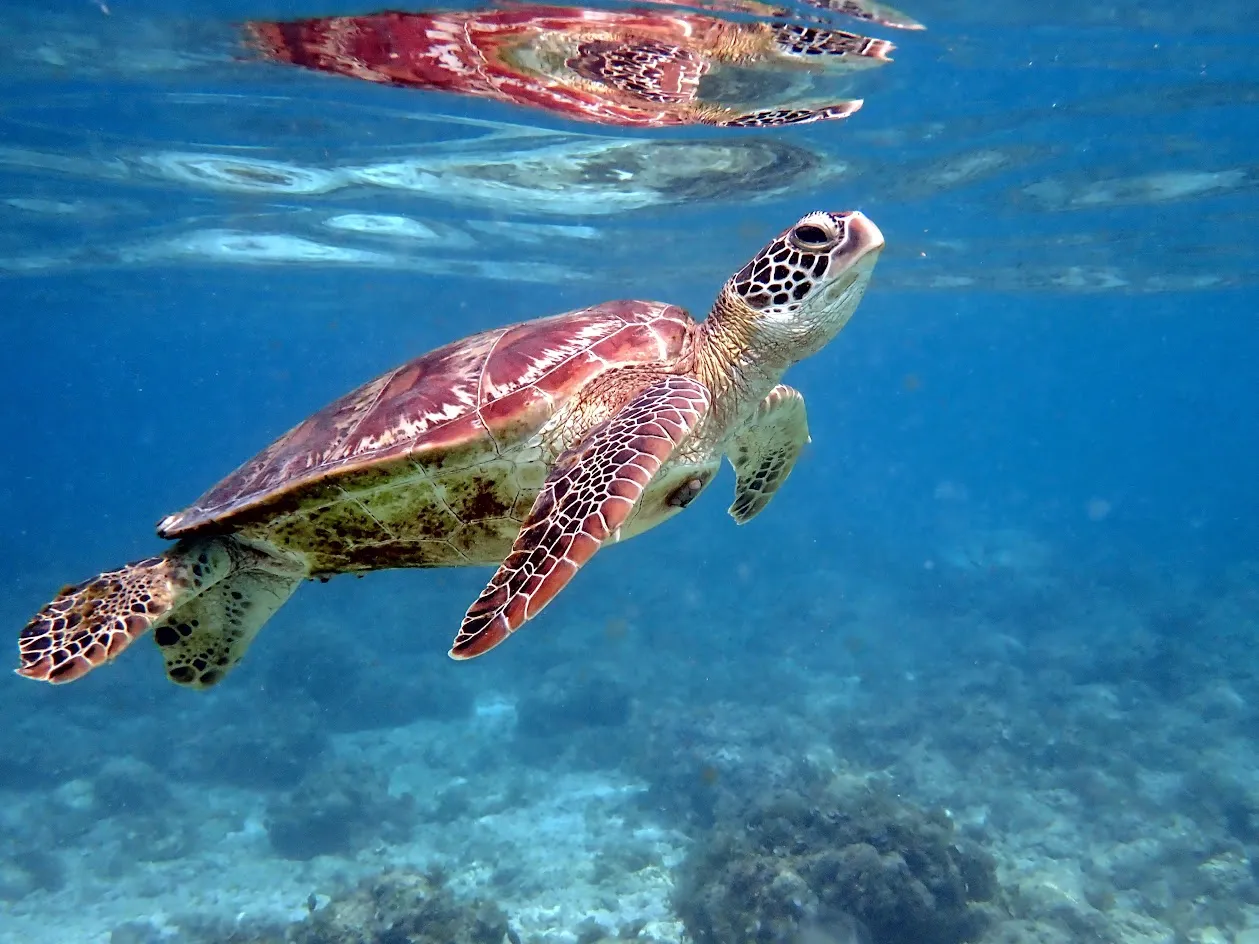
The diverse marine ecosystem in Cebu attracts nature lovers and explorers
5. Self-guided travel tips for Vietnamese to Cebu
With a distance not too far from Vietnam, reasonable costs, and many attractive beach and island experiences, Cebu is becoming a popular destination for many Vietnamese travelers for self-guided trips. To make your journey smoother, you should prepare some important information about entry, currency, and necessary items.
- Entry procedures: Vietnamese citizens are exempt from a visa when traveling to the Philippines and can stay for a maximum of 21 days. You need a passport valid for at least 6 months and a round-trip ticket. Additionally, travelers need to complete online eTravel registration before entering.
- Prepare cash: Although international cards are accepted at hotels and large shopping centers, many local eateries or boats on small islands still prefer cash. The currency unit is Peso (PHP). You should exchange Vietnamese Dong for USD in Vietnam, then exchange from USD to Peso in the Philippines for better rates.
- Buy a SIM or eSIM: Travelers can buy a SIM at the airport or use eSIM for convenient internet access throughout the trip.
- Accommodation areas: Popular areas include downtown Cebu, Mactan, Moalboal, Bantayan/Malapascua.
- Monitor the weather when going to the islands:If you plan to visit Bantayan, Malapascua, or join a boat tour, you should check the weather and the ferry schedule in advance to avoid disruptions due to rough seas or storms.
With its stunning tropical beaches, rich marine ecosystem, and a variety of exciting experiences from island hopping, diving to exploring nature, Cebu is considered one of the must-visit destinations in the Philippines. What are you waiting for? Book your flight to Cebu with Vietjet now! Countless attractive offers and 0 Đồng flights from 12 PM to 2 PM every day are waiting for you. Learn more here.
Follow flight information, promotional programs, and travel guides on Vietjet's official information channels: