
- My booking
- Online Check-in
- Flight extras
- Financial services


 Booking
 Skyshop
 Hotel
Hotel
 E-Voucher
 E-Sim
E-Sim
 E-Visa
 Buy foreign currency
 Insurance
 SkyJoy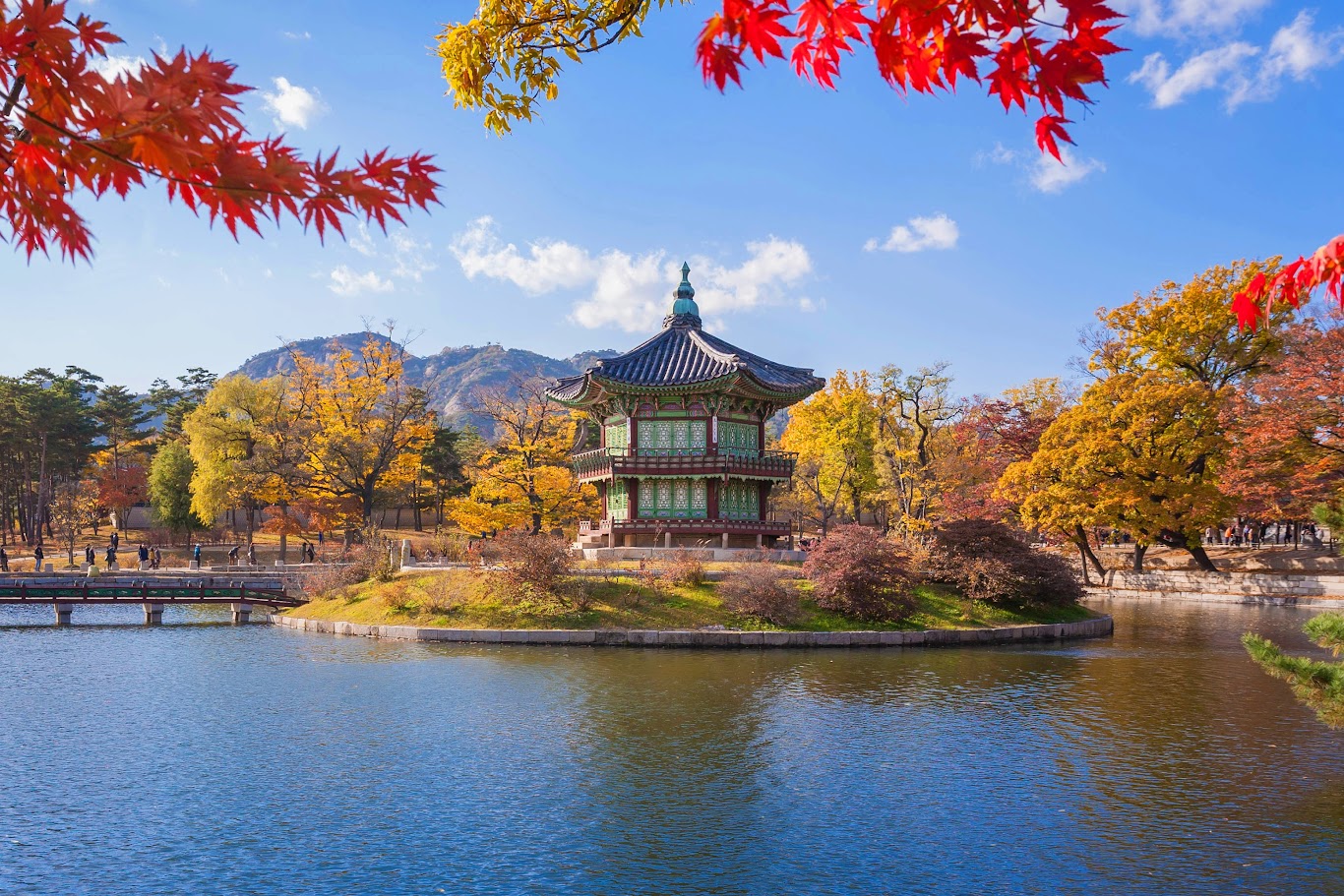




Departure date

Return Date

What to Eat in Korea in Each Season? Suggested Seasonal Korean Dishes
Korea is one of the few Asian countries with four distinct seasons: spring, summer, autumn, and winter. Each season not only creates breathtaking scenery but also deeply influences the country’s food culture and eating habits.
The article below will take you on a culinary journey through Korea’s four seasons, helping travelers fully experience Korean flavors and the authentic “seasonal eating” lifestyle of the locals.
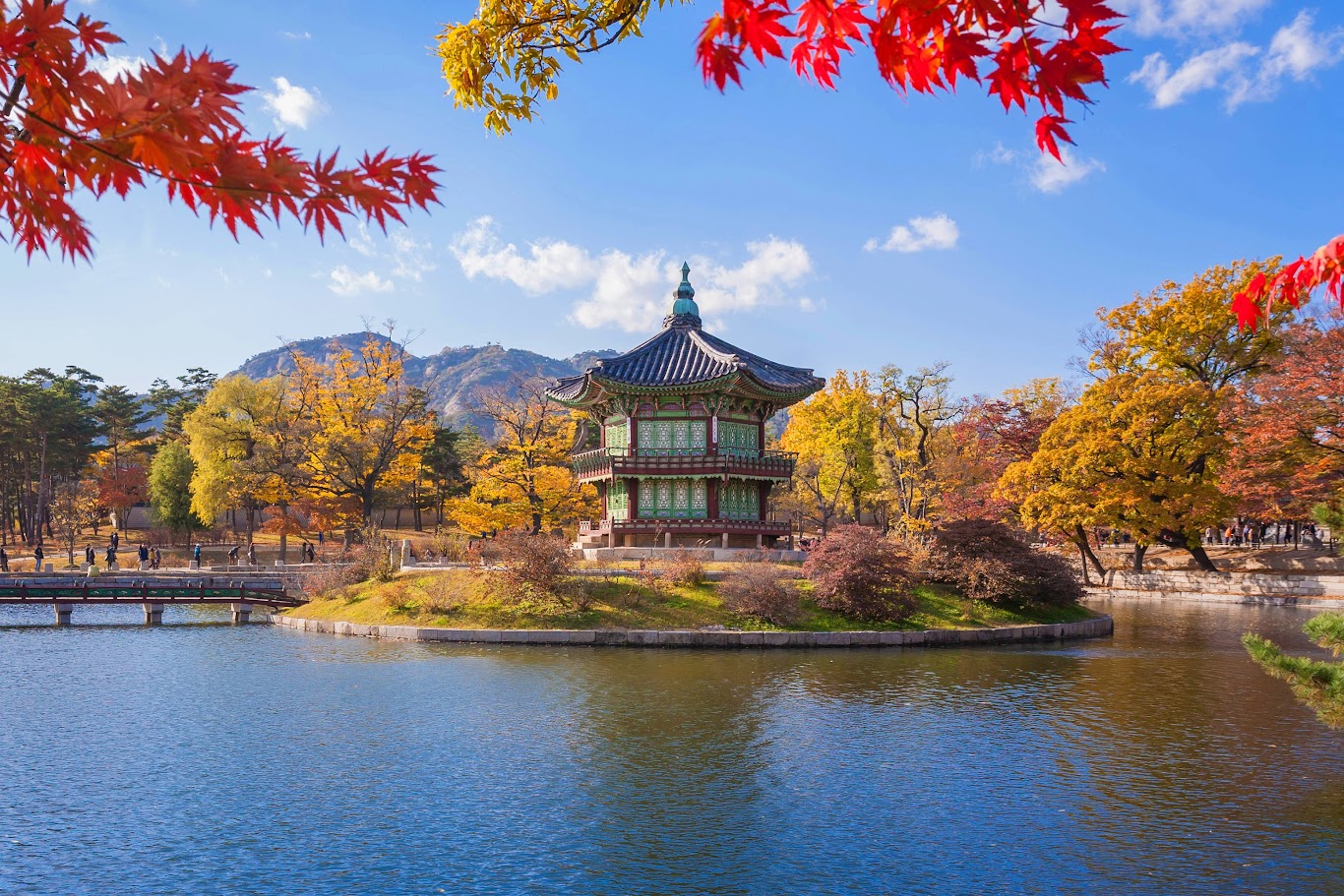
Korea’s climate changes distinctly with each season, contributing to a diverse cuisine guided by the “seasonal eating” rule.
1. Characteristics of Korean Cuisine by Season
1.1 Korean Climate Characteristics
Located in the temperate zone, Korea has four clearly defined seasons, bringing significant diversity to daily life and culture, especially in cuisine.
-
Spring (March to May): brings warm, pleasant weather along with blooming cherry blossoms and canola flowers. This is the season of fresh wild vegetables, seasonal seafood, and early fruits like strawberries and green plums.
-
Summer (June to August): is hot and humid, with heatwaves and heavy rains. Koreans tend to eat dishes that help cool down the body and restore energy, such as ginseng chicken soup, cold noodles, and grilled eel.
-
Autumn (September to November): is the most ideal time of year, with clear skies and dry, cool weather. It is the harvest season for agricultural produce and ripe fruits, and also when seafood is at its fattiest.
-
Winter (December to February): is characterized by cold, dry weather and heavy snow in many regions. High-calorie, hot dishes like beef bone soup, red bean porridge, and brown sugar pancakes are commonly enjoyed to stay warm.
This clear climate transition has given rise to the Korean “seasonal eating” style, where each season offers its own key ingredients and representative dishes.
1.2 Korean Culinary Philosophy
Korean cuisine emphasizes not only flavor but also a refined combination of health, nature, and life philosophy. A central principle is “yaksikdongwon” (약식동원) — “Food is medicine,” which underpins how Koreans choose their ingredients.
According to this philosophy, food is not just for satiety but should also balance the body’s yin and yang, strengthen immunity, and prevent illness. Seasonal ingredients are not only fresh but also provide the most suitable energy for the body according to the weather.
Koreans often enjoy food based on the following principles:
-
Spring: Eat light and refreshing dishes to detox after winter.
-
Summer: Replenish energy and cool down with cold dishes or energizing soups.
-
Autumn: Nourish the body with seafood, fruits, and root vegetables.
-
Winter: Consume calorie-rich foods that keep the body warm and support immunity.

Staple dishes like rice, soups (guk, tang, jjigae), and grilled meats (gogigui) are enjoyed year-round but change in ingredients and side dishes (banchan) according to the season.
2. Recommended Seasonal Korean Dishes
2.1 Spring Cuisine in Korea (March – May)
After a harsh winter, spring in Korea brings a sense of renewal for both nature and the body. As the weather warms and trees bud, fresh seasonal ingredients such as wild vegetables, fruits, and seafood begin to appear. Koreans favor light and refreshing dishes during this time to cleanse the body and awaken the palate after a long winter of spicy, hot foods.
Typical spring ingredients in Korean cuisine include naturally growing wild greens like naeng-i (shepherd's purse), dalrae (wild chive), ssuk (mugwort), and gosari (bracken fern). Many seafood species enter their spawning season, making them especially fatty and sweet — such as cuttlefish, scallops, and live octopus (san-nakji).
Some representative Korean spring dishes:
-
Doenjang jjigae (Soybean Paste Stew): A hot stew made from fermented soybean paste (doenjang), mixed with spring vegetables like zucchini, napa cabbage, tofu, and sometimes clams or shrimp. It has a rich savory flavor with a subtle sweetness, perfect for the chilly days of early spring.
-
Jjukkumi bokkeum (Spicy Stir-fried Baby Octopus): Firm-textured baby octopus stir-fried with Korean red chili paste (gochujang), onions, and garlic to create a bold, spicy dish. Often served with white rice and kimchi, this dish is especially popular in western coastal regions during spring — the peak season for jjukkumi.
-
Chwinamul bibimbap (Wild Greens Bibimbap): A light and nourishing rice dish featuring spring wild greens like chwinamul (aster scaber), gosari (bracken), bean sprouts, egg, gochujang, and sesame oil. Its nutty and gentle flavor reflects the Korean philosophy of “seasonal eating” and balanced nutrition. This dish is widely enjoyed in spring to detox after a protein-heavy winter.
-
Strawberry Bingsu: A popular dessert made with snow-like shaved ice topped with fresh strawberries, condensed milk, and red beans. Its sweet, cooling taste is perfect for sunny spring days.
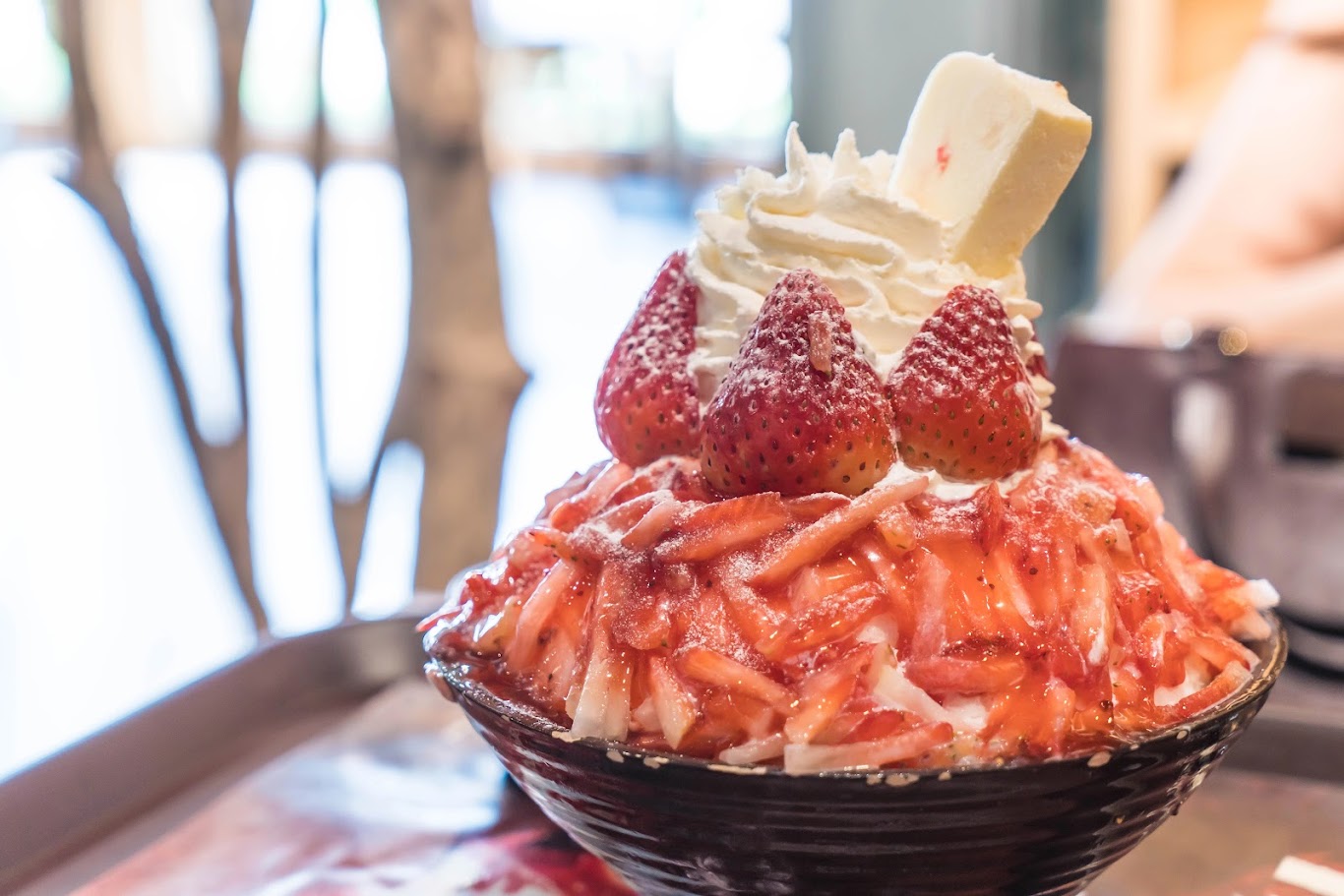
The sweet and refreshing taste of strawberry bingsu feels like a fresh spring breeze.
-
Hwajeon (Flower Rice Cake): Small, soft rice cakes flattened and decorated with spring flower petals such as cherry blossoms, azaleas, or canola flowers. These lightly sweet cakes are often served during traditional spring picnics (Hwajeon-nori) to welcome the season.
2.2 Korean Summer Cuisine (June – August)
Korean summers are typically hot and humid, with intense heat waves interspersed with heavy rains. The scorching weather can cause fatigue and dehydration, so Koreans follow the tradition of “yi yeol chi yeol” (이열치열) – fighting heat with heat – by eating hot dishes that induce sweating, helping to cool the body and restore energy. At the same time, refreshing cold dishes are also highly popular during peak summer days.
Summer cuisine ingredients are quite abundant, including hydrating vegetables like cucumber, zucchini, radish; summer fruits like watermelon, plums, and peaches; and various meats and seafood for energy. Notably, ginseng, chicken, eel, and octopus are commonly used to prepare nutritious dishes during Sambok – the three hottest days of summer when Koreans focus on food-based nourishment.
Here are some representative Korean summer dishes:
-
Samgyetang (Ginseng Chicken Soup): A whole young chicken stuffed with glutinous rice, jujubes, ginseng, garlic, chestnuts, and other herbs, then simmered into a mild yet nutritious soup. This traditional dish is eaten during Chobok, the first of the Sambok days, to revitalize the body amid the heat.
-
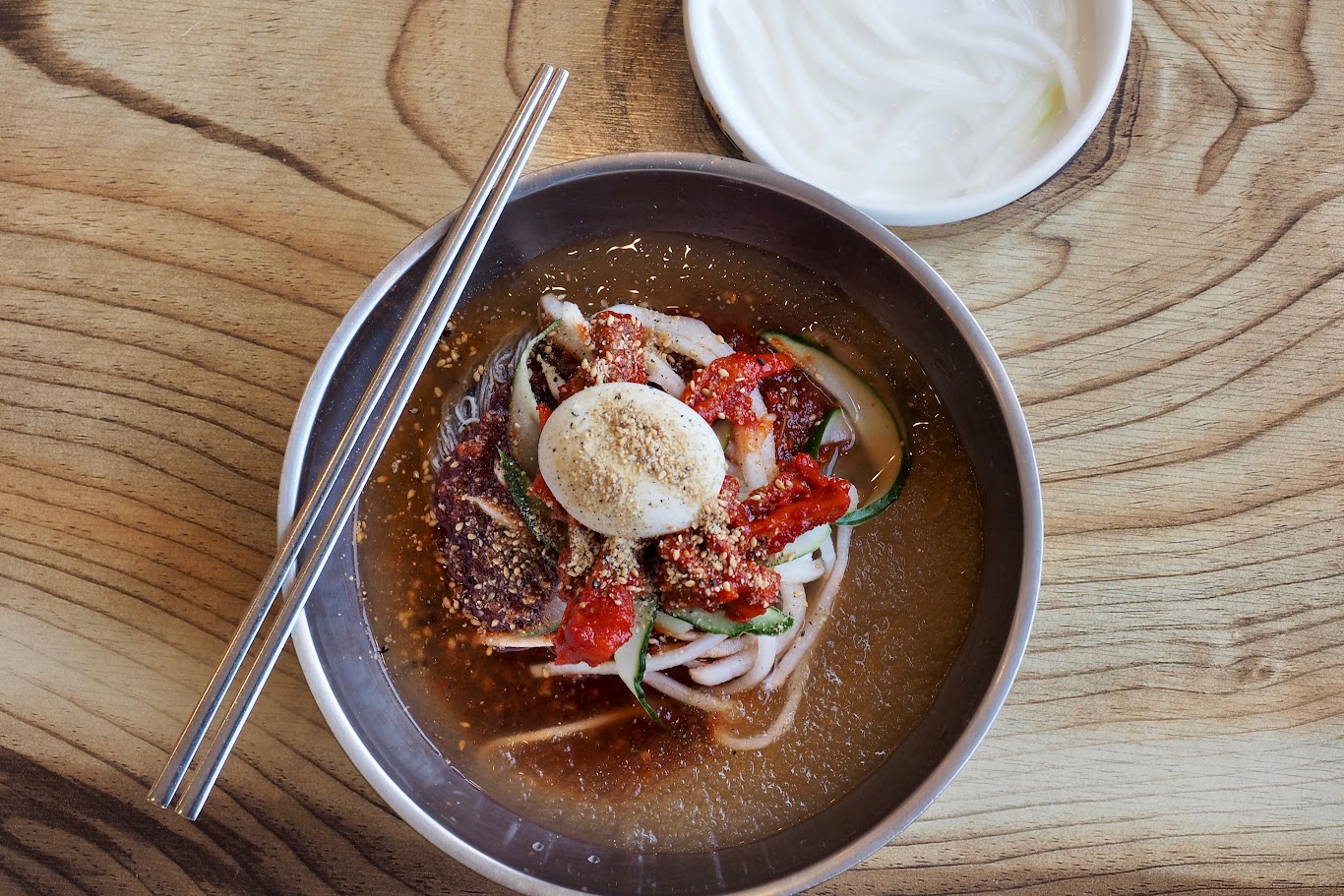
Naengmyeon (Cold Noodles): Buckwheat or potato starch noodles served in icy broth made from meat stock and pickled radish brine, topped with boiled egg, pear slices, and cucumber. A very effective cooling dish, often eaten after BBQ meals to “refresh the palate”.
 \
\
Nothing suits summer better than a cold bowl of naengmyeon – refreshing, delicious, and cooling.
-
Jangeo-gui (Grilled Eel): Fresh eel marinated in rich sauce and grilled over charcoal until fragrant. Eel meat is fatty, nutritious, high in protein and minerals, making it a recommended summer dish to boost immunity.
-
Hwachae (Korean Fruit Punch): A traditional “summer drink” made by soaking fruits like watermelon, peach, and pear in rose syrup or honey water, served with ice. Cold and mildly sweet, Hwachae is a festive dessert often enjoyed during summer holidays.
-
Chamoe (Korean Melon): Small, bright yellow melons with a mildly sweet flavor, usually eaten cold as a dessert or added to smoothies.
See also: Jajangmyeon – Chinese-Inspired Black Bean Noodles in Korea
2.3 Korean Autumn Cuisine (September – November)
Autumn is considered the most pleasant season in Korea, with clear blue skies, cool dry weather, and a comfortable atmosphere. It’s also the harvest season, yielding an abundance of agricultural produce and ripe fruits. At the same time, seafood reaches peak richness and sweetness. Koreans take advantage of these fresh ingredients to create dishes that are both nourishing and rich in the flavors of nature.
Some representative Korean autumn dishes include:
-
Songpyeon (Half-moon Rice Cakes): Steamed rice cakes shaped like half-moons, filled with mung beans, black sesame, chestnuts, or brown sugar. A traditional treat during Chuseok (Mid-Autumn Festival), symbolizing wishes for a bountiful harvest, good health, and happiness.
-
Godeungeo gui (Grilled Mackerel): Fresh mackerel cleaned, salted, and grilled over charcoal until the skin is crispy and the flesh tender. This fatty fish is a staple in autumn meals, served with white rice and spicy kimchi.
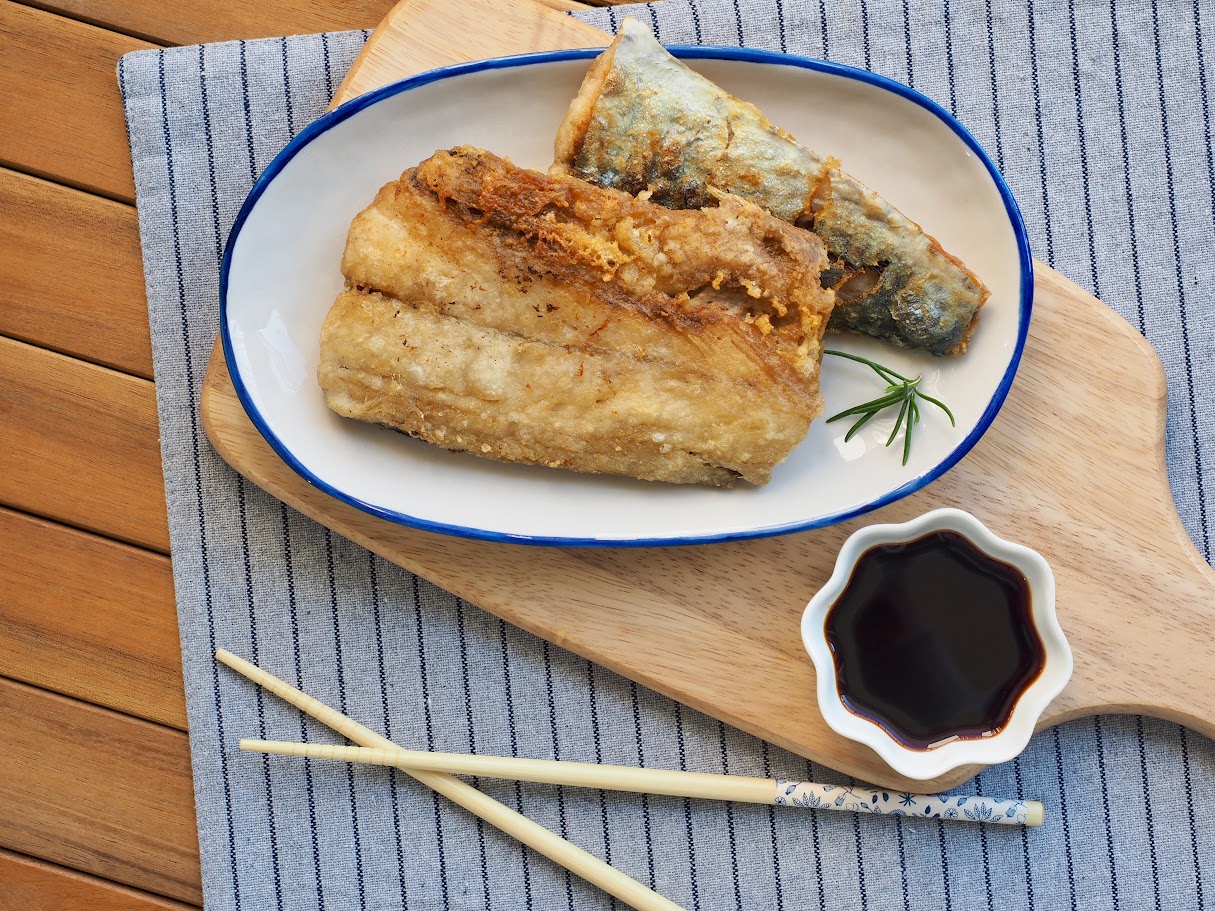
Crispy outside, juicy inside – grilled mackerel is a signature autumn delicacy in Korea.
-
Galchi-jorim (Braised Hairtail Fish): Fresh hairtail fish braised with white radish, boiled egg, and seaweed in a sweet-spicy gochujang sauce. This flavorful dish balances spiciness, sweetness, and a touch of saltiness. It’s especially popular around October when the fish is at its fattest, enriching the autumn dining experience.
-
Gejang (Soy Sauce Marinated Crab): Fresh raw crabs cleaned and marinated in soy sauce mixed with garlic, ginger, green onion, chili, and pear to remove the fishy smell and enhance natural sweetness. After a few days, the crab absorbs the flavors, becoming rich and savory with a unique sweet-salty profile. A seasonal highlight during autumn, when crabs are at their best. Gejang is usually eaten with white rice and has an irresistibly intense taste.
-
Gotgam (Dried Persimmons): Fresh persimmons harvested in late autumn and dried into a chewy, sweet snack rich in vitamins and fiber. Gotgam is a common delicacy in Korean markets and supermarkets, enjoyed as a snack or used in desserts and side dishes.
2.4 Korean Winter Cuisine (December – February)
Winter in Korea is typically dry and freezing, with heavy snowfall in many regions. This is when people need to boost their energy, stay warm, and strengthen their immune systems. Therefore, Korean winter dishes are usually hot, spicy, nutrient-rich, and made using methods like long simmering or grilling.
Street food is also particularly loved during this time—not only to warm the stomach but also to add joy and excitement to the cold atmosphere. Moreover, winter is the season for kimjang (kimchi-making for the whole year) and the best time to brew traditional rice wine.
Here are some typical Korean winter dishes:
-
Seolleongtang (Beef Bone Soup): A milky-white broth simmered from ox bones for hours, offering natural sweetness and rich collagen. Commonly served with white rice, kimchi, and chopped scallions. This popular dish helps warm the body and provide energy in cold weather.
-
Tteokguk (Rice Cake Soup): A must-have dish during Seollal (Lunar New Year) in Korea. Thinly sliced rice cakes are cooked in beef broth and served with egg, seaweed, and scallions. Tradition says eating tteokguk in the new year adds one year to your age and brings good luck.
-
Hotteok (Sweet Pancakes): Pan-fried flat cakes filled with brown sugar, peanuts, cinnamon, and pine nuts. When eaten hot, the gooey sweet filling melts in your mouth. One of the most beloved winter street snacks.
-
Patjuk (Red Bean Porridge): A reddish porridge made from thoroughly boiled red beans, traditionally eaten on Dongji (Winter Solstice) to ward off evil spirits and pray for good health. Often served with small round rice cakes called saealsim, symbolizing completeness and abundance.
-
Budae jjigae (Army Stew): A hearty hotpot with sausage, canned meat, tofu, kimchi, instant noodles, and spicy rice cakes, simmered in a gochujang-based broth. Despite its post-war origins, this dish has become a winter favorite for many Koreans.
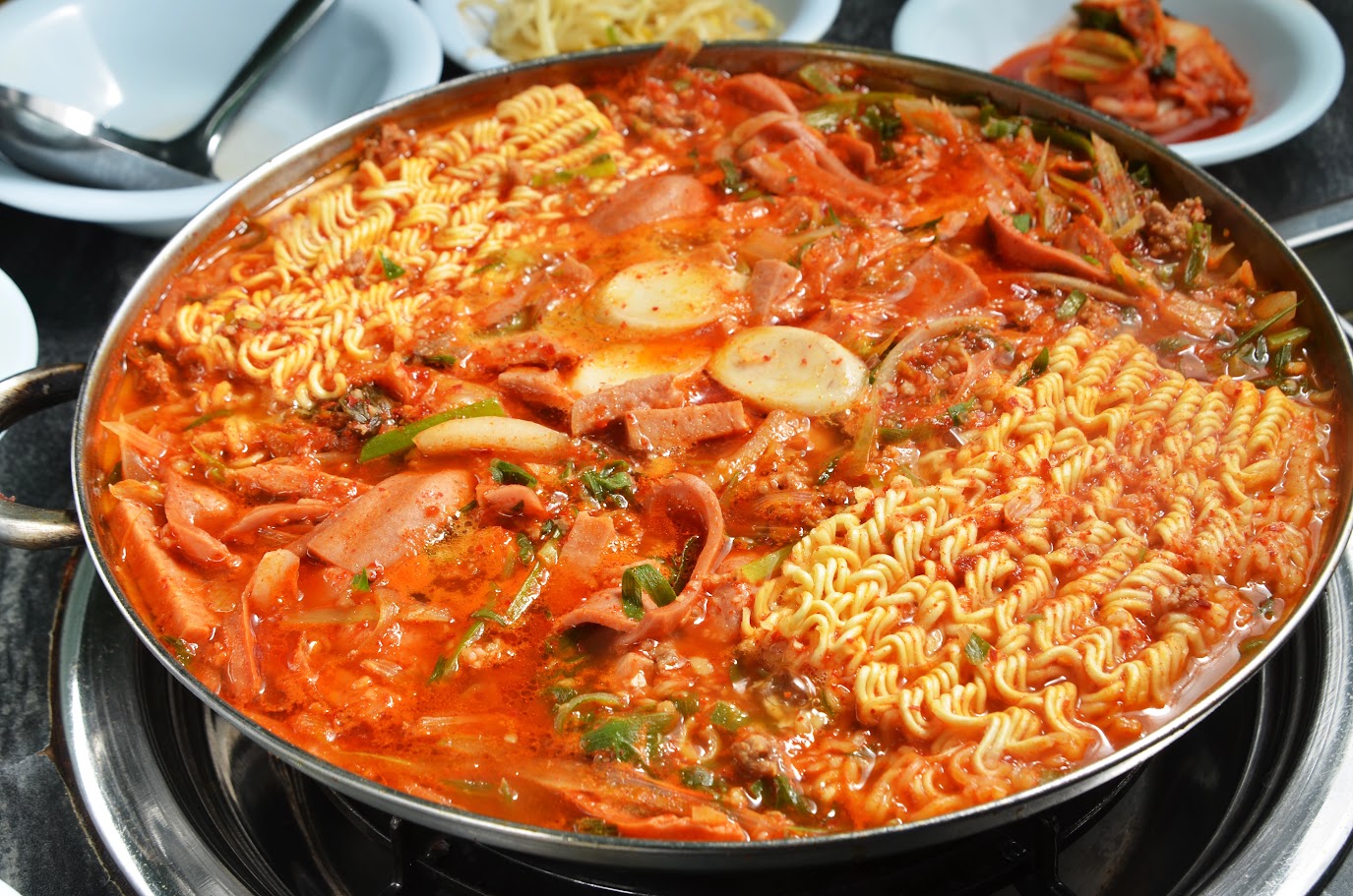
A steaming, spicy hotpot is a winter favorite for many Koreans.
Each season in Korea is not only a vivid natural landscape but also a vibrant culinary journey—from fresh wild greens in spring, refreshing cold noodles in summer, fatty braised fish in autumn to hearty beef bone soup in winter. If you’re a food lover, Korea is undoubtedly a destination not to be missed.
Vietjet currently operates numerous direct routes from Vietnam to Korea, making your trip more convenient and cost-effective than ever. Especially, don’t miss the chance to hunt 0 VND air tickets from 12:00 to 14:00 daily with Vietjet. See details here.
See also: Must-Read Autumn Travel Guide for Korea
Follow Vietjet’s official channels for updates on flight routes, promotions, and travel guides.
-
Website: https://www.vietjetair.com
-
Facebook: https://www.facebook.com/vietjetvietnam
-
Instagram: https://instagram.com/vietjet

















































































Buy Baggage, meals, choose seats and more…
Luxury service
About Vietjet
Contact Center
Where to buy ticket?
Cargo
Privacy policy
Cookie Policy


