
- My booking
- Online Check-in
- Flight extras
- Financial services


 Booking
 Skyshop
 Hotel
Hotel
 E-Voucher
 E-Sim
E-Sim
 E-Visa
 Buy foreign currency
 Insurance
 SkyJoy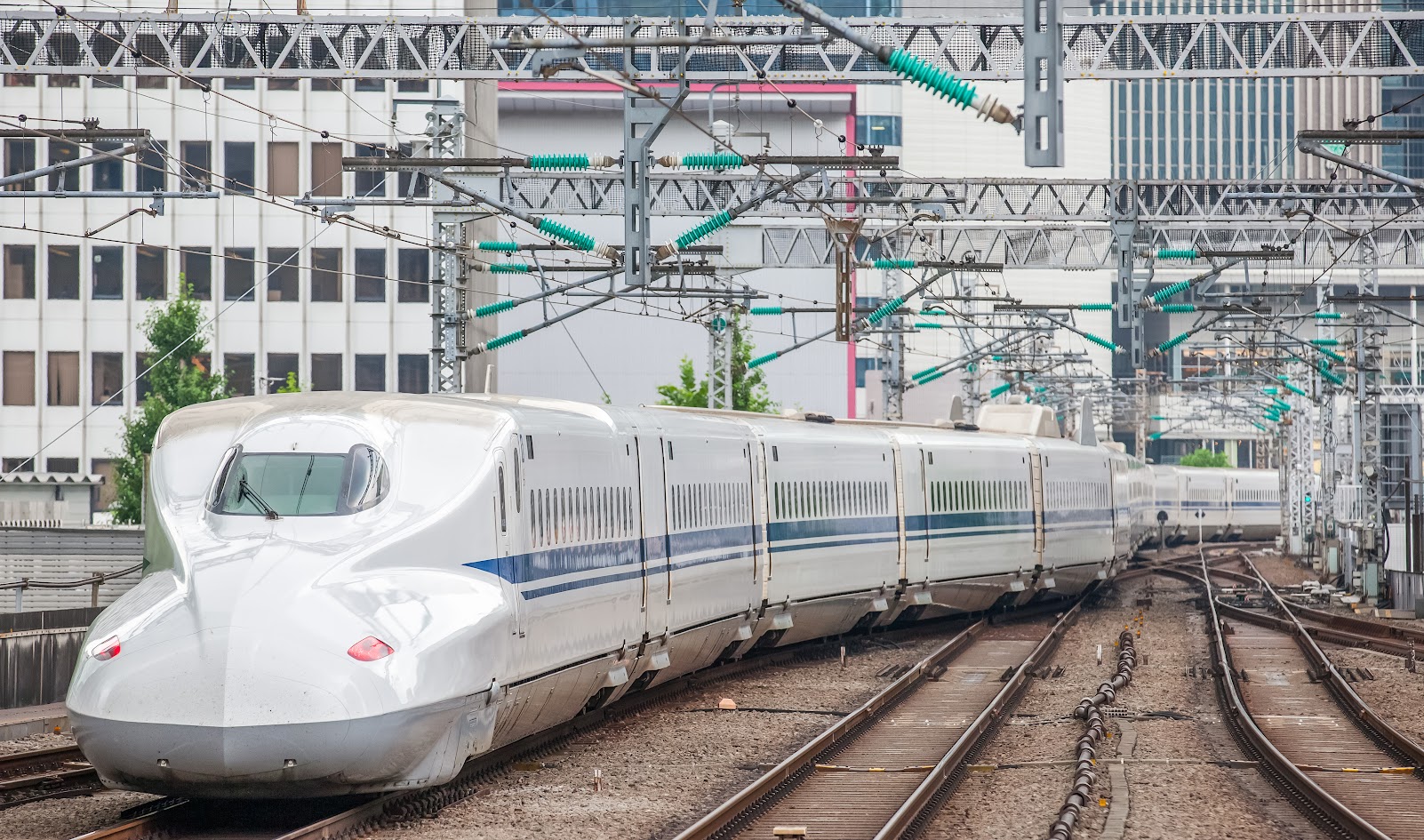




Departure date

Return Date

What should you know about traveling by electric train in Japan?
Japan, the Land of the Rising Sun, attracts a large number of tourists each year with its beautiful style, civilized people, and advanced quality of life. When first arriving in Japan, many people wonder about convenient transportation options. To address this question, let's explore with Vietjet the worthwhile and economical mode of transportation in Japan—the electric train system.
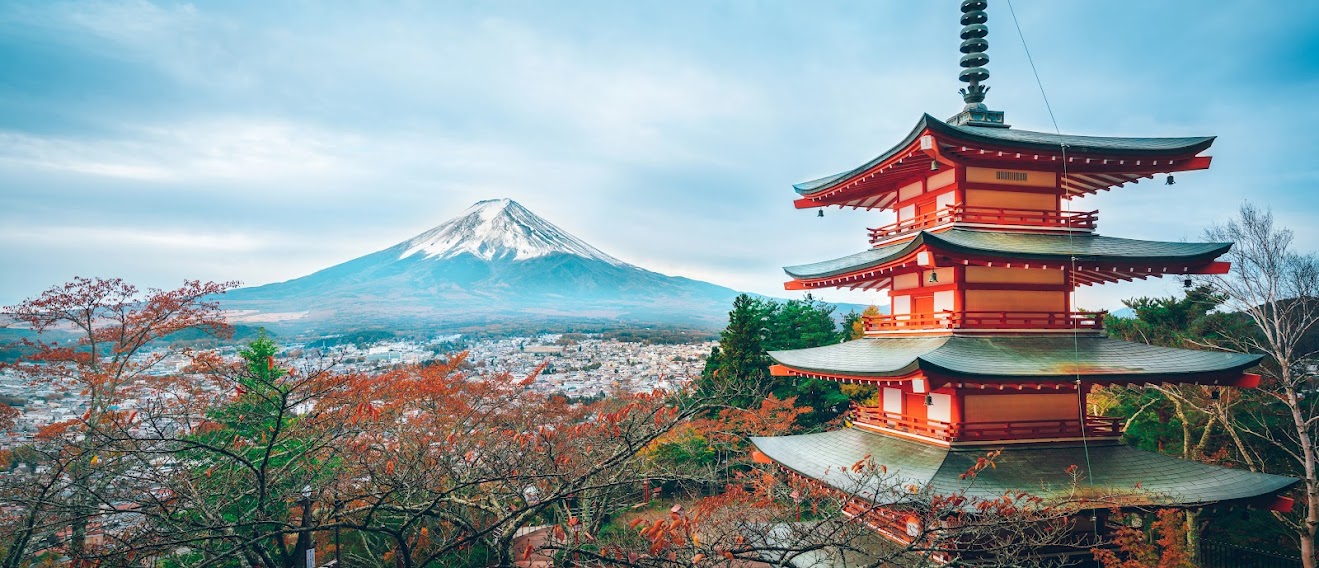
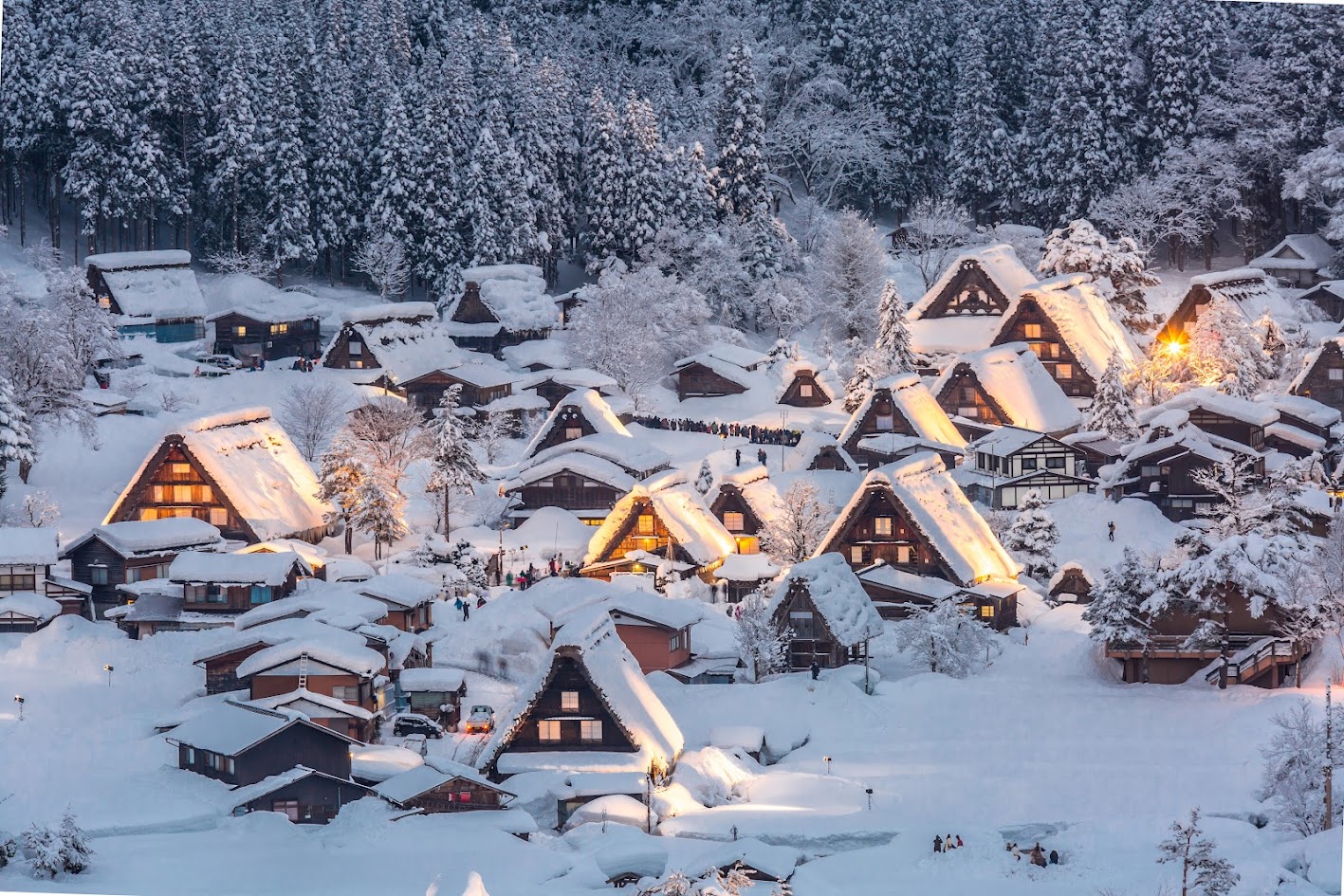
Japan entices tourists with its romantic, ancient beauty and iconic landmarks.
1. Overview of the Electric Train System in Japan
Japan has a bustling electric train system with about 8 million passengers traveling daily. It is a popular mode of transportation for Japanese residents, from students to office workers and the elderly, who prefer it for its affordability, convenience, and punctuality, a reflection of Japanese work ethic.
For these reasons, the electric train is also a popular choice among tourists. Your trip to the cherry blossom country will be more complete and cost-effective if you choose to travel by electric train in Japan.
2. Types of Electric Trains in Japan
In Japan, the majority of the electric train network (about 80%) is owned by the Japan Railway Group (JR). The rest are operated by other private railway companies, mainly in urban areas. Therefore, tourists traveling on the electric train system in Japan are often advised to use JR services for the most convenient access to tourist destinations in Japan.
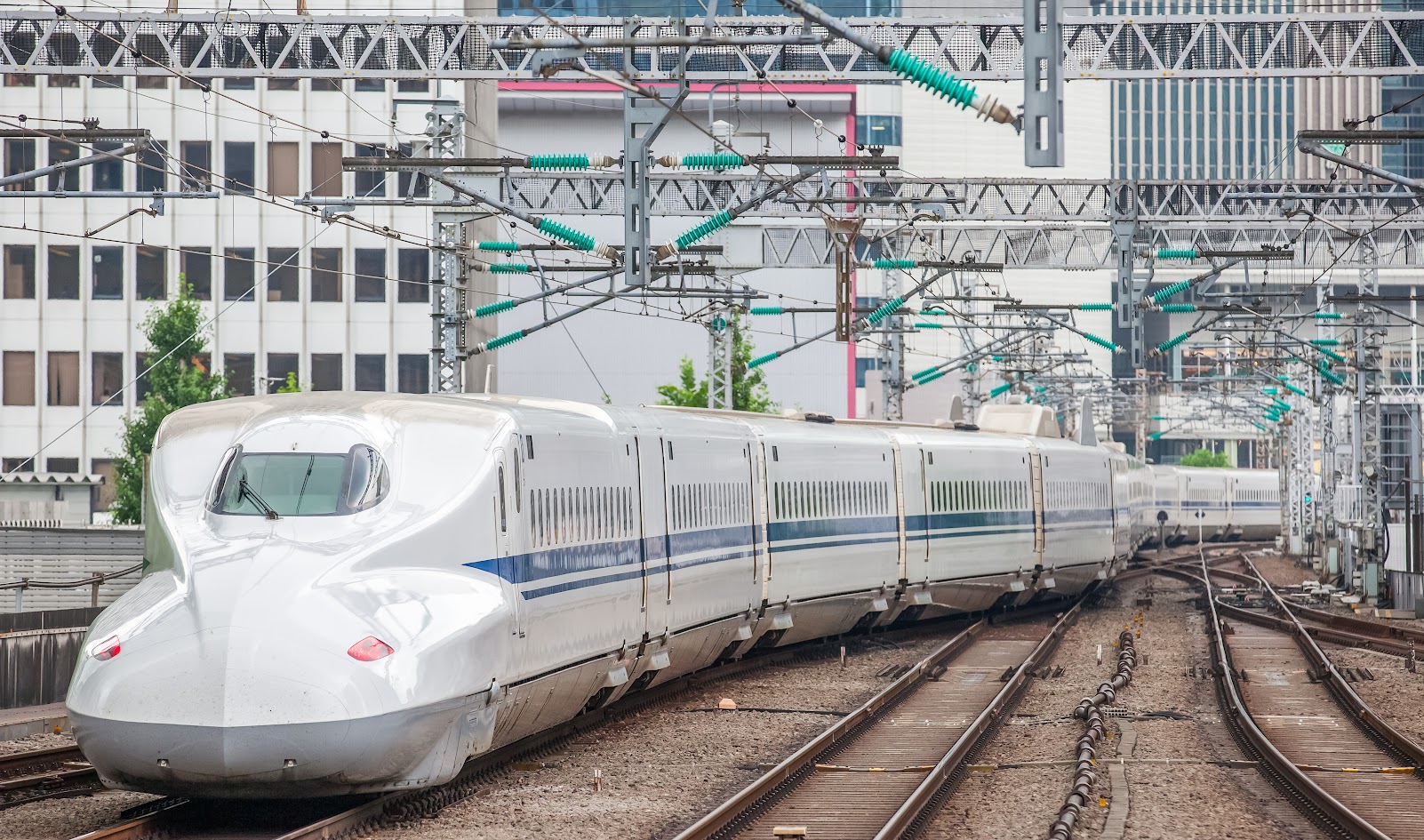
The Shinkansen electric train can help people travel quickly between cities without taking much time.
Japan's electric train system is quite diverse with types of trains to meet the needs and purposes of its residents. Types of electric trains in Japan include:
-
Shinkansen: This is the high-speed train in Japan, with few stops and often used to travel between cities. There are three types of trains: Nozomi, Hikari, and Kodama. Among them, Nozomi travels the fastest and covers the longest distances, while Hikari and Kodama are slower and stop at more stations along the route.
-
Limited Express: This is the second fastest type of train with over 100 different models. Most Limited Express trains only stop at major stations in Japan. Typically, people travel on this train from the airport to downtown areas or vice versa.
-
Express: Slower than the Limited Express, Express trains also face limitations due to fewer stops. Passengers frequently travel on this type to reach major stations or airports.
-
Rapid: The fourth fastest among Japan's electric trains, Rapid trains allow people to frequently travel to stations within cities at a more affordable fare.
-
Local: The slowest but with the most stops, Local trains are often chosen by tourists traveling within regions of Japan because they offer flexibility to visit many stations and sightseeing spots. Additionally, Local trains have the cheapest fares, making them suitable for tourists who want to experience local life at a leisurely pace.
Learn more: Japan - Where to Eat, Stay, and Tips for Getting Cheap Flights
3. Types of Train Tickets in Japan
To use the train services in Japan, you can purchase various types of tickets, each with different payment methods and usage instructions. Here are three common types of tickets you might encounter in Japan:
-
Standard Ticket: This ticket can be purchased directly at ticket counters or online. Passengers typically buy and use this ticket for their journey. The standard ticket is valid for a single journey.
-
JR Pass (Japan Rail Pass): This is considered a "super economical" train pass in Japan. It allows unlimited use across all journeys as long as it is valid, making it very convenient. The JR Pass is provided by the Japan Rail Group and is valid on all trains marked with the JR symbol. You can purchase this pass for a duration of a week, a month, etc., either for specific regions or nationwide. The price varies depending on the number of days, seat class, travel area, etc., ranging from 1,000,000 VND (7-day pass for the West Japan Railway area) to about 25,000,000 VND (21-day pass, valid nationwide).
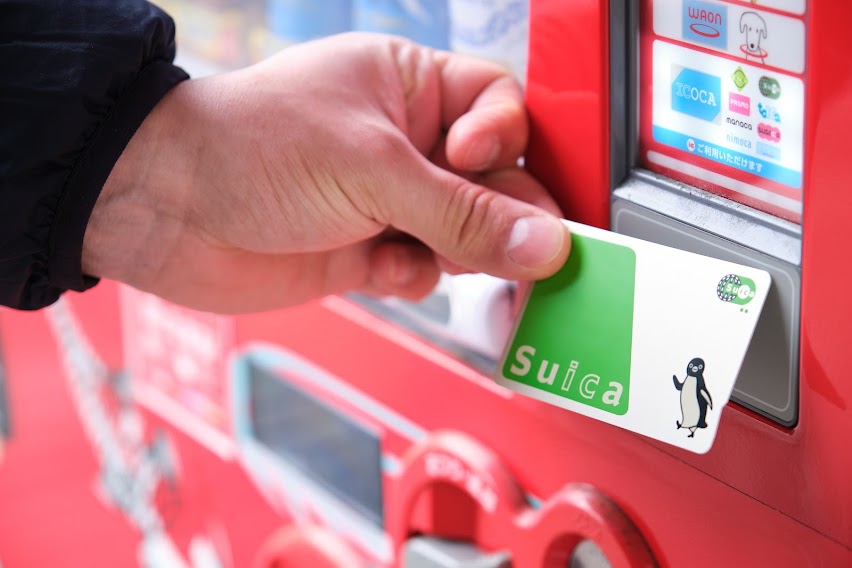
Suica and Pasmo are two popular "national" IC cards in Japan. Simply tap the card on the scanner area, and you can board the train immediately without spending much time checking tickets.
-
IC Card: This is a "universal" card that can be used to pay for almost all services from buses and trains to convenience store purchases. You just need to load money onto the card beforehand and use it to scan and pay fees anywhere. When traveling by train in Japan, you only need to bring the card to the IC-marked scanner area; in many cases, you don't need to purchase a train ticket in advance. The two common types of IC cards used by people when traveling by train in Japan are SUICA and PASMO.
4. How to Travel by Train in Japan
Before boarding the train, you need to purchase a ticket or prepare a train pass. The method of purchasing varies depending on the type of ticket, either directly or indirectly.
-
For standard tickets, you can buy them directly at ticket counters or through ticket vending machines placed at specific locations at train stations. When you arrive at the station areas, look for machines with a red frame and the word きっぷ.
-
For an IC card, you need to pay a 500 Yen deposit to purchase the card, then load money onto it for use. First-time visitors to Japan can buy an IC card (including Suica and Pasmo) at automatic vending machines, also located at some train stations. To buy a card, find a machine with a black frame labeled 定期券・. To load money onto the card, look for a vending machine with a blue frame labeled チャージ専用.
-
To purchase a JR Pass, you can only buy it on the official website of the Japan Railway Group or through an overseas distributor.
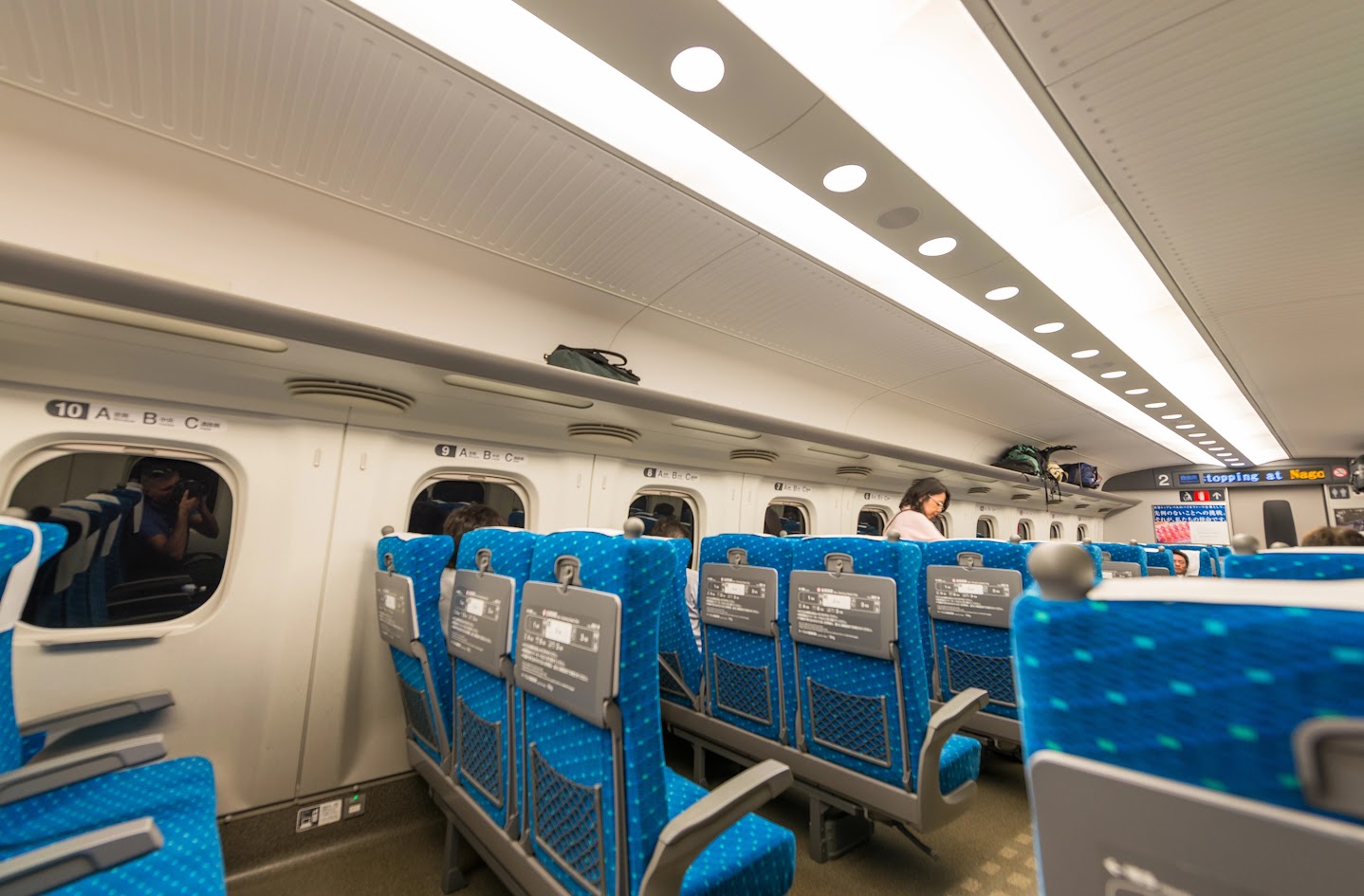
The outside seats on Shinkansen trains are cared for in terms of quality, serving long trips.
Once you have the ticket/card, proceed to the ticket gates at train stations in Japan, where there are two types of gates to note: gates that accept only IC cards and gates that accept standard train tickets. The train system in Japan is very modern and uses high technology for ticket checking. You just need to tap the card at the correct spot on the ticket checker. When the machine beeps once, you are allowed through and can board the train. If you already have an IC card, always carry it with you to handle any situation, but remember to load it with funds first!
5. Additional Tips for Traveling by Train in Japan
With a variety of trains available in Japan, you can choose based on your travel needs:
-
If you want to tour and visit more cities during your trip exploring Japan, you might choose the Shinkansen for convenience and speed.
-
If you prefer to enjoy a leisurely journey and experience the life of the Japanese people, you might choose to travel by Local train. Because it stops at many stations, you will have the opportunity to explore every corner of the city you are visiting.
At the station, if you are traveling by train in Japan for the first time, you might be overwhelmed by the crowded scene in the lobby and boarding area. Along with that, the system of guide signs, eateries, ticket counters, and vending machines might be daunting and distracting. In this case, focus on purchasing your ticket and finding the correct boarding place. If you encounter any difficulties, you can ask the station staff. They are always on hand in all areas of the station.
See more: Stunningly beautiful Japanese tourist destinations
With its irresistible charm, your tour of Japan will be fantastic, having the "secret" of traveling by train in hand. If you plan to view the cherry blossoms in Japan, hurry to book your flight to Japan at Vietjet to receive many promotions. Don't forget the hot deal period for zero-cost flight tickets to Japan!
- Fanpge: https://www.facebook.com/vietjetvietnam
- YouTube: https://youtube.com/c/VietjetOfficial
-
Instagram: https://instagram.com/vietjet

















































































Buy Baggage, meals, choose seats and more…
Luxury service
About Vietjet
Contact Center
Where to buy ticket?
Cargo
Privacy policy
Cookie Policy


