
- My booking
- Online Check-in
- Flight extras
- Financial services


 Booking
 Skyshop
 Hotel
Hotel
 E-Voucher
 E-Sim
E-Sim
 E-Visa
 Buy foreign currency
 Insurance
 SkyJoy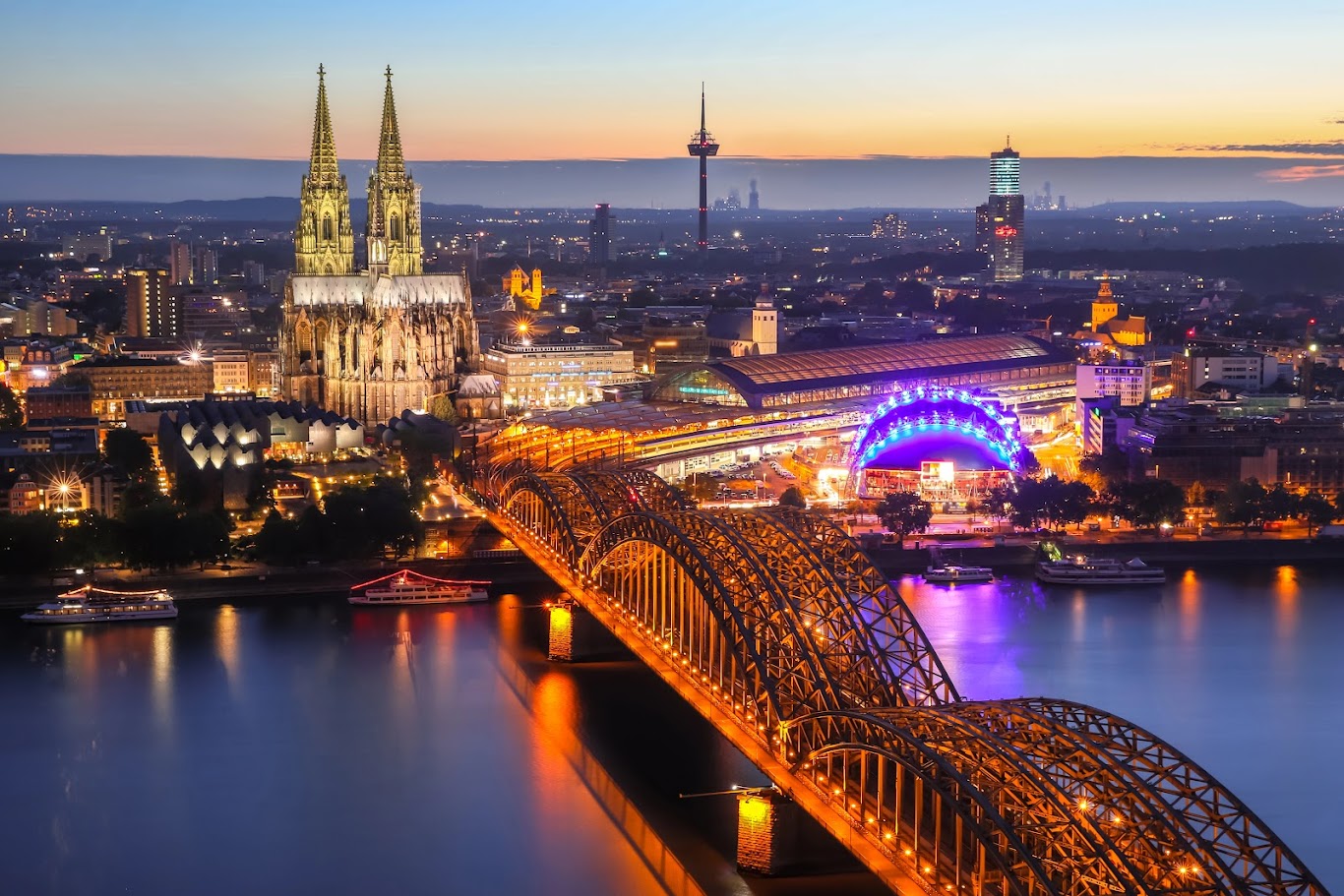




Departure date

Return Date

Traveling to Germany: How to Plan Your Itinerary & Save Costs
Dreaming of a European trip but worried about high costs?Germany – a country famous for its fairytale castles, modern cities, and vibrant festivals – is the perfect destination for a budget-friendly journey filled with memorable experiences. In this article, Vietjet will share in detail how to plan a smart Germany itinerary while saving as much as possible.
1. Traveling to Germany – Your European dream within reach
Located in the heart of Europe, Germany is one of the most popular destinations for Vietnamese travelers. It combines cultural richness, historic architecture, natural beauty, and a diverse cuisine. More and more people are choosing self-guided trips to Germany for the freedom and flexibility it brings in terms of cost.
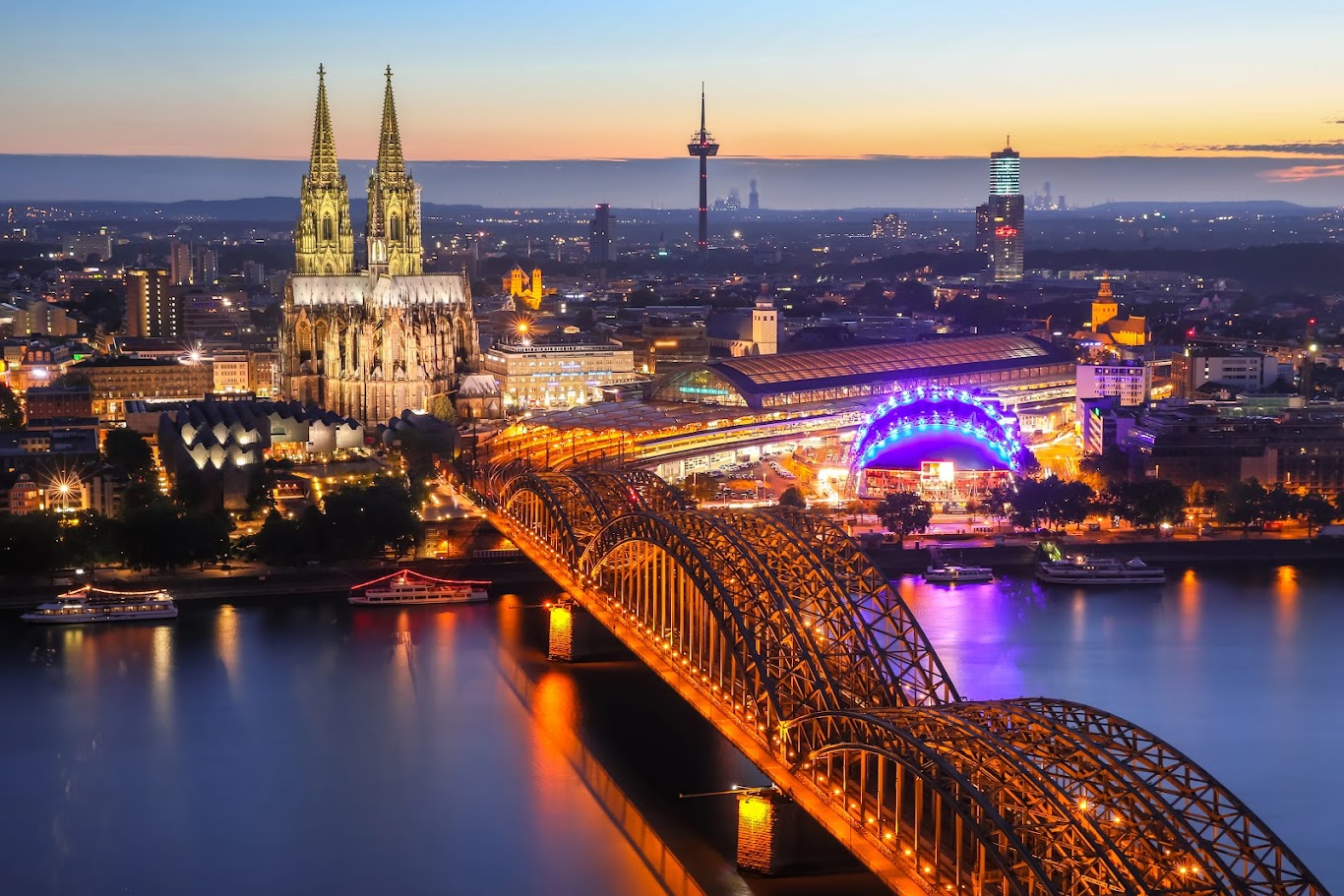
Germany is the heart of Europe, where serene history, timeless architecture, and a vibrant modern lifestyle intersect.
To make your trip perfect, planning a smart itinerary will help you optimize both time and budget, ensuring a truly comfortable journey without financial stress or worries about travel time.
2. How to plan a smart itinerary for Germany
When starting to plan your trip to Germany, you need to define a few important factors: overall budget, trip duration, destinations, and activities you want to experience.
2.1 Define your duration and budget
Before setting up your itinerary, evaluate your finances and available time. On average, a self-guided trip to Germany costs between 35 to 60 million VND for 7–10 days, depending on your preferences.
2.2 Plan your itinerary by region
Germany is a vast country, with each region offering unique attractions worth exploring. However, due to time and budget constraints, it’s best to choose 1–2 key regions for your trip.
Northern Germany:
-
Hamburg: The largest port city in Germany and the second largest in Europe, known for its bustling harbor, intricate canal system, and the iconic Elbphilharmonie concert hall. Here, you’ll experience the dynamic rhythm of a coastal metropolis.
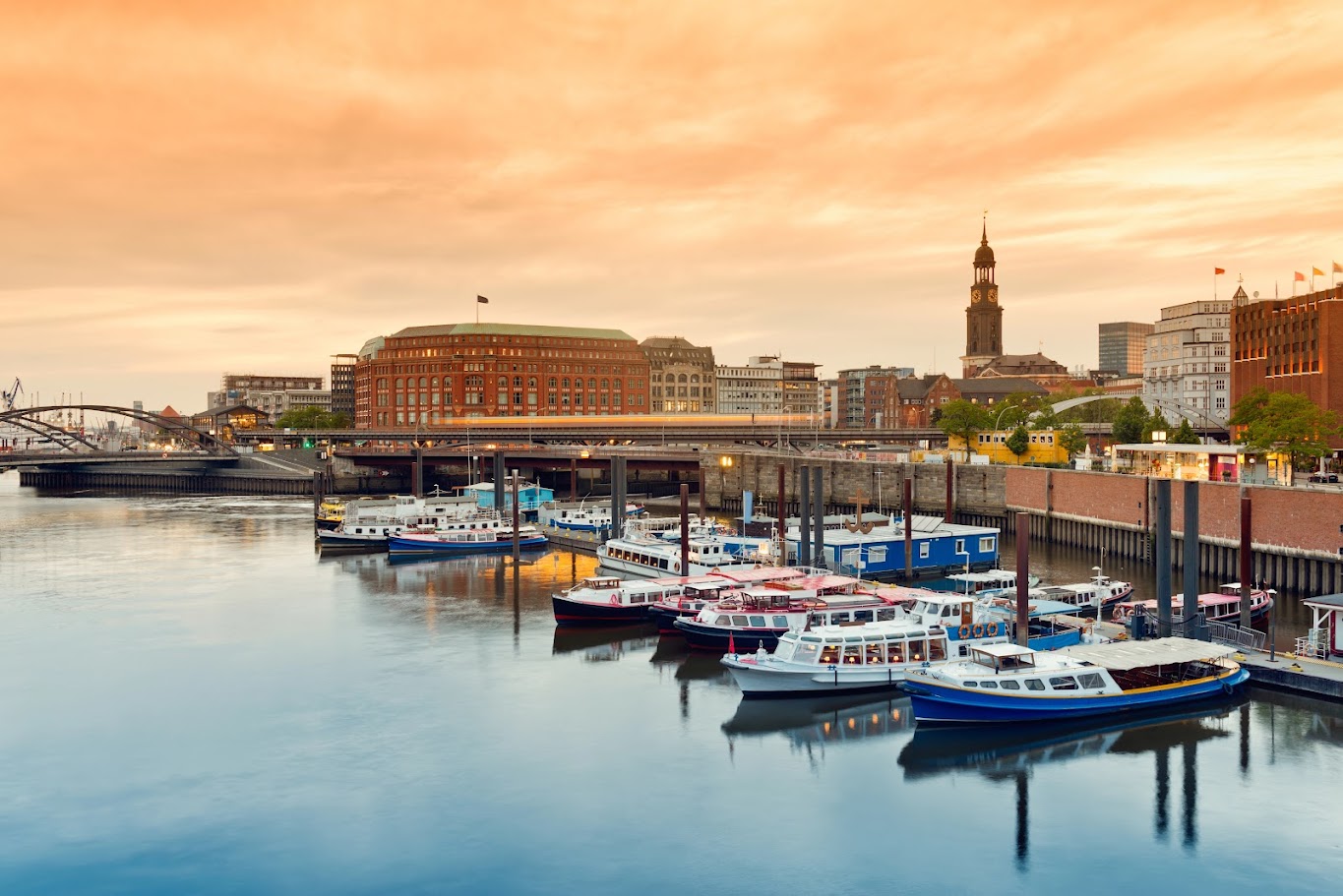
Hamburg’s harbor at dusk exudes a peaceful charm, as golden sunset light glimmers on the water while boats quietly rest along the historic quay.
-
Bremen: In contrast to Hamburg, Bremen retains a medieval charm with its beautifully preserved old town, central square, historic town hall, and the famous Bremen Town Musicians statue – a symbol of German folklore.
Central Germany:
-
Frankfurt: Europe’s largest financial hub, highlighted by skyscrapers and a bustling international airport. Behind the modern façade, however, lies the charming Römerberg square – the city’s historical heart.
-
Heidelberg: Known as Germany’s oldest university town, Heidelberg is famous for its hilltop castle and romantic streets along the Neckar River – an ideal destination for those who love classic and tranquil atmospheres.
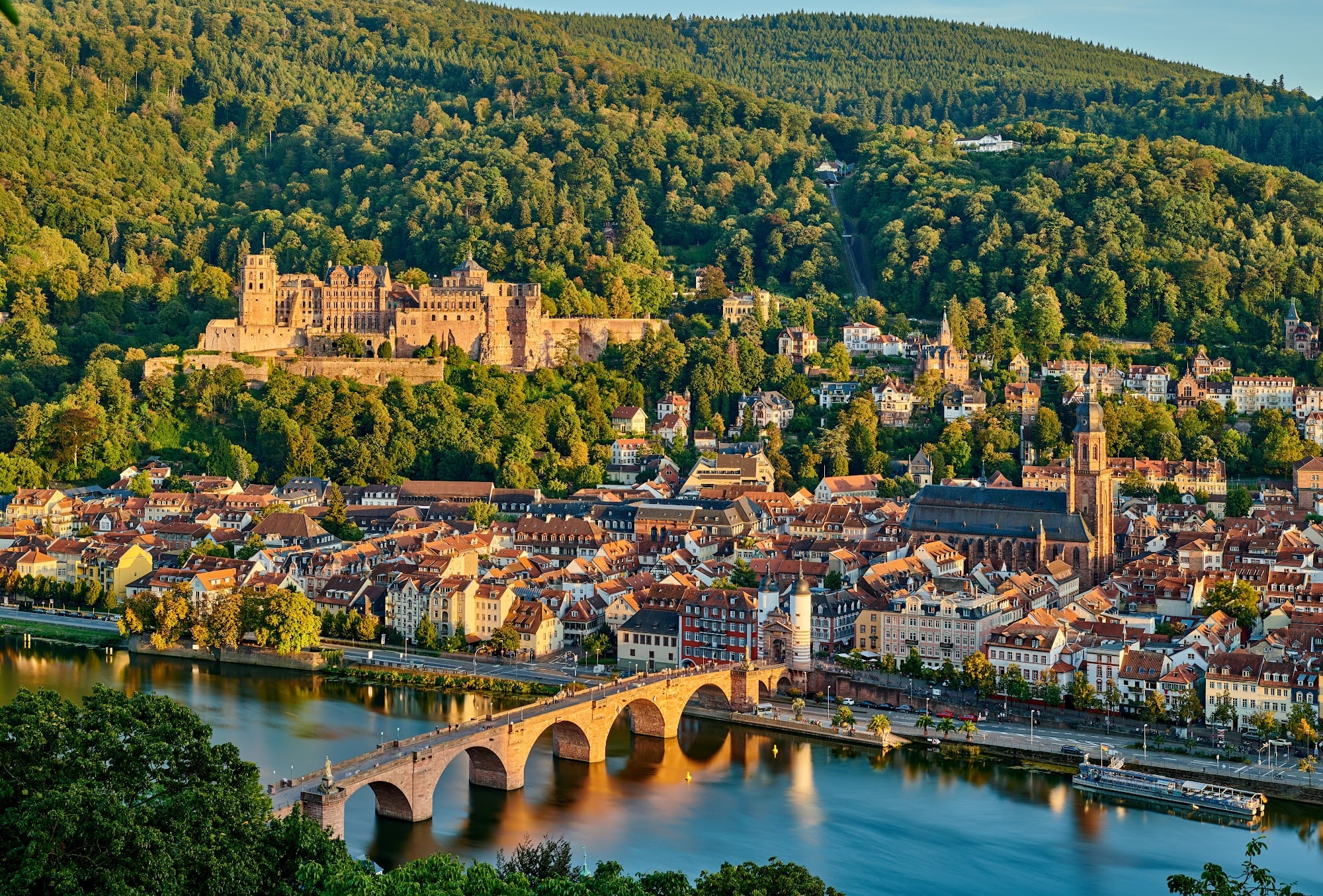
Heidelberg enchants with its timeless romance, where the majestic castle reflects on the dreamy Neckar River.
Southern Germany
-
Munich: The capital of Bavaria, where tradition and modernity meet. Munich is famous for Oktoberfest, its rich art museums, and the royal Nymphenburg Palace.
-
Füssen: Located near the Alps, Füssen is the gateway to the Neuschwanstein Castle – said to have inspired Disney’s fairytale castles, offering scenery straight out of a painting.
Eastern Germany
-
Berlin: The capital of Germany, steeped in history with landmarks like the Berlin Wall, Brandenburg Gate, and Museum Island. The city also stands out for its contemporary art scene and multicultural vibrancy.
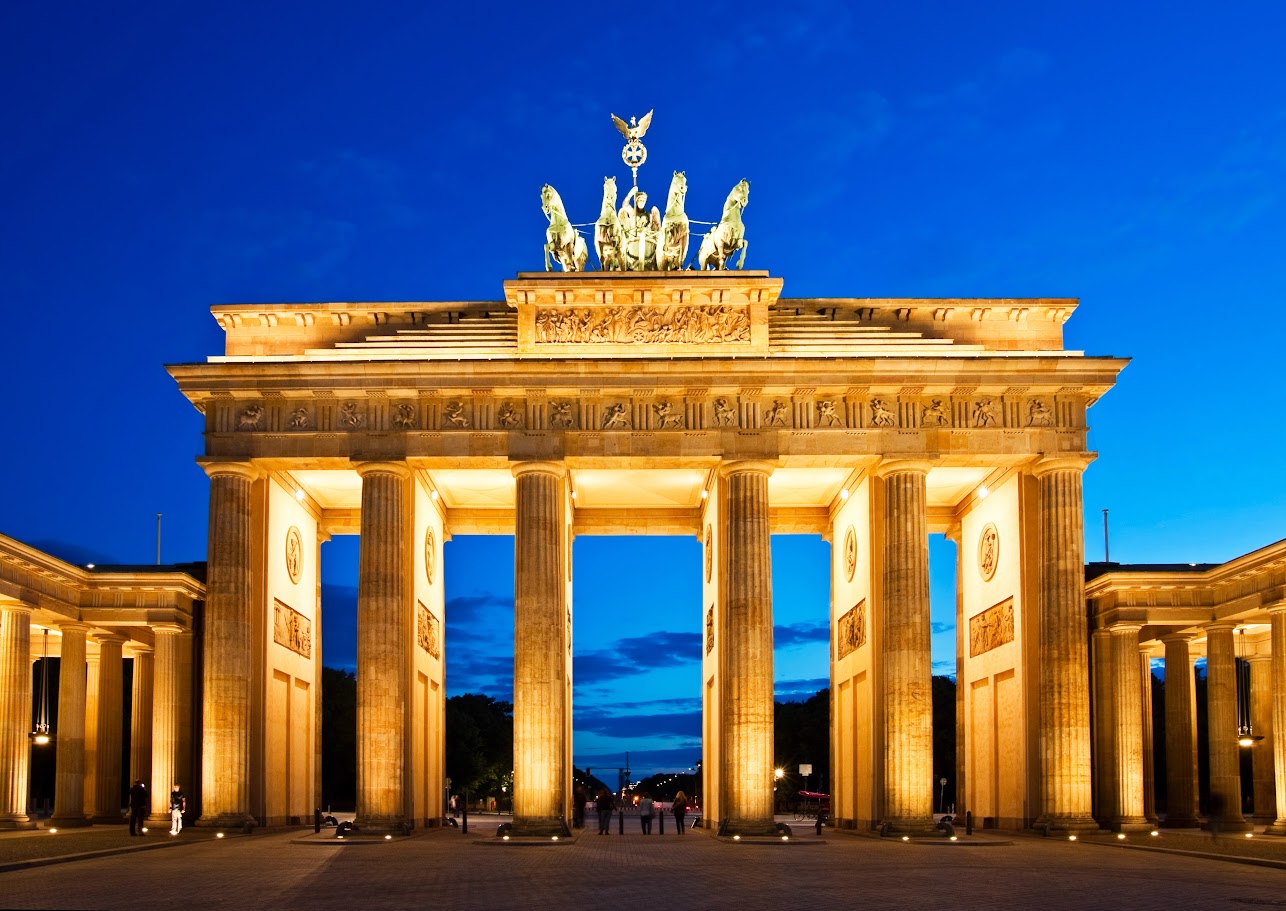
Berlin is Germany’s vibrant capital, where profound historical heritage meets an ever-evolving modern and creative lifestyle.
-
Dresden: Nicknamed the “Florence on the Elbe,” Dresden is an artistic city known for its splendid Baroque landmarks such as the Semper Opera House, the Zwinger Palace, and the Frauenkirche – a symbol of rebirth after the war.
2.3 Planning your itinerary by theme
Depending on your interests and travel goals, you can design your Germany trip around specific themes to make your journey more meaningful and memorable.
If you love history and culture: choose Berlin & Nuremberg
-
Berlin is the ideal destination for those fascinated by the depth of modern European history. The German capital bears strong imprints of World War II and the Cold War era, with highlights including the Berlin Wall, Brandenburg Gate, Holocaust Memorial, and the DDR Museum, which recreates life under East Germany.
-
Nuremberg, located in Bavaria, was once the political hub of Nazi Germany and the site of the famous Nuremberg Trials after WWII. Beyond its historical weight, the city is notable for its well-preserved old town, Nuremberg Castle, and Germany’s oldest traditional Christmas market.
If you want nature, relaxation, and rejuvenation: head to Black Forest & Lake Bodensee
-
Black Forest (Schwarzwald) in southwestern Germany is a legendary land tied to many Grimm fairytales. With dense pine forests, traditional villages, mineral springs, and long hiking trails, it’s perfect for trekking, spa retreats, and enjoying nature. Don’t miss tasting the famous Black Forest cake!
-
Lake Bodensee (Lake Constance), located at the crossroads of Germany, Austria, and Switzerland, is one of Europe’s largest freshwater lakes. Its surroundings offer serene holiday vibes, with charming towns like Lindau and Meersburg, flower gardens, castles, and activities like boating and cycling along the lakeside.
If you want to immerse yourself in traditional festivals and authentic German cuisine: don’t miss Oktoberfest & Christmas Markets (Weihnachtsmarkt)
-
Oktoberfest, held in Munich from late September to early October, is the world’s largest beer festival, attracting millions of visitors. Beyond beer, it’s a street food paradise featuring grilled sausages, salted pretzels, Bavarian roast meats, and a vibrant traditional atmosphere.
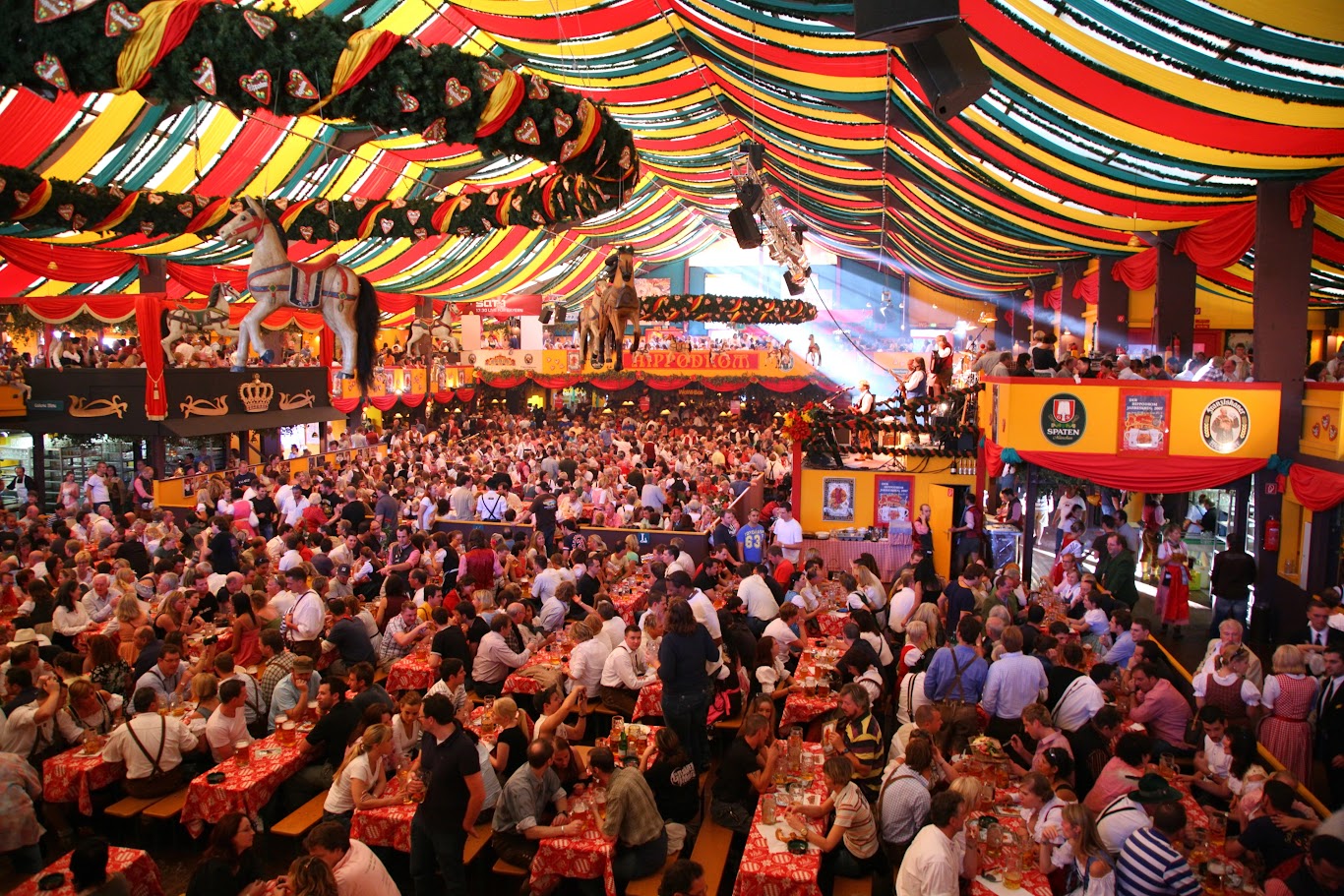
The festive spirit fills every corner of Oktoberfest.
-
Christmas Markets (Weihnachtsmarkt) are a magical experience if you visit Germany in winter. Markets in Cologne, Dresden, and Nuremberg are dazzling with festive lights, music, and stalls selling handicrafts, hot food, mulled wine (Glühwein), gingerbread (Lebkuchen), grilled sausages, and fries. The cozy atmosphere beautifully reflects German cultural traditions.
See also: Where should you travel abroad? Top destinations loved by Vietnamese tourists.
3. Costs of self-guided travel in Germany & saving tips
3.1 Basic expenses
Here are the essential costs you need to plan for. You can still save money with Vietjet’s tips:
-
Flights: Book early and take advantage of Vietjet’s 0 VND ticket promotions during the golden hours (12–2 PM daily). Also consider transit routes through Bangkok or other Southeast Asian hubs for significant savings.
-
Accommodation: Booking in advance through online platforms secures both availability and good prices, averaging 25–70 EUR per night for hotels/hostels.
-
Food: Instead of dining at restaurants, save by eating at local markets or buying food from budget supermarkets like Aldi, Lidl, or Rewe, which offer plenty of fresh, affordable options.
-
Attractions: Buy tickets online in advance or use city passes for each city, which save both time and money while offering fast-track entry.
3.2 Smart saving hacks for Germany
Germany is a developed country, but with proper planning, you can explore it on a budget. Vietjet suggests:
-
Transport passes: If traveling frequently, get the Deutschlandticket (49 EUR/month) for unlimited public transport nationwide. For regional group travel, options like Bayern Ticket are far cheaper than single tickets.
-
Affordable stays: Consider homestays, hostels, or platforms like Couchsurfing (free stays with locals, plus cultural exchange). Airbnb also offers private rooms at good prices if booked early or shared among groups.
-
Save on SIM/data: Buy affordable SIM cards from Lycamobile, Aldi Talk, or O2 with unlimited data plans. Pre-download Google Maps for offline use and take advantage of free Wi-Fi at stations, libraries, or cafés.
4. How to travel to and within Germany
4.1 From Vietnam to Germany
From Vietnam, you can fly to Germany via international routes from Hanoi, Ho Chi Minh City, or Da Nang. For budget-friendly options, consider Vietjet. Although it doesn’t yet operate direct flights, Vietjet offers flexible connections via Bangkok, Kuala Lumpur, or Singapore, with fares starting from 240,000 VND, plus friendly service. With flexible baggage policies and frequent promotions, Vietjet makes reaching Germany easier and more affordable.
Check fares to Thailand, Malaysia, and Singapore now to start planning your Germany trip!

Discover Germany with Vietjet at super-saver costs!
4.2 Domestic travel in Germany
Germany’s modern public transportation makes traveling between cities convenient.
FlixBus: Cheap long-distance bus service with fares from 5–30 EUR depending on the route.
DB Bahn (Deutsche Bahn): The national rail network offers everything from local trains to high-speed options, plus discounts and travel passes like the Deutschlandticket or regional day tickets.
Blablacar: For flexible schedules, this carpooling platform lets you share rides with locals – saving money while enjoying fun cultural exchanges.
5. Important tips when traveling to Germany
-
Choose the right season: The best times to visit are April–June (colorful spring) and September–October (romantic autumn), when the weather is pleasant and prices remain reasonable.
-
Schengen Visa: A must for entering Germany. Prepare documents carefully; if it’s your first application, submit at least six weeks in advance to avoid delays.
-
Travel apps: Download DB Navigator (real-time train schedules), Google Maps, Rome2Rio (route planning), and Google Translate to explore confidently without language or navigation worries.
-
Travel insurance: Required for a visa and highly recommended. Choose one with medical coverage for peace of mind in case of emergencies.
See also: How long is a German visa valid? Can you visit other Schengen countries with it?
Traveling to Germany is a fresh and enriching experience for anyone who loves European culture, history, and nature. Planning a thoughtful itinerary not only helps you save on costs but also ensures your trip is comfortable and meaningful. If you’re still asking “how much does traveling to Germany cost” or want more Germany travel tips, start with this Vietjet guide and plan your dream trip today!
Discover more exciting promotions as well as useful travel information at:
-
Website: https://www.vietjetair.com
-
Facebook: https://www.facebook.com/vietjetvietnam
-
Instagram: https://instagram.com/vietjet
















































































Buy Baggage, meals, choose seats and more…
Luxury service
About Vietjet
Contact Center
Where to buy ticket?
Cargo
Privacy policy
Cookie Policy


