
- My booking
- Online Check-in
- Flight extras
- Financial services


 Booking
 Skyshop
 Hotel
Hotel
 E-Voucher
 E-Sim
E-Sim
 E-Visa
 Buy foreign currency
 Insurance
 SkyJoy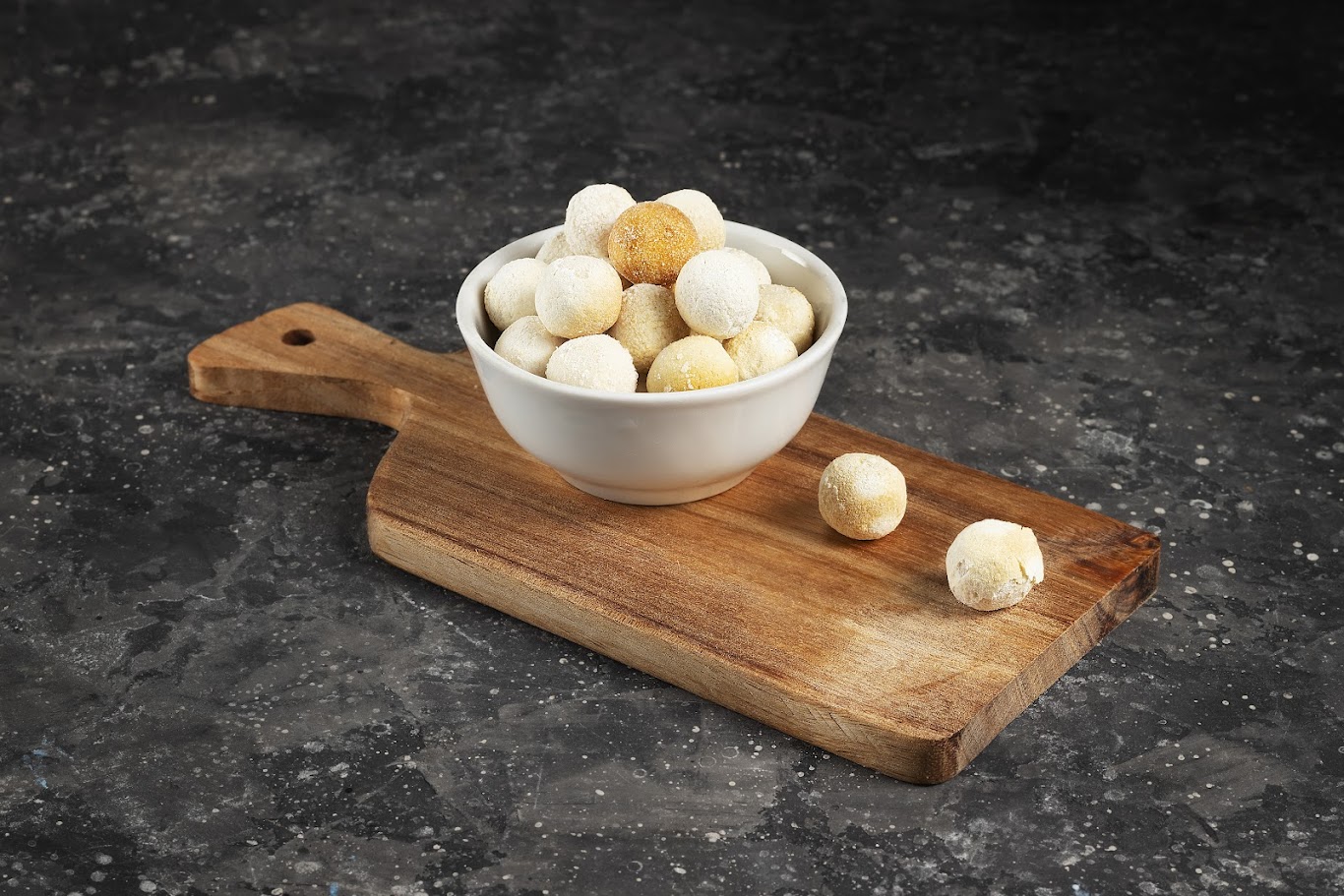




Departure date

Return Date

Kazakh Cuisine Experience: What’s Special About the Horse Meat Culture?
Kazakhstan – a land of vast steppes – is not only captivating with its majestic natural landscapes but also leaves a lasting impression through its deeply nomadic culinary culture. Unique flavors, meticulous preparation, and the Kazakh people’s hospitality will undoubtedly offer travelers unforgettable gastronomic experiences.
Join Vietjet in exploring the distinctive cuisine of Kazakhstan with some of the most exotic dishes in Central Asia.
1. Distinctive Features of Kazakh Cuisine
Kazakhstan’s culinary traditions are deeply rooted in the traditional nomadic lifestyle. Historically, the people relied on livestock such as horses, sheep, cattle, and camels, which formed the basis of their diet—mainly meat, milk, and dairy products. The dishes are often simple yet energy-rich, suitable for a life constantly on the move. Key features include:
-
Popular ingredients: Kazakhs frequently use horse and mutton in their dishes. Dairy products such as fermented mare’s milk (Kumis), fermented camel’s milk (Shubat), clarified butter, and dried cheese (Kurt) are also highly favored.
-
Horse meat culture: Horse meat is not only a vital food source but also carries deep cultural significance. It is believed that the Kazakh people were among the first to domesticate horses. Horse meat is commonly found in traditional dishes, used during festivals, and to treat honored guests. The preparation and consumption methods are unique to preserve the rich flavor of this meat.
-
Cooking and dining style: As a Eurasian gateway, Kazakhstan’s cuisine blends influences from Russian, Central Asian, and Mongolian culinary traditions. Highlights include minimal use of cooking utensils due to nomadic heritage, grand feasts to welcome guests, and communal meals around low tables known as “dastarqan.” Like many Asian cultures, Kazakhstan has its own tea-drinking etiquette.
2. Famous Dishes of Kazakhstan
If you’re exploring Kazakh cuisine for the first time and wondering what is Kazakhstan famous for, you definitely shouldn’t miss these standout specialties.
2.1 Beshbarmak – Kazakhstan’s Famous Traditional Horse Meat Dish
In the local language, “beshbarmak” means “five fingers,” referring to how the dish is eaten. A serving includes boiled horse or lamb meat stewed with flat noodles, onions, and broth. All ingredients are arranged on a large platter so everyone can gather around, eat with their hands, and share the meal. Beshbarmak is not only rich in flavor but also embodies the community spirit of Kazakh culture. It’s a staple in festivals, weddings, and major events, symbolizing the cuisine of the “land that lives on horseback.”
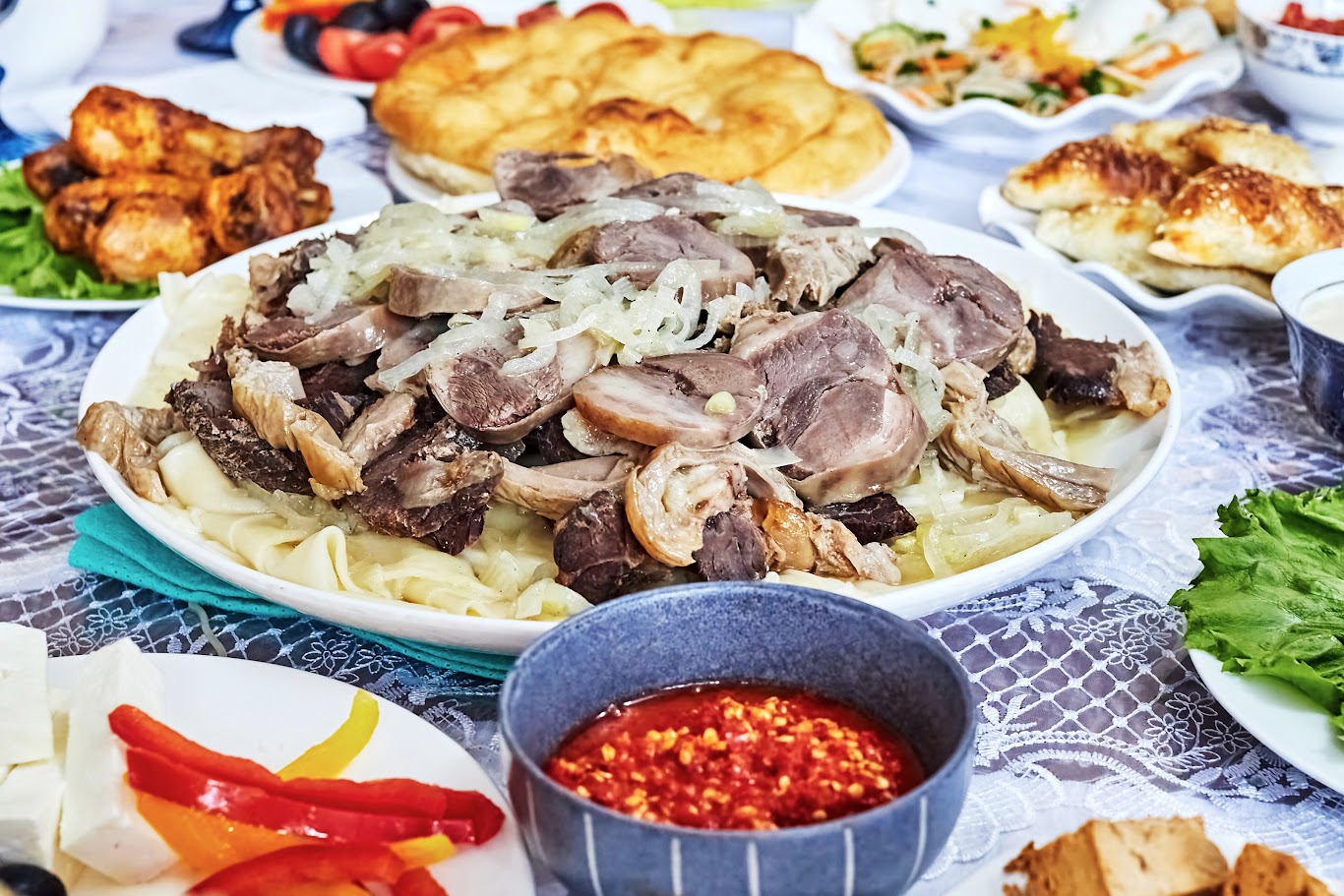
Beshbarmak is often featured in traditional Kazakh meals.
2.2 Kazy – A Delicately Prepared Horse Meat Sausage
When traveling across Central Asia, especially Kazakhstan, visitors will often encounter Kazy – a specialty resembling sausage, made from horse ribs. The preparation involves drying the meat for 5–7 hours, thoroughly cleaning, and marinating it with spices for several hours. The rib meat is then stuffed into horse intestines, tightly sealed, and typically smoked. Before serving, Kazy is boiled for about two hours, sliced into 1cm thick pieces, and enjoyed with onions and salad.
The tender, fatty horse rib meat, infused with bold Central Asian spices, will surely leave a lasting impression on any foodie.
2.3 Kuyrdak – Kazakh-style Organ Meat Stew
Kuyrdak is one of Kazakhstan’s oldest traditional dishes and can be quite intense for foreign visitors. The main ingredients include liver, lungs, heart, and lamb meat. These organs are stir-fried with onions for about 10 minutes and then slowly stewed with potatoes and carrots until the broth thickens. The slow-cooking technique delivers a rich, savory flavor.
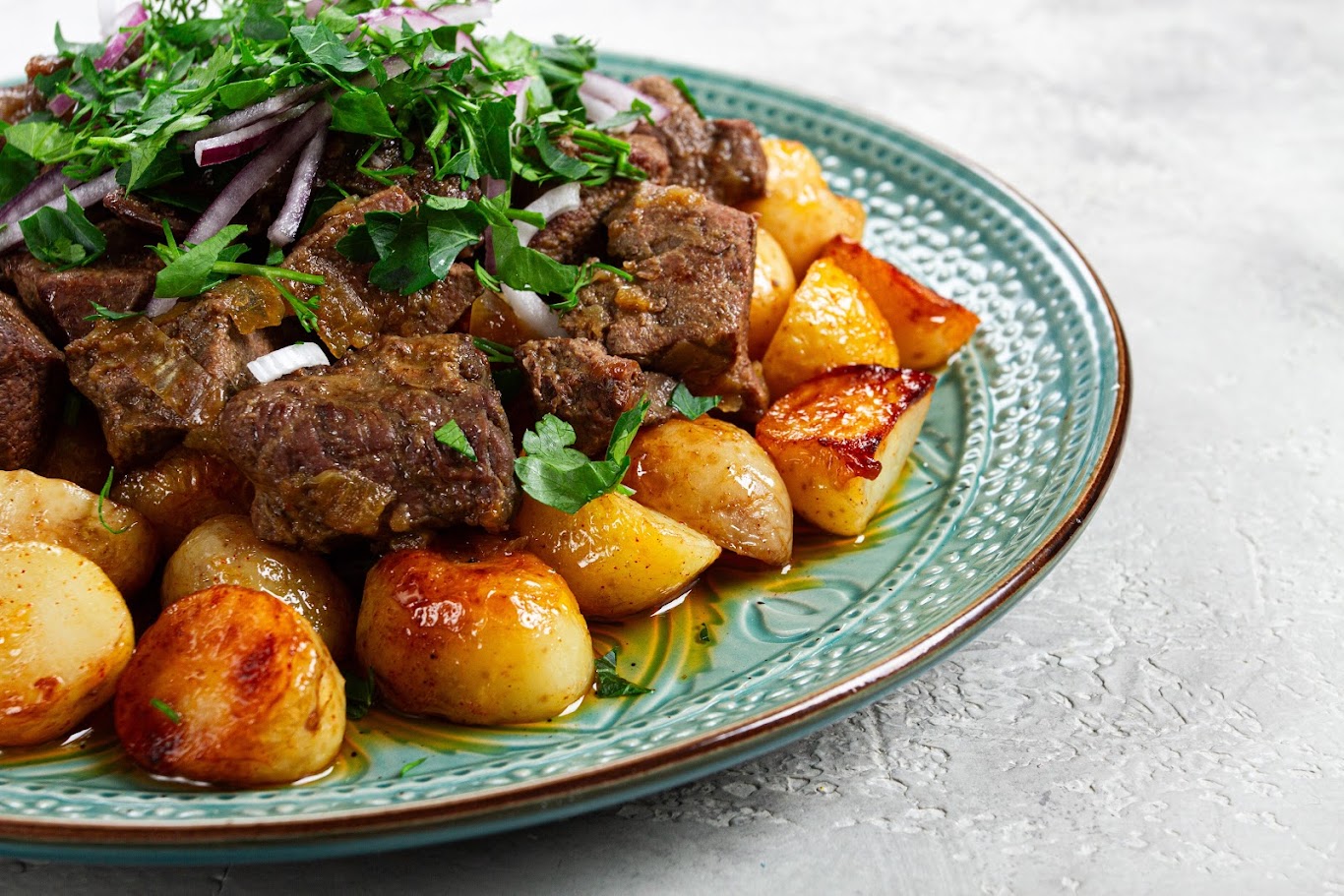
Kuyrdak is made from lamb meat and organs, stewed with onions, potatoes, carrots, and more.
2.4 Shubat and Kumis – Fermented Milk with a Distinctive Taste
No discussion of Kazakh cuisine is complete without mentioning dairy-based items. Notably, Shubat – fermented camel milk – and Kumis – fermented mare milk – are staples with distinctive flavors. Though made from different animals, both undergo similar fermentation, resulting in a lightly sour taste. These drinks are widely consumed in Central Asia. Kazakhs believe fermented milk helps regulate the body, improve digestion, and promote overall health.
2.5 Kurt – Kazakhstan’s Unique Dried Cheese
If you’re looking for an unusual snack, Kurt – Kazakhstan’s traditional dried cheese – is a must-try. These rich, salty cheese balls are made by boiling milk and collecting the nutrient-rich cream. The cream is placed in bags to be compressed, salted, and dried. Kurt is not only nutritious but also long-lasting, perfect for nomads on long journeys across the steppes. Today, it’s enjoyed worldwide for its unique flavor.
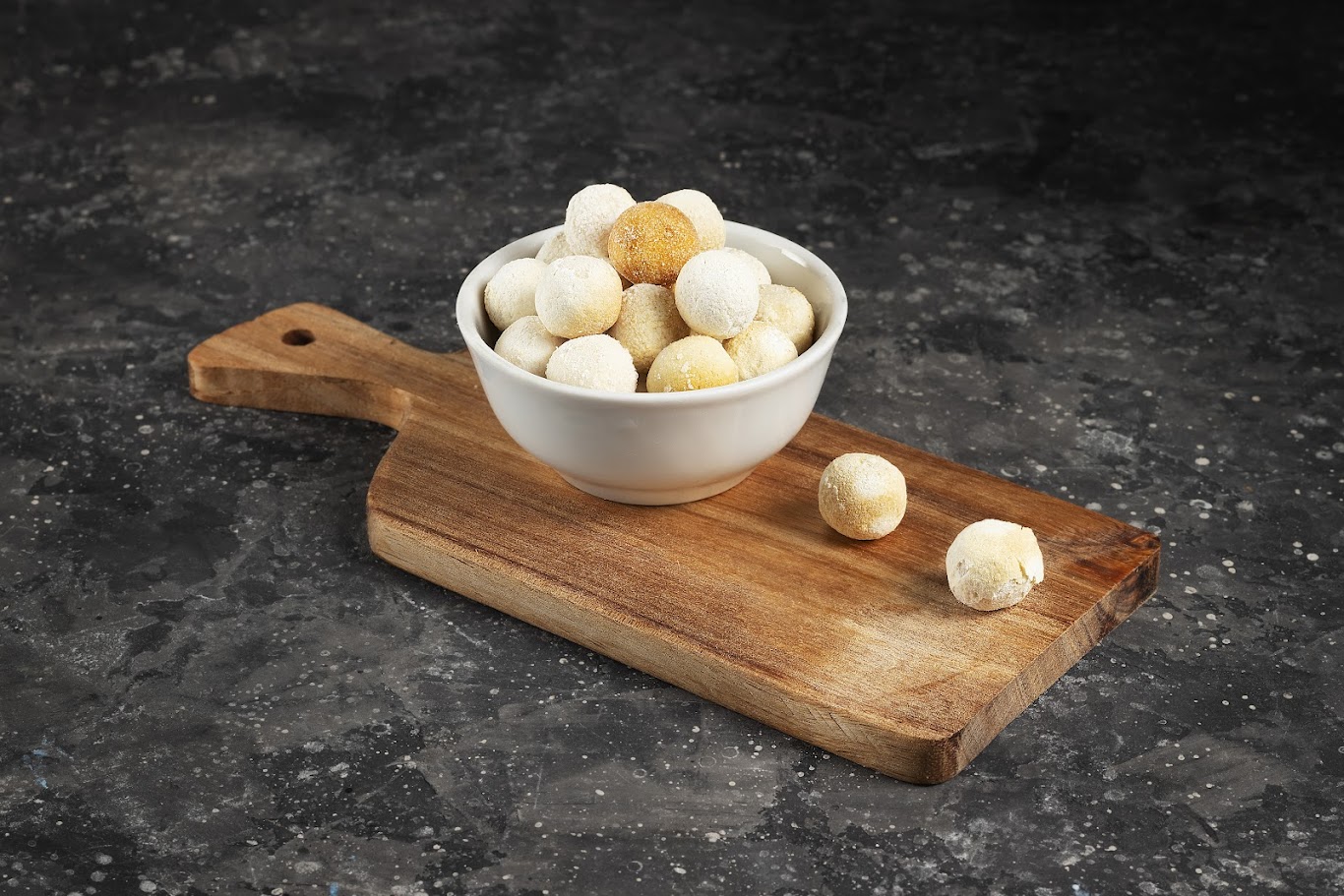
A traditional Kazakh snack with a rich milk aroma and signature salty taste.
2.6 Baursak – Traditional Kazakh Fried Bread
Baursak is a puffed fried bread served during special occasions in Kazakhstan such as birthdays, weddings, or memorials. It is believed that the aroma of frying oil and bread rises to the sky to reach departed loved ones, allowing them to enjoy the food as well.
Made from flour, yeast, milk, and sugar, the dough is deep-fried until golden and crispy outside, with a light, airy interior. It can be eaten on its own, as dessert with sugar, butter, jam, or honey, or even dipped in tea.
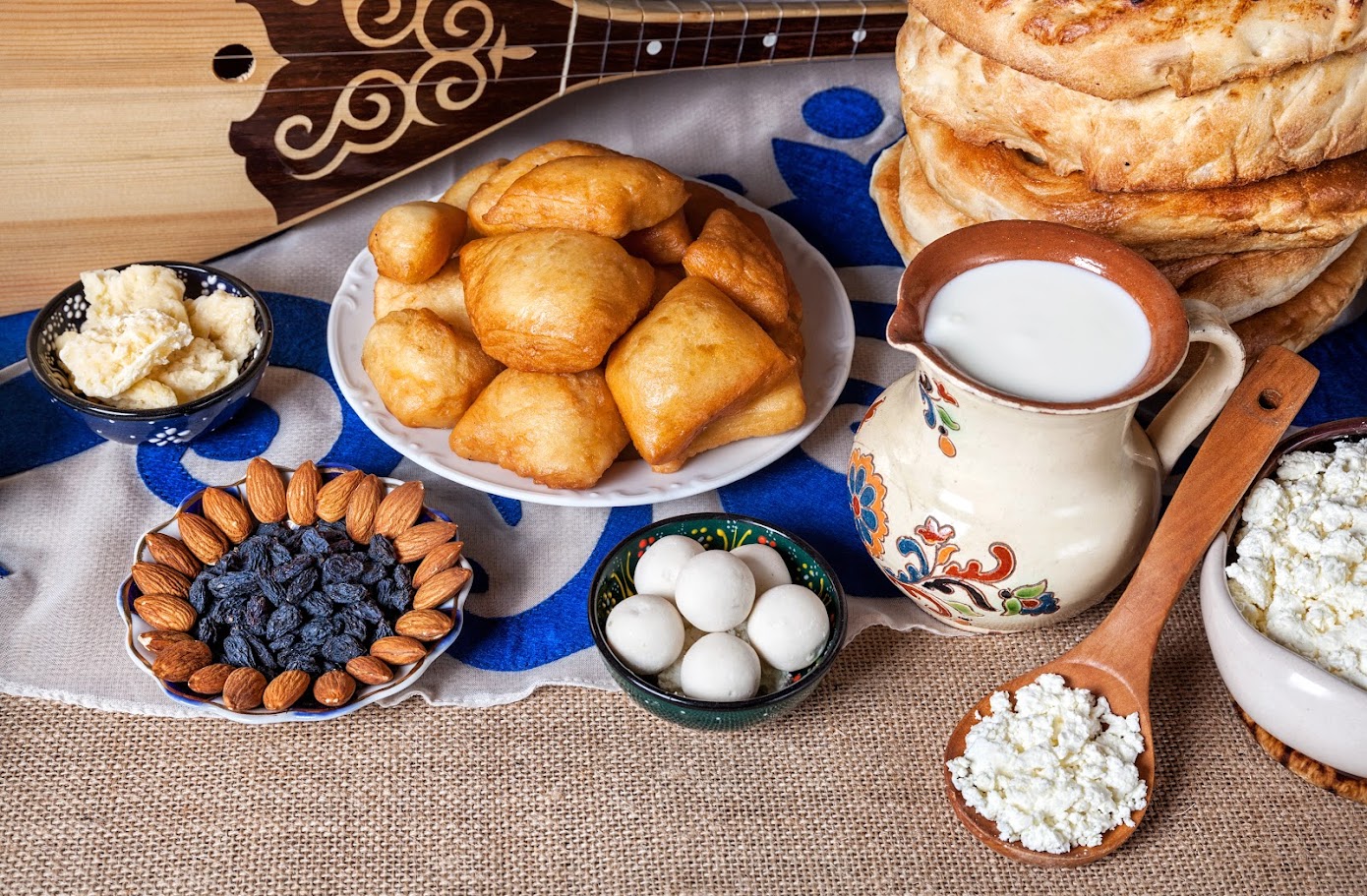
Baursak has a delicious taste and holds special cultural meaning in Kazakhstan.
2.7 Lagman – Richly Flavored Central Asian Noodles
Lagman, originating from the Uyghur people, is now popular across Central Asia. Its broth delivers a characteristic spicy kick and intense flavor. A bowl of Lagman includes hand-pulled noodles with vegetables and meat (usually lamb or beef). It can be served as either dry noodles with thick sauce or as noodle soup with hearty broth. In any form, Lagman is a beloved dish that wins over food lovers worldwide.
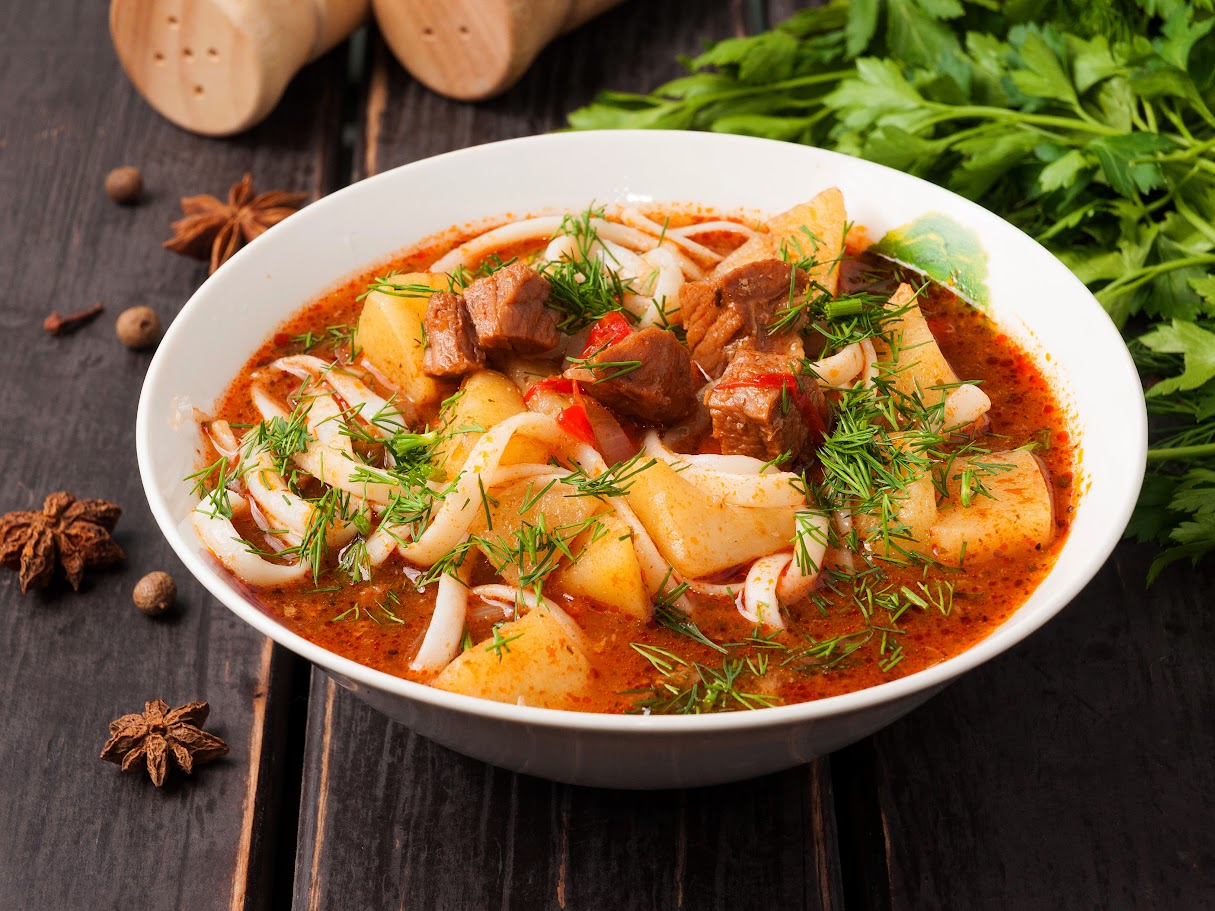
Lagman has a rich flavor from fresh vegetables, lamb, and hearty broth.
See more: Latest Self-Guided Travel Tips for Kazakhstan
We hope this article provides useful insights into Kazakh cuisine and its delicious specialties. Traveling to Kazakhstan has never been easier with direct flights from Vietjet. Thousands of exciting promotions await you. Don’t miss the chance to grab 0 VND domestic and international tickets every day from 12 PM to 2 PM. See full details HERE.
Stay updated with Vietjet’s flight schedules and travel guides through the following official channels:
-
Facebook: https://www.facebook.com/vietjetvietnam
-
Instagram: https://instagram.com/vietjet





Buy Baggage, meals, choose seats and more…
Luxury service
About Vietjet
Contact Center
Where to buy ticket?
Cargo
Privacy policy
Cookie Policy


